hen you first dive into the GAPS diet, the food list might feel restrictive—but it’s designed that way. The goal is to give your gut a break from irritants while providing the nutrients it needs to heal. Here’s what you can eat in Phase 1 (the Foundation Diet), the starting point for most beginners:
- Broths and stocks: Bone broth (chicken, beef, fish) is the cornerstone. It’s packed with collagen, glycine, and minerals like calcium and magnesium, which support gut lining repair. Tip: Start with store-bought bone broth (check for no added salt or sugar) if homemade isn’t an option yet.
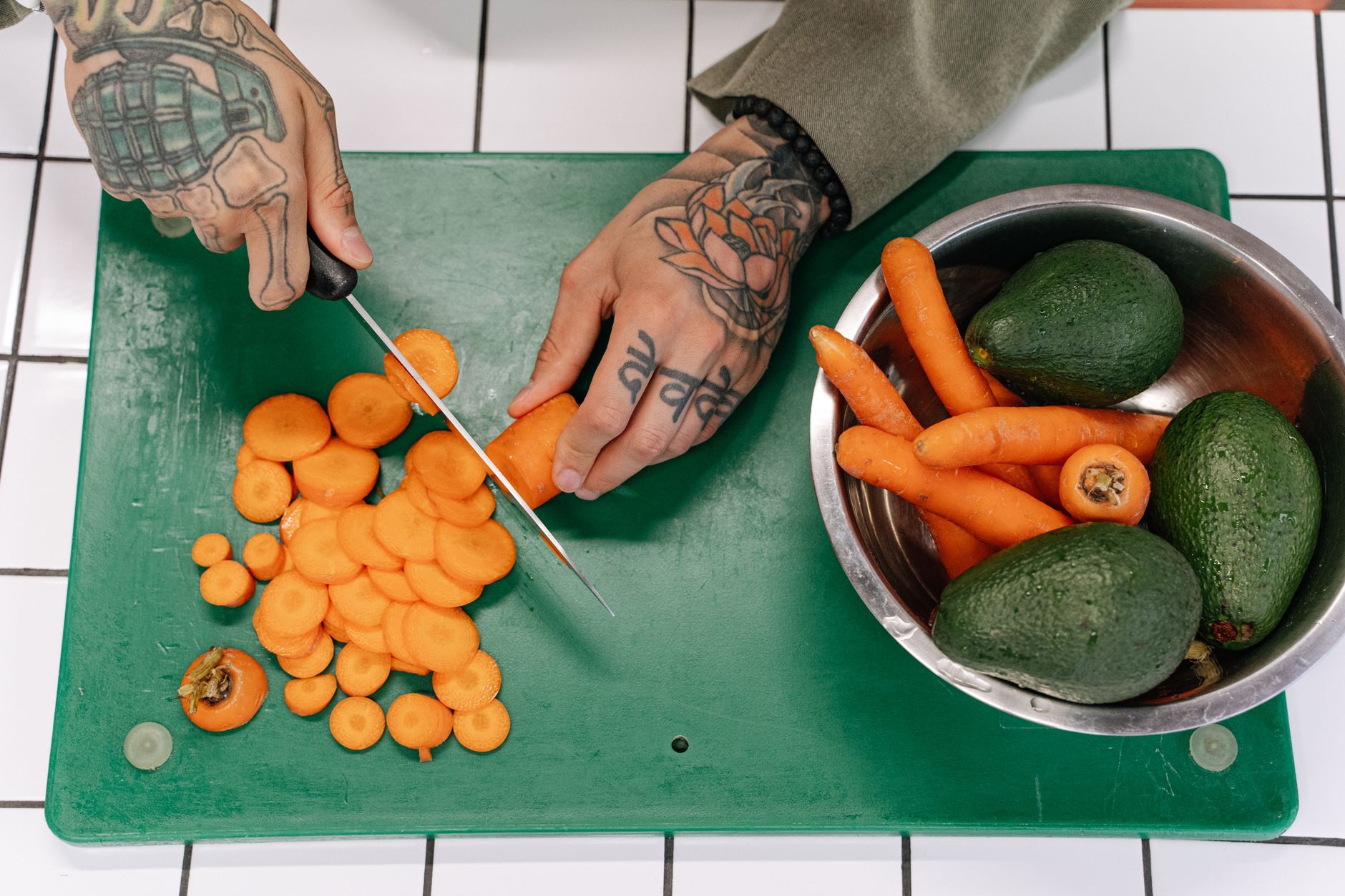
- Cooked vegetables: Soft, well-cooked veggies like carrots, zucchini, sweet potatoes, and spinach. Avoid raw vegetables, legumes, and nightshades (tomatoes, potatoes, peppers) in Phase 1.
- Healthy fats: Avocados, olive oil, coconut oil, and ghee (clarified butter). These fats help absorb fat-soluble vitamins and reduce inflammation.
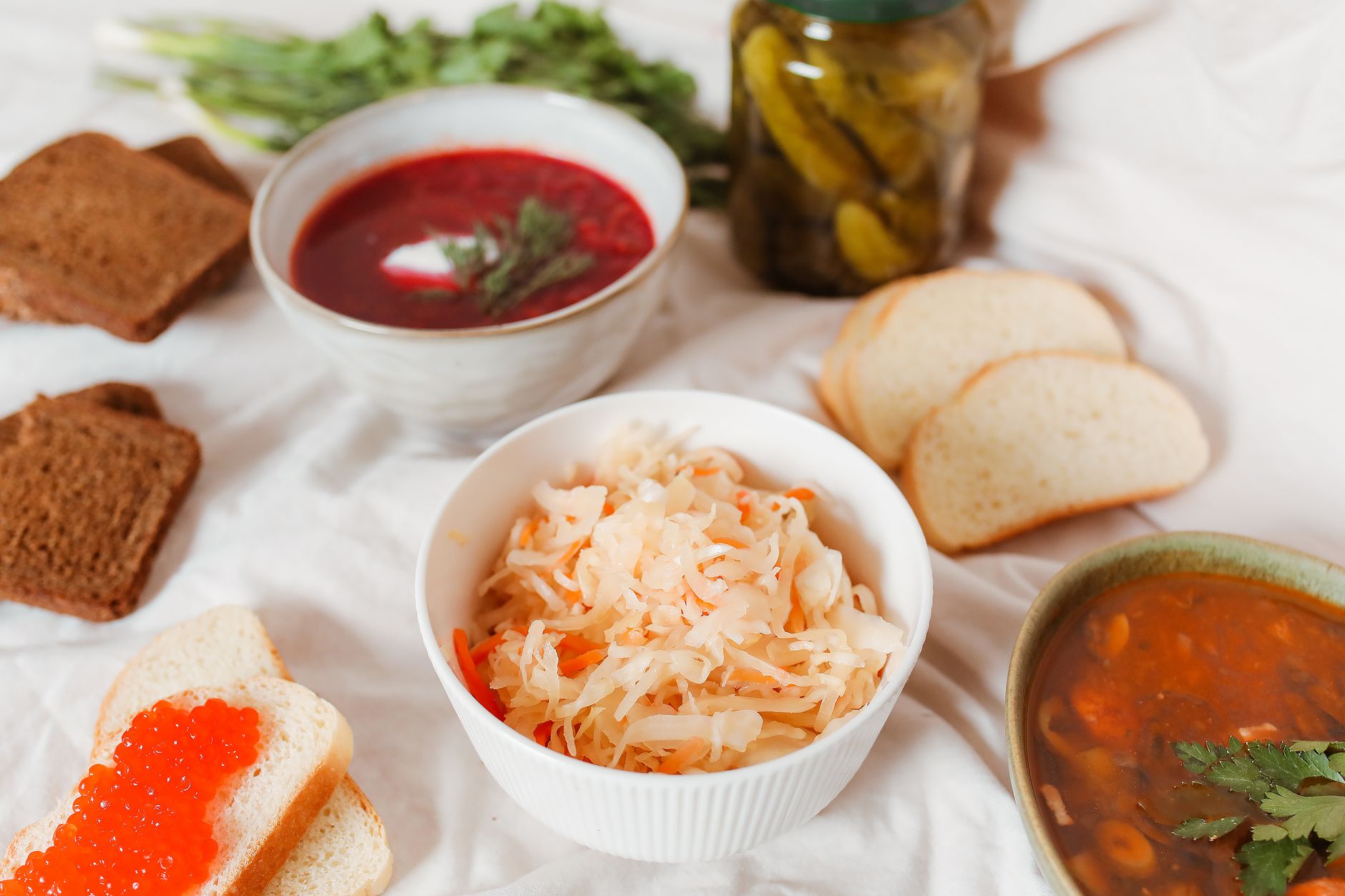
- Fermented foods: Sauerkraut, kimchi, and coconut yogurt (unsweetened). Fermentation introduces probiotics to repopulate your gut with healthy bacteria.
- Eggs: Soft-boiled or scrambled, as they’re gentle on digestion and rich in choline (great for brain health).
- Meat and fish: Cooked, unprocessed meats like chicken, turkey, and fatty fish (salmon, mackerel). Avoid red meat in Phase 1 unless tolerated.
- Dairy (in moderation): Butter, cream, and hard cheeses (like cheddar) can be reintroduced later if tolerated. Many follow a dairy-free diet first to avoid flare-ups.
**What’s missing?** Phase 1 excludes grains, processed sugars, most dairy (initially), raw vegetables, nuts, and seeds. The reasoning? These can irritate the gut lining or feed harmful bacteria. Once you’re comfortable with Phase 1 (usually 4–6 weeks), you’ll gradually reintroduce other foods like cooked fruits, nuts, and seeds in Phase 2.
**Pro tip:** Keep a food diary to track how your body responds. Many women notice improved digestion within the first week—less bloating, fewer gas pains—but others take longer. Patience is key.
---
How to transition from a regular diet to the GAPS diet
Switching to the GAPS diet isn’t about going cold turkey—it’s about easing your gut into healing. Here’s how to do it without feeling deprived or overwhelmed:
- Start with the Foundation Diet: Dedicate the first 4–6 weeks to Phase 1 foods only. This helps your gut calm down and reduces cravings for "forbidden" foods.
- Plan your meals: Meal prep is your best friend. Batch-cook broths, roast vegetables, and hard-boil eggs to grab and go. Example: Make a big pot of chicken broth and freeze portions; roast a tray of carrots and sweet potatoes for the week.
- Stock your pantry: Replace processed snacks with GAPS-friendly options like:
- Olives and pickles (fermented)
- Hard-boiled eggs
- Avocado slices with sea salt
- Coconut yogurt with a drizzle of honey (if tolerated)
- Avoid temptation: Clear your fridge and cupboards of triggers like processed meats, sugary snacks, and refined carbs. If your kitchen isn’t set up for success, you’re more likely to slip up.
- Hydrate and support digestion: Drink plenty of water, herbal teas (ginger or peppermint), and bone broth. Consider adding a probiotic supplement if you’re not eating fermented foods daily.
**Real talk:** The first few days can be tough—headaches, fatigue, or even mild nausea (this is called the "healing crisis" as toxins release). Stay hydrated, rest, and remind yourself it’s temporary. Many women compare it to coming down with a cold but feeling better after a few days.
**Common pitfall:** Skipping the Foundation Diet and jumping to Phase 2. This can backfire by overwhelming your gut. If you’re eager to reintroduce foods, wait until you’re symptom-free for at least a week.
---
GAPS diet meal plan for beginners: week by week
Here’s a simple, no-fuss 7-day plan to help you visualize what a day (and week) looks like on the GAPS diet. This focuses on Phase 1 foods, but we’ll include a sneak peek of Phase 2 additions later.
Day 1
- Breakfast: Soft-boiled egg with a side of avocado slices.
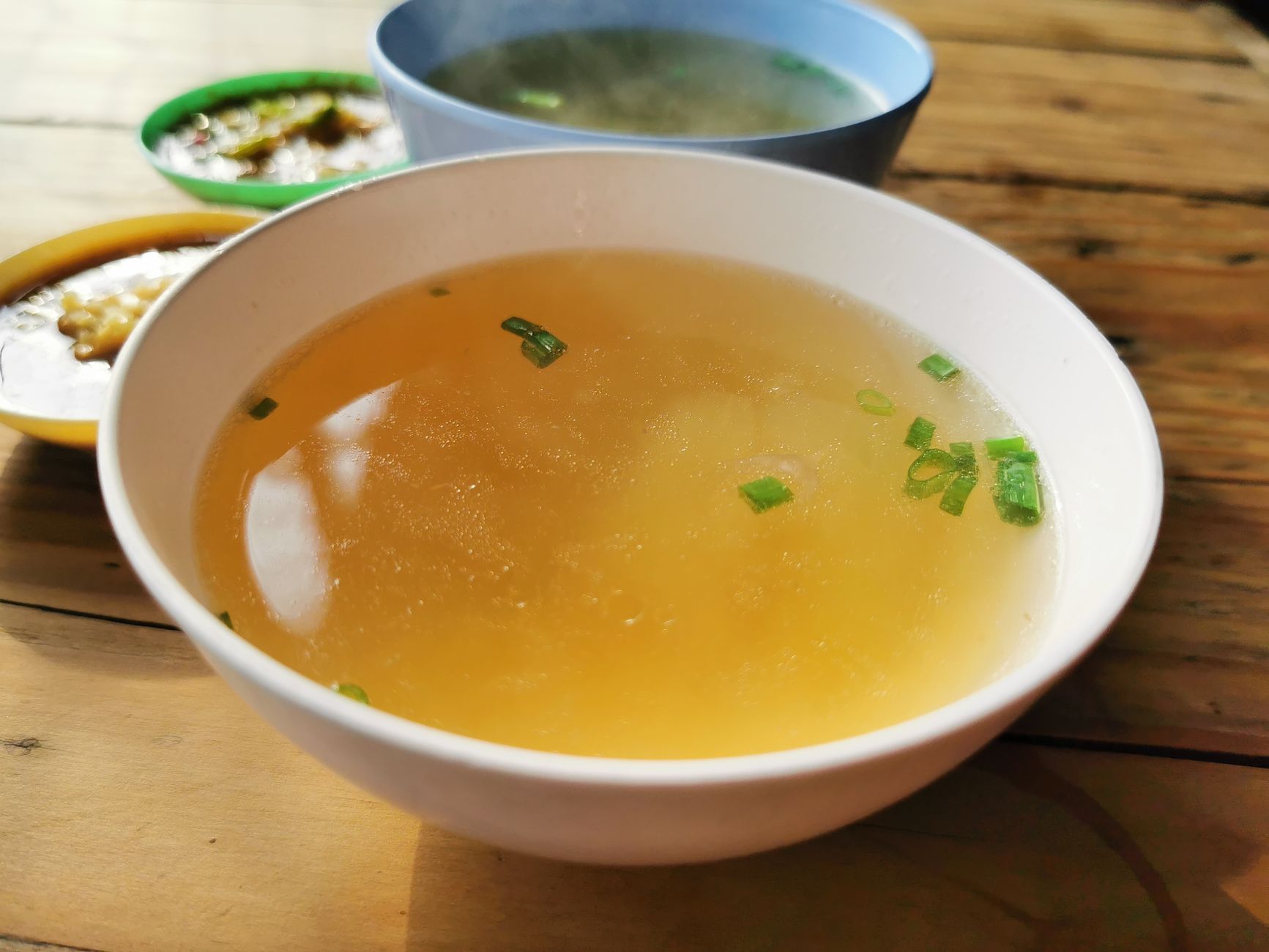
- Lunch: Chicken broth with a spoonful of sauerkraut and a small side of roasted carrots.
- Dinner: Baked salmon with mashed sweet potatoes (no butter yet—use olive oil).
- Snack: Olives and a handful of cooked zucchini sticks.
Day 2
- Breakfast: Coconut yogurt with a drizzle of honey (if tolerated) and a few soft-cooked spinach leaves.
- Lunch: Beef broth with a side of steamed zucchini and a slice of hard cheese (if dairy is tolerated).
- Dinner: Scrambled eggs with a side of roasted carrots and a spoon of olive oil.
- Snack: Hard-boiled egg with sea salt.
Day 3
- Breakfast: Bone broth with a spoon of sauerkraut and a side of avocado.
- Lunch: Chicken broth with a side of soft-cooked sweet potato and a drizzle of ghee.
- Dinner: Baked turkey with a side of roasted carrots and a small side of coconut yogurt.
- Snack: Pickles (fermented) and a few olives.
Day 4–7
Repeat or rotate similar meals, focusing on variety in broths (chicken, beef, fish), cooked vegetables, and healthy fats. Key: Listen to your body. If a food causes discomfort (bloating, cramping), skip it for a few days and reintroduce later.
**Phase 2 additions (after 4–6 weeks):**
- Cooked fruits like apples or pears (peeled and cooked)
- Nuts and seeds (soaked or roasted)
- Cooked grains like quinoa or rice (if tolerated)
- More dairy options like cream or soft cheeses
**Pro tip:** Use a meal-planning app or spreadsheet to track what you eat. Many beginners find it helpful to write down recipes in advance to avoid decision fatigue.
---
GAPS diet grocery list for beginners
Shopping for the GAPS diet can feel like a trip to the "health food aisle" if you’re not used to it—but it’s simpler than you think. Below is a beginner-friendly grocery list divided by category. Prioritize organic and grass-fed options when possible.
Proteins
- Chicken thighs or breasts (for broth and meals)
- Beef (grass-fed if possible)
- Salmon or mackerel (wild-caught)
- Eggs (pasture-raised)
Fats
- Olive oil
- Coconut oil
- Ghee (clarified butter)
- Avocados
Vegetables
- Carrots
- Zucchini
- Sweet potatoes
- Spinach
- Cauliflower
- Broccoli
Fermented Foods
- Sauerkraut (raw, unpasteurized)
- Kimchi
- Coconut yogurt (unsweetened)
- Pickles (fermented, no vinegar)
Dairy (optional)
- Hard cheese (cheddar, gouda)
- Butter or cream (if tolerated)
Pantry Staples
- Bone broth (store-bought or homemade)
- Sea salt
- Honey (raw, if tolerated)
- Olives
**Budget tip:** Buy frozen vegetables like spinach or cauliflower to save money and reduce waste. Also, consider making your own bone broth—chicken feet, wings, or carcasses are cheap and full of collagen.
---
How to prepare GAPS diet recipes at home
Cooking for the GAPS diet doesn’t have to be complicated. Here are a few simple, beginner-friendly recipes to get you started:
1. Easy Bone Broth
Ingredients: 1 lb chicken feet or carcass, 8 cups water, 1 tbsp apple cider vinegar, salt to taste.
Instructions:
- Place chicken feet or carcass in a pot and cover with water.
- Add apple cider vinegar (helps extract minerals).
- Simmer for 12–24 hours on low heat. Strain and store in the fridge or freezer.
2. Soft-Boiled Eggs
Ingredients: Eggs, water.
Instructions:
- Bring a pot of water to a gentle boil.
- Lower eggs into the water and cook for 6–7 minutes (for runny yolks).
- Transfer to ice water to stop cooking, then peel.
3. Roasted Carrots
Ingredients: 2 lbs carrots, olive oil, salt.
Instructions:
- Preheat oven to 400°F (200°C).
- Toss carrots in olive oil and salt, spread on a baking sheet.
- Roast for 25–30 minutes until tender.
**Pro tip:** Use leftovers creatively. For example, roast a whole chicken for broth and dinner—double the win!
---
GAPS diet snacks for beginners
Snacking on the GAPS diet is all about convenience and gut-friendly ingredients. Here are 10 easy, no-prep options:
- Hard-boiled eggs with sea salt
- Avocado slices with olive oil and salt
- Olives and pickles (fermented)
- Coconut yogurt with a drizzle of honey
- Roasted seaweed snacks
- Cheese cubes (if tolerated)
- Bone broth with a spoon of sauerkraut
- Soft-cooked zucchini sticks with ghee
- Fermented sardines (in olive oil)
- Homemade energy balls (dates + coconut + cocoa powder, blended and rolled)
**Common mistake:** Relying on store-bought snacks that aren’t GAPS-compliant. Always check labels for hidden sugars, additives, or non-compliant ingredients.
---
GAPS diet breakfast ideas for beginners
Breakfast on the GAPS diet is simple but satisfying. Here are 7 easy ideas to start your day right:
- Bone Broth Smoothie: Blend bone broth with coconut yogurt, a spoon of honey, and a handful of soft-cooked spinach.
- Scrambled Eggs with Avocado: Cook eggs in olive oil and serve with avocado slices.
- Coconut Yogurt Parfait: Layer coconut yogurt with soft-cooked pears and a sprinkle of cinnamon.
- Soft-Boiled Eggs and Olives: A classic combo—easy and portable.
- Ghee Toast (Phase 2): If you’re ready for Phase 2, toast a slice of sourdough (if tolerated) with ghee and a side of soft-cooked apples.
- Fermented Sardines: Top a bowl of bone broth with fermented sardines and a side of roasted carrots.
- Chia Pudding (Phase 2): Mix chia seeds with coconut milk and a spoon of honey, then refrigerate overnight.
**Pro tip:** If you’re short on time, batch-cook eggs or broth the night before for grab-and-go breakfasts.
---
GAPS diet for pregnant women: what you need to know
If you’re pregnant and considering the GAPS diet, it’s important to approach it with caution. While the diet can support gut health and reduce inflammation, it’s not a one-size-fits-all solution for pregnancy. Here’s what to consider:
- Consult your provider: Always check with your obstetrician or midwife before making major dietary changes during pregnancy. The GAPS diet’s restrictive nature may not provide all the nutrients needed for fetal development.
- Focus on nutrient density: Prioritize foods rich in folate, iron, and omega-3s, like leafy greens, fatty fish, and eggs. Many pregnant women find the DASH diet a safer alternative for blood pressure and heart health.
- Avoid extreme restrictions: Phase 1 of GAPS excludes many nutrient-dense foods like dairy and certain proteins, which are crucial during pregnancy. Consider a modified approach with your provider’s guidance.
- Listen to your body: If you experience nausea, fatigue, or cravings, don’t suppress them. Pregnancy is a time to nourish both you and your baby.
**Bottom line:** The GAPS diet isn’t typically recommended for pregnant women unless under medical supervision. If you’re struggling with pregnancy-related digestive issues, focus on gentle, nutrient-rich foods like bone broth, cooked vegetables, and lean proteins.
---
GAPS diet for autism: current research and considerations
Dr. Campbell-McBride originally developed the GAPS diet to address neurological disorders like autism, based on the theory that gut health is linked to brain function. While anecdotal reports suggest improvements in behavior, focus, and digestion for some children with autism, scientific research is limited. Here’s what we know:
- Anecdotal success stories: Many parents report reduced hyperactivity, improved sleep, and better digestion after following the GAPS diet with their children. One mother shared, "After 3 months on GAPS, my son’s meltdowns decreased by 80%, and his focus improved dramatically."
- Limited clinical trials: There’s a lack of large-scale, peer-reviewed studies on GAPS and autism. Most evidence comes from case reports or parent testimonials.
- Potential benefits:
- Reduced gut inflammation (linked to behavioral issues)
- Improved nutrient absorption (critical for brain development)
- Introduction of probiotics via fermented foods
- Challenges:
- Strict food restrictions can be hard for picky eaters
- Requires parental time and patience for meal prep
- May not work for everyone—some children tolerate it well, others don’t
- Next steps: If you’re considering GAPS for your child with autism, work with a pediatrician or nutritionist experienced in gut health. They can help tailor the diet and monitor progress.
---
GAPS diet benefits for gut health
The GAPS diet’s primary goal is to heal the gut lining, which can improve overall digestion and reduce symptoms of conditions like IBS, SIBO, and leaky gut. Here’s how it works:
- Repairs gut lining: Bone broth’s collagen helps patch "leaks" in the intestinal barrier, reducing inflammation.
- Reduces gut bacteria imbalance: By eliminating processed foods and sugars, GAPS supports the growth of beneficial bacteria.
- Improves digestion: Cooked foods are easier to break down, reducing bloating and gas for many.
- Supports immune function: A healthy gut means fewer autoimmune flare-ups and fewer infections.
**Real-world example:** Sarah, a 34-year-old mom of two, had chronic IBS for years. After 8 weeks on GAPS, she noticed her bloating halved, and she no longer felt "off" after meals. "I thought I’d always live with this," she said. "The diet wasn’t easy, but the relief was worth it."
---
GAPS diet side effects
While the GAPS diet is generally safe, some people experience side effects—especially during the initial transition. Here’s what to watch for:
- Healing crisis: As your gut heals, you may feel worse initially—headaches, fatigue, or mild nausea. This is normal and temporary.
- Digestive changes: Some people experience loose stools or constipation as their gut adjusts. Stay hydrated and eat enough fiber (from cooked veggies).
- Nutrient deficiencies: If not planned carefully, the diet can lack certain vitamins (like B12 or vitamin D). Consider supplements if needed.
- Social challenges: Eating differently can feel isolating, especially at gatherings. Prepare GAPS-friendly snacks to bring along.
**When to see a doctor:** If you experience severe symptoms like persistent vomiting, weight loss, or signs of malnutrition, consult a healthcare provider.
---
GAPS diet vs keto: key differences
If you’ve heard of the keto diet, you might wonder how it compares to GAPS. While both are low-carb, they have different goals:
**Key takeaway:** If your goal is gut health, GAPS is the better choice. If you’re focused on weight loss or ketosis, keto might align better—though many find keto’s restrictions harder to maintain long-term.
---
GAPS diet for weight loss: does it work?
Yes, many people lose weight on the GAPS diet—but it’s not the primary goal. Weight loss happens as a side effect of reducing inflammation, improving digestion, and eliminating processed foods. Here’s how it compares to other diets:
- How it works for weight loss:
- Eliminates refined sugars and processed carbs, which reduce cravings.
- High-fat, high-protein meals keep you full longer.
- Reduced bloating and water retention can lead to noticeable changes in a few weeks.
- Expected results: Some lose 5–10 lbs in the first month (mostly water weight), with steady, sustainable loss after that. However, progress varies widely.
- Challenges:
- Can be restrictive and hard to maintain long-term.
- Not ideal for intense athletic performance (low-carb phases may fatigue some).
- Requires meal planning to avoid boredom.
- Alternatives for weight loss: If your goal is weight management, diets like flexitarian or DASH may be easier to stick with while still promoting health.
---
Myth vs. fact: common GAPS diet misconceptions
Let’s clear up some confusion around the GAPS diet:
- Myth: The GAPS diet is just another fad diet.
Fact: While it’s not mainstream, the GAPS diet is rooted in gut health science and has helped many people manage chronic conditions. However, it’s not a quick fix—it requires commitment.
- Myth: You can eat as much fat as you want on GAPS.
Fact: While healthy fats are encouraged, overeating them can lead to digestive issues or weight gain. Balance is key.
- Myth: The GAPS diet is safe for everyone.
Fact: It’s not suitable for pregnant women, people with eating disorders, or those with certain medical conditions without professional guidance.
- Myth: You’ll never eat grains or dairy again.
Fact: Many people reintroduce grains and dairy in Phase 2 if they tolerate them well—but some choose to stay strict for long-term gut health.
---
Key takeaways
- Start with the Foundation Diet (Phase 1) for 4–6 weeks to give your gut time to heal.
- Focus on nutrient-dense foods like bone broth, cooked vegetables, and healthy fats.
- Meal prep and plan ahead to avoid cravings and convenience foods.
- Listen to your body—if a food causes discomfort, skip it and reintroduce later.
- Consider working with a nutritionist or healthcare provider to tailor the diet to your needs.
- Be patient—improvements often take weeks, not days.
---
Frequently asked questions
What is the GAPS diet?
The GAPS diet is a gut-healing protocol developed by Dr. Natasha Campbell-McBride. It focuses on nutrient-dense, easily digestible foods like bone broth, fermented vegetables, and fatty fish to repair the gut lining and reduce inflammation. It’s often used to address digestive issues, autoimmune conditions, and neurological disorders like autism.
How long does it take to see results on the GAPS diet?
Many people notice improvements in digestion—like reduced bloating or gas—within the first week. However, significant gut healing (e.g., reduced symptoms of IBS or SIBO) often takes 4–6 weeks. Long-term benefits, like improved energy or skin clarity, may take 3–6 months. Consistency is key!
Is the GAPS diet safe for pregnant women?
While the GAPS diet can support gut health, it’s not recommended for pregnant women unless under medical supervision. The restrictive nature of Phase 1 may not provide all the nutrients needed for fetal development. Focus on nutrient-rich foods like leafy greens, fatty fish, and eggs instead.
What foods are banned on the GAPS diet?
Phase 1 of the GAPS diet excludes:
- Grains (wheat, rice, quinoa)
- Processed sugars and artificial sweeteners
- Raw vegetables and nightshades (tomatoes, potatoes, peppers)
- Legumes (beans, lentils, peanuts)
- Nuts and seeds (in Phase 1)
- Most dairy (except butter, cream, or hard cheese if tolerated)
Phase 2 gradually reintroduces some of these foods if tolerated.
Can I follow the GAPS diet if I have a food allergy?
Yes, but you’ll need to adjust based on your specific allergies. For example, if you’re allergic to eggs, you’d skip them and focus on other protein sources like fish or beef. Always work with an allergist or nutritionist to ensure you’re meeting your nutritional needs while avoiding triggers.
What is the difference between the GAPS diet and the Paleo diet?
While both diets eliminate grains and processed foods, they have key differences:
- GAPS: Focuses on gut healing with fermented foods, bone broth, and cooked vegetables. More restrictive in Phase 1.
- Paleo: Emphasizes whole, unprocessed foods like meat, fish, fruits, and vegetables (though raw veggies are often included). Less restrictive and more flexible.
If your goal is gut repair, GAPS is the better choice. If you’re looking for a broader, more flexible diet, Paleo might suit you better.
---
When to see a doctor or specialist
While the GAPS diet is generally safe for most adults, there are times when you should consult a healthcare provider:
- Persistent symptoms: If you experience severe nausea, vomiting, or weight loss after starting the diet, see a doctor.
- Nutrient deficiencies: If you’re not eating a varied diet, you may need supplements (e.g., vitamin D, B12). A blood test can help identify deficiencies.
- Autoimmune or neurological conditions: If you have a diagnosed condition like celiac disease, lupus, or epilepsy, work with a specialist to tailor the diet to your needs.
- Pregnancy or breastfeeding: Always check with your obstetrician before making major dietary changes.
- Mental health concerns: If the diet is causing stress or anxiety (e.g., social isolation, disordered eating patterns), seek support from a therapist or nutritionist.
**Who to see:**
- Gastroenterologist: For gut-related concerns like IBS or SIBO.
- Nutritionist or dietitian: To personalize the diet and




