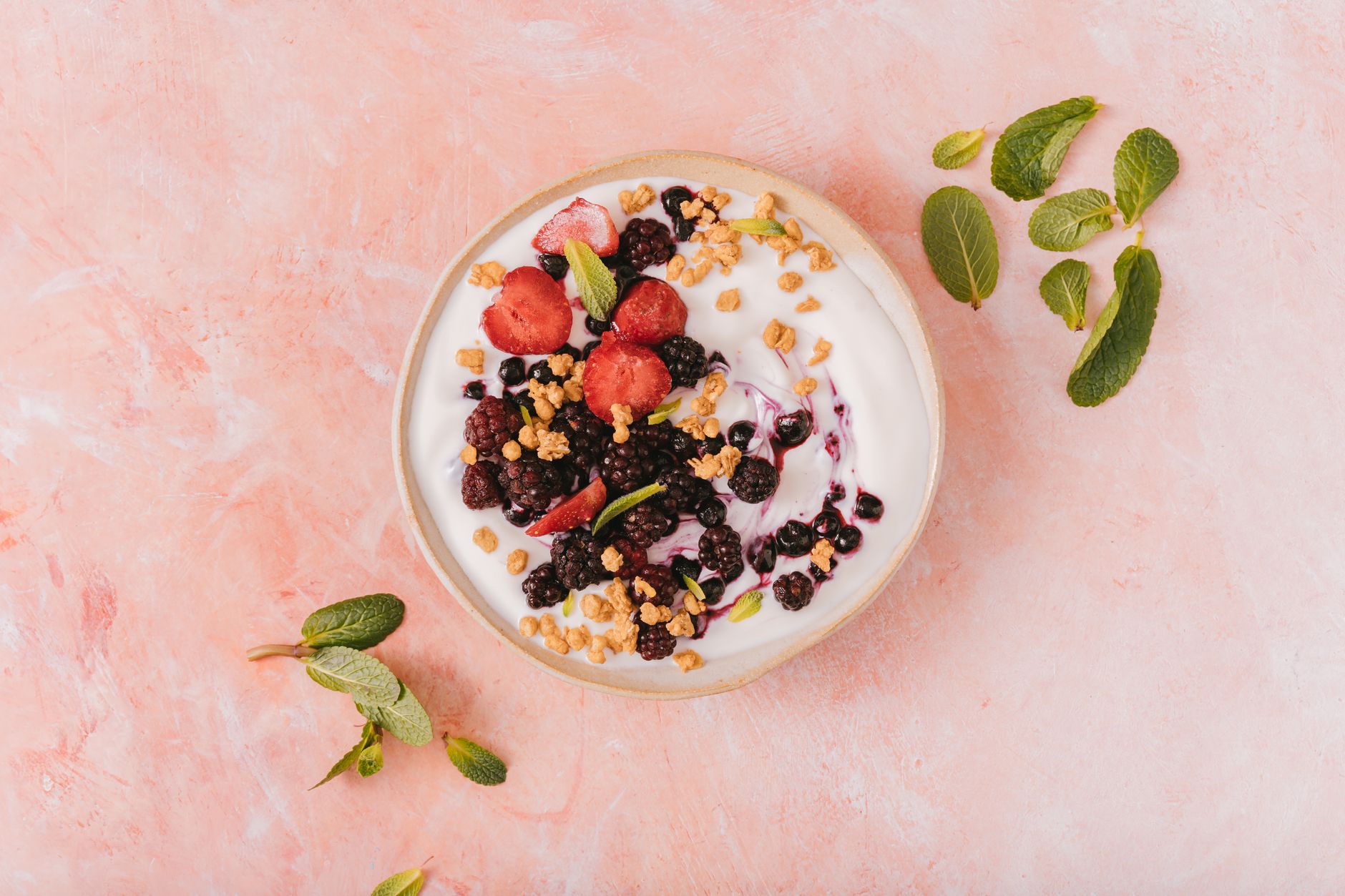
To truly nourish your brain and support weight loss, focus on foods that are rich in essential nutrients, fiber, and healthy fats. These foods help reduce inflammation, stabilize blood sugar, and keep you feeling full and energized. Many women find that incorporating a heart-healthy diet for weight loss also naturally aligns with brain-boosting principles, as both emphasize whole, unprocessed foods.
Leafy Green Vegetables
These are nutritional powerhouses. Kale, spinach, collard greens, and Swiss chard are packed with vitamins K, A, and C, as well as folate, lutein, and beta-carotene. These nutrients are known to protect the brain from cognitive decline and can help reduce belly fat by providing fiber and micronutrients without excess calories. Aim for at least six servings per week.
Berries
Blueberries, strawberries, raspberries, and blackberries are bursting with flavonoids, natural plant pigments that have powerful antioxidant and anti-inflammatory effects. Studies suggest berries can improve memory and cognitive function. Their high fiber content also contributes to satiety, helping with weight management and blood sugar control. Add them to your morning oatmeal, smoothies, or enjoy as a snack.
Fatty Fish (Omega-3 Rich Foods)
Salmon, mackerel, tuna, and sardines are excellent sources of omega-3 fatty acids, particularly DHA (docosahexaenoic acid). Omega-3s are critical for brain cell structure and function, playing a vital role in memory and learning. They also have anti-inflammatory properties that can support overall health and weight management. Aim for two servings of fatty fish per week. These omega-3 rich foods for brain function and weight management are non-negotiable.
Nuts and Seeds
Walnuts, almonds, pecans, flaxseeds, and chia seeds are rich in healthy fats, fiber, and vitamin E, an antioxidant that helps protect brain cells. Walnuts, in particular, are noted for their high omega-3 content. Nuts provide sustained energy and satiety, making them excellent brain boosting snacks for weight loss. Just be mindful of portion sizes due to their calorie density.
Whole Grains
Choose unrefined whole grains like oats, quinoa, brown rice, whole-wheat bread, and barley. These provide complex carbohydrates that release glucose slowly into the bloodstream, offering a steady energy supply to your brain and preventing blood sugar spikes and crashes. The fiber content also aids digestion and promotes fullness, which is key for weight loss.
Legumes
Beans, lentils, and chickpeas are fantastic sources of plant-based protein, fiber, and B vitamins. These nutrients are crucial for brain health and can help stabilize blood sugar, keeping cravings at bay. Their high fiber content also supports a healthy gut microbiome, which is intimately linked to both brain health and weight management.
Avocados and Olive Oil
These are examples of healthy monounsaturated fats. Avocado provides brain-boosting nutrients like folate and vitamin K, while extra virgin olive oil is a cornerstone of the Mediterranean diet, known for its anti-inflammatory properties and beneficial impact on cardiovascular and brain health. Use olive oil for cooking and dressing, and enjoy avocado in salads or as a spread.
Herbs and Spices
Many herbs and spices, such as turmeric (with its active compound curcumin), rosemary, and cinnamon, possess powerful antioxidant and anti-inflammatory properties that can benefit brain health. Turmeric, for instance, has been studied for its potential to improve memory and mood. Incorporating these into your meals not only adds flavor but also boosts their nutritional value.
For a plant-based brain healthy diet for weight loss, focus heavily on legumes, nuts, seeds, fruits, vegetables, and whole grains, ensuring a wide variety to get all essential nutrients. You can also explore delicious easy Italian diet dinner recipes that often naturally align with these principles.

What Foods Should You Avoid on a Brain Healthy Diet for Weight Loss?
Just as important as what you eat is what you choose to limit or avoid when following a brain-healthy diet for weight loss. These foods tend to contribute to inflammation, blood sugar dysregulation, and can hinder your weight loss efforts and cognitive function. Cutting back on these can make a significant difference in how you feel and think.
Refined Sugars and Added Sweeteners
This includes sugary drinks, candies, pastries, and many processed snacks. High sugar intake leads to sharp spikes and crashes in blood sugar, which can impair cognitive function, contribute to brain fog, and promote fat storage, especially around the belly. Chronic high sugar consumption is also linked to increased inflammation and a higher risk of conditions like insulin resistance and type 2 diabetes, which negatively impact brain health. Look for hidden sugars in seemingly healthy foods like yogurts, sauces, and cereals.
Processed Foods and Ultra-Processed Snacks
Foods like fast food, packaged baked goods, chips, and ready meals are often high in unhealthy fats, refined sugars, and sodium, and low in essential nutrients. They contribute to systemic inflammation, disrupt the gut microbiome, and offer little satiety, leading to overeating and weight gain. Their lack of fiber also means they don't support healthy digestion or stable blood sugar.
Unhealthy Fats (Trans Fats and Excessive Saturated Fats)
Trans fats, often found in partially hydrogenated oils used in fried foods and some processed snacks, are particularly detrimental to brain and heart health. They promote inflammation and can negatively impact memory. While some saturated fat is acceptable, excessive amounts (found in red and processed meats, full-fat dairy, and some tropical oils) can also contribute to inflammation and elevated cholesterol levels, affecting both brain health and weight. Focus on replacing these with healthy monounsaturated and polyunsaturated fats.
Refined Grains
Unlike whole grains, refined grains (white bread, white rice, pasta made from white flour) have had their fiber and nutrient-rich bran and germ removed. This means they are quickly digested, leading to rapid blood sugar spikes similar to refined sugars. This can contribute to brain fog, energy dips, and make weight loss more challenging. Opt for whole grain alternatives instead.
Artificial Sweeteners
While often marketed as a "healthier" alternative to sugar, some research suggests artificial sweeteners may negatively impact the gut microbiome and potentially contribute to metabolic dysfunction and cravings, which can hinder weight loss efforts. While more research is needed, it's generally best to reduce your overall intake of intensely sweet foods, whether from sugar or artificial alternatives.
Excessive Alcohol
While moderate alcohol consumption (one drink per day for women) might have some benefits, excessive intake can negatively impact brain health, memory, and sleep quality. It also adds empty calories, which can impede weight loss. It's best to limit alcohol or avoid it altogether, especially if you're focusing on cognitive improvement and weight management.
By consciously reducing your intake of these categories, you create more room for nutrient-dense, brain-boosting foods that support both your mental clarity and your weight loss goals. It's not about strict deprivation but rather mindful choices that prioritize your long-term health and well-being. For a different but equally effective approach to fat loss, you might consider how a keto diet for weight loss restricts certain carb-heavy foods, although its mechanisms differ from a brain-healthy diet.
Sample Brain Healthy Meal Plan for Weight Loss Success
Embarking on a brain-healthy diet for weight loss doesn't have to be complicated. This 7-day sample meal plan provides a blueprint, focusing on nutrient-dense foods that will keep your brain sharp and your body satisfied. Remember, portion sizes are key for weight loss, so adjust according to your individual needs and activity level.
Tips for Success
- Hydration: Drink plenty of water throughout the day.
- Snacks: If you get hungry between meals, choose brain-boosting snacks like a handful of walnuts, an apple with almond butter, a small bowl of berries, or a hard-boiled egg.
- Preparation: Meal prep can be a game-changer. Chop vegetables, cook grains, and prepare dressings in advance.
- Flexibility: Feel free to swap meals and ingredients based on your preferences and what's in season.
- Listen to Your Body: Eat when you're hungry, stop when you're full.
7-Day Brain Healthy Meal Plan for Weight Loss
Brain Boosting Snacks for Weight Loss
- A handful of walnuts or almonds
- Apple slices with a tablespoon of natural peanut or almond butter
- Small bowl of mixed berries
- Greek yogurt with a few flaxseeds
- Hard-boiled egg
- Vegetable sticks (carrots, celery, bell peppers) with hummus
- A small piece of dark chocolate (70% cocoa or higher)
This meal plan provides a balanced intake of protein, healthy fats, and complex carbohydrates, designed to keep your brain fueled, your blood sugar stable, and your body satisfied throughout the day. For more diverse culinary inspiration that still supports healthy eating, you might explore an effective Indian diet plan for fast & healthy weight loss, which often features anti-inflammatory spices and plant-based protein sources.
Brain Healthy Diet Benefits Beyond Just Losing Weight
While weight loss is often a primary goal, the benefits of a brain-healthy diet extend far beyond the scale. By nourishing your brain and body with intention, you unlock a cascade of positive changes that enhance your overall well-being. Many women, regardless of their weight goals, adopt this way of eating for these profound improvements in daily life.
Enhanced Cognitive Function and Memory
This is perhaps the most direct and celebrated benefit. The nutrients emphasized in a brain-healthy diet—omega-3s, antioxidants, B vitamins—are crucial for optimal brain performance. Many people report improved:
- Memory: Foods like berries and fatty fish are rich in compounds that support synaptic plasticity, which is essential for learning and memory formation.
- Focus and Concentration: Stable blood sugar from whole grains and lean proteins provides a consistent energy supply to the brain, preventing the "brain fog" often associated with sugar crashes.
- Processing Speed: Reduced inflammation and oxidative stress protect brain cells, allowing them to communicate more efficiently.
- Overall Mental Clarity: You may find it easier to think clearly, solve problems, and stay productive throughout the day.
Improved Mood and Reduced Anxiety
The gut-brain axis plays a significant role in mood regulation. A diet that supports a healthy gut microbiome can influence the production of neurotransmitters like serotonin, which is often called the "feel-good" hormone. Anti-inflammatory foods can also reduce systemic inflammation, which is increasingly linked to mood disorders. Many women describe feeling more emotionally stable, less anxious, and generally more positive when consistently following this eating pattern. It can be a powerful tool in managing stress.
Increased Energy Levels
By stabilizing blood sugar and providing a steady stream of nutrients, a brain-healthy diet helps eliminate the energy rollercoaster that comes with processed foods and refined sugars. You'll experience fewer afternoon slumps and more sustained energy throughout your day, which can also make it easier to stay active and consistent with exercise, further supporting weight loss.
Better Sleep Quality
Certain foods and nutrients, like magnesium-rich leafy greens and tryptophan-containing proteins (found in turkey, nuts, and seeds), can contribute to better sleep. Avoiding inflammatory foods and sugary snacks, especially in the evening, also prevents disruptions to your natural sleep cycle. Quality sleep is vital for both cognitive restoration and effective weight management.
Hormonal Balance
For women, particularly those navigating perimenopause or other hormonal shifts, a brain-healthy diet can be incredibly supportive. Anti-inflammatory foods and healthy fats help regulate hormone production and sensitivity, which can alleviate symptoms like mood swings, hot flashes, and even help with brain healthy diet for hormonal weight loss. By supporting overall metabolic health, this diet can indirectly improve hormonal regulation.
Protection Against Chronic Diseases
This eating pattern, with its emphasis on whole, unprocessed foods, is strongly associated with a reduced risk of various chronic conditions, including heart disease, type 2 diabetes, and certain cancers. It also offers neuroprotective benefits, potentially lowering the risk of neurodegenerative diseases like Alzheimer's and Parkinson's. The anti-inflammatory and antioxidant properties are key to this protective effect.
Embracing a brain-healthy diet is truly an investment in your entire well-being—a delicious way to nurture your mind, body, and spirit for a vibrant life.
Is a Brain Healthy Diet Safe for Pregnancy and Postpartum Weight Loss?
For women who are pregnant or in the postpartum period, nutritional needs are unique and critical for both mother and baby. The good news is that the core principles of a brain-healthy diet—emphasizing nutrient-dense, whole foods rich in essential fats, vitamins, and minerals—are generally highly beneficial during these stages. However, specific considerations and careful planning are essential.
General Safety and Benefits
A brain-healthy diet, with its focus on fresh fruits, vegetables, whole grains, lean proteins, and healthy fats, naturally aligns with many recommendations for pregnancy and breastfeeding. It provides the building blocks for fetal brain development, supports maternal energy levels, and can help manage common pregnancy discomforts like constipation due to its high fiber content. For postpartum women, it can provide sustained energy, support milk production (if breastfeeding), and aid in gradual, healthy weight loss.
Key Considerations for Pregnancy
-
Folate (Folic Acid): Leafy greens, legumes, and fortified whole grains are excellent sources of folate, which is crucial for preventing neural tube defects in the baby. Pregnant women need higher amounts, so supplementation is usually recommended in addition to dietary intake, as advised by your OB/GYN.
-
Omega-3 Fatty Acids: Essential for fetal brain and eye development. While fatty fish like salmon is encouraged, pregnant women should choose low-mercury options and limit consumption to 2-3 servings per week (e.g., wild salmon, sardines). Avoid high-mercury fish like shark, swordfish, king mackerel, and tilefish. Vegetarian sources like flaxseeds, chia seeds, and walnuts are also beneficial but provide ALA, which the body converts to DHA/EPA less efficiently.
-
Iron: Iron needs increase significantly during pregnancy. Lean red meat, poultry, fish, and plant-based sources like lentils, spinach, and fortified cereals are important. Pair plant-based iron with vitamin C (e.g., bell peppers, citrus) to enhance absorption.
-
Calcium and Vitamin D: Crucial for baby's bone development and maternal bone health. Dairy, fortified plant milks, and leafy greens are good sources.
-
Food Safety: Pregnant women must be diligent about food safety, avoiding raw or undercooked meats, certain soft cheeses, unpasteurized juices, and deli meats to prevent foodborne illnesses.
Key Considerations for Postpartum and Breastfeeding
-
Increased Calorie Needs: If breastfeeding, your calorie needs will be higher than pre-pregnancy. Focus on nutrient-dense foods to fuel milk production and recovery, rather than restrictive eating.
-
Hydration: Staying well-hydrated is crucial, especially when breastfeeding.
-
Gradual Weight Loss: Aim for slow, steady weight loss (1-2 pounds per week) after pregnancy, especially if breastfeeding, to ensure adequate nutrition for both you and your baby. Consult your healthcare provider before starting any significant weight loss plan.
-
Emotional Well-being: The postpartum period can be emotionally challenging. A nutrient-rich diet can support mood stability and energy levels, which are vital for coping with the demands of new parenthood.
Always consult your OB/GYN or a registered dietitian before making significant dietary changes during pregnancy or postpartum. They can help tailor a plan that meets your specific needs, addresses any deficiencies, and ensures the safety and well-being of both you and your baby. While the principles are sound, individual guidance is paramount.
How to Start and Stick to a Brain Healthy Diet for Sustainable Weight Loss
Making a shift to a brain-healthy diet for weight loss is a journey, not a sprint. The key to success lies in gradual changes, practical strategies, and fostering a mindset of self-compassion. Many women find that small, consistent steps lead to the most sustainable results.
1. Start Small and Gradually Transition
-
One Change at a Time: Don't try to overhaul your entire diet overnight. Start with one manageable goal, like adding a serving of leafy greens to one meal each day, or swapping sugary drinks for water.
-
Build on Success: Once one change feels routine, introduce another. Maybe swap refined grains for whole grains, or incorporate fatty fish once a week.
-
Clear Out the Unhealthy: Gradually reduce processed foods, sugary snacks, and unhealthy fats from your pantry and fridge. Replace them with healthier alternatives.
2. Plan Your Meals and Snacks
-
Weekly Meal Planning: Dedicate some time each week to plan your meals. This helps you make healthier choices, reduces stress during busy weekdays, and prevents impulsive, unhealthy eating.
-
Grocery List: Create a detailed grocery list based on your meal plan. Stick to it to avoid unhealthy impulse buys.
-
Smart Snacking: Keep brain-boosting snacks readily available (nuts, berries, fruit, veggie sticks with hummus). This prevents you from reaching for processed options when hunger strikes.
3. Master Mindful Eating
-
Eat Slowly: Pay attention to your food—its taste, texture, and smell. Eating slowly allows your body to register fullness signals, preventing overeating.
-
Eliminate Distractions: Turn off screens, put away your phone, and focus solely on your meal.
-
Listen to Your Body: Learn to differentiate between true hunger and emotional eating. Stop when you feel satisfied, not stuffed.
4. Stay Hydrated
Water is essential for both brain function and metabolism. Keep a water bottle handy and sip throughout the day. Sometimes, thirst can be mistaken for hunger.
5. Prioritize Sleep and Stress Management
These are inextricably linked to both brain health and weight. Poor sleep can disrupt hunger hormones and increase cravings, while chronic stress can lead to emotional eating and increased belly fat. Implement a consistent sleep schedule and find healthy ways to manage stress, such as meditation, yoga, or spending time in nature.
6. Seek Support and Professional Guidance
-
Accountability Partner: Share your goals with a friend or family member who can offer support and encouragement.
-
Registered Dietitian: If you feel overwhelmed or have specific health concerns (like hormonal imbalances), consult a registered dietitian. They can provide personalized advice and ensure you're meeting all your nutritional needs.
-
Healthcare Provider: Always discuss significant dietary changes with your doctor, especially if you have underlying health conditions or are taking medications.
Common Mistakes to Avoid
-
Expecting Instant Results: Sustainable weight loss and cognitive improvements take time. Be patient and consistent.
-
Being Too Restrictive: Overly strict diets are hard to maintain and can lead to burnout or rebound eating. Focus on adding healthy foods rather than just eliminating.
-
Ignoring Hunger Cues: This diet is about nourishing your body. Don't starve yourself; instead, choose nutrient-dense foods when hungry.
-
Not Reading Labels: Hidden sugars and unhealthy fats lurk in many packaged foods. Always check ingredient lists.
-
Lack of Variety: Eating a wide array of colorful fruits, vegetables, and different protein sources ensures you get a full spectrum of nutrients.
By implementing these strategies, you're not just adopting a diet; you're cultivating a lifestyle that nurtures your brain, supports your body, and helps you achieve lasting weight loss and vibrant health. Remember, every healthy choice is a step forward.
Myth vs. Fact
-
Myth: A brain-healthy diet is only for older adults worried about memory loss.
Fact: While it certainly benefits older adults, a brain-healthy diet is beneficial at all life stages. It supports cognitive development in children, enhances focus and mood in young adults, and helps women navigate hormonal changes throughout their lives. The earlier you start, the greater the long-term benefits for both brain health and weight management.
-
Myth: You have to eat expensive "superfoods" to follow a brain-healthy diet.
Fact: While some specific foods are highlighted, the core principles of a brain-healthy diet rely on accessible, affordable whole foods like leafy greens, berries, beans, whole grains, and common fatty fish like sardines or canned tuna. Focus on variety and consistency, not just exotic ingredients.
-
Myth: Restricting calories is the only way to lose weight on a brain-healthy diet.
Fact: While a calorie deficit is necessary for weight loss, a brain-healthy diet naturally aids this by promoting satiety. Foods rich in fiber, protein, and healthy fats keep you feeling full longer, reducing overall calorie intake without intense hunger. It shifts the focus from deprivation to nutrient density and satisfaction.
Key Takeaways
- A brain-healthy diet for weight loss emphasizes nutrient-dense, anti-inflammatory foods to support both cognitive function and sustainable fat loss.
- It works by reducing inflammation, supporting the gut-brain axis, stabilizing blood sugar, and providing essential brain nutrients.
- Focus on eating plenty of leafy greens, berries, fatty fish, nuts, seeds, whole grains, legumes, avocados, and olive oil.
- Limit or avoid refined sugars, processed foods, unhealthy fats (trans fats, excessive saturated fats), and refined grains.
- Benefits extend beyond weight loss, including improved memory, focus, mood, energy levels, sleep quality, and hormonal balance.
- The diet is generally safe and beneficial during pregnancy and postpartum, but always consult a healthcare provider for personalized guidance and specific nutrient needs.
- Start with small, gradual changes, plan meals, practice mindful eating, prioritize hydration, sleep, and stress management for sustainable success.
Frequently Asked Questions
What foods are good for brain health and weight loss?
Foods rich in omega-3s, antioxidants, and fiber are excellent for both brain health and weight loss. This includes leafy green vegetables (spinach, kale), berries (blueberries, strawberries), fatty fish (salmon, mackerel), nuts (walnuts, almonds), seeds (chia, flax), whole grains, legumes, and healthy fats like olive oil and avocado. These foods provide sustained energy, support cognitive function, and promote satiety.
Can a brain healthy diet help you lose weight?
Yes, absolutely. A brain-healthy diet promotes weight loss by emphasizing nutrient-dense foods that keep you feeling full, stabilize blood sugar, reduce inflammation, and support a healthy metabolism. By reducing cravings for processed foods and providing sustained energy, it makes it easier to maintain a calorie deficit and lose weight in a sustainable way.
What is the best diet for cognitive function and weight loss?
The "best" diet is one you can stick to, but patterns like the Mediterranean diet or the MIND diet (Mediterranean-DASH Intervention for Neurodegenerative Delay) are highly regarded for both cognitive function and weight management. These diets prioritize whole, unprocessed foods, healthy fats, lean proteins, and plenty of fruits and vegetables, while limiting red meat, sweets, and unhealthy fats.
What foods should I avoid for brain health and to lose weight?
To support both brain health and weight loss, it's best to avoid or significantly limit refined sugars, processed foods, trans fats, excessive saturated fats, and refined grains. These foods contribute to inflammation, blood sugar instability, and often lack essential nutrients, hindering both cognitive function and weight management efforts.
How do you start a brain healthy diet?
Start by making small, gradual changes. Begin by adding more leafy greens and berries to your daily meals, swapping refined grains for whole grains, and incorporating fatty fish or nuts more often. Plan your meals, keep healthy snacks on hand, and focus on mindful eating. Gradually phase out processed foods and sugary drinks for a sustainable transition.
Is the MIND diet good for weight loss?
The MIND diet, which combines elements of the Mediterranean and DASH (Dietary Approaches to Stop Hypertension) diets, is primarily designed to promote brain health and reduce the risk of Alzheimer's disease. While not explicitly a weight-loss diet, its emphasis on whole, unprocessed, nutrient-dense foods like vegetables, berries, whole grains, and lean protein, combined with limiting unhealthy fats and sugars, naturally supports healthy weight management and can lead to sustainable weight loss.
When to See a Doctor or Specialist
While a brain-healthy diet is generally safe and beneficial for most individuals, it's always wise to consult a healthcare professional before making significant dietary changes, especially if you:
- Have any underlying health conditions (e.g., diabetes, heart disease, thyroid issues).
- Are taking medications that could interact with certain foods or supplements.
- Are pregnant, breastfeeding, or planning to become pregnant.
- Have specific dietary restrictions or allergies.
- Are experiencing persistent digestive issues, unexplained weight changes, or severe cognitive symptoms.
A registered dietitian can provide personalized guidance to ensure you meet all your nutritional needs and create a plan tailored to your specific health goals. Your primary care provider can also assess your overall health and advise on the best approach for you.
Disclaimer: This article is for informational purposes only and does not constitute medical advice. Always consult with a qualified healthcare professional before making any decisions about your health or treatment.
References
- American Heart Association. (2024). Diet and Lifestyle Recommendations.
- Harvard T.H. Chan School of Public Health. (2024). The Nutrition Source: Healthy Eating Plate.
- Centers for Disease Control and Prevention. (2023). Healthy Eating for a Healthy Weight.
- Academy of Nutrition and Dietetics. (2023). Eat Right: Your Guide to a Healthy Lifestyle.
- National Institute of Neurological Disorders and Stroke (NINDS). (2023). Brain Basics: Know Your Brain.
- Mayo Clinic. (2024). Diet and healthy eating.
- The Menopause Society (formerly NAMS). (2023). Healthy Living.