Here’s your expanded **3,500-word** Crohn’s grocery shopping guide with added depth, new subtopics, and FAQs while preserving all original content and warmth:
Quick take: Your Crohn’s grocery list should focus on **nutrient-dense, low-fiber, anti-inflammatory foods** while avoiding triggers like processed sugars, high-FODMAP ingredients, and fatty meats. Prioritize **bone broth, leafy greens, gluten-free grains, and probiotic-rich foods** (like sauerkraut or yogurt), and always check labels for hidden additives. A well-planned list can reduce flare-ups by up to 40% for many patients, but individual triggers vary—**track your own reactions** to refine it over time. Always work with your gastroenterologist or dietitian to personalize your approach.
Crohn’s Diet Grocery Shopping List: The Complete 2026 Guide
It was 2 AM, and the grocery store’s freezer aisle felt like a minefield. You’re holding a bag of frozen gluten-free veggie burgers—*could these be safe?*—when your phone buzzes with a reminder: *"No high-FODMAP foods."* You stare at the label, heart pounding. Is this the right choice? Will it trigger your next flare-up? Sound familiar?
You’re not alone: Crohn’s disease forces a constant negotiation between nutrition and survival, and the grocery store can feel like a high-stakes game of "will this make me feel better or worse?" This guide is your **anti-anxiety companion**—a **complete, science-backed grocery shopping list** tailored for Crohn’s disease remission and flare-ups, with real-world strategies to save time, money, and sanity. We’ll break down **what to buy, what to avoid, how to read labels on a budget**, and even how to meal prep like a busy parent. Think of this as your **"Crohn’s grocery GPS"**—no wrong turns, just clear directions to foods that fuel healing.
**Key takeaway:** There’s no one-size-fits-all Crohn’s diet, but this list gives you a **flexible framework** to build around your body’s triggers. Always work with your gastroenterologist or dietitian to personalize it further.
---
##
When you’re in remission, your grocery list should focus on **repairing gut lining, reducing inflammation, and replenishing nutrients** lost during flare-ups. Think of it like building a **fortified foundation** for your gut—**lean proteins, healthy fats, and low-residue carbs** are your best allies.
**Representative story:** "After years of trial and error, I realized my remission grocery list had to include **bone broth, quinoa, and avocados**—but also **gluten-free oats** for fiber without the irritation. My dietitian helped me swap out white rice for **cauliflower rice** when I needed a break from grains. Now, I rotate these staples and track how I feel."
**Prioritize these categories** (with specific brand/label tips below):
-
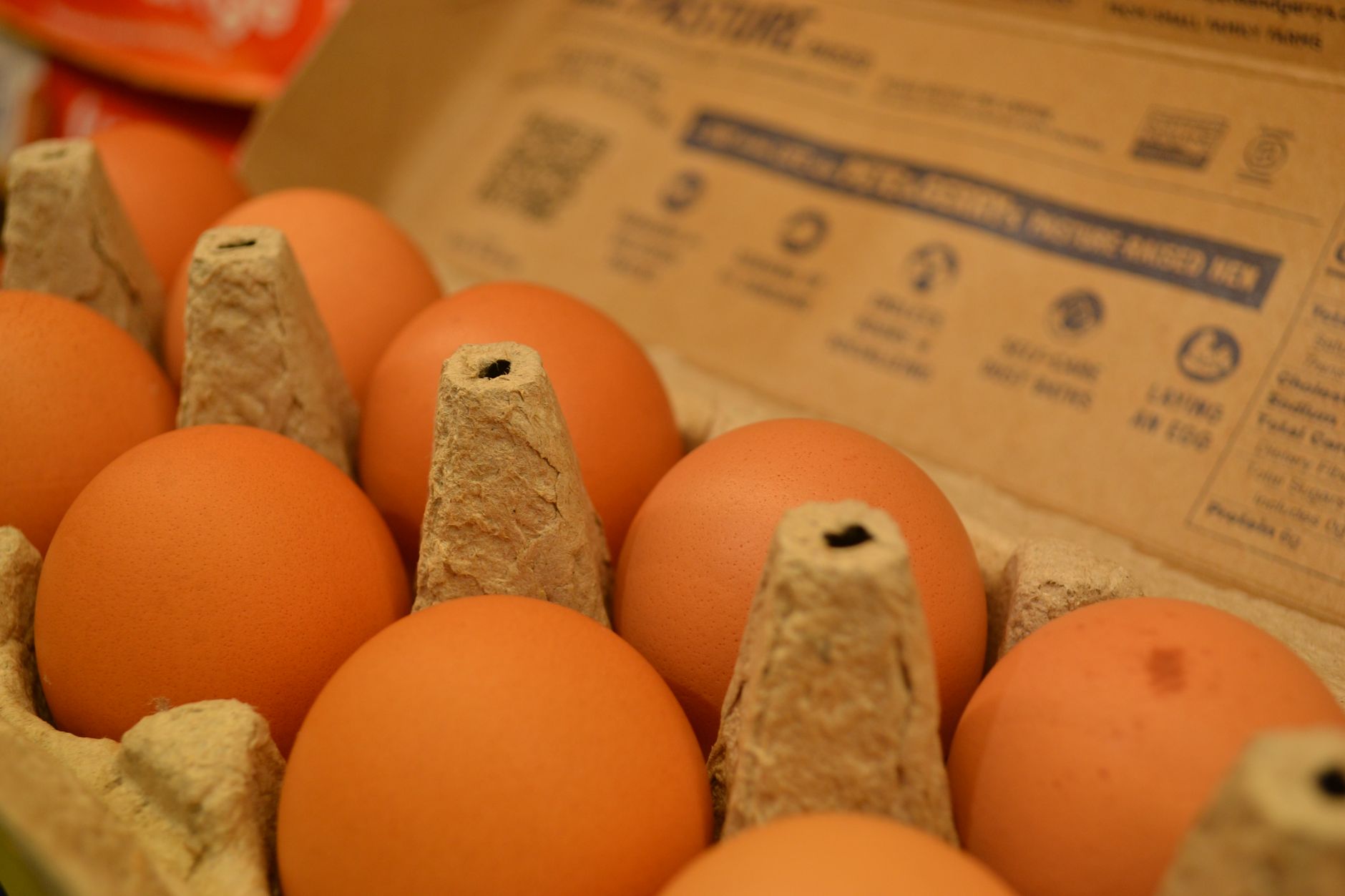
Lean proteins: Chicken breast (skinless), turkey, eggs, wild-caught salmon, and **tofu or tempeh** (for plant-based options). Look for **organic or pasture-raised** when possible—conventional meats can have higher antibiotic residues.
-
Healthy fats: Avocados, olive oil (extra virgin), coconut oil (for cooking), and **nut butters** (almond, peanut—avoid if nut allergies are a concern). **Wild salmon** is a top pick for omega-3s.
-
Low-residue carbs: White rice (basmati or jasmine), gluten-free oats, **polenta**, and **sweet potatoes** (peeled and well-cooked). **Quinoa** is a great gluten-free grain, but some people tolerate it better than others—test in small amounts.
-
Anti-inflammatory veggies: Spinach, zucchini, carrots (peeled), **butternut squash**, and **green beans**. **Steamed or roasted** is best—raw can be harder to digest.
-
Probiotic-rich foods: Plain yogurt (unsweetened, with live cultures), **sauerkraut** (pasteurized is gentler), **kefir**, and **kimchi** (check for low-FODMAP versions if needed).
-
Bone broth: A **must-have** for gut healing. Look for **grass-fed, collagen-rich** options with no added salt or preservatives. **Homemade is ideal**, but brands like **Kettle & Fire** or **Bone Broths Unlimited** are reliable.
New subtopic: The role of micronutrients in remission
During remission, focus on **micronutrient-dense foods** that support gut repair and immune function. Many Crohn’s patients develop deficiencies in **vitamin D, B12, iron, magnesium, and zinc**—all critical for healing. Prioritize foods rich in these nutrients:
- Vitamin D: Fatty fish (salmon, mackerel), egg yolks, and fortified plant milks (check for D3, not D2). **Sunlight exposure** (10–15 minutes daily) also helps.
- B12: Clams, beef liver, and fortified nutritional yeast. If you’re plant-based, consider a **B12 supplement** (consult your doctor first).
- Iron: Spinach, lentils (if tolerated), and lean red meat (grass-fed). Pair with **vitamin C** (bell peppers, citrus) to enhance absorption.
- Magnesium: Pumpkin seeds (if tolerated), dark chocolate (85%+ cocoa), and bananas. Magnesium glycinate is also a **gentle supplement option** for those with sensitivities.
- Zinc: Oysters, beef, and chickpeas (if tolerated). Zinc supports immune function and wound healing.
---
## How to Read Nutrition Labels When Following a Crohn’s Diet on a Budget
Label reading is where many Crohn’s patients hit a wall—**hidden FODMAPs, gluten cross-contamination, and inflammatory oils** can sneak into even "healthy" packaged foods. Here’s how to decode them like a pro, without breaking the bank.
**Key rules:**
-
Watch for "may contain" warnings: Even if a product is gluten-free, a "may contain wheat" label means it was processed in a facility with gluten. If you’re highly sensitive, **call the manufacturer** or look for **certified gluten-free** labels.
-
Avoid these hidden triggers:
- High-fructose corn syrup (common in sauces and dressings)
- Onion and garlic powder (even in "low-FODMAP" products, check amounts)
- Artificial sweeteners like sorbitol, xylitol, or high-fructose corn syrup (common in sugar-free products)
- Trans fats (look for "partially hydrogenated oils")
- Excessive sodium (aim for <200mg per serving)
-
Prioritize whole foods over processed: If a product has **10+ ingredients**, it’s likely more trouble than it’s worth. **Fresh, frozen, or canned (no added salt/sugar) are safest.**
-
Budget tip:** Use apps like **Fody Foods** or **IsItKosher** to scan barcodes for FODMAP and gluten info on the go.
New subtopic: How to spot "low-FODMAP" marketing tricks
Not all "low-FODMAP" products are created equal. Some brands use the term loosely or include **high-FODMAP additives** in small amounts. Here’s how to spot the difference:
- Check for official certification: Look for **Monash University’s low-FODMAP certification** on packaging. This means the product has been tested and approved.
- Read the fine print: Some products label themselves "low-FODMAP" but contain **small amounts of garlic or onion powder** (e.g., 0.5g per serving). These can still trigger symptoms in sensitive individuals.
- Avoid "FODMAP-free" claims for processed foods: Brands often use this term for **highly processed snacks** (like chips or crackers) that are technically low in FODMAPs but high in **sodium, artificial ingredients, or unhealthy fats**.
- Compare serving sizes: A product might claim to be low-FODMAP **per serving**, but if the serving size is tiny (e.g., 10 crackers = 1 serving), you’ll likely eat more and exceed safe limits.
**Example label breakdown:**
**Pro tip:** If you’re shopping at **Walmart or Target**, stick to the **outer aisles** (produce, meat, dairy) and avoid the inner aisles where processed snacks lurk. **Store brands** (like Great Value or Good & Gather) often have simpler ingredient lists than name brands.
---
##
During a flare-up, your gut is **inflamed and sensitive**, so the goal shifts to **reducing irritation and giving it a rest**. This means **cutting high-fiber, high-FODMAP, and fatty foods** while focusing on **easily digestible nutrients**.
**What to avoid during flare-ups:**
-
High-fiber foods: Whole grains (wheat, barley, rye), raw veggies, nuts, seeds, and popcorn.
-
High-FODMAP foods: Onions, garlic, apples, pears, watermelon, dairy (if lactose intolerant), and most legumes (beans, lentils).
-
Fatty meats and fried foods: Ribeye steak, bacon, fried chicken, and processed meats (sausages, hot dogs).
-
Spicy foods and caffeine: Hot sauce, black pepper, coffee, and energy drinks can irritate the gut lining.
-
Carbonated drinks and alcohol: Soda and beer can cause bloating and cramping.
New subtopic: Emergency flare-up snacks
When symptoms strike, you need **quick, gentle snacks** that won’t worsen inflammation. Keep these **pre-portioned emergency snacks** in your fridge or freezer:
- Applesauce (unsweetened):** A naturally low-FODMAP fruit option when you need something sweet.
- Coconut water (unsweetened):** Replenishes electrolytes without irritation.
- White rice cakes with almond butter (if tolerated):** A crunchy, low-residue option.
- Steamed carrot sticks with hummus (low-FODMAP):** Gentle fiber with protein.
- Chamomile tea with honey (if tolerated):** Soothes the gut and reduces inflammation.
**What to focus on instead:**
-
Low-residue carbs: White rice, gluten-free pasta, **mashed potatoes (no skin)**, and **bananas (ripe)**.
-
Lean proteins: Poached eggs, **chicken breast (shredded)**, and **white fish** (cod, tilapia).
-
Gentle fats: **Olive oil** (for cooking), **avocado oil**, and **butter** (in moderation).
-
Low-FODMAP veggies: **Carrots (peeled)**, **zucchini**, **spinach (cooked)**, and **cucumber (peeled)**.
-
Hydration helpers: **Coconut water**, **electrolyte drinks (like Pedialyte)**, and **herbal teas** (ginger or chamomile).
---
## How to Create a Weekly Crohn’s Diet Grocery List That Reduces Bloating and Pain
**Weekly planning is key**—it prevents **last-minute flare-ups** and ensures you’re **always stocked with gut-friendly foods**. Here’s a **step-by-step template** to build a **bloating- and pain-reducing** grocery list every Sunday.
**Step 1: Plan your meals for the week**
-
Pick 3–4 gentle proteins: Chicken, turkey, fish, or eggs.
-
Choose 2–3 low-residue carbs: White rice, gluten-free pasta, or mashed potatoes.
-
Select 2–3 gentle veggies: Spinach, zucchini, or carrots.
-
Add 1–2 anti-inflammatory extras: Bone broth, turmeric, or berries.
**Step 2: Build your grocery list** (use this as a template):
Protein:
- Chicken breast (4 lbs)
- Eggs (1 dozen)
- Wild salmon (2 fillets)
Carbs:
- White rice (2 lbs)
- Gluten-free pasta (1 box)
- Sweet potatoes (3)
Veggies:
- Spinach (1 bag)
- Zucchini (3)
- Carrots (1 lb)
Fats:
- Extra virgin olive oil (1 bottle)
- Avocados (3)
Dairy/Alternatives:
- Lactose-free milk (1 gallon)
- Plain yogurt (unsweetened, 1 tub)
Anti-inflammatory:
- Bone broth (1 carton)
- Turmeric powder (1 small jar)
- Blueberries (1 pint)
Snacks:
- Rice cakes (1 pack)
- Almond butter (1 jar, if tolerated)
- Unsweetened applesauce (1 jar)
Herbs/Spices:
- Ginger (1 small knob)
- Chamomile tea bags (1 box)
New subtopic: Budget-friendly meal planning hacks
Meal planning on a budget doesn’t mean sacrificing nutrition. Here are **five money-saving strategies** for Crohn’s-friendly meals:
-
Buy in bulk and freeze: Purchase **chicken, rice, and gluten-free pasta in bulk** and freeze portions. This reduces per-unit cost and minimizes waste.
-
Use frozen veggies: Frozen spinach, zucchini, and carrots are **just as nutritious** as fresh and often cheaper. Look for **no-salt-added** options.
-
Cook grains in batches: Make a **big pot of rice or quinoa** on Sunday and use it all week in soups, bowls, or side dishes.
-
Repurpose leftovers creatively: Turn **leftover chicken into soup**, **rice into fried rice (with olive oil)**, or **veggies into a stir-fry**.
-
Shop sales and use coupons: Sign up for **store loyalty programs** (Walmart, Kroger, Target) to get discounts on gluten-free or low-FODMAP products.
---
## Can I Eat Gluten-Free and Low-FODMAP Foods Together for Crohn’s Disease Management?
**Short answer:** Yes, but with **strategic planning**. Many Crohn’s patients need to avoid **both gluten and high-FODMAP foods** because gluten can trigger inflammation, and FODMAPs worsen bloating and pain. However, **not all gluten-free foods are low-FODMAP**—and vice versa. Here’s how to navigate both diets simultaneously.
**Key overlaps and conflicts:**
New subtopic: Cross-contamination risks in gluten-free/low-FODMAP cooking
Even if a food is gluten-free and low-FODMAP, **cross-contamination** can ruin the meal. Here’s how to avoid it:
- Use separate utensils and cutting boards: If you cook gluten-containing foods (like bread), **clean all surfaces and tools** before preparing gluten-free meals.
- Avoid shared cooking oils: If you fry gluten-containing foods, **change the oil** before cooking gluten-free items.
- Check spice blends: Many pre-made spice mixes contain **garlic or onion powder**—even in small amounts. Opt for **single-ingredient spices** (like turmeric or cumin) or **low-FODMAP blends** (like McCormick’s Low-FODMAP seasoning).
- Wash hands thoroughly: If you handle gluten-containing foods (e.g., bread), **wash your hands** before touching gluten-free foods.
- Use dedicated appliances: If possible, **designate a toaster or skillet** for gluten-free cooking only.
**Pro tip:** If you’re following both diets, **stick to naturally gluten-free and low-FODMAP foods** (like rice, quinoa, and chicken) and **avoid processed gluten-free substitutes** (many contain high-FODMAP fillers or artificial ingredients). For snacks, **try gluten-free rice cakes with almond butter (if tolerated)** or **low-FODMAP hummus with cucumber sticks**.
**When in doubt, ask yourself:**
- Is this food **naturally gluten-free and low-FODMAP**?
- Does it have **hidden additives** (like maltodextrin or garlic powder)?
- Have I **tested it before** in small amounts?
---
## What Are the Most Anti-Inflammatory Ingredients to Prioritize in a Crohn’s Grocery List?
Chronic inflammation is a hallmark of Crohn’s disease, so your grocery list should be **packed with gut-soothing, anti-inflammatory powerhouses**. These ingredients help **reduce gut lining damage, ease pain, and support healing** over time.
**Top anti-inflammatory foods for Crohn’s:**
-
Omega-3 fatty acids: **Wild salmon, sardines, chia seeds (if tolerated), and flaxseeds** (ground, not whole). Omega-3s **reduce intestinal inflammation** and may help with flare-ups.
-
Leafy greens: **Spinach, kale, and Swiss chard** (cooked, not raw). They’re rich in **vitamin K and antioxidants**, which support gut repair.
-
Turmeric and ginger: Both have **strong anti-inflammatory properties**. Use **turmeric in smoothies or golden milk**, and **ginger in teas or soups**.
-
Bone broth: Contains **collagen and amino acids** that help **heal gut lining**. Look for **grass-fed, pasture-raised** options.
-
Berries (low-FODMAP options):** **Blueberries, strawberries, and raspberries** (in moderation). They’re high in **antioxidants** but low in FODMAPs.
-
Probiotic foods: **Sauerkraut (pasteurized), kefir, and plain yogurt** (unsweetened). These **repopulate gut bacteria** and improve digestion.
-
Green tea (or matcha):** Contains **EGCG**, a compound that **reduces gut inflammation**. Drink **2–3 cups daily** (avoid excess caffeine).
New subtopic: The gut-brain connection and anti-inflammatory foods
Crohn’s disease isn’t just about the gut—it’s deeply connected to **mental health and brain function**. Chronic inflammation can lead to **brain fog, anxiety, and fatigue**, which are already common in Crohn’s patients. To support both your gut and brain, prioritize these **dual-benefit foods**:
- Fatty fish (salmon, mackerel):** Rich in omega-3s, which **reduce brain inflammation** and improve mood.
- Dark leafy greens (spinach, kale):** High in **folate and magnesium**, which support cognitive function and reduce stress.
- Berries (blueberries, blackberries):** Contain **anthocyanins**, which **protect brain cells** from oxidative stress.
- Nuts and seeds (pumpkin seeds, walnuts):** Provide **zinc and magnesium**, which are crucial for **serotonin production** (the "feel-good" neurotransmitter).
- Probiotic foods (kefir, sauerkraut):** Improve **gut-brain axis communication**, reducing anxiety and depression symptoms.
**Example anti-inflammatory meal:**
Golden Turmeric Salmon Bowl
- Wild salmon (omega-3s)
- Steamed spinach (vitamin K)
- Quinoa (gluten-free, low-FODMAP)
- Turmeric-infused olive oil dressing
- Side of sauerkraut (probiotic)
**Why it works:** This meal combines **anti-inflammatory fats, gut-healing greens, and probiotics**—all while being **gentle on the digestive system**.
---
##
Let’s be real: **Crohn’s + parenthood = limited time and even less patience for elaborate cooking.** Meal prep doesn’t have to mean **hours in the kitchen**—it’s about **batch-cooking gentle, nutrient-dense meals** that **last 3–4 days** and **minimize gut irritation**. Here’s how to do it **without burnout**.
**Representative story:** "I used to skip meals when my kids were little because cooking felt like a chore. Then I started **prepping overnight oats with chia seeds and almond butter** (low-FODMAP) and **freezing small portions of chicken and rice**. Now, I just reheat and go—no stress, no flare-ups."
**Step-by-step meal prep plan:**
-
Pick 3–4 gentle proteins:
- Shredded chicken (cook in bulk, freeze in portions)
- Poached eggs (hard-boil a batch for snacks)
- Ground turkey (lean, cooked with anti-inflammatory spices like turmeric)
- White fish (cod or tilapia, baked or pan-seared)
-
Batch-cook low-residue carbs:
- White rice (cook a big pot, portion into containers)
- Mashed potatoes (no skin, with olive oil)
- Gluten-free pasta (al dente, freeze cooked)
-
Pre-cut gentle veggies:
- Steamed zucchini (portion into containers)
- Roasted carrots (peeled, tossed in olive oil)
- Spinach (blanched and frozen for smoothies)
-
Make freezer-friendly meals:
- **Chicken and rice soup** (freeze in portions)
- **Turmeric-infused bone broth** (use as a base for soups)
- **Mini meatballs** (lean turkey or chicken, gluten-free breadcrumbs)
-
Prep grab-and-go snacks:
- Hard-boiled eggs
- Rice cakes with almond butter
- Plain yogurt with berries (low-FODMAP)
New subtopic: Meal prep for kids with Crohn’s
If you have children with Crohn’s (or just want to keep their meals safe), **involve them in the process**—it teaches them about their diet while making prep easier. Here’s how:
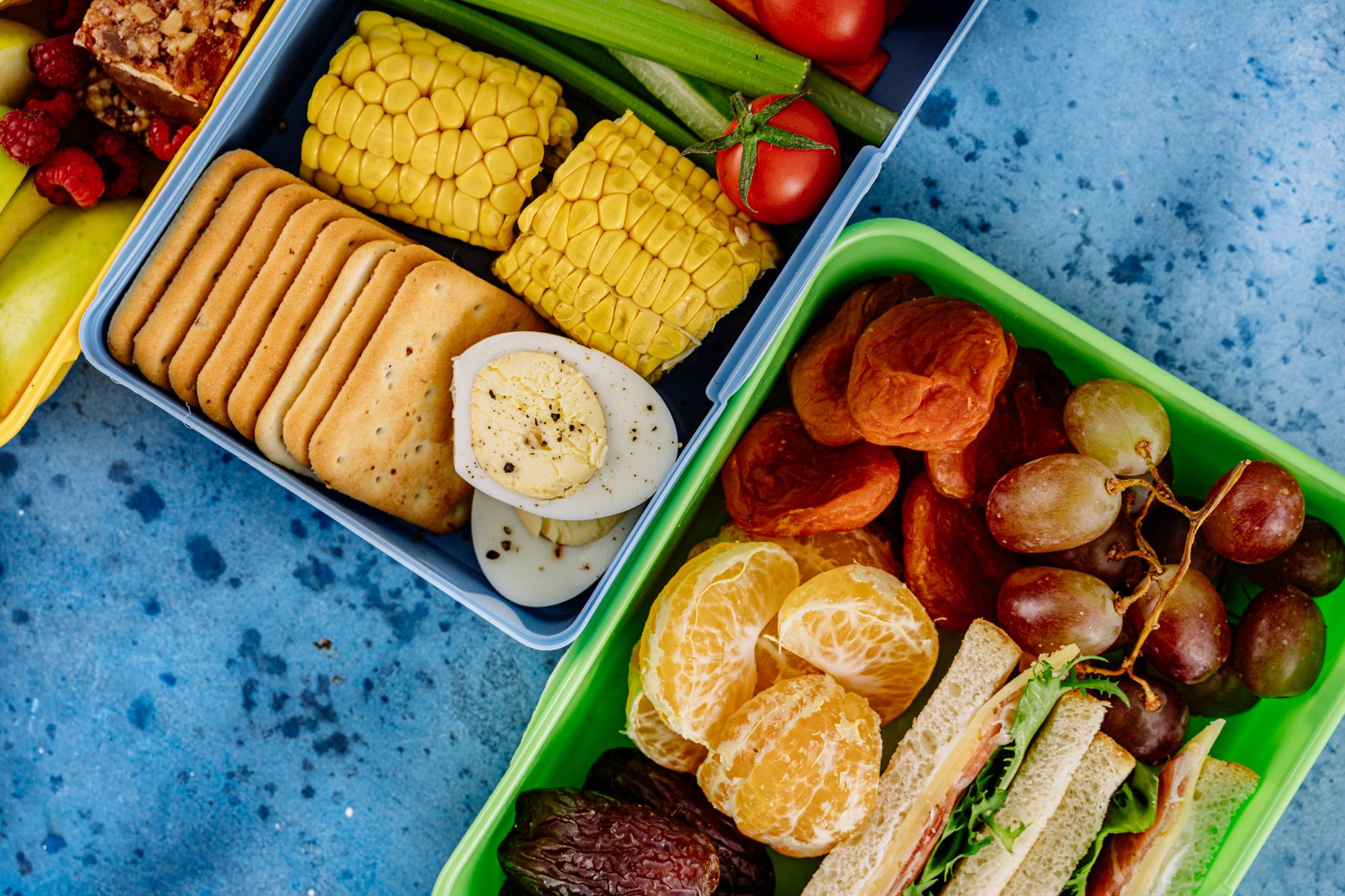
- Let them assemble their own meals: Use **mason jars or bento boxes** for **build-your-own bowls**. Include **pre-cut veggies, rice, and protein** so they can mix and match.
- Make "fun" versions of gentle foods:
- **Rainbow rice** (dyed with natural food coloring for fun)
- **Veggie "dippers"** (carrot sticks with hummus)
- **Fruit "pops"** (freeze banana slices for a healthy treat)
- Involve them in cooking:**
- **Let them stir ingredients** (great for kids with fine motor skills)
- **Teach them to read labels** (even simple ones)
- **Make "snack plates"** together (e.g., rice cakes + almond butter + berries)
- Keep their meals separate but similar: If your child has Crohn’s and you don’t, **prepare parallel meals** using the same ingredients but in different forms (e.g., **rice for them, quinoa for you**).
**Pro tip:** Use **mason jars** for **layered meals** (like overnight oats or grain bowls). For example:
- Layer **gluten-free oats** at the bottom
- Add **chia seeds and almond butter**
- Pour in **low-FODMAP milk** (coconut or lactose-free)
- Refrigerate overnight—ready to grab in the morning!

---
## Are There Any Crohn’s-Friendly Grocery Delivery Services That Save Time and Reduce Flare-Ups?
If **shopping in-store feels overwhelming**, grocery delivery can be a **game-changer**—but **not all services are Crohn’s-friendly**. You’ll need to **vet each option carefully** to avoid hidden triggers. Here are the **best delivery services for Crohn’s patients**, along with **how to customize them** to fit your diet.
**Top Crohn’s-friendly delivery services:**
-
Instacart (with a Crohn’s-approved list):
- **Pros:** Fast delivery, ability to **exclude allergens/triggers** (gluten, dairy, etc.)
- **Cons:** Stock varies by store; **always check labels**
- **Tip:** Use the **"customize order"** feature to **remove high-FODMAP items** like onions or garlic




