
Quick take: The Weight Watchers (WW) Points program for 2026 offers a flexible, science-backed approach to healthy eating and weight management, focusing on a personalized daily points budget. It emphasizes nutrient-dense "ZeroPoint" foods while allowing flexibility for all other foods, making it an accessible option for beginners. Success hinges on accurate tracking, understanding the points system, and integrating lifestyle habits like hydration and physical activity. Always consult your healthcare provider before starting any new diet program, especially if you have underlying health conditions or are pregnant or breastfeeding.When you’re standing in the grocery aisle, feeling overwhelmed by diet trends and conflicting advice, the idea of a structured plan that still allows for your favorite foods can be incredibly appealing. Many women we speak with express a similar sentiment: they want guidance without rigid restriction. That's where the Weight Watchers (WW) Points program often comes into play. For decades, it's been a popular choice, and its latest iteration for 2026 continues to evolve, focusing on a holistic, sustainable approach to wellness. Starting any new eating plan can feel like learning a new language. You might be wondering, "What can I actually eat?" or "How do these 'points' even work?" This comprehensive guide is designed to demystify the Weight Watchers Points diet for beginners, giving you the practical tools and knowledge you need to confidently navigate your journey. We'll cover everything from your personalized daily budget to a detailed food list, helping you build healthy habits that truly stick. Whether you're looking to establish healthier eating patterns, manage your weight, or simply understand how a points-based system works, we're here to help you make sense of it all. Let's dive into the updated 2026 Weight Watchers Points system and create a path forward that feels manageable and empowering.
What foods have zero points on Weight Watchers for beginners?
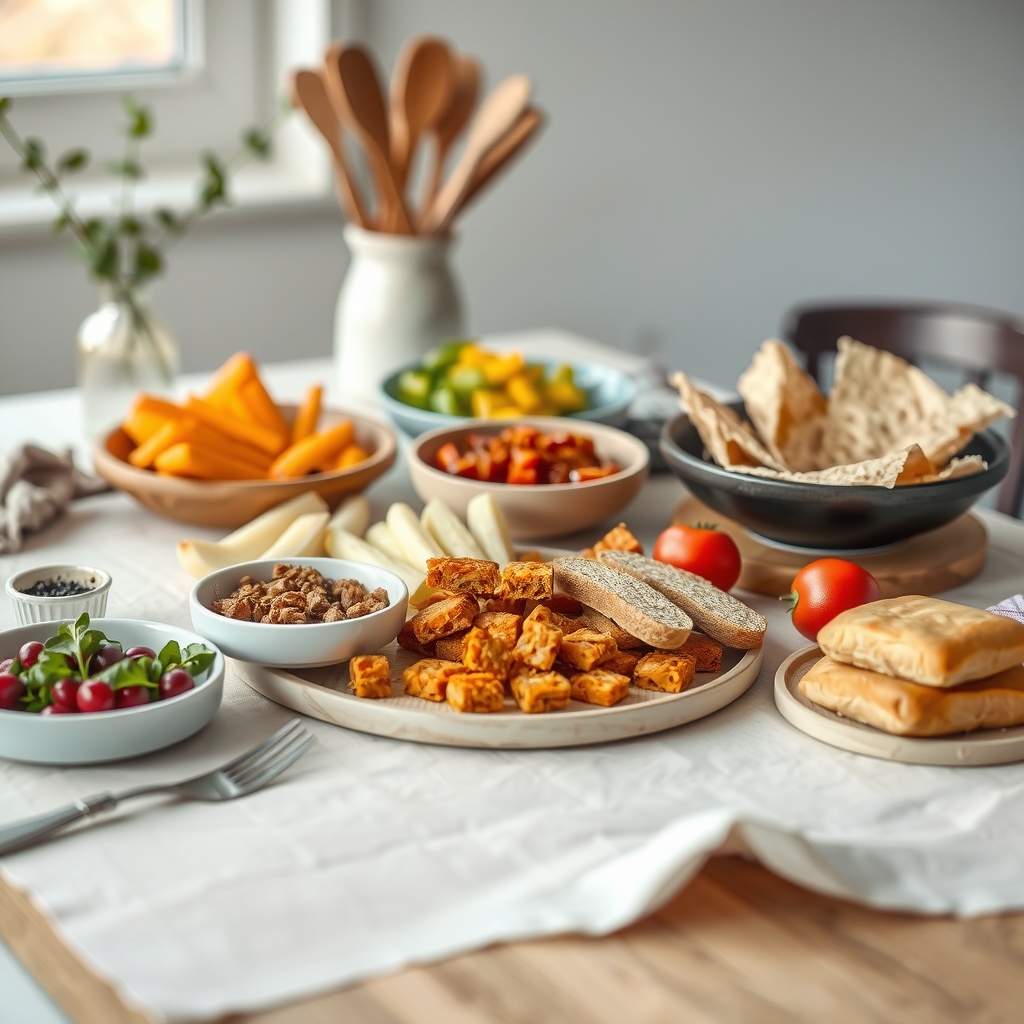
One of the most appealing aspects of the Weight Watchers Points program is its emphasis on "ZeroPoint" foods. These are foods you don't have to track or measure because they form the foundation of a healthy, balanced diet and are naturally lower in calories, higher in nutrients, and promote satiety. For beginners, understanding and utilizing ZeroPoint foods is key to feeling full and satisfied without constantly calculating points. The specific list of ZeroPoint foods is personalized to you based on a brief assessment when you join WW, but generally, these categories are consistent: * **Non-starchy vegetables:** Think leafy greens like spinach and kale, broccoli, cauliflower, carrots, bell peppers, zucchini, cucumbers, tomatoes, mushrooms, onions, and asparagus. These are packed with vitamins, minerals, and fiber, helping you feel full for very few calories. You can enjoy these raw, steamed, roasted, or grilled without adding points. * **Most fruits:** Apples, bananas, berries (strawberries, blueberries, raspberries), oranges, grapes, melons, peaches, and pears are typically ZeroPoint foods. They provide natural sweetness, fiber, and essential nutrients. Keep in mind that dried fruit and fruit juices usually *do* have points due to their concentrated sugar content and lack of fiber. * **Lean proteins:** Many skinless chicken and turkey breast, fish (like cod, salmon, tuna in water), shellfish (shrimp, scallops), and eggs are often ZeroPoint. These are crucial for building and repairing tissues, and they help keep you feeling satisfied after meals. Plant-based proteins like tofu, tempeh, and lentils may also be ZeroPoint for some plans. * **Legumes:** Beans (black beans, kidney beans, chickpeas) and lentils are fantastic sources of protein and fiber, making them incredibly filling and nutritious. Depending on your personalized plan, these can often be ZeroPoint. * **Plain non-fat yogurt and cottage cheese:** These dairy options offer protein and calcium without added sugars or fats that would typically add points. Always check labels to ensure they are plain and non-fat. The beauty of ZeroPoint foods is that they encourage you to build your meals around nutrient-dense choices. One reader shared, "When I started WW, I was so worried about feeling deprived. But realizing I could fill my plate with huge salads, grilled chicken, and all the berries I wanted made it so much easier to stick with." This strategy helps you manage hunger and naturally reduce your overall point consumption, freeing up your daily budget for other foods you enjoy. It's important to remember that while ZeroPoint foods don't cost points, they still contain calories, so mindful eating is always encouraged.