The most effective ulcerative colitis diet is one tailored specifically to your body and your disease activity. What works for one person might be a trigger for another. This is where personalized care comes in, and why working with a healthcare provider and a registered dietitian is so crucial.
Many women tell us that the process of figuring out their triggers feels overwhelming, but a systematic approach can help. Food journaling is an invaluable tool. By keeping a detailed record of what you eat and how you feel afterward, you can start to identify patterns and pinpoint specific foods or food groups that consistently exacerbate your symptoms. This isn't about restriction for restriction's sake, but about gaining control and understanding your body's unique responses.
General dietary principles for UC often include:
- Anti-inflammatory focus: Incorporating foods rich in omega-3 fatty acids (like fatty fish), antioxidants (from colorful fruits and vegetables, when tolerated), and probiotics (from fermented foods, if suitable).
- Low-residue approach (especially during flares): Limiting foods high in insoluble fiber, which can irritate an inflamed colon. This means opting for cooked, peeled, and deseeded fruits and vegetables, and refined grains over whole grains.
- Adequate protein: Essential for tissue repair and overall health, especially when the body is under stress from inflammation.
- Good hydration: Crucial to prevent dehydration, particularly with diarrhea.
- Avoiding known triggers: Common culprits include high-fat foods, spicy foods, caffeine, alcohol, artificial sweeteners, and sometimes dairy or gluten.
Below, we'll provide a sample day of eating, but always remember to adjust based on your personal tolerance and disease state.
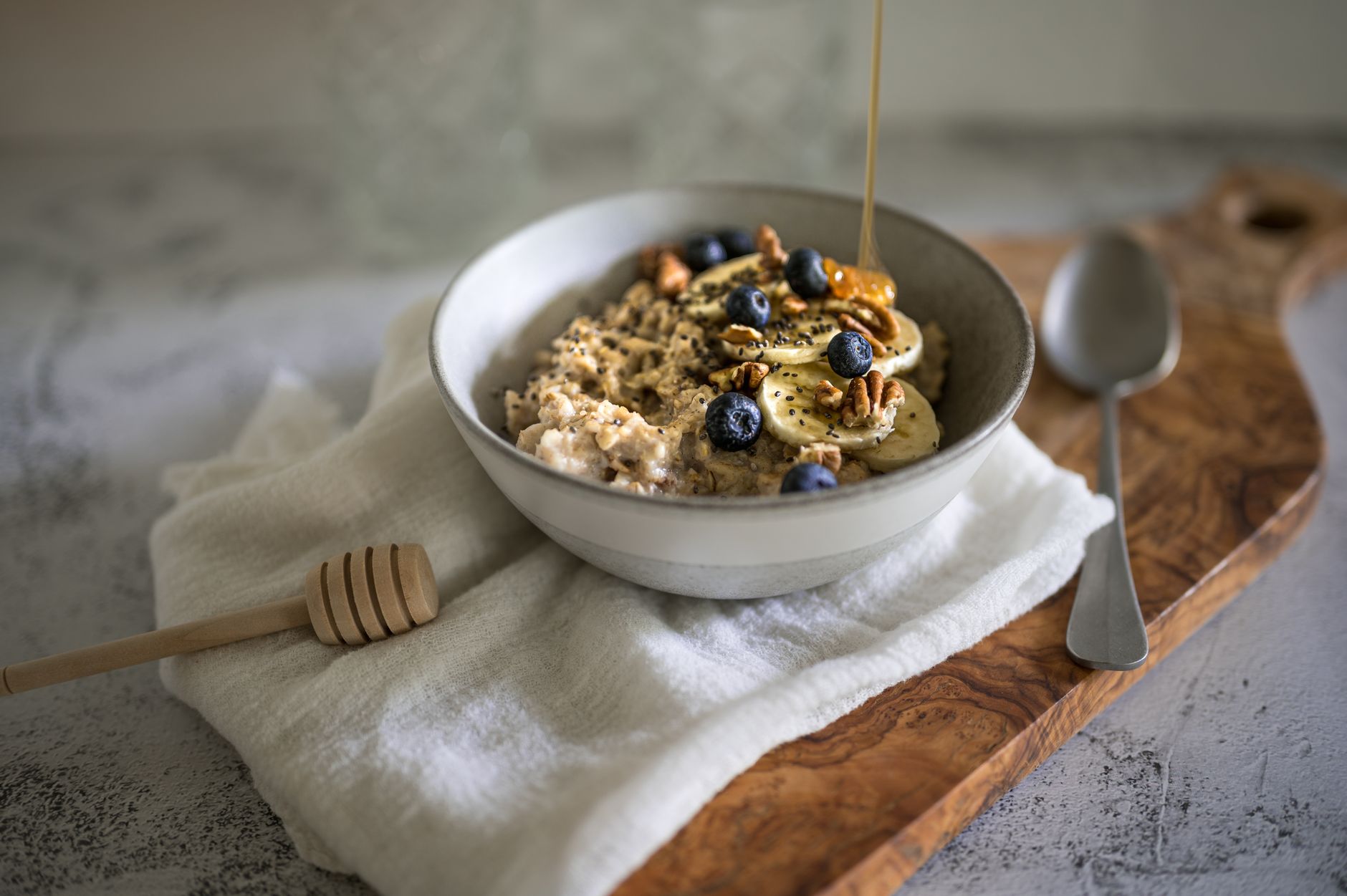
Ulcerative Colitis Breakfast Ideas for a Sample Day
Starting your day with a gentle, nutrient-rich breakfast can set a positive tone for your digestion. The key is to choose easily digestible foods that provide sustained energy without irritating your gut. Many find that warm, cooked foods are generally better tolerated than raw or cold options, especially in the morning.
Sample Breakfast Idea: Creamy Oatmeal with Ripe Banana and Honey
- 1/2 cup rolled oats, cooked with water or lactose-free milk: Oats are a good source of soluble fiber, which can be less irritating than insoluble fiber and may help regulate bowel movements. Cooking them until very soft makes them even easier to digest. If you're sensitive to dairy, opt for lactose-free milk or a plant-based alternative like almond or rice milk, ensuring it's unsweetened and fortified.
- 1/2 ripe banana, sliced: Bananas are bland, easy to digest, and a good source of potassium, which can be depleted during diarrhea. Ensure the banana is very ripe, as green bananas contain more resistant starch, which can be harder to digest for some.
- 1 tsp honey: Provides a touch of sweetness and can have some soothing properties.
- Optional: 1 scoop collagen powder (unflavored): Collagen may support gut lining health and is often well-tolerated. Discuss with your doctor or dietitian before adding supplements.
Why this breakfast works
- Low in insoluble fiber: Rolled oats, when cooked well, are gentle.
- Easy to digest: Cooked foods require less digestive effort.
- Nutrient-dense: Provides carbohydrates for energy, some protein (especially with milk/collagen), and potassium.
- Hydrating: Cooked with liquid, contributing to your daily fluid intake.
Other UC-friendly breakfast options
- Scrambled eggs: A good source of easily digestible protein. Cook with a minimal amount of oil.
- Smoothie (remission): Blend lactose-free yogurt or plant-based milk with ripe banana, spinach (small amount, well-blended), and a scoop of protein powder. Avoid seeds or nuts unless well-tolerated and blended thoroughly.
- White rice porridge (congee): Very bland and soothing, especially during a flare. Can be seasoned with a tiny pinch of salt and shredded, cooked chicken breast.
- Baked sweet potato (peeled): A gentle source of carbohydrates and vitamins.
What to Eat for Lunch with Ulcerative Colitis in Remission
When you're in remission, your gut is less inflamed, and you might be able to tolerate a wider variety of foods. The goal here is to continue supporting gut health, prevent nutrient deficiencies, and maintain your symptom-free state. This means focusing on lean proteins, well-cooked vegetables, and gentle whole grains or refined grains as tolerated.
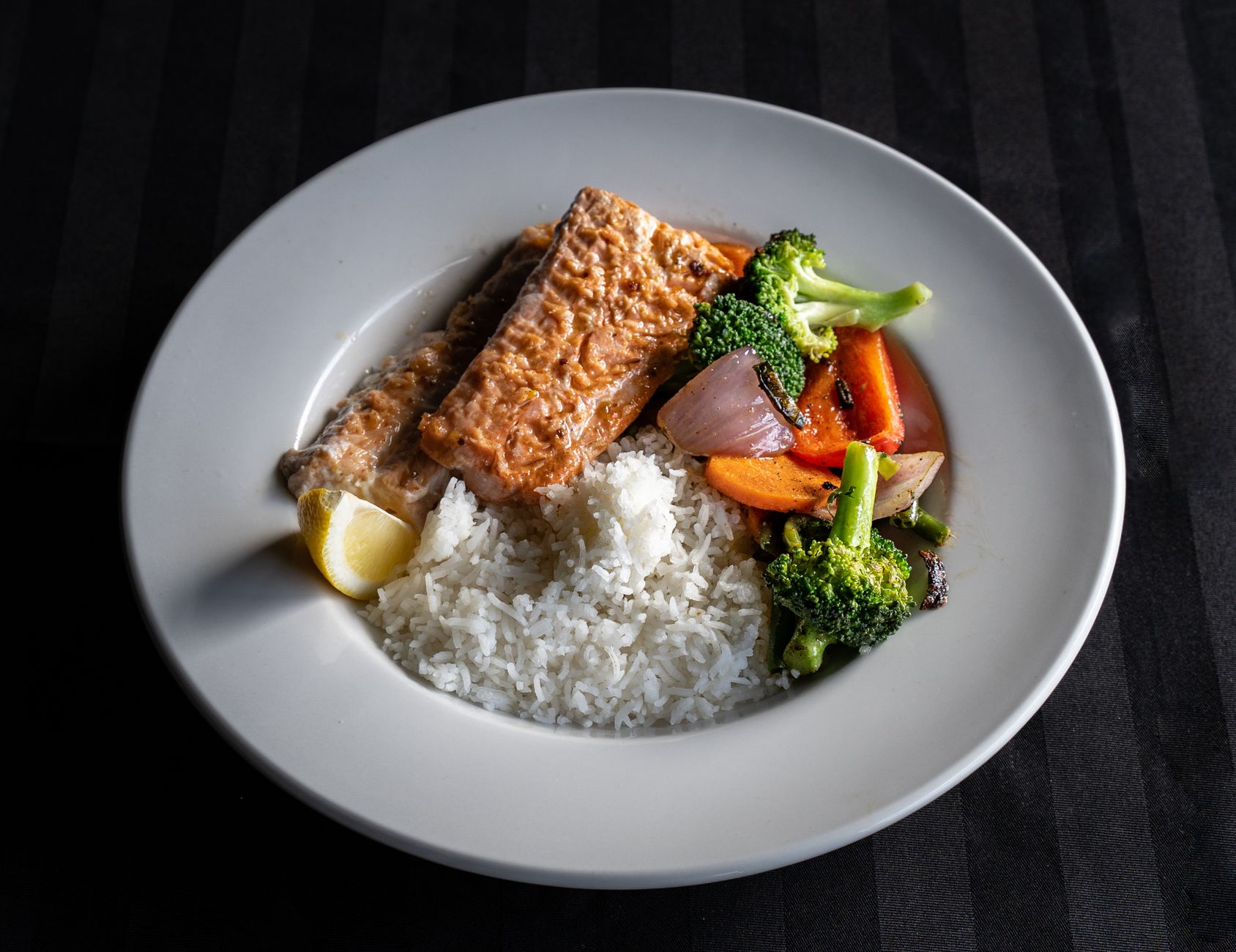
Sample Lunch Idea (Remission): Baked Salmon with Steamed White Rice and Cooked Carrots
- 4-5 oz baked or poached salmon: Salmon is an excellent source of omega-3 fatty acids, which have potent anti-inflammatory properties that can be beneficial for UC. Baking or poaching keeps it gentle on the digestive system compared to frying.
- 1 cup steamed white rice: White rice is a low-residue grain that is typically very well-tolerated during remission and even mild flares. It provides easily digestible carbohydrates for energy.
- 1/2 cup steamed carrots: Carrots are rich in vitamins and antioxidants. Steaming them until very soft ensures their fiber is broken down, making them easier to digest. Peel them beforehand to reduce insoluble fiber.
- Optional: A drizzle of olive oil: A small amount of healthy fat can add flavor and additional anti-inflammatory benefits, but observe your tolerance for fats.
Why this lunch works for remission
- Anti-inflammatory: Omega-3s from salmon.
- Low-residue (controlled fiber): Steamed, peeled vegetables and white rice are generally well-tolerated.
- Balanced nutrients: Provides protein, healthy fats, and carbohydrates.
Other UC-friendly lunch options in remission
- Chicken and vegetable soup: Made with clear broth, shredded chicken, and well-cooked, peeled vegetables like potatoes, zucchini, and green beans.
- Turkey breast sandwich on white bread: With lettuce (if tolerated), a slice of mild cheese (if tolerated), and a light smear of mayonnaise. Avoid whole-wheat bread unless you know you tolerate it well.
- Pasta with lean ground turkey and a mild tomato sauce: Ensure the sauce is smooth, deseeded, and not too acidic. Opt for refined pasta.
- Tuna salad (made with mayonnaise) on crackers: Choose plain, easily digestible crackers.
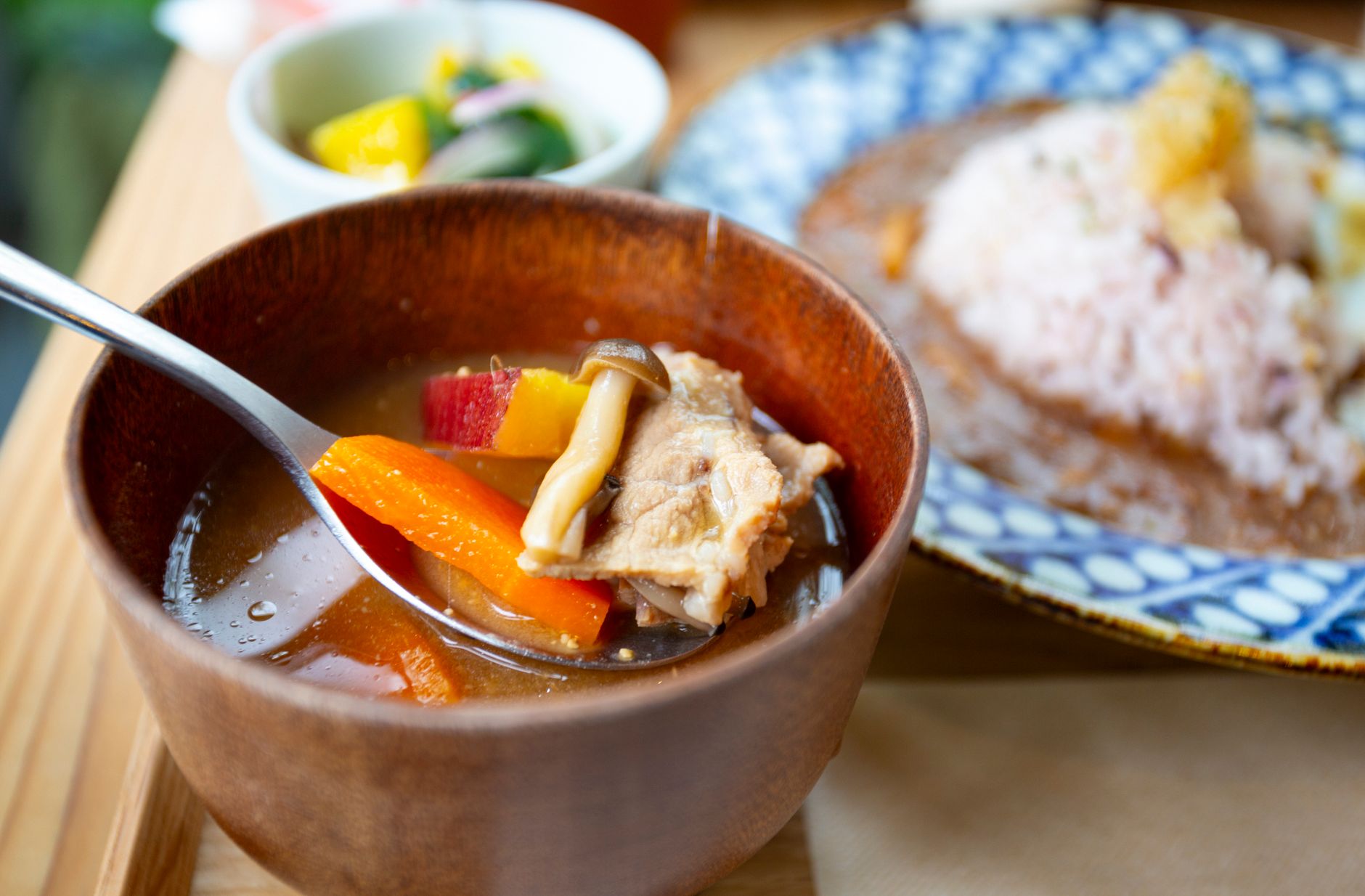
Ulcerative Colitis Dinner Recipes During a Flare
During a flare-up, your digestive system is highly sensitive and inflamed. The primary goal is to minimize irritation, reduce symptoms, and provide essential nutrients in the most digestible form possible. This typically means a very bland, low-fiber, low-fat, and well-cooked diet. Many find that smaller, more frequent meals are easier to manage than large ones.
Sample Dinner Recipe (Flare): Poached Chicken Breast with Mashed Potatoes and Zucchini Puree
This meal focuses on ultimate gentleness and digestibility.
Ingredients:
- 4-5 oz boneless, skinless chicken breast
- 1 large potato, peeled and cut into cubes
- 1 medium zucchini, peeled and deseeded, cut into chunks
- Low-sodium chicken broth or water
- A pinch of salt
- 1 tsp olive oil (optional, if tolerated, for potatoes)
Instructions:
- Poach the chicken: Place chicken breast in a small pot and cover with chicken broth or water. Bring to a gentle simmer, then reduce heat and cook until chicken is thoroughly cooked through (about 15-20 minutes). Remove chicken, let cool slightly, then shred or finely dice.
- Cook potatoes: Boil peeled potato cubes in lightly salted water until very tender. Drain thoroughly. Mash with a fork or potato masher, adding a tiny amount of olive oil or broth to achieve a smooth consistency. Avoid butter or milk if dairy is a trigger.
- Cook zucchini: Steam or boil peeled, deseeded zucchini chunks until extremely soft. Drain well. Puree using an immersion blender or food processor until completely smooth.
- Serve: Combine the shredded chicken with the mashed potatoes and zucchini puree. Season very lightly with salt if desired.
Why this dinner works during a flare
- Extremely low-residue: All ingredients are peeled, deseeded, and cooked until very soft or pureed, minimizing fiber content.
- Bland and gentle: No spices, high fat, or complex ingredients to irritate the gut.
- Nutrient-dense: Provides protein for healing and carbohydrates for energy.
Other flare-friendly dinner ideas
- Clear broth soup: Plain chicken or vegetable broth, possibly with a few pieces of well-cooked white rice.
- Baked cod or sole: Very lean, white fish that is easy to digest.
- Cream of rice cereal: A very bland, soothing option, prepared with water or lactose-free milk.
- Soft-boiled or poached egg: A simple source of protein.
Healthy Snack Options for Ulcerative Colitis Patients
Snacks can be vital for maintaining energy levels and ensuring adequate nutrient intake, especially when you might be eating smaller main meals. The key is to choose snacks that are easy on your digestive system and align with whether you're in remission or a flare.
Snack Options for Remission
When in remission, you have more flexibility, but still aim for nutrient-dense, gentle options.
- Lactose-free yogurt or kefir: If dairy is tolerated in its lactose-free form, these can provide probiotics beneficial for gut health. Choose plain, unsweetened varieties.
- Ripe banana or melon: Soft, easily digestible fruits.
- Rice cakes with a thin layer of almond butter: Almond butter should be smooth, and start with a small amount to test tolerance for nuts.
- Hard-boiled egg: A convenient source of protein.
- Smoothie: Blended with gentle ingredients like spinach (small amount), banana, and plant-based milk.
- Small portion of well-cooked, peeled sweet potato: Can be baked or boiled.
- Plain crackers with a slice of lean turkey or chicken: Avoid crackers with seeds or whole grains.
Snack Options During a Flare
During a flare, snacks should be extremely bland and low-residue.
- Applesauce (unsweetened): Cooked apples are much easier to digest than raw ones.
- White rice cakes: Plain and simple, providing a small amount of carbohydrate.
- Banana: Very ripe.
- Clear broth: Chicken or vegetable broth can provide electrolytes and hydration.
- Gelatin (plain): Unflavored gelatin can be soothing.
- Small serving of plain, peeled, boiled potato: Very bland and easy to digest.
It's always a good idea to keep a few of these gentle snack options on hand, especially for those unexpected moments of hunger or when you need something soothing for your gut.
This table outlines a full day's worth of meals and snacks for someone managing ulcerative colitis in remission. This serves as a practical sample day of eating, but remember to adjust based on your personal tolerance, symptoms, and the guidance of your healthcare team. This plan emphasizes anti-inflammatory foods, gentle preparation methods, and adequate hydration.
Foods to Enjoy and Foods to Limit/Avoid with Ulcerative Colitis
This comprehensive list provides general guidance on foods that are typically well-tolerated and those that often trigger symptoms in individuals with ulcerative colitis. Remember, your personal experience may vary, and this list should be used in conjunction with your food journal and healthcare provider's advice.
Foods to Enjoy (Generally Well-Tolerated, especially in Remission)
- Lean Proteins:
- Poultry (skinless chicken, turkey) – baked, grilled, poached.
- Fish (salmon, cod, sole, tuna) – baked, poached.
- Eggs – scrambled, boiled, poached.
- Tofu (plain, soft) – in moderation, if tolerated.
- Grains (Cooked and Refined):
- White rice, rice noodles.
- White bread, plain bagels (avoid seeds).
- Refined pasta (white flour).
- Oatmeal (rolled oats, well-cooked).
- Cream of wheat/rice.
- Plain crackers (rice, water crackers).
- Fruits (Peeled, Cooked, or Ripe):
- Ripe bananas.
- Melons (cantaloupe, honeydew, watermelon – deseeded).
- Applesauce (unsweetened), baked apples (peeled).
- Peeled peaches, pears (canned or very ripe, no skin).
- Vegetables (Peeled, Cooked Soft, Deseeded):
- Cooked carrots.
- Cooked spinach (small amounts).
- Peeled and cooked potatoes (white, sweet).
- Cooked zucchini, yellow squash (peeled, deseeded).
- Asparagus tips (well-cooked).
- Green beans (well-cooked).
- Healthy Fats (in moderation):
- Olive oil, avocado oil.
- Avocado (small amounts, if tolerated).
- Smooth nut butters (almond, peanut – in moderation).
- Dairy (Lactose-Free or Alternatives):
- Lactose-free milk, yogurt, cheese.
- Plant-based milks (almond, rice, oat – unsweetened, fortified).
- Beverages:
- Water.
- Herbal teas (peppermint, ginger, chamomile).
- Clear broths.
Foods to Limit or Strictly Avoid (Common Triggers)
- High-Fiber Foods (especially insoluble fiber during flares):
- Raw fruits and vegetables with skins or seeds.
- Whole grains (brown rice, whole wheat bread/pasta, quinoa, barley).
- Nuts and seeds (including popcorn).
- Legumes (beans, lentils, peas).
- Cruciferous vegetables (broccoli, cauliflower, cabbage, Brussels sprouts) – even cooked.
- High-Fat and Fried Foods:
- Deep-fried foods.
- Fatty cuts of meat, processed meats.
- Creamy sauces, excessive butter or oils.
- Spicy Foods:
- Chili peppers, hot sauces, strong spices.
- Caffeine and Alcohol:
- Coffee, strong tea, energy drinks.
- All alcoholic beverages.
- Sugary Foods and Artificial Sweeteners:
- Candies, pastries, desserts.
- Sodas, fruit juices with added sugar.
- Artificial sweeteners (sorbitol, mannitol, xylitol).
- Dairy (if lactose intolerant or sensitive):
- Regular milk, cheese, yogurt, ice cream.
- Gluten (if sensitive or diagnosed with celiac disease):
- Wheat, barley, rye products.
- Processed Foods:
- Foods with many additives, preservatives, or artificial ingredients.
- Fast food.
This list is a starting point for your dietary management. The most important thing is to listen to your body and work with a registered dietitian to identify your specific trigger foods and build a sustainable, nutritious eating plan.
Hydration Tips for Ulcerative Colitis Diet Daily
Staying well-hydrated is critically important for anyone, but it's especially vital for individuals with ulcerative colitis. Diarrhea, a common symptom of UC, can lead to significant fluid and electrolyte loss, increasing the risk of dehydration. Proper hydration supports overall bodily functions, helps maintain bowel regularity (even during remission), and can aid in nutrient absorption.
Key Hydration Strategies
- Water is your best friend: Aim to drink plenty of plain water throughout the day. Carry a reusable water bottle as a reminder.
- Sip, don't gulp: Drinking large amounts of fluid all at once can sometimes trigger discomfort or urgency. Sip smaller quantities frequently throughout the day.
- Electrolyte-rich fluids: During a flare-up or if you're experiencing significant diarrhea, consider oral rehydration solutions (ORS) or clear broths (chicken, vegetable). These replenish lost sodium, potassium, and other essential electrolytes.
- Herbal teas: Peppermint, ginger, and chamomile teas can be soothing and contribute to fluid intake. Ensure they are decaffeinated.
- Avoid dehydrating beverages: Limit or avoid caffeine (coffee, black tea, energy drinks) and alcohol, as these can have a diuretic effect and may also irritate your gut.
- Steer clear of sugary drinks: Sodas, fruit juices with added sugar, and sports drinks (unless specifically formulated for rehydration) can contain high amounts of sugar, which can draw water into the bowel and worsen diarrhea for some.
Monitoring your urine color is a simple way to check your hydration status; pale yellow usually indicates good hydration, while dark yellow suggests you need to drink more.
How to Adjust Ulcerative Colitis Diet for Flare-Ups vs. Remission
One of the most challenging aspects of managing ulcerative colitis is knowing how to adjust your diet as your disease activity changes. What you can comfortably eat during remission often isn't tolerated during a flare-up. The key is to be flexible and adapt your eating plan to support your body's needs at each stage.
Dietary Adjustments During a Flare-Up
When you're experiencing a flare, your colon is inflamed and highly sensitive. The goal is to reduce irritation, minimize symptoms, and allow your gut to rest and heal. This means focusing on a very bland, low-residue, and easily digestible diet.
- Go Low-Residue: This is paramount. Limit insoluble fiber by avoiding raw fruits and vegetables, whole grains, nuts, and seeds. Opt for peeled, deseeded, and well-cooked fruits and vegetables (e.g., applesauce, mashed potatoes, pureed zucchini). Choose refined grains like white rice and white bread.
- Bland Foods: Avoid anything spicy, highly seasoned, or acidic. Stick to plain, simple preparations.
- Low-Fat: High-fat foods can be difficult to digest and may worsen diarrhea. Choose lean proteins (poached chicken, white fish) and minimize added oils.
- Liquid Diet (if severe): In severe flares, your doctor may recommend a liquid diet or even bowel rest with nutritional support (e.g., elemental formulas or IV nutrition) for a short period.
- Small, Frequent Meals: Eating smaller portions more often (5-6 times a day) can be easier on your digestive system than 2-3 large meals.
- Hydration Focus: Prioritize water, clear broths, and oral rehydration solutions to replenish lost fluids and electrolytes.
Dietary Adjustments During Remission
Remission is the period when your symptoms are mild or absent, and your colon is less inflamed. This is an opportunity to gradually reintroduce a wider variety of nutrient-dense foods and work towards a more balanced, anti-inflammatory diet.
- Gradual Fiber Reintroduction: Slowly reintroduce soluble fiber first (e.g., oats, ripe bananas, peeled apples) before attempting insoluble fiber. Monitor your symptoms closely with each new food.
- Anti-Inflammatory Foods: Focus on foods known to reduce inflammation, such as omega-3 rich fish (salmon, tuna), lean proteins, and a variety of well-tolerated, cooked fruits and vegetables.
- Probiotics: If tolerated, fermented foods like lactose-free yogurt, kefir, or sauerkraut (start with small amounts) may support gut microbiome health.
- Balanced Nutrition: Aim for a diet rich in vitamins and minerals to prevent deficiencies. A diverse diet can also promote a healthier gut microbiome.
- Continue Food Journaling: Even in remission, it's wise to continue tracking your intake and symptoms, especially when trying new foods. This helps you identify potential triggers before they lead to a full flare.
- Personalized Approach: While you can expand your diet, some foods that were triggers during a flare may continue to be problematic even in remission. Continue to avoid your known personal triggers.
The transition between flare and remission should always be guided by your gastroenterologist and a registered dietitian. They can help you navigate these dietary changes safely and effectively, ensuring you maintain adequate nutrition while managing your UC.
Nutrient Support & Supplementation for UC Patients
Living with ulcerative colitis can increase your risk of certain nutritional deficiencies, even when you're diligently following an appropriate diet. This is due to several factors:
- Malabsorption: Inflammation and damage to the intestinal lining can impair the absorption of nutrients.
- Increased nutrient loss: Chronic diarrhea and bleeding (in bloody stools) can lead to losses of fluids, electrolytes, and iron.
- Reduced food intake: Fear of triggering symptoms or a lack of appetite can limit overall nutrient consumption.
- Medication side effects: Some UC medications can interfere with nutrient absorption.
It's crucial to discuss potential deficiencies and the need for supplementation with your healthcare provider. They can order blood tests to check your levels and recommend appropriate interventions.
Common Deficiencies and Potential Supplements
- Iron: Blood loss from intestinal inflammation can lead to iron-deficiency anemia. An iron supplement may be necessary, but it can sometimes cause constipation or digestive upset, so work with your doctor on the best form and dosage.
- Vitamin B12: Often absorbed in the small intestine, but severe inflammation or certain surgeries can impair B12 absorption, leading to fatigue and neurological issues. Injections or high-dose oral supplements may be needed.
- Vitamin D: Common in the general population, but even more so in UC patients. Vitamin D is crucial for bone health and immune function.
- Calcium: Important for bone health, especially if on corticosteroids, which can increase bone loss.
- Magnesium, Zinc, Potassium: Electrolytes and minerals that can be lost through diarrhea.
- Folic Acid: Some medications (like sulfasalazine) can interfere with folate absorption.
- Omega-3 Fatty Acids: While dietary sources like salmon are preferred, a fish oil supplement may be considered for its anti-inflammatory benefits, but always discuss with your doctor due to potential blood-thinning effects.
- Probiotics: Specific strains of probiotics have shown promise in maintaining remission for some UC patients, particularly those with pouchitis. However, not all probiotics are effective for UC, and they should be chosen and used under medical guidance.
Never start any supplements without consulting your doctor or a registered dietitian. They can assess your individual needs, recommend appropriate products, and monitor for any interactions or side effects. Always prioritize getting nutrients from whole, well-tolerated foods first.
Meal Prep and Practical Tips for UC Management
Managing an ulcerative colitis diet can feel like a lot of work, especially when you're juggling daily life, symptoms, and the anxiety of food choices. Meal preparation and incorporating practical strategies can significantly reduce stress and help you stick to your personalized eating plan.
Tips for Easier Meal Management
- Batch Cooking: Dedicate a few hours one day a week (e.g., Sunday) to prepare components of your meals. Cook large batches of plain chicken, white rice, and well-steamed vegetables (like carrots or zucchini). Store them in individual portions in the fridge or freezer. This makes assembling quick, UC-friendly meals during the week much easier.
- Utilize Gentle Cooking Methods: Prioritize baking, poaching, steaming, and boiling. These methods require less fat and are generally gentler on the digestive system compared to frying or grilling at high temperatures.
- Keep it Simple: You don't need complex recipes. Focus on 2-3 main ingredients per meal that you know you tolerate well. A poached chicken breast with mashed sweet potato is perfectly fine and often preferred during sensitive periods.
- Stock Your Pantry & Fridge Strategically: Keep a supply of UC-friendly staples: white rice, plain pasta, canned chicken or tuna (in water), unsweetened applesauce, ripe bananas, clear broths, and your preferred lactose-free dairy or plant-based milks.
- Food Journaling: This cannot be stressed enough. Consistently tracking what you eat and how you feel (symptoms, energy levels, bowel movements) is the most powerful tool for identifying your personal triggers and tolerated foods. This data is invaluable for your dietitian and doctor.
- Eat Small, Frequent Meals: Instead of three large meals, try eating 5-6 smaller meals and snacks throughout the day. This can be easier on your digestive system and help prevent overwhelming it.
- Hydrate Thoughtfully: Keep a water bottle with you and sip throughout the day. Consider gentle herbal teas (peppermint, ginger) as alternatives to plain water.
- Plan for Eating Out: If you need to eat out, research menus beforehand. Look for simple, plain options like baked chicken or fish, white rice, or plain steamed vegetables. Don't be afraid to ask for modifications (e.g., no sauce, dressing on the side).
- Listen to Your Body: Your body's needs can change daily, especially with UC. If a food that was previously tolerated suddenly causes discomfort, don't force it. Revert to blander options and reintroduce slowly later.
By integrating these practical tips into your routine, you can gain more control over your diet, reduce mealtime stress, and better support your journey with ulcerative colitis.
Myth vs. Fact: Common Ulcerative Colitis Diet Misconceptions
When you're navigating a chronic condition like ulcerative colitis, you're bound to encounter a lot of information – and misinformation – about diet. Let's clear up some common myths.
Myth: A specific "UC diet" will cure my ulcerative colitis.
Fact: Diet does not cure ulcerative colitis. UC is a chronic inflammatory condition that requires medical management, often including medication, to control inflammation and achieve remission. While diet is a powerful tool for managing symptoms, reducing inflammation, and preventing deficiencies, it is complementary to, not a replacement for, medical treatment. No single diet has been proven to cure UC.
Myth: I should completely avoid all dairy products if I have UC.
Fact: Not necessarily. While many people with UC are lactose intolerant or find that dairy products aggravate their symptoms, it's not universally true for everyone. Lactose intolerance is a separate condition from UC. If you suspect dairy is a trigger, try lactose-free products or small amounts of aged cheeses (which are naturally lower in lactose) and monitor your symptoms. Some individuals tolerate dairy perfectly fine, especially in remission.
Myth: Eating a high-fiber diet is always healthy, so I should eat lots of raw fruits and vegetables.
Fact: While a high-fiber diet is generally recommended for overall health, it can be problematic for many people with UC, particularly during a flare-up. Insoluble fiber (found in raw vegetables, fruit skins, nuts, seeds, whole grains) can irritate an inflamed bowel. During remission, some soluble fiber (from oats, ripe bananas, peeled apples) can be beneficial, but it should be introduced gradually and carefully. Always prioritize well-cooked, peeled, and deseeded fruits and vegetables, and refined grains, especially when symptoms are active.
Myth: Coffee is always bad for UC and must be avoided.
Fact: The impact of coffee on UC varies. For some, caffeine acts as a stimulant that can increase bowel motility and worsen diarrhea or urgency. For others, particularly in remission, a moderate amount of coffee might be tolerated without issues. If you enjoy coffee, try reducing your intake, switching to decaf, or observing if it triggers your symptoms. If it causes discomfort, it's best to avoid it.
Key Takeaways
- The ulcerative colitis diet is highly personalized; what works for one person may not work for another.
- Focus on an anti-inflammatory, low-residue diet, especially during flare-ups, to reduce symptoms and support gut healing.
- Prioritize easily digestible, well-cooked, and bland foods, such as lean proteins, white rice, and peeled, cooked vegetables.
- Stay well-hydrated with water, clear broths, and herbal teas to prevent dehydration from diarrhea.
- Adjust your diet significantly between flare-ups (very restrictive, low-residue) and remission (gradual reintroduction of diverse, nutrient-dense foods).
- Utilize meal prep, food journaling, and simple cooking methods to make managing your UC diet more sustainable.
- Always consult with your gastroenterologist and a registered dietitian specializing in IBD for personalized advice and to address potential nutrient deficiencies.
Frequently Asked Questions About Ulcerative Colitis Diet
What should I eat in a day with ulcerative colitis?
A typical day with ulcerative colitis often focuses on gentle, easily digestible foods. For breakfast, creamy oatmeal with a ripe banana; lunch might be baked salmon with white rice and steamed carrots; and dinner could be poached chicken with mashed potatoes. Snacks include applesauce or plain rice cakes. The specific choices depend heavily on whether you're in remission or experiencing a flare, with flare-up diets being much blander and lower in fiber.
What is the best diet for someone with ulcerative colitis?
There isn't one "best" diet for everyone with ulcerative colitis, as individual triggers vary significantly. However, a common approach is an anti-inflammatory, low-residue diet. This emphasizes well-cooked, lean proteins, refined grains, and peeled, deseeded, cooked fruits and vegetables. The most effective diet is one that is tailored to your specific symptoms, disease activity, and nutritional needs by a gastroenterologist and a registered dietitian.
What foods trigger UC flare-ups?
Common foods that trigger UC flare-ups include high-fiber foods (especially insoluble fiber from raw fruits, vegetables, nuts, seeds, whole grains), high-fat and fried foods, spicy foods, caffeine, alcohol, and artificial sweeteners. For some, dairy products or gluten can also be triggers. It's crucial to identify your personal triggers through careful observation and food journaling.
Can you eat bread with ulcerative colitis?
Yes, you can often eat bread with ulcerative colitis, but the type of bread matters. During a flare-up or if you're sensitive to fiber, white bread or refined sourdough bread is generally better tolerated than whole-wheat or multigrain bread. Whole-grain breads contain more insoluble fiber, which can irritate an inflamed colon. Always choose plain varieties without seeds or nuts.
Is coffee bad for ulcerative colitis?
For many individuals with ulcerative colitis, coffee can be problematic. Caffeine is a stimulant that can increase bowel motility, potentially worsening diarrhea, urgency, and abdominal cramps. During a flare-up, it's generally recommended to avoid coffee. In remission, some people might tolerate small amounts of decaffeinated coffee or weak regular coffee, but it's best to monitor your symptoms closely and discuss it with your doctor or dietitian.
What snacks are good for UC?
Good snacks for UC depend on whether you're in remission or a flare. In remission, options include ripe bananas, peeled apples, lactose-free yogurt, hard-boiled eggs, or plain rice cakes with a thin layer of smooth almond butter. During a flare, stick to very bland options like unsweetened applesauce, very ripe bananas, plain gelatin, or clear broths. Always prioritize easily digestible and low-fiber choices.
When to See a Doctor or Specialist
Managing ulcerative colitis is a journey that requires ongoing medical supervision. While dietary changes can significantly impact your symptoms and quality of life, they are part of a comprehensive treatment plan developed with your healthcare team. You should always consult with your gastroenterologist for diagnosis, treatment, and ongoing management of your UC.
Call your doctor or gastroenterologist immediately if you experience:
- Severe abdominal pain or cramping that doesn't subside.
- Persistent, severe diarrhea (more than 6-8 times a day).
- Significant rectal bleeding or passing large amounts of blood in your stool.
- High fever (over 100.4°F or 38°C).
- Unexplained weight loss.
- Signs of dehydration, such as excessive thirst, infrequent urination, dizziness, or confusion.
- Any new or worsening symptoms.
Additionally, working with a registered dietitian specializing in inflammatory bowel disease (IBD) is highly recommended. They can help you:
- Develop a personalized eating plan tailored to your specific UC type, disease activity, and nutritional needs.
- Identify your individual food triggers through a systematic approach like food journaling.
- Ensure you're meeting your nutritional requirements and prevent deficiencies.
- Navigate dietary adjustments during flares, remission, and special circumstances (e.g., pregnancy).
- Provide guidance on supplements and probiotics.
This article is for informational purposes only and is not a substitute for professional medical advice, diagnosis, or treatment. Always seek the advice of your physician or other qualified health provider with any questions you may have regarding a medical condition.
References
- Crohn's & Colitis Foundation. (n.d.). Diet and Nutrition.
- National Institute of Diabetes and Digestive and Kidney Diseases (NIDDK). (2022). Eating, Diet, & Nutrition for Ulcerative Colitis.
- Mayo Clinic. (2023). Ulcerative Colitis.
- American Gastroenterological Association (AGA). (2021). AGA Clinical Practice Guidelines on the Management of Moderate to Severe Ulcerative Colitis.
- Academy of Nutrition and Dietetics. (n.d.). Ulcerative Colitis and Diet.




