

Quick take: The French diet isn’t about deprivation—it’s about savoring rich flavors, eating mindfully, and balancing indulgence with wholesome foods. A typical day might start with a hearty breakfast of croissants and coffee, move through a light lunch of salad and cheese, and end with a satisfying dinner of wine-paired steak or fish. Portion control, slow eating, and seasonal ingredients are key. For weight loss, pregnancy, or dietary restrictions, you can easily adapt the principles without losing the joy of eating.French Diet Sample Day of Eating: The Complete 2026 Guide

Picture this: It’s a lazy Sunday morning in Paris, and you’re sitting at a café with your *petit-déjeuner*—butter-soaked croissants, strong black coffee, and a slice of jam. No guilt, no restrictions. Just good food, good company, and the confidence that you’ll eat again in a few hours. That’s the essence of the French diet, a way of eating that’s been linked to lower obesity rates, longer lifespans, and a more relaxed relationship with food. But what does a real French diet sample day of eating look like beyond the croissants and wine?
If you’ve ever scrolled through Instagram and seen the #FrenchDiet trend or wondered how the French stay slim while enjoying rich foods, you’re not alone. The truth is, the French diet isn’t about counting calories or cutting carbs—it’s about how you eat. It’s about savoring every bite, choosing quality over quantity, and making meals a social event. Whether you’re looking to lose weight, eat for pregnancy, or adapt the diet to your dietary needs, this guide will give you a realistic, delicious, and flexible sample day of eating inspired by the French way.
We’ll break down what a typical day looks like, how to customize it for weight loss or pregnancy, and even how to make it work if you’re vegetarian or an athlete. And don’t worry—we’ll include a grocery list, nutrition facts, and tips to make it easy to prep ahead. Let’s dive in.
--- ## What Does a Typical French Diet Sample Day of Eating Look Like?If you’ve ever watched a French family eat, you’ll notice a few key patterns: meals are slow, social, and balanced. Breakfasts are simple but satisfying, lunches are light but nutritious, and dinners are the main event—often shared with family or friends. The French prioritize fresh, seasonal ingredients, and they don’t shy away from rich flavors like butter, cheese, and wine. But here’s the secret: they also eat mindfully, savoring each bite and stopping when they’re satisfied, not stuffed.
One reader described her first taste of the French diet: *“I thought it would be all bread and cheese and wine, but it’s so much more than that. It’s about balance—yes, there’s butter and wine, but also fresh vegetables, lean proteins, and even desserts in moderation.”*
Here’s what a typical day might look like for a French person (or someone inspired by the French diet):
- Breakfast: A croissant with butter, jam, or Nutella; a cup of coffee or tea; and maybe a slice of cheese.
- Mid-morning snack: A piece of fruit or a small handful of nuts.
- Lunch: A salad with vinaigrette, grilled fish or chicken, and a slice of baguette; followed by cheese and a glass of wine.
- Afternoon snack: A yogurt or a small piece of cake.
- Dinner: A hearty meal like steak frites, ratatouille, or a creamy soup, paired with wine and crusty bread.
- Evening snack (optional): A small dessert like crème brûlée or a square of chocolate.
But don’t assume this means eating whatever you want. The French diet is about quality and portion control. A baguette is enjoyed in small slices, not as a side dish. Wine is sipped, not gulped. And desserts are treated as special occasions, not daily indulgences.
If you’re curious about how this compares to other popular diets, like the DASH Diet or the Flexitarian Diet, you’ll notice the French diet is far more flexible and less restrictive. It’s not about eliminating food groups but about enjoying them in the right way.
--- ## French Diet Sample Day of Eating for Weight LossIf your goal is weight loss, the French diet can be a game-changer—but it’s not about cutting calories or starving yourself. It’s about eating smart. The key principles for weight loss include:
- Prioritize protein and fiber: These keep you full longer and help stabilize blood sugar. Think grilled fish, chicken, lentils, and plenty of vegetables.
- Choose quality fats: Butter, olive oil, and nuts are all part of the French diet—but in moderation. A small pat of butter on your bread is fine; slathering it on everything is not.
- Eat slowly and mindfully: The French don’t rush through meals. They savor each bite, which helps prevent overeating.
- Avoid liquid calories: Skip sugary sodas and opt for water, herbal tea, or a small glass of wine with dinner.
- Plan your snacks: Instead of reaching for junk food, choose something nutritious like a small piece of fruit, a handful of nuts, or a yogurt.
Here’s a sample day tailored for weight loss:
### **Breakfast (300–400 calories)** - 1 small whole-grain baguette with 1 tbsp butter and a thin spread of jam - 1 hard-boiled egg - 1 cup black coffee or green tea - 1 small orange ### **Mid-Morning Snack (100–150 calories)** - 1 small apple with 1 tbsp almond butter ### **Lunch (400–500 calories)** - Grilled salmon (4 oz) with lemon and herbs - Mixed greens salad with olive oil and balsamic vinaigrette - 1 small baguette (split into two small slices) - 1 cup sparkling water with a squeeze of lime ### **Afternoon Snack (100–150 calories)** - 1 cup Greek yogurt (unsweetened) with a drizzle of honey and a few berries ### **Dinner (500–600 calories)** - Baked chicken thigh (skin-on, for flavor) with rosemary and garlic - Roasted Brussels sprouts with olive oil and Parmesan - 1 cup red wine (optional, in moderation) - 1 small slice of crusty bread ### **Evening Snack (Optional, 50–100 calories)** - 1 square of dark chocolate (70% cocoa or higher)Notice how this plan keeps carbs and fats in check while ensuring you’re getting enough protein and fiber to stay full. The French diet for weight loss isn’t about deprivation—it’s about making smarter choices and enjoying your food.
--- ## French Diet Sample Day of Eating for PregnancyIf you’re pregnant, the French diet can be a wonderful way to nourish both you and your baby while enjoying delicious, nutrient-dense foods. The key is to focus on foods rich in folate, iron, calcium, and omega-3s—all essential for a healthy pregnancy. The French diet naturally includes many of these foods, from leafy greens to fatty fish to dairy.
One expectant mom we spoke with shared: *“I was worried about gaining too much weight during pregnancy, but the French diet helped me feel satisfied without feeling like I was eating for two. The focus on fresh, whole foods made me feel healthier, not just fuller.”*
Here’s what a pregnancy-friendly French diet day might look like:
### **Breakfast (350–400 calories)** - 2 scrambled eggs with spinach and feta cheese - 1 slice of whole-grain toast with 1 tbsp butter - 1 cup herbal tea (like peppermint or chamomile) - 1 small banana ### **Mid-Morning Snack (150–200 calories)** - 1 cup cottage cheese with a drizzle of honey and a few walnuts ### **Lunch (500–600 calories)** - Grilled mackerel (rich in omega-3s) with lemon and herbs - Quinoa salad with cherry tomatoes, cucumber, and olive oil - 1 small baguette (for dipping) - 1 cup sparkling water with cucumber slices ### **Afternoon Snack (150–200 calories)** - 1 cup Greek yogurt with a handful of blueberries and a sprinkle of chia seeds ### **Dinner (500–600 calories)** - Bœuf bourguignon (beef stewed in red wine with vegetables) - Mashed potatoes (made with a little butter and milk) - Steamed green beans - 1 small glass of red wine (optional, in moderation) ### **Evening Snack (Optional, 50–100 calories)** - 1 small square of dark chocolate with a cup of warm milkDuring pregnancy, it’s especially important to:
- Choose lean proteins like fish, chicken, and lentils to support your baby’s growth.
- Include plenty of leafy greens (like spinach or kale) for folate, which helps prevent neural tube defects.
- Avoid raw or undercooked foods (like certain cheeses or seafood) to reduce the risk of foodborne illness.
- Stay hydrated with water, herbal teas, or broth-based soups.
If you’re curious about other pregnancy-friendly diets, check out our guide on the Autoimmune Protocol Diet for another approach to eating well during pregnancy.
--- ## French Diet Sample Day of Eating with Dairy AlternativesIf you’re avoiding dairy—whether due to lactose intolerance, allergies, or personal preference—the French diet can still be delicious and balanced. The French themselves often enjoy dairy in moderation, so there’s plenty of room to adapt. Focus on plant-based milks, nut cheeses, and dairy-free alternatives that still bring richness and flavor to your meals.
Here’s how to build a dairy-free French diet day:
### **Breakfast (300–400 calories)** - 1 small whole-grain baguette with 1 tbsp almond butter and a drizzle of honey - 1 cup oat milk latte (unsweetened) - 1 small handful of walnuts ### **Mid-Morning Snack (100–150 calories)** - 1 small apple with 2 tbsp dairy-free yogurt (like coconut or almond yogurt) ### **Lunch (400–500 calories)** - Grilled chicken breast with herbs and lemon - Mixed greens salad with olive oil, balsamic, and dairy-free cheese (like cashew cheese) - 1 small baguette (for dipping) - 1 cup sparkling water with lemon ### **Afternoon Snack (100–150 calories)** - 1 small handful of mixed nuts and dried fruit ### **Dinner (500–600 calories)** - Ratatouille (eggplant, zucchini, tomatoes, and herbs) - Grilled halloumi cheese (a dairy-free alternative to feta) - 1 small glass of red wine (optional) - 1 small slice of crusty bread ### **Evening Snack (Optional, 50–100 calories)** - 1 square of dairy-free dark chocolateKey dairy alternatives to try:
- Plant-based milks: Oat, almond, or coconut milk for coffee or cereal.
- Nut cheeses: Cashew or almond-based cheeses for salads or dips.
- Dairy-free yogurts: Coconut or almond yogurt for snacks or smoothies.
- Halloumi or tofu: Great for grilling or adding to salads.
If you’re looking for another plant-based diet to explore, our Fruitarian Diet guide might be interesting—though it’s far more restrictive than the French diet!
--- ## French Diet Sample Day of Eating for VegetariansVegetarianism and the French diet might seem like an odd pair, but they actually complement each other beautifully. The French diet includes plenty of plant-based proteins like beans, lentils, and cheese, so adapting it for vegetarians is easier than you might think. The key is to focus on hearty, flavorful meals that keep you satisfied—think stews, salads, and baked goods.
Here’s a vegetarian French diet day:
### **Breakfast (350–400 calories)** - 1 slice of whole-grain toast with 1 tbsp Nutella and a sprinkle of cinnamon - 1 cup black coffee or tea - 1 small handful of walnuts ### **Mid-Morning Snack (100–150 calories)** - 1 small pear with 1 tbsp almond butter ### **Lunch (500–600 calories)** - Lentil and vegetable stew with herbs - 1 small baguette with olive oil and balsamic - 1 cup sparkling water with a squeeze of lime ### **Afternoon Snack (100–150 calories)** - 1 cup Greek yogurt (or dairy-free alternative) with a drizzle of honey and a few berries ### **Dinner (500–600 calories)** - Gratin dauphinois (baked potatoes with cream, garlic, and cheese—use dairy-free cream if needed) - Mixed greens salad with walnuts and balsamic dressing - 1 small glass of white wine (optional) - 1 small piece of cheese (like Comté or Roquefort) ### **Evening Snack (Optional, 50–100 calories)** - 1 small square of dark chocolate with a cup of herbal teaVegetarian-friendly French staples include:
- Legumes: Lentils, beans, and chickpeas for protein.
- Cheese: French cheeses like Brie, Camembert, or Roquefort add richness.
- Eggs: A versatile protein for breakfast or dinner.
- Nuts and seeds: Walnuts, almonds, and chia seeds for crunch and nutrition.
If you’re curious about other vegetarian diets, our Flexitarian Diet guide offers another flexible approach to plant-based eating.
--- ## French Diet Sample Day of Eating for AthletesFor athletes, the French diet can be a powerhouse—combining rich flavors with nutrient-dense foods to fuel performance. The key is to focus on high-quality proteins, complex carbs, and healthy fats to support recovery and energy. The French diet’s emphasis on wine (in moderation) and butter might seem counterintuitive for athletes, but the overall balance of whole foods makes it work.
Here’s how an athlete might adapt the French diet:
### **Breakfast (500–600 calories)** - 2 scrambled eggs with spinach and feta - 2 slices of whole-grain toast with 1 tbsp butter and jam - 1 cup black coffee or green tea - 1 small banana ### **Mid-Morning Snack (200–250 calories)** - 1 cup Greek yogurt with a handful of berries and a drizzle of honey ### **Lunch (600–700 calories)** - Grilled salmon (6 oz) with lemon and herbs - Quinoa salad with cherry tomatoes, cucumber, and olive oil - 1 small baguette (for dipping) - 1 cup sparkling water with electrolytes ### **Afternoon Snack (200–250 calories)** - 1 small handful of mixed nuts and dried fruit - 1 protein shake (made with almond milk and a scoop of plant-based protein) ### **Dinner (600–700 calories)** - Bœuf bourguignon (beef stewed in red wine with vegetables) - Mashed sweet potatoes (instead of regular potatoes for extra energy) - Steamed asparagus - 1 small glass of red wine (optional, in moderation) ### **Evening Snack (Optional, 100–150 calories)** - 1 small square of dark chocolate with a cup of warm milkFor athletes, the French diet can be adapted with these tips:
- Prioritize protein: Include lean meats, fish, eggs, and legumes to support muscle repair.
- Time carbs around workouts: Eat complex carbs like quinoa, sweet potatoes, or whole grains before and after exercise for sustained energy.
- Hydrate well: The French diet includes plenty of water-rich foods like fruits and vegetables, but athletes should also drink extra water, especially on training days.
- Use healthy fats wisely: Avocado, olive oil, and nuts are great for recovery, but avoid excessive butter or fried foods.
If you’re looking for another athlete-friendly diet, our Keto Diet guide offers a different approach to fueling performance—though it’s far more restrictive and not for everyone.
--- ## Best French Diet Sample Day of Eating RecipesNow that you know what a French diet day looks like, let’s dive into some specific recipes to bring it to life. These dishes are simple, delicious, and perfect for meal prep.
### **1. French Onion Soup (Serves 2)**
**Ingredients:**
- 2 large yellow onions, thinly sliced
- 2 tbsp butter
- 1 tbsp olive oil
- 2 cups beef broth
- 1 cup dry white wine
- 1 tsp Worcestershire sauce
- 1 bay leaf
- 1 cup shredded Gruyère cheese
- 2 slices baguette, toasted
**Instructions:**
- In a pot, melt butter and olive oil over medium heat. Add onions and cook slowly for 30–40 minutes until caramelized.
- Add beef broth, wine, Worcestershire sauce, and bay leaf. Simmer for 15 minutes.
- Preheat broiler. Ladle soup into bowls, top with cheese, and broil until bubbly and golden.
- Serve with toasted baguette slices.
**Nutrition (per serving):** ~450 calories, 20g protein, 40g carbs, 22g fat
--- ### **2. Ratatouille (Serves 4)**
**Ingredients:**
- 1 eggplant, diced
- 2 zucchinis, sliced
- 1 red bell pepper, chopped
- 2 tomatoes, diced
- 1 onion, chopped
- 3 garlic cloves, minced
- 2 tbsp olive oil
- 1 tsp herbs de Provence
- Salt and pepper to taste
**Instructions:**
- Preheat oven to 375°F (190°C).
- In a pot, sauté onion and garlic in olive oil until soft. Add eggplant, zucchini, and bell pepper; cook for 5 minutes.
- Stir in tomatoes, herbs, salt, and pepper. Cover and simmer for 20 minutes.
- Uncover and bake for 20–25 minutes until tender.
- Serve with crusty bread.
**Nutrition (per serving):** ~180 calories, 3g protein, 20g carbs, 9g fat
--- ### **3. Croque Monsieur (Serves 2)**
**Ingredients:**
- 4 slices bread (baguette or sourdough)
- 4 slices ham
- 4 slices Gruyère cheese
- 2 tbsp butter
- 1 cup béchamel sauce (butter, flour, milk)
- 1 egg (for topping)
**Instructions:**
- Butter the outsides of bread slices. Layer ham and cheese between slices.
- Spread béchamel on the top slice. Place sandwich cut-side down in a pan and cook until golden.
- Flip and cook the other side. Top with a fried egg (optional).
- Serve with a side salad.
**Nutrition (per serving):** ~500 calories, 20g protein, 45g carbs, 25g fat
--- ## French Diet Sample Day of Eating Meal PlanTo make your French diet day even easier, here’s a structured meal plan with a grocery list and prep tips. This plan assumes you’re starting with a blank slate, so we’ll include everything you need to buy and how to prep ahead.
### **Grocery List for a French Diet Day**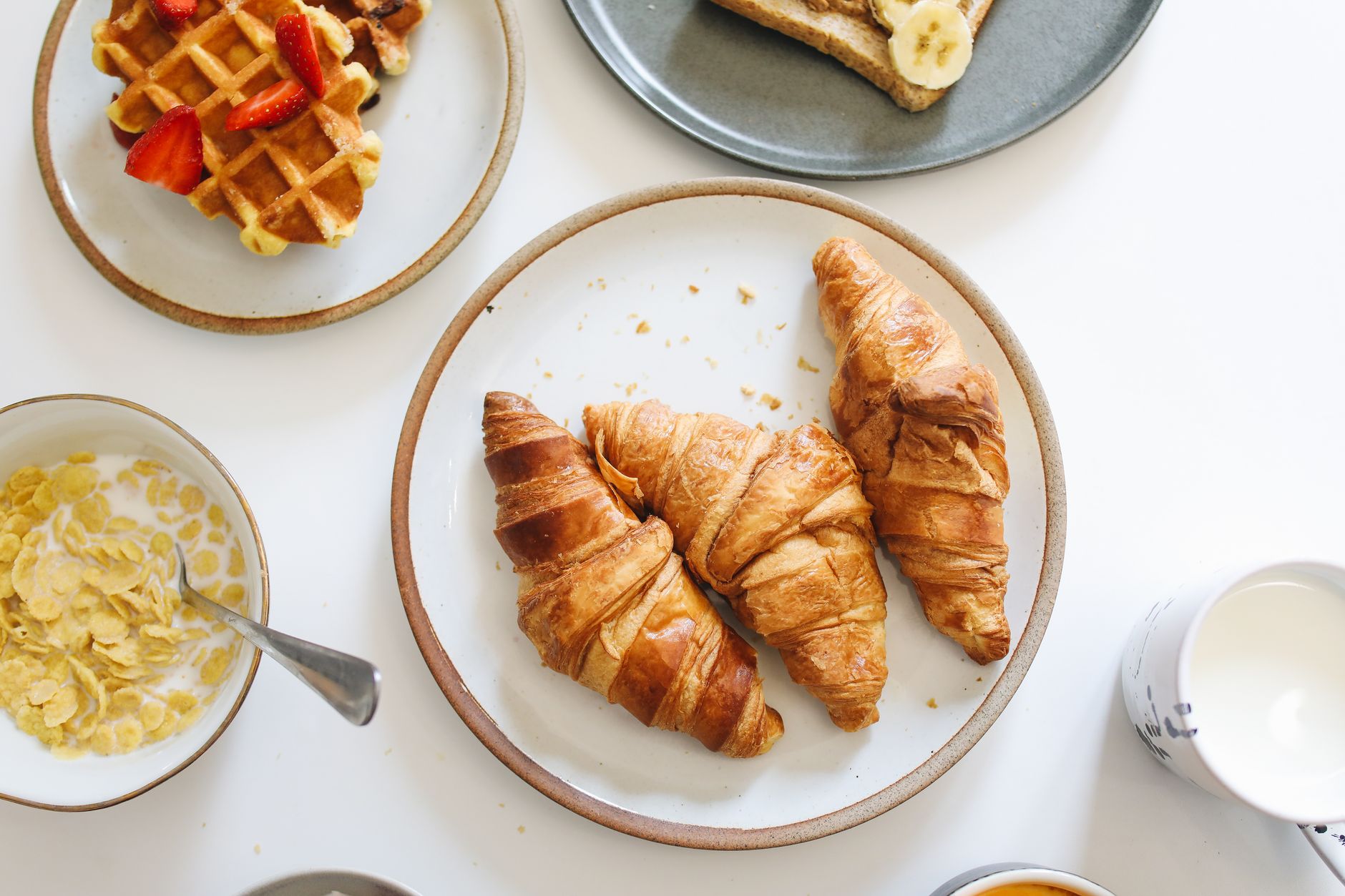
**Produce:**
- 2 baguettes
- 1 head of lettuce
- 1 bunch carrots
- 1 bag mixed greens
- 1 eggplant
- 2 zucchinis
- 1 red bell pepper
- 2 tomatoes
- 1 onion
- 3 garlic cloves
- 1 lemon
- 2 oranges
- 1 small apple
- 1 small pear
- 1 bunch asparagus
- 1 small bag blueberries
**Proteins:**
- 1 lb chicken breast
- 1 lb salmon fillet
- 1 lb ground beef (for bœuf bourguignon)
- 1 dozen eggs
- 1 lb lentils (dry)
- 1 block Gruyère cheese
- 1 block feta cheese
- 1 small bag walnuts
**Pantry Staples:**
- Butter
- Olive oil
- Balsamic vinegar
- Dry white wine
- Red wine (for cooking)
- Beef broth
- Quinoa
- Almond butter
- Honey
- Herbs de Provence
- Salt and pepper
**Beverages:**
- Black coffee
- Green tea
- Sparkling water
To save time, prep ahead:
- Cook grains in bulk: Make a big batch of quinoa or lentils on Sunday for easy lunches.
- Chop vegetables: Wash, dry, and chop all your veggies for the week. Store in airtight containers.
- Marinate proteins: If you’re grilling chicken or salmon, marinate it the night before.
- Make sauces ahead: Prepare béchamel or vinaigrette for salads in advance.
- Portion snacks: Divide nuts, cheese, and fruit into small containers for easy grab-and-go options.
One of the best things about the French diet is its balance of nutrients. Here’s a general breakdown of what a typical day might look like in terms of macronutrients and calories:
| Meal | Calories | Protein (g) | Carbohydrates (g) | Fats (g) |
|---|---|---|---|---|
| Breakfast (croissant, coffee, cheese) | 400–500 | 10–15 | 50–60 | 20–25 |
| Mid-Morning Snack (fruit, nuts) | 150–200 | 3–5 | 15–20 | 8–10 |
| Lunch (salmon, salad, baguette) | 500–600 | 30–35 | 40–50 | 20–25 |
| Afternoon Snack (yogurt, berries) | 150–200 | 5–10 | 20–25 | 5–8 |
| Dinner (steak frites, vegetables) | 600–700 | 35–40 | 40–50 | 25–30 |
| Total | 2,200–2,600 | 83–105 | 185–205 | 88–98 |
As you can see, the French diet provides a balanced mix of protein, carbs, and fats—perfect for sustained energy without extreme calorie restriction. The calorie count can vary based on portion sizes and individual needs, but this range is typical for a healthy, active person.
--- ## French Diet Sample Day of Eating Grocery ListTo make it even easier, here’s a simplified grocery list for one day of French-inspired meals:
### **Produce** - 1 baguette - 1 head of lettuce - 1 small bag mixed greens - 1 lemon - 1 small apple - 1 small pear - 1 orange - 1 small bag blueberries - 1 small bunch asparagus ### **Proteins** - 1 salmon fillet (4 oz) - 1 chicken breast (4 oz) - 1 small block cheese (Gruyère or feta) ### **Pantry & Dairy** - Butter - Olive oil - Balsamic vinegar - Dry white wine - Beef broth (for soup) - Quinoa (or lentils) - Almond butter - Honey ### **Beverages** - Black coffee - Green tea - Sparkling waterIf you’re short on time, focus on buying pre-cut vegetables, pre-cooked proteins, or frozen French meals (like frozen ratatouille or croque monsieur) to simplify prep.
--- ## Myth vs. Fact: The French DietThe French diet has its share of myths—let’s separate fact from fiction.
### **Myth: The French diet is all about eating butter and cheese all day.**Fact: While butter, cheese, and wine are part of the French diet, the French also eat plenty of vegetables, lean proteins, and whole grains. The key is balance—not indulgence without limits.
### **Myth: The French diet is just for weight loss.**Fact: The French diet is about overall health, longevity, and enjoyment of food. It’s not a diet in the traditional sense but a way of eating that promotes well-being.
### **Myth: You have to drink wine every day to follow the French diet.**Fact: Wine is part of the French culture, but it’s not a requirement. The French diet is about moderation—one glass of wine with dinner is fine, but drinking heavily is not.
### **Myth: The French diet is too expensive.**Fact: While some French ingredients like cheese or wine can be pricey, the diet is not inherently expensive. Focus on seasonal produce, whole grains, and lean proteins to keep costs down.
--- ## Key TakeawaysHere’s what you need to remember about the French diet:
- It’s about balance, not restriction. Enjoy rich foods like butter and cheese, but also include plenty of vegetables, lean proteins, and whole grains.
- Portion control is key. A baguette is fine in small slices, but don’t eat the whole loaf.
- Eat mindfully. The French don’t rush through meals—they savor each bite, which helps prevent overeating.
- Prioritize seasonal ingredients. Fresh, local produce is always the best choice.
- Make it your own. Whether you’re vegetarian, an athlete, or trying to lose weight, the French diet can be adapted to fit your needs.
- Enjoy the process. The French diet is about pleasure as much as it is about health.
A typical French diet day includes a hearty breakfast (like croissants and coffee), a light lunch (salad with grilled fish or chicken and cheese), and a satisfying dinner (like steak frites or ratatouille). Snacks might include fruit, nuts, or yogurt, and wine is often enjoyed in moderation with dinner. The key is balance—rich foods are paired with plenty of vegetables and lean proteins.
### How many calories are in a French diet sample day of eating?A typical French diet day ranges from 2,200 to 2,600 calories, depending on portion sizes and individual needs. The diet is not about extreme calorie restriction but about enjoying a variety of nutrient-dense foods in moderation.
### Is the French diet sample day of eating healthy?Yes! The French diet is associated with lower rates of obesity and longer lifespans. It’s rich in whole foods, healthy fats, and fiber while avoiding processed foods and excessive sugar. However, like any diet, it’s important to personalize it to your needs—whether that’s for weight loss, pregnancy, or dietary restrictions.
### Can I follow a French diet sample day of eating if I'm

