Quick take: A keto diet during pregnancy requires careful planning to avoid risks like fetal brain development concerns or nutrient deficiencies. Most experts advise against it unless medically supervised for conditions like gestational diabetes. If you’re considering keto while pregnant or breastfeeding, focus on high-quality fats, monitor macros with your provider, and prioritize supplements like omega-3s and magnesium. Always consult your obstetrician or a registered dietitian before starting.
You’re 8 weeks pregnant and your OB just mentioned “low-carb diets” — here’s what you need to know
You’re scrolling through your phone at 2am, heart pounding, when you stumble on a viral post: “I lost 10 pounds on keto while pregnant!” Your stomach twists. You’ve heard keto can work wonders for weight loss and blood sugar control, but you also remember your OB’s warning about “restricting macros” during pregnancy. Is this safe? Can you even do keto while growing a baby? And what about breastfeeding later? You’re not alone: many women wonder if they can adapt a keto diet for pregnancy or postpartum without risking their baby’s health.
Here’s the hard truth: most experts advise against a strict keto diet during pregnancy unless you have a specific medical condition like gestational diabetes or PCOS, and even then, it’s only under close supervision. The American College of Obstetricians and Gynecologists (ACOG) doesn’t endorse keto for routine pregnancy use, citing concerns about fetal brain development and nutrient absorption. But if you’re curious about how to structure a safe keto-like approach—or just want a clear, evidence-backed meal plan to compare—this guide will help you navigate the risks, benefits, and practical steps.
Below, we’ll break down what a keto diet sample day of eating looks like during pregnancy, including exact food examples, portion sizes, and macros. We’ll also address the most urgent questions: Can you safely follow keto in the first trimester? What are the risks to fetal brain development? How do you avoid nutrient deficiencies while breastfeeding? And we’ll share expert-backed strategies to mitigate side effects like fatigue, nausea, and constipation—so you can make an informed decision with your provider.
If you’re already on keto and pregnant, read about the common side effects first—and book that OB appointment today.
---
What does a healthy keto diet sample meal plan look like for pregnant women?
I
f you’re imagining a keto pregnancy meal plan, you might be picturing crispy bacon, cheese platters, and avocado toast—all while your baby grows inside you. But pregnancy keto isn’t just about swapping carbs for fat. It’s about ensuring your body—and your baby—gets the right nutrients in the right amounts. A healthy keto diet for pregnancy prioritizes whole foods, lean proteins, and nutrient-dense fats while avoiding processed meats, excess caffeine, and artificial sweeteners.
Below is a **sample keto day for pregnancy**, designed with macros in mind (70-75% fat, 20-25% protein, 5-10% carbs) and nutrient-dense foods to support fetal development. Portions are adjusted for a pregnant woman’s increased caloric needs (typically 300–500 extra calories per day).
Note: This plan is not a substitute for personalized medical advice. Always work with your obstetrician or a registered dietitian to tailor macros to your specific needs, especially if you have gestational diabetes, PCOS, or other conditions.

Macros for the day: ~2,400 calories | 164g fat | 151g protein | 66g carbs (net 44g).
**Why this works:** This plan avoids ultra-processed keto foods (like store-bought fat bombs) and focuses on whole, nutrient-dense options. However, this is not a one-size-fits-all approach. Some women may need more calories, while others (especially those with nausea) might struggle with larger portions. If you’re comparing keto to other low-carb diets, note that the Mediterranean diet—rich in olive oil, fish, and vegetables—is often recommended for pregnancy due to its balance of healthy fats and micronutrients.
---
Can you safely follow a keto diet during the first trimester and what are the risks?
You’re in your first trimester, and the thought of restricting carbs feels overwhelming—especially when you’re already dealing with morning sickness. But you’ve heard keto can help with nausea, so you’re torn between following your gut (literally) and the advice of your OB. The short answer? Keto during the first trimester is not recommended unless medically necessary, and even then, it requires close monitoring.
**The risks of keto in early pregnancy include:**
- Nutrient deficiencies: Keto restricts fruits, whole grains, and legumes—key sources of folate, iron, and fiber. The American College of Obstetricians and Gynecologists (ACOG) warns that inadequate intake of these nutrients can lead to complications like neural tube defects or anemia.
- Increased risk of constipation: Low fiber intake is common on keto, and constipation during pregnancy is already a challenge. This can lead to hemorrhoids or discomfort.
- Potential impact on fetal brain development: Some studies suggest that very low-carb diets may affect ketones crossing the placenta, though research is limited. The UK’s National Health Service (NHS) advises caution, noting that ketosis in pregnancy hasn’t been thoroughly studied.
- Higher risk of keto flu: Fatigue, headaches, and nausea (often worse than typical first-trimester symptoms) can occur as your body adapts. This is especially problematic when you’re already feeling unwell.
**When might keto be considered safe in the first trimester?** Only if you have a condition like gestational diabetes or PCOS, and your provider approves. In these cases, keto may help stabilize blood sugar, but you’ll need to work with a dietitian to ensure you’re getting enough folate, iron, and other critical nutrients.
**What to do instead:** If you’re craving lower-carb options but want to play it safe, try a Mind Diet—it’s lower in processed foods and higher in whole, nutrient-rich meals without extreme carb restriction.
---
How to structure a keto diet sample day for breastfeeding mothers without nutrient deficiencies?
You’ve just given birth, and the idea of losing weight quickly is tempting—especially with all the hormonal changes and sleep deprivation. But breastfeeding moms have specific nutritional needs, and keto isn’t automatically safe for lactation. While some women report success with keto while breastfeeding, others experience drops in milk supply or fatigue. The key is balance.
**Here’s how to structure a keto-friendly breastfeeding day safely:**
- Prioritize protein: Aim for 100–120g of protein daily to support milk production. Include lean meats, eggs, and dairy (if tolerated).
- Increase healthy fats: Avocados, nuts, seeds, and olive oil are great for energy and satiety. But don’t forget that breastfeeding burns extra calories—you may need more fat than you did during pregnancy.
- Monitor carbs carefully: Breastfeeding moms need slightly more carbs (100–150g/day) to maintain energy and milk supply. Keto’s ultra-low-carb approach (under 50g net carbs) can backfire here.
- Stay hydrated and electrolyted: Breastfeeding increases fluid needs. Add extra sodium, potassium, and magnesium to your diet or supplement as needed.
- Listen to your body: If you notice your milk supply dropping or you’re excessively fatigued, adjust your macros or consult a lactation specialist.
Sample breastfeeding keto day (with adjustments for lactation):
Key takeaway: Breastfeeding keto is possible, but it’s not as strict as traditional keto. Many women find success with a modified low-carb approach—keeping carbs under 100g but not as low as 20–50g. If you’re concerned about milk supply, consider tracking your baby’s weight gain and consulting a lactation consultant.
---
What are the best keto-friendly foods to eat during pregnancy and how to prepare them?
You’re ready to dive into keto for pregnancy—but you’re overwhelmed by the options. What’s safe? What’s delicious? And how do you prepare these foods without feeling like you’re eating a science experiment? The good news is that many keto-friendly foods are also pregnancy superstars: rich in nutrients, easy to digest, and packed with flavor.
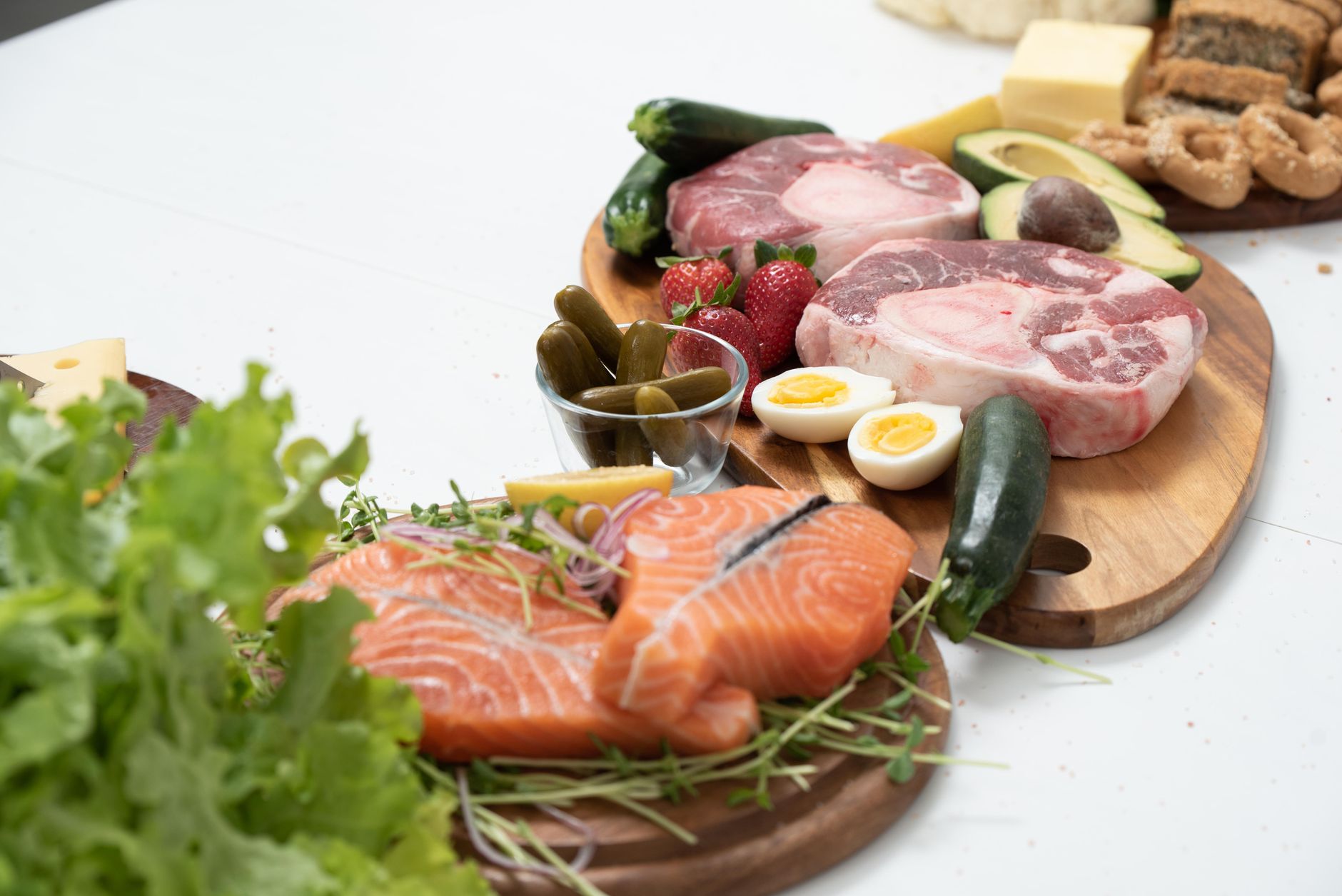
**Top keto-friendly foods for pregnancy (and how to prepare them):**
- Fatty fish (salmon, sardines, mackerel):
- Why? High in DHA (critical for baby’s brain development) and omega-3s (reduces inflammation).
- How to prepare: Bake salmon with lemon and herbs, or make a quick sardine salad with avocado and olive oil.
- Eggs:
- Why? Choline supports fetal brain development; protein keeps you full.
- How to prepare: Scramble with spinach and feta, or make a soft-boiled egg with avocado toast (whole-grain bread is fine in moderation).
- Avocados:
- Why? Healthy monounsaturated fats; potassium helps with swelling.
- How to prepare: Mash into guacamole with lime and cilantro, or slice onto a cheese board.
- Cheese (full-fat, pasteurized):
- Why? Calcium supports bone development; protein keeps you satiated.
- How to prepare: Pair with nuts and berries (sparingly) for a snack, or melt over a salad.
- Leafy greens (spinach, kale, arugula):
- Why? Folate prevents neural tube defects; iron combats fatigue.
- How to prepare: Sauté with garlic and olive oil, or blend into a green smoothie with coconut milk.
- Nuts and seeds (almonds, chia, flax):
- Why? Vitamin E and magnesium support skin and muscle health.
- How to prepare: Sprinkle chia seeds on yogurt, or blend almond butter into smoothies.
**Foods to avoid (or limit) on keto during pregnancy:**
- Processed meats (sausages, deli meats—risk of listeria).
- Unpasteurized cheese (risk of foodborne illness).
- Excessive caffeine (can contribute to dehydration).
- Artificial sweeteners (like sucralose) in large amounts (limited research on safety).
- Very high-mercury fish (like king mackerel or swordfish).
---
Does a keto diet affect fetal brain development? Expert opinions and studies explained
You’ve heard that ketones might cross the placenta, and now you’re worried: Is keto safe for my baby’s brain? This is one of the most debated topics in pregnancy nutrition, and the answer isn’t black and white. While some studies suggest ketones could have neuroprotective effects, others raise concerns about long-term developmental outcomes. Let’s break down the science.
**What the research says:**
- Potential benefits: Some animal studies indicate that ketones (the byproduct of keto) may have neuroprotective properties, potentially reducing the risk of neurological disorders. However, these findings are not yet confirmed in humans.
- Concerns: A 2021 study in Nutrients noted that very low-carb diets during pregnancy could lead to hypoglycemia in the fetus, as the placenta relies on glucose for energy. Additionally, some research suggests that extreme ketosis might affect mitochondrial function in developing brains.
- Expert consensus: The Endocrine Society advises caution, stating that “keto diets should not be initiated during pregnancy without medical supervision.” Most obstetricians recommend avoiding strict keto unless managing a condition like gestational diabetes.
**What to do instead:** If you’re concerned about fetal brain health, focus on a diet rich in omega-3s (like salmon and walnuts), choline (eggs, liver), and antioxidants (berries, dark leafy greens). These nutrients directly support cognitive development without the risks of extreme ketosis.
**Bottom line:** There’s no definitive answer, but the precautionary principle applies. If you’re considering keto, discuss it with your provider and consider a DASH-style diet as a safer alternative—it’s lower in processed foods and higher in brain-boosting nutrients.
---
How to transition into a keto diet safely in the second trimester with a doctor’s guidance
You’re now in your second trimester, feeling more energized, and you’ve decided to give keto a try—but you’re nervous about the transition. The second trimester is often the best time to make dietary changes because morning sickness has eased, and your appetite is more stable. However, you cannot start keto without your provider’s approval. Here’s how to do it safely.
**Step-by-step guide to safe keto transition in the second trimester:**
- Consult your OB or a dietitian: They’ll monitor your blood sugar, ketone levels (if applicable), and overall health. Some providers may recommend a modified keto approach (e.g., 50–100g carbs/day) to reduce risks.
- Start with a 3-day induction phase: Gradually reduce carbs while increasing fats. Example:
- Day 1: 100g carbs → 70g carbs
- Day 2: 70g carbs → 50g carbs
- Day 3: 50g carbs → 30g carbs (net)
- Monitor for keto flu symptoms: Fatigue, headaches, and nausea are common. Combat this with:
- Extra electrolytes (sodium, potassium, magnesium)
- Hydration (aim for 3L water/day)
- Small, frequent meals
- Prioritize nutrient-dense foods: Focus on the foods listed earlier in this article, and consider a supplement regimen if needed (e.g., omega-3s, vitamin D, magnesium).
- Track fetal development: Schedule ultrasounds to ensure your baby is growing normally. Pay attention to your energy levels and milk supply (if applicable).
**Red flags to watch for:**
- Severe fatigue or dizziness (could indicate hypoglycemia).
- Excessive nausea or vomiting.
- Constipation or hemorrhoids (signs of low fiber).
- Sudden weight loss (could affect fetal growth).
If you experience any of these, stop keto and consult your provider immediately.
---
Keto diet meal plan for pregnancy with macros breakdown for a day
You want the numbers—how many grams of fat, protein, and carbs should you aim for each day? Here’s a customizable keto macros breakdown for pregnancy, tailored to your trimester and activity level. Remember: these are guidelines—your provider may adjust them based on your health history.
**Example macros for a day in the second trimester (2,400 calories):**
- Fat: 170g (70% of calories)
- Protein: 110g (20% of calories)
- Carbs: 50g net (10% of calories)
**Tools to track macros:**
- Cronometer (free app for logging food).
- MyFitnessPal (filter for “low-carb” recipes).
- Your OB’s recommended supplements (e.g., prenatal vitamin with DHA).
---
Signs of keto flu during pregnancy and how to manage them safely
You’re day 3 into keto, and suddenly you feel like you’ve caught the worst flu ever—except you haven’t been around sick people. This is keto flu, and it’s more common (and more dangerous) during pregnancy. The good news? It’s usually temporary, and there are ways to ease the symptoms.
**Common signs of keto flu in pregnancy:**
- Fatigue or brain fog (your body is adapting to burning fat instead of carbs).
- Headaches (dehydration or electrolyte imbalance).
- Nausea or dizziness (low blood sugar or sodium levels).
- Muscle cramps (potassium or magnesium deficiency).
- Constipation (low fiber intake).
**How to manage keto flu safely during pregnancy:**
- Hydrate aggressively: Drink 3–4L of water daily and add electrolytes (try coconut water or a pinch of salt in your water).
- Prioritize electrolytes:
- Sodium: Add a pinch of salt to meals or try bone broth.
- Potassium: Eat avocados, spinach, or sweet potatoes (in moderation).
- Magnesium: Take a supplement (300–400mg/day) or eat pumpkin seeds.
- Eat enough calories: If you’re feeling weak, increase your fat intake slightly (e.g., add an extra tablespoon of olive oil to meals).
- Move gently: Light walking or prenatal yoga can help circulation and energy levels.
- Listen to your body: If symptoms persist beyond a week, consult your provider. Severe nausea or dizziness could indicate a need to adjust your macros.
**What to avoid:**
- Caffeine (can worsen dehydration).
- Processed meats (high in sodium, which can exacerbate fluid retention).
- Extreme fasting (risk of hypoglycemia).
---
Can a keto diet help with gestational diabetes? Sample meal plan and doctor’s advice
You’ve been diagnosed with gestational diabetes, and your OB mentioned that a modified keto approach might help stabilize your blood sugar. But is this safe? And how do you do it right? The answer is nuanced: keto can be part of the solution, but it’s not a one-size-fits-all fix.
**How keto may help gestational diabetes:**
- Reduces insulin spikes by limiting refined carbs.
- May improve insulin sensitivity in some women.
- Encourages stable energy levels (critical for pregnancy).
**But there are risks:**
- Very low-carb diets can lead to hypoglycemia in the fetus, as the placenta relies on glucose.
- Some women experience increased ketones in urine, which can be monitored but isn’t ideal for long-term fetal health.
- Nutrient deficiencies (e.g., folate, vitamin C) can worsen if not managed.
**Sample keto meal plan for gestational diabetes (with blood sugar-friendly adjustments):**
**Doctor’s advice for gestational diabetes + keto:**
"While a modified keto approach can help some women with gestational diabetes, it’s not for everyone. The key is to work with a dietitian to ensure you’re getting enough fiber, folate, and other critical nutrients. Monitor your blood sugar closely, and if you notice any concerning trends (like persistent hypoglycemia), adjust your diet or switch to a more balanced low-carb approach like the DASH diet."
—Dr. Emily Chen, OB-GYN and Maternal-Fetal Medicine Specialist
**When to see your provider:**
- If your blood sugar drops below 70mg/dL (hypoglycemia).
- If you experience excessive fatigue or dizziness.
- If your baby’s growth is not progressing as expected on ultrasounds.
---
How to avoid constipation on a keto diet while pregnant with fiber-rich low-carb foods




