

Quick take: The blood type diet suggests that your ABO blood type determines which foods are best for your health, but current evidence doesn’t support its core claims. Still, many people find it helpful as a framework for eating more whole foods and fewer processed items. If you’re curious, start with a simple list of recommended foods for your type, plan meals around them, and track how you feel—without overcommitting to the diet’s science.Blood Type Diet Food List for Beginners: The Complete 2026 Guide
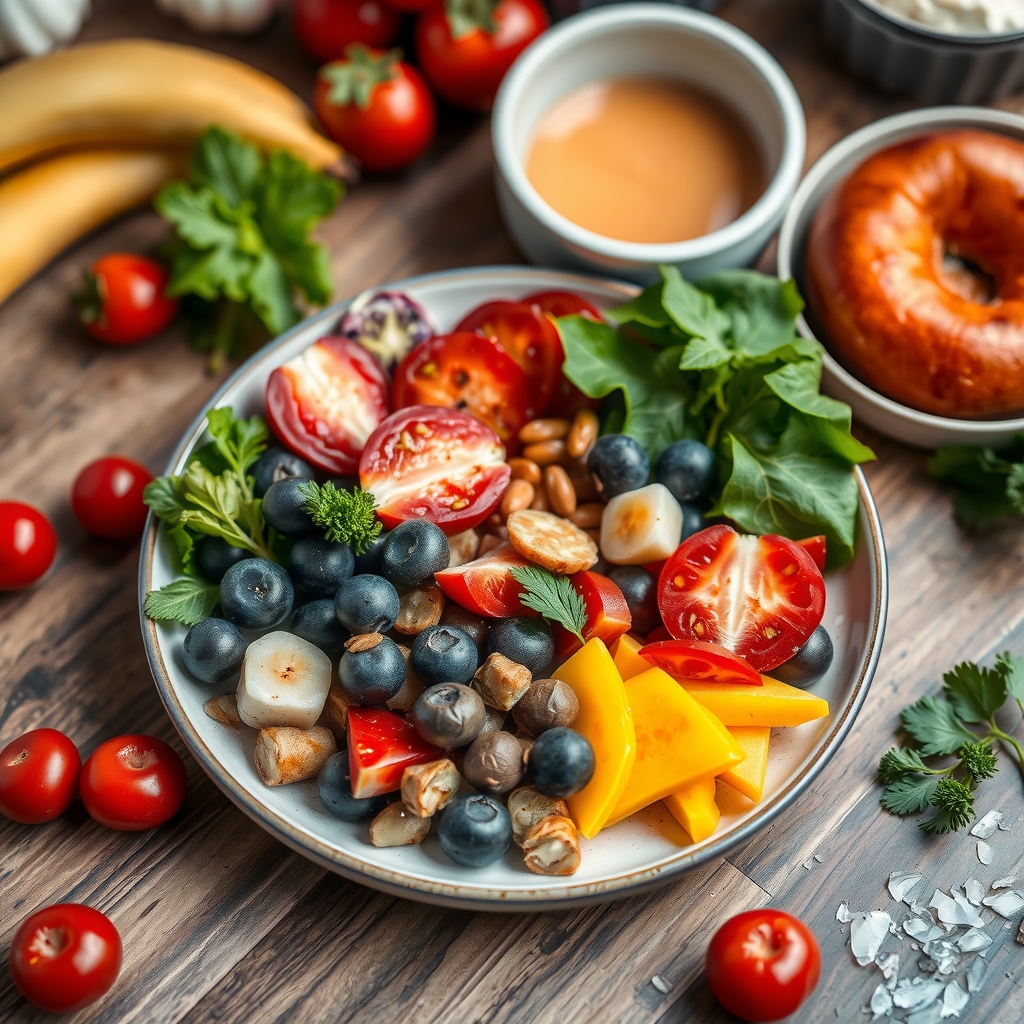
It was 2 a.m., and you were staring at your fridge, a half-eaten bag of chips in hand. Again. You’ve tried every diet under the sun—keto, intermittent fasting, even the cabbage soup challenge—but nothing sticks. Then you remember that viral post: *"My blood type is O, and since I started eating like one, my energy is through the roof!"* You’ve never heard of the blood type diet before, but the idea of a personalized meal plan feels like a lifeline. So you Google it. And now you’re here, ready to dive in—but also a little skeptical. After all, your mom swore by the Zone Diet in the ‘90s, and it didn’t exactly work out for her.
The blood type diet, popularized by Dr. Peter D’Adamo in the 1990s, claims that your ABO blood type (A, B, AB, or O) determines which foods are best for your health—and which ones might be sabotaging your digestion, energy, or weight. The premise is simple: your blood type evolved alongside certain diets, and sticking to foods that align with your type can optimize your health. But here’s the catch: the science behind it is controversial. While some people swear by it, mainstream nutritionists and medical organizations—like the Johns Hopkins Medicine and the NHS—caution that the diet lacks robust clinical evidence. Still, many beginners find it a useful starting point for eating more whole foods and fewer processed ones. So if you’re curious, let’s break it down: what the diet actually recommends, how to start, and what to watch out for.
Whether you’re exploring it for weight loss, digestion, energy, or just a fresh perspective on eating, this guide will give you a clear, science-backed roadmap. We’ll cover everything from food lists tailored to your blood type to meal planning, grocery shopping, and even how to navigate the diet if you’re pregnant or managing a chronic condition. And don’t worry—we’ll separate the myths from the facts so you can make an informed decision.
--- ## What Is the Blood Type Diet?You’ve probably heard the blood type diet called everything from a "natural detox" to a "personalized nutrition plan," but what does it actually entail? At its core, the diet suggests that your blood type influences how your body metabolizes food. For example, people with blood type O are said to thrive on lean meats and vegetables but struggle with dairy, while type A followers are encouraged to focus on plant-based foods and avoid red meat. The theory is rooted in the idea that blood types evolved alongside certain diets—hunters and gatherers (O types) ate meat, while agricultural societies (A types) leaned into plant-based eating.
But here’s the reality: no high-quality studies support the blood type diet’s core claims. A 2014 review in the Journal of the American Board of Family Medicine found that the diet’s principles are not backed by scientific evidence. That said, many people report feeling better when they eat more whole foods and fewer processed items—regardless of blood type. So if you’re drawn to the blood type diet, it might be more about how you eat than what you eat.
One reader described it this way: *"I didn’t believe in blood types until I tried it, but I think the real magic was just cutting out fast food and sugary drinks. My energy improved, and I felt lighter—even if my blood type wasn’t the secret ingredient."*
If you’re intrigued, the next step is to understand which foods are recommended for each blood type. But first, let’s clarify: this isn’t medical advice. It’s a framework to explore. Always check with your healthcare provider before making major dietary changes, especially if you have a medical condition like diabetes or high blood pressure.
--- ## Blood Type Categories and Recommended Foods: A Beginner’s GuideIf you’re new to the blood type diet, the first step is identifying your blood type. You can get this from a simple blood test at your doctor’s office or through a home test kit. Once you know your type, you can start tailoring your meals. Below is a breakdown of the foods typically recommended for each blood type, based on the diet’s principles. Remember, these are guidelines—not strict rules—and many people find success by focusing on whole, unprocessed foods.
Blood Type O: The Hunter
- Safe foods: Lean meats (beef, lamb, poultry), fish, eggs, leafy greens, cruciferous vegetables, berries, nuts, and seeds.
- Avoid: Dairy (except butter), legumes, grains (except rice), and corn.
- Safe foods: Plant-based foods (vegetables, fruits, legumes, whole grains, tofu), seafood, and occasional lean meats.
- Avoid: Red meat, caffeine, alcohol, and processed foods.
- Safe foods: Dairy (especially cheese and yogurt), poultry, fish, eggs, grains (including wheat), and most vegetables.
- Avoid: Corn, kidney beans, chickpeas, and peanuts.
- Safe foods: A mix of A and B foods—seafood, dairy, tofu, whole grains, and some vegetables.
- Avoid: Red meat, alcohol, caffeine, and most grains.
Pro tip: If you’re just starting out, focus on adding more whole foods to your diet rather than eliminating entire food groups. For example, if you’re type O and want to try the diet, start by swapping processed snacks for nuts and berries instead of cutting out dairy overnight. This makes it easier to stick with the changes long-term.
If you’re curious about how this might look in a real meal plan, check out our 7-Day Blood Type Diet Meal Plan: Customized Meals for Your Type for a day-by-day guide tailored to each blood type.
--- ## How to Plan a Weekly Meal Plan for Blood Type Diet BeginnersPlanning meals around your blood type can feel overwhelming at first, but breaking it down into simple steps makes it manageable. Start by focusing on one meal a day—breakfast, lunch, or dinner—and gradually build from there. Here’s how to get started:
- Pick your blood type’s "safe" foods from the list above and make a list of your favorites. For example, if you’re type A, you might include spinach, quinoa, tofu, and salmon.
- Batch-cook staples like grains, legumes, or roasted vegetables to save time during the week. This is especially helpful for busy mornings.
- Plan for variety to avoid meal fatigue. Mix up proteins, vegetables, and grains to keep things interesting.
- Prep snacks in advance—like cut-up fruits, nuts, or hummus with veggies—to avoid reaching for less healthy options.
For inspiration, here’s a simple weekly meal plan template for each blood type. Adjust based on your preferences and schedule:
| Blood Type | Monday | Tuesday | Wednesday | Thursday | Friday | Saturday | Sunday |
|---|---|---|---|---|---|---|---|
| O | Grilled salmon + quinoa + roasted Brussels sprouts | Beef stir-fry with bell peppers and broccoli | Eggs with spinach and avocado | Turkey and vegetable soup | Grilled chicken + mixed greens salad | Lamb chops + roasted sweet potatoes | Baked cod + asparagus + wild rice |
| A | Tofu scramble with mushrooms and whole-grain toast | Lentil curry with brown rice | Miso soup with tofu and seaweed | Quinoa salad with chickpeas, cucumber, and lemon dressing | Grilled shrimp with a side of roasted sweet potatoes | Vegetable stir-fry with tempeh | Stuffed bell peppers with black beans and brown rice |
| B | Cheese omelet with sautéed spinach | Grilled chicken Caesar salad with Parmesan | Turkey and cheese roll-ups with apple slices | Baked salmon with quinoa and steamed broccoli | Pasta with marinara sauce and grilled shrimp | Egg fried rice with mixed vegetables | Grilled lamb kebabs with tzatziki and pita |
| AB | Seafood paella with shrimp and mussels | Grilled chicken Caesar salad with dairy-free dressing | Tofu and vegetable stir-fry with brown rice | Shrimp and avocado salad with mixed greens | Baked cod with lemon-dill sauce and quinoa | Vegetable and cheese frittata | Grilled salmon with a side of roasted sweet potatoes |
Key takeaway: The blood type diet isn’t about perfection—it’s about progress. If you miss a meal or crave something not on your list, don’t stress. The goal is to make sustainable changes that feel good for your body.
--- ## Benefits of Blood Type Diet for Pregnancy: What to KnowIf you’re pregnant or planning to conceive, you might be wondering if the blood type diet is safe—or even beneficial. The short answer is it’s not well-studied for pregnancy, and most healthcare providers recommend focusing on a balanced, nutrient-rich diet instead. That said, some women report feeling better when they avoid processed foods and prioritize whole, nutrient-dense meals—regardless of blood type.
Here’s what the research says:
- No strong evidence supports the blood type diet improving pregnancy outcomes. A 2015 study in the Journal of Human Lactation found that blood type diet recommendations did not significantly impact pregnancy-related symptoms like nausea or fatigue.
- Focus on nutrients instead. Pregnancy requires extra folate, iron, calcium, and omega-3s. The blood type diet might accidentally limit these nutrients if you’re avoiding certain foods (like dairy or red meat) without a plan. For example, type A women avoiding red meat might miss out on iron-rich options.
- Consult your provider. If you’re considering the blood type diet during pregnancy, talk to your OB/GYN or a registered dietitian. They can help you tailor the diet to ensure you’re getting all the nutrients you and your baby need.
Many women find that elimination diets, like the Autoimmune Protocol (AIP), are more evidence-based for managing pregnancy-related symptoms like morning sickness or bloating. The AIP focuses on anti-inflammatory foods and temporarily eliminates common triggers like nightshades and dairy.
Bottom line: If you’re exploring the blood type diet during pregnancy, use it as a starting point to eat more whole foods—but don’t rely on it as your sole nutritional plan. Always prioritize foods that support fetal development, like leafy greens, lean proteins, and whole grains.
--- ## Common Mistakes Beginners Make on Blood Type DietStarting any new diet can feel like stepping into uncharted territory, and the blood type diet is no exception. Many beginners make a few common mistakes that can derail their progress—both in terms of results and motivation. Here’s what to watch out for:
- Taking it too literally. The blood type diet isn’t about rigidly avoiding every "forbidden" food. If you’re type O and love cheese, a small portion of dairy won’t ruin your progress. Focus on making whole foods the majority of your diet.
- Ignoring hunger and fullness cues. Some people get so caught up in following the rules that they forget to eat when they’re hungry or stop when they’re full. Pay attention to your body’s signals—this is more important than any blood type guideline.
- Overcomplicating meals. You don’t need to meal-prep every single meal to succeed. Start with simple swaps, like choosing grilled chicken over fried chicken or swapping white rice for quinoa.
- Giving up too soon. Like any diet, the blood type diet takes time to adjust to. Many people see changes in energy or digestion within a few weeks, but it can take longer for other benefits to appear. Be patient with yourself.
- Not tracking progress beyond the scale. Weight loss isn’t the only sign of success. Track how you feel—your energy levels, digestion, sleep, and mood. These are often better indicators of whether the diet is working for you.
If you’re struggling to stick with the diet, try keeping a food and symptom journal. Note how you feel after eating certain foods, and adjust as needed. For example, if you notice bloating after beans (even if they’re "allowed" for your type), you might find that limiting them helps.
--- ## How to Transition to Blood Type Diet from Standard DietSwitching from a standard diet to the blood type diet doesn’t have to be an all-or-nothing overhaul. Instead, think of it as a gradual transition—one that respects your current habits and preferences. Here’s how to ease into it without feeling overwhelmed:
- Start with one meal a day. Pick a meal you enjoy and tweak it to fit your blood type’s guidelines. For example, if you’re type B and love pasta, swap regular pasta for whole-wheat and add grilled chicken instead of red meat.
- Swap, don’t eliminate. Instead of cutting out dairy (if you’re type O), try swapping milk for almond milk in your coffee or choosing butter over margarine. Small changes add up.
- Meal prep on weekends. Dedicate one day a week to cooking large batches of grains, proteins, or soups. This makes it easier to grab a healthy meal during the week.
- Experiment with new recipes. If you’re used to eating takeout, try cooking a simple blood type-approved dish at home. For example, type A readers might enjoy trying a lentil curry or a quinoa salad with roasted vegetables.
- Listen to your body. If you feel worse after making changes (e.g., more bloated or fatigued), take a step back. The goal is to feel better, not worse.
For more inspiration, check out our easy dairy-free diet food list for beginners in 2026 if you’re type O and looking to reduce dairy. Many of the principles overlap!
--- ## Blood Type Diet for Beginners: Grocery ListOne of the biggest hurdles for new dieters is knowing what to buy at the grocery store. To make it easier, we’ve created a simple grocery list tailored to each blood type. Stick to the basics, and you’ll have everything you need for a week’s worth of meals.
Produce
- O, A, B, AB: Leafy greens (spinach, kale), cruciferous vegetables (broccoli, Brussels sprouts, cauliflower), berries, tomatoes, cucumbers, bell peppers, zucchini, carrots, onions, garlic, ginger.
Proteins
- O: Lean beef, lamb, chicken, turkey, eggs, fish (salmon, cod, sardines), shellfish.
- A: Fish (salmon, cod, sardines), shellfish, tofu, tempeh, chicken, turkey.
- B: Chicken, turkey, eggs, fish (salmon, cod), lamb, dairy (cheese, yogurt, butter).
- AB: Fish (salmon, cod, sardines), shellfish, tofu, chicken, dairy (cheese, yogurt).
Grains and Legumes
- O: Rice (white or brown), quinoa.
- A: Brown rice, quinoa, whole-grain bread, lentils, chickpeas.
- B: Whole-grain bread, whole-wheat pasta, brown rice, quinoa, lentils.
- AB: Brown rice, quinoa, whole-grain bread.
Fats and Oils
- All types: Olive oil, avocado oil, nuts (almonds, walnuts), seeds (chia, flax), avocados.
Snacks
- O: Nuts, seeds, berries, hard-boiled eggs.
- A: Hummus with veggies, fruit, nuts, seeds.
- B: Cheese, yogurt, nuts, seeds, hard-boiled eggs.
- AB: Hummus with veggies, nuts, seeds, dairy-free yogurt.
Drinks
- All types: Water, herbal teas, black coffee (if tolerated), green tea.
- Avoid: Alcohol, sugary drinks, excessive caffeine.
Tip: Always check labels for hidden sugars, unhealthy fats, or additives. The goal is to eat as close to nature as possible.
--- ## Blood Type Diet for Beginners: Recipes and Meal IdeasNeed some inspiration? Here are a few simple, blood type-friendly recipes to get you started. These meals are designed to be easy to prepare and packed with nutrients.
Breakfast Ideas
- O: Scrambled eggs with spinach and avocado
- A: Tofu scramble with mushrooms and whole-grain toast
- B: Cheese omelet with sautéed spinach
- AB: Chia pudding with almond milk and berries
Lunch Ideas
- O: Grilled chicken salad with mixed greens, olive oil, and lemon dressing
- A: Lentil soup with brown rice
- B: Turkey and cheese roll-ups with apple slices
- AB: Shrimp and avocado salad with mixed greens
Dinner Ideas
- O: Grilled salmon with roasted Brussels sprouts
- A: Quinoa salad with chickpeas, cucumber, and lemon dressing
- B: Grilled lamb kebabs with tzatziki and pita
- AB: Baked cod with lemon-dill sauce and quinoa
For more detailed recipes, check out our 7-Day Blood Type Diet Meal Plan: Customized Meals for Your Type for step-by-step instructions and shopping lists.
--- ## Blood Type Diet for Beginners With Diabetes: What to Watch ForIf you have diabetes or are managing blood sugar levels, the blood type diet might seem like a promising approach—after all, it emphasizes whole foods and limits processed items. However, there are a few key considerations to keep in mind:
- Focus on low-glycemic foods. Even if a food is "allowed" for your blood type, it might still spike your blood sugar if it’s high in refined carbs. For example, while type A women are encouraged to eat whole grains, they should opt for lower-glycemic options like quinoa or brown rice over white rice.
- Monitor portion sizes. Some blood type-approved foods (like nuts or avocados) are healthy but calorie-dense. If you’re watching your weight or blood sugar, pay attention to serving sizes.
- Prioritize fiber. Fiber helps slow digestion and prevent blood sugar spikes. Foods like beans, lentils, and vegetables are great choices for anyone with diabetes, regardless of blood type.
- Work with a dietitian. If you’re managing diabetes, it’s best to consult a registered dietitian who can help you tailor the blood type diet to your specific needs. They can also monitor your blood sugar levels and adjust your plan as needed.
For more tips on managing diabetes through diet, check out our Crohn’s Diet Food List for Beginners: Safe & Healthy Eating Guide, which includes principles for balancing blood sugar and inflammation.
--- ## Blood Type Diet for Beginners and Weight Loss: Does It Work?Weight loss is one of the most common reasons people try the blood type diet. But does it actually help? The answer depends on how you approach it. Here’s what the research and real-world experiences say:
- No magic bullet. The blood type diet isn’t inherently a weight-loss diet, but many people lose weight when they eat more whole foods and fewer processed items—regardless of blood type.
- Caloric balance matters. Weight loss comes down to burning more calories than you consume. If you’re eating more food overall (even if it’s "allowed" for your type), you won’t lose weight. Focus on portion control and mindful eating.
- Focus on protein and fiber. Both are key for satiety and weight loss. The blood type diet naturally encourages these foods, which can help you feel fuller longer.
- Track progress beyond the scale. Weight loss isn’t the only sign of success. Pay attention to how your clothes fit, your energy levels, and your digestion.
If you’re looking for a more structured weight-loss approach, consider combining the blood type diet with other evidence-based strategies, like elimination diets or meal timing (like intermittent fasting). The key is to find what works for your body and lifestyle.
--- ## Blood Type Diet for Beginners and Digestion: What to ExpectMany people report improvements in digestion when they switch to the blood type diet—less bloating, fewer gas pains, and more regular bowel movements. But why is that? Here are a few possible reasons:
- Fewer processed foods. The diet encourages whole, unprocessed foods, which are easier to digest and less likely to cause discomfort.
- More fiber. Foods like vegetables, fruits, and whole grains support healthy digestion and gut bacteria.
- Less dairy or gluten (for some types). Many people experience digestive relief when they reduce or eliminate dairy or gluten, which are common triggers for bloating and discomfort.
- Hydration matters. The diet often includes plenty of water-rich foods (like cucumbers, watermelon, and leafy greens), which help keep digestion moving smoothly.
However, not everyone experiences the same results. If you’re type O and avoid grains, you might notice less bloating—but if you’re sensitive to dairy, eliminating it could also help, even if it’s "allowed" for your type. Listen to your body and adjust as needed.
--- ## Blood Type Diet for Beginners and Energy LevelsEver notice how you feel sluggish after a meal? Many people report more stable energy levels when they follow the blood type diet, thanks to a few key factors:
- Balanced blood sugar. The diet emphasizes whole foods, which digest more slowly and prevent energy crashes.
- More iron and B vitamins. Lean meats, fish, and leafy greens (common in the diet) are rich in nutrients that support energy production.
- Less processed sugar. Cutting back on sugary snacks and refined carbs can help you avoid the afternoon slump.
- Hydration. Many blood type-approved foods (like fruits and vegetables) are hydrating, which helps prevent fatigue.
If you’re feeling consistently low on energy, it’s also worth checking in with your healthcare provider to rule out other causes, like anemia or thyroid issues.
--- ## Blood Type Diet for Beginners and the Immune SystemA strong immune system is all about nutrition—and the blood type diet emphasizes foods that support immune function. Here’s how:
- Antioxidant-rich foods. Berries, leafy greens, and colorful vegetables (encouraged in the diet) are packed with antioxidants that fight inflammation and boost immunity.
- Zinc and vitamin C. Meats, fish, and vegetables (common in the diet) are good sources of these immune-supporting nutrients.
- Probiotics. Fermented foods like yogurt (for types B and AB) and sauerkraut can help support gut health, which is linked to immunity.
- Less processed food. The diet discourages processed foods, which often contain additives that may weaken the immune system.
That said, the diet isn’t a cure-all for immune issues. If you’re frequently sick or have an autoimmune condition, work with a healthcare provider to address the root cause.
--- ## Blood Type Diet for Beginners and Blood PressureHigh blood pressure is a serious health concern, and diet plays a big role in managing it. The blood type diet can be a helpful framework for reducing sodium and increasing potassium-rich foods, both of which support healthy blood pressure. Here’s how:
- Less processed food = less sodium. Processed foods are often high in sodium, which can raise blood pressure. The blood type diet encourages whole foods, which are naturally lower in sodium.
- More potassium-rich foods. Foods like bananas, spinach, and sweet potatoes (common in the diet) help balance sodium and support healthy blood pressure.
- Healthy fats. Foods like olive oil, nuts, and avocados (encouraged in the diet) can improve heart health and blood flow.
- Less alcohol and caffeine. Both can raise blood pressure, and the diet discourages excessive intake of these substances.
If you have high blood pressure, it’s also important to monitor your intake of other key nutrients, like calcium and magnesium. A registered dietitian can help you tailor the blood type diet to your specific needs.
--- ## Myth vs. Fact: Separating Science from HypeThe blood type diet has its fair share of myths—some of which can derail your progress if you believe them. Here’s the truth behind a few common misconceptions:
Myth: The blood type diet is scientifically proven.
Fact: While some people report benefits, there’s no strong scientific evidence to support the blood type diet’s core claims. Most nutritionists agree that whole foods are key to health, regardless of blood type.
Myth: You must eliminate all "forbidden" foods to see results.
Fact: The diet is more about balance than black-and-white rules. If you occasionally eat a food that’s not on your list, it won’t ruin your progress. Focus on making whole foods the majority of your diet.
Myth: Everyone will feel better on their blood type diet.
Fact: Individual responses vary widely. Some people thrive on the diet, while others don’t see changes. Listen to your body and adjust as needed.--- ## Key Takeaways: How to Start the Blood Type Diet Successfully
If you’re ready to give the blood type diet a try, here are the most important takeaways to keep in mind:
- Start simple. Focus on adding more whole foods to your diet rather than eliminating everything at once.
- Listen to your body. Pay attention to how you feel after eating certain foods, and adjust your plan as needed.
- Don’t stress perfection. The goal is progress, not perfection. If you have a cheat meal, don’t guilt-trip yourself—just get back on track.
- Consult a professional. If you have a medical condition (like diabetes or high blood pressure), work with a dietitian or doctor to tailor the diet to your needs.
- Track your progress. Keep a journal to note how you feel, your energy levels, and any changes in digestion or weight.
- Stay flexible. If the diet isn’t working for you after a few weeks, don’t force it. Try another approach or stick with a balanced, whole-foods diet.
Still have questions? Here are answers to some of the most common ones:
What is the blood type diet?
The blood type diet is a nutritional approach that suggests your ABO blood type (A, B, AB, or O) determines which foods are best for your health. It claims that your blood type evolved alongside certain diets, and sticking to foods that align with your type can optimize your health. However, there’s no strong scientific evidence to support these claims.
How does the blood type diet work?
The diet works by categorizing foods into "safe," "neutral," and "avoid" groups based on your blood type. For example, type O followers are encouraged to eat lean meats and vegetables but avoid dairy and grains (except rice). The idea is that these


