

Quick take: If you're wondering whether an autism diet could help your child or family member, start with a gluten-free, casein-free (GFCF) or anti-inflammatory approach, focusing on whole foods like leafy greens, lean proteins, and healthy fats while eliminating processed foods, artificial additives, and common triggers like gluten and dairy. Always work with a registered dietitian or healthcare provider to monitor nutrient intake and tailor the diet to your child's needs. Results vary, but many families report improved behavior, digestion, and focus with consistent implementation.Autism Diet Food List for Beginners: The Complete 2026 Guide

It was 2:17 a.m. when I first Googled "autism diet food list." My 6-year-old son had been in a full-body meltdown for three hours—screaming, refusing food, and flinging himself against the walls of our living room. We'd already tried everything: deep pressure wraps, his favorite sensory fidget, even the "magic" blue noise playlist. Then I remembered the whispers in the mom groups about diet. Could food be the missing piece? I scrolled through forums, my heart pounding, until I landed on a post from a mom who swore by the gluten-free, casein-free (GFCF) diet. She wrote, "It wasn’t a miracle cure, but for the first time in months, he slept through the night and ate a full dinner."
Three months later, we’re still figuring it out. Some days, it feels like we’re running a culinary experiment lab in our kitchen. Other days, the relief in his eyes when he finishes a meal—no tantrums, no tears—makes it all worthwhile. But here’s the truth: there’s no one-size-fits-all autism diet. What works for one child might not work for another, and the science is still unpacking the connections between diet and autism symptoms. If you’re standing in your kitchen, staring at a fridge full of mystery ingredients and a to-do list a mile long, take a deep breath. You’re not alone. This guide is here to help you navigate the options, understand the science, and—most importantly—figure out how to make it work for your family.
Before we dive in, a quick note: while dietary changes can offer support for some autistic individuals, they’re not a cure for autism. Autism is a complex neurodevelopmental condition with a wide range of presentations, and diet is just one piece of the puzzle. That said, many families report improvements in behavior, digestion, focus, and overall well-being when they address dietary triggers. Our goal here is to give you the tools to explore this path safely, thoughtfully, and with confidence.
Let’s start with the basics: what even is an autism diet?
--- ## What foods are included in a beginner's autism diet plan?When people talk about "autism diets," they’re usually referring to three main approaches: the gluten-free, casein-free (GFCF) diet, the specific carbohydrate diet (SCD), and the anti-inflammatory diet. Each has its roots in anecdotal reports from parents and some emerging scientific interest, but none are universally recommended by clinicians. The key is to start simple, focus on whole foods, and listen to your child’s body. Here’s what a beginner’s autism diet plan typically includes:
Foods to enjoy:
- Vegetables: Leafy greens (spinach, kale), zucchini, carrots, sweet potatoes, broccoli, and bell peppers. These are packed with fiber, vitamins, and minerals to support gut health.
- Fruits: Berries (blueberries, strawberries), apples, pears, and bananas. Opt for organic when possible to reduce pesticide exposure.
- Proteins: Grass-fed beef, free-range chicken, wild-caught fish (salmon, sardines), eggs (preferably pasture-raised), and legumes like lentils and chickpeas.
- Healthy fats: Avocados, olive oil, coconut oil, nuts (almonds, walnuts), and seeds (chia, flax, pumpkin). These support brain function and reduce inflammation.
- Grains (if tolerated): Quinoa, brown rice, millet, and certified gluten-free oats. If you’re trying the GFCF diet, avoid all grains containing gluten.
- Dairy alternatives: Coconut milk, almond milk, and other fortified plant-based milks. If dairy is a trigger, look for dairy-free options like coconut yogurt or cashew cheese.
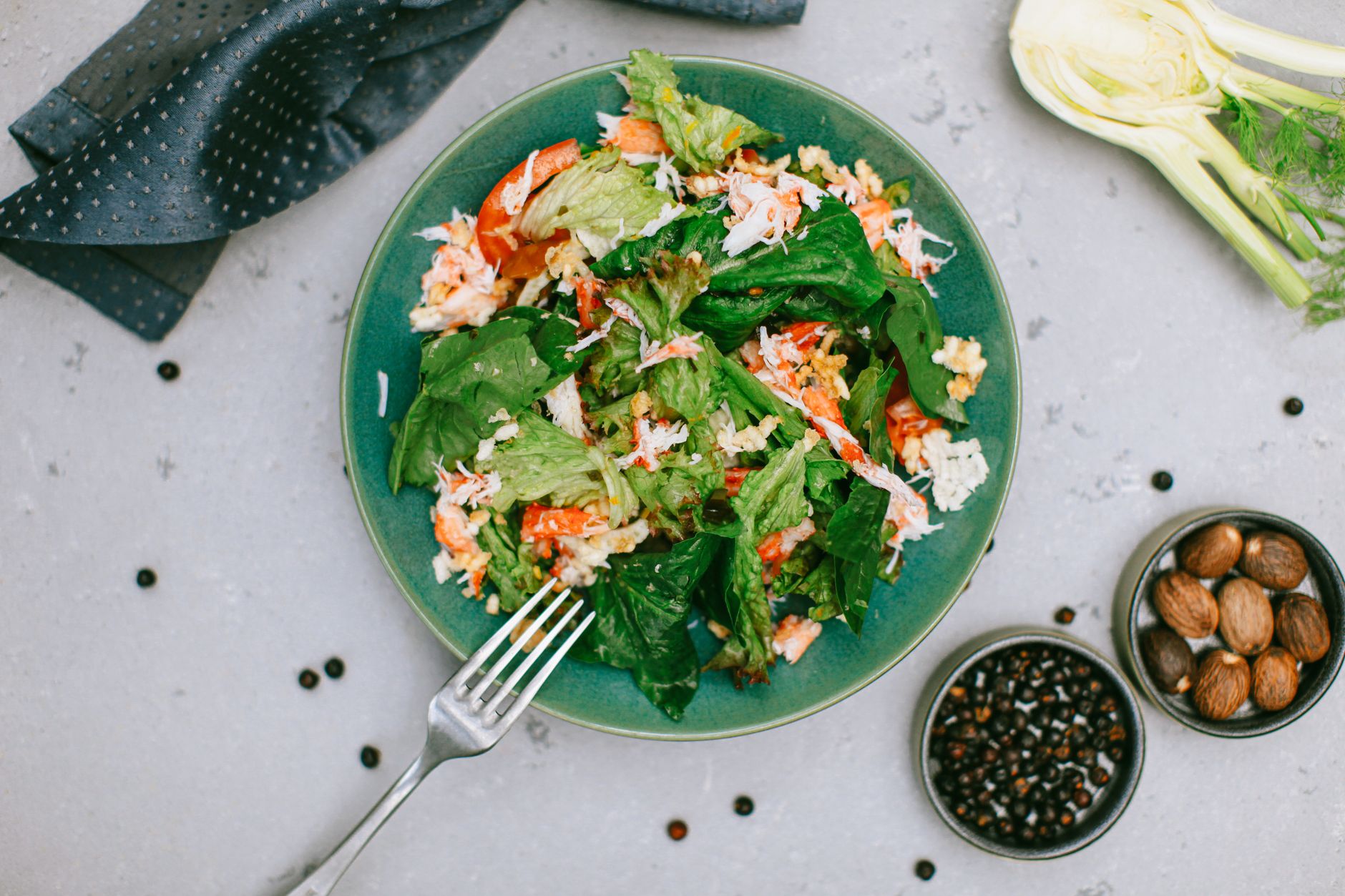
If you’re just starting out, focus on adding these foods to your meals rather than eliminating everything at once. Gradual changes help your child’s body adjust and make it easier to spot which foods might be causing reactions. For example, if you notice improved behavior or digestion after introducing more leafy greens, you’ve likely found a winner.
Many families also find success with the anti-inflammatory diet, which shares similarities with the Mediterranean diet. This approach emphasizes foods like fatty fish (rich in omega-3s), turmeric, ginger, and dark leafy greens, all of which have been linked to reduced inflammation in the body. If your child has digestive issues or frequent meltdowns, an anti-inflammatory approach might be worth exploring. For more on this, check out our guide to the DASH diet, which shares many of these principles.
Pro tip: If your child is a picky eater, start with foods they already enjoy and gradually introduce new options. For example, if they love chicken nuggets, try making them at home with gluten-free breadcrumbs and organic chicken. Small wins build confidence!
--- ## Which foods should be strictly avoided on an autism diet?This is where things can get tricky. The foods to avoid depend on the diet you’re following, but there’s a core list of common triggers that many families find helpful to eliminate. These include:
Foods to avoid:
- Gluten-containing foods: Wheat, barley, rye, and any products made with these grains (bread, pasta, cereals, beer, and even some sauces). If you’re following the GFCF diet, gluten is a strict no-go.
- Dairy products: Milk, cheese, yogurt, butter, and casein (a protein found in dairy). Many autistic children have sensitivities to dairy that can cause digestive issues or behavioral changes.
- Processed foods: Packaged snacks, fast food, and foods with artificial colors, flavors, or preservatives. These can contain additives like FD&C Blue No. 1 or tartrazine, which have been linked to hyperactivity in some children.
- Soy: Soy milk, tofu, edamame, and soy-based meat substitutes. Some children with autism have sensitivities to soy, which can affect hormone balance and digestion.
- Refined sugars: Candy, soda, and sugary cereals. These can spike blood sugar and contribute to mood swings or meltdowns.
- Artificial sweeteners: Aspartame, saccharin, and sucralose. These can disrupt gut bacteria and may worsen symptoms in some children.
- Nightshade vegetables (if sensitive): Tomatoes, potatoes, eggplants, and peppers. Some children with autism report digestive discomfort or increased pain with these foods.
If you’re unsure where to start, begin by eliminating the most common triggers: gluten, dairy, and processed foods. Keep a food diary to track symptoms like digestion, behavior, and energy levels. Over time, you may notice patterns—like how your child seems calmer after avoiding dairy or more focused after cutting out artificial colors. For a deeper dive into eliminating processed foods, our article on the AIP diet offers a similar elimination approach.
One mom we spoke with, Sarah, shared her experience: "We tried eliminating gluten first, and within a week, his stomachaches were gone. Then we cut out dairy, and his sleep improved. It wasn’t a magic fix, but the small changes made a huge difference in our daily life." Sarah’s story highlights how individual responses vary, so it’s important to tailor the diet to your child’s specific needs.
--- ## Is the gluten-free casein-free (GFCF) diet effective for autism?This is one of the most commonly asked questions—and also one of the most debated. The GFCF diet was originally developed to support children with cow’s milk protein intolerance and later gained traction among parents of autistic children who noticed behavioral improvements after eliminating gluten and casein. But does it actually work for autism? The answer is it depends.
Some studies suggest that a small percentage of autistic children may benefit from the GFCF diet. For example, a 2012 study published in the Journal of Autism and Developmental Disorders found that children with autism who followed the GFCF diet for 6 months showed improvements in behavior and communication compared to a control group. However, the effects were modest, and not all children responded similarly.
The American Academy of Pediatrics (AAP) cautions against relying solely on dietary interventions for autism, emphasizing that while diet may play a supportive role, it’s not a cure. That said, many families report anecdotal improvements in behavior, digestion, and focus when they eliminate gluten and casein. If you’re considering the GFCF diet, it’s important to work with a registered dietitian who specializes in pediatric nutrition to ensure your child’s nutritional needs are met.

Here’s what to keep in mind if you’re exploring the GFCF diet:
- Start slow: Eliminate one food group at a time (e.g., gluten first, then casein) to monitor your child’s response.
- Look for hidden gluten and casein: Many processed foods contain these ingredients in unexpected places, like sauces, broths, and even some medications.
- Monitor for nutrient deficiencies: Gluten and dairy are common sources of calcium, vitamin D, and B vitamins. Without them, your child may need supplements or fortified alternatives.
- Be patient: It can take weeks or even months to see changes, as the body adjusts to the new diet.
If you’re curious about the GFCF diet but want to explore other options, the anti-inflammatory diet or specific carbohydrate diet (SCD) might be worth considering. Each has its own set of benefits and challenges. For a comparison of these diets, see the table below:
| Diet Type | Key Focus | Foods to Include | Foods to Avoid | Potential Benefits |
|---|---|---|---|---|
| Gluten-Free, Casein-Free (GFCF) | Eliminates gluten and dairy proteins | Rice, quinoa, eggs, lean meats, most fruits/vegetables | Wheat, barley, rye, milk, cheese, casein | Improved digestion, reduced meltdowns, better sleep |
| Anti-Inflammatory Diet | Reduces inflammation with whole foods | Fatty fish, leafy greens, berries, nuts, olive oil | Processed foods, refined sugars, nightshades, fried foods | Better focus, reduced inflammation, improved mood |
| Specific Carbohydrate Diet (SCD) | Focuses on easily digestible carbs | Meat, eggs, fruits, some vegetables, coconut milk | Grains, legumes, dairy, refined sugars | Improved gut health, reduced digestive issues |
For more on the SCD diet, our Crohn’s diet guide covers similar principles for gut health.
--- ## How to safely start an autism diet for a child?Starting an autism diet can feel overwhelming, especially if you’re new to meal planning or your child is a picky eater. The key is to approach it step by step, with patience and flexibility. Here’s how to get started safely:
Step 1: Consult a healthcare professional
Before making any major dietary changes, talk to your child’s pediatrician, a registered dietitian, or a specialist in autism and nutrition. They can help you assess whether a dietary change is appropriate for your child’s specific needs and monitor for any potential deficiencies. For example, if your child has a history of food allergies or digestive issues, a dietitian can help you navigate the transition more safely.
Step 2: Start with a food diary
Track your child’s diet, behavior, and symptoms (like digestion or energy levels) for at least two weeks before making any changes. This baseline data will help you spot patterns later on. Apps like MyFitnessPal or even a simple spreadsheet can work. One mom we interviewed, Emily, said, "I wrote down everything he ate for a month before we made any changes. It was eye-opening to see how much sugar and artificial stuff he was getting!"
Step 3: Eliminate one food group at a time
Instead of overhauling the entire diet overnight, focus on one trigger at a time. For example:
- Week 1: Eliminate gluten.
- Week 2: Eliminate dairy.
- Week 3: Cut out processed foods and artificial additives.
This approach makes it easier to identify which foods are causing reactions. If you notice improvements after eliminating gluten, you’ll know it’s a likely trigger. If not, you can move on to the next step.
Step 4: Introduce whole, nutrient-dense foods
Replace processed foods with whole, unprocessed options. For example:
- Swap sugary cereals for oatmeal made with gluten-free oats and berries.
- Replace chicken nuggets with baked chicken strips made with almond flour.
- Trade soda for infused water with cucumber or lemon.
If your child is resistant to new foods, try sneaking in healthy ingredients. For instance, blend spinach into smoothies or mix cauliflower into mashed potatoes. Gradually increase the amount of whole foods over time.
Step 5: Be patient and flexible
Change takes time. Some children adapt quickly, while others may take months to adjust. Listen to your child’s cues—if they’re refusing food, they might be experiencing discomfort or sensory sensitivities. Offer small portions and praise them for trying new things, even if they only eat a bite.
Pro tip: Involve your child in the process. Let them help pick fruits at the store or assemble their own lunchbox. When kids feel in control, they’re more likely to be open to trying new foods. For more tips on picky eating, our flexitarian diet guide includes strategies for encouraging variety.
--- ## What are the common challenges of implementing an autism diet?Even the most well-intentioned families hit roadblocks when trying to implement an autism diet. Here are some of the most common challenges—and how to overcome them:
Challenge 1: Picky eating
Many autistic children are selective eaters, and introducing new foods can be a battle. The key is to stay calm and persistent. Avoid pressure or bribes, which can create negative associations with food. Instead, focus on making meals fun and engaging. Try:
- Using cookie cutters to shape sandwiches or fruit into fun shapes.
- Serving foods at different temperatures (e.g., warm applesauce vs. cold yogurt).
- Offering "dips" like hummus or guacamole to make veggies more appealing.
Challenge 2: Nutrient deficiencies
Eliminating entire food groups can lead to gaps in nutrition. For example, gluten and dairy are common sources of calcium, vitamin D, and B vitamins. To prevent deficiencies, consider:
- Supplements like vitamin D, magnesium, or a multivitamin (always under medical supervision).
- Fortified foods like gluten-free oat milk or nutritional yeast.
- Regular blood tests to monitor nutrient levels.
Challenge 3: Social and emotional stress
Changing a family’s diet can create tension, especially if other family members are resistant or overwhelmed. To minimize stress:
- Involve the whole family in meal planning and prep.
- Set realistic goals—small changes add up over time.
- Celebrate successes, no matter how small.
Challenge 4: Time and cost
Meal prepping for an autism diet can be time-consuming and expensive, especially if you’re buying organic or specialty ingredients. To save time and money:
- Batch-cook meals and freeze portions.
- Buy in bulk and freeze what you won’t use immediately.
- Look for sales on organic produce and lean proteins.
- Use apps like Mealime or Paprika to plan meals around what you already have.
Challenge 5: Sensory sensitivities
Some autistic children are sensitive to textures, smells, or temperatures of food. To accommodate these sensitivities:
- Offer a variety of textures (e.g., crunchy vs. soft).
- Use familiar flavors and introduce new ones gradually.
- Serve foods at room temperature if hot or cold is a trigger.
Remember, every family’s journey is unique. What works for one child might not work for another, and that’s okay. The goal isn’t perfection—it’s progress.
--- ## Recommended supplements to consider alongside an autism dietIf your child is following an autism diet, supplements can help fill nutrient gaps and support overall health. However, always consult your healthcare provider before starting any new supplement, as some may interact with medications or have side effects. Here are some of the most commonly used supplements for autistic children:
| Supplement | Typical Dose (for Children) | Best Time to Take | Food Sources | Known Interactions |
|---|---|---|---|---|
| Vitamin D | 600–1,000 IU/day (varies by age and deficiency) | With a meal containing fat (e.g., breakfast or lunch) | Fatty fish (salmon, mackerel), egg yolks, fortified plant milks | Some medications (e.g., steroids, weight-loss drugs) |
| Magnesium | 25–50 mg/day (start low and adjust) | Before bed or with dinner | Spinach, almonds, pumpkin seeds, dark chocolate | Antibiotics (e.g., ciprofloxacin), diuretics |
| Omega-3 Fatty Acids (EPA/DHA) | 100–300 mg/day of combined EPA/DHA | With a meal (fat-soluble) | Wild-caught salmon, sardines, flaxseeds, chia seeds | Blood thinners (e.g., warfarin), immune-suppressing drugs |
| Probiotics | 1–10 billion CFU/day (varies by strain) | With breakfast or dinner | Yogurt (if dairy-tolerant), sauerkraut, kimchi | Immunosuppressants, antibiotics (take 2+ hours apart) |
| Zinc | 5–15 mg/day (depends on deficiency) | With a meal containing protein | Oysters, beef, pumpkin seeds, lentils | Copper supplements, penicillin antibiotics |
Probiotics are particularly popular among families exploring autism diets, as they may help support gut health and reduce inflammation. A 2017 study in the Journal of Clinical Medicine suggested that certain probiotic strains could improve behavioral symptoms in autistic children, though more research is needed. If you’re interested in probiotics, look for strains like Lactobacillus and Bifidobacterium, which are commonly studied for gut health.
Always choose high-quality supplements from reputable brands, and store them properly to maintain potency. For more on supplements, our supplement guide for moms covers safety tips and evidence-based recommendations.
--- ## Scientific evidence supporting dietary interventions for autismOne of the most common questions we hear is: "Does diet actually help autism?" The answer is nuanced. While there’s no "cure" for autism, emerging research suggests that diet may play a supportive role for some individuals. Here’s what the science says so far:
1. Gut-brain connection
Recent studies have highlighted the gut-brain axis, a bidirectional communication system between the gut and the brain. Some research suggests that autistic children may have an altered gut microbiome, which could contribute to behavioral symptoms like anxiety, irritability, or digestive issues. For example, a 2021 study in Nature found that autistic children had distinct gut bacteria compared to neurotypical children, and that these differences were associated with behavioral symptoms.
Dietary interventions like the GFCF diet or SCD may help by reducing inflammation and improving gut health, which in turn could support brain function. However, more large-scale studies are needed to confirm these findings.
2. Gluten and casein sensitivity
Some autistic children may have sensitivities to gluten or casein, even if they don’t have celiac disease or lactose intolerance. When these proteins are broken down in the gut, they can form opioid-like peptides that may affect behavior. A 2012 study in Journal of Autism and Developmental Disorders found that children with autism who followed the GFCF diet for 6 months showed improvements in behavior and communication, though the effects were modest.
However, not all studies have found significant benefits. A 2015 meta-analysis in Autism Research concluded that while some children may benefit from the GFCF diet, the evidence is not strong enough to recommend it as a standard treatment for autism.
3. Anti-inflammatory diets
Chronic inflammation has been linked to both autism and other neurodevelopmental conditions. An anti-inflammatory diet, rich in omega-3s, antioxidants, and fiber, may help reduce inflammation in the body and brain. A 2018 study in Nutrients found that autistic children who followed an anti-inflammatory diet showed improvements in behavior and cognitive function, though the study was small and more research is needed.
4. Specific carbohydrate diet (SCD)
The SCD diet was originally developed to support people with inflammatory bowel disease but has gained traction among parents of autistic children. Some families report improvements in digestion and behavior when following the SCD, but scientific evidence is limited. A 2016 case study in Case Reports in Pediatrics described a child with autism whose behavioral symptoms improved after following the SCD, but this is not representative of all autistic children.
In summary, while some children may benefit from dietary interventions, the evidence is not definitive. The American Academy of Pediatrics (AAP) recommends that dietary changes be considered as a supplemental strategy, not a primary treatment for autism. Always work with a healthcare provider to monitor your child’s progress and adjust the diet as needed.
--- ## Creating an autism-friendly meal plan for picky eatersIf your child is a picky eater, creating an autism-friendly meal plan can feel like solving a puzzle. The key is to focus on nutrition while respecting their preferences and sensory needs. Here’s a sample 7-day meal plan to get you started:
| Day | Breakfast | Lunch | Dinner | Snacks |
|---|---|---|---|---|
| Day 1 | Scrambled eggs with spinach and avocado on gluten-free toast | Turkey and cheese roll-ups (use dairy-free cheese if needed) with carrot sticks | Baked chicken with roasted sweet potatoes and steamed broccoli | Berries with coconut yogurt, rice cakes with almond butter |
| Day 2 | Oatmeal with chia seeds, banana, and almond butter | Quinoa salad with chickpeas, cucumber, and olive oil dressing | Salmon with mashed cauliflower and sautéed green beans | Hard-boiled eggs, apple slices with sunflower seed butter |
| Day 3 | Smoothie with spinach, frozen mango, and almond milk | Lentil soup with a side of gluten-free crackers | Beef stir-fry with bell peppers, snap peas, and brown rice | Cheese cubes (if tolerated) or dairy-free cheese, celery sticks |
| Day 4 | Chia pudding with berries and walnuts | Tuna salad (with olive oil mayo) on lettuce wraps with cucumber slices | Baked cod with roasted zucchini and quinoa | Trail mix with nuts, seeds, and dried fruit, popcorn (plain, air-popped) |
| Day 5 | Gluten-free pancakes with almond butter and sliced strawberries | Chicken Caesar salad (use dairy-free dressing) with gluten-free croutons | Turkey meatballs with marinara sauce and roasted carrots | Avocado slices with sea salt, rice cakes with cream cheese (dairy-free if needed) |
| Day 6 | Smoothie bowl with banana, peanut butter, and granola (gluten-free) | Stuffed bell peppers with ground turkey and rice | Grilled shrimp with a side of quinoa and steamed asparagus | Dairy-free yogurt with honey and walnuts, cucumber and hummus |
| Day 7 | Scrambled tofu with turmeric, sautéed kale, and gluten-free toast | Egg salad (with olive oil mayo) on gluten-free bread with tomato slices | Baked chicken thighs with roasted Brussels sprouts and wild rice | Dark chocolate squares (85% cocoa), apple slices with peanut butter |
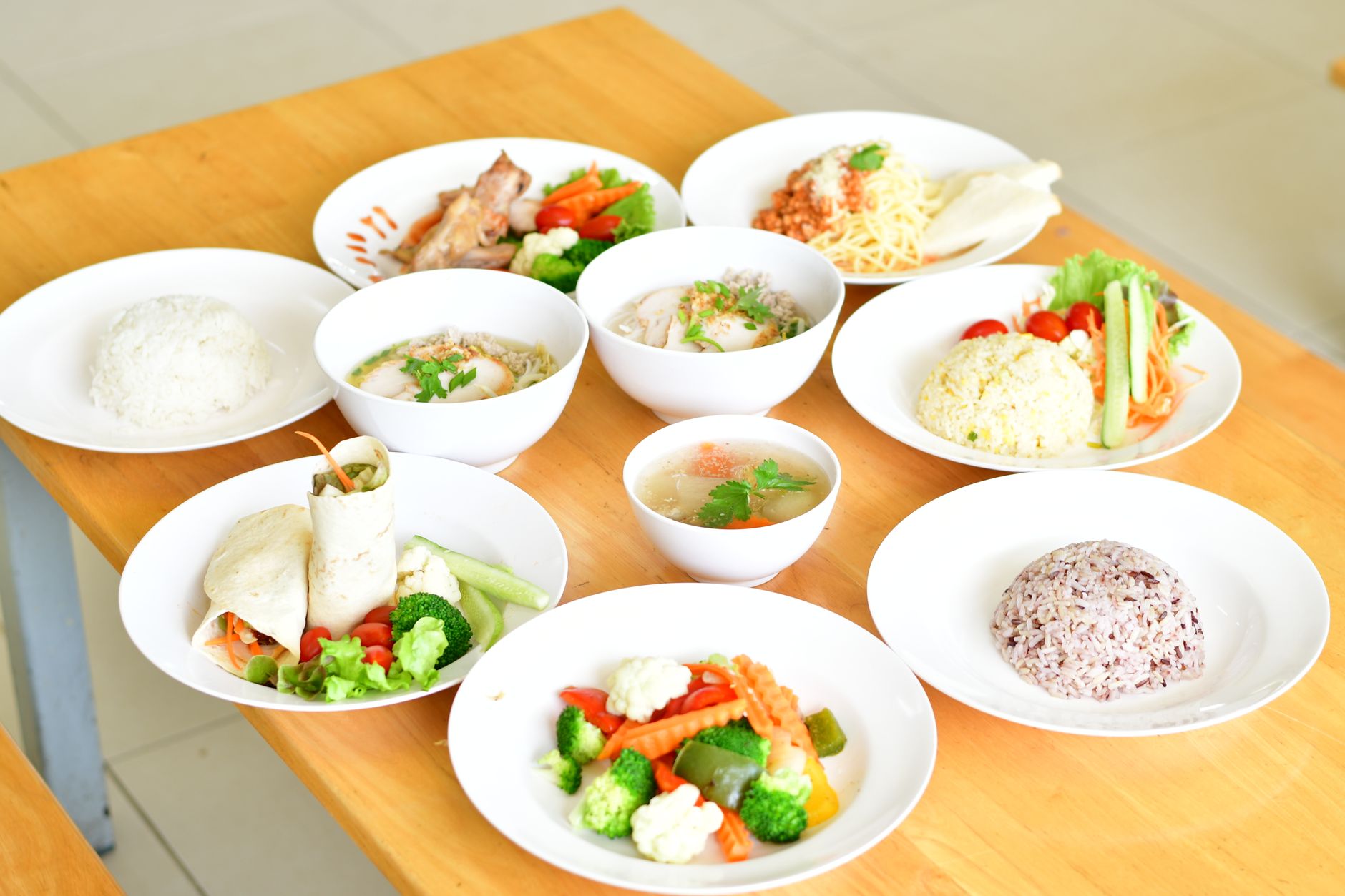
To make this plan work for your family, keep these tips in mind:
- Involve your child in meal prep: Let them help wash vegetables, stir ingredients, or assemble their own lunchbox. This builds ownership and reduces resistance.
- Keep portions small: Offer one new food at a time alongside familiar favorites. For example, serve a small portion of roasted carrots with their usual chicken nuggets.
- Get creative with textures: If your child dislikes crunchy foods, try blending veggies into smoothies or purees. If they prefer soft foods, offer steamed vegetables over raw.
- Use familiar flavors: If your child loves sweet potatoes, try new recipes with them. For example, make sweet potato fries or mash them into a dip for veggies.
- Stay flexible: Some days, you might only get one item eaten—and that’s okay! Celebrate small victories and don’t stress over perfection.
For more inspiration, our flexitarian diet guide includes easy plant-based meals that can be adapted for picky eaters.
--- ## Myth vs. fact: debunking common misconceptions about autism dietsThere’s a lot of misinformation out there about autism diets. Let’s separate fact from fiction:
Myth: An autism diet will "cure" autism.
Fact: No diet can cure autism. Autism is a complex neurodevelopmental condition with a wide range of presentations. While some children may experience improvements in behavior, digestion, or focus with dietary changes, these changes are not a cure. The goal of an autism diet is to support overall health and well-being, not eliminate autism.
Myth: All autistic children will benefit from the GFCF diet.
Fact: The GFCF diet may help some children, but it’s not effective for everyone. Some children may experience improvements in behavior or digestion, while others may not see any changes. Individual responses vary, so it’s important to tailor the diet to your child’s specific needs.
Myth: You need to eliminate all processed foods and artificial additives immediately.
Fact: Start slow. Eliminating too many foods at once can overwhelm your child and make the transition difficult. Focus on one or two food groups at a time, like gluten or dairy, and monitor your child’s response. Gradual changes help your child’s body adjust and make it easier to spot which foods might be causing reactions.
Myth: An autism diet is expensive and time-consuming.
Fact: While some autism diets require careful meal planning, there are ways to save time and money. Buy in bulk, use frozen vegetables, and focus on affordable whole foods like eggs, beans, and rice. Many families find that the long-term benefits—like improved digestion and fewer meltdowns—outweigh the initial effort.
Myth: You don’t need to consult a healthcare provider before starting an autism diet.
Fact: Always work with a healthcare provider before making major dietary changes. A registered dietitian or pediatrician can help you assess whether a


