Quick take:
Starting a dairy-free diet can feel overwhelming, but it’s about swapping familiar foods—not starving yourself. Think of it like learning a new language: you’ll replace milk with almond milk, cheese with nutritional yeast, and yogurt with coconut yogurt. The key is focusing on nutrient-dense whole foods like leafy greens, nuts, seeds, and lean proteins to avoid deficiencies. Many beginners find success by focusing on one meal at a time (like swapping cereal for oatmeal) and gradually building a dairy-free kitchen. Hidden dairy lurks in sauces, bread, and even some processed meats, so always check labels—and don’t forget to talk to your provider about whether supplements (like vitamin D or calcium) might help.
You’re staring at your fridge at 9 PM, cereal box in hand, and realize: "This has milk." Again.
You’re not alone. The moment you realize your favorite comfort foods contain dairy—whether it’s because of lactose intolerance, a casein allergy, or just a desire to simplify your diet—can feel like a gut punch. One minute you’re scrolling through Instagram, the next you’re Googling "dairy free diet food list for beginners" in a panic, hoping to find a lifeline. Maybe you’ve tried cutting dairy before and felt sluggish, or maybe you’ve just heard whispers about gut health and inflammation. Whatever the reason, you’re ready to dive in—but where do you even start?
Dairy-free eating isn’t about deprivation; it’s about discovery. It’s the difference between feeling like you’re missing out and feeling lighter, more energized, and even clearer-headed. The good news? You don’t have to give up flavor, texture, or satisfaction. In fact, many people find dairy-free meals more vibrant and nutrient-packed than they expected. This guide is your roadmap: a no-BS, science-backed, beginner-friendly breakdown of everything you need to know—from the foods you’ll love to the sneaky ingredients you’ll avoid, and even how to make the transition without feeling like you’re living in a culinary desert.
By the end of this article, you’ll have a clear understanding of what to eat, what to avoid, and how to create meals that keep you full, satisfied, and—most importantly—happy. We’ll cover everything from the best dairy-free foods for beginners to how to create a dairy-free meal plan that actually sticks. And yes, we’ll tackle the dreaded question: “Can I still get enough protein?” Spoiler: Yes. You’ll also get a dairy-free grocery list to print and a few foolproof recipes to get you started. Let’s do this.
---
What is a dairy-free diet? And why would you try it?
A dairy-free diet means avoiding all forms of dairy—milk, cheese, yogurt, butter, cream, and even hidden ingredients like casein (a milk protein) and whey (a byproduct of cheese production). Unlike lactose-free diets, which focus on reducing lactose (the sugar in milk), dairy-free diets eliminate all dairy products entirely. This approach is often recommended for people with lactose intolerance, casein allergies, or conditions like IBS or autoimmune diseases where dairy may trigger inflammation.
But many people also adopt a dairy-free diet for other reasons:
- Digestive health: Some people report less bloating, gas, or diarrhea when they cut dairy.
- Hormonal balance: Dairy contains hormones (like IGF-1), and some women find cutting it helps with PCOS or menstrual cramps.
- Acne or skin issues: Dairy’s link to breakouts is debated, but many people notice clearer skin after eliminating it.
- Ethical or environmental concerns: Some choose dairy-free for sustainability reasons, as dairy farming has a significant carbon footprint.
- Curiosity or experimentation: Maybe you’ve heard dairy-free diets can boost energy or improve sleep—why not try it?
That said, dairy isn’t inherently “bad” for everyone. Many people digest dairy just fine and get all the nutrients they need from it. If you’re considering this diet, it’s worth talking to your provider first—especially if you’re pregnant, breastfeeding, or have a history of eating disorders. They can help you determine if dairy-free is right for you and whether you’ll need to supplement for nutrients like vitamin D or calcium.
---
Hidden dairy: the sneaky ingredients you didn’t know you were eating
Here’s the hard truth: dairy isn’t just in milk and cheese. It hides in places you’d never expect—even in foods you assume are dairy-free. This is where most beginners trip up. A quick scan of your pantry might reveal dairy in:
- Processed meats like sausages, deli meats, and some hot dogs (check for “natural casings” or “milk solids”).
- Bread, crackers, and baked goods (look for “whey,” “casein,” or “lactose” in ingredients).
- Sauces and soups (soy sauce, gravies, and even some tomato sauces contain milk powder).
- Breakfast cereals and granolas (many use milk as a binder).
- Fast food and takeout (fries are often fried in dairy-laden oil, and some burgers contain cheese or milk powder).
- Medications and supplements (some pills contain lactose as a filler).
Pro tip: When in doubt, use your phone to scan barcodes with an app like Cravings or Yuka. These tools flag hidden dairy (and other allergens) in real time.
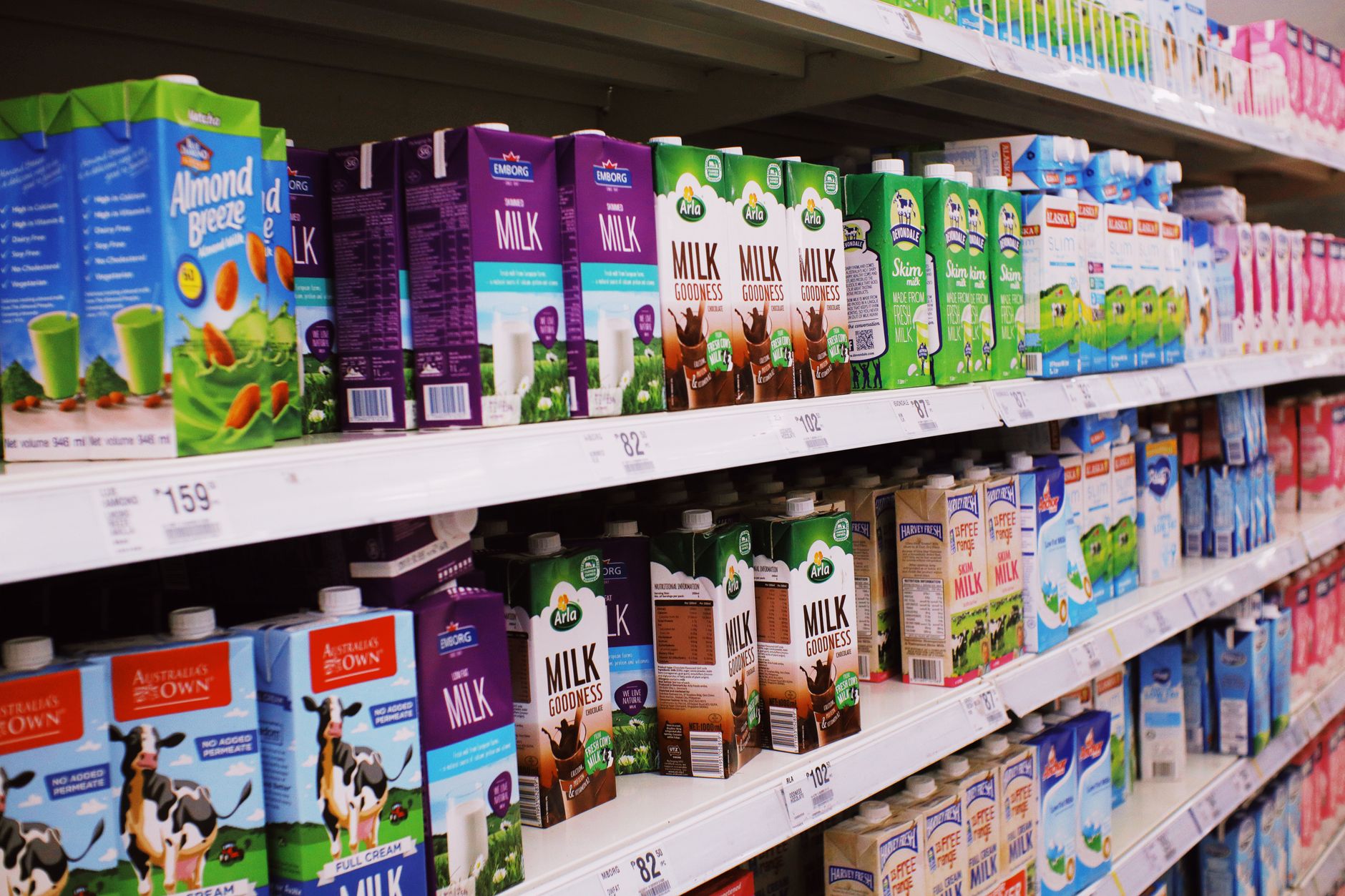
**Common dairy ingredients to avoid:**
---
Best dairy free foods for beginners 2026: your new go-to grocery list
When you’re just starting out, focus on whole, unprocessed foods that naturally don’t contain dairy. These will keep you full, energized, and avoid the “I’m missing something” feeling. Think of them as your new best friends:
Protein powerhouses
Protein is key for muscle repair, satiety, and overall health. Here’s what to stock:
- Plant-based: Lentils, chickpeas, black beans, tofu, tempeh, edamame, and seitan.
- Animal-based (if you eat them): Eggs, chicken, turkey, fish (salmon, sardines, cod), and lean meats.
- Nuts and seeds: Almonds, cashews, peanuts, chia seeds, flaxseeds, and hemp seeds.
Fruits and veggies: the rainbow rule
Fill half your plate with colorful produce. Aim for:
- Leafy greens (spinach, kale, Swiss chard)
- Cruciferous veggies (broccoli, cauliflower, Brussels sprouts)
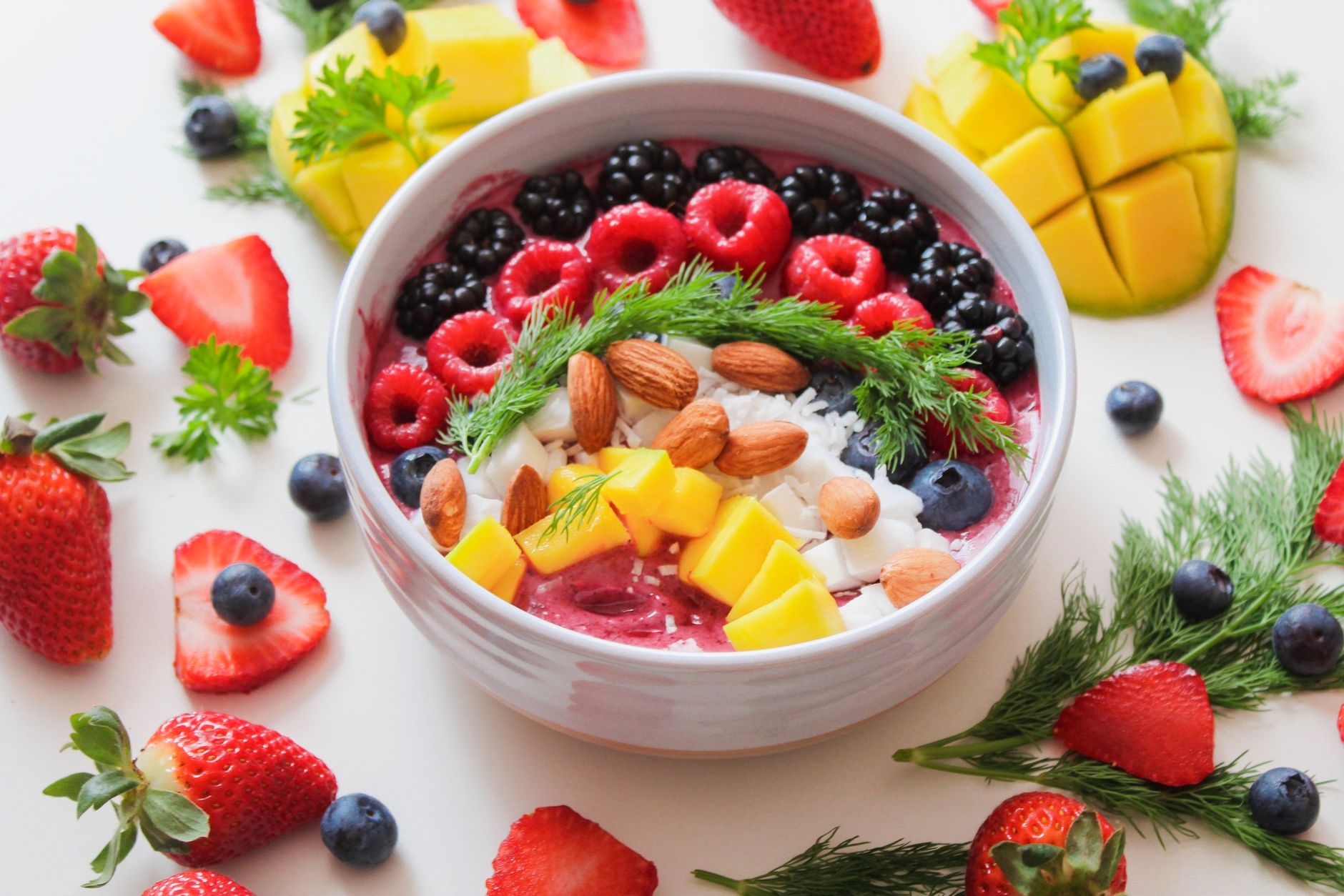
- Berries (strawberries, blueberries, raspberries)
- Citrus fruits (oranges, grapefruit, lemons)
- Root vegetables (sweet potatoes, carrots, beets)
Healthy fats: the good kind
Dairy-free diets often need a little extra fat for satiety and nutrient absorption. Prioritize:
- Avocados and guacamole
- Olive oil and coconut oil
- Nut butters (almond, peanut, cashew)
- Olives and tahini
Carbs that keep you going
Complex carbs provide steady energy. Opt for:
- Quinoa, brown rice, and farro
- Sweet potatoes and regular potatoes
- Whole-grain bread and pasta (check labels for hidden dairy)
- Oats (plain, no added milk or butter)
---
How to create a dairy-free meal plan for beginners: step-by-step
Meal planning can feel daunting, but breaking it down into small steps makes it manageable. Here’s how to build a simple, sustainable dairy-free meal plan:
Step 1: Start with breakfast
Swap out dairy-heavy breakfasts for these easy swaps:
- Cereal → Oatmeal with almond milk and berries
- Yogurt → Coconut yogurt or chia pudding
- Toast with butter → Avocado toast or nut butter
- Pancakes → Buckwheat pancakes (made with flax eggs)
Step 2: Lunch and dinner: build a balanced plate
Use this template for every meal:
- Protein: Grilled chicken, lentils, or tofu
- Veggies: Roasted Brussels sprouts or a big salad
- Carbs: Quinoa or sweet potato
- Healthy fat: Olive oil or avocado
Example meals:
- Lentil soup with a side of whole-grain bread
- Grilled salmon with roasted asparagus and wild rice
- Stuffed bell peppers with ground turkey and brown rice
Step 3: Snacks: keep it simple
Stock your fridge and pantry with these grab-and-go options:
- Fresh fruit (apples, bananas, oranges)
- Nuts and seeds (a small handful)
- Veggie sticks with hummus
- Popcorn (air-popped, no butter)
- Dark chocolate (85% or higher)
Step 4: Dinner ideas for busy nights
When you’re short on time, lean on these quick fixes:
- Sheet-pan meals (toss veggies and protein with olive oil and roast)
- Stir-fries (use tamari instead of soy sauce for gluten-free)
- Slow-cooker chili (beans, tomatoes, and spices)
- Microwaveable grains (pre-cooked quinoa or brown rice)
**Pro tip:** Batch-cook grains and proteins on Sundays to save time during the week. For example, cook a big pot of quinoa and lentils, then use them in salads, bowls, or soups all week.
--- Dairy free snack ideas for beginners: 15 easy grab-and-go options
Snacking on a dairy-free diet doesn’t have to mean reaching for chips or candy. Here are 15 satisfying, nutrient-packed ideas:
--- Dairy free breakfast options for beginners: 10 easy ideas
Breakfast is the easiest meal to dairy-free-ify. Here are 10 simple, satisfying options to start your day right:
--- Dairy free protein sources for beginners: meet your new BFFs
Protein is essential for muscle repair, satiety, and overall health. Many people worry about getting enough on a dairy-free diet—but don’t! Here are the best plant- and animal-based protein sources to keep you full and energized:
Plant-based proteins
Easy to digest and packed with fiber:
- Lentils: 18g protein per cooked cup. Great in soups, stews, or salads.
- Chickpeas: 15g protein per cooked cup. Use in hummus, roasted snacks, or curries.
- Black beans: 15g protein per cooked cup. Perfect for tacos, chili, or bowls.
- Tofu: 10–20g protein per ½ cup (depending on type). Marinate and grill for a meaty texture.
- Tempeh: 15g protein per ½ cup. Fermented soy with a nutty flavor—great pan-fried.
- Edamame: 17g protein per cooked cup. Snack on them steamed with sea salt.
- Seitan: 25g protein per 3.5 oz. A wheat gluten protein—ideal for meat substitutes.
- Nuts and seeds: Almonds (6g per oz), chia seeds (5g per tbsp), hemp seeds (10g per 3 tbsp). Sprinkle on salads or eat as snacks.
Animal-based proteins (if you eat them)
Lean and easy to prepare:
- Eggs: 6g protein per egg. Hard-boil, scramble, or make an omelet.
- Chicken breast: 26g protein per 3 oz. Bake, grill, or shred for soups.
- Turkey: 25g protein per 3 oz. Use in wraps, salads, or as ground meat.
- Fish (salmon, sardines, cod): 20–25g protein per 3 oz. Rich in omega-3s—great baked or grilled.
- Lean beef: 22g protein per 3 oz. Opt for grass-fed when possible.
**Pro tip:** If you’re worried about protein intake, try adding a protein powder (pea, rice, or hemp-based) to smoothies or oatmeal. Just check labels for dairy-free certification!
---
Dairy free dairy alternatives for beginners: swaps that taste like the real deal
One of the biggest hurdles for beginners is missing the taste and texture of dairy. The good news? There are plenty of delicious alternatives that mimic milk, cheese, and cream without the dairy. Here’s how to swap them out:
Milk alternatives
Cheese alternatives
These aren’t just for vegans—they’re great for anyone avoiding dairy:
- Nutritional yeast: Adds a cheesy, nutty flavor to pasta, popcorn, and sauces. Sprinkle 2–3 tbsp per serving.
- Vegan cheeses: Brands like Miyoko’s or Violife make shreds, slices, and spreads that melt and taste surprisingly close to real cheese.
- Cashew cheese: Blend soaked cashews with lemon juice, garlic, and salt for a creamy dip or spread.
- Tahini sauce: Mix tahini with lemon, garlic, and water for a creamy, tangy sauce (great on roasted veggies).
Cream alternatives
For sauces, soups, and desserts:
- Coconut cream: Thick and rich—perfect for curries or sauces.
- Silken tofu blended with broth: Makes a creamy base for soups.
- Avocado: Blend with lime and salt for a dairy-free “sour cream.”
- Cashew cream: Soak cashews, blend with water, and use in place of heavy cream.
---
Dairy free diet for beginners: benefits and side effects
Switching to a dairy-free diet can have both positive and challenging effects. Let’s break it down:
Potential benefits
- Reduced bloating and digestive discomfort: Many people with IBS or lactose intolerance report less gas and bloating.
- Clearer skin: Some studies suggest dairy may worsen acne due to hormones like IGF-1.
- More energy and better sleep: Some people feel less sluggish after cutting dairy, possibly due to reduced inflammation.
- Weight management: Dairy-free diets often focus on whole foods, which can help with weight loss.
- Improved gut health: Eliminating dairy can reduce gut irritation for some, allowing beneficial bacteria to thrive.
Possible side effects
While most people adapt well, some may experience:
- Initial digestive changes: Cutting dairy can disrupt gut bacteria at first, leading to constipation or diarrhea. This usually resolves in a few weeks.
- Nutrient deficiencies: Without planning, you might miss out on calcium, vitamin D, or B12. Supplement if needed.
- Social challenges: Eating out or attending gatherings can feel tricky until you learn to navigate menus.
- Headaches or fatigue: Some people experience withdrawal-like symptoms when cutting dairy, especially if they’ve consumed it daily.
**Key takeaway:** Most side effects are temporary. If you feel off after a few weeks, consider reintroducing dairy in small amounts to see if symptoms return.
---
Dairy free diet for beginners: grocery list (printable version)
Print this list and check it twice before your next grocery run. Organized by section for easy shopping:
Produce
- Leafy greens (spinach, kale, arugula)
- Cruciferous veggies (broccoli, cauliflower, Brussels sprouts)
- Root vegetables (sweet potatoes, carrots, beets)
- Berries (strawberries, blueberries, raspberries)
- Citrus fruits (oranges, grapefruit, lemons)
- Avocados
- Bell peppers
- Onions and garlic
Proteins
- Chicken breast or thighs
- Ground turkey or lean beef
- Salmon or sardines (canned)
- Eggs
- Lentils or chickpeas (canned or dry)
- Tofu or tempeh
- Nuts (almonds, cashews, walnuts)
- Seeds (chia, flax, hemp, pumpkin)
Grains and carbs
- Quinoa
- Brown rice or wild rice
- Whole-grain bread or wraps
- Oats (plain, no added milk)
- Sweet potatoes
- Whole-grain pasta
Dairy alternatives
- Almond milk or oat milk
- Coconut yogurt
- Nutritional yeast
- Vegan cheese (shredded or slices)
- Cashew butter or almond butter
Pantry staples
- Olive oil
- Coconut oil
- Nutritional yeast
- Hummus
- Lentil or chickpea pasta
- Spices (turmeric, cumin, paprika)
- Nutritional yeast
Snacks
- Dark chocolate (85%+)
- Seaweed snacks
- Roasted chickpeas
- Popcorn (plain or lightly salted)
- Trail mix (nuts, seeds, dried fruit)
---
Dairy free diet for beginners: 5 easy recipes to start with
Here are five foolproof recipes to get you started. Each is simple, packed with flavor, and dairy-free:
1. Creamy tomato basil soup
Ingredients: Canned tomatoes, onion, garlic, olive oil, vegetable broth, fresh basil, coconut milk (for creaminess).
Instructions: Sauté onion and garlic in olive oil. Add tomatoes, broth, and basil. Simmer until thick. Blend with coconut milk for creaminess. Top with fresh basil.
2. Lemon garlic chickpeas
Ingredients: Canned chickpeas, olive oil, lemon juice, garlic, paprika, salt.
Instructions: Toss chickpeas with olive oil, garlic, lemon, and spices. Roast at 400°F for 25–30 minutes until crispy.
3. Sheet-pan chicken and veggies
Ingredients: Chicken breast, sweet potatoes, broccoli, olive oil, garlic powder, paprika.
Instructions: Toss everything on a sheet pan, drizzle with oil and spices, and bake at 400°F for 25 minutes.
4. Avocado toast with cherry tomatoes
Ingredients: Whole-grain bread, avocado, cherry tomatoes, salt, pepper, balsamic glaze.
Instructions: Toast bread, mash avocado




