

Quick take: The keto diet food list for beginners centers on high-fat, moderate-protein, and very low-carb foods. Think avocados, fatty fish, butter, leafy greens, and full-fat dairy. Avoid grains, sugar, and starchy veggies. Start with a simple grocery list, plan meals in advance, and keep snacks handy to avoid cravings. Most women hit their "keto flu" phase within the first week—hydration and electrolytes are key.
You’re staring at the grocery store shelves at 9 PM, trying to remember which cheeses are keto-friendly. You’ve Googled “keto diet food list for beginners” a dozen times, but the lists are overwhelming, and you’re not sure what to actually buy. You want to lose weight, feel more energized, or just reset your metabolism—but you’re stuck in the dairy aisle, wondering if you can even eat cottage cheese.
You’re not alone. Many women start keto with the same question: “What can I actually eat?” The good news? Once you know the basics, keto becomes easier. The keto diet isn’t about deprivation—it’s about swapping out high-carb staples for whole, nutrient-dense foods that keep you full and energized. But with so many conflicting lists online, it’s hard to know where to begin.
This guide is your step-by-step roadmap. We’ll break down exactly what to buy, what to avoid, and how to meal prep—plus a 7-day meal plan and a shopping checklist to make your first week of keto stress-free. Whether you’re new to low-carb eating or just looking for a refresher, we’ve got you covered.
Let’s start with the basics: what keto is—and what it’s not.
---Keto Diet Food List for Beginners: The Core Principles
But here’s the thing: you’re not eating a starvation diet. Keto is about replacing carbs with healthy fats and proteins. Think of it like trading in your gas-guzzling car for a fuel-efficient hybrid—you’re still getting where you need to go, but with better efficiency.
Key principles to remember:
- Fat is your friend—avocados, olive oil, butter, and fatty cuts of meat should be staples.
- Protein is moderated—too much can kick you out of ketosis, so focus on lean meats, fish, and eggs.
- Fiber matters—non-starchy veggies (like leafy greens and broccoli) help keep you full and support digestion.
- Hydration and electrolytes are non-negotiable—keto causes water weight loss, which can leave you feeling sluggish if you’re not replenishing sodium, potassium, and magnesium.
Many women tell us they’re surprised by how satisfying keto meals can be once they get past the initial adjustment period. One reader described it like this: “I thought I’d be hungry all the time, but after a few days, I realized I wasn’t craving snacks—I was just craving the foods I’d been eating before. Once I swapped in avocado toast for actual avocado, I felt full for hours.”
Pro tip: If you’re new to keto, start with a low-carb meal plan to ease into the transition. The Dash diet shares some principles (like focusing on whole foods), which can help you adapt more smoothly.
---Keto Diet Food List for Beginners with Grocery List: What to Buy (and What to Avoid)
Your first step? Stock your kitchen with the right foods. Below is a beginner-friendly grocery list broken down by category. We’ll also highlight common pitfalls and how to avoid them.
What to buy:
Fats and Oils (Your New Best Friends)
- Extra virgin olive oil
- Avocado oil
- Coconut oil
- Butter or ghee (clarified butter)
- Mayonnaise (check for no added sugar)
- Heavy cream
- Avocados
- Nuts and seeds (almonds, walnuts, chia, flax, pumpkin seeds)
Proteins (Moderate Portions)
- Eggs (pasture-raised if possible)
- Chicken thighs and drumsticks (fatty cuts are best)
- Beef (ribeye, ground beef, bacon)
- Pork chops or bacon
- Fatty fish (salmon, mackerel, sardines, trout)
- Shellfish (shrimp, crab, mussels)
- Organ meats (liver, heart—if you’re adventurous!)
Low-Carb Vegetables (Fiber Powerhouses)
- Leafy greens (spinach, kale, arugula, romaine)
- Broccoli and cauliflower
- Zucchini and spaghetti squash
- Mushrooms
- Asparagus
- Brussels sprouts
- Green beans
Dairy (Full-Fat Only)
- Cheese (cheddar, mozzarella, gouda, brie, blue cheese)
- Cream cheese
- Sour cream
- Heavy whipping cream
- Butter
- Full-fat Greek yogurt (unsweetened)
Sweeteners (Use Sparingly)
- Stevia
- Erythritol
- Monk fruit
- Allulose
Snacks and Extras
- Olives
- Pepperoni or salami
- Pickles (no sugar added)
- Pork rinds
- Keto-friendly chocolate (85%+ dark chocolate)
What to avoid:
- Grains (wheat, rice, oats, quinoa)
- Sugary foods (candy, soda, fruit juices)
- Starchy vegetables (potatoes, corn, peas)
- Most fruits (except small portions of berries like raspberries or blackberries)
- Legumes (beans, lentils, chickpeas)
- Processed low-fat foods (they’re often loaded with sugar)
Pro tip: If you’re used to eating a lot of fruit, start with a small handful of raspberries or strawberries per day to satisfy your sweet tooth without derailing ketosis. Many women underestimate how quickly carbs add up—even a small apple can push you over your daily limit!
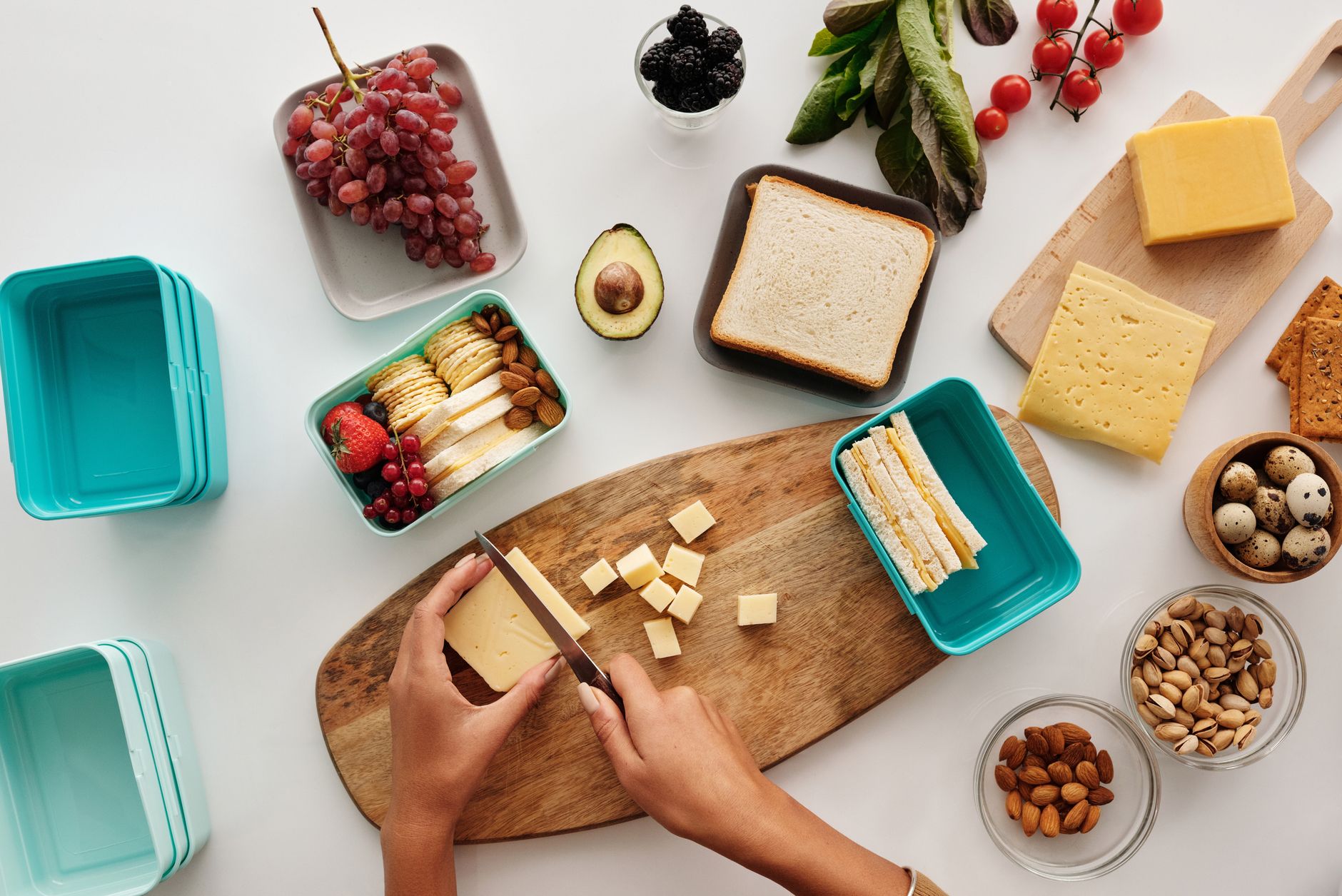
Keto Diet Food List for Beginners Meal Plan for a Week: Sample Meals to Start
Now that you know what to buy, let’s talk what to eat. Below is a simple 7-day keto meal plan designed for beginners. Each day includes breakfast, lunch, dinner, and two snacks. Adjust portions based on your hunger levels and activity.
Day 1
- Breakfast: Scrambled eggs with cheddar cheese + avocado
- Lunch: Grilled chicken Caesar salad (romaine, parmesan, olive oil dressing, no croutons)
- Dinner: Ribeye steak with roasted Brussels sprouts and garlic butter
- Snacks: Celery sticks with almond butter + string cheese
Day 2
- Breakfast: Chia pudding (unsweetened almond milk, chia seeds, stevia, topped with walnuts)
- Lunch: Bunless cheeseburger with bacon, lettuce, and mayo
- Dinner: Baked salmon with asparagus and olive oil
- Snacks: Pork rinds + guacamole
Day 3
- Breakfast: Omelet with spinach, feta, and mushrooms
- Lunch: Tuna salad (with mayo and celery) wrapped in lettuce leaves
- Dinner: Pork chops with sautéed zucchini and garlic butter
- Snacks: Olives and pepperoni slices
Day 4
- Breakfast: Keto smoothie (unsweetened almond milk, spinach, avocado, protein powder)
- Lunch: Grilled shrimp skewers with cauliflower rice
- Dinner: Beef and cheese stuffed bell peppers (no breadcrumbs)
- Snacks: Cheese cubes and macadamia nuts
Day 5
- Breakfast: Coconut flour pancakes with sugar-free syrup
- Lunch: Egg salad lettuce wraps
- Dinner: Chicken thighs with roasted broccoli and balsamic glaze
- Snacks: Deviled eggs with paprika
Day 6
- Breakfast: Sausage and cheese breakfast burrito (using low-carb tortilla)
- Lunch: Bunless hot dog with mustard and coleslaw (no sugar)
- Dinner: Lamb chops with roasted cauliflower
- Snacks: Keto-friendly dark chocolate and almonds
Day 7
- Breakfast: Greek yogurt with flaxseeds and cinnamon
- Lunch: Grilled chicken and avocado salad
- Dinner: Baked cod with garlic butter green beans
- Snacks: Pork rinds and cheese crisps
Pro tip: If you’re meal prepping, cook proteins in bulk (like chicken thighs or ground beef) and store them in the fridge for quick lunches. Pair them with pre-washed greens or frozen veggies to make assembly even easier. Many Mediterranean meal prep strategies work well for keto too—think grilled proteins with olive oil and herbs!
---Keto Diet Food List for Beginners Low-Carb Snack Ideas: Quick Fixes for Cravings
One of the biggest challenges for beginners is staying full between meals. Keto snacks should keep you energized without spiking your blood sugar. Here are some of our favorite easy, grab-and-go options:
Fat-Based Snacks
- Avocado slices with olive oil and salt
- Cheese crisps (bake shredded cheese until crispy)
- Guacamole with pork rinds or celery sticks
- Full-fat Greek yogurt with chia seeds
- Macadamia nuts or pecans (small handfuls)
Protein-Packed Snacks
- Hard-boiled eggs with everything bagel seasoning
- Turkey or ham rolls (sliced deli meat wrapped around cheese)
- Deviled eggs with mayo and mustard
- Prosciutto-wrapped cheese
- Cottage cheese (full-fat, unsweetened)
Veggie-Based Snacks
- Celery sticks with almond butter
- Cucumber slices with cream cheese and smoked salmon
- Zucchini chips (baked with olive oil and salt)
- Cherry tomatoes with mozzarella balls (bocconcini)
- Pickles and cheese cubes
Pro tip: If you’re craving something sweet, try sugar-free dark chocolate or a small square of keto-friendly candy. Many women find that their sweet tooth fades within a week or two as their taste buds adjust. One reader shared: “I used to think I needed candy after dinner, but now I just have a square of 85% dark chocolate with a handful of macadamias—it’s way more satisfying!”
---Keto Diet Food List for Beginners Protein Sources: How to Get Enough Without Overdoing It
Protein is essential on keto, but too much can kick you out of ketosis. The goal is moderation—not excess. Here’s how to balance your protein intake while keeping carbs low.
Animal-Based Proteins (Best Choices)
| Food | Net Carbs per Serving (approx.) | Protein per Serving (approx.) | Best For |
|---|---|---|---|
| Eggs (3 large) | 0g | 18g | Quick breakfast or snack |
| Chicken thigh (skin-on, 1 medium) | 0g | 26g | Meal prep staple |
| Salmon (4 oz) | 0g | 22g | Omega-3 boost |
| Beef ribeye (4 oz) | 0g | 26g | High-fat, flavorful option |
| Shrimp (4 oz) | 0g | 24g | Quick-cooking, low-carb |
Plant-Based Proteins (Use Sparingly)
- Seeds (chia, flax, pumpkin—1 tbsp = ~1g net carbs)
- Nuts (macadamias, almonds—small handfuls only)
- Tofu or tempeh (high in carbs—check labels)
Pro tip: If you’re struggling to hit your protein goals without going over on carbs, try adding collagen powder to your coffee or smoothies. It’s odorless, flavorless, and packed with protein—perfect for keto. For brain-boosting protein sources, fatty fish and eggs are top picks!
---Keto Diet Food List for Beginners Dairy Alternatives: What to Eat (and What to Skip)
Dairy is a staple on keto, but not all dairy is created equal. Full-fat, unsweetened options are your best bet. Here’s what to reach for—and what to avoid.
Best Keto Dairy Choices
- Cheese: Cheddar, gouda, mozzarella, blue cheese, brie
- Cream: Heavy whipping cream, sour cream, cream cheese
- Yogurt: Full-fat Greek yogurt (unsweetened)
- Butter: Grass-fed or ghee (clarified butter)
- Kefir: Unsweetened, full-fat
Dairy to Avoid
- Low-fat or non-fat dairy (often loaded with fillers)
- Sweetened yogurt or cottage cheese
- Ice cream (unless sugar-free, keto-friendly version)
- Milk (unless unsweetened almond or coconut milk for cooking)
Pro tip: If you’re lactose intolerant, try grass-fed butter or ghee—they’re easier to digest and still packed with fat. Many women find that their tolerance improves on keto as their gut microbiome shifts!
---Keto Diet Food List for Beginners Grocery Store Aisle Guide: Where to Shop and What to Skip
Navigating the grocery store on keto can feel overwhelming. Here’s a breakdown of where to find your staples—and what to avoid in each aisle.
Meat & Seafood Aisle
- Buy: Chicken thighs, pork chops, fatty cuts of beef, wild-caught fish, shellfish
- Avoid: Pre-marinated meats (often contain sugar), processed deli meats with additives
Produce Aisle
- Buy: Leafy greens, broccoli, cauliflower, zucchini, mushrooms, avocados
- Avoid: Starchy veggies (potatoes, corn, peas), most fruits (except small portions of berries)
Dairy Aisle
- Buy: Full-fat cheese, heavy cream, butter, Greek yogurt (unsweetened)
- Avoid: Low-fat or non-fat dairy, sweetened yogurt, flavored milks
Snacks Aisle
- Buy: Nuts, seeds, olives, cheese crisps, pork rinds, sugar-free chocolate
- Avoid: Chips, crackers, granola bars (almost all contain sugar)
Pantry Aisle
- Buy: Olive oil, coconut oil, almond butter, chia seeds, flaxseeds
- Avoid: Grains (rice, pasta, oats), sugar (including honey and maple syrup), most condiments (check labels for hidden sugar)
Pro tip: Plan your grocery trips around sales. Frozen veggies (like cauliflower rice or spinach) are a great budget-friendly option. The Dash diet’s shopping strategies can also help you save money while staying low-carb!
---Keto Diet Food List for Beginners in a Month: How to Transition Smoothly
Transitioning to keto in a month is totally doable—but it requires planning. Here’s how to make the shift without feeling deprived.
Week 1: The Adjustment Phase
- Focus on hydration and electrolytes—drink bone broth, add salt to meals, and take a magnesium supplement if needed.
- Stock up on easy fats like cheese, avocados, and olive oil to keep you full.
- Avoid alcohol (it can spike blood sugar) and opt for sparkling water or keto-friendly cocktails.
Week 2: Building Habits
- Start meal prepping proteins and veggies to save time.
- Experiment with low-carb recipes like zucchini noodles or cauliflower rice.
- Track your macros for a few days to get a baseline.
Week 3: Refining Your Routine
- Try intermittent fasting (like 16:8) to boost ketosis.
- Explore new fats like ghee, coconut milk, or avocado oil.
- Listen to your body—adjust portions if you’re feeling sluggish.
Week 4: Mastery
- You should now feel more energized and less hungry.
- Experiment with keto desserts (like cheesecake or fat bombs).
- Consider testing your ketone levels with a blood or breath meter.
Pro tip: If you’re struggling with cravings, distract yourself for 20 minutes—often, the urge passes. Many women find that chewing gum or sipping herbal tea helps curb the need for snacks.
---Keto Diet Food List for Beginners for Weight Loss: What Works and What Doesn’t
Keto is one of the most effective diets for weight loss because it reduces insulin levels, helping your body burn fat for fuel. But not all keto diets are created equal. Here’s what actually works—and what doesn’t.
What Helps with Weight Loss
- High healthy fats (avocados, olive oil, fatty cuts of meat)
- Moderate protein (to avoid excess protein kicking you out of ketosis)
- Low-carb veggies (to stay full without spiking blood sugar)
- Intermittent fasting (like 16:8) to extend ketosis
- Hydration and electrolytes to avoid the "keto flu"
Common Mistakes That Sabotage Weight Loss
- Eating too much protein—can convert to glucose in your body.
- Skipping fats—leads to hunger and slower metabolism.
- Not tracking macros—can accidentally eat too many carbs.
- Drinking alcohol—can spike blood sugar and slow fat burning.
- Relying on artificial sweeteners—can disrupt gut health over time.
Pro tip: If you’re stuck at a weight loss plateau, try refeeding (a day of slightly higher carbs) to reset your metabolism. Many women see a jump in results after this!
---Keto Diet Food List for Beginners for Pregnancy: Safety First
If you’re pregnant or breastfeeding, keto is not recommended unless under strict medical supervision. Your body needs carbs for energy, and restricting them too aggressively can lead to nutrient deficiencies, preterm birth, or low birth weight. The American College of Obstetricians and Gynecologists (ACOG) advises against keto during pregnancy unless it’s medically necessary (like for epilepsy).
Instead, focus on a balanced, nutrient-dense diet with plenty of protein, healthy fats, and complex carbs (like whole grains and fruits). If you’re struggling with gestational diabetes, your provider may recommend a low-glycemic approach instead of full ketosis.
What to do instead:
- Eat lean proteins (chicken, fish, eggs) and healthy fats (avocados, nuts, olive oil).
- Choose low-glycemic fruits (berries, apples) and whole grains (quinoa, brown rice).
- Avoid processed foods and added sugars.
- Take a prenatal vitamin and consider a DHA supplement for brain development.
Myth vs. Fact: Keto Diet Food List Debunked
Myth: "You can eat as much fat as you want on keto."
Fact: While fat is a key part of keto, eating too much can slow weight loss and cause digestive issues. Focus on moderation and prioritize healthy fats like olive oil, avocados, and fatty fish over processed oils or fried foods.Myth: "All dairy is keto-friendly."
Fact: Only full-fat, unsweetened dairy counts. Low-fat or flavored dairy often contains hidden sugars or fillers that can kick you out of ketosis.Myth: "You can’t eat carbs at all on keto."
Fact: You can eat small amounts of low-carb veggies and berries—just track them! The goal is 20–50g net carbs per day, not zero.Myth: "Keto is just another fad diet."
Fact: Keto has been used therapeutically for decades to treat epilepsy, type 2 diabetes, and metabolic syndrome. The science behind it is well-established. ---Key Takeaways: Your Keto Grocery Game Plan
- Stock your pantry with fats, proteins, and low-carb veggies—avoid grains, sugar, and starchy foods.
- Start with a simple 7-day meal plan to ease into keto without feeling overwhelmed.
- Hydrate and replenish electrolytes to avoid the "keto flu" in the first week.
- Meal prep proteins and veggies in bulk to save time and stay on track.
- If you’re pregnant or breastfeeding, avoid strict keto—opt for a balanced, nutrient-rich diet instead.
- Track your macros at first to get a sense of what works for your body.
Frequently Asked Questions
What foods are allowed on a keto diet for beginners?
The keto diet for beginners focuses on high-fat, moderate-protein, and very low-carb foods. Think fatty cuts of meat, fish, eggs, full-fat dairy, leafy greens, avocados, nuts, and seeds. Avoid grains, sugar, starchy veggies, and most fruits. Start with a simple grocery list of these staples to make transitioning easier.
What is a good keto diet food list for beginners?
A good beginner’s keto food list includes:
- Proteins: Chicken thighs, beef, salmon, eggs
- Fats: Olive oil, avocados, butter, cheese
- Low-carb veggies: Spinach, broccoli, zucchini, cauliflower
- Snacks: Cheese crisps, pork rinds, nuts
Pro tip: Keep it simple—focus on whole, unprocessed foods first!
How do I create a keto diet food list for beginners?
Start by making a master list of keto-friendly foods in each category (proteins, fats, veggies, dairy). Then, plan your meals for the week using those staples. Use the 7-day meal plan in this guide as a starting point, and adjust based on your preferences and hunger levels.
What are the best keto diet foods for beginners?
The best keto foods for beginners are those that keep you full, energized, and satisfied without spiking blood sugar. These include:
- Eggs (easy to cook and versatile)
- Chicken thighs (fatty, flavorful, and budget-friendly)
- Avocados (healthy fats and fiber)
- Leafy greens (low-carb and nutrient-dense)
- Full-fat cheese (quick snack or meal topper)
What are the top keto diet foods for beginners?
The top keto foods for beginners are those that are easy to find, affordable, and simple to prepare:
- Ground beef (cook quickly with spices)
- Salmon (rich in omega-3s)
- Cauliflower rice (low-carb alternative to rice)
- Olive oil (for cooking and dressings)
- Pork rinds (crunchy, low-carb snack)
How to make a keto diet food list for beginners?
To make a beginner-friendly keto food list, follow these steps:
- Start with a blank list and divide it into categories (proteins, fats, veggies, dairy, snacks).
- Fill in each category with keto-approved foods you already enjoy.
- Add 3–5 new items per category to keep things interesting.
- Use the meal plan in this guide as inspiration for


