The keto diet during pregnancy is generally not recommended due to potential risks for both mother and baby. Learn why experts advise caution and what safe alternatives exist for managing weight and nutrition.
By Shubhra Mishra — a mom of two who turned her own confusion during pregnancy into BumpBites, a global mission to make food choices clear, safe, and stress-free for every expecting mother. 💛
Check whether any food is safe during pregnancy with the BumpBites Food Safety Checker.
Quick take: While the ketogenic (keto) diet has gained popularity for weight loss and blood sugar management, it is generally not recommended during pregnancy due to a lack of robust safety data and potential risks to both mother and baby. Pregnancy requires a diverse range of nutrients that can be challenging to obtain on a restrictive keto diet. Always consult your healthcare provider for personalized dietary advice during this critical time.
It’s 2 AM, you’re scrolling through social media, and you see another post touting the benefits of the keto diet. Maybe you followed it before pregnancy and loved the results, or perhaps you're looking for ways to manage gestational diabetes or pregnancy weight gain. Naturally, you’re wondering: is the keto diet during pregnancy a good idea? It’s a common question, and one we hear often from expecting parents looking to make the healthiest choices for themselves and their developing babies.
Pregnancy is a unique time when your body's nutritional needs shift dramatically, focusing on supporting the incredible growth happening within you. While a low-carb approach might seem appealing for certain health goals, the strict nature of the ketogenic diet raises specific concerns for both maternal and fetal health. In this article, we'll explore what the keto diet entails, its potential risks during pregnancy, what medical experts recommend, and safer, nutrient-rich alternatives to consider.
We understand you're looking for clear, trustworthy answers. Let's dive into the science and expert advice so you can make informed decisions with your healthcare provider.
Is the ketogenic diet safe for pregnant women?
The short answer from most medical professionals and leading health organizations is: generally, no, the ketogenic diet is not considered safe or recommended for pregnant women. This isn't to say it's outright "dangerous" in every single case, but rather that there's a significant lack of long-term, high-quality research specifically on its safety and efficacy during human pregnancy. Given the critical nature of fetal development, the medical community errs on the side of caution.
To understand why, let's first clarify what the ketogenic diet is. A keto diet is an eating plan that drastically reduces carbohydrate intake, typically to less than 50 grams per day, and replaces it with a high amount of fat and moderate protein. This severe carbohydrate restriction forces your body into a metabolic state called "ketosis." In ketosis, your body, deprived of its primary fuel source (glucose from carbohydrates), begins to break down fat into molecules called ketones to use for energy instead. While this state can be beneficial for specific medical conditions like epilepsy, its impact on a developing fetus and the complex physiology of pregnancy is largely unknown.
During pregnancy, your body has elevated energy demands and a heightened need for a wide array of macro- and micronutrients. The restrictive nature of the keto diet often leads to the exclusion of many nutrient-dense foods that are rich in essential vitamins, minerals, and fiber — foods like whole grains, legumes, certain fruits, and starchy vegetables. These foods provide not only energy but also crucial nutrients like folate, iron, calcium, and B vitamins, all of which are vital for healthy fetal development and maternal well-being.
For example, whole grains and many fruits are excellent sources of fiber, which helps prevent common pregnancy complaints like constipation. They also provide B vitamins that support energy metabolism. Restricting these food groups without careful, medically supervised planning can create nutritional gaps. The limited research available, primarily from animal studies, has raised concerns about potential negative effects on fetal development, including brain development and organ formation. These findings, coupled with the absence of robust human studies, lead healthcare providers to recommend against initiating or continuing a strict ketogenic diet during pregnancy.
If you were on a keto diet before becoming pregnant, it's crucial to discuss this with your healthcare provider as soon as you find out you're expecting. They can help you safely transition to a more balanced eating plan that supports both your health and your baby's development. The priority during pregnancy is consistent, comprehensive nutrition, which is best achieved through a varied and inclusive diet.
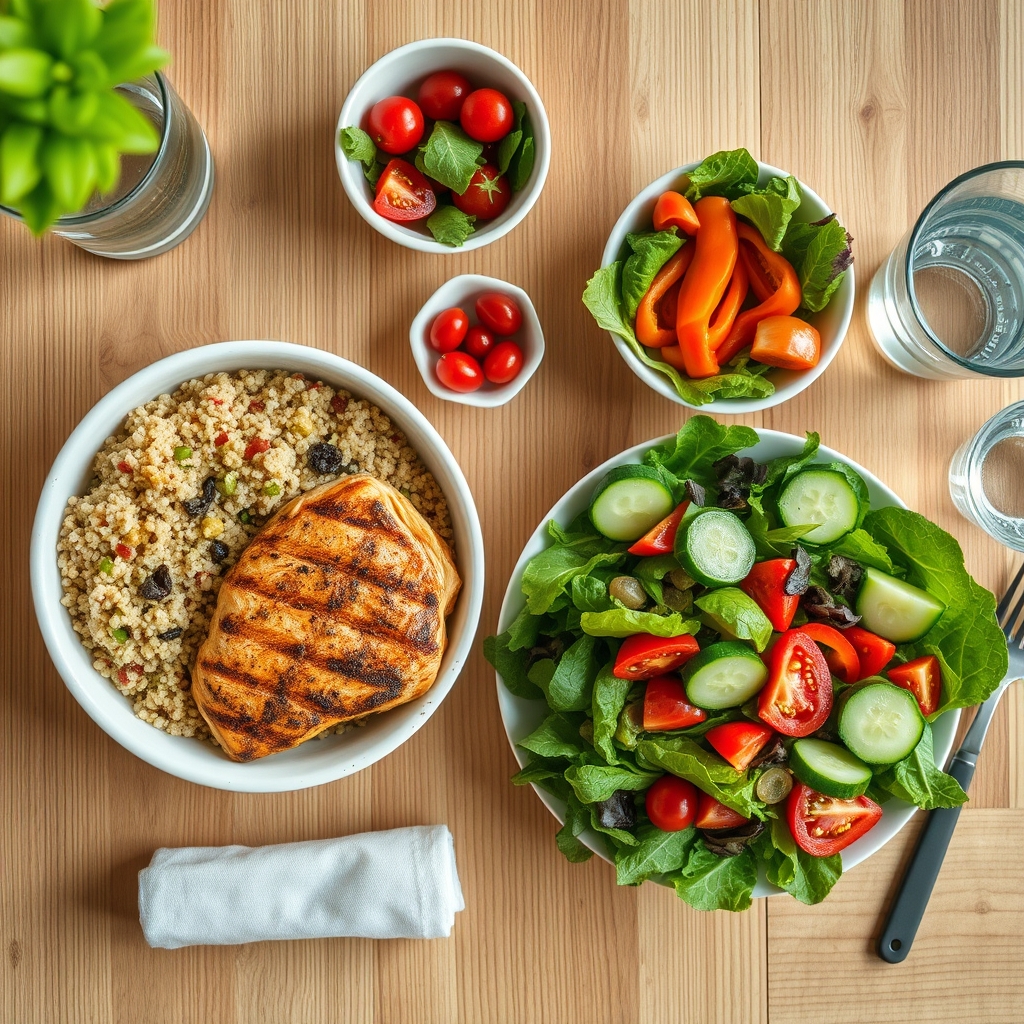
A balanced, nutrient-rich diet is key to supporting a healthy pregnancy.
What are the risks of the keto diet while pregnant?
Following a keto diet during pregnancy comes with several potential risks for the expectant mother, which can range from uncomfortable to potentially serious. These risks are primarily linked to the diet's restrictive nature, its impact on nutrient intake, and the physiological changes it induces.
Keto Flu and Dehydration
One of the most immediate risks is experiencing the "keto flu." This isn't a true flu, but a collection of symptoms that occur as your body adapts to burning fat for fuel instead of carbohydrates. Symptoms can include headaches, fatigue, dizziness, nausea, irritability, difficulty concentrating, and muscle cramps. While unpleasant for anyone, these symptoms can be particularly challenging and even exacerbated during pregnancy, when fatigue and nausea are already common. The keto flu is often worsened by dehydration and electrolyte imbalances, as carbohydrate restriction can lead to increased water and sodium excretion. Dehydration during pregnancy can be a concern, potentially leading to complications like Braxton Hicks contractions or even premature labor in severe cases.
Nutrient Deficiencies
A significant concern is the increased risk of nutrient deficiencies. Pregnancy dramatically increases your need for various vitamins and minerals to support rapid fetal growth and maternal physiological changes. A keto diet typically restricts or eliminates several food groups that are excellent sources of these vital nutrients:
Folate (Folic Acid): Crucial for preventing neural tube defects. Many folate-rich foods like leafy greens, legumes, and fortified grains are often limited on keto.
Iron: Essential for preventing maternal anemia and supporting fetal blood production. While meat is keto-friendly, the diet often lacks other iron sources like fortified cereals and some beans.
Calcium and Vitamin D: Important for fetal bone development and maternal bone health. Dairy can be consumed, but some keto versions might limit it, and many fortified foods are out.
B Vitamins: Including B6, B12, and thiamine, vital for energy metabolism and neurological function. Whole grains and some fruits are primary sources.
Fiber: Found abundantly in fruits, vegetables, whole grains, and legumes. A lack of fiber can worsen pregnancy-related constipation, a common and uncomfortable complaint.
Iodine: Essential for fetal brain development. Some keto diets may inadvertently limit iodine-rich foods.
While a prenatal vitamin can help bridge some gaps, it's designed to supplement a healthy diet, not replace nutrient-dense whole foods. Relying solely on a prenatal vitamin while severely restricting food groups can still lead to suboptimal nutrient intake.
Electrolyte Imbalance
The diuretic effect of a low-carb diet can lead to significant losses of electrolytes like sodium, potassium, and magnesium. These minerals are crucial for nerve and muscle function, blood pressure regulation, and maintaining fluid balance. Imbalances can cause symptoms ranging from muscle cramps and heart palpitations to more severe issues that could impact maternal health and, indirectly, fetal well-being.
Impact on Energy Levels and Mood
Pregnancy itself is physically demanding. Carrying a growing baby, experiencing hormonal fluctuations, and preparing for childbirth require substantial energy. The initial adaptation phase of keto, and sometimes even long-term ketosis, can lead to reduced energy levels, fatigue, and mood swings. These effects can be particularly challenging for pregnant individuals already dealing with the physical and emotional demands of pregnancy.
Many moms tell us the same thing: pregnancy is already a marathon. Adding the potential discomforts and risks of a highly restrictive diet like keto can make it even harder to navigate this special time. Prioritizing a varied diet that keeps you feeling strong and well-nourished is usually the best approach.
Can the keto diet harm my baby during pregnancy?
The potential harm to a developing baby is the most significant concern regarding the ketogenic diet during pregnancy. While direct human studies on this topic are scarce due to ethical considerations, the existing evidence from animal studies and our understanding of human fetal development raise serious red flags.
Fetal Development and Birth Defects
One of the primary worries is the impact on fetal development, particularly during the critical first trimester when major organs and systems are forming. The brain, in particular, relies heavily on glucose for its rapid growth and development. While ketones can serve as an alternative fuel source, it's unclear if they can fully support optimal brain development in a fetus, especially over prolonged periods. Some animal studies have suggested that maternal ketosis could be associated with altered fetal brain development and even an increased risk of birth defects.
A major concern is the potential for neural tube defects (NTDs). The neural tube develops into the brain and spinal cord, and it closes within the first few weeks of pregnancy, often before a woman even knows she's pregnant. Folate (the natural form of folic acid) is absolutely critical for this process. As mentioned earlier, a keto diet often restricts many foods rich in folate, such as fortified grains, legumes, and certain fruits. Even with a prenatal vitamin containing folic acid, a diet severely lacking in natural folate sources could pose a risk if the supplement isn't fully absorbed or if the dietary restriction is too severe. The Centers for Disease Control and Prevention (CDC) strongly recommends that all women of childbearing age consume 400 micrograms of folic acid daily to prevent NTDs, a recommendation that becomes even more vital during pregnancy.
Long-term Health Implications
Beyond immediate developmental issues, there's concern about the long-term health implications for children born to mothers on a ketogenic diet. Animal research has hinted at potential changes in offspring metabolism, including increased risks of insulin resistance and fatty liver disease later in life. While these findings cannot be directly translated to humans, they highlight the complex interplay between maternal nutrition and the lifelong health trajectory of the child. The developing fetus is highly sensitive to the maternal environment, and nutritional imbalances during critical windows of development can have lasting effects.
For instance, one representative story we've heard is of a mom who, after struggling with infertility, decided to try keto to improve her chances. She conceived while on the diet but was immediately advised by her doctor to transition off it. Her main worry was whether those early weeks on keto could have impacted her baby. While her doctor reassured her that a short period was unlikely to cause significant harm, it underscored the anxiety parents feel about making the "right" choices for their baby's health.
Fetal Growth and Nutrient Delivery
The keto diet's impact on maternal nutrient status can also indirectly affect fetal growth. If the mother experiences significant nutrient deficiencies or electrolyte imbalances, it can compromise the placenta's ability to deliver essential nutrients to the baby. Adequate caloric intake and a steady supply of macronutrients are vital for consistent fetal growth throughout pregnancy. Extreme dietary restriction, even if aimed at 'health,' can sometimes lead to insufficient calorie or nutrient intake for the rapidly growing fetus.
In summary, while the definitive human research is absent, the theoretical risks, animal study findings, and the known critical nutritional needs for fetal development make the keto diet a high-risk choice during pregnancy. The potential for harm to your baby is a primary reason medical professionals strongly advise against it.
What do doctors recommend about keto and pregnancy?
When it comes to the ketogenic diet and pregnancy, the consensus among major medical and public health organizations is remarkably consistent: they generally advise against it. The guiding principle for prenatal nutrition is to ensure a wide array of nutrients to support both maternal health and optimal fetal development, and a strict keto diet often falls short in this regard.
Here's what leading bodies recommend:
American College of Obstetricians and Gynecologists (ACOG): ACOG emphasizes a balanced, nutrient-dense diet for pregnant women. Their guidelines focus on consuming a variety of fruits, vegetables, whole grains, lean proteins, and healthy fats. They do not endorse restrictive diets like keto for general pregnancy management, stressing the importance of obtaining essential micronutrients from diverse food sources.
Centers for Disease Control and Prevention (CDC): The CDC highlights specific nutritional needs during pregnancy, such as ample folic acid to prevent neural tube defects, iron to prevent anemia, and calcium for bone health. Their dietary recommendations align with a balanced intake of all food groups, which is difficult to achieve on a strict ketogenic plan.
National Health Service (NHS) in the UK: The NHS provides clear guidance on healthy eating in pregnancy, promoting a varied diet rich in fruits, vegetables, starchy foods (like whole grains, potatoes, and bread), protein, and dairy. They specifically advise against crash diets or restrictive eating patterns that could lead to nutrient deficiencies.
World Health Organization (WHO): The WHO's recommendations for maternal nutrition focus on balanced energy and nutrient intake, with specific guidance for micronutrient supplementation where dietary intake may be insufficient. Their dietary guidelines are broad and inclusive, not restrictive.
Registered Dietitians and Nutritionists: Experts in prenatal nutrition consistently advocate for dietary plans that are sustainable, inclusive, and provide all necessary macronutrients (carbohydrates, proteins, and fats) and micronutrients. They often express concern over the potential for nutrient deficiencies and the lack of long-term safety data for keto in pregnancy.
The core reason for this widespread recommendation against keto is the principle of "first, do no harm" combined with the absence of evidence for safety and benefit. Pregnancy is not the time for dietary experimentation. The stakes are too high, and the potential for nutrient gaps or metabolic stress is a significant concern.
One of our medical reviewers explains it this way: "When we evaluate diets for pregnant patients, our top priority is ensuring optimal fetal development and maternal well-being. A diet that restricts entire food groups, like keto, inherently carries a higher risk of nutritional shortfalls, which could have serious consequences. Unless there's a very specific, medically supervised reason, we strongly advise against it. We want to ensure every baby has the best start possible, and that means a mother who is well-nourished across the board."
If you have specific health concerns, such as gestational diabetes or PCOS, and are considering a modified low-carb approach, it is absolutely essential to do so under the strict guidance and supervision of your obstetrician or a registered dietitian specializing in prenatal care. They can help you create a personalized plan that addresses your needs while ensuring adequate nutrition for your pregnancy.
Always discuss your diet with your healthcare provider to ensure it supports a healthy pregnancy.
Are there any benefits to doing keto during pregnancy?
While the general recommendation is to avoid the ketogenic diet during pregnancy, it's fair to ask if there are *any* perceived benefits that might lead someone to consider it. Often, people are drawn to keto for specific reasons, and it's important to address these within the context of pregnancy.
Blood Sugar Management
One of the most commonly cited benefits of a low-carbohydrate diet, including keto, is its effectiveness in managing blood sugar levels. For individuals with conditions like type 2 diabetes or gestational diabetes, reducing carbohydrate intake can indeed lead to more stable blood glucose. However, while a *moderately* low-carb diet (not strict keto) might be part of a medically supervised plan for gestational diabetes, strict ketosis is generally not recommended. The focus for gestational diabetes management is often on choosing complex carbohydrates with a low glycemic index and pairing them with protein and healthy fats, rather than eliminating them entirely. A registered dietitian can help craft a balanced meal plan that controls blood sugar without risking nutrient deficiencies.
Weight Management
Before pregnancy, many individuals use the keto diet for weight loss. During pregnancy, however, the goal is not typically weight loss but rather healthy weight *gain* that supports fetal growth. Aggressive weight loss or highly restrictive diets can compromise nutrient delivery to the fetus. While managing healthy weight gain is important, especially for those who started pregnancy overweight or obese, extreme restriction is not the answer. A balanced diet and regular, moderate exercise are the recommended strategies for healthy weight management during pregnancy, ensuring both mother and baby receive adequate nutrition.
Polycystic Ovary Syndrome (PCOS) and Fertility
Some women with Polycystic Ovary Syndrome (PCOS) find that a low-carb or ketogenic diet helps manage symptoms like insulin resistance and can sometimes improve fertility. If a woman conceived while on a keto diet for PCOS, it's crucial to transition off it as soon as pregnancy is confirmed. While keto might have played a role in achieving pregnancy, its risks during gestation generally outweigh any perceived benefits. A balanced, low-glycemic diet overseen by a doctor or dietitian can often achieve similar benefits for PCOS management *without* the risks of strict ketosis during pregnancy.
It's vital to differentiate between anecdotal experiences or pre-pregnancy benefits and the specific, heightened nutritional needs of pregnancy. What might be beneficial for a non-pregnant individual with a specific health goal can be detrimental to a pregnant woman and her developing baby. The physiological state of pregnancy is unique, and dietary choices must prioritize the safety and development of the fetus above all else, which often means avoiding highly restrictive eating patterns like keto.
One mom shared her journey, saying, "I used keto to manage my PCOS and got pregnant after years of trying. I was so excited, but also terrified that continuing keto would harm my baby. My doctor immediately put me on a balanced, low-GI diet, and it was a huge relief to know I was still controlling my blood sugar without sacrificing nutrients." This story highlights the desire for control and health management, but also the willingness to adapt for the baby's safety.
What nutrients are important for pregnancy on a low-carb diet?
Even if you're not on a strict ketogenic diet but are considering a *lower-carb* approach during pregnancy (perhaps for gestational diabetes management), it's crucial to be hyper-aware of specific nutrients that can be easily missed. While a balanced low-carb diet *can* be carefully managed, it requires diligent planning and often professional guidance to ensure all essential pregnancy nutrients are met. Here's a look at key nutrients and how they might be impacted:
Nutrient
Why It's Critical in Pregnancy
Keto/Low-Carb Challenge
Low-Carb Friendly Sources
Folate (Folic Acid)
Prevents neural tube defects; essential for cell growth.
Many rich sources (fortified grains, legumes, some fruits) are restricted.
Dark leafy greens (spinach, kale), avocado, asparagus, broccoli, brussels sprouts.
Iron
Prevents maternal anemia; supports fetal blood supply and oxygen.
Non-heme iron sources (beans, fortified cereals) are limited.
Red meat, poultry, fish (heme iron); spinach, lentils (in moderation), pumpkin seeds.
Calcium
Fetal bone/teeth development; maternal bone health.
Some keto diets may limit dairy or rely on non-fortified alternatives.
Essential for fetal brain development and thyroid function.
Can be easily missed if not consuming seafood or iodized salt.
Iodized salt, seafood (cod, shrimp), dairy.
As you can see, a low-carb or keto diet requires careful attention to ensure these vital nutrients are consumed. For a truly strict keto diet, it becomes incredibly challenging to meet all these requirements without excessive supplementation and very precise meal planning. This is why a broader, more inclusive diet is generally preferred during pregnancy.
Even with a prenatal vitamin, it's generally understood that vitamins are meant to *supplement* a healthy diet, not compensate for a poor one. Whole foods offer a complex matrix of nutrients, fiber, and phytochemicals that work synergistically and are often more bioavailable than isolated supplements. Our medical team always stresses the importance of "food first" when it comes to meeting pregnancy nutritional needs.
What diet should I follow instead of keto when pregnant?
Instead of a restrictive diet like keto, the best approach for pregnancy nutrition is a balanced, nutrient-dense eating plan that supports both your health and your baby's development. Think "inclusive" rather than "exclusive." The goal is to provide a wide array of vitamins, minerals, fiber, and macronutrients from diverse food sources.
Here are some dietary frameworks and principles generally recommended during pregnancy:
1. The Mediterranean Diet Principles
Often lauded as one of the healthiest eating patterns, the Mediterranean diet is not a strict "diet" but a way of eating. It emphasizes:
Abundant fruits and vegetables: A wide variety of colors ensures a broad spectrum of vitamins, minerals, and antioxidants.
Whole grains: Brown rice, quinoa, whole-wheat bread, oats provide essential fiber, B vitamins, and sustained energy.
Healthy fats: Olive oil, avocados, nuts, and seeds are rich in monounsaturated and polyunsaturated fats, including omega-3s, crucial for fetal brain development.
Lean proteins: Fish (especially fatty fish like salmon, low in mercury), poultry, legumes (beans, lentils), and eggs.
Dairy or fortified alternatives: For calcium and Vitamin D.
Limited processed foods, added sugars, and unhealthy fats.
This approach naturally provides the necessary carbohydrates for energy, plenty of fiber for digestion, and a rich profile of micronutrients.
2. Balanced, Whole-Foods Focused Diet
This is a practical, everyday approach that emphasizes:
Plenty of produce: Aim for at least 5-7 servings of fruits and vegetables daily, focusing on variety.
Complex carbohydrates: Choose whole grains over refined ones (e.g., brown rice instead of white, whole-wheat bread instead of white bread). These provide sustained energy and fiber.
Adequate protein: Include lean meats, poultry, fish, eggs, dairy, beans, and lentils with every meal to support fetal growth and maternal tissue repair.
Healthy fats: Incorporate sources like avocado, nuts, seeds, olive oil, and fatty fish.
Hydration: Drink plenty of water throughout the day.
3. Low-Glycemic Index (Low-GI) Diet (Especially for Gestational Diabetes)
For those managing gestational diabetes or insulin resistance, a low-GI approach is often recommended. This isn't keto but focuses on choosing carbohydrates that cause a slower, more gradual rise in blood sugar. This includes:
Pairing carbs with protein and fat: This helps slow down glucose absorption.
This approach allows for carbohydrates, but prioritizes nutrient-dense, fiber-rich options that help stabilize blood sugar without the risks of strict carbohydrate restriction. This should always be done under the guidance of a doctor or registered dietitian.
One reader shared, "I was so worried about gaining too much weight, but my midwife helped me understand that a healthy pregnancy isn't about restriction, it's about nourishment. She gave me a list of nutrient-dense foods, and focusing on those made me feel so much better than when I was trying to cut out everything." This sentiment perfectly captures the shift in mindset needed during pregnancy.
The key is to create sustainable eating habits that nourish both you and your baby without adding undue stress or worry. Your healthcare provider or a prenatal dietitian can offer personalized guidance based on your specific health needs and preferences.
Focus on a wide variety of colorful fruits, vegetables, whole grains, and lean proteins for optimal pregnancy nutrition.
Is it safe to be in ketosis during pregnancy?
The state of ketosis itself during pregnancy is a significant area of concern, primarily due to the lack of research on its long-term effects on fetal development. While nutritional ketosis (the state induced by a keto diet) is distinct from diabetic ketoacidosis (a dangerous metabolic emergency), its safety for a developing fetus is still highly debated and generally not supported by current medical consensus.
Understanding Ketosis in Pregnancy
Under normal circumstances, your body primarily uses glucose from carbohydrates for energy. When carbohydrate intake is severely restricted, your body switches to burning fat, producing ketones as an alternative fuel. While adults can generally adapt to using ketones, the fetal brain and other rapidly developing organs have a very high demand for glucose. While a fetus *can* utilize some ketones, it's not clear whether this is optimal for all aspects of development, especially over prolonged periods.
Some researchers theorize that even mild, sustained ketosis in the mother could potentially impact fetal brain development, though this is primarily based on animal studies. These studies have shown associations between maternal ketosis and changes in offspring's metabolism, brain structure, and cognitive function. Translating these findings directly to humans is complex, but they underscore the need for extreme caution.
Accidental Ketosis
It's worth noting that pregnant women can sometimes enter a state of mild ketosis unintentionally. This might happen during periods of severe morning sickness (hyperemesis gravidarum) when food intake is drastically reduced, or if a woman goes for long periods without eating due to nausea or other factors. In these cases, the ketosis is usually temporary and a symptom of insufficient caloric intake rather than a deliberate dietary choice. Your doctor will monitor you closely if you experience severe morning sickness to ensure you and your baby remain healthy and address any nutritional shortfalls.
Transitioning Off Keto for Pregnancy
If you were on a ketogenic diet before pregnancy, or if you find yourself unexpectedly pregnant while in ketosis, the most important step is to consult your healthcare provider immediately. They will likely recommend a gradual and safe transition off the ketogenic diet to a more balanced, carbohydrate-inclusive eating plan. This transition should be managed carefully to avoid rapid blood sugar fluctuations and to ensure you begin consuming a wider array of nutrient-dense foods. A registered dietitian can be invaluable in creating a personalized plan to reintroduce healthy carbohydrates, ensuring adequate fiber, vitamins, and minerals, while minimizing any discomfort.
The general advice is to avoid intentionally inducing ketosis during pregnancy. The risks, though not fully quantified in humans, are significant enough to warrant a cautious approach. The priority is to provide the most stable, nutrient-rich environment for your baby's growth and development, which typically involves a diet that includes a healthy balance of all macronutrients.
From our medical team: "Pregnancy is a time when the stakes for nutrition are incredibly high. Our bodies are designed to nurture a new life, and that process demands a steady supply of diverse nutrients. While the idea of 'optimizing' through a restrictive diet like keto might seem appealing, the lack of human safety data and the potential for nutrient deficiencies mean we simply cannot recommend it. Focus on nourishing yourself with a rainbow of whole foods, and let your medical team guide your dietary choices to ensure the safest path for both you and your baby."
Myth vs. fact
The internet is full of claims about diet, and pregnancy often amplifies the confusion. Let's clear up some common myths about keto and pregnancy:
Myth: The keto diet is the best way to manage gestational diabetes during pregnancy.
Fact: While a low-carbohydrate approach can effectively manage blood sugar, a *strict ketogenic diet* is generally not recommended. A balanced, moderately low-GI diet, rich in complex carbohydrates, lean proteins, and healthy fats, is often preferred and proven effective for gestational diabetes when supervised by a doctor or registered dietitian. This approach allows for essential nutrients from a wider variety of foods without the risks associated with ketosis.
Myth: If you take a good prenatal vitamin, you can safely do keto in pregnancy.
Fact: A prenatal vitamin is designed to *supplement* a healthy diet, not replace it. While it provides essential micronutrients, it cannot substitute for the fiber, macronutrients, and complex array of phytochemicals found in whole foods like fruits, vegetables, and whole grains. Relying solely on a prenatal vitamin while severely restricting food groups can still lead to nutrient gaps and other risks associated with the keto diet.
Myth: Our ancestors ate low-carb, so it's natural and safe for pregnant women.
Fact: While ancestral diets varied greatly by region and season, the modern ketogenic diet is a highly specific, often processed, macronutrient-defined eating pattern. Our ancestors' diets were often driven by necessity and availability, not by strict macronutrient ratios. Furthermore, modern medical understanding of pregnancy physiology and fetal nutritional needs goes far beyond historical eating patterns. There's no scientific evidence to support that ancestral eating patterns equate to the safety of a strict ketogenic diet in pregnancy.
Key takeaways
The ketogenic (keto) diet is generally **not recommended** during pregnancy due to a lack of safety research and potential risks.
Keto can lead to **nutrient deficiencies** (like folate, iron, fiber), "keto flu," dehydration, and electrolyte imbalances in the mother.
There are **potential risks to the baby**, including concerns about fetal brain development and an increased risk of birth defects, especially neural tube defects.
Leading medical organizations like ACOG and the NHS **advise against** restrictive diets during pregnancy, favoring a balanced, nutrient-dense approach.
For conditions like gestational diabetes or PCOS, a **medically supervised, balanced low-glycemic diet** is a safer and more effective alternative than strict keto.
If you were on keto before pregnancy, **consult your doctor immediately** to safely transition to a more appropriate eating plan.
Frequently asked questions
Can keto diet cause miscarriage?
There is no direct human evidence definitively linking the keto diet to miscarriage. However, the severe nutrient deficiencies and metabolic stress that can arise from a strict keto diet during early pregnancy, especially if not well-managed, could theoretically increase risks. The lack of robust safety data is a primary reason medical professionals advise against it.
What diet is best for pregnancy?
The best diet for pregnancy is a balanced, nutrient-dense eating plan that includes a wide variety of whole foods. This typically aligns with principles of the Mediterranean diet, emphasizing abundant fruits, vegetables, whole grains, lean proteins, and healthy fats, while limiting processed foods and added sugars.
Can you do low carb while pregnant?
A *moderately* low-carb diet (not strict keto) might be considered for specific medical reasons, such as gestational diabetes, but only under the strict supervision of a healthcare provider or registered dietitian. This approach focuses on choosing nutrient-dense, complex carbohydrates with a low glycemic index rather than eliminating them entirely, ensuring adequate nutrient intake.
What are the risks of a low carb diet during pregnancy?
Even a moderately low-carb diet can carry risks if not carefully planned. These include potential deficiencies in essential nutrients like folate, iron, and fiber, which are crucial for fetal development and maternal health. It's vital to ensure all nutritional needs are met through diverse food choices and, if necessary, targeted supplementation under medical guidance.
Can keto affect fetal development?
While direct human studies are limited, animal studies and our understanding of fetal nutritional needs suggest that a maternal keto diet could potentially affect fetal development, particularly brain and organ formation. The risk of nutrient deficiencies, especially folate, is a significant concern for neural tube development, and the long-term effects of fetal exposure to ketones are not fully understood.
Is it safe to be in ketosis during pregnancy?
Intentionally inducing ketosis through a strict ketogenic diet is generally not recommended during pregnancy due to insufficient safety data and potential risks to the developing fetus. While temporary, mild ketosis can occur unintentionally (e.g., due to severe morning sickness), sustained nutritional ketosis is a state that medical professionals advise against for expectant mothers.
When to call your doctor
If you are pregnant or trying to conceive and are currently on a ketogenic diet, or if you have any concerns about your diet and pregnancy, it is crucial to **call your doctor or midwife immediately**. They can provide personalized advice and help you transition to a safe and appropriate eating plan.
You should also contact your healthcare provider if you experience any of the following symptoms, which could be related to dietary imbalances or other pregnancy complications:
Severe or persistent nausea and vomiting, leading to an inability to keep food or fluids down.
Extreme fatigue, dizziness, or lightheadedness.
Persistent headaches or muscle cramps.
Unusual changes in mood or concentration.
Any concerns about fetal movement or your overall well-being.
This article is for informational purposes only and is not a substitute for professional medical advice, diagnosis, or treatment. Always seek the advice of your physician or other qualified health provider with any questions you may have regarding a medical condition.
Not sure about the label on Keto Diet During Pregnancy products?
Snap the ingredients list and SafeFilter checks every ingredient for your stage — only 3 free scans this month, then you're locked until reset. Unlimited from $7/mo or $50/yr.
When Shubhra Mishra was expecting her first child in 2016, she was overwhelmed by conflicting food advice — one site said yes, another said never. By the time her second baby arrived in 2019, she realized millions of mothers face the same confusion.
That sparked a five-year journey through clinical nutrition papers, cultural diets, and expert conversations — all leading to BumpBites: a calm, compassionate space where science meets everyday motherhood.
Her long-term vision is to build a global community ensuring safe, supported, and free deliveriesfor every mother — because no woman should face pregnancy alone or uninformed. 🌿
🌍 Stand with mothers, shape safer guidance
Join a small circle of experts who review BumpBites articles so expecting parents everywhere can decide with confidence.