Cholesterol isn’t the villain you think it is. This waxy, fat-like substance is essential for building cell membranes, making hormones (like estrogen and testosterone), and even producing vitamin D. The problem isn’t cholesterol itself—it’s where it hangs out in your bloodstream.
Your total cholesterol is made up of two main types:
- LDL (low-density lipoprotein) — Often called “bad” cholesterol because high levels can clog your arteries over time.
- HDL (high-density lipoprotein) — The “good” cholesterol that helps clear LDL from your blood.
Most of your cholesterol comes from your liver (about 75%), not your diet. But what you eat does influence which types of cholesterol dominate—and whether your body can use them efficiently. For example, saturated fats (like those in butter or fatty cuts of meat) tend to raise LDL, while fiber-rich foods can boost HDL.
If your LDL is consistently high, your doctor may recommend lifestyle changes—including diet—as a first step before medications like statins. But here’s the catch: not all high cholesterol is created equal. Some women have genetic conditions (like familial hypercholesterolemia) that require medical intervention. Others see their levels spike due to stress, poor sleep, or hormonal shifts (like perimenopause).
If you’re wondering whether your cholesterol numbers are “normal” for your age, the NHS cholesterol checker is a great starting point—but always confirm with your provider.
---
Low Cholesterol Diet Benefits for Heart Health
If your doctor has flagged your LDL as “too high,” you’ve probably heard the same advice over and over: “Eat less saturated fat.” But what does that actually mean for your heart—and how much can diet alone lower your cholesterol?
Current evidence shows that a well-planned low-cholesterol diet can reduce LDL by 5–15% in 3–6 months, depending on your starting point and how strictly you follow it. For someone with borderline-high cholesterol, that could be the difference between avoiding medication and keeping their arteries clear naturally.
Here’s how it works:
- Soluble fiber (found in oats, beans, and apples) binds to cholesterol in your digestive tract and helps your body excrete it.
- Plant sterols (like those in fortified margarine or nuts) compete with cholesterol for absorption, lowering LDL.
- Healthy fats (monounsaturated and polyunsaturated fats from olive oil, avocados, and fatty fish) improve HDL and reduce inflammation.
- Omega-3s (in salmon, flaxseeds, and walnuts) help thin your blood and prevent plaque buildup.
One of the biggest benefits? A low-cholesterol diet can reduce your risk of heart disease—the leading cause of death in women over 50. In fact, the National Heart, Lung, and Blood Institute (NHLBI) recommends dietary changes as a first-line defense for people with prediabetes or metabolic syndrome.
“I was skeptical at first,” says Sarah, a 48-year-old marketing manager who lowered her LDL by 22 points in 4 months by swapping her usual fried chicken for grilled salmon and adding a daily bowl of oatmeal with berries. “I thought I’d miss meat, but I realized I just didn’t need as much. Now, my energy is better, and my doctor says my blood pressure’s stabilized too.”
But here’s the kicker: if you’re already on statins, your diet won’t replace them. Statins block cholesterol production in your liver, while diet affects absorption. For the best results, combine both approaches—but always check with your provider before making changes.
For more on how diet impacts heart health, check out our Heart-Healthy Diet Guide.
---
Side Effects of a Low Cholesterol Diet in Pregnancy
If you’re pregnant—or trying to conceive—your cholesterol levels naturally rise to support your baby’s development. That’s why doctors often recommend against aggressive cholesterol-lowering diets during pregnancy, unless there’s a specific medical reason (like a rare genetic condition).
Here’s why:
- Nutrient deficiencies: Pregnant women need more fat-soluble vitamins (A, D, E, K) and healthy fats for fetal brain development. Cutting cholesterol-rich foods (like eggs or fatty fish) too drastically can leave you short on these nutrients.
- Hormonal imbalances: Cholesterol is a building block for hormones like progesterone and estrogen. Low cholesterol during pregnancy has been linked to preterm birth and low birth weight in some studies.
- Fatigue and brain fog: Healthy fats are crucial for brain function. Many pregnant women report feeling mentally foggy if they cut back on fats too quickly.
That said, you don’t have to avoid all cholesterol—just focus on the type. Instead of eliminating eggs or cheese, opt for:
- Egg whites (or whole eggs if your provider approves)
- Greek yogurt with live cultures
- Avocados and nuts (in moderation)
- Fatty fish like salmon (rich in omega-3s, not just cholesterol)
If you’re already diagnosed with high cholesterol due to a genetic condition (like familial hypercholesterolemia), your doctor may prescribe a low-cholesterol diet alongside medications like statins—but only under close monitoring.
For a deeper dive into pregnancy-safe nutrition, see our guide on low-sodium diets during pregnancy—many of the same principles apply.
---
How to Safely Reduce Cholesterol with Diet During Pregnancy
If your provider gives you the green light to tweak your diet while pregnant, here’s how to do it safely:
- Focus on plant-based fats: Swap butter for olive oil, and use tahini or almond butter instead of mayo. These fats are rich in antioxidants and won’t spike inflammation.
- Prioritize fiber: Aim for 25–30g of fiber daily from sources like chia seeds, flaxseeds, and lentils. Soluble fiber (like in oats) helps lower LDL without affecting nutrient absorption.
- Choose lean proteins: Opt for baked chicken, tofu, or beans over fried meats. If you crave cheese, pick a low-fat option with added probiotics.
- Snack smart: Keep a stash of nuts, hummus, or cut veggies with guacamole. These are easy, nutrient-dense, and won’t leave you feeling deprived.
- Limit processed foods: Avoid packaged snacks, fast food, and sugary cereals. These often contain trans fats and refined carbs, which can worsen cholesterol.
“I was terrified of missing out on my favorite foods,” admits Priya, a 32-year-old nurse who adjusted her diet during her second trimester. “But I realized I could still enjoy food—just in different ways. I’d make a big batch of quinoa salad with chickpeas and roasted veggies, and it felt like a treat.”
Pro tip: Track your macros (not just calories) to ensure you’re getting enough healthy fats. Apps like Cronometer or MyFitnessPal can help you log your intake without the guesswork.
---
Low Cholesterol Diet vs. Low-Fat Diet: What’s the Difference?
You’ve probably heard both terms tossed around—so what’s the real difference?
The key lies in which fats you’re cutting:
Here’s the bottom line: A low-fat diet is outdated and often ineffective for lowering cholesterol. The American Heart Association (AHA) recommends reducing saturated fats (not all fats) to improve heart health. In fact, studies show that cutting all fats can actually raise LDL because your body compensates by producing more cholesterol.
If you’re curious about other heart-healthy diets, the Blue Zones diet is another excellent option—it emphasizes whole foods, plant-based fats, and minimal processed ingredients, much like a low-cholesterol approach.
---
Low Cholesterol Diet Benefits for Blood Sugar Control
Did you know your cholesterol and blood sugar are connected? High LDL is linked to insulin resistance, which raises your risk of type 2 diabetes. That’s why a low-cholesterol diet can also help stabilize your blood sugar—especially if you’re prediabetic or managing PCOS.
How does it work?
- Soluble fiber (in oats, beans, and apples) slows digestion, preventing blood sugar spikes.
- Healthy fats (like those in avocados and nuts) help your body absorb nutrients more slowly, keeping energy levels steady.
- Plant sterols improve insulin sensitivity, making your cells more responsive to glucose.
“I was diagnosed with prediabetes last year, and my doctor told me to cut out all carbs,” says Priya, a 35-year-old teacher. “But I felt terrible—constantly hungry, cranky, and exhausted. Then I switched to a low-cholesterol diet with more fiber and healthy fats, and my A1C dropped by 0.5% in 3 months.”
For women with PCOS, this approach can also help reduce androgen levels (which contribute to acne and hair loss) by improving insulin sensitivity. If you’re struggling with PCOS, our Anti-Inflammatory Diet Guide has more tips on balancing hormones through food.
---
Low Cholesterol Diet Side Effects in Older Adults
If you’re over 60, lowering cholesterol might seem like a no-brainer—but there are unique risks to watch for:
- Increased risk of cognitive decline: Some studies suggest very low cholesterol (below 160 mg/dL) may be linked to a higher risk of Alzheimer’s disease in older adults. This is still debated, but it’s worth discussing with your doctor.
- Hormonal changes: Women in perimenopause or menopause may experience hot flashes, mood swings, or fatigue if they cut back on healthy fats too aggressively. Cholesterol is a precursor to estrogen, so drastic reductions can disrupt hormone balance.
- Muscle loss: Older adults need enough healthy fats to support muscle repair. A diet too low in fat can accelerate sarcopenia (age-related muscle loss).
- Digestive issues: Overdoing fiber (especially if you’re not used to it) can cause bloating, gas, or even constipation.
“I was so excited to lower my cholesterol, but I ended up feeling sluggish and forgetful,” says Margaret, a 68-year-old retired nurse. “My doctor told me I needed to focus on quality fats—not just cutting them. I started adding more olive oil to my salads and eating salmon twice a week, and my energy came back.”
If you’re over 60, work with your provider to monitor your cholesterol levels closely. You may need to aim for a slightly higher LDL target (around 130–160 mg/dL) to support brain health and hormone balance.
---
Low Cholesterol Diet Benefits for Weight Loss
Can lowering cholesterol help you lose weight? It’s not a direct cause-and-effect relationship—but the same dietary changes that improve your cholesterol can absolutely support weight loss, especially if you’re carrying extra belly fat.
Here’s how:
- Fiber keeps you full: Foods like beans, lentils, and oats add volume to your meals without many calories, reducing cravings.
- Healthy fats curb cravings: A diet rich in monounsaturated fats (like olive oil and avocados) helps stabilize blood sugar, so you’re less likely to reach for sugary snacks.
- Less processed food = fewer empty calories: Cutting fried foods and packaged snacks automatically cuts out hidden sugars and unhealthy fats.
“I lost 15 pounds in 2 months without even trying,” says Emily, a 38-year-old graphic designer. “I just swapped my usual lunch of a burger and fries for a big salad with grilled chicken, avocado, and quinoa. I felt fuller, had more energy, and my cholesterol dropped too.”
That said, weight loss isn’t guaranteed—and if you’re cutting calories too aggressively, you might lose muscle instead of fat. To maximize results, pair your diet with strength training (even 20 minutes a few times a week) to preserve muscle mass.
For more on sustainable weight loss, check out our Low-Carb Diet Guide—many of the same principles apply.
---
Best Foods to Lower Cholesterol Naturally
You don’t need to eliminate entire food groups to lower your cholesterol—just swap in these powerhouses:
Foods to Enjoy Daily
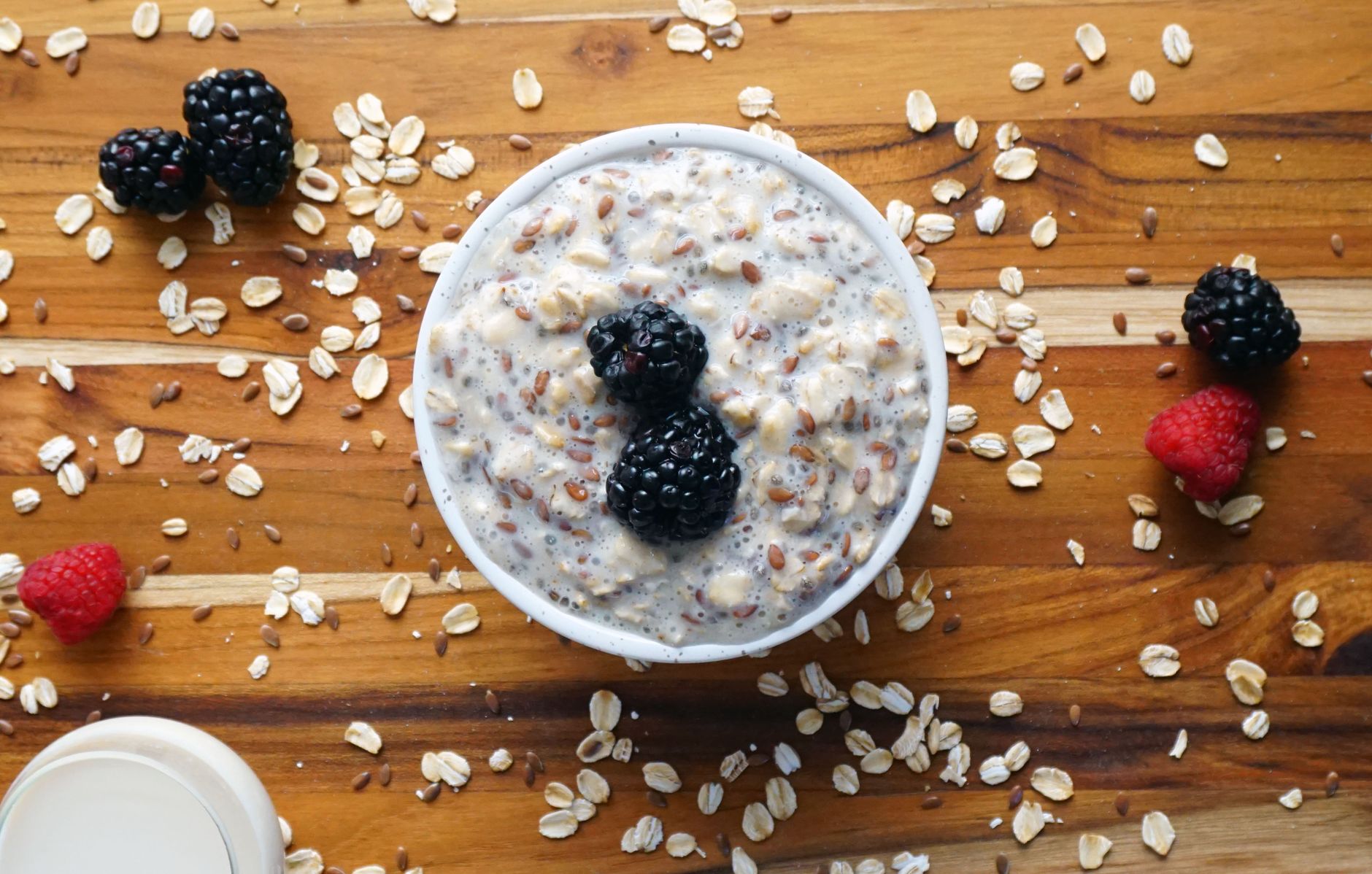
- Oats and barley (soluble fiber lowers LDL)
- Fatty fish (salmon, mackerel, sardines—rich in omega-3s)
- Avocados (monounsaturated fats improve HDL)
- Nuts and seeds (almonds, walnuts, chia, flax—plant sterols and healthy fats)
- Legumes (beans, lentils, chickpeas—fiber and protein)
- Leafy greens (spinach, kale—rich in vitamin K and antioxidants)
Foods to Eat in Moderation
- Eggs (limit to 3–4 per week; focus on egg whites if concerned)
- Low-fat dairy (Greek yogurt, cottage cheese—choose unsweetened)
- Whole grains (quinoa, brown rice—better than refined carbs but still moderate)
Foods to Avoid
- Trans fats (fried foods, margarine, packaged baked goods)
- Saturated fats (red meat, full-fat dairy, butter, lard)
- Processed sugars (soda, candy, pastries—raise LDL and lower HDL)
---
How Much Cholesterol Should I Consume Daily?
The American Heart Association (AHA) recommends:
- Saturated fat: Less than 5–6% of your daily calories (about 13g if you eat 2,000 calories/day).
- Trans fat: As little as possible (aim for 0g).
- Dietary cholesterol: No strict limit, but most healthy people can handle 300 mg/day without issues. If you have diabetes or heart disease, aim for 200 mg/day.
Here’s how to hit these targets:
- 1 tbsp butter = 3.5g saturated fat
- 1 large egg = 186mg cholesterol
- 1 oz cheese = 24g saturated fat
- 1 oz almonds = 3.5g saturated fat (but also 18g healthy fats!)
If you’re unsure, use an app like MyFitnessPal to log your intake and adjust as needed. Many people are surprised to see how quickly saturated fats add up—especially in sauces, dressings, and baked goods.
---
Low Cholesterol Diet Meal Plan for Beginners
Ready to give it a try? Start with this simple 7-day meal plan. It’s designed to be flexible—swap in your favorite foods while keeping the same macronutrient balance.
Pro tip: Batch-cook grains and proteins (like quinoa, lentils, and chicken) on Sundays to save time during the week. And don’t forget to season your food—herbs, garlic, and citrus can make healthy meals feel exciting!
---
Does a Low Cholesterol Diet Cause Nutrient Deficiencies?
If you’re not careful, yes—especially if you’re eliminating entire food groups without replacement. Here’s what to watch for:
- Vitamin D: Found in fatty fish, egg yolks, and fortified foods. If you’re cutting these out, consider a supplement (especially in winter).
- Vitamin E: A fat-soluble vitamin found in nuts, seeds, and vegetable oils. Deficiencies can cause nerve damage.
- Magnesium: Crucial for muscle and nerve function. Dark leafy greens, nuts, and whole grains are best sources.
- Omega-3s: If you’re avoiding fatty fish, you may need an algae-based supplement.
- Iron: Plant-based iron (from lentils and spinach) is less absorbable than heme iron (from meat). Pair with vitamin C (like lemon juice) to boost absorption.
“I felt so tired and weak after cutting out all dairy,” says Laura, a 34-year-old accountant. “I realized I wasn’t getting enough calcium or vitamin D. My doctor suggested a supplement, and I started adding fortified almond milk to my smoothies—it made a huge difference.”
If you’re concerned, ask your provider about a multivitamin or targeted supplements. But remember: whole foods are always better than pills. If you’re cutting back on certain foods, find creative ways to include their nutrients elsewhere.
---
Low Cholesterol Diet Benefits for Liver Health
Your liver processes cholesterol, so keeping it healthy is key to maintaining balanced levels. A low-cholesterol diet can actually support liver function by:
- Reducing oxidative stress (thanks to antioxidants in fruits and veggies)
- Lowering inflammation (from healthy fats and fiber)
- Preventing fatty liver disease (by cutting processed sugars and trans fats)
“I had a fatty liver diagnosis, and my doctor said diet was the first step,” says Priya, a 45-year-old teacher. “I swapped my usual fried chicken for grilled fish and added more leafy greens. My liver enzymes improved in just 3 months!”
For extra liver love, focus on:
- Garlic (contains allicin, which may lower LDL)
- Turmeric (anti-inflammatory properties)
- Green tea (rich in catechins, which support liver detox)
- Beets (betaine helps break down fats)
---
Low Cholesterol Diet Side Effects on Mood
Cutting cholesterol too aggressively can throw off your mood—especially if you’re not getting enough healthy fats. Here’s why:
- Serotonin production: Healthy fats are needed to make serotonin, the “feel-good” neurotransmitter. Low serotonin can lead to anxiety or depression.
- Brain fog: Your brain is made of fat—cutting back can slow cognitive function.
- Hormonal imbalances: Cholesterol is a precursor to hormones like estrogen and testosterone. Low levels can cause irritability or low libido.
“I felt so down after cutting out all fats,” admits Sarah, a 39-year-old marketing manager. “I thought it was just stress, but then I realized I wasn’t eating enough healthy fats. I added avocado to my salads and started eating nuts for snacks, and my mood improved in a week.”
If you’re feeling “off,” try adding these mood-boosting foods:
- Dark chocolate (70%+ cocoa)
- Fatty fish (salmon, mackerel)
- Nuts and seeds (walnuts, almonds)
- Fermented foods (Greek yogurt, kefir)
---
Myth vs. Fact: Low Cholesterol Diet
Myth: “You should avoid all eggs because they’re high in cholesterol.”
Fact: Eggs are not as harmful as once thought. The cholesterol in eggs has a minimal effect on blood cholesterol for most people. Focus on egg whites or limit to 3–4 whole eggs per week if your LDL is high.
Myth: “A low-cholesterol diet means no butter or cheese.”
Fact: You don’t have to eliminate these entirely—just moderate portions. Opt for grass-fed butter, aged cheeses (lower in lactose), and small servings of full-fat dairy if tolerated.
Myth: “Lowering cholesterol will always make you feel better.”
Fact: If you’re not getting enough healthy fats, you might feel worse—fatigue, brain fog, or mood swings can occur. Balance is key.
---
Key Takeaways
- A low-cholesterol diet can lower LDL by 5–15% in 3–6 months, reducing heart disease risk—but it’s not a one-size-fits-all fix.
- Benefits include improved heart health, better blood sugar control, and weight loss—but risks like nutrient deficiencies or mood shifts can occur, especially in pregnancy or older adults.
- Focus on plant-based fats, fiber, and omega-3s rather than cutting all fats. Healthy fats are essential for hormones, brain function, and energy.
- Always check with your provider before making big dietary changes, especially if you’re pregnant, breastfeeding, or have a genetic condition like familial hypercholesterolemia.
- Monitor your cholesterol levels with blood tests every 6–12 months to track progress.
- If you’re feeling “off” (fatigued, irritable, or foggy), you may need to adjust your fat intake—don’t assume more restriction is the answer.
---
Frequently Asked Questions
What are the benefits of a low cholesterol diet?
A low-cholesterol diet can reduce LDL (“bad” cholesterol) by 5–15% in 3–6 months, lowering your risk of heart disease and stroke. It may also help stabilize blood sugar, aid weight loss, and support liver health by reducing inflammation. For women with PCOS or prediabetes, it can improve insulin sensitivity and hormone balance.
What are the side effects of a low cholesterol diet?
Side effects can include nutrient deficiencies (vitamin D, E, magnesium), hormonal imbalances (especially in pregnancy or perimenopause), fatigue, brain fog, and mood swings. If you’re cutting back on healthy fats too aggressively, you might feel sluggish or irritable. Always work with your provider to monitor your levels.
Can a low cholesterol diet help with heart disease?
Yes—but it’s most effective when combined with other heart-healthy habits like exercise, stress management, and avoiding smoking. The NHLBI recommends a low-cholesterol diet as a first-line defense for people with prediabetes or metabolic syndrome. For those with existing heart disease, medications like statins are often needed alongside dietary changes.
How long does it take to see results from a low cholesterol diet?
Most people see changes in their LDL levels within 3–6 months, though some may notice improvements in energy or blood sugar control sooner. Consistency is key—stick with it for at least 3 months before expecting significant changes in your cholesterol report.
Is a low cholesterol diet safe for pregnant women?
Most pregnant women don’t need to drastically lower their cholesterol—it naturally rises to support fetal development. However, if you have a genetic condition like familial hypercholesterolemia, your doctor may recommend a modified low-cholesterol diet under close monitoring. Focus on plant-based fats, fiber, and lean proteins instead of cutting back on essential nutrients.
What foods should I avoid on a low cholesterol diet?
Avoid or limit:
- Trans fats (fried foods, margarine, packaged baked goods)
- Highly processed meats (sausages, hot dogs, deli meats)
- Full-fat dairy (butter, cream, cheese—opt for low-fat or unsweetened versions)
- Refined sugars and white flour (pastries, white bread, sugary cereals)
- Fried snacks (chips, crackers, onion rings)
---
When to See a Doctor or Specialist
While a low-cholesterol diet is generally safe for most people, see your provider if:




