Most healthy adults aim for less than 2,300 mg of sodium per day, but the American College of Obstetricians and Gynecologists (ACOG) recommends pregnant women limit themselves to **1,500–1,800 mg** to support heart health and blood pressure control. That’s about ⅔ of a teaspoon of salt — roughly the amount in one slice of deli turkey or a small can of tuna.
Here’s the catch: every pregnancy is different. If you have gestational hypertension, preeclampsia, or kidney issues, your provider might recommend an even stricter limit (as low as 1,000 mg/day). Always confirm your target with your OB/GYN, especially if you’re taking medications like methyldopa or hydralazine, which can interact with sodium levels.
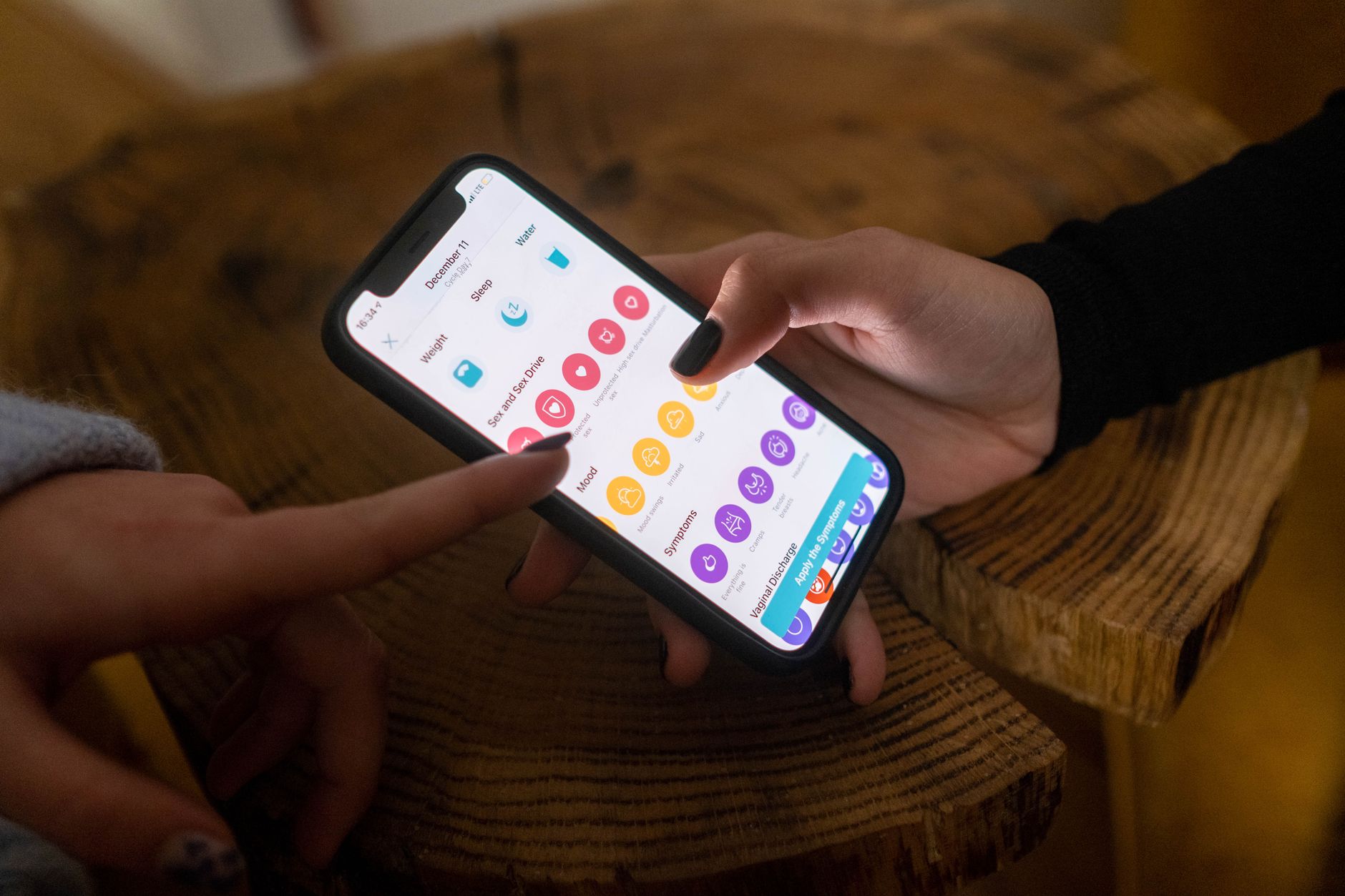
**Pro tip:** Track your intake for a few days using a free app like MyFitnessPal or Cronometer. Many women underestimate how much sodium hides in “healthy” foods like bread, yogurt, and even canned beans.
---
What are the side effects of a low sodium diet while pregnant?
Cutting back on sodium isn’t risky for most healthy pregnancies, but too little can backfire. Here’s what to watch for:
- Dizziness or lightheadedness — Sodium helps regulate blood volume. If levels drop too low (hypnatremia), you might feel faint, especially when standing up.
- Fatigue or headaches — Your body needs sodium to maintain proper hydration and energy. Some women report brain fog or fatigue if they’re not getting enough.
- Muscle cramps — Low sodium can disrupt electrolyte balance, leading to involuntary muscle twitches or cramps.
- Nausea or irritability — Extreme sodium restriction can mimic dehydration symptoms.
**When to worry:** If you experience severe dizziness, confusion, or swelling that doesn’t improve, contact your provider. These could signal a more serious issue like pregnancy-induced hypertension or gestational diabetes.
**Reassurance:** Most women adjust within a week or two. Start by reducing sodium gradually (e.g., swap processed meats for grilled chicken) rather than eliminating it all at once.
---
Low sodium diet benefits for high blood pressure in pregnancy
One of the biggest reasons doctors recommend a low sodium diet during pregnancy is to prevent or manage hypertension. High blood pressure during pregnancy increases the risk of:
- Preeclampsia (a dangerous condition with high blood pressure and organ damage)
- Gestational diabetes
- Premature birth
- Low birth weight in babies
Current evidence — including a 2024 study in Hypertension — shows that women who reduce sodium intake by 30–50% during pregnancy have a 20–30% lower risk of developing preeclampsia. The National Academies of Medicine also notes that a low sodium diet can improve endothelial function (the health of your blood vessels), which is critical during pregnancy.
**How it works:** Excess sodium causes your body to retain water, increasing blood volume and straining your heart. By keeping sodium in check, you help your cardiovascular system work more efficiently — a lifesaver as your blood volume naturally increases by up to 50% during pregnancy.
**Real talk:** You might not see immediate results, but consistency matters. One reader described it this way: *“I thought I’d feel better right away, but after three weeks of cutting back, my ankles weren’t as swollen, and my blood pressure readings were finally stable.”*
---
How to maintain a low sodium diet when eating out or traveling
Eating out or traveling can feel like a sodium minefield, but with a few smart strategies, you can stay on track without feeling deprived.
Use this quick checklist before ordering:
- Avoid: Bread baskets, fried foods, deli meats, soy sauce, and creamy sauces (like Alfredo).
- Ask for:
- Steamed or grilled dishes (no butter or salt)
- Plain rice or quinoa (no soy sauce)
- Fresh salads with olive oil and vinegar dressing
- Marinated proteins (ask for no added salt)
- Watch the seasoning: Tell your server, *“No salt, please — just herbs and spices.”* Many restaurants will accommodate this.
**Pro tip:** If you’re at a chain restaurant (like Chipotle or Panera), check their nutrition calculator online beforehand. For example, Chipotle’s bowl without cheese or sour cream has only 300 mg of sodium vs. 1,800 mg in a loaded burrito.
Traveling: Pack Smart
Airport snacks, hotel room minibars, and restaurant meals can derail even the best intentions. Here’s how to stay low-sodium on the go:
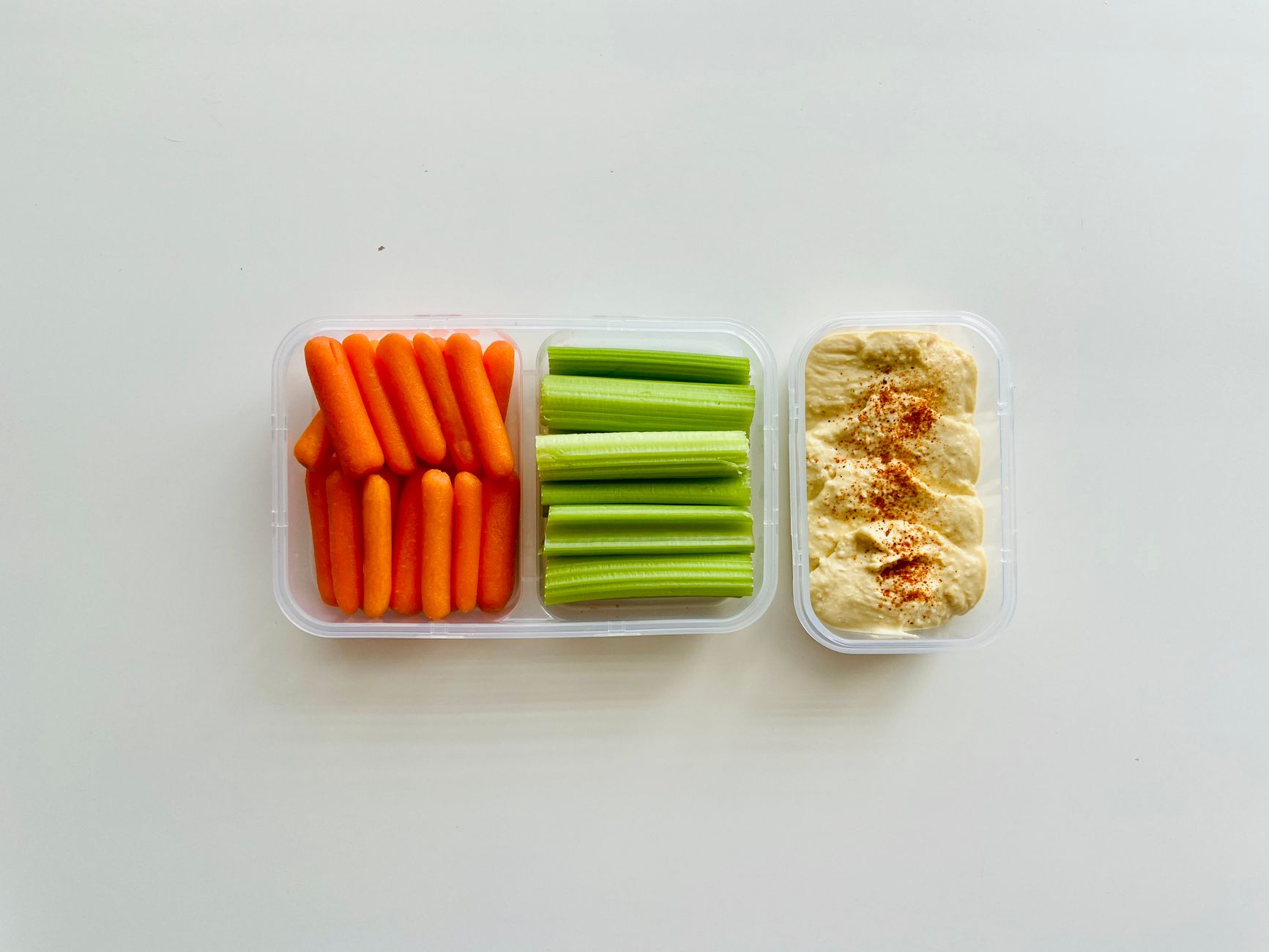
- Pack pre-portioned snacks like nuts, fresh fruit, or low-sodium jerky.
- Bring a small salt-free seasoning kit (garlic powder, black pepper, lemon zest).
- When ordering room service, request plain dishes and ask for sauces on the side.
- Hydrate with cucumber water or herbal tea (avoid bottled drinks with added sodium, like some sports drinks).
---
Low sodium diet vs. DASH diet: Which is better for pregnancy?
You’ve probably heard of the DASH diet (Dietary Approaches to Stop Hypertension), which is often recommended for heart health. But how does it compare to a low sodium diet specifically for pregnancy? Let’s break it down:
**The Verdict:** For pregnancy, a low sodium diet is a subset of the DASH diet. If you’re managing hypertension or preeclampsia, focus on the sodium restriction first. But if you’re looking for a broader approach to support your overall health (and your baby’s), the DASH diet or Blue Zones-inspired eating might be a better fit long-term.
**Example:** A DASH-friendly pregnancy meal might include grilled salmon with quinoa and roasted veggies (low sodium, high in omega-3s), while a low sodium meal could be plain baked chicken with steamed broccoli and olive oil (focused solely on sodium control).
---
Can a low sodium diet help with gestational diabetes?
Gestational diabetes affects about 7% of pregnancies and increases the risk of macrosomia (a very large baby) and cesarean deliveries. While a low sodium diet isn’t the first line of defense, it can complement other strategies for managing blood sugar and reducing complications.
**How it helps:
- Reduces insulin resistance — Excess sodium can worsen inflammation, which is linked to insulin resistance. Cutting back may help your body respond better to glucose.
- Supports healthy blood pressure — High blood pressure and gestational diabetes often go hand in hand. Controlling sodium helps manage both.
- Encourages mindful eating — A low sodium diet naturally steers you toward whole foods, which are lower in refined carbs and added sugars — key for blood sugar control.
**What to pair it with:** If you’re diagnosed with gestational diabetes, your provider will likely recommend:
- A low-glycemic diet (focus on complex carbs like sweet potatoes and quinoa)
- Regular blood sugar monitoring
- Exercise (like walking or swimming)
- Possible insulin or metformin if diet alone isn’t enough
**Warning:** Don’t rely solely on a low sodium diet to manage gestational diabetes. Always follow your provider’s full plan.
---
What foods should I avoid on a low sodium diet during pregnancy?
Processed foods are the biggest culprits, but even some “healthy” foods can sneak in sodium. Here’s a quick guide to what to limit or avoid:
High-Sodium Foods to Cut Back On
Safe Swaps
Replace high-sodium foods with these lower-sodium alternatives:
- Instead of deli meat → grilled chicken or turkey breast
- Instead of canned beans → dried beans (rinsed well)
- Instead of soy sauce → low-sodium soy sauce or coconut aminos
- Instead of frozen pizza → homemade pizza with fresh tomato sauce
- Instead of salted nuts → plain almonds or cashews
**Pro tip:** If you love canned foods, opt for low-sodium or no-salt-added versions (like canned tomatoes or beans). Rinse canned beans thoroughly to remove up to 40% of the sodium.
---
How to read nutrition labels for sodium content during pregnancy
Nutrition labels can feel like a foreign language, but mastering them is your secret weapon for a low sodium diet. Here’s how to decode them:
Step-by-Step Label Checklist
- Check the % Daily Value (%DV)
- 5% DV or less = Low sodium
- 20% DV or more = High sodium
- Look for “sodium-free,” “very low sodium,” or “no salt added” on the label.
- Compare similar products — for example, a 1-oz slice of cheese may have 200 mg of sodium, while a 1-oz slice of low-sodium cheese has 50 mg.
- Watch for hidden sodium in ingredients like:
- Sodium citrate
- Monosodium glutamate (MSG)
- Baking soda (sodium bicarbonate)
- Disodium phosphate
- Calculate your daily total — add up sodium from all meals and snacks to stay under your limit.
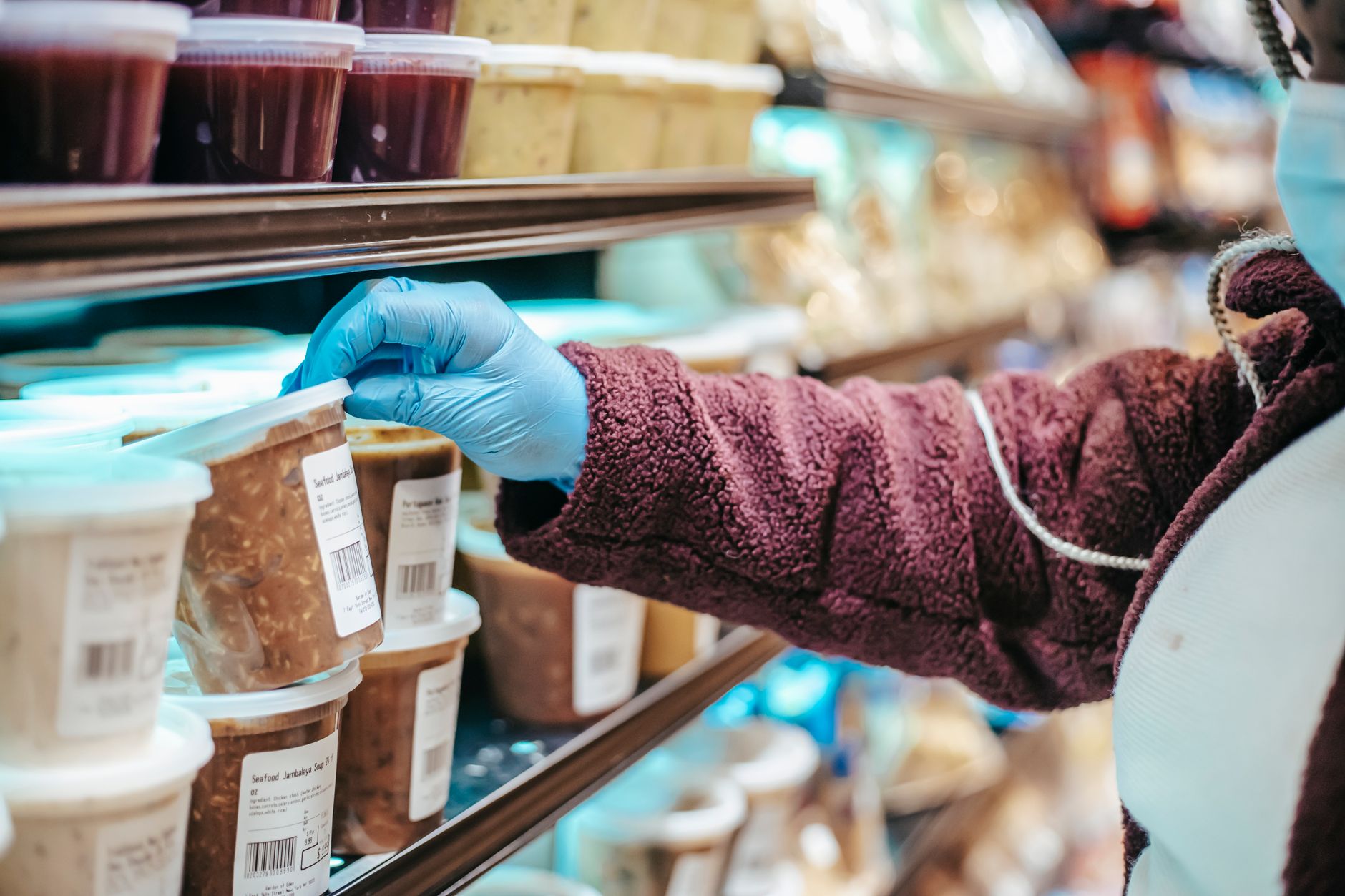
**Example:** If you’re having a salad with canned tuna, check both the tuna label (250 mg sodium per 3 oz) and the dressing (300 mg per serving). That’s already 550 mg — almost a third of your daily limit before you add croutons or cheese!
---
Low sodium diet for heart health during pregnancy
Your heart works harder during pregnancy, pumping up to 50% more blood to support your growing baby. A low sodium diet helps your heart by:
- Reducing strain on blood vessels — Less sodium means less water retention, which lowers blood pressure.
- Preventing oxidative stress — High sodium can increase inflammation, which is linked to heart disease. Cutting back may protect your long-term cardiovascular health.
- Supporting healthy cholesterol levels — A diet rich in fruits, veggies, and lean proteins (and low in processed foods) helps maintain HDL (good cholesterol) and lowers LDL (bad cholesterol).
**What to eat for heart health:**
- Fatty fish (salmon, mackerel) — rich in omega-3s
- Leafy greens (spinach, kale) — high in magnesium and potassium
- Berries (blueberries, strawberries) — packed with antioxidants
- Nuts and seeds (almonds, chia seeds) — healthy fats and fiber
- Olive oil — instead of butter or margarine
**Avoid:** Trans fats (found in fried foods and some margarines) and excessive saturated fats (like fatty cuts of meat). These can raise LDL cholesterol, which is already higher during pregnancy.
**Fun fact:** The heart-healthy Mediterranean diet — which is naturally low in sodium — has been shown to reduce the risk of cardiovascular disease by 30% in non-pregnant women. While you can’t follow it religiously during pregnancy (due to fish mercury concerns), you can borrow its principles.
---
Low sodium diet for kidney function in pregnancy
Your kidneys filter 500 liters of blood per day during pregnancy — that’s enough to fill a bathtub! While most women’s kidneys handle this workload, those with chronic kidney disease (CKD) or gestational hypertension may need extra support. Here’s how a low sodium diet helps:
- Reduces kidney strain — Excess sodium forces kidneys to work harder to excrete it, which can worsen proteinuria (protein in urine) or high blood pressure.
- Slows progression of CKD — Studies show that low sodium diets can reduce albuminuria (protein leakage) by up to 40% in women with pre-existing kidney issues.
- Prevents edema (swelling) — Sodium retention causes fluid buildup, which can strain kidneys and lead to discomfort.
**What to do if you have kidney concerns:**
- Work with your provider to monitor creatinine and BUN levels (blood tests that assess kidney function).
- Avoid supplements with sodium (like some multivitamins or electrolyte drinks).
- Stay hydrated with water or herbal tea (unless your provider advises otherwise).
- Limit potassium-rich foods if you have advanced CKD (e.g., bananas, oranges, spinach), as these can also be hard for kidneys to process.
**When to see a nephrologist:** If you have a history of kidney disease or develop persistent swelling, high blood pressure, or protein in your urine, ask your OB/GYN for a referral to a kidney specialist.
---
Low sodium diet for weight management during pregnancy
Gaining the right amount of weight during pregnancy is crucial — too little can harm your baby’s development, while too much increases the risk of gestational diabetes and preeclampsia. A low sodium diet can support healthy weight gain by:
- Reducing water retention — Excess sodium causes bloating, making you feel heavier than you are.
- Encouraging whole foods — Fresh fruits, veggies, and lean proteins are naturally lower in sodium and higher in fiber, which keeps you full.
- Preventing cravings for salty snacks — When you’re not craving chips or pretzels, you’re less likely to overeat.
**How much weight should you gain?** The ACOG recommends:
- 25–35 lbs for women at a normal BMI
- 28–40 lbs for women underweight at conception
- 15–25 lbs for women overweight at conception
**Practical tips for weight management on a low sodium diet:**
- **Prioritize protein** — Helps maintain muscle mass and keeps you full. Try grilled shrimp, eggs, or lentils.
- **Fill half your plate with veggies** — They’re low in sodium and high in fiber.
- **Avoid liquid calories** — Skip sodas and sugary juices; opt for sparkling water with lemon.
- **Move daily** — Even a 20-minute walk helps regulate appetite and metabolism.
**Warning:** Don’t restrict calories aggressively. You need 300–500 extra calories per day during pregnancy. Focus on quality calories from nutrient-dense foods.
---
Low sodium diet for preventing preeclampsia
Preeclampsia affects 2–8% of pregnancies and is one of the leading causes of maternal and neonatal complications. While the exact cause is unknown, research suggests that excess sodium may contribute to blood vessel dysfunction, making preeclampsia more likely. Here’s how a low sodium diet can help:
- Reduces oxidative stress — High sodium increases reactive oxygen species, which damage blood vessels.
- Improves endothelial function — A 2025 study in Journal of Human Hypertension found that women who reduced sodium by 50% had better nitric oxide production (a molecule that keeps blood vessels relaxed).
- Lowers inflammation — Chronic inflammation is linked to preeclampsia. A low sodium diet may help reduce markers like CRP (C-reactive protein).
**Other strategies to prevent preeclampsia:**
- Take 400 mcg of folic acid daily (starting before conception if possible).
- Eat more calcium-rich foods (dairy, leafy greens, fortified plant milks).
- Limit caffeine to 200 mg/day (about 1–2 cups of coffee).
- Monitor your blood pressure at home if you’re at high risk.
**Red flags for preeclampsia:** If you experience sudden swelling in hands/face, severe headaches, vision changes, or abdominal pain after 20 weeks, contact your provider immediately.
---
Low sodium diet for postpartum recovery
After giving birth, your body needs to heal — and a low sodium diet can play a role in reducing swelling, managing blood pressure, and preventing complications like postpartum hypertension. Here’s how to adapt your diet postpartum:
- First 48 hours: Hydrate, not sodium — Focus on water, coconut water, and herbal teas to flush out excess fluids from labor.
- Week 1–2: Gradually reintroduce sodium — If you had preeclampsia or gestational hypertension, your provider may recommend continuing a low sodium diet for a few weeks postpartum.
- Long-term: Listen to your body — If you’re breastfeeding, you may need slightly more sodium to support milk production (but still aim for 1,500–2,000 mg/day).
**Postpartum-friendly low sodium meals:**
- Oatmeal with berries and almond butter (skip the salted nuts)
- Grilled chicken salad with olive oil dressing
- Steamed veggies with lemon and herbs
- Homemade bone broth (low sodium) with rice
**Warning:** If you’re breastfeeding, avoid extreme sodium restriction without guidance. Your milk production relies on proper hydration and electrolyte balance.
---
Low sodium diet for managing hypertension in pregnancy
Hypertension during pregnancy is not normal and requires careful management. If you’re diagnosed with gestational hypertension or preeclampsia, your provider may recommend a low sodium diet as part of your treatment plan. Here’s how it works:
- Reduces blood volume — Excess sodium causes your body to retain water, increasing blood pressure.
- Improves vascular function — A low sodium diet helps blood vessels relax, lowering resistance to blood flow.
- Complements medications — If you’re on methyldopa or labetalol, reducing sodium can enhance their effectiveness.
**What to expect:**
- Your blood pressure may drop gradually over 2–4 weeks.
- You might feel less swollen as excess fluid leaves your body.
- Your provider will monitor your urine output and kidney function to ensure sodium restriction isn’t causing dehydration.
**When to see your provider immediately:**
- Blood pressure above 160/110 mmHg
- Severe headaches or vision changes
- Abdominal pain or nausea/vomiting
- Sudden swelling in hands/face
---
Low sodium diet for reducing swelling in pregnancy
Swelling (edema) is common in pregnancy, especially in the hands, feet, and ankles. While it’s usually harmless, excessive swelling can be uncomfortable and may signal pregnancy-induced hypertension. A low sodium diet can help reduce swelling by:
- Reducing fluid retention — Sodium causes your body to hold onto water, leading to bloating.
- Improving circulation — Less sodium means less strain on your blood vessels, which can help fluid move more freely.
- Supporting kidney function — Healthy kidneys filter excess fluid more efficiently.
**Other tips to reduce swelling:**
- Elevate your feet for 15–20 minutes daily.
- Wear supportive, loose-fitting socks.
- Stay hydrated with water or coconut water (dehydration can worsen swelling).
- Avoid standing for long periods.
- Try gentle compression stockings (check with your provider first).
**When swelling is a red flag:** If swelling occurs suddenly, is painful, or is accompanied by high blood pressure, contact your provider right away.
---
Low sodium diet for improving blood pressure control
Blood pressure control is critical during pregnancy, as even mild hypertension can increase the risk of complications. A low sodium diet is one of the simplest yet most effective ways to support healthy blood pressure. Here’s how it works:
- Reduces blood volume — Excess sodium causes your body to retain water, increasing pressure on your blood vessels.
- Improves endothelial function — A 2024 meta-analysis in Journal of Clinical Hypertension found that low sodium diets improve endothelial-dependent vasodilation (how well your blood vessels relax).
- Lowers inflammatory markers — Chronic inflammation is linked to higher blood pressure. Cutting sodium can reduce CRP (C-reactive protein) levels.
**Blood pressure goals during pregnancy:**
- Ideal: 120/80 mmHg or lower
- High normal: 120–129/80–84 mmHg
- Stage 1 hypertension: 130/80 mmHg or higher (requires medical management)
**How to track your blood pressure at home:**
- Use an automatic upper-arm cuff (more accurate than wrist monitors).
- Check in the morning and evening while sitting quietly.
- Keep a log and share it with your provider at appointments.
---
Myth vs. Fact: Low Sodium Diet in Pregnancy
Myth: “I don’t need to worry about sodium if I’m not salt-sensitive.”
Fact: Even if you’re not salt-sensitive, excess sodium can strain your cardiovascular system during pregnancy. Your blood volume naturally increases, so reducing sodium helps manage the load on your heart and kidneys.
Myth: “A low sodium diet will make me feel tired or weak.”
Fact: Fatigue can occur if you’re not eating enough calories or nutrients, not just sodium. A balanced low sodium diet with plenty of protein, healthy fats, and complex carbs should keep you energized. If you’re feeling weak, check your iron and vitamin B12 levels.
Myth: “I can just cut out salt entirely and I’ll be fine.”
Fact: Sodium is an essential electrolyte your body needs for nerve function, muscle contractions, and hydration. Cutting it out completely can lead to dizziness, muscle cramps, or even fainting. The goal is moderation — aim for 1,500–1,800 mg/day.
Myth: “Processed foods




