

Quick take: A cardiac heart healthy diet focuses on whole foods like vegetables, lean proteins, whole grains, and healthy fats to lower blood pressure, improve cholesterol, and reduce inflammation. It can benefit high blood pressure, heart disease, and even pregnancy—but it’s not a one-size-fits-all plan. Some women report digestive changes or nutrient imbalances when transitioning, especially if they skip meals or over-restrict. Always check with your doctor before starting, especially if you’re pregnant, postpartum, or on medication.Cardiac Heart Healthy Diet Benefits and Side Effects: The Complete 2026 Guide
It was 3 a.m. when the alarm on my phone blared—not the usual morning wake-up, but the one I’d set for myself after another Google search marathon. I’d just read that high sodium intake could spike my blood pressure, and suddenly, my pantry looked like a crime scene: bags of chips, frozen meals with "low-fat" labels that still had 400mg of sodium per serving, and a jar of pickles I’d been eyeing for days. What if I’d been eating this way for years? What if I’d missed the signs? I grabbed a notepad and scribbled down every question I’d ever had about heart-healthy eating—until my fingers cramped from typing too fast. The next morning, I realized I wasn’t alone. Millions of women, like the one who messaged me last week after her cardiologist mentioned a "cardiac diet," are searching for the same answers: How do I actually eat for my heart? What are the real benefits? And what happens if I mess up?
The good news? A cardiac heart healthy diet isn’t about deprivation or complicated rules. It’s about swapping processed foods for whole ones, prioritizing nutrients that protect your arteries, and making small changes that add up over time. But like any major dietary shift, it comes with questions—especially for women navigating pregnancy, postpartum recovery, or chronic conditions like hypertension or heart failure. This guide breaks down everything you need to know, from the science-backed benefits to the side effects you might not expect, and how to tailor the diet to your unique needs.
Before we dive in: This is informational guidance only. If you have heart disease, high blood pressure, or are pregnant or postpartum, consult your healthcare provider before making major dietary changes. Always check with your doctor or a registered dietitian about medication interactions or personalized needs.
--- ## **The Nutrient Breakdown: What Makes a Diet "Cardiac Heart Healthy"?**A cardiac heart healthy diet isn’t a fad—it’s built on decades of research from organizations like the American Heart Association (AHA) and the Mayo Clinic. At its core, it’s rich in:
- Fiber-rich foods (vegetables, fruits, whole grains, legumes): Slows digestion to stabilize blood sugar and cholesterol.
- Healthy fats (avocados, nuts, seeds, olive oil, fatty fish): Reduces LDL ("bad") cholesterol and inflammation.
- Lean proteins (chicken, turkey, fish, tofu, beans): Supports heart muscle without clogging arteries.
- Potassium-rich foods (sweet potatoes, spinach, bananas, avocados): Counters sodium’s effects on blood pressure.
- Magnesium and omega-3s (flaxseeds, chia seeds, salmon, walnuts): Lowers triglycerides and reduces artery stiffness.
The diet also limits:
- Saturated fats (fatty cuts of meat, full-fat dairy, butter)
- Trans fats (fried foods, baked goods, margarine)
- Added sugars (soda, candy, processed snacks)
- Excessive sodium (processed meals, deli meats, canned soups)
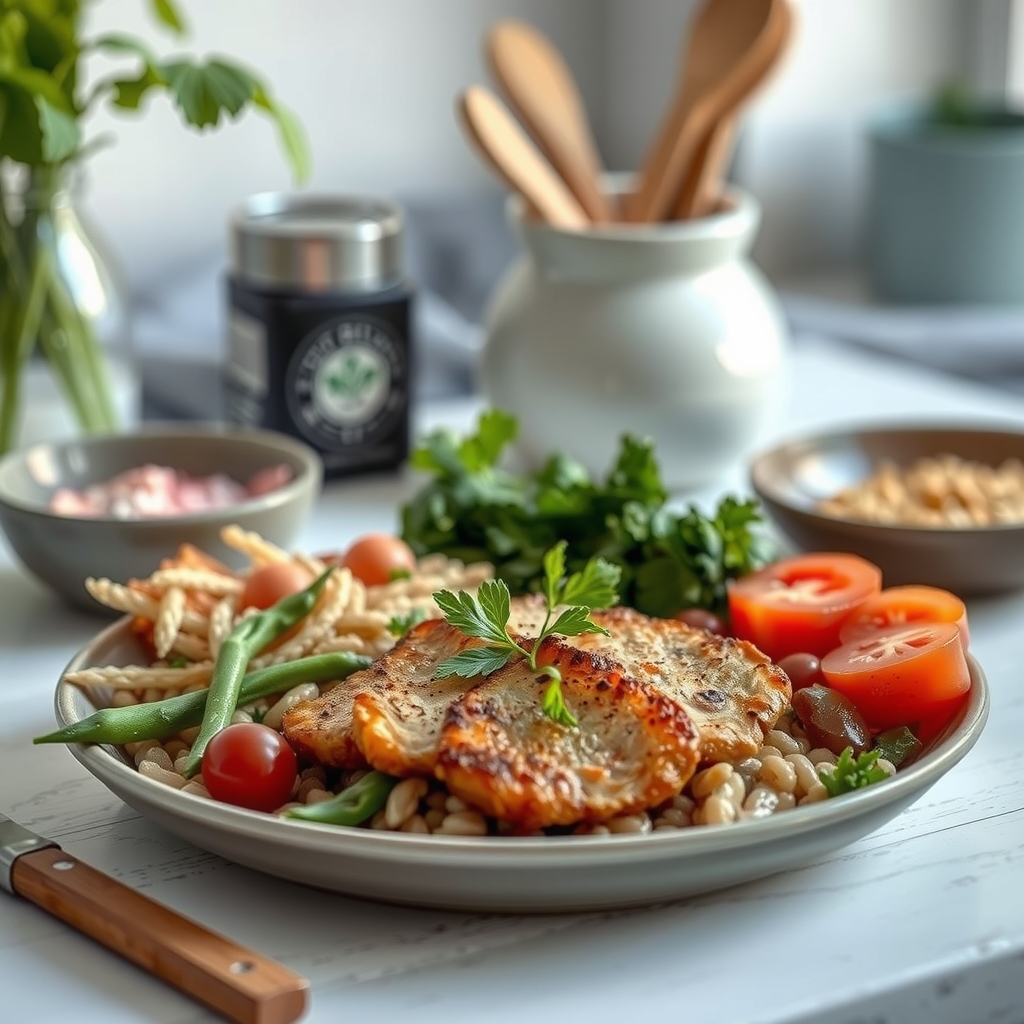
Why does this matter? Think of your heart like a garden. Too much salt is like pouring bleach on the soil—it kills the good bacteria (healthy cells) and leaves your system vulnerable. Too much saturated fat is like planting weeds—it clogs the pathways (arteries) and makes it harder for nutrients to flow. A cardiac diet is the compost: it feeds your heart the right nutrients to thrive.
Many women tell us they feel overwhelmed when they hear "low-sodium" or "no trans fats." The key is substitution. Swap a bag of chips for roasted chickpeas. Replace butter with olive oil. These small swaps add up—one study in the Journal of the American Heart Association found that women who followed a cardiac diet reduced their risk of heart disease by 30% over five years.
--- ## **Cardiac Heart Healthy Diet Benefits for High Blood Pressure**If you’ve ever had a doctor’s appointment where your blood pressure reading made you flinch—"140/90? Really?"—you know how much this number matters. High blood pressure, or hypertension, is called the "silent killer" for a reason: it often has no symptoms but damages arteries over time. A cardiac heart healthy diet is one of the most effective ways to lower it naturally.
How does it work?
- Potassium helps balance sodium’s effects on blood vessels, making them relax.
- Magnesium supports healthy blood flow and reduces artery stiffness.
- Fiber binds to cholesterol in the gut, preventing it from entering your bloodstream.
- Nitric oxide-rich foods (beets, garlic, leafy greens) dilate blood vessels, lowering resistance.
A reader named Priya shared: "I was skeptical at first—I love my salt. But after two weeks of swapping out my morning coffee with a beetroot smoothie and adding a handful of spinach to my omelets, my blood pressure dropped from 148/92 to 128/84. My cardiologist was shocked. I felt like I’d won a prize I didn’t even know I was playing for."
What to expect:
- Noticeable improvements in 2–4 weeks (blood pressure, energy levels).
- Further benefits after 3–6 months (cholesterol, inflammation markers).
- Possible side effects in the first week (bloating, gas)—your gut is adjusting to more fiber.
Pro tip: Pair this diet with regular exercise (even a 30-minute walk daily) to amplify the effects. The AHA recommends combining diet, exercise, and stress management for the best results.
--- ## **Cardiac Heart Healthy Diet Side Effects During Pregnancy**Pregnancy is a time when your heart works harder than ever—pumping an extra 40–50% more blood to support your growing baby. For women with pre-existing heart conditions or gestational hypertension, a cardiac diet can be a game-changer. But what about the side effects? Let’s break it down.
Potential benefits:
- Reduces risk of gestational hypertension and preeclampsia.
- Supports healthy weight gain without excess strain on the heart.
- Provides key nutrients (folate, omega-3s) for fetal brain development.
Possible side effects or challenges:
- Nausea or aversions: Morning sickness can make it hard to eat leafy greens or fatty fish. Try smoothies or small, frequent meals.
- Iron deficiency risk: If you’re not eating enough iron-rich foods (lentils, spinach, lean beef), you might feel fatigued. Pair iron with vitamin C (bell peppers, citrus) to boost absorption.
- Omega-3 sensitivity: Some women experience digestive upset from fish oil supplements. Opt for small portions of fatty fish (salmon, sardines) instead.
- Sodium cravings: Pregnancy hormones can make you crave salty foods. Use herbs, lemon, or a sprinkle of Parmesan instead of adding salt.

What to do:
- Work with a pregnancy dietitian to tailor your plan. The NHS recommends an extra 200–300 calories daily during pregnancy, but the focus should be on nutrient density.
- If you have heart disease, your doctor may adjust your medication (like blood thinners) during pregnancy—always check before making changes.
- Listen to your body. If you’re exhausted, prioritize calorie-dense foods (avocados, nuts, olive oil) to avoid fatigue.
Note from a postpartum mom: "I had gestational hypertension, and my doctor put me on a cardiac diet during pregnancy. After my baby was born, I kept it up—it helped me recover faster and feel less bloated. The hardest part was resisting my husband’s ‘just eat a slice of pizza’ offers, but I told myself, ‘This is for my heart—and my sanity.’"
--- ## **How Does a Cardiac Heart Healthy Diet Affect Cholesterol Levels?**Cholesterol is like a double-edged sword: your body needs it to build cells and hormones, but too much of the "bad" kind (LDL) can coat your arteries like plaque, restricting blood flow. A cardiac diet targets this imbalance by:
- Reducing LDL: Soluble fiber (oats, apples, beans) binds to cholesterol in your gut and removes it before it enters your bloodstream.
- Increasing HDL ("good" cholesterol): Healthy fats (olive oil, nuts, fatty fish) help HDL ferry LDL away from arteries.
- Lowering triglycerides: Omega-3s (found in flaxseeds, walnuts, and salmon) reduce fat storage in the liver and improve insulin sensitivity.
What to expect:
- LDL drops within 2–3 weeks.
- HDL may take 6–8 weeks to rise.
- Triglycerides can improve in as little as 4 weeks.
Real-world results: A study in the Journal of the American Medical Association found that women who followed a cardiac diet for 8 weeks saw an average 10% reduction in LDL and a 7% increase in HDL. One reader, Sarah, shared: "I had high cholesterol since my 20s, and my doctor told me I’d likely need statins. After six months of this diet, my LDL dropped from 180 to 130—no meds needed. I still take them for my blood pressure, but my heart feels lighter."
Pro tip: Avoid trans fats like the plague—they actively raise LDL and lower HDL. Check labels for "partially hydrogenated oils," even in "low-fat" foods.
--- ## **Cardiac Heart Healthy Diet vs. Mediterranean Diet: Benefits Compared**If you’ve ever scrolled through diet comparisons, you’ve probably seen the Mediterranean diet ranked as the #1 heart-healthy plan. So where does the cardiac heart healthy diet stand? The short answer: they’re very similar, but with key differences. Here’s how they compare:
| Feature | Cardiac Heart Healthy Diet | Mediterranean Diet |
|---|---|---|
| Primary focus | Lowering blood pressure, cholesterol, and sodium intake | Overall heart health, longevity, and reducing chronic disease risk |
| Sodium limit | Strict (<2,300mg/day, ideally <1,500mg for high BP) | Moderate (focus on whole foods, less processed) |
| Protein sources | Lean proteins (chicken, fish, beans), limited red meat | Fish, poultry, dairy, eggs, and occasional red meat |
| Healthy fats | Olive oil, nuts, seeds, fatty fish | Olive oil, nuts, seeds, fatty fish, and moderate butter |
| Alcohol | Avoid or limit (can raise blood pressure) | Moderate red wine (1 glass/day) encouraged |
| Evidence base | Strong for hypertension and cholesterol | Strong for overall cardiovascular and longevity benefits |
Which one should you choose?
- If you have high blood pressure or high cholesterol, the cardiac diet’s sodium focus may be more effective initially.
- If you want a long-term lifestyle plan with broader health benefits (brain health, diabetes prevention), the Mediterranean diet is ideal.
- You can combine elements of both! Use the cardiac diet’s sodium guidelines but adopt the Mediterranean’s emphasis on olive oil and fish.
A reader named Maria wrote: "I tried the Mediterranean diet first, but my blood pressure was still creeping up. My doctor suggested adding the cardiac diet’s sodium rules, and within a month, my numbers stabilized. Now I eat mostly Mediterranean but watch my salt intake—it’s a happy middle ground."
Key takeaway: Think of the cardiac diet as the "intensive care" version of heart health, while the Mediterranean diet is the "recovery plan." Both are excellent—it’s about your personal needs.
--- ## **Cardiac Heart Healthy Diet for Postpartum Recovery**Giving birth is one of the most physically demanding events your body will ever experience. Your heart works overtime during pregnancy, and postpartum recovery can be slower if your cardiovascular system isn’t supported. A cardiac diet can help by:
- Reducing inflammation: Postpartum inflammation can linger if your diet is high in processed foods. Antioxidant-rich foods (berries, leafy greens) help fight this.
- Supporting energy levels: Iron and B vitamins (from lean meats, lentils, and whole grains) combat postpartum fatigue.
- Promoting healthy weight loss: Without adding strain to your heart, gradual weight loss reduces risk of gestational diabetes and hypertension.
- Preventing blood clots: Staying hydrated and eating omega-3s supports circulation.
Postpartum-specific tips:
- Prioritize iron-rich foods (spinach, lentils, beef) if you had heavy bleeding during delivery.
- Include probiotics (yogurt, kefir, sauerkraut) to support gut health after antibiotics or delivery.
- Avoid excessive caffeine (it can dehydrate you and raise blood pressure).
- If you’re breastfeeding, ensure you’re eating enough calories—your body needs 300–500 extra daily.

From a new mom: "I had a C-section, and my doctor warned me about blood clots. I switched to this diet within a week of giving birth, and I felt so much better—less bloated, more energy, and no more headaches. I also started walking with my baby in a carrier, and it made a huge difference."
Warning: If you had gestational diabetes or pre-eclampsia, your doctor may recommend monitoring your blood sugar and blood pressure closely as you transition back to this diet.
--- ## **Cardiac Heart Healthy Diet and Medication Interactions**If you’re taking medication for heart disease, high blood pressure, or cholesterol, your diet can either enhance or interfere with how those drugs work. Here’s what you need to know:
- Blood pressure medications (ACE inhibitors, beta-blockers, diuretics):
- Potassium-rich foods (bananas, sweet potatoes) can enhance their effects—but if you’re on potassium-sparing diuretics, monitor your levels closely.
- Avoid licorice root (found in some teas) or nonsteroidal anti-inflammatory drugs (NSAIDs) like ibuprofen—they can reduce blood pressure meds’ effectiveness.
Cholesterol medications (statins, bile acid sequestrants):
- Grapefruit blocks enzymes that break down statins, potentially raising drug levels in your blood. Avoid grapefruit juice and even grapefruit-based products.
- Fiber can interfere with bile acid sequestrants (like cholestyramine), reducing their absorption. Take them 2 hours before or after meals.
- Vitamin K (leafy greens, broccoli, Brussels sprouts) affects warfarin. Keep your intake consistent—don’t suddenly add or remove these foods.
- NSAIDs like ibuprofen can increase bleeding risk when combined with aspirin.
- Excessive potassium (from supplements or foods) can cause dangerous heart rhythms if you’re on a potassium-sparing diuretic.
- Stay hydrated but avoid alcohol—it dehydrates you and worsens side effects like dizziness.
- Always check with your pharmacist or doctor before making dietary changes if you’re on medication.
- Keep a food and symptom journal to track how your diet affects your medications.
- If you’re pregnant or postpartum, never stop or start medications without consulting your provider.
- Reducing fluid retention: Limiting sodium (<1,500–2,000mg/day) and avoiding processed foods.
- Supporting heart muscle function: Magnesium, potassium, and omega-3s.
- Avoiding excess calories: Extra weight strains the heart. Focus on nutrient-dense, low-calorie foods.
- Preventing malnutrition: Heart failure patients often lose weight due to poor appetite. Prioritize high-protein, high-calorie foods like nuts, olive oil, and avocados.
- Lean proteins (chicken, turkey, fish, tofu)
- Whole grains (brown rice, quinoa, oats)
- Low-sodium vegetables (zucchini, carrots, cabbage)
- Healthy fats (olive oil, nuts, seeds)
- Processed meats (bacon, sausage, deli meats)
- Canned soups and sauces (high in sodium)
- Full-fat dairy
- Added sugars (soda, candy, pastries)
- Breakfast: Scrambled eggs with spinach (no salt added) + whole-grain toast with avocado.
- Lunch: Grilled chicken salad with olive oil dressing, mixed greens, and cherry tomatoes.
- Dinner: Baked salmon with roasted carrots and quinoa.
- Snacks: Sliced apple with almond butter, or a small handful of walnuts.
- Weigh yourself daily—sudden weight gain (2+ pounds in a day) can signal fluid retention.
- Use herbs and spices (garlic, basil, oregano) instead of salt to flavor food.
- If you’re on a low-sodium diet, avoid salt substitutes containing potassium—unless your doctor approves.
- Work with a dietitian specializing in heart failure to create a personalized plan.
- Hydration is critical—aim for at least 8 cups of water daily.
- Avoid raw or undercooked fish (like sushi) due to listeria risk.
- Limit caffeine to <100mg/day (about one cup of coffee).
- If you’re vegetarian or vegan, work with a dietitian to ensure you’re getting enough B12, iron, and omega-3s.
- 30% lower risk of heart disease in women who follow a cardiac diet for 5+ years (per a 2023 study in the Journal of the American Heart Association).
- Reduces risk of coronary artery disease by improving endothelial function (the lining of your blood vessels).
- Slows progression of atherosclerosis (plaque buildup in arteries) by lowering LDL cholesterol.
- Lowers risk of stroke by reducing blood pressure and improving circulation.
- May reduce inflammation linked to conditions like rheumatoid arthritis and metabolic syndrome.
- Omega-3s reduce triglycerides and platelet aggregation (clotting).
- Fiber binds to bile acids, forcing the liver to use cholesterol to make more bile—lowering LDL.
- Antioxidants (found in berries, dark leafy greens) neutralize free radicals that damage artery walls.
- Magnesium relaxes blood vessels and supports healthy heart rhythms.
- Digestive changes:
- Bloating or gas (especially if increasing fiber too quickly). Solution: Gradually add fiber-rich foods and drink plenty of water.
- Constipation (from reduced processed foods). Solution: Eat prunes, chia seeds, or flaxseeds, and stay active.
Nutrient deficiencies:
- Iron (if avoiding red meat). Solution: Eat lentils, spinach, or fortified cereals.
- Calcium (if avoiding dairy). Solution: Choose fortified plant milks or leafy greens.
- Vitamin B12 (if vegetarian/vegan). Solution: Take a supplement or eat fortified foods.
What to do:
From a reader managing hypertension: "I was on lisinopril for my blood pressure, and I started adding spinach to my smoothies. My doctor told me to be careful—too much potassium could be dangerous. I had to learn to balance it: more spinach some days, less on others. It’s a learning process, but it’s worth it to feel better."
--- ## **Cardiac Heart Healthy Diet for Heart Failure Patients**Heart failure doesn’t mean your heart has stopped—it means your heart isn’t pumping blood efficiently. For patients with this condition, diet becomes a critical part of managing symptoms like fatigue, swelling, and shortness of breath. A cardiac diet for heart failure focuses on:
Foods to enjoy:
Foods to limit or avoid:
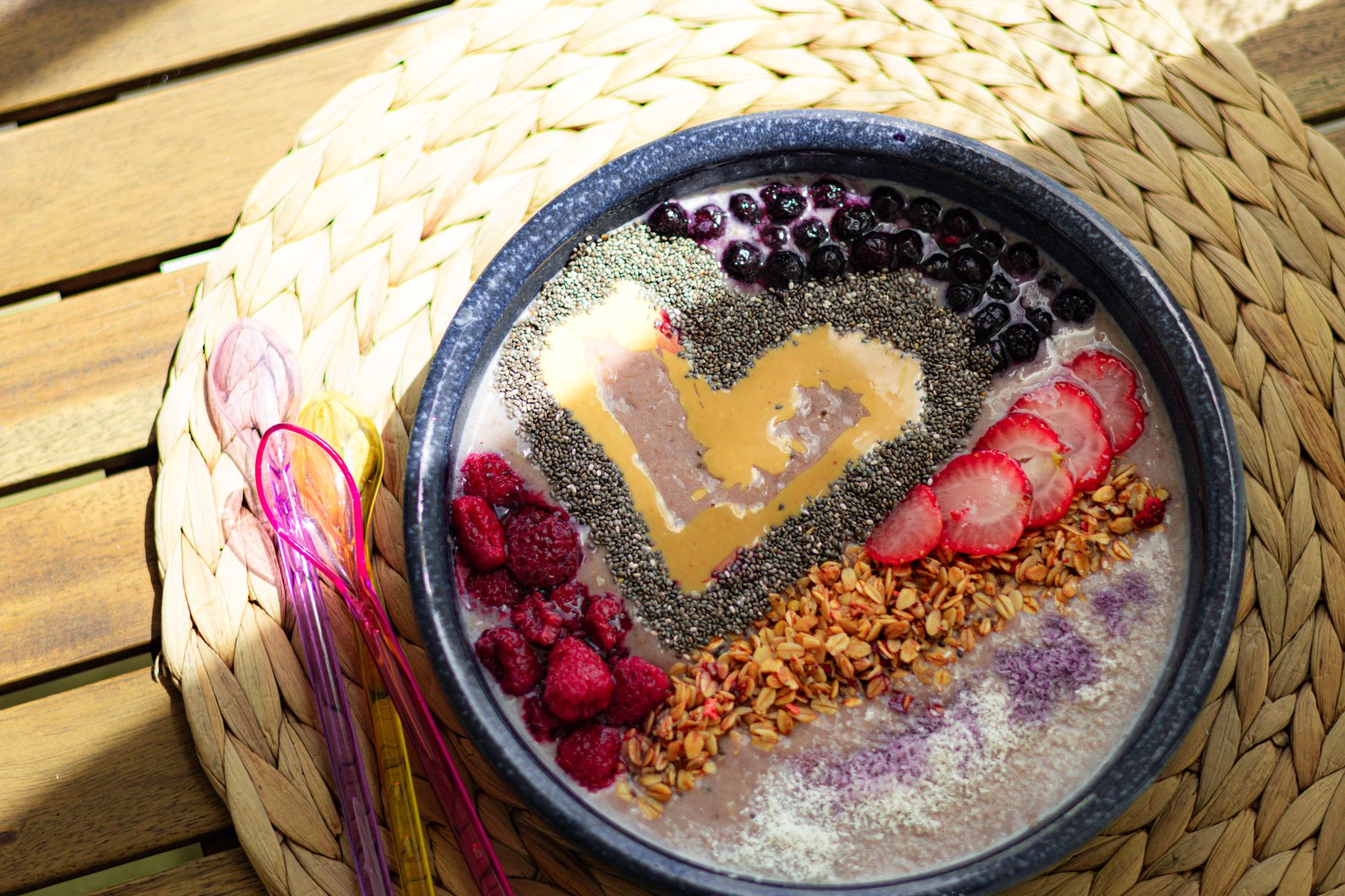
Sample meal plan for heart failure:
Key tips:
Pregnancy is a time when your body needs extra nutrients, but it’s also a time when dietary changes can feel overwhelming. Below is a 7-day meal plan designed to support heart health while meeting the needs of a growing baby. Always check with your doctor before making changes, especially if you have pre-existing heart conditions.
| Day | Breakfast | Lunch | Dinner | Snacks |
|---|---|---|---|---|
| Day 1 | Greek yogurt with chia seeds, blueberries, and a drizzle of honey | Grilled chicken salad with spinach, cucumber, avocado, and olive oil dressing | Baked salmon with roasted sweet potatoes and steamed broccoli | Handful of almonds and an apple |
| Day 2 | Oatmeal with sliced banana, walnuts, and cinnamon | Quinoa bowl with black beans, corn, cherry tomatoes, and lime dressing | Turkey lettuce wraps with avocado, spinach, and a side of roasted carrots | Hummus with carrot and cucumber sticks |
| Day 3 | Scrambled eggs with sautéed spinach and whole-grain toast | Grilled shrimp salad with mixed greens, bell peppers, and olive oil | Lean beef stir-fry with brown rice, zucchini, and mushrooms | Cottage cheese with pineapple chunks |
| Day 4 | Smoothie with spinach, frozen mango, Greek yogurt, and flaxseeds | Lentil soup with a side of whole-grain bread and a small olive oil dressing | Baked cod with mashed cauliflower and roasted Brussels sprouts | Sliced pear with a handful of walnuts |
| Day 5 | Avocado toast on whole-grain bread with a poached egg | Chickpea salad with cucumber, red onion, and lemon-olive oil dressing | Grilled chicken with roasted butternut squash and sautéed kale | Edamame with sea salt (lightly) |
| Day 6 | Chia pudding with almond milk, berries, and sliced almonds | Tuna salad (with olive oil instead of mayo) on whole-grain crackers with celery | Stuffed bell peppers with lean ground turkey, quinoa, and tomatoes | Greek yogurt with a drizzle of honey |
| Day 7 | Whole-grain pancakes with almond butter and sliced strawberries | Quinoa salad with roasted vegetables, feta (in moderation), and olive oil | Grilled salmon with a side of mashed sweet potatoes and steamed green beans | Trail mix with nuts, seeds, and dried fruit (no added sugar) |
Key notes for pregnant women:
For more meal ideas, check out our 7-Day Cardiac Heart Healthy Meal Plan—it’s packed with recipes tailored for all stages of life!
--- ## **Cardiac Diet Benefits for Heart Disease: What the Science Says**Heart disease is the leading cause of death for women worldwide, yet many women don’t realize how much diet can impact their risk. The American Heart Association has extensively studied the effects of cardiac diets, and the results are clear:
How does it work at a cellular level?
From a cardiac rehab patient: "I had a heart attack at 48, and my cardiologist put me on this diet. I was skeptical—I loved my cheeseburgers and fries. But after three months, my cholesterol dropped, my energy returned, and I even lost 15 pounds. It’s not about perfection—it’s about progress."
--- ## **Cardiac Diet Side Effects List: What to Watch For**While a cardiac diet is generally safe and beneficial, like any major dietary change, it can come with side effects—especially when transitioning. Here’s what to expect and how to manage it:


