Quick take: A 7-day cardiac heart-healthy diet meal plan focuses on whole foods like fatty fish, leafy greens, nuts, and olive oil while minimizing processed foods, trans fats, and excess sodium. Think of it as a reset: one reader described switching to this plan as "finally giving my heart the love it needed after years of takeout and stress." Start with small swaps—like swapping white rice for quinoa—and build from there. This plan prioritizes 25–35% healthy fats, 45–65% complex carbs, and 10–30% lean protein, with a sodium cap of <1,500mg/day for hypertension. Below is a sample 7-day menu with recipes, budget tips, and adjustments for diabetes, hypertension, and post-MI recovery.
What is a 7-day cardiac heart healthy diet meal plan for beginners?
You’re scrolling through your phone at 2am, heart pounding not from panic but from the sheer overload of conflicting advice: "Eat more fish!" "Cut out all carbs!" "But what about my blood pressure?" You’ve tried keto, DASH, and Mediterranean—each promising heart health—but none have stuck. The truth? A cardiac heart-healthy diet isn’t about extremes; it’s about sustainable swaps that protect your heart long-term.
Imagine this: You’re at a dinner party with your mom, who’s just had a cardiac event. She’s staring at her plate of creamy pasta, wondering if she can still enjoy food without feeling guilty. That’s the reality for many people navigating heart health—they want a plan that’s practical, not punishing. The good news? Science-backed principles exist to guide you. The American Heart Association (AHA) and American College of Cardiology (ACC) recommend a diet rich in fiber, omega-3s, antioxidants, and unsaturated fats while limiting sodium, saturated fats, and added sugars. This isn’t about deprivation; it’s about nourishing your heart with foods that fight inflammation and improve circulation.
Below, we’ll break down the core principles of a cardiac diet, share a 7-day meal plan with beginner-friendly recipes, and show you how to adapt it for hypertension, diabetes, or post-MI recovery. You’ll also learn how to meal prep on a budget and track progress—because heart health isn’t just about what you eat; it’s about how you feel when you eat it.
Let’s start with the basics.
Why a 7-day plan?
A 7-day plan helps you test-drive habits without overwhelming yourself. Many readers tell us they prefer a week-long structure because it gives them a clear starting point and flexibility to adjust. For example, if you hate oatmeal but love chia pudding, swap it out—this is your heart’s diet, not a one-size-fits-all program.
Key principles to remember
- Prioritize whole foods: Think vegetables, fruits, whole grains, lean proteins, and healthy fats.
- Limit sodium: Aim for <1,500mg/day if you have hypertension; <2,300mg/day otherwise.
- Choose unsaturated fats: Olive oil, avocados, nuts, and fatty fish over butter or lard.
- Reduce saturated fats and trans fats: Found in fried foods, processed snacks, and fatty cuts of meat.
- Increase fiber: Soluble fiber (oats, beans, apples) helps lower LDL ("bad") cholesterol.
How to create a 7-day heart-healthy meal plan with low sodium and high potassium?
You’ve heard "low sodium" before—but what does that really mean? Picture this: You’re at the grocery store, staring at a can of soup. The label says "low sodium," but the first ingredient is sodium citrate. Frustrating, right? The key is to read labels like a detective and build meals from scratch whenever possible.
The AHA recommends no more than 1,500mg of sodium per day for people with hypertension or heart failure. That’s roughly ⅔ teaspoon of salt—about the size of your pinky fingernail. To hit this target, focus on:
- Fresh or frozen vegetables (skip canned unless labeled "no salt added").
- Herbs and spices (garlic, basil, turmeric) instead of salt.
- Potassium-rich foods: Bananas, sweet potatoes, spinach, and white beans help balance sodium.
- Avoid processed foods: Deli meats, frozen dinners, and canned soups are sodium traps.
For potassium, aim for 3,400mg/day. Many women don’t get enough—one reader shared she only ate bananas once a week until she realized how much her blood pressure had improved after adding a daily smoothie with spinach, banana, and almond milk.
Sample sodium swap
Pro tip: Use an app like MyFitnessPal to track sodium and potassium. Many grocery stores now label sodium content on produce—ask for it!
Hypertension is often called the "silent killer" because it can cause no symptoms until damage is done. One reader described her diagnosis as a "wake-up call" after her doctor mentioned she was "one step away from a heart attack" at age 45. She swapped her usual takeout for this plan—and her blood pressure dropped within three weeks.
This 7-day hypertension-friendly menu keeps sodium under <1,500mg/day while ensuring high potassium, magnesium, and fiber. Each day includes three meals and two snacks, with recipes below.
Day 1: The Reset
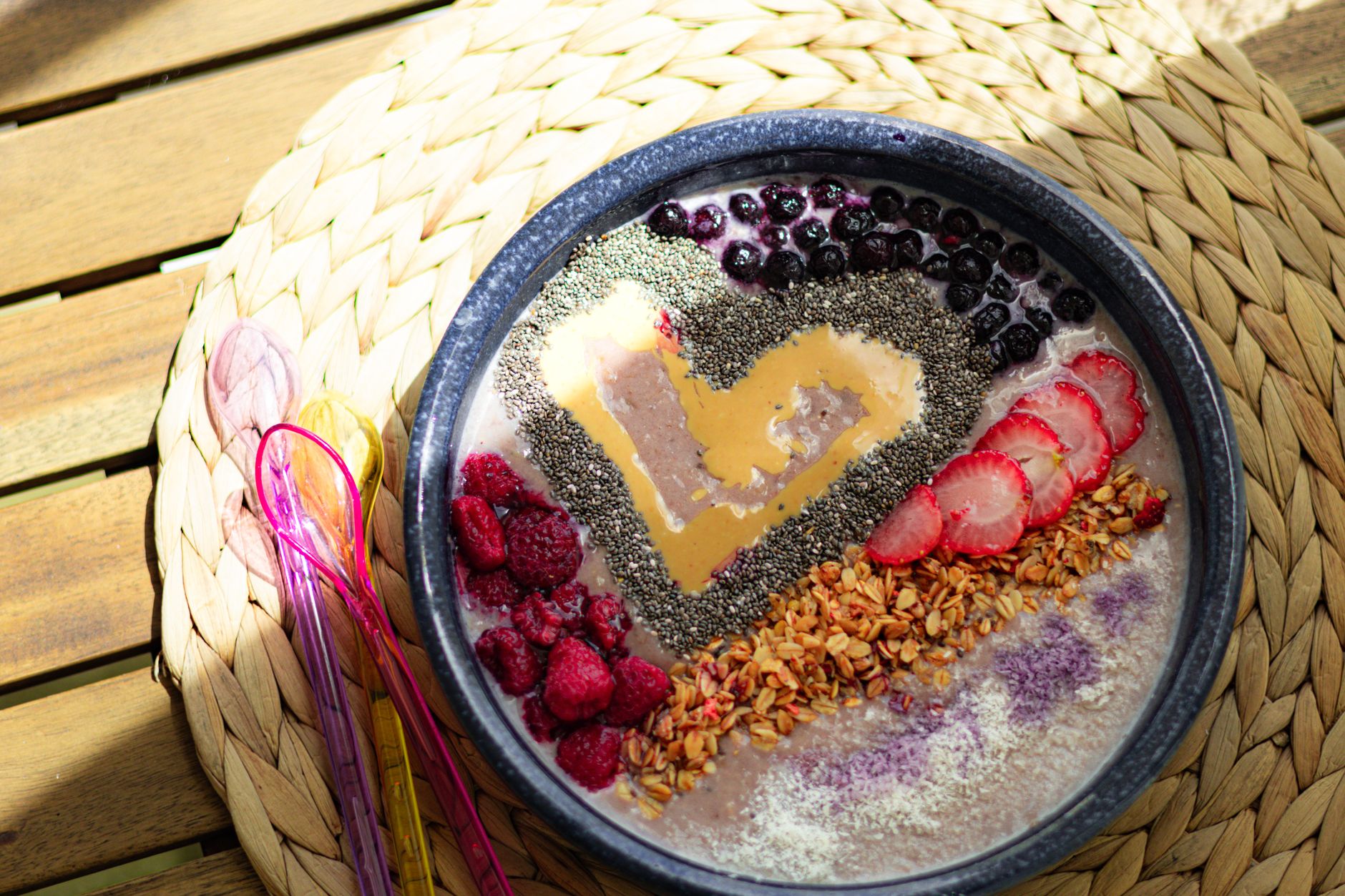
- Breakfast: Oatmeal with ½ cup blueberries, 1 tbsp chia seeds, and unsweetened almond milk (sodium: 5mg).
- Snack: 1 small apple with 1 tbsp almond butter (sodium: 10mg).
- Lunch: Grilled chicken salad with spinach, cherry tomatoes, cucumber, 1 oz feta (low-sodium), and 1 tbsp olive oil (sodium: 200mg).
- Snack: ½ cup cottage cheese (low-fat, low-sodium) with sliced peaches (sodium: 80mg).
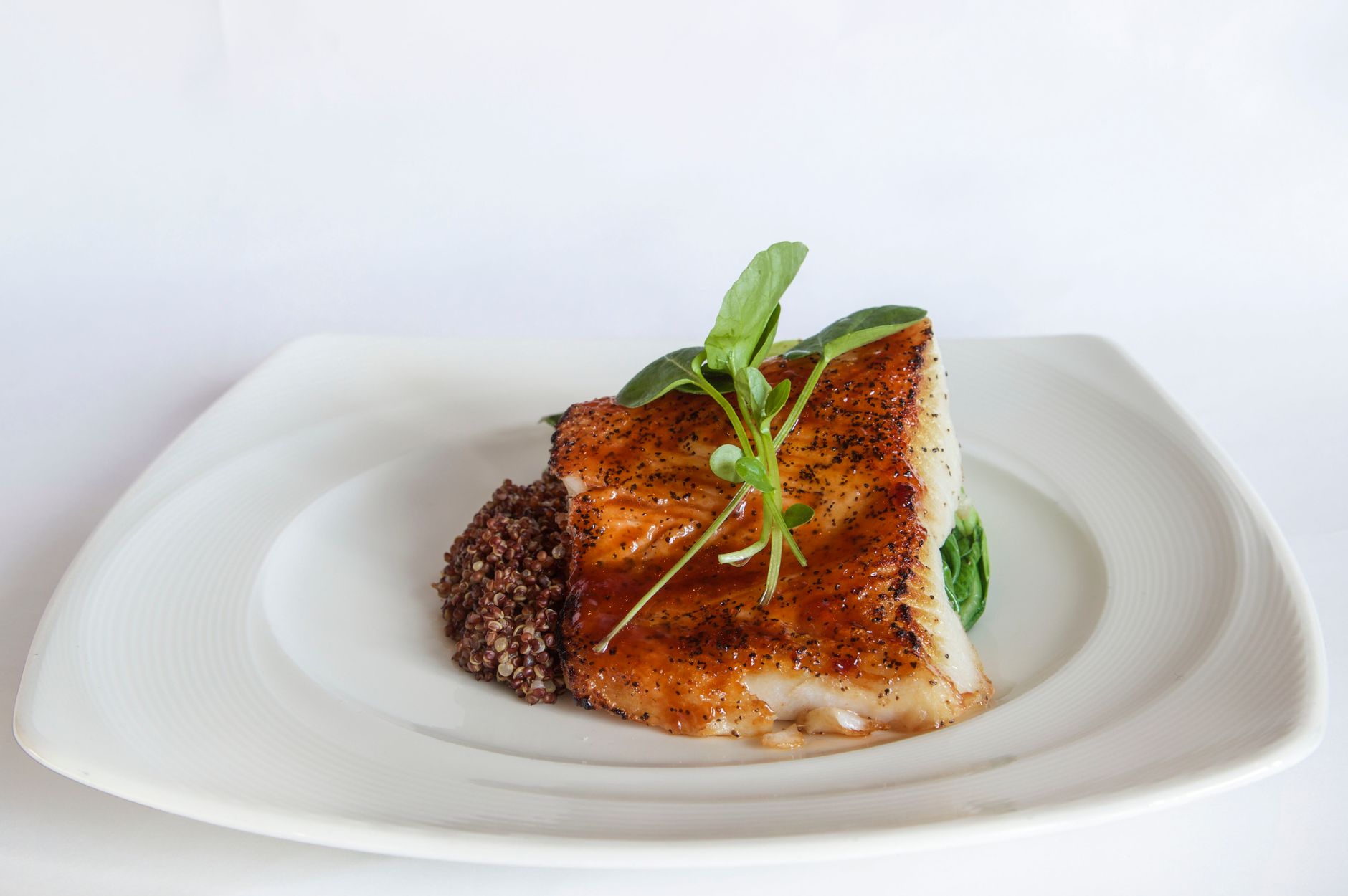
- Dinner: Baked salmon with roasted Brussels sprouts and quinoa (sodium: 120mg).
Day 2: The Mediterranean Twist
- Breakfast: Greek yogurt (unsweetened, low-sodium) with walnuts and honey (sodium: 100mg).
- Snack: 1 hard-boiled egg with celery sticks (sodium: 0mg).
- Lunch: Lentil soup with carrots, celery, and garlic (no added salt) (sodium: 150mg).
- Snack: 1 cup edamame (steamed, no salt) (sodium: 25mg).
- Dinner: Grilled shrimp skewers with zucchini noodles and pesto (homemade, no salt) (sodium: 80mg).
For full recipes and the remaining 5 days, see the 7-day meal plan table below.
The Best Foods to Include in a 7-Day Cardiac Heart Healthy Diet Plan
You’ve heard "eat the rainbow," but what does that actually mean for your heart? Let’s break it down by food group—because not all "healthy" foods are created equal.
1. Fatty Fish (2–3x/week)
Why? Rich in omega-3s (EPA and DHA), which reduce triglycerides and inflammation. The AHA recommends 250–500mg of combined EPA and DHA daily.
- Best choices: Wild salmon, sardines, mackerel, herring.
- Avoid: Farmed salmon (often higher in contaminants).
- How to cook: Bake, grill, or steam—avoid frying.
2. Leafy Greens (Daily)
Why? High in potassium, magnesium, and nitrates, which help dilate blood vessels and lower blood pressure.
- Best choices: Spinach, kale, Swiss chard, arugula.
- Pro tip: Add to smoothies or sauté with garlic and olive oil.
3. Whole Grains (3–6 servings/day)
Why? Soluble fiber lowers LDL cholesterol.
- Best choices: Oats, quinoa, brown rice, farro, whole-wheat pasta.
- Avoid: White bread, white rice, instant mashed potatoes.
How to Adjust a 7-Day Heart-Healthy Diet for Diabetes
If you have diabetes or prediabetes, your cardiac diet needs extra attention to carbohydrate quality and portion control. The American Diabetes Association (ADA) recommends a balanced approach: 40–50% carbs, 20–30% protein, and 25–35% fat, with a focus on low-glycemic foods.
Key adjustments:
- Swap refined carbs (white bread, sugary cereals) for whole grains and legumes.
- Pair carbs with protein/fat to slow digestion (e.g., apple + almond butter).
- Monitor portion sizes: Use the plate method (½ plate veggies, ¼ plate protein, ¼ plate carbs).
- Avoid added sugars: Check labels for high-fructose corn syrup, dextrose, or maltose.
Sample Adjustments to the 7-Day Plan
For more details, check out our 7-Day Gestational Diabetes Diet Meal Plan—many principles overlap!
7-Day Cardiac Diet Meal Plan for Post-Myocardial Infarction (MI) Recovery
After a heart attack, your doctor may recommend a strict cardiac rehab diet to reduce strain on your heart and prevent future events. The focus shifts to small, frequent meals with easy-to-digest proteins and healthy fats.
Key guidelines from the ACC/AHA:
- Small portions: 4–6 meals/day to avoid overeating.
- Limited saturated fat: <7% of daily calories.
- Increased omega-3s: <1–2 servings of fatty fish/week.
- Avoid alcohol: Can increase blood pressure and triglycerides.
Sample Post-MI Day 1
- Breakfast: Scrambled eggs (2 eggs) with sautéed spinach and 1 slice whole-grain toast.
- Snack: ½ cup cottage cheese with sliced peaches.
- Lunch: Grilled chicken salad with olive oil dressing (no salt).
- Snack: 1 small banana with 1 tbsp peanut butter.
- Dinner: Baked cod with roasted carrots and mashed cauliflower.
Note: Always consult your cardiac rehab team before making changes—some post-MI diets may require additional restrictions.
How to Meal Prep a 7-Day Heart-Healthy Diet on a Budget
Budget-friendly heart-healthy eating is totally possible—you just need a strategy. One reader shared she saved $150/week by buying dry beans, frozen veggies, and bulk oats instead of pre-packaged meals.
Here’s how:
1. Buy in Bulk
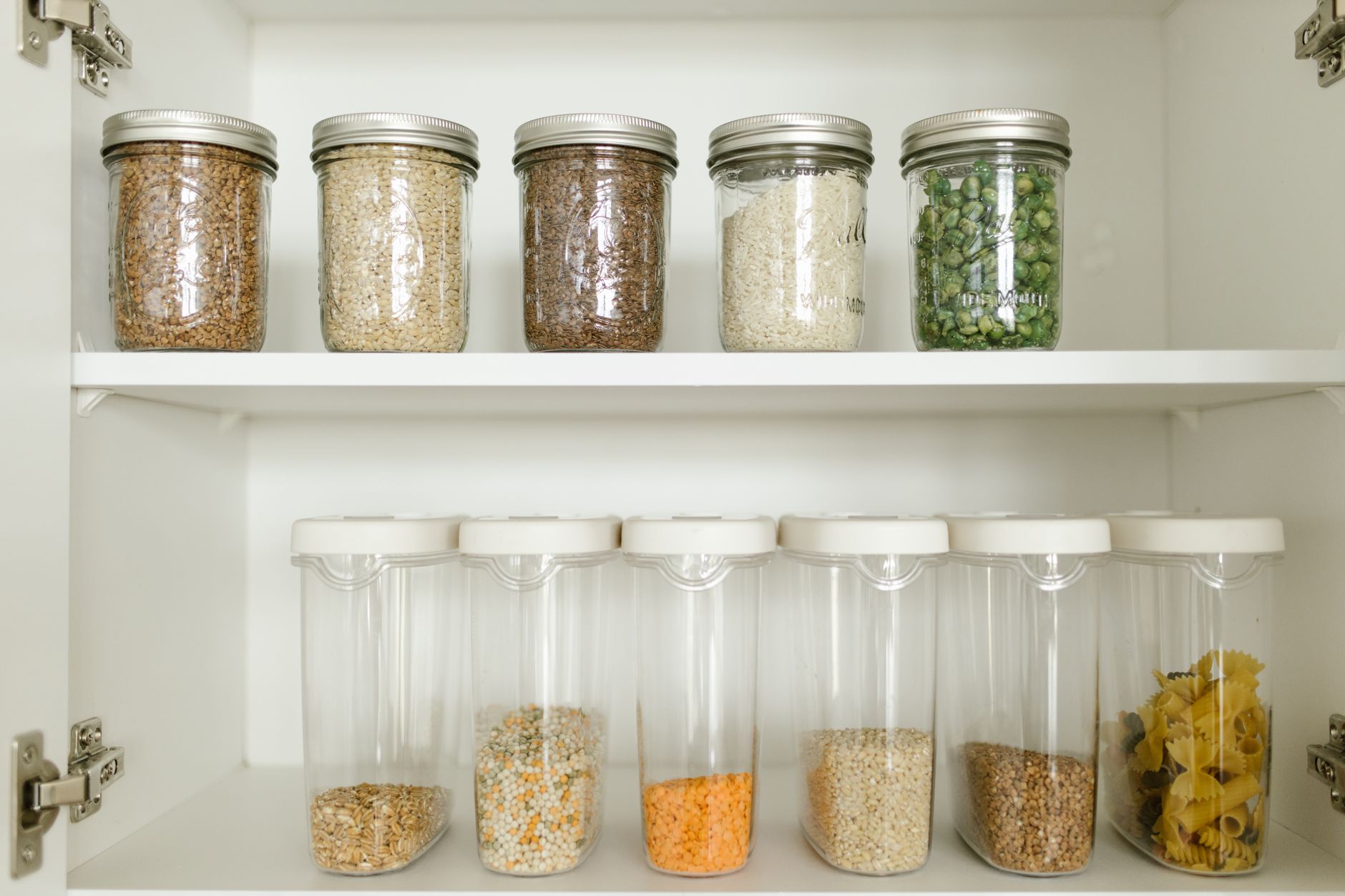
- Whole grains (oats, quinoa, brown rice).
- Dry beans, lentils, and chickpeas.
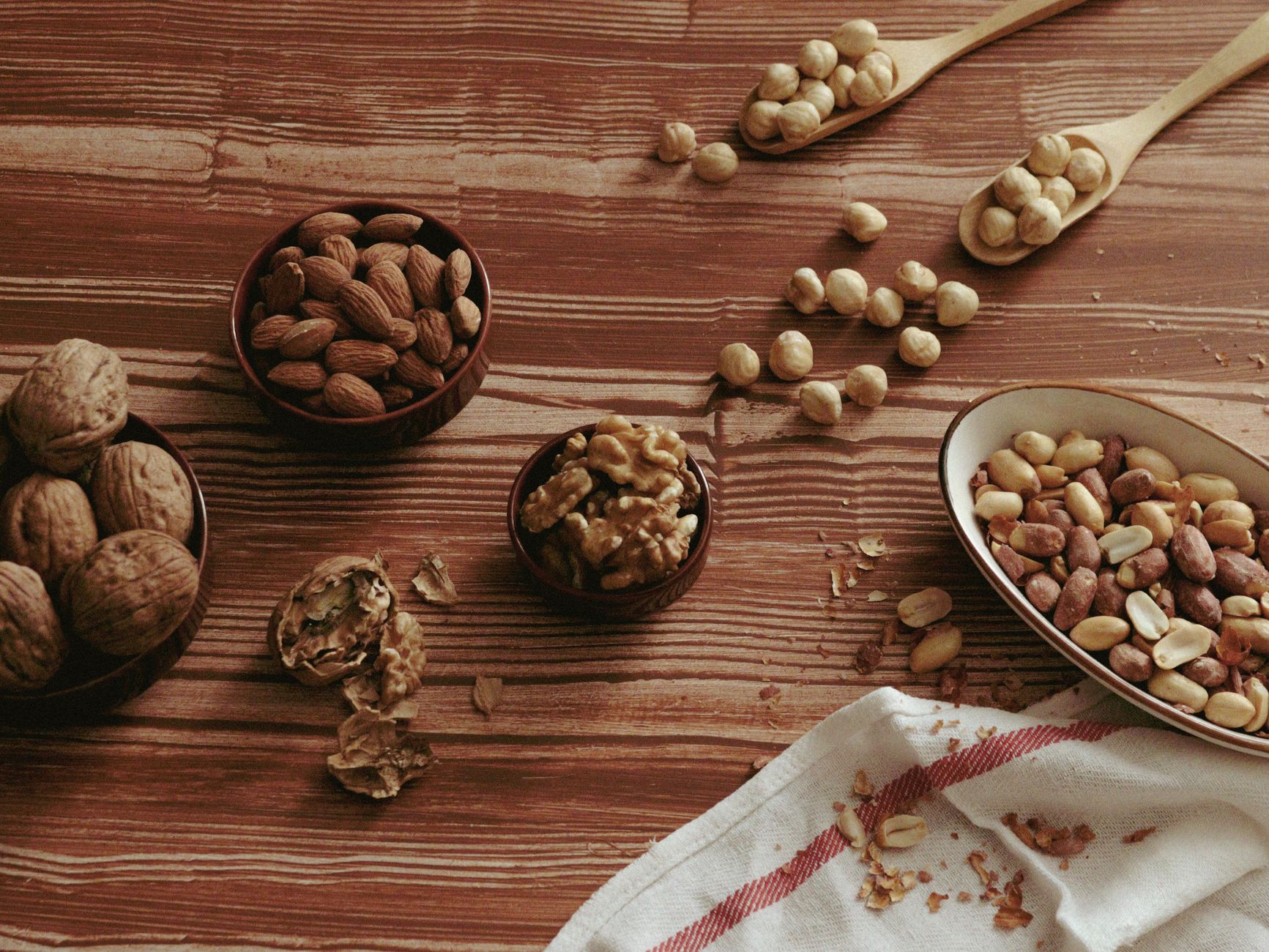
- Nuts and seeds (store in airtight containers).
2. Use Frozen Veggies
Frozen spinach, broccoli, and mixed veggies are just as nutritious as fresh and last longer.
3. Cook Once, Eat Twice
- Make a big batch of chickpea curry and freeze half.
- Roast a whole chicken and use leftovers for salads and wraps.
- Prep hard-boiled eggs for the week.
4. Shop the Perimeter
Fresh produce, lean proteins, and dairy are usually cheaper than processed foods.
5. DIY Sauces and Dressings
Skip store-bought dressings (often high in sodium). Make your own with olive oil, lemon juice, and herbs.
7-Day Cardiac Diet Meal Plan Table
Below is your complete 7-day meal plan with recipes, sodium targets, and budget tips. Each day includes 3 meals and 2 snacks.
Best Foods to Avoid on a Cardiac Heart Healthy Diet
Not all foods are equal—some can actively harm your heart. Here’s what to limit or avoid:
1. Processed Meats
Why? High in sodium and saturated fat, linked to increased heart disease risk.
- Avoid: Bacon, sausages, hot dogs, deli meats.
- Swap for: Grilled chicken, turkey, or plant-based proteins.
2. Trans Fats
Why? Raises LDL cholesterol and lowers HDL.
- Avoid: Fried foods, margarine, packaged snacks.
- Check labels: Look for "partially hydrogenated oils."
3. Refined Carbs
Why? Spike blood sugar and increase inflammation.
- Avoid: White bread, sugary cereals, pastries.
- Swap for: Whole grains, fruits, and vegetables.
4. Sugary Drinks
Why? Linked to obesity, diabetes, and heart disease.
- Avoid: Soda, sweetened coffee drinks, fruit juices.
- Swap for: Water, herbal tea, or black coffee.
Macronutrient Distribution for Heart Health
The ideal macronutrient split for heart health is flexible but balanced. The DASH diet (a cardiac diet gold standard) recommends:
- 45–65% carbs: Focus on whole grains, fruits, and vegetables.
- 10–30% protein: Prioritize lean proteins like fish, poultry, beans, and tofu.
- 25–35% fats: Mostly unsaturated fats (olive oil, nuts, avocado).
For reference, here’s a sample day:
- Breakfast: 3-egg omelet with spinach and mushrooms (25g protein, 2g fat, 3g carbs).
- Lunch: Grilled salmon with quinoa and roasted veggies (30g protein, 15g fat, 30g carbs).
- Dinner: Lentil curry with brown rice (20g protein, 8g fat, 50g carbs).
For more on the DASH diet, check out our 7-Day DASH Diet Meal Plan.
Lifestyle Factors Beyond Diet
Diet is only part of the equation. Your heart health also depends on:
1. Exercise
The AHA recommends 150 minutes of moderate exercise/week (e.g., brisk walking, swimming). Even 10-minute walks daily make a difference.
2. Sleep
Poor sleep increases inflammation and blood pressure. Aim for 7–9 hours/night.
3. Stress Management
Chronic stress raises cortisol, which harms the heart. Try:
- Deep breathing (try the 4-7-8 method: inhale 4 sec, hold 7 sec, exhale 8 sec).
- Yoga or tai chi.
- Journaling to process emotions.
4. Quit Smoking
Smoking damages blood vessels and increases heart attack risk. If you smoke, talk to your doctor about quitting resources.
Myth vs. Fact: Cardiac Heart Healthy Diet
Key Takeaways
- A 7-day cardiac diet focuses on whole foods, low sodium, and high potassium.
- Prioritize fatty fish, leafy greens, whole grains, and nuts.
- Limit processed foods, trans fats, and refined carbs.
- Adjust portions for diabetes or hypertension as needed.
- Meal prep on a budget with bulk grains, frozen veggies, and DIY sauces.
- Combine diet with exercise, sleep, and stress management for best results.
Frequently Asked Questions
What foods are best for a heart-healthy diet?
The best foods for heart health are those rich in omega-3s, fiber, antioxidants, and unsaturated fats. Top picks include:
- Fatty fish (salmon, sardines, mackerel).
- Leafy greens (spinach, kale, arugula).
- Berries (blueberries, strawberries, raspberries).
- Nuts and seeds (almonds, walnuts, chia seeds).
- Whole grains (oats, quinoa, brown rice).
- Olive oil (for cooking and dressings).
For more details, see our 7-Day Mediterranean Diet Meal Plan—it’s built on these principles!
How many calories should I eat on a heart-healthy diet?
Calorie needs vary based on age, sex, activity level, and weight goals. The AHA suggests:
- Women: 1,600–2,400 calories/day (depending on activity).
- Men: 2,000–3,000 calories/day.
- If you’re trying to lose weight, aim for a 500–750 calorie deficit/day (with your doctor’s guidance).
Use a calorie tracker like MyFitnessPal to monitor intake, but focus on food quality over calorie counting.
Can I have sugar on a heart-healthy diet?
Yes, but in moderation. The AHA recommends no more than 25g (6 tsp) of added sugar/day for women and 36g (9 tsp) for men. Natural sugars in fruit are fine, but added sugars (like in soda, candy, and pastries) should be limited because they:
- Raise LDL cholesterol.
- Increase triglycerides.
- Contribute to weight gain.
If you crave sweetness, try cinnamon, vanilla, or small portions of dark chocolate (70%+ cocoa).
What is a 7-day heart-healthy meal plan?
Our 7-day cardiac diet meal plan above includes balanced meals with whole foods, lean proteins, and healthy fats, all while keeping sodium in check. Each day includes:
- 3 meals.
- 2 snacks.
- Recipes with sodium targets.
- Budget-friendly tips.
You can customize it based on your preferences or health conditions (e.g., diabetes, hypertension).
How long does it take to see results from a heart-healthy diet?
Results vary, but many people notice improvements within 4–6 weeks, including:
- Lower blood pressure (if you have hypertension).
- Improved cholesterol levels (lower LDL, higher HDL).
- Better energy and digestion.
- Reduced inflammation.
For long-term heart health, consistency is key. Pair your diet with regular exercise and stress management for best results.
Is a low-sodium diet




