Quick take: The volumetrics diet is one of the safest and most practical eating plans for pregnancy—when adapted correctly. Think of it as "eating smart" rather than restricting: focus on high-volume, low-calorie-density foods (like leafy greens, lean proteins, and whole grains) to stay full while managing weight gain. For a safe sample day, prioritize 3 balanced meals + 2 snacks, drink at least 10 cups of water daily, and avoid processed foods. Always check with your provider before starting any diet during pregnancy.
What is the volumetrics diet and how does it work for pregnant women?
Picture this: You're sitting at your kitchen table at 10pm, staring at a half-empty bag of microwave popcorn, wondering how you're supposed to eat enough for two without gaining 20 pounds by your second trimester. The volumetrics diet was designed for exactly this dilemma. Unlike diets that focus on calorie counting or extreme restriction, volumetrics teaches you to eat more *volume*—foods that stretch your stomach and satisfy hunger with fewer calories. For pregnant women, this means prioritizing nutrient-dense, low-calorie-density foods to support both your growing baby *and* your own energy levels.
Developed by Dr. Barbara Rolls of Penn State, volumetrics isn't a fad—it's a science-backed approach that works by making you feel full on fewer calories. The key? Foods with high water content, fiber, and protein take up space in your stomach, triggering satiety hormones while delivering essential nutrients. For pregnant women, this translates to better blood sugar control, reduced bloating, and a more sustainable relationship with food—critical during a time when cravings and aversions can feel like emotional rollercoasters.
Many women tell us they love volumetrics during pregnancy because it feels less like a "diet" and more like a "lifestyle upgrade." "I was terrified I'd gain too much weight, but this diet helped me feel full on salads and oatmeal instead of feeling deprived," says Sarah, a mom of two who followed volumetrics through both pregnancies. The best part? It aligns perfectly with prenatal nutrition guidelines—packed with folate-rich veggies, iron-boosting lentils, and omega-3s from fatty fish.
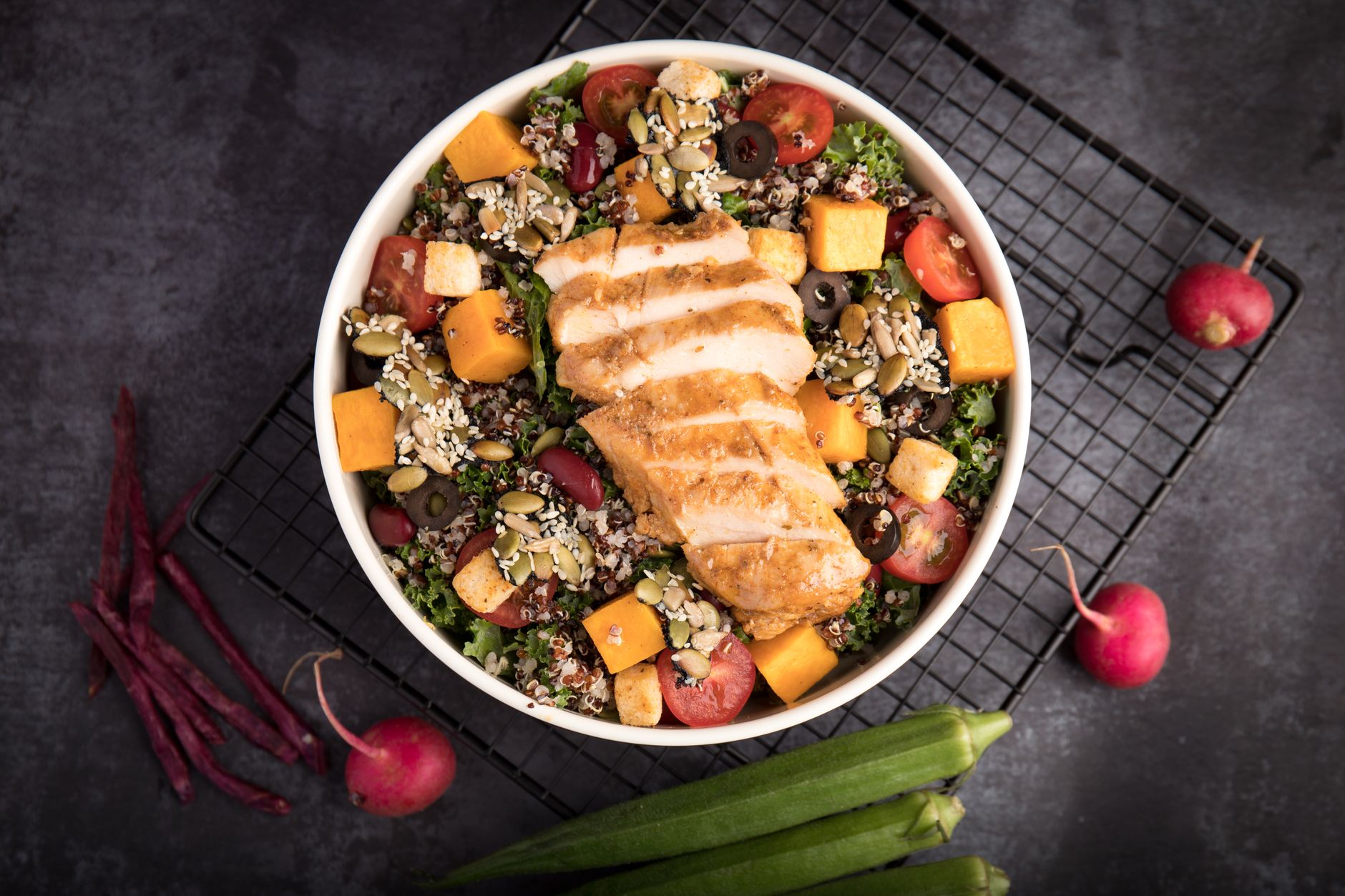
**How volumetrics differs from other diets for pregnant women**
- No calorie counting (unlike keto or strict low-calorie diets)—you focus on food volume and nutrition instead.
- Prioritizes hydration (critical for reducing pregnancy bloating and supporting amniotic fluid levels).
- Flexible for cravings—you can enjoy treats in moderation as long as they're balanced with high-volume foods.
- Backed by research for weight management *and* blood sugar control, which is especially helpful for gestational diabetes.
**Who shouldn't try volumetrics during pregnancy?** If you have polyhydramnios (excess amniotic fluid) or preeclampsia, your fluid intake and sodium levels will need extra monitoring. Always consult your provider before making dietary changes.
---
Sample volumetrics meal plan for weight management during pregnancy week-by-week
O
ne of the biggest myths about volumetrics during pregnancy is that you *can't* manage weight gain. The truth? You can—safely and sustainably—by focusing on portion control, food density, and nutrient timing. Below is a **sample week of eating** designed for a woman in her second trimester (14–26 weeks), with adjustments noted for first and third trimesters.
**Key principles to remember:**
- Increase portion sizes by about 10% in the third trimester to meet caloric needs.
- Prioritize iron-rich foods (lean meats, lentils, spinach) in the morning to combat fatigue.
- Snack on high-fiber foods (apples, carrots, chia seeds) to prevent constipation—a common pregnancy complaint.
- Drink at least 10 cups of water daily (more if you're active or live in a hot climate).
Sample Day 1 (Second Trimester):
Sample Day 2 (First Trimester Adjustment for Morning Sickness):
If nausea is your nemesis, volumetrics can still work—but with smaller, more frequent meals. Try:
- Breakfast: Toast with peanut butter + banana slices (easy to digest, high in fiber).
- Snack: Smoothie (spinach, frozen mango, almond milk, chia seeds).
- Lunch: Small bowl of miso soup with tofu and seaweed (gentle on the stomach).
- Snack: Rice cakes with avocado (creamy but low-calorie).
- Dinner: Baked cod with mashed cauliflower and steamed green beans.
Sample Day 3 (Third Trimester Expansion):
In your third trimester, increase portion sizes slightly and add healthy fats for brain development:
- Breakfast: Oatmeal with almond butter, flaxseeds, and sliced strawberries.
- Snack: Cottage cheese with pineapple chunks.
- Lunch: Turkey wrap in a whole-wheat tortilla with lettuce, tomato, and Greek yogurt dressing.
- Snack: Handful of almonds (small portion) with an orange.
- Dinner: Grilled shrimp skewers with quinoa and roasted zucchini.
**Pro tip:** Use the volumetrics portion calculator (available in many nutrition apps) to adjust based on your pre-pregnancy weight and activity level. For example, a woman weighing 140 lbs in her first trimester might aim for ~1,800–2,000 calories/day, while a 200 lb woman in her third trimester could safely eat 2,500–2,800 calories/day.
---
Can I follow the volumetrics diet during the first trimester—safe foods and avoidances?
First-trimester nausea, fatigue, and food aversions can make eating feel like a minefield. The good news? Volumetrics is one of the most adaptable diets for early pregnancy because it doesn’t rely on strict rules—just smart choices. However, there are a few critical adjustments to keep in mind.
**Safe volumetrics foods for first trimester:**
- Hydration heroes: Coconut water, herbal teas (ginger or peppermint), and electrolyte-enhanced water to combat dehydration and nausea.
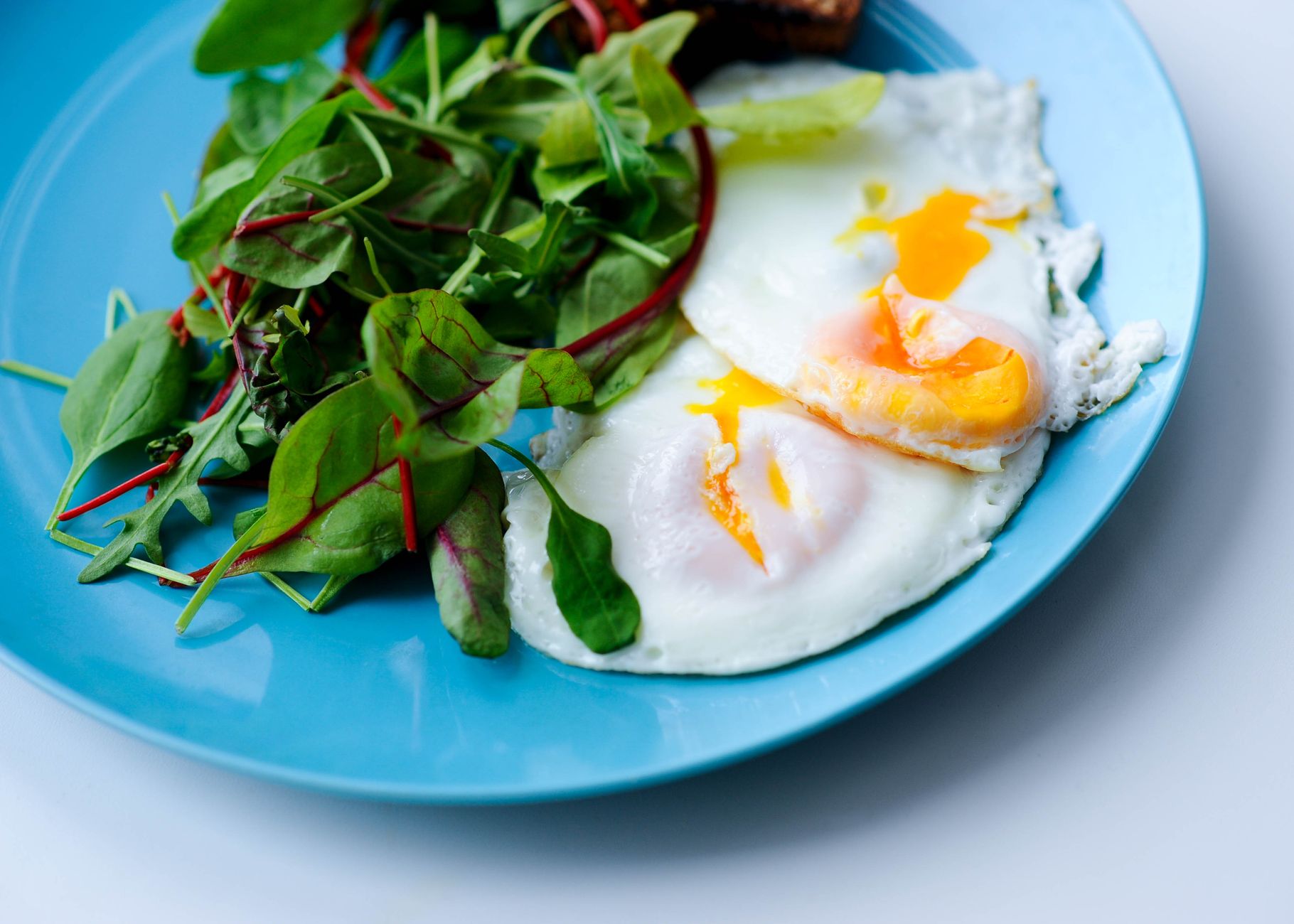
- Easy-to-digest proteins: Poached eggs, soft-tofu, or baked chicken (avoid greasy or fried foods).
- High-fiber carbs: Bananas, applesauce, or toast with almond butter (gentle on the stomach).
- Ginger: Fresh ginger tea or grated ginger in smoothies to settle your stomach.
- Small, frequent meals: 5–6 mini meals instead of 3 large ones to avoid overwhelming your digestive system.
**Foods to avoid or limit:**
- Highly processed foods (even volumetrics-friendly ones like chips or crackers can trigger bloating).
- Spicy or acidic foods if they worsen nausea (like citrus or hot sauces).
- Excessive caffeine (stick to <2 cups of coffee/day to avoid dehydration).
- Raw sprouts or undercooked meats (risk of listeria).
- Excessive sodium (can worsen bloating—opt for herbs and spices instead).
**Representative story:** "I was so relieved when I discovered volumetrics in my first trimester," says Emily. "I could eat a giant bowl of spinach salad with feta and not feel guilty, even though I only had room for half. The key was pairing high-volume foods with small amounts of protein—like adding a few slices of turkey to my salad instead of a big burger."
**When to adjust:** If you're losing weight or your energy crashes, increase calorie density slightly by adding healthy fats (avocado, olive oil, nuts) to meals. But if you're gaining too much, focus on increasing water-rich veggies (cucumber, celery, lettuce) to fill you up.
---
How to adjust volumetrics portion sizes for increased caloric needs in pregnancy
Here’s the hard truth: Your body isn’t a calorie-burning machine anymore. In pregnancy, your caloric needs increase—especially in the second and third trimesters—even if you’re not gaining weight rapidly. The volumetrics diet isn’t about restriction; it’s about *smart* portioning to meet those needs without overdoing it.
**General calorie guidelines for volumetrics during pregnancy (per ACOG):**
- First trimester: ~1,800–2,200 calories/day (unless underweight, then +300–500).
- Second trimester: ~2,200–2,500 calories/day.
- Third trimester: ~2,500–2,800 calories/day (or more for twins).
**How to increase portions volumetrically (without junk food):**
- Add healthy fats: Drizzle olive oil on salads, top avocado on toast, or sprinkle nuts on oatmeal.
- Increase grain portions: Swap white rice for brown rice or quinoa; add an extra slice of whole-grain bread to sandwiches.
- Prioritize protein at every meal: Aim for 20–30g protein per meal (grilled chicken, lentils, eggs) to support muscle and baby’s growth.
- Snack strategically: Pair a volumetrics snack (like veggie sticks) with a higher-calorie option (like hummus or nut butter).
- Drink calories: Smoothies with yogurt, milk, or nut butter add calories without bulk.
**Example adjustment for a volumetrics lunch:**
- Original: 2 cups greens + ½ cup quinoa + 3 oz chicken = ~350 calories.
- Adjusted (third trimester): 2 cups greens + ¾ cup quinoa + 4 oz chicken + 1 tbsp olive oil = ~500 calories.
**When to worry:** If you’re gaining <2 lbs/week in the second trimester or <1 lb/week in the third, you may need to increase calories further. But if you’re gaining >1 lb/week without a clear reason (like twins), check in with your provider.
---
Volumetrics diet vs. low-calorie diet for moms-to-be: which is better for baby health?
This is the question every pregnant woman wonders: *Can I lose weight safely during pregnancy?* The answer? It depends on your starting point and health goals. While volumetrics is designed to be sustainable, a strict low-calorie diet (like cutting calories by 500/day) can pose risks to both you and your baby. Here’s how they compare:
**Why volumetrics wins for baby health:**
- Supports optimal fetal growth by providing consistent energy and nutrients.
- Reduces risk of gestational diabetes through balanced blood sugar.
- Prevents preterm labor by avoiding extreme weight loss.
- Helps manage bloating and constipation (common in low-calorie diets).
**When a low-calorie diet *might* be considered:** Only under medical supervision for women with obesity (BMI >30) and a history of gestational diabetes. Even then, volumetrics is safer because it doesn’t restrict calories—it optimizes them.
**Representative story:** "I tried a low-calorie diet in my first pregnancy and ended up gaining only 18 lbs total," says Lisa. "My baby was small for gestational age, and I struggled with exhaustion. With volumetrics in my second pregnancy, I gained 32 lbs—but my baby was healthy, and I had energy to enjoy it."
**Bottom line:** If your goal is safe weight management, volumetrics is the clear winner. For weight loss, consult your provider first—most experts agree it’s not recommended unless medically necessary.
---
Volumetrics diet for postpartum weight loss: how to reintroduce it safely after birth
Congratulations—you’ve made it! Now comes the next challenge: shedding the "baby weight" without feeling deprived or exhausted. The volumetrics diet is one of the best postpartum weight-loss strategies because it’s gentle, sustainable, and aligns with breastfeeding needs. Here’s how to transition back safely.
**Key adjustments for postpartum volumetrics:**
- Prioritize protein: Aim for 25–30g protein per meal to support milk production and muscle recovery.
- Hydrate aggressively: Breastfeeding burns extra water—aim for 12+ cups/day.
- Listen to hunger cues: Breastfeeding can mask hunger, so eat when you’re truly hungry (not just "because it’s meal time").
- Avoid crash diets: Cutting calories too quickly can reduce milk supply.
- Focus on fiber: Postpartum constipation is real—prioritize chia seeds, flaxseeds, and leafy greens.
**Sample postpartum volumetrics day (breastfeeding mom):**
**Postpartum volumetrics tips:**
- Wait until 6 weeks postpartum before starting any structured diet (unless cleared by your provider).
- Reintroduce exercise gradually—walking or light yoga to boost metabolism without straining.
- Use the "plate method": Half your plate veggies, ¼ protein, ¼ whole grains to stay full.
- Sleep when the baby sleeps—fatigue sabotages willpower.
- Be patient—losing 1–2 lbs/week is healthy and sustainable.
**When to see a specialist:** If you’re struggling with extreme fatigue, postpartum depression, or difficulty losing weight, consult a registered dietitian or your OB/GYN. Conditions like thyroid disorders or PCOS can affect postpartum weight loss.
---
Volumetrics diet for gestational diabetes: how to adapt the plan for blood sugar control
If you’ve been diagnosed with gestational diabetes, volumetrics can be a game-changer—but it requires careful tweaking. The goal? Stabilize blood sugar while still meeting your increased caloric needs. Here’s how to adapt:
**Volumetrics adjustments for gestational diabetes:**
- Prioritize low-glycemic foods: Swap white rice for brown rice, whole-wheat bread for sourdough, and regular oats for steel-cut.
- Space meals evenly: Eat every 3–4 hours to prevent blood sugar spikes.
- Add healthy fats to carbs: Pair a slice of toast with avocado or peanut butter to slow digestion.
- Monitor portions: Use the "hand rule" for carbs (1 palm = ~15g carbs).
- Avoid sugary drinks: Stick to water, herbal tea, or unsweetened almond milk.
**Sample gestational diabetes volumetrics day:**
**Foods to avoid with gestational diabetes:**
- Processed sugars (soda, candy, pastries).
- Refined grains (white bread, white rice, crackers).
- High-sugar fruits (watermelon, pineapple, dried fruit).
- Fried foods (increases insulin resistance).
**When to see an endocrinologist:** If your blood sugar remains high despite dietary changes, you may need to discuss insulin therapy or other interventions.
---
Volumetrics diet for twin pregnancy: how to meet nutritional needs without overloading
Twin pregnancies are a double dose of joy—and double the nutritional demands. The volumetrics diet is perfect for twins because it helps you eat more *without* feeling like you’re eating for an army. The key? Smart portioning and nutrient-dense foods to support two growing babies.
**Twin pregnancy volumetrics adjustments:**
- Increase calories by ~300–500/day (total ~2,500–3,000 kcal/day in second trimester).
- Prioritize protein: Aim for 100g+ protein/day (lean meats, eggs, legumes).
- Add healthy fats: Avocado, olive oil, and fatty fish for brain development.
- Increase iron-rich foods: Spinach, lentils, and red meat to prevent anemia.
- Stay hydrated: Twins mean more amniotic fluid—drink 12+ cups of water/day.
**Sample twin volumetrics day (second trimester):**
**Twin-specific volumetrics tips:**
- Add a mid-morning snack to prevent energy crashes (e.g., smoothie with protein powder).
- Increase fiber gradually to avoid constipation (common in twin pregnancies).
- Monitor weight gain—aim for ~1 lb/week in the second trimester, ~1.5 lbs/week in the third.
- Consider a prenatal multivitamin to fill nutrient gaps (especially folate and iron).
- Listen to your body—if you’re gaining too quickly, reduce portion sizes slightly.
**When to see a high-risk OB:** If you’re gaining <1 lb/week or have concerns about fetal growth, your provider may recommend additional monitoring (like ultrasound scans).
---
Myth vs. Fact: Volumetrics Diet During Pregnancy
Let’s clear up some common misconceptions about volumetrics and pregnancy—because what you *think* you know might not be true.
Myth: "Volumetrics means eating only salads and never feeling full."
Fact: Volumetrics is about smart portions—not deprivation. You can (and should) enjoy healthy fats, lean proteins, and whole grains. The goal is to feel satisfied on fewer calories by choosing foods with high water and fiber content. For example, a big bowl of chili with beans and veggies is volumetrics-friendly because it’s filling but lower in calories than a steak with mashed potatoes.
Myth: "You can’t lose weight on volumetrics during pregnancy."
Fact: While rapid weight loss isn’t recommended, volumetrics helps you manage weight gain safely by focusing on nutrient-dense foods. Many women gain the recommended 25–35 lbs (or less for twins) without excess bulk. The key is consistency—not restriction.
Myth: "Volumetrics is just another fad diet."
Fact: Volumetrics was developed by Dr. Barbara Rolls at Penn State and is backed by decades of research on satiety and nutrition. It’s used in clinical settings for weight management and is especially safe for pregnancy because it doesn’t restrict calories or nutrients.
Myth: "You have to count calories on volumetrics."
Fact: While you can track calories, volumetrics is not a calorie-counting diet. The focus is on food density, hydration, and portion control. If you hate counting, volumetrics is a great alternative to strict low-calorie diets.
Myth: "Volumetrics is only for women who want to lose weight."
Fact: Volumetrics is for everyone during pregnancy—whether you’re underweight, average weight, or carrying twins. It helps you meet nutritional needs without overeating. For example, a woman with a healthy BMI might aim for ~2,200 calories/day, while someone with twins might need 2,800+.
---
Key Takeaways for Volumetrics During Pregnancy
- Volumetrics is safe and sustainable for pregnancy when adapted to your trimester and needs.
- Prioritize high-volume, low-calorie-density foods like veggies, fruits, lean proteins, and whole grains.
- Adjust portions gradually—increase by ~10% in the third trimester to meet caloric needs.
- Stay hydrated (10+ cups/day) to reduce bloating and support amniotic fluid.
- Avoid processed foods and sugary drinks—opt for natural sweeteners like fruit.
- Listen to your body—if you’re gaining too quickly or slowly, adjust with your provider.
- Volumetrics works for special cases like gestational diabetes, twins, and postpartum weight loss with the right tweaks.
- Always check with your provider before starting any new diet during pregnancy.
---
Frequently Asked Questions About the Volumetrics Diet During Pregnancy
How many calories should I consume daily on the volumetrics diet while pregnant?
The volumetrics diet doesn’t prescribe a rigid calorie target, but general guidelines for pregnancy are:
- First trimester: ~1,800–2,200 calories/day (unless underweight, then +300–500).
- Second trimester: ~2,200–2,500 calories/day.
- Third trimester: ~2,500–2,800 calories/day (or more for twins).
Use the volumetrics portion calculator or a nutrition app to track your intake. If you’re unsure, ask your provider for personalized advice based on your pre-pregnancy weight and activity level.
What are the best volumetrics-friendly foods to eat during the third trimester?
In your




