

Quick take: Starting a vegetarian diet as a beginner? Focus on nutrient-dense staples like lentils, tofu, quinoa, and leafy greens to cover protein, iron, and B12. Stock your pantry with easy swaps (like chickpea pasta for noodles) and plan meals around these 10 essential food groups. Need a quick win? Try our DASH diet food list for balanced inspiration, or our Mediterranean starter guide for flavorful, nutrient-packed meals. Remember: transition gradually, prioritize variety, and consider supplements like B12 if needed.
You’re staring at your fridge at 8pm, wondering how to make lentils taste good
We’ve all been there. The best-laid meal plans dissolve when reality hits: you’re tired, your kitchen’s bare, and the idea of "eating healthy" feels like a chore. That’s why we built this guide—not just as a list, but as your survival kit for the first 30 days of vegetarian eating. Think of it as the difference between scrolling through a confusing Pinterest board and having a chef whispering in your ear: *"Here’s how to make this work for you, not against you."*
This isn’t another "eat more beans" lecture. It’s a no-BS, practical roadmap for beginners—whether you’re ditching meat for health, ethics, or convenience, or just testing the waters. We’ll cover what to buy, how to prep, and (most importantly) how to avoid the "I gave up after week two" syndrome. By the end, you’ll have a grocery list that won’t break the bank, meal ideas that won’t make you crave bacon at 3am, and a few hacks to sneak in nutrition without tasting like a science experiment.
Let’s start with the basics: what makes a vegetarian diet work for *you*—not just in theory, but in your kitchen, your wallet, and your schedule.
---Vegetarian diet food list for beginners: The 10 essential food groups to start with
1. Legumes: The protein powerhouses
Think lentils, chickpeas, black beans, and edamame. These are your go-to for filling meals without the meat. Pro tip: Swap canned beans for dried to save money—just soak them overnight. Need a quick win? Blend chickpeas into hummus or toss lentils into salads like you’re building a nutrient fortress.
2. Tofu and tempeh: The meat substitutes that actually work
Tofu absorbs flavors like a sponge, while tempeh has that satisfying chew. Marinate tofu in soy sauce and maple syrup for a weeknight dinner, or crumble tempeh into stir-fries. Our keto guide has tricks for keeping these meals keto-friendly too—because yes, you *can* have vegetarian keto!
3. Whole grains: The energy boosters
Quinoa, brown rice, oats, and whole-wheat pasta aren’t just carbs—they’re your body’s long-lasting fuel. Try quinoa bowls with roasted veggies, or swap white pasta for chickpea pasta (it’s higher in protein!).
4. Nuts and seeds: The crunchy nutrient bombs
Almonds, chia seeds, flaxseeds, and walnuts pack healthy fats, fiber, and protein. Sprinkle chia seeds on yogurt, blend almond butter into smoothies, or snack on a handful of mixed nuts. Warning: Portion control is key—these are calorie-dense!
5. Dairy (or dairy alternatives): The calcium and vitamin D sources
If you eat dairy, Greek yogurt and cheese are your friends. If not, fortified plant-based milks and nutritional yeast (it’s cheesy!) can fill the gap. Pro tip: Add nutritional yeast to popcorn for a movie-night upgrade.
6. Leafy greens: The iron and vitamin C duos
Spinach, kale, and Swiss chard aren’t just for salads—they’re your iron allies. Pair them with vitamin C (like bell peppers or citrus) to boost absorption. Sauté kale with garlic for a 10-minute side dish.
7. Eggs: The vegetarian protein MVP
If you eat eggs, they’re your secret weapon—cheap, versatile, and packed with protein. Scramble them with spinach, bake into frittatas, or make a quick breakfast burrito.
8. Fortified foods: The hidden nutrition helpers
Look for cereals, plant milks, and breads labeled "fortified with B12 and iron." These are your insurance policy against gaps. Our paleo guide has tips on fortifying meals without processed foods.
9. Herbs and spices: The flavor game-changers
Cumin, turmeric, garlic, and smoked paprika turn simple meals into gourmet. Dry-rub tofu with these spices, or toss them into soups for depth. Pro move: Keep a small jar of each in your pantry.
10. Healthy fats: The satiety saviors
Avocados, olive oil, and nut butters keep you full and add flavor. Drizzle olive oil on roasted veggies, mash avocado on toast, or stir nut butter into oatmeal.
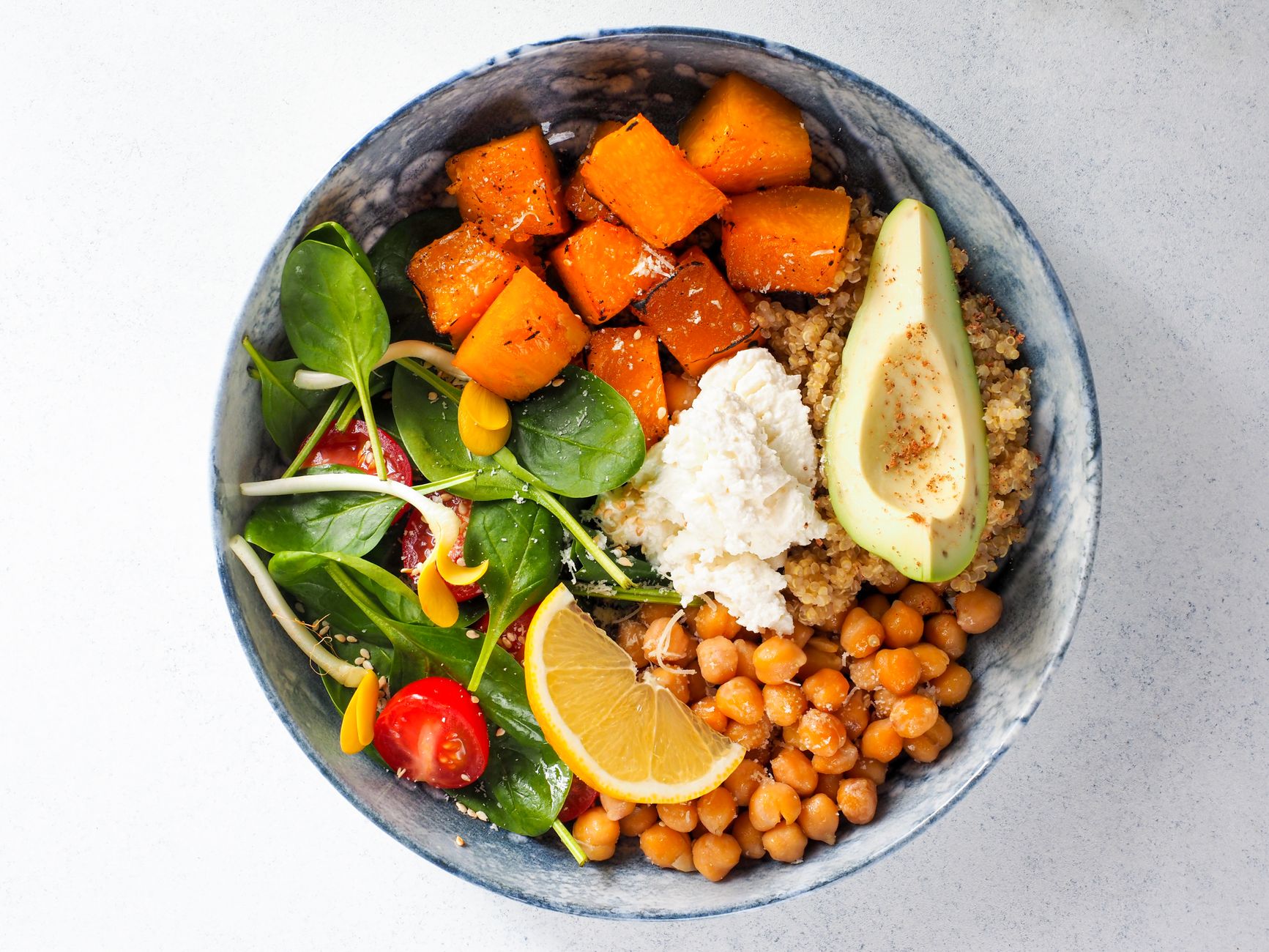
**Key takeaway:** Your plate should look like a rainbow—dark greens, reds, oranges, and browns. The more variety, the easier it is to cover all your bases. Need a visual? Our Mediterranean diet guide has a perfect example of balanced plates.
---Vegetarian diet food list for beginners for weight loss: The fill-you-up foods
Dropping pounds on a vegetarian diet? You’re in luck—plant-based foods are naturally lower in calories and higher in fiber, which keeps you full longer. But not all vegetarian foods are created equal. Here’s how to pick the weight-loss winners:
Do eat:
- High-fiber veggies: Zucchini, broccoli, Brussels sprouts, and cauliflower. Roast them with olive oil and spices for a satisfying side.
- Lean protein: Tofu, tempeh, lentils, and chickpeas. Aim for 20–30g protein per meal to curb cravings.
- Healthy fats in moderation: Avocado, nuts, and seeds. A small handful of almonds can keep you from snacking on junk.
- Whole grains: Brown rice, quinoa, and whole-wheat pasta. They’re slower-digesting than white carbs.
Avoid:
- Processed vegetarian meats (like veggie burgers with added oils/sodium).
- Heavy cream-based sauces (opt for cashew or tahini sauces instead).
- Excessive nuts/seeds (they’re calorie-dense—measure portions!).
**Pro tip:** Swap one meat-heavy meal a day for a plant-based version. For example, trade a beef burger for a black bean burger with avocado. Over time, the calories add up in your favor.
**Common mistake:** Skipping meals to "save calories." This backfires—your body craves more later. Focus on volume (big portions of low-calorie foods) over restriction.
---Vegetarian diet food list for beginners with protein sources: Your cheat sheet
Protein is the #1 question we hear: *"How do I get enough?"* The answer? You don’t need to eat meat to hit your goals. Here’s your crash course in vegetarian protein, ranked by ease and efficiency:
| Food | Protein per 100g | Best for | Quick prep idea |
|---|---|---|---|
| Lentils (cooked) | 9g | Budget-friendly meals | Add to soups or salads |
| Tofu (firm) | 15–20g | Quick meals | Scramble with turmeric |
| Chickpeas | 19g | Snacks/sides | Roast with cumin |
| Tempeh | 18–20g | Meat substitutes | Marinate and pan-fry |
| Greek yogurt (non-dairy) | 10g per 100ml | Breakfast/snacks | Top with granola |
| Quinoa (cooked) | 4.4g | Grain bowls | Mix with veggies |
| Seitan | 25g | High-protein meals | Avoid if gluten-sensitive |
| Edamame | 11g | Quick snacks | Steam with sea salt |
**Pro tip:** Combine foods to boost protein. Pair beans + rice, hummus + pita, or lentils + whole-grain bread. This creates a "complete protein" profile, meaning you get all essential amino acids.
**Myth:** *"Vegetarian diets lack protein."* Fact: Many athletes thrive on plant-based protein—it’s all about variety and planning. Our primal guide has tips on building meals around protein, whether animal or plant-based.
---Vegetarian diet food list for beginners for pregnancy: Nutrients to prioritize
Congrats on your pregnancy! Switching to a vegetarian diet now is a great move—just make sure you’re covering the extra needs for you and your baby. Here’s what to focus on:
1. Folate (folic acid): Critical for preventing neural tube defects. Find it in leafy greens, lentils, and fortified cereals. Take a prenatal vitamin with folate too.
2. Iron: Your body needs 50% more iron during pregnancy. Pair iron-rich foods (lentils, spinach) with vitamin C (bell peppers, oranges) to boost absorption. Avoid calcium-rich foods with iron meals (they compete for absorption).
3. Vitamin B12: Essential for your baby’s nervous system. Get it from fortified foods or a supplement—plant sources alone aren’t enough.
4. Calcium: Builds your baby’s bones. Dairy is the easiest source, but fortified plant milks and leafy greens help too. Warning: Oxalates in spinach can inhibit calcium absorption—balance it with other greens like kale.
5. Omega-3s: Important for brain development. Choose flaxseeds, chia seeds, or a high-quality algae-based DHA supplement (fish oil isn’t an option).
**Sample meal plan for pregnancy:**
- Breakfast: Scrambled eggs with spinach and whole-grain toast
- Snack: Greek yogurt with berries and chia seeds
- Lunch: Lentil soup with a side of fortified plant milk
- Dinner: Baked tofu with quinoa and roasted veggies
- Dessert: Smoothie with flaxseeds, banana, and fortified oat milk
**Pro tip:** Keep a food diary to track your intake. Apps like Cronometer can help spot gaps.
---Vegetarian diet food list for beginners for athletes: Fueling performance
You don’t need meat to build muscle or power through workouts. Many athletes—including Olympians—thrive on plant-based diets. Here’s how to fuel like one:
Pre-workout: Carbs + protein for energy. Try a smoothie with banana, peanut butter, and soy milk. Or eat a bowl of oatmeal with hemp seeds.
Post-workout: Protein + carbs to recover. Opt for a protein shake with almond milk, or a wrap with hummus and whole-grain tortilla.
High-protein vegetarian meals for athletes:
- Tofu stir-fry with brown rice
- Chickpea curry with quinoa
- Lentil burgers with sweet potato fries
- Edamame salad with tempeh
**Pro tip:** Add protein powder to smoothies or oatmeal. Pea protein or soy protein are great options.
**Myth:** *"Athletes need meat to build muscle."* Fact: Plant-based proteins can be just as effective—it’s about timing and variety. Our DASH diet guide has tips on balancing meals for endurance.
---Vegetarian diet food list for beginners on a budget: Cheap eats that pack a punch
Budget-friendly vegetarianism is totally doable—you just need to prioritize cost-effective staples and plan ahead. Here’s how to stretch your dollar:
Top 5 budget foods:
- Dried beans/lentils: $1–$2 per pound. Soak overnight to save time.
- Frozen veggies: Often cheaper than fresh and just as nutritious.
- Oats: $0.50 per serving. Add fruit and nuts for extra flavor.
- Eggs: $0.10–$0.20 per serving. Versatile and protein-rich.
- Brown rice: $1–$2 per pound. Cook a big batch for the week.
Budget meal ideas:
- Lentil curry with rice and frozen spinach
- Scrambled eggs with sautéed cabbage
- Black bean tacos with corn tortillas
- Oatmeal with peanut butter and banana
- Chickpea stew with whole-wheat bread
**Pro tip:** Buy in bulk and freeze portions. Cook once, eat twice! For example, make a big pot of chili and freeze half for later.
**Myth:** *"Vegetarianism is expensive."* Fact: It can be cheaper than meat-heavy diets if you focus on whole foods and avoid processed substitutes.
---Vegetarian diet food list for beginners for kids: Kid-friendly picks
Getting kids to eat vegetarian? Start with flavors and textures they love—then sneak in the good stuff. Here’s how:
1. Make it fun: Use cookie cutters for veggie shapes, or let kids assemble their own wraps with hummus and cheese.
2. Familiar flavors: Kids love mac and cheese? Swap the pasta for chickpea pasta. Love nuggets? Try baked tofu "nuggets" with a dipping sauce.
3. Hidden veggies: Blend spinach into smoothies, or grate zucchini into muffins. They won’t notice!
Kid-approved vegetarian meals:
- Cheese quesadillas with black beans
- Peanut butter and banana sandwiches
- Mini veggie pizza with tomato sauce and cheese
- Yogurt parfaits with granola and berries
- Lentil soup with whole-grain bread
**Pro tip:** Let kids help with meal prep. They’re more likely to try foods they’ve touched!
**Myth:** *"Kids can’t get enough protein on a vegetarian diet."* Fact: With the right planning, kids can thrive—just focus on variety and portion sizes.
---Vegetarian grocery list for beginners: Your 7-day starter pack
Don’t go to the store empty-handed. Here’s a no-fuss list to get you started:
Pantry staples:
- Dried lentils, chickpeas, black beans
- Quinoa, brown rice, oats
- Nuts and seeds (almonds, chia, flax)
- Olive oil, soy sauce, balsamic vinegar
- Nutritional yeast
Refrigerator:
- Eggs
- Greek yogurt or plant-based yogurt
- Tofu or tempeh
- Cheese (optional)
- Fortified plant milk
Frozen:
- Spinach or mixed veggies
- Berries
Fresh:
- Leafy greens (spinach, kale)
- Bell peppers
- Broccoli or cauliflower
- Carrots
- Avocados
Snacks:
- Hummus with veggie sticks
- Popcorn (air-popped)
- Dark chocolate (70%+ cocoa)
Vegetarian meal plan for beginners: 7-day sample plan
Here’s a simple 7-day plan to get you started. Mix and match based on your preferences!
| Day | Breakfast | Snack | Lunch | Snack | Dinner |
|---|---|---|---|---|---|
| Monday | Oatmeal with peanut butter and banana | Handful of almonds | Lentil soup with whole-grain bread | Greek yogurt with berries | Tofu stir-fry with brown rice |
| Tuesday | Scrambled eggs with spinach | Apple slices with almond butter | Chickpea salad wrap with hummus | Carrot sticks with hummus | Quinoa bowl with roasted veggies |
| Wednesday | Smoothie with soy milk, banana, and flaxseeds | Popcorn | Black bean tacos with corn tortillas | Cheese and whole-grain crackers | Lentil curry with rice |
| Thursday | Whole-grain toast with avocado | Handful of walnuts | Caprese salad (tomato, mozzarella, basil) | Edamame with sea salt | Vegetable lasagna with marinara |
| Friday | Chia pudding with almond milk | Greek yogurt with honey | Hummus and veggie platter | Dark chocolate and almonds | Stuffed bell peppers with quinoa and black beans |
| Saturday | Whole-grain pancakes with maple syrup | Smoothie with spinach and banana | Lentil Bolognese with whole-wheat pasta | Cheese and whole-grain crackers | Grilled tempeh with roasted sweet potatoes |
| Sunday | Avocado toast with cherry tomatoes | Handful of mixed nuts | Chickpea and spinach salad | Fruit salad | Vegetable and cheese frittata |
Vegetarian diet beginner recipes: 5 easy starters
No time to plan? Here are 5 foolproof recipes to get you started:
1. 10-Minute Lentil Salad
- Cook 1 cup lentils (or use canned, drained).
- Mix with 1 diced cucumber, 1 chopped bell pepper, and 1 tbsp olive oil.
- Add lemon juice, salt, and pepper. Serve with whole-grain bread.
2. Scrambled Tofu
- Crumble 1 block of firm tofu into a pan.
- Add turmeric, salt, and pepper. Cook until golden.
- Top with salsa or avocado.
3. Chickpea Curry
- Sauté 1 onion, 2 garlic cloves, and 1 tbsp ginger.
- Add 1 can chickpeas, 1 can coconut milk, and 1 tbsp curry powder.
- Simmer 15 minutes. Serve with rice.
4. Peanut Butter Oatmeal
- Cook ½ cup oats in water or plant milk.
- Stir in 1 tbsp peanut butter and 1 banana.
- Top with chia seeds.
5. Veggie Quesadillas
- Spread hummus on a whole-grain tortilla.
- Add sautéed peppers, onions, and cheese.
- Fold and pan-fry until crispy.
Vegetarian diet beginner meal prep: How to save time
Meal prep is your secret weapon. Here’s how to do it in 1 hour:
Step 1: Cook grains in bulk
- Make 2 cups quinoa or brown rice. Store in the fridge for 3–4 days.
Step 2: Roast veggies
- Toss broccoli, carrots, and sweet potatoes with olive oil and salt. Roast at 400°F for 25 minutes.
Step 3: Prep proteins
- Cook lentils or chickpeas. Store in the fridge or freezer.
- Bake tofu or tempeh with spices for the week.
Step 4: Portion snacks
- Divide nuts, seeds, and veggies into containers.
**Pro tip:** Use mason jars for layered meals (like overnight oats or salads). It’s a game-changer for busy days.
---Common pitfalls and how to avoid them
Even the best intentions can go off track. Here’s how to spot and fix the most common mistakes:
1. Relying on processed vegetarian foods
- Problem: Veggie burgers and meat substitutes often contain added oils and sodium.
- Fix: Stick to whole foods like beans, lentils, and tofu.
2. Skipping meals
- Problem: Hunger leads to overeating later.
- Fix: Plan 3 meals + 2 snacks daily. Keep healthy snacks handy.
3. Not planning ahead
- Problem: Last-minute meals often mean takeout or unhealthy choices.
- Fix: Dedicate 1 hour weekly to meal prep.
4. Ignoring portion sizes
- Problem: Nuts, seeds, and oils are calorie-dense.
- Fix: Use measuring cups or a food scale at first.
5. Forgetting B12
- Problem: Plant foods don’t naturally contain B12.
- Fix: Take a supplement or eat fortified foods.
Transition tips for beginners: How to stick with it
Switching to a vegetarian diet doesn’t have to be all-or-nothing. Here’s how to ease in:
1. Start with "flexitarian" days
- Try vegetarian meals 3–4 days a week, then increase.
2. Swap one meat meal a day
- Trade beef for lentils, chicken for tofu, etc.
3. Make it social
- Invite friends over for a vegetarian potluck.
4. Experiment with flavors
- Try new spices, sauces, and cuisines (Indian, Mexican, Mediterranean).
5. Track your progress
- Use a journal or app to note how you feel. Celebrate small wins!
Myth vs. fact: Vegetarian diet debunked
Myth: "Vegetarian diets are always healthy." Fact: A vegetarian diet can be healthy if it’s balanced and varied. But eating too many processed vegetarian foods (like veggie chips or meat substitutes) can still be unhealthy. Focus on whole foods like fruits, veggies, and legumes.
Myth: "You can’t get enough protein on a vegetarian diet." Fact: Many plant foods are high in protein—beans, lentils, tofu, tempeh, and quinoa are all great sources. Just plan your meals to include a variety of protein-rich foods.
Myth: "Vegetarianism is expensive." Fact: A vegetarian diet can be budget-friendly if you focus on staples like beans, rice, and seasonal veggies. Buying in bulk and cooking at home can save money.
---Key takeaways
- Start with 10 essential food groups: legumes, tofu, whole grains, nuts/seeds, dairy (or alternatives), leafy greens, eggs, fortified foods, herbs/spices, and healthy fats.
- Prioritize protein sources like lentils, tofu, tempeh, and Greek yogurt.
- Pay attention to iron and B12—pair iron-rich foods with vitamin C and consider a B12 supplement.
- Meal prep is your best friend—cook grains and proteins in bulk to save time.
- Avoid processed vegetarian foods and focus on whole, nutrient-dense foods.
- Transition gradually—start with flexitarian days and increase over time.
Frequently asked questions
What foods should I eat on a vegetarian diet?
The best vegetarian foods are nutrient-dense and varied. Focus on legumes (lentils, chickpeas), tofu/tempeh, whole grains (quinoa, brown rice), nuts/seeds, leafy greens, eggs (if you eat them), and fortified foods like plant milks. Avoid overly processed vegetarian meats and snacks—they’re often high in sodium and additives.
Is a vegetarian diet healthy for beginners?
Absolutely! A well-planned vegetarian diet can be healthier than a meat-heavy diet because it’s typically lower in saturated fat and higher in fiber, vitamins, and minerals. Just make sure to cover all your nutritional bases—especially protein, iron, calcium, and B12. Our Mediterranean guide has a great template for balanced meals.
How many calories should a vegetarian beginner eat?
Your calorie needs depend on your activity level and goals. The average sedentary woman needs about 2,000 calories/day, while active women may need 2,400–2,800. Use a calorie calculator to estimate your needs, then adjust based on how you feel. If you’re losing weight, aim for a deficit of 250–500 calories/day. Our keto guide has tips on tracking calories without obsession.
What are the best protein sources in a vegetarian diet?
The best vegetarian protein sources are legumes (lentils, chickpeas), tofu/tempeh, Greek yogurt, eggs, quinoa, nuts/seeds, and fortified plant milks. For a quick reference, check our table above! Pro tip: Combine grains (like rice) with legumes (like beans) to create a complete protein.
Can I get enough iron on a vegetarian diet?
Yes! Iron from plant sources (called non-heme iron) is absorbed better when paired with vitamin C. Load up on spinach, lentils, and fortified cereals, then add lemon juice or bell peppers to your meals. If you’re concerned, ask your doctor about testing your iron levels. Red flag: If you feel unusually tired, dizzy, or have pale skin, see your provider.
How to transition to a vegetarian diet as a beginner?
Start small! Swap one meat-heavy meal a day for a vegetarian version (e.g., lentils instead of beef). Gradually increase to vegetarian days, then meals. Try "flexitarian" days where you eat vegetarian most of the time but still enjoy meat occasionally. The key is sustainability—don’t feel pressured to go all-in overnight.
---
