If you’re curious about vegetarianism, you’re likely drawn to its health benefits. Research shows that well-planned vegetarian diets are linked to lower risks of heart disease, type 2 diabetes, and certain cancers. But what exactly makes them so powerful? Here’s the breakdown:
- Heart health: Vegetarians tend to have lower blood pressure, cholesterol, and reduced risk of cardiovascular disease. Plant-based diets are rich in fiber, potassium, and magnesium—all of which support healthy blood vessels.
- Weight management: Studies consistently show vegetarians have lower BMIs and are less likely to develop obesity. Plant foods are naturally lower in calories and higher in volume, helping you feel fuller faster.
- Blood sugar control: The high fiber and low-glycemic load of vegetarian diets help stabilize blood sugar, reducing the risk of type 2 diabetes.
- Cancer prevention: Plant-based diets are associated with lower risks of breast, colorectal, and prostate cancers due to their antioxidant and anti-inflammatory properties.
- Digestive health: Fiber-rich vegetarian diets promote gut health, reducing constipation and supporting a diverse microbiome.
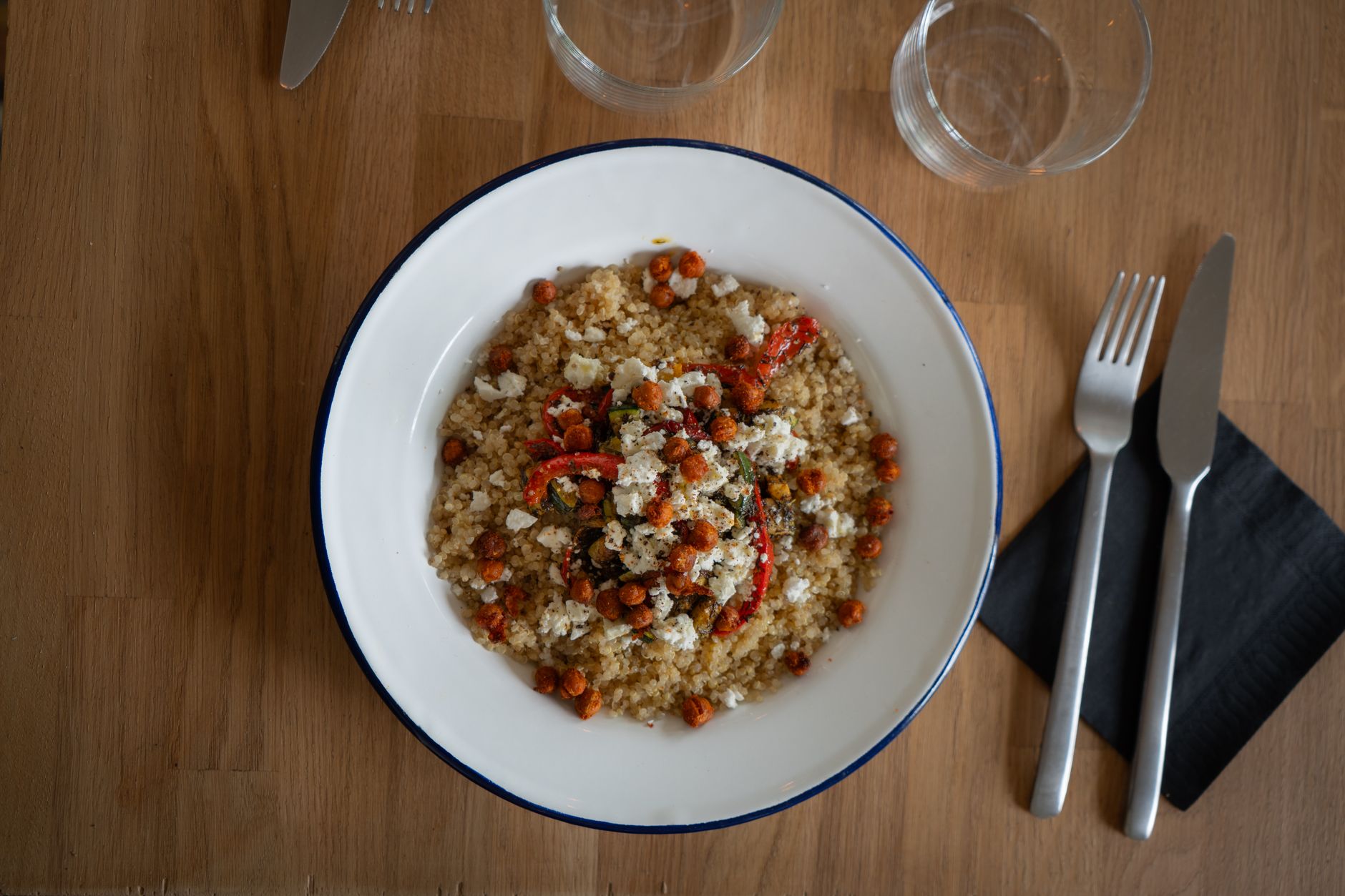
But here’s the catch: Not all vegetarian diets are created equal. A diet heavy in processed vegetarian meats or refined carbs (like white bread and sugary snacks) won’t deliver these benefits. The key is focusing on whole foods—whole grains, legumes, nuts, seeds, and plenty of vegetables.
---
How does a vegetarian diet compare to vegan and omnivore diets?
You might assume vegetarian = vegan, but there’s a big difference—and it matters for nutrition. Here’s how they stack up:
Takeaway: If you’re considering veganism, you’ll need to pay closer attention to B12, iron, and omega-3s. A lacto-ovo vegetarian diet (which includes dairy and eggs) is often easier to balance. Meanwhile, an omnivore diet has the most flexibility but may lack the heart-health benefits of a plant-focused approach.
Pro tip: If you’re curious about other plant-based diets, check out our breakdown of keto’s strict rules or the Paleo diet—both take a different approach to meat and carbs. But vegetarianism offers a middle ground that’s often the most sustainable for long-term health.
---
Vegetarian diet benefits for pregnancy: What you need to know
If you’re pregnant or planning to be, you might wonder: Is a vegetarian diet safe? The short answer is yes—but with careful planning. Research from the American College of Obstetricians and Gynecologists (ACOG) confirms that vegetarians can have healthy pregnancies if they focus on key nutrients. However, some nutrients—like folate, iron, and B12—require extra attention.
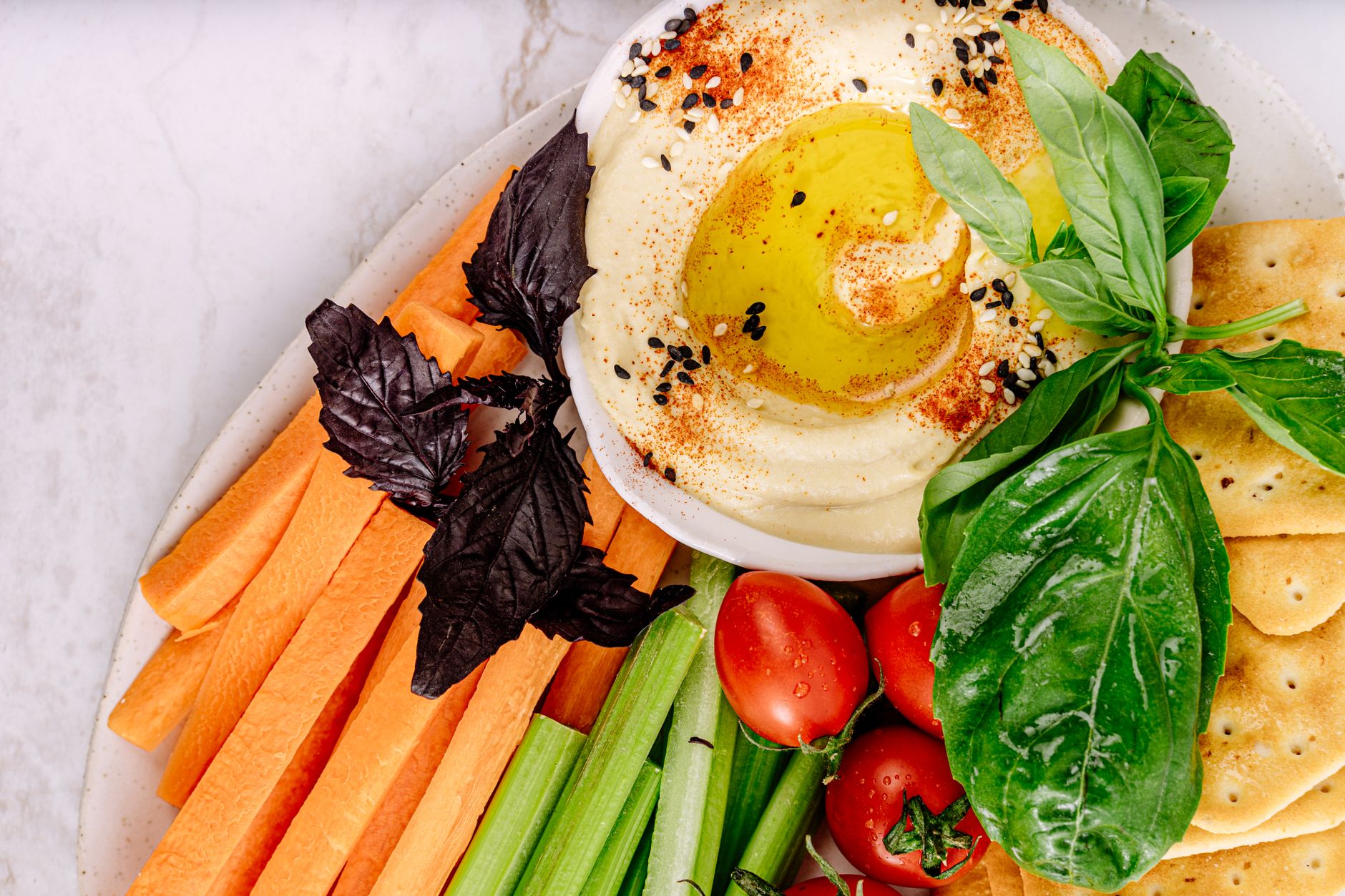
Key nutrients for pregnancy:
- Folate: Critical for preventing neural tube defects. Found in leafy greens, lentils, and fortified grains.
- Iron: Helps prevent anemia. Legumes, fortified cereals, and iron-rich greens (like spinach) help, but absorption is lower than from meat.
- B12: Essential for baby’s nervous system development. Found in dairy and eggs, but supplementation may be needed.
- Calcium: Supports baby’s bone growth. Dairy, fortified plant milks, and almonds are great sources.
- Omega-3s: Important for brain development. Flaxseeds, chia seeds, and algae oil are vegan-friendly options.
Myth: "Vegetarian diets cause low birth weight." Fact: Studies show vegetarians often have higher birth weights because of better nutrient control. However, poorly planned vegetarian diets can lead to deficiencies, which may affect baby’s growth. Always work with your healthcare provider to monitor levels.
---
Side effects of vegetarian diet during pregnancy: What to watch for
While a vegetarian diet can be safe and beneficial during pregnancy, some women experience side effects if key nutrients are missing. The most common include:
- Fatigue: Low iron or B12 can leave you feeling exhausted. If you’re constantly tired despite eating well, ask your provider about testing.
- Anemia: Iron deficiency is a risk, especially if you’re not eating enough legumes, fortified grains, or leafy greens. Symptoms include dizziness, pale skin, and shortness of breath.
- Constipation: High-fiber plant foods can slow digestion if you’re not drinking enough water. Increase fluids and try gentle movement.
- Low calcium or vitamin D: Can weaken bones and increase pregnancy complications. Dairy and fortified foods help, but some women need supplements.
When to see your provider: If you experience severe fatigue, dizziness, or unexplained weight loss, get checked for deficiencies. Your OB/GYN can order blood tests to monitor folate, iron, and B12 levels.
---
How to get enough protein on a vegetarian diet
One of the biggest concerns for new vegetarians is protein. But the truth? You don’t need to eat meat to get enough. The U.S. Dietary Guidelines recommend 0.8 grams of protein per kilogram of body weight for adults—and vegetarians often meet (or exceed) this with the right foods.
Top protein-rich vegetarian foods:
- Lentils (18g per cooked cup)
- Chickpeas (15g per cooked cup)
- Tofu (10–20g per ½ cup, depending on type)
- Tempeh (15–20g per 3 oz)
- Quinoa (8g per cooked cup)
- Greek yogurt (17g per cup)
- Eggs (6g per egg)
- Nuts and seeds (6g per ounce)
Pro tip: Combine foods to get complete proteins (all essential amino acids). For example:
- Beans + rice
- Hummus + whole-wheat pita
- Peanut butter + whole-grain toast
This makes it easy to hit your protein goals without meat.
---
Vegetarian diet and iron deficiency risks: How to avoid it
Iron deficiency is a top concern for vegetarians, especially women and pregnant individuals. The issue? Plant-based iron (non-heme iron) is less absorbable than meat-based iron (heme iron). But with the right strategies, you can keep your levels in check.
How to boost iron absorption:
- Pair iron-rich foods with vitamin C (bell peppers, citrus, strawberries) to enhance absorption.
- Avoid drinking coffee or tea with meals, as tannins can block iron absorption.
- Choose fortified cereals or breads for an extra boost.
- Consider a vegan iron supplement if your diet is consistently low in iron.
Signs you might be deficient:
- Fatigue or weakness
- Pale skin or brittle nails
- Shortness of breath
- Dizziness or headaches
If you suspect deficiency, ask your provider about a blood test.
---
Vegetarian diet and folate levels: Why this vitamin matters
Folate (or folic acid, its synthetic form) is critical for pregnancy—but it’s also important for everyone. Folate helps produce DNA, supports cell growth, and lowers the risk of birth defects when taken before conception.
Best folate-rich foods:
- Leafy greens (spinach, kale)
- Lentils and chickpeas
- Fortified grains (bread, pasta, cereals)
- Avocados and asparagus
- Oranges and papaya
How much do you need?
- Non-pregnant adults: 400 mcg/day
- Pregnant women: 600 mcg/day
- Breastfeeding women: 500 mcg/day
If you’re struggling to meet these needs through diet alone, a supplement can help.
---
Vegetarian diet and weight gain during pregnancy: What to expect
Pregnancy weight gain is a hot topic—and vegetarians often gain less weight than omnivores, which can be a double-edged sword. While some women worry about not gaining enough, others fear gaining too much. The ACOG recommends a weight gain range based on pre-pregnancy BMI:
How vegetarians can manage weight gain:
- Focus on nutrient-dense foods (legumes, nuts, whole grains) instead of empty calories.
- Avoid liquid calories (sugary drinks, smoothies with too much fruit juice).
- Stay active—pregnancy-safe exercises like walking or swimming help.
- Monitor portions—even healthy foods can contribute to excess weight gain.
---
Vegetarian diet for heart health: How plants protect your ticker
Heart disease is the leading cause of death in women—and a vegetarian diet can significantly lower your risk. Studies show vegetarians have 25% lower risk of heart disease compared to meat-eaters (American Heart Association, 2023). Here’s why:
- Lower cholesterol: Plant sterols in vegetables and nuts help reduce LDL ("bad") cholesterol.
- Less saturated fat: No meat = no artery-clogging saturated fat.
- More antioxidants: Fruits, vegetables, and legumes fight inflammation.
- Better blood pressure control: Potassium and magnesium in plant foods help relax blood vessels.
Best heart-healthy vegetarian foods:
- Oats and barley (soluble fiber lowers cholesterol)
- Nuts and seeds (healthy fats and antioxidants)
- Leafy greens (potassium and nitrates for blood pressure)
- Fatty fish alternatives (algae oil for omega-3s)
- Dark chocolate (flavonoids improve blood flow)
---
Vegetarian diet for diabetes management: Can it reverse the disease?
Type 2 diabetes is on the rise—but a vegetarian diet can help manage (and even reverse) it. The American Diabetes Association notes that plant-based diets improve insulin sensitivity and lower blood sugar. Here’s how:
- Lower glycemic index: Whole grains, legumes, and non-starchy veggies stabilize blood sugar.
- More fiber: Slows digestion and prevents blood sugar spikes.
- Less processed food: Vegetarians tend to eat fewer refined carbs and sugars.
Sample diabetes-friendly vegetarian meals:
- Greek yogurt with berries and chia seeds
- Quinoa salad with roasted veggies and lentils
- Hummus and veggie wrap in whole-grain tortilla
- Stir-fried tofu with broccoli and brown rice
---
Vegetarian diet for weight loss: Does it work?
If you’re trying to lose weight, a vegetarian diet can be a powerful tool—but it’s not magic. The key is calorie control. Vegetarians often lose weight because plant foods are naturally lower in calories and higher in fiber, which keeps you full longer. However, eating too many processed vegetarian snacks (like vegan cheese or chips) can derail progress.
Weight-loss-friendly vegetarian foods:
- Vegetables (especially leafy greens)
- Legumes (lentils, chickpeas, black beans)
- Whole grains (quinoa, brown rice, oats)
- Nuts and seeds (in moderation)
- Fruit (especially berries)
Common mistakes:
- Relying on high-calorie vegetarian junk food (like vegan burgers or fried snacks).
- Not tracking portions—even healthy foods can add up.
- Skipping protein, which can lead to cravings and fatigue.
---
Vegetarian diet for athletes: Can you build muscle without meat?
If you’re an athlete or fitness enthusiast, you might worry that vegetarianism will limit your performance. But athletes like Novak Djokovic, Patrik Baboumian, and Scott Jurek have thrived on vegetarian diets. The secret? Smart protein timing and nutrient density.
Protein sources for athletes:
- Tofu and tempeh (complete protein)
- Greek yogurt and cottage cheese
- Eggs (especially for post-workout recovery)
- Quinoa and buckwheat
- Pea protein powder (for shakes)
Meal timing tips:
- Eat protein within 30–60 minutes post-workout to maximize muscle repair.
- Pair carbs with protein for energy (e.g., sweet potato + chickpeas).
- Hydrate well—athletes need extra fluids, especially in hot weather.
---
Vegetarian diet for children: Is it safe?
If you’re raising kids on a vegetarian diet, you’re not alone—over 10% of parents in the U.S. follow a plant-based diet (Pew Research, 2023). The good news? Children can grow up healthy on a well-planned vegetarian diet. The key is ensuring they get enough:
- Protein: Yogurt, eggs, cheese, lentils, and beans.
- Iron: Fortified cereals, spinach, and iron-fortified plant milks.
- Calcium: Dairy, fortified plant milks, and leafy greens.
- Vitamin D: Fortified foods or supplements (critical for bone health).
- Zinc: Nuts, seeds, and legumes.
Sample kid-friendly meals:
- Cheese quesadillas with black beans
- Hummus and veggie wraps
- Lentil soup with whole-grain bread
- Scrambled eggs with whole-wheat toast
- Yogurt parfait with granola and fruit
---
Vegetarian diet for seniors: Does it slow aging?
As we age, our bodies need nutrients to stay strong—and a vegetarian diet can help. Seniors on vegetarian diets often have lower risks of heart disease, hypertension, and certain cancers. But there are a few extra considerations:
- Protein needs may increase: Muscle mass declines with age, so prioritize protein-rich foods.
- Calcium and vitamin D: Critical for bone health—dairy, fortified foods, and supplements help.
- B12 absorption declines: Many seniors develop pernicious anemia, making B12 supplementation essential.
- Hydration is key: Older adults are more prone to dehydration—water-rich foods (fruits, soups) help.
Anti-aging vegetarian foods:
- Berries (antioxidants)
- Nuts and seeds (healthy fats)
- Leafy greens (vitamin K for bones)
- Turmeric and ginger (anti-inflammatory)
- Fatty fish alternatives (algae oil for omega-3s)
---
Vegetarian diet vs. vegan diet benefits: Which is better?
You might assume veganism is "healthier" than vegetarianism, but the truth is more nuanced. Both can be excellent for health—but they require different approaches. Here’s the breakdown:
Who should choose which?
- Choose vegetarian if you want easier nutrient balance and don’t mind dairy/eggs.
- Choose vegan if you’re committed to environmental sustainability or ethical reasons.
- Consider a low-carb vegetarian approach if you want to avoid refined carbs while keeping dairy/eggs.
---
Myths vs. facts about vegetarian diets
Vegetarianism is still surrounded by myths—many of which can scare people away from a healthy lifestyle. Let’s set the record straight:
Myth: "Vegetarians don’t get enough protein."
Fact: Protein is in every cell in your body—and vegetarians easily meet requirements with beans, lentils, tofu, dairy, and eggs. The U.S. Dietary Guidelines confirm that vegetarians can get all essential amino acids from plant foods alone.
Myth: "Vegetarian diets are expensive."
Fact: Legumes, rice, and seasonal vegetables are cheaper than meat. A well-planned vegetarian diet can cost less than an omnivore diet—especially if you buy in bulk or grow your own herbs.
Myth: "You can’t get enough iron on a vegetarian diet."
Fact: Iron deficiency is preventable with smart food choices. Pair iron-rich foods (like lentils) with vitamin C (bell peppers, citrus) to boost absorption. Supplements can help if needed.
Myth: "Vegetarianism is just a fad."
Fact: Vegetarian diets have been practiced for thousands of years in cultures like India, Greece, and Ethiopia. Modern research continues to support their health benefits.
---
Key takeaways: Should you try a vegetarian diet?
If you’re considering vegetarianism, here’s what you need to remember:
- It’s not just about food—it’s about planning. A well-balanced vegetarian diet can be one of the healthiest choices, but it requires attention to protein, iron, B12, and omega-3s.
- Pregnancy is doable—but monitor nutrients closely. Folate, iron, and B12 are critical, and some women need supplements.
- Heart health, weight management, and diabetes control are major benefits. Plant-based diets are linked to lower risks of these chronic diseases.
- Athletes and seniors can thrive on vegetarian diets. With the right protein sources and supplements, performance and longevity are totally possible.
- Veganism is stricter than vegetarianism. If you’re not ready for a fully plant-based diet, lacto-ovo vegetarianism offers a gentler transition.
- Start slow if you’re new to plant-based eating. Try "Meatless Mondays" or swap one meal a day before going fully vegetarian.
---
Frequently asked questions about vegetarian diets
What are the benefits of a vegetarian diet?
Vegetarian diets are linked to lower risks of heart disease, type 2 diabetes, and certain cancers. They’re also naturally lower in saturated fat and higher in fiber, antioxidants, and plant compounds that support long-term health. Many vegetarians also maintain a healthier weight and have better blood pressure control.
What are the side effects of a vegetarian diet?
Side effects are rare if the diet is well-planned, but some women experience fatigue, anemia, or digestive issues if they’re deficient in iron, B12, or fiber. During pregnancy, poorly balanced diets can lead to low birth weight or developmental delays in babies. Always work with a dietitian to monitor nutrient levels.
Is a vegetarian diet safe during pregnancy?
Yes—but with careful planning. Vegetarian diets can provide all the nutrients a baby needs if you focus on folate (leafy greens, fortified grains), iron (lentils, fortified cereals), B12 (dairy, eggs, supplements), and omega-3s (flaxseeds, algae oil). Your OB/GYN may recommend blood tests to check for deficiencies.
How can I get enough protein on a vegetarian diet?
You don’t need meat for protein! Aim for 15–20g of protein per meal by including:
- ½ cup lentils (9g)
- 1 cup Greek yogurt (20g)
- 1 egg (6g)
- ¼ cup nuts (6g)
- ½ cup tofu (10–20g)
Combine foods like beans + rice or hummus + whole-grain bread for complete protein.
Can a vegetarian diet cause nutrient deficiencies?
Yes, if not planned properly. The most common deficiencies are:
- Iron (especially for women and pregnant individuals)
- B12 (unless you eat dairy/eggs or supplement)
- Omega-3s (unless you eat flaxseeds, chia, or algae oil)
- Calcium (if you avoid dairy)
- Zinc (if you don’t eat nuts, seeds, or legumes)
A blood test and supplement (if needed) can prevent these issues.
What foods should I avoid on a vegetarian diet?
You don’t need to avoid anything on a vegetarian diet—just limit:
- Processed vegetarian meats (high in sodium and additives)
- Refined carbs (white bread, sugary snacks)
- Excessive caffeine or alcohol (can interfere with nutrient absorption)
- High-mercury fish (if you occasionally eat fish as a vegetarian)
Focus on whole foods like vegetables, legumes, whole grains, and healthy fats.
---
When to see a doctor or dietitian
If you’re considering a vegetarian diet—or already following one—here’s when to check in with a healthcare provider:
- You feel constantly fatigued or dizzy. These could be signs of iron or B12 deficiency.
- You’re pregnant or trying to conceive. Your provider can monitor folate, iron, and B12 levels.
- You’re struggling to gain weight (or lose too much weight). A dietitian can help adjust your intake.
- You have digestive issues (constipation, bloating) that don’t improve. Fiber is great, but too much too soon can cause discomfort.
- You’re an athlete or very active. You may need to adjust protein and carb intake for performance.
Who to see: A registered dietitian (RD) specializing in vegetarian nutrition can help you create a personalized plan. For pregnancy, your OB/GYN can order blood tests to check for deficiencies.
---
References
- American College of Obstetricians and Gynecologists (ACOG). (2023). Nutrition During Pregnancy.
- U.S. Department of Health and Human Services. (2020–2025). Dietary Guidelines for Americans.
- American Heart Association. (2023). Plant-Based Diets and Heart Health.
- American Diabetes Association. (2022). Nutrition Therapy for Diabetes.



