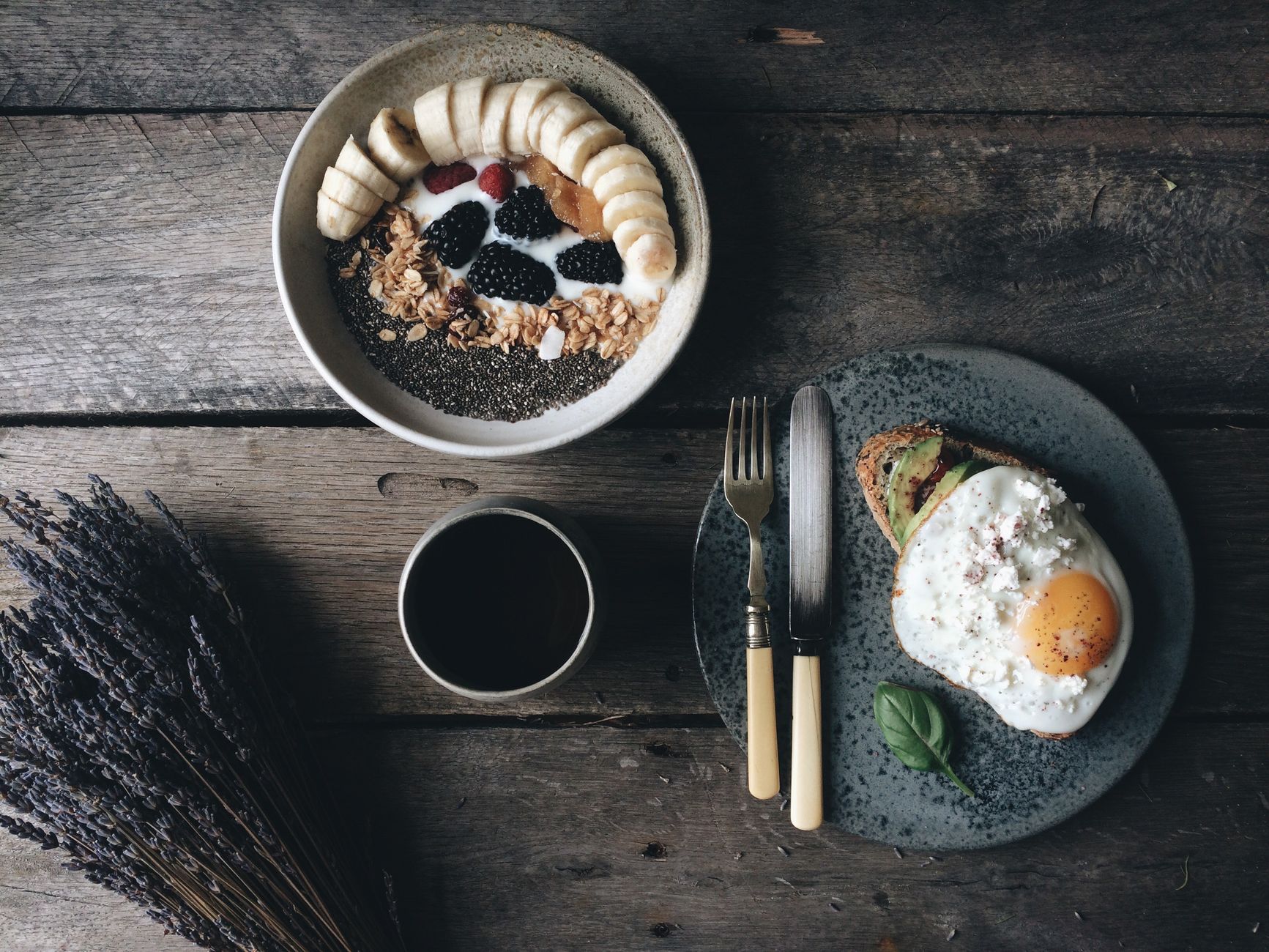
et’s be honest: Between doctor’s appointments, prenatal yoga classes, and the never-ending laundry pile, finding time to cook feels like a luxury. But meal prepping TLC meals doesn’t have to be complicated—it just takes a few smart strategies to save time and keep your blood sugar in check.
Many new moms-to-be tell us they feel overwhelmed by the idea of meal prep, especially when they’re used to takeout or easy microwave meals. The key is starting small. Here’s how to begin:
Step 1: Pick 2–3 easy TLC meals
- Sheet-pan chicken and veggies: Toss chicken breast, broccoli, and sweet potatoes on a tray with olive oil, salt, and pepper. Bake at 400°F for 25 minutes.
- Lentil soup: Simmer dried lentils, carrots, celery, and low-sodium broth for 25 minutes. Blend half for creaminess.
- Greek yogurt parfaits: Layer Greek yogurt, berries, and a sprinkle of granola in jars.
Step 2: Batch-cook staples
Cook a big pot of quinoa or brown rice once a week and use it in bowls, salads, or stir-fries. Roast a tray of veggies (like bell peppers and zucchini) to toss into meals all week.
Step 3: Use smart shortcuts
- Buy pre-washed greens and pre-cut veggies.
- Use frozen veggies for stir-fries or soups.
- Invest in a slow cooker for hands-off meals (like turkey chili).
One mom shared her routine: “I cook a big pot of chicken and veggies on Sunday, then divide it into containers. I freeze half and eat the other half during the week. For lunch, I just reheat and add a side salad. No stress!”
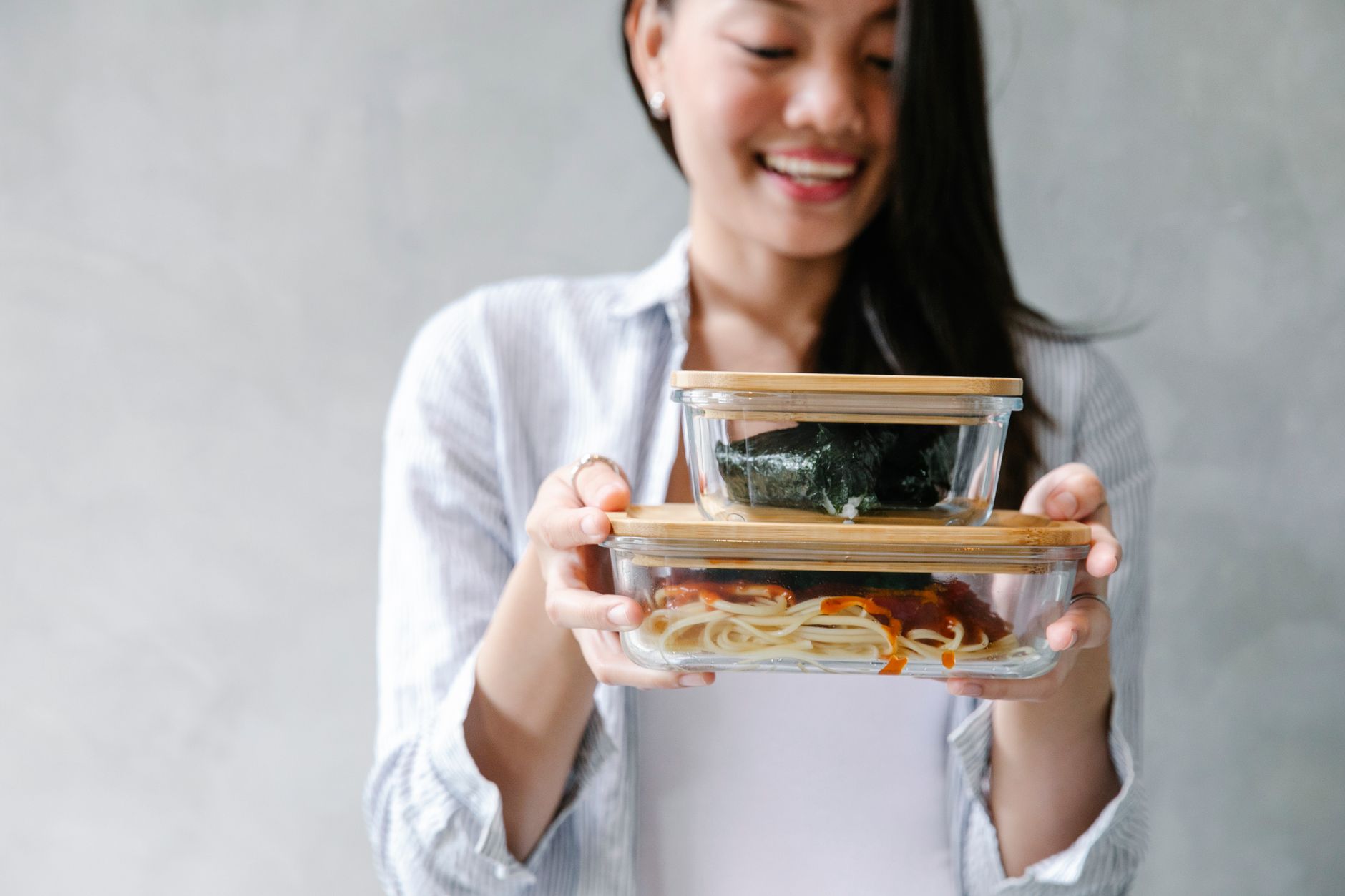
5-minute TLC meal prep tips
When you’re short on time, try these:
- Hard-boil eggs for snacks or salads.
- Keep cut veggies and hummus in the fridge for quick snacks.
- Pre-portion nuts into small bags for grab-and-go.
- Make overnight oats: Mix oats, chia seeds, almond milk, and berries the night before.
TLC diet vs Mediterranean diet: which is better for gestational diabetes?
If you’ve been researching diets for gestational diabetes, you’ve probably come across both the TLC diet and the Mediterranean diet—and wondered which one wins. The short answer? Both are excellent for blood sugar control, but they serve slightly different purposes. Think of the TLC diet as a targeted tool for managing blood sugar and cholesterol, while the Mediterranean diet is a broader lifestyle approach that also supports heart health and inflammation.
Many providers recommend the TLC diet specifically for gestational diabetes because it’s been studied for its direct impact on blood sugar and lipid levels. The Mediterranean diet, however, is often preferred for long-term heart health and sustainability. Here’s how they compare:
One reader with gestational diabetes said, “My provider suggested the TLC diet first to get my blood sugar under control, but I love the Mediterranean approach for the rest of my pregnancy. I just add more olive oil and fish to my TLC meals!”
If you’re unsure which to choose, ask your provider. Many women find a hybrid approach works best—using TLC principles for blood sugar control while keeping the Mediterranean diet’s flexibility for the rest of their meals.
Are there any TLC diet foods that help reduce morning sickness symptoms?
Morning sickness is one of the most frustrating pregnancy symptoms, and the last thing you want to do is eat something that makes it worse. The good news? Many TLC-approved foods can actually help soothe nausea and stabilize blood sugar, which may ease morning sickness symptoms.
Here are the best TLC foods for nausea relief:
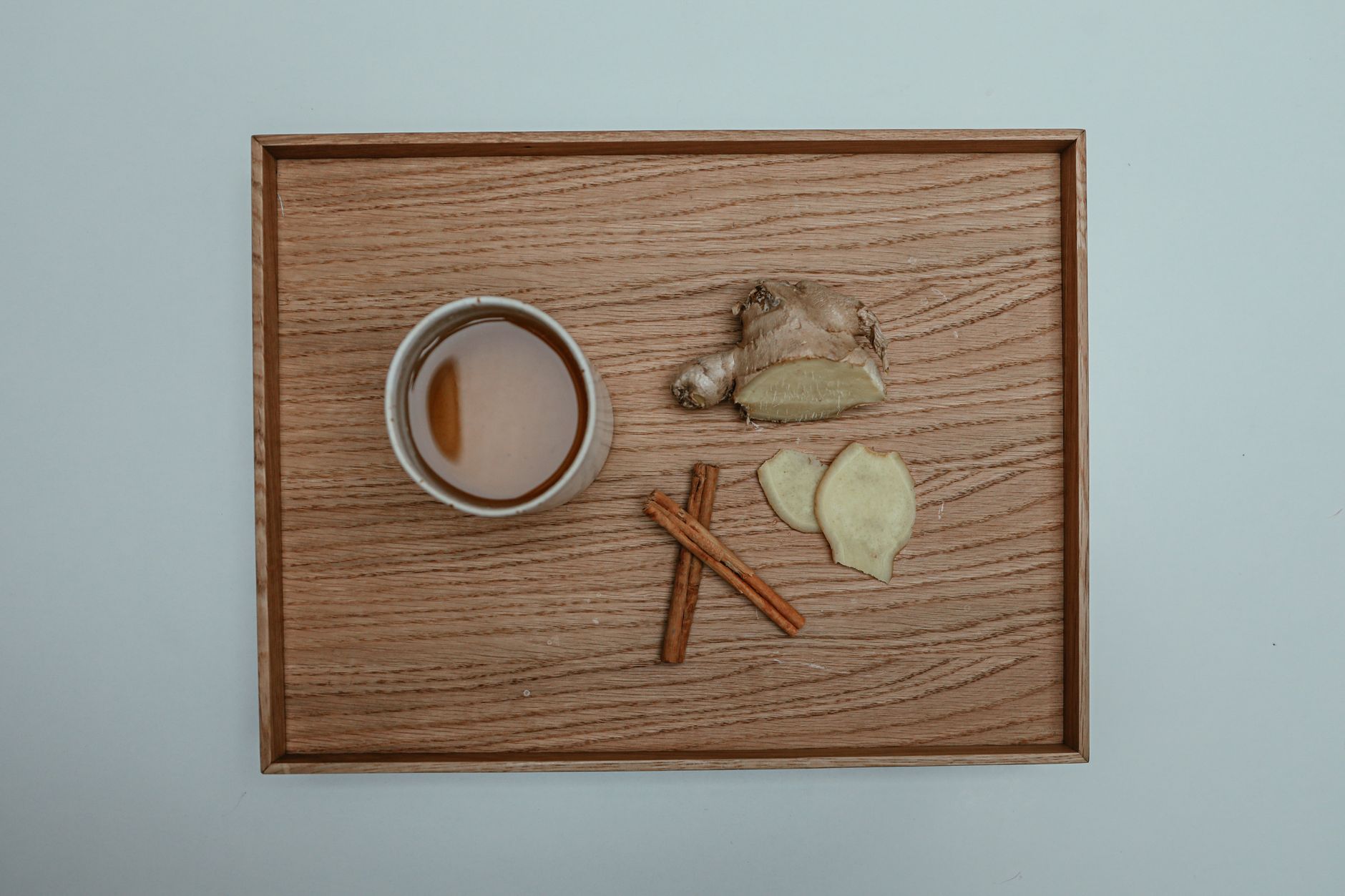
- Ginger: Ginger tea, ginger chews, or fresh ginger in stir-fries. Studies show ginger can reduce nausea by up to 50%.
- Crackers or toast: Dry, bland carbs help settle your stomach. Opt for whole-grain options for fiber.
- Peppermint or spearmint tea: These can calm your stomach and reduce nausea.
- Bananas or applesauce: Gentle on the stomach and easy to digest.
- Lean proteins: Eggs, chicken, or turkey can help stabilize blood sugar and reduce nausea.
One reader shared, “I used to hate the smell of food in the morning, but I started keeping ginger tea and crackers by my bed. Sipping ginger tea first thing and eating a few crackers before getting up made a huge difference!”
TLC foods to avoid if you have morning sickness
- Strong-smelling foods (like garlic or onions)
- Fatty or fried foods (can worsen nausea)
- Caffeine (can trigger nausea in some women)
- Spicy foods (may irritate your stomach)
TLC diet grocery list for beginners: what to buy and what to avoid
Walking into the grocery store for the first time on the TLC diet can feel like a minefield—especially when you’re trying to balance blood sugar, pregnancy cravings, and a tight budget. The key is focusing on whole, unprocessed foods and avoiding the aisles where hidden sugars and unhealthy fats lurk.
Here’s your ultimate TLC grocery list, organized by section:
Produce (aim for colorful varieties!)
- Leafy greens (spinach, kale, arugula)
- Cruciferous veggies (broccoli, cauliflower, Brussels sprouts)
- Bell peppers, zucchini, carrots, sweet potatoes
- Berries (strawberries, blueberries, raspberries)
- Apples, pears, bananas, oranges
Proteins
- Skinless chicken breast or thighs
- Turkey breast
- Fatty fish (salmon, mackerel, sardines)
- Eggs
- Lentils, chickpeas, black beans
- Greek yogurt (unsweetened)
- Cottage cheese (low-fat)
Grains
- Quinoa, brown rice, farro
- Whole-grain bread or wraps
- Oats (old-fashioned or steel-cut)
- Whole-grain pasta (look for 100% whole wheat)
Healthy Fats
- Avocados
- Almonds, walnuts, pistachios
- Chia seeds, flaxseeds
- Olive oil (extra virgin)
Dairy (if tolerated)
- Unsweetened almond milk or soy milk
- Low-fat or fat-free cheese
- Plain Greek yogurt
What to avoid
- Refined sugars (candy, soda, pastries)
- White bread, white rice, processed cereals
- Fried foods (chips, fast food)
- Processed meats (sausages, hot dogs)
- High-sodium canned soups or sauces

Budget-friendly TLC tips
- Buy frozen veggies and berries (just as nutritious, often cheaper).
- Choose store-brand canned beans and lentils.
- Opt for whole chickens instead of pre-cut pieces.
- Buy in bulk: nuts, seeds, and grains last longer.
- Grow herbs like basil or mint if you have a windowsill.
Can you eat dairy on the TLC diet while breastfeeding? Expert recommendations
Breastfeeding moms have a lot on their plate—literally. If you’re wondering whether dairy fits into the TLC diet while nursing, the answer is yes, but with some caveats. Dairy can be a great source of calcium and protein for both you and your baby, but some women experience digestive issues or blood sugar spikes from dairy. Here’s what the experts say:
According to the American College of Obstetricians and Gynecologists (ACOG), most breastfeeding women can safely include dairy in moderation. However, if you notice your baby has gas, fussiness, or a rash after you eat dairy, you may need to cut back or try lactose-free options.
TLC-friendly dairy choices for breastfeeding moms:
- Plain Greek yogurt (unsweetened)
- Low-fat cottage cheese
- Hard cheeses like cheddar or Swiss (lower in lactose)
- Lactose-free milk or yogurt (if needed)
- Small amounts of natural cheese (like mozzarella or ricotta) in meals
One breastfeeding mom shared, “I used to avoid dairy completely because I thought it would make my baby gassy, but my lactation consultant said it was okay in moderation. I just watch my portions and stick to plain yogurt and cheese. It’s helped my calcium levels stay up!”
If you’re concerned about dairy, consider dairy-free alternatives like fortified almond milk, coconut yogurt, or nutritional yeast for a cheesy flavor.
TLC diet snack ideas for pregnancy cravings that won’t spike blood sugar
Let’s be real: Pregnancy cravings are real, and they’re not always easy to resist. The TLC diet doesn’t ban cravings—it just helps you satisfy them in a way that keeps your blood sugar stable. Here are some smart swaps for common pregnancy cravings:
For sweet cravings
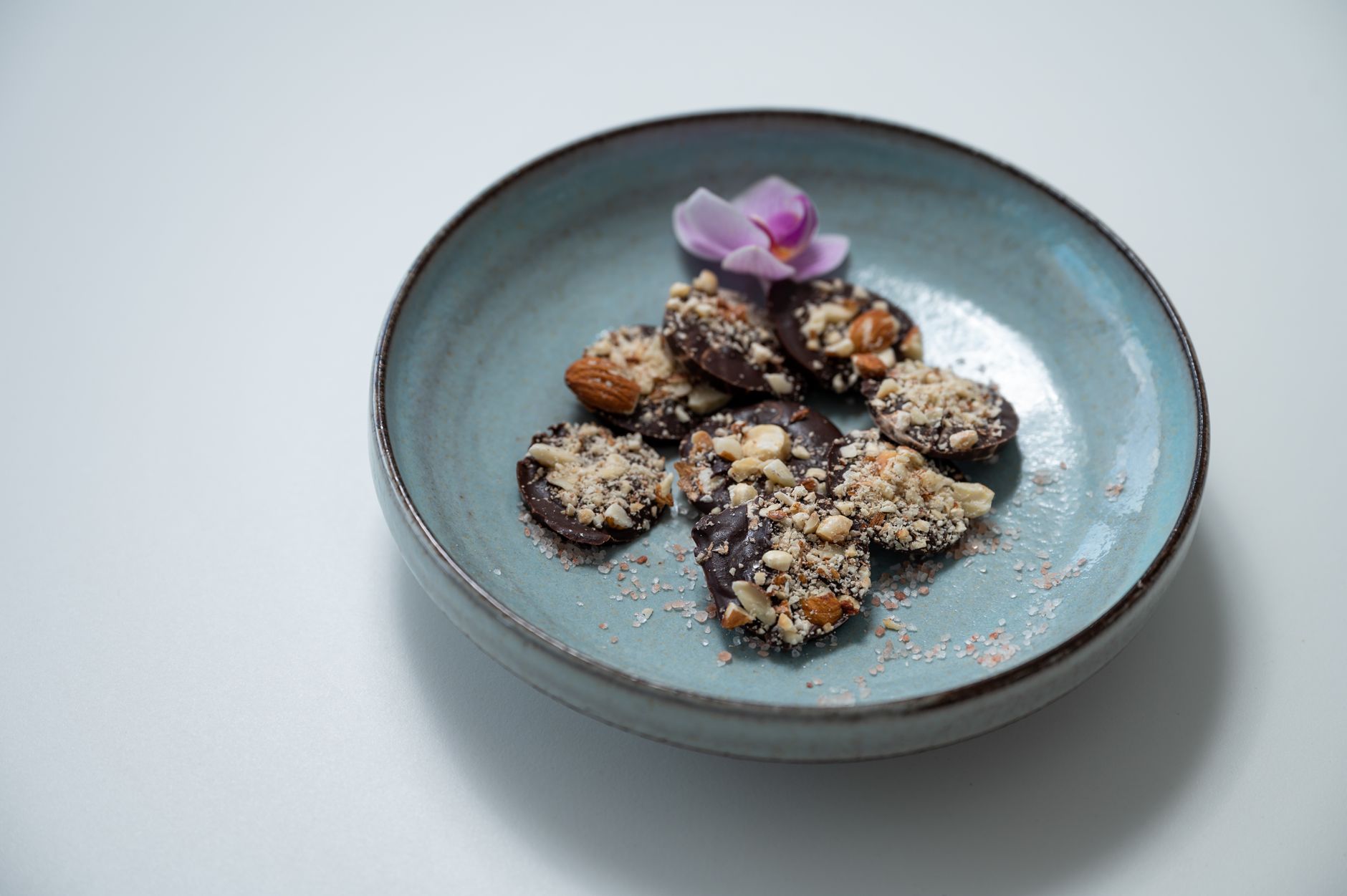
- Dark chocolate (70% cocoa or higher)
- Frozen yogurt with berries
- Apple slices with almond butter
- Chia pudding (chia seeds + almond milk + cinnamon)
- Baked cinnamon apples
For salty cravings
- Roasted chickpeas
- Nuts and seeds (almonds, walnuts, pumpkin seeds)
- Popcorn (air-popped, no butter)
- Olives or pickles (in moderation)
For crunchy cravings
- Whole-grain crackers with avocado
- Celery sticks with peanut butter
- Baked sweet potato fries
- Air-fried kale chips
Easy TLC snack hacks
- Portion nuts into small bags for grab-and-go.
- Pre-cut veggies and pair with hummus.
- Make energy balls with oats, peanut butter, and honey.
- Keep a stash of unsalted nuts and seeds by your desk.
Best TLC diet recipes for gestational diabetes control and weight management
If you’re managing gestational diabetes, you know that food is your first line of defense. The good news? TLC-approved meals can be delicious, satisfying, and easy to prepare. Here are three of our favorite recipes that help control blood sugar while keeping you full and happy.
1. Lemon Garlic Chicken with Roasted Veggies
Ingredients:
- 2 boneless, skinless chicken breasts
- 1 lemon (juiced + zest)
- 2 cloves garlic, minced
- 1 tbsp olive oil
- 1 cup broccoli florets
- 1 cup bell peppers, sliced
- 1 tsp dried oregano
Instructions:
- Preheat oven to 400°F. Toss veggies with olive oil, salt, and pepper; spread on a baking sheet.
- Mix lemon juice, zest, garlic, and oregano. Coat chicken in the mixture.
- Place chicken on the baking sheet with veggies. Roast for 25 minutes or until chicken reaches 165°F.
- Serve with a side of quinoa or brown rice.
2. Lentil and Spinach Soup
Ingredients:
- 1 cup dried lentils, rinsed
- 1 can (14 oz) diced tomatoes (no salt added)
- 2 cups low-sodium vegetable broth
- 2 cups fresh spinach
- 1 onion, diced
- 2 cloves garlic, minced
- 1 tsp cumin
Instructions:
- Sauté onion and garlic in olive oil until soft.
- Add lentils, tomatoes, broth, and cumin. Simmer for 20 minutes.
- Stir in spinach until wilted. Serve with a sprinkle of fresh parsley.
3. Baked Salmon with Asparagus and Quinoa
Ingredients:
- 2 salmon fillets
- 1 bunch asparagus, trimmed
- 1 cup cooked quinoa
- 1 tbsp olive oil
- 1 lemon (sliced)
- 1 tsp dried dill
Instructions:
- Preheat oven to 375°F. Toss asparagus with olive oil, salt, and pepper; place on a baking sheet.
- Place salmon on the sheet, top with lemon slices and dill.
- Bake for 15–20 minutes until salmon flakes easily.
- Serve with quinoa and a side salad.
TLC diet meal plan for pregnancy with portion sizes and calorie breakdowns
When you’re managing gestational diabetes, knowing exactly how much to eat—and what to eat—can feel overwhelming. The TLC diet provides clear guidelines for portion sizes to help you stay in control of your blood sugar while meeting your pregnancy needs. Here’s a sample meal plan with calorie breakdowns to get you started.
Daily calorie target for pregnancy (varies by needs): ~1,800–2,200 calories (consult your provider for personalized goals).
This meal plan totals ~1,400 calories with ~133g carbs. To reach your daily target, add healthy fats like avocado, nuts, or olive oil to meals. Always monitor your blood sugar and adjust portions as needed with your provider’s guidance.
How to transition from a standard diet to the TLC diet safely during pregnancy
Switching to the TLC diet during pregnancy doesn’t have to be an all-or-nothing overhaul. Many women find it helpful to ease into the changes gradually, focusing on one or two adjustments at a time. Here’s how to transition safely and sustainably.
Step 1: Start with hydration and fiber
Begin by increasing your water intake and adding more fiber-rich foods like veggies, fruits, and whole grains. This helps stabilize blood sugar and keeps you full. Try adding a side salad to every meal or swapping white rice for quinoa.
Step 2: Swap one unhealthy habit at a time
- Replace sugary cereals with oatmeal and berries.
- Swap soda for sparkling water with lemon.
- Choose baked chicken instead of fried.
Step 3: Plan your meals
Use the meal prep tips from earlier to batch-cook TLC-friendly meals on weekends. Keep healthy snacks like nuts, yogurt, or veggies handy to avoid reaching for less healthy options.
Step 4: Monitor your blood sugar
Track your blood sugar levels regularly to see how your body responds to the changes. If you notice spikes after certain foods, adjust portions or choose lower-glycemic options.
One reader shared her transition: “I started by just adding more veggies to my meals and swapping my morning cereal for oatmeal. It took a few weeks, but I gradually cut back on sugar and started feeling more energized. Now I’m confident in my TLC meals!”
TLC diet approved foods list for vegan or vegetarian pregnant women
If you’re following a vegan or vegetarian diet during pregnancy, the TLC diet can still work for you—you’ll just need to focus on plant-based protein, healthy fats, and fiber-rich foods. The key is ensuring you’re getting enough nutrients like iron, calcium, and omega-3s, which are critical for both you and your baby.
Here’s a comprehensive list of TLC-approved vegan and vegetarian foods:
Proteins
- Lentils, chickpeas, black beans
- Tofu, tempeh, edamame
- Seitan (moderation due to gluten)
- Quinoa, buckwheat
- Nuts and seeds (almonds, chia, flax)
Calcium sources
- Fortified plant milks (almond, soy)
- Tahini
- Leafy greens (kale, bok choy)
- Chickpeas and white beans
Omega-3s
- Flaxseeds, chia seeds
- Walnuts
- Algal oil supplements (check with your provider)
Sample vegan TLC meal
Breakfast: Chia pudding with almond milk, berries, and walnuts.
Lunch: Lentil and vegetable soup with whole-grain bread.
Dinner: Stuffed bell peppers with quinoa, black beans, and avocado.
Snack: Hummus with cucumber and carrot sticks.
If you’re concerned about nutrient gaps, consider working with a registered dietitian who specializes in plant-based nutrition during pregnancy. They can help you create a personalized plan that meets your needs.
Does the TLC diet help with polycystic ovary syndrome (PCOS) during pregnancy?
If you’re pregnant with PCOS, you know that managing blood sugar and hormones is even more critical than usual. The TLC diet can be a game-changer for women with PCOS because it helps stabilize insulin levels, which is key for reducing PCOS symptoms and supporting a healthy pregnancy.
Studies show that the TLC diet can improve insulin sensitivity, reduce inflammation, and lower androgen levels—all of which are beneficial for women with PCOS. Here’s how it helps:
- Stabilizes blood sugar: Reduces insulin spikes that worsen PCOS symptoms.
- Supports heart health: Lowers LDL cholesterol, which is often elevated in PCOS.
- Encourages weight management: Helps prevent excessive weight gain during pregnancy.
- Reduces inflammation: Supports overall hormonal balance.
One reader with PCOS shared, “I was diagnosed with PCOS before pregnancy, and my provider recommended the TLC diet to help manage my insulin resistance. I noticed my energy levels improved, and my acne cleared up. It’s been a lifesaver!”
If you have PCOS, work closely with your provider to monitor your blood sugar and hormones. The TLC diet can be a powerful tool, but it may need to be combined with other PCOS management strategies like exercise and supplements (like inositol) as recommended by your provider.
TLC diet for pregnancy: does it reduce the risk of preeclampsia?
Preeclampsia is a serious pregnancy complication that affects blood pressure and organ function, and it’s one of the top concerns for women managing gestational diabetes. The good news? Research suggests that the TLC diet—with its focus on heart-healthy fats, fiber, and low sodium—may help reduce the risk of preeclampsia.
According to the NHS and ACOG, diets rich in fruits, vegetables, whole grains, and lean proteins are associated with a lower risk of preeclampsia. The TLC diet aligns perfectly with these recommendations by:
- Lowering sodium intake: Reduces fluid retention and blood pressure spikes.
- Increasing potassium and magnesium: Helps regulate blood pressure.
- Encouraging omega-3s: Reduces inflammation linked to preeclampsia.
One study published in the Journal of the American Medical Association found that women who followed a diet similar to TLC had a 30% lower risk of preeclampsia. While more research is needed, the diet’s emphasis on whole foods and balanced nutrition makes it a smart choice for reducing risk.
To maximize benefits, combine the TLC diet with regular prenatal visits, moderate exercise, and stress management techniques like yoga or meditation.
Budgeting for a healthy diet during pregnancy can feel like a challenge, especially when you’re on a tight budget. The good news? The TLC diet is one of the most budget-friendly diets out there because it focuses on whole, unprocessed foods that are often cheaper than convenience foods. Here’s how to shop smart:
Prioritize these affordable TLC staples
- Dried beans and lentils (buy in bulk)
- Frozen veggies (just as nutritious, often cheaper)
- Oats and brown rice (cheaper than quinoa)
- Eggs (a great protein source)
- Canned tuna or salmon (low-cost protein)
- Bananas and apples (cheaper than berries)
- Whole-wheat pasta (more affordable than quinoa)