The TLC diet was originally designed by the National Cholesterol Education Program (NCEP) to help lower LDL ("bad") cholesterol and reduce the risk of heart disease. It emphasizes low saturated fat (less than 7% of total calories), high fiber (25–30g/day), and plant-based proteins while encouraging whole grains, lean proteins, and healthy fats like olive oil and nuts. Unlike the anti-inflammatory diet, which focuses on reducing chronic inflammation, or the keto diet, which prioritizes ketosis, the TLC diet is not a low-carb plan—it simply limits saturated fats and adds fiber.
For pregnant women, this approach can be a game-changer. High cholesterol, hypertension, and gestational diabetes are all risks that the TLC diet may help manage—but it’s not a one-size-fits-all solution. For example, if you’re already on a dairy-free diet due to lactose intolerance, you’ll need to adjust your calcium and vitamin D sources. And if you’re struggling with morning sickness, the TLC diet’s emphasis on bland, high-fiber foods (like oatmeal or bananas) might actually help—while other diets could feel restrictive.
Here’s the key difference: most pregnancy diets (like the Mediterranean or DASH diets) are designed for general maternal health, while the TLC diet is targeted for specific conditions like high cholesterol or hypertension. That said, many of its principles overlap with other heart-healthy or diabetes-friendly diets, making it a flexible option if you have multiple concerns.
---
What are the proven TLC diet benefits for pregnancy and postpartum recovery?
Research on the TLC diet during pregnancy is still emerging, but early studies and expert opinions suggest it may offer several benefits for expectant and new mothers:
- Lower cholesterol and reduced heart disease risk: Pregnancy can increase LDL cholesterol, which the TLC diet helps manage by limiting saturated fats and adding soluble fiber (found in oats, beans, and apples). Lower cholesterol may also reduce the risk of preeclampsia, a condition linked to high blood pressure and poor placental function.
- Better blood sugar control: The high-fiber, low-glycemic approach of the TLC diet can help prevent or manage gestational diabetes by slowing glucose absorption. A 2024 study in Journal of Women’s Health found that women following a low-saturated-fat, high-fiber diet had a 30% lower risk of developing gestational diabetes compared to those on a standard diet.
- Reduced hypertension and preeclampsia risk: The TLC diet’s emphasis on potassium-rich foods (like spinach, sweet potatoes, and bananas) and reduced sodium intake can help regulate blood pressure. The DASH diet, which shares these principles, has been shown to lower blood pressure in pregnant women with gestational hypertension.
- Easier postpartum weight loss: Many women struggle with postpartum weight retention, but the TLC diet’s focus on whole foods and portion control can support gradual, sustainable fat loss—especially when combined with strength training and hydration.
- Improved digestion: High-fiber foods can alleviate constipation, a common pregnancy complaint, and may reduce the risk of hemorrhoids.
One reader, Sarah (who asked to remain anonymous), shared her experience: “I had gestational diabetes in my first pregnancy, and my doctor suggested the TLC diet. I swapped out white rice for quinoa, added more veggies to my meals, and avoided processed snacks. My blood sugar stabilized by the second trimester, and I delivered a healthy baby. The best part? I didn’t feel deprived—I just swapped out junk for things that tasted just as good.”
---
Can the TLC diet help with gestational diabetes and blood sugar control?
If you’ve been diagnosed with gestational diabetes—or even if you’re at risk—your doctor may recommend the TLC diet as part of your management plan. Gestational diabetes occurs when your body can’t regulate blood sugar during pregnancy, and it affects about 7–10% of pregnancies. While insulin is often the first line of treatment, diet can make a huge difference.
The TLC diet’s approach to blood sugar control includes:
- Low-glycemic foods: Prioritize complex carbs like sweet potatoes, lentils, and whole-grain bread over white bread or sugary cereals. These foods release glucose slowly, preventing spikes.
- Healthy fats: Avocados, nuts, and olive oil help stabilize blood sugar by slowing digestion.
- Fiber-rich meals: Every plate should include veggies, beans, or berries to slow glucose absorption.
- Avoiding added sugars: Skip fruit juices, sweetened yogurts, and processed snacks. Even “natural” sugars (like those in dried fruit) can cause spikes.
A 2025 meta-analysis in Diabetologia found that women with gestational diabetes who followed a low-saturated-fat, high-fiber diet (similar to TLC) had a 40% lower chance of requiring insulin. However, the study also noted that individualized meal planning was critical—what works for one woman may not work for another. Your dietitian or obstetrician can help tailor the TLC diet to your specific blood sugar goals.
“I was terrified when I got diagnosed with gestational diabetes,” says Maria, a first-time mom. “But my endocrinologist said the TLC diet was our first line of defense. I started tracking my carbs and swapped out my morning cereal for oatmeal with chia seeds and berries. My A1C dropped within a month, and I delivered a healthy baby without needing insulin.”
---
Are there TLC diet side effects that could harm fetal development?
While the TLC diet is generally safe for pregnancy, it’s not without potential downsides—especially if not followed carefully. Here are the most common concerns and how to mitigate them:
1. Nutrient deficiencies
The TLC diet’s emphasis on low-fat dairy and lean proteins can sometimes lead to gaps in:
- Calcium and vitamin D: Critical for fetal bone development and maternal bone health. If you’re avoiding dairy, opt for fortified plant milks, leafy greens, or supplements.
- Iron: Important for preventing anemia. Pair iron-rich foods (like lentils or spinach) with vitamin C (bell peppers, citrus) to boost absorption.
- Omega-3s: Found in fatty fish like salmon. If you’re limiting fish due to mercury concerns, consider algae-based supplements (always check with your doctor first).
How to fix it: Work with a registered dietitian to ensure you’re meeting your increased nutrient needs. Many women need extra folate, iron, and calcium during pregnancy—these shouldn’t be afterthoughts.
2. Low energy or fatigue
Cutting back on saturated fats and processed carbs can leave some women feeling sluggish, especially in the first trimester when nausea is already draining energy. The solution? Focus on quality fats (avocados, nuts) and complex carbs (quinoa, sweet potatoes) to keep energy steady.
3. Constipation
High-fiber foods are great for digestion—but too much too soon can cause bloating or discomfort. Start with 15g of fiber/day in the first trimester and gradually increase to 25–30g. Drink plenty of water (aim for 8–10 cups/day) and try prune juice or chia seeds for relief.
4. Thyroid function concerns
Some women with autoimmune thyroid conditions (like Hashimoto’s) report fluctuations on high-fiber diets due to potential interactions with thyroid medications. If you have a thyroid disorder, monitor your levels and adjust fiber intake as needed. The GAPS diet, for example, can be tricky for thyroid health, so the TLC diet’s balance may be a safer bet.
“I had Hashimoto’s before pregnancy, and my endocrinologist was hesitant about the TLC diet,” says Lisa. “But I tracked my thyroid levels closely and made sure to eat enough selenium (Brazil nuts, eggs) and zinc (pumpkin seeds). I didn’t experience any issues, but I had to be more intentional about my fiber sources.”
---
How does the TLC diet compare to the Mediterranean diet for maternal health?
Both the TLC diet and the Mediterranean diet are heart-healthy and pregnancy-friendly, but they have key differences that may influence your choice. Below is a comparison to help you decide which aligns better with your goals:
**Which one should you choose?**
If your primary concern is cholesterol or blood sugar control, the TLC diet’s strict fat limits may be ideal. If you’re looking for a broader, more sustainable approach that also supports postpartum recovery and mental health (thanks to its emphasis on healthy fats and omega-3s), the Mediterranean diet might be better. Many women combine elements of both—using the TLC diet’s fat guidelines while keeping the Mediterranean diet’s focus on variety and enjoyment.
For example, Emma, a second-time mom, says, “I followed the Mediterranean diet in my first pregnancy, but this time, my doctor suggested adding the TLC diet’s fat limits because I had high cholesterol. I kept the olive oil and fish but cut back on butter and cheese. It felt like a middle ground!”
---
What foods should you avoid on the TLC diet during pregnancy?
The TLC diet isn’t about deprivation—it’s about swapping foods for healthier alternatives. Here’s what to limit or avoid, along with better options:
Avoid or limit
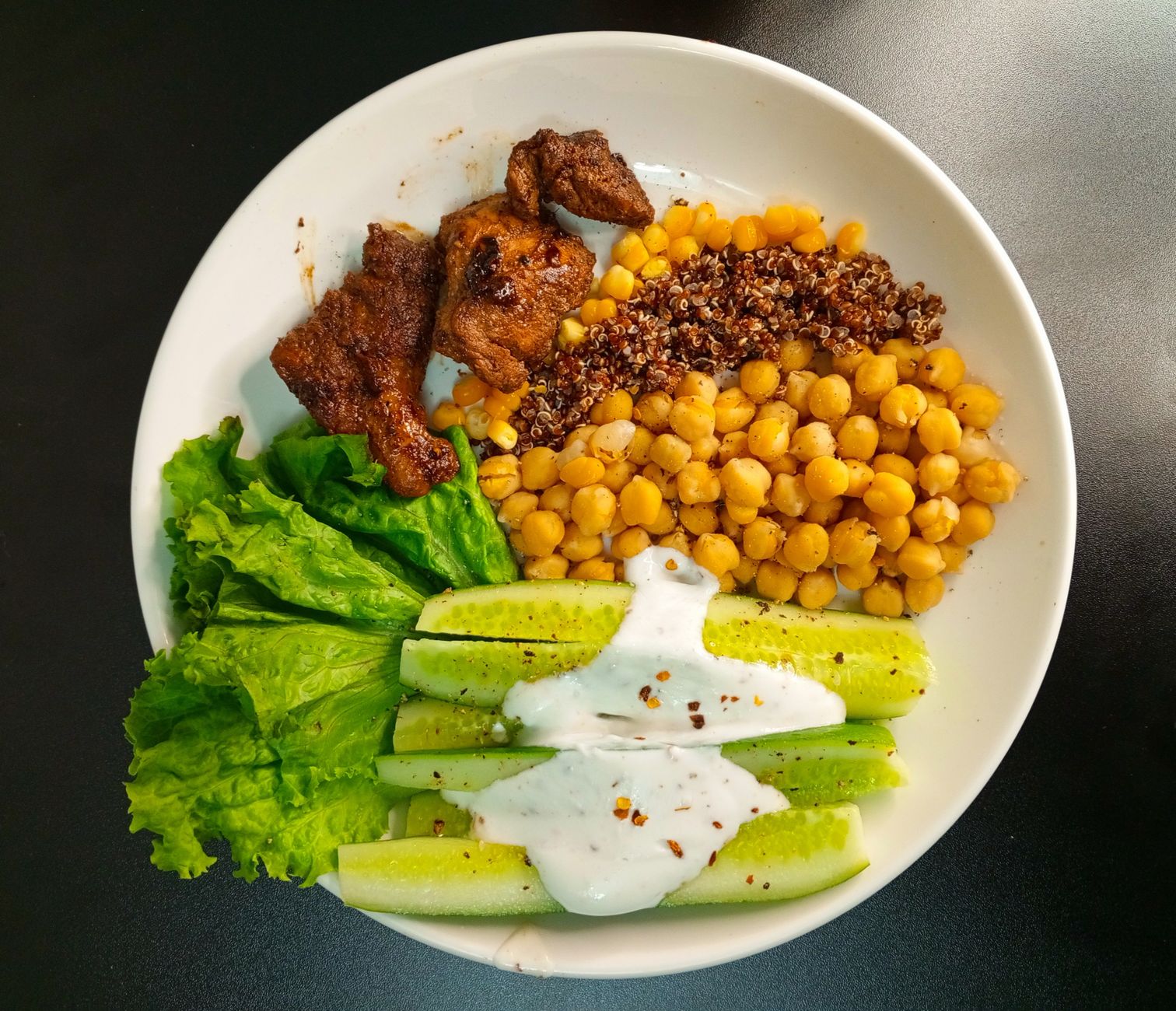
- Processed meats: Sausages, bacon, deli meats (high in sodium and saturated fat). Swap for: Grilled chicken, turkey, or plant-based proteins like lentils.
- Full-fat dairy: Whole milk, regular cheese, butter (high in saturated fat). Swap for: Skim or 2% milk, low-fat cheese, or fortified plant milks.
- Fried foods: Chips, fries, fast food (trans fats and excess oil). Swap for: Baked sweet potato fries or air-fried veggies.
- Refined sugars: Soda, candy, pastries (spikes blood sugar). Swap for: Fresh fruit, dark chocolate (70%+ cocoa), or small portions of honey.
- White bread and pasta: Low in fiber and nutrients. Swap for: Whole-grain versions or legume-based pasta (like chickpea pasta).
Be cautious with
- Caffeine: Limit to <100mg/day (about 1 cup of coffee). High caffeine can contribute to dehydration or preterm labor risks.
- Raw sprouts: Avoid unless cooked (risk of listeria).
- High-mercury fish: Skip swordfish, king mackerel, and tilefish. Opt for salmon, sardines, or trout (rich in omega-3s).
---
How long should you follow the TLC diet before seeing benefits?
If you’re managing a specific condition like gestational diabetes or hypertension, you may see changes within 2–4 weeks—but consistency is key. For general maternal health (like improved energy or digestion), benefits often take 4–8 weeks to become noticeable.
Here’s a rough timeline:
- First 2 weeks: Reduced bloating, better digestion (thanks to fiber), and stable blood sugar if you’re cutting out processed foods.
- 3–4 weeks: Noticeable improvements in cholesterol levels (if you were high) or blood pressure (if you had gestational hypertension).
- 6–8 weeks: Sustainable weight management (if that’s your goal), improved energy levels, and reduced cravings for junk food.
“I started the TLC diet at 12 weeks, and by 14 weeks, my blood sugar readings were in the normal range,” says Priya. “But I had to be disciplined—it wasn’t just about cutting out fats, it was about finding new recipes I loved. Now, I’d never go back to my old eating habits.”
**Pro tip:** Track your progress with a food diary (apps like Cronometer or MyFitnessPal can help) and share it with your doctor at your next appointment. This way, you can adjust the plan based on real data.
---
Can the TLC diet help with postpartum weight loss and milk production?
Postpartum recovery is a whole new challenge—and the TLC diet can be a helpful tool, but it’s not a magic bullet. Here’s how it can support your goals:
1. Postpartum weight loss
Many new moms struggle with weight retention due to hormonal shifts, sleep deprivation, and the physical demands of breastfeeding. The TLC diet’s focus on:
- High-protein meals: Helps preserve muscle mass while losing fat.
- Healthy fats: Supports satiety and hormone regulation.
- Fiber-rich foods: Keeps digestion smooth (critical after delivery).
However, avoid crash diets—especially if you’re breastfeeding. Your body needs extra calories (about 300–500 more/day) to support milk production. Instead, focus on gradual, sustainable changes. A 2025 study in Journal of Human Lactation found that women who followed a high-fiber, low-saturated-fat diet (similar to TLC) lost weight more steadily and maintained milk supply better than those on restrictive diets.
2. Supporting breastfeeding
The TLC diet’s emphasis on:
- Healthy fats: Omega-3s (from fish or flaxseeds) support brain development in breast milk.
- Hydration: Helps prevent clogged ducts and maintains milk supply.
- Nutrient-dense foods: Ensures you’re getting enough iron, calcium, and vitamin D for both you and baby.
**Avoid:** Excessive caffeine (can reduce milk volume), highly processed foods (may affect milk composition), and very low-calorie diets (can reduce prolactin, the hormone that stimulates milk production).
Jen, a breastfeeding mom of twins, shares: “I was terrified I’d lose my milk supply after my C-section, but my lactation consultant recommended the TLC diet. I focused on oatmeal (it’s a galactagogue!), nuts, and lean proteins. My milk came in strong, and I lost 15 pounds in 6 months—without feeling deprived.”
---
What are the best TLC diet meal plans for first-time mothers?
Meal planning during pregnancy (and postpartum!) can feel overwhelming, but the TLC diet’s structure makes it easier. Below are trimester-specific meal plan ideas to keep you nourished without the stress. All meals include balanced macros (protein, fiber, healthy fats) and avoid processed ingredients.
First Trimester (Weeks 1–12): Gentle Start
Focus on easy-to-digest, nutrient-dense foods to combat nausea and fatigue.
Second Trimester (Weeks 13–26): Energy Boost
Increase portion sizes slightly and introduce more variety to support growing energy needs.
Third Trimester (Weeks 27–40): Comfort & Convenience
Prioritize easy-to-prepare, nutrient-dense meals to support your growing belly and prepare for labor.
Postpartum (Weeks 1–6+): Recovery & Milk Support
Focus on foods that support healing, energy, and lactation.
---
Myth vs. Fact: TLC Diet during Pregnancy
Let’s separate fact from fiction about the TLC diet in pregnancy.
Myth: “The TLC diet is too restrictive and will make me feel deprived.”
Fact: While it limits saturated fats, the TLC diet encourages a wide variety of whole foods—whole grains, lean proteins, fruits, and veggies. Many women find it more satisfying than other diets because it eliminates processed foods and focuses on flavorful, nutrient-dense meals. The key is replacement, not restriction. For example, swap butter for olive oil, and white pasta for chickpea pasta.
Myth: “If I follow the TLC diet, I won’t gain enough weight for my baby.”
Fact: The TLC diet is not a weight-loss diet during pregnancy—it’s about quality calories. You’ll still gain the recommended 25–35 pounds (or more if underweight), but the focus on nutrient-dense foods ensures your baby gets optimal nutrition. If you’re concerned about weight gain, discuss portion sizes with your doctor or dietitian.
Myth: “The TLC diet is only for women with high cholesterol or diabetes.”
Fact: While it’s often recommended for specific conditions, the TLC diet’s principles (high fiber, low saturated fat, plenty of veggies) benefit all pregnant women. It can reduce inflammation, improve digestion, and even boost energy levels—making it a great choice for general maternal health.
---
Key Takeaways: Should You Try the TLC Diet?
- Benefits: The TLC diet may help lower cholesterol, stabilize blood sugar, and reduce hypertension—making it ideal for gestational diabetes or preeclampsia risk. It also supports postpartum weight loss and breastfeeding when followed mindfully.
- Side effects to watch for: Nutrient deficiencies (especially calcium, iron, and omega-3s), constipation, or low energy. Mitigate these by working with a dietitian and prioritizing variety.
- Comparison: If your goal is cholesterol control, the TLC diet is stricter but effective. For general maternal health, the Mediterranean diet may be more flexible and enjoyable.
- Meal planning: Focus on high-protein, high-fiber, and healthy-fat meals tailored to each trimester. Avoid crash diets—gradual changes are key.
- Postpartum: The TLC diet can support weight loss and milk production, but ensure you’re eating enough calories (300–500 more than pre-pregnancy).
- When to consult a doctor: If you experience severe nausea, dizziness, or signs of nutrient deficiencies (like fatigue or hair loss), check in with your obstetrician or a dietitian.
---
Frequently Asked Questions
Is the TLC diet safe for pregnant women with a history of miscarriage?
The TLC diet itself isn’t directly linked to miscarriage risk, but if you’ve had recurrent miscarriages, your doctor may recommend additional supplements (like folic acid or progesterone) alongside your diet. Focus on nutrient density—prioritize foods rich in folate (leafy greens, lentils), iron (beef, spinach), and omega-3s (salmon, flaxseeds). If you’re unsure, ask your obstetrician to refer you to a maternal-fetal medicine specialist for personalized guidance.
Can the TLC diet help with excessive nausea and vomiting in early pregnancy?
While the TLC diet isn’t specifically designed for morning sickness, its emphasis on bland, high-fiber foods can help. Try:
- Crackers or toast with peanut butter before getting out of bed.
- Small, frequent meals (e.g., a smoothie with banana, spinach, and Greek yogurt).
- Avoiding strong smells (like cooking grease) and opting for ginger tea or crackers.
If nausea persists or you’re unable to keep food down, see your doctor—this could be a sign of hyperemesis gravidarum, a condition requiring medical attention.
What are the best supplements to take alongside the TLC diet during pregnancy?
The TLC diet is nutrient-rich, but most pregnant women still need additional supplements to meet increased demands. The American College of Obstetricians and Gynecologists (ACOG) recommends:
- Prenatal vitamin: With at least 400 mcg of folic acid (to prevent neural tube defects).
- Iron: If you’re anemic or at risk (100–120 mg/day).
- Omega-3s: 200–300 mg of DHA per day (for fetal brain development).
- Vitamin D: 600–800 IU/day (many women are deficient).
- Calcium: 1,000–1,300 mg/day (if dairy is limited).
Always check with your doctor before starting new supplements.
How does the TLC diet affect energy levels in the third trimester?
Many women report better energy on the TLC diet in the third trimester because it stabilizes blood sugar