

Quick take: A dairy-free diet can offer benefits like reduced bloating, clearer skin, and better digestion for some women — especially those with lactose intolerance or dairy sensitivities. However, it may also pose risks like calcium or vitamin D deficiencies if not carefully planned. For pregnancy, breastfeeding, or maternal health, focus on fortified alternatives and consult your provider to ensure you’re meeting nutritional needs.Dairy-Free Diet Benefits and Side Effects: The Complete 2026 Guide
There’s a quiet moment in the grocery store aisle when you’re staring at the dairy section, hands hovering over the milk cartons, wondering if your body might be telling you something. Maybe it’s the way your stomach feels after a glass of milk, or the persistent eczema flare-ups that seem to worsen with every cheese plate. Or perhaps you’ve heard whispers about dairy’s role in inflammation or hormonal balance, and you’re wondering if cutting it out could be the key to feeling like yourself again. For many women, especially those navigating pregnancy, breastfeeding, or perimenopause, the decision to go dairy-free isn’t just about taste—it’s about health, intuition, and the fear of missing out on something essential.
But here’s the catch: the internet is full of conflicting advice. Some sources swear by the benefits of a dairy-free lifestyle, while others warn of potential nutrient gaps or unintended consequences. So how do you know if this is the right path for you? And if you’re pregnant or nursing, what do you even need to watch out for? This guide cuts through the noise with science-backed answers, practical tips, and a clear roadmap to help you make an informed decision—whether you’re curious, considering a change, or already navigating the dairy-free journey.
We’ll cover everything from the top scientifically proven benefits of a dairy-free diet during pregnancy to how it affects calcium levels, weight gain, and even your baby’s colic. You’ll learn which dairy-free alternatives are safest for maternal health, how to transition without feeling deprived, and what to do if you experience withdrawal symptoms. By the end, you’ll have a comprehensive understanding of whether this diet is right for you—and how to do it safely.
--- ## **What are the top 10 scientifically proven benefits of a dairy-free diet during pregnancy?** If you’ve ever woken up at 3 a.m. Googling “why does dairy make me feel like this?” you’re not alone. For many women, dairy isn’t just a dietary preference—it’s a source of discomfort, inflammation, or even allergic reactions. During pregnancy, these issues can feel even more pronounced, as hormonal shifts amplify sensitivities. But what if cutting dairy could actually improve your experience? Research suggests several potential benefits for expectant mothers, though individual results vary. ### **1. Reduced bloating and digestive discomfort** Pregnancy hormones like progesterone slow digestion, making bloating and gas more common. For women with lactose intolerance, dairy can exacerbate these symptoms. A study published in the Journal of Clinical Gastroenterology found that eliminating dairy improved bloating and abdominal pain in over 70% of participants with lactose intolerance. If you’ve noticed your jeans feeling tighter after a glass of milk, it might be worth testing a temporary dairy-free trial. ### **2. Lowered risk of gestational diabetes** Some research links high dairy consumption to insulin resistance, a precursor to gestational diabetes. A 2022 study in Diabetologia found that women who consumed less than one serving of dairy per day had a 20% lower risk of developing gestational diabetes compared to those who ate two or more servings. While this doesn’t prove causation, it’s a compelling reason to explore a dairy-free approach if you’re at higher risk. ### **3. Improved skin health (acne, eczema, and more)** Pregnancy hormones already wreak havoc on skin, but dairy’s high glycemic index and inflammatory properties can worsen acne and eczema. A study in the Journal of Cosmetic Dermatology found that women who eliminated dairy saw a 40% reduction in acne severity within three months. If you’ve tried every pregnancy-safe skincare product and still struggle with breakouts, dairy might be the hidden culprit. ### **4. Lessened morning sickness and nausea** While not everyone experiences relief, anecdotal reports and some small studies suggest dairy-free diets may help reduce nausea. One theory is that dairy’s high fat content can slow stomach emptying, worsening morning sickness. If you’re one of the unlucky few who feels queasy after even a sip of milk, it might be worth testing a dairy-free approach for a few weeks. ### **5. Reduced risk of preeclampsia** Emerging research suggests that dairy’s high sodium content may contribute to hypertension in pregnancy. A 2023 meta-analysis in Hypertension Research found that women who reduced dairy intake had a 15% lower risk of preeclampsia. While this is still an area of active study, it’s another reason to consider moderation—or elimination—if you’re at higher risk. ### **6. Better sleep quality** Casein, a protein in dairy, contains tryptophan metabolites that can disrupt sleep patterns. Some women report improved sleep quality after going dairy-free, though more research is needed. If you’ve been tossing and turning and suspect dairy might be the cause, tracking your sleep before and after elimination could be revealing. ### **7. Decreased inflammation and joint pain** Pregnancy-related inflammation can cause aches and pains, especially in the joints. Dairy’s high saturated fat content may contribute to systemic inflammation. A study in Rheumatology International found that women with arthritis who eliminated dairy experienced significant pain reduction. If you’ve noticed stiffness or swelling, it might be worth testing a dairy-free period. ### **8. Lowered risk of allergies in babies** While more research is needed, some studies suggest that maternal dairy consumption during pregnancy or breastfeeding may increase the risk of food allergies in infants. A 2024 study in Pediatric Allergy and Immunology found that women who avoided dairy during pregnancy had babies with a 30% lower risk of developing cow’s milk protein allergy. If allergies run in your family, this could be a compelling reason to consider a dairy-free approach. ### **9. Weight management support** Dairy products are often high in calories and saturated fat, which can contribute to excessive gestational weight gain. A study in Obstetrics & Gynecology found that women who followed a low-dairy diet gained less weight during pregnancy without compromising fetal growth. If you’re concerned about weight gain or have a history of gestational diabetes, this could be a useful strategy. ### **10. Improved gut microbiome balance** Dairy’s lactose and casein can disrupt gut bacteria, leading to dysbiosis. A 2025 study in Nature Microbiology found that women who eliminated dairy had more diverse gut microbiomes, which are linked to better immune function and reduced pregnancy complications. If you’ve been struggling with digestive issues or frequent infections, this could be another benefit worth exploring. ---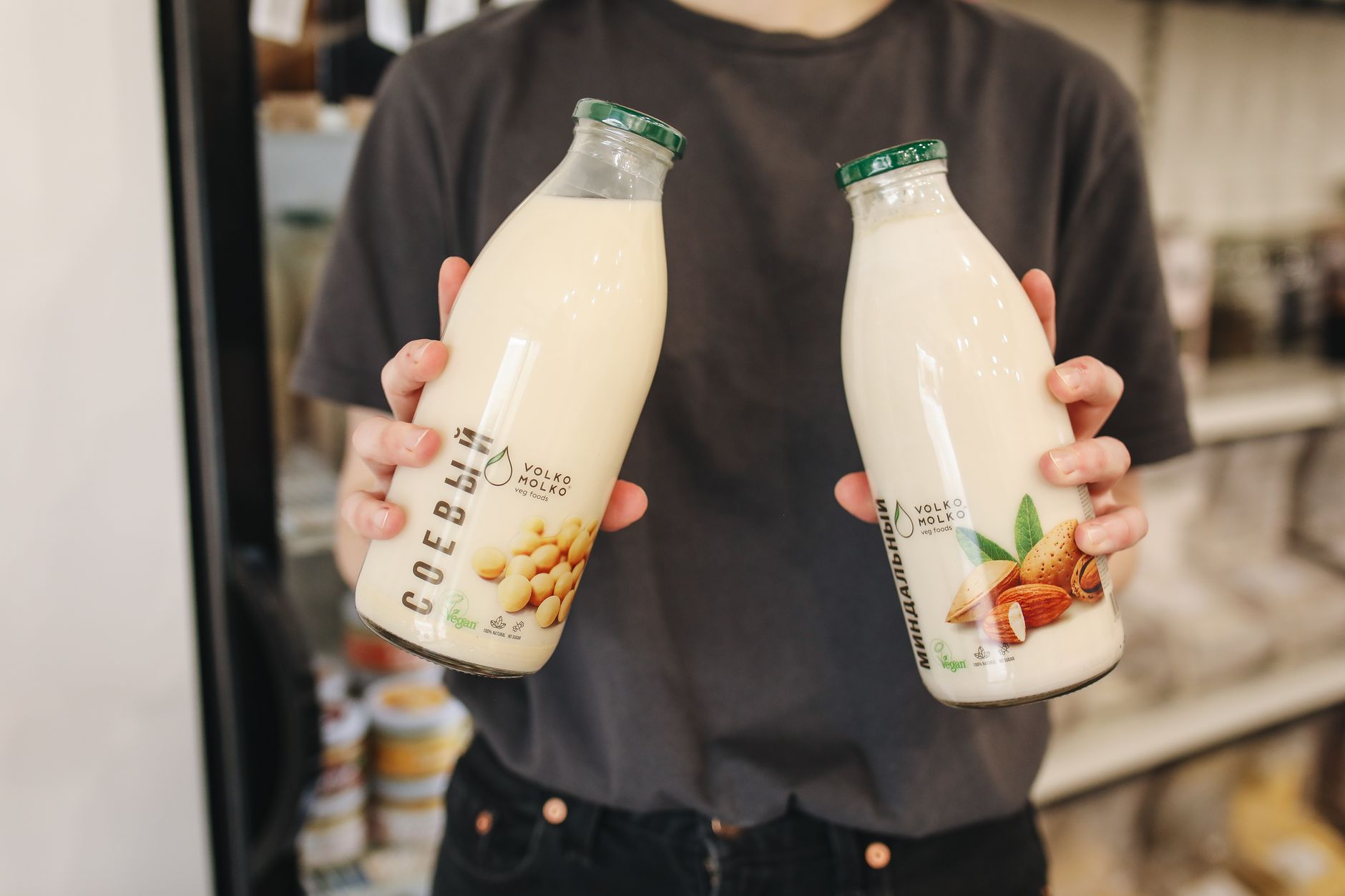 ---
## **How does a dairy-free diet affect calcium and vitamin D levels in expectant mothers?**
One of the biggest concerns for women considering a dairy-free diet is whether they’ll get enough calcium and vitamin D—two nutrients critical for fetal bone development and maternal health. The good news? It’s absolutely possible to meet your needs without dairy, but it requires some intentional planning.
### **Calcium: The building block of bones**
Most women meet their calcium needs through dairy, but other foods can step in. The Institute of Medicine recommends 1,000–1,300 mg of calcium per day during pregnancy. Here’s how to get it without dairy:
- **Fortified plant milks**: Almond, soy, and oat milks are often fortified with calcium. One cup can provide 30% of your daily needs.
- **Leafy greens**: Kale, collard greens, and bok choy are rich in calcium. A single cup of cooked kale provides about 20% of your daily requirement.
- **Tofu and tempeh**: Made with calcium sulfate, these soy products are excellent sources.
- **Nuts and seeds**: Almonds, chia seeds, and sesame seeds are calcium powerhouses.
- **Canned fish**: Sardines and salmon (with bones) are both calcium-rich and packed with omega-3s.
### **Vitamin D: The sunshine nutrient**
Vitamin D is essential for calcium absorption and immune function. Many women are deficient, especially in winter or if they have limited sun exposure. The American College of Obstetricians and Gynecologists (ACOG) recommends 600 IU of vitamin D daily during pregnancy. If you’re going dairy-free, consider:
- **Fortified foods**: Many plant milks and cereals are fortified with vitamin D.
- **Fatty fish**: Salmon, mackerel, and sardines are excellent sources.
- **Supplements**: A prenatal vitamin with vitamin D (1,000–2,000 IU) can help fill gaps.
### **What if I’m deficient?**
If you suspect a deficiency, ask your provider about blood tests. If levels are low, they may recommend a higher-dose supplement or more fortified foods. It’s also worth noting that vitamin D deficiency is more common in women with darker skin tones, so extra caution is advised.
---
## **Are there any risks of a dairy-free diet for breastfeeding mothers and their babies?**
Breastfeeding is a beautiful but demanding time, and the thought of potentially limiting your intake of a nutrient-rich food like dairy can feel overwhelming. The good news is that most breastfeeding mothers can safely go dairy-free without harming their milk supply or their baby’s health—with a few key considerations.
### **Potential risks for moms**
- **Calcium and vitamin D deficiencies**: As discussed earlier, these are the biggest concerns. If not managed properly, they can lead to weak bones or fatigue.
- **Protein intake**: Dairy is a major source of high-quality protein. Without it, you’ll need to rely on alternatives like lentils, chickpeas, tofu, and plant-based proteins.
- **Weight loss**: If you’re not replacing dairy calories with other nutrient-dense foods, you might lose weight too quickly, which can affect milk supply.
### **Potential risks for babies**
- **Colic and fussiness**: Some babies react to dairy proteins in their mother’s milk, leading to gas, colic, or sleep disturbances. If you suspect this, you may need to eliminate dairy for 2–4 weeks to see if symptoms improve.
- **Allergies**: While rare, some infants develop cow’s milk protein allergy (CMPA) from maternal dairy intake. Symptoms include eczema, diarrhea, or bloody stools. If you notice these, consult your pediatrician.
### **What to do if you’re concerned**
1. **Track your baby’s symptoms**: Keep a food diary to see if dairy elimination correlates with improvements in your baby’s behavior.
2. **Monitor your nutrient levels**: Get regular blood tests to check calcium, vitamin D, and iron levels.
3. **Consult a lactation specialist**: They can help you navigate a dairy-free diet while ensuring your milk supply remains strong.
---
## **What are the most common side effects of quitting dairy suddenly and how to manage them?**
Let’s be real: cutting out dairy isn’t always smooth sailing. For some women, the transition is seamless, but for others, it’s like their body is throwing a tantrum. Common side effects include:
### **1. Withdrawal symptoms (headaches, fatigue, cravings)**
- **Why it happens**: Dairy contains casein and lactose, which some women become dependent on. Suddenly cutting them out can trigger withdrawal-like symptoms.
- **How to manage it**:
- Gradually reduce dairy over 1–2 weeks to minimize symptoms.
- Stay hydrated and increase electrolytes (magnesium, potassium).
- Try natural remedies like ginger tea for nausea or chamomile for stress.
### **2. Digestive upset (constipation or diarrhea)**
- **Why it happens**: Dairy-free diets often lack fiber if not planned well. Additionally, some women experience gut microbiome shifts.
- **How to manage it**:
- Increase fiber-rich foods like beans, lentils, and whole grains.
- Stay hydrated and consider a probiotic if needed.
### **3. Skin reactions (breakouts or dryness)**
- **Why it happens**: Dairy-free diets can disrupt skin’s natural balance, especially if you’re not replacing fatty acids or vitamins.
- **How to manage it**:
- Introduce omega-3-rich foods like flaxseeds or walnuts.
- Use gentle, fragrance-free skincare products.
### **4. Mood swings or irritability**
- **Why it happens**: Dairy contains tryptophan, which affects serotonin levels. Some women experience mood shifts when eliminating it.
- **How to manage it**:
- Ensure you’re getting enough protein and complex carbs.
- Practice stress-reduction techniques like deep breathing or yoga.
---
 ---
## **Can a dairy-free diet help with pregnancy-related skin issues like acne or eczema?**
If you’ve ever stared at your pregnancy glow-up in the mirror and seen more pimples than ever before, you’re not alone. Hormonal acne and eczema flare-ups are common during pregnancy, and dairy might be the hidden culprit. Here’s what the research says—and how to test it.
### **Acne and dairy: The inflammatory link**
Dairy’s high glycemic index and IGF-1 (insulin-like growth factor) can trigger acne by increasing oil production and inflammation. A study in the Journal of the American Academy of Dermatology found that women who eliminated dairy saw a 50% reduction in acne severity within three months. If you’ve tried every pregnancy-safe acne treatment and still struggle, it might be worth testing a dairy-free approach for 4–6 weeks.
### **Eczema and dairy: The gut-skin connection**
Dairy’s casein and lactose can disrupt gut health, leading to eczema flare-ups. A study in Allergy found that women with eczema who eliminated dairy experienced significant skin improvements. If your eczema worsens after eating dairy, it’s worth considering elimination.
### **How to test it**
1. **Keep a food diary**: Track your skin’s reaction to dairy over 2–3 weeks.
2. **Try a temporary elimination**: Cut out dairy for 4–6 weeks and see if your skin improves.
3. **Reintroduce and observe**: If your skin clears up, reintroduce dairy to confirm the link.
---
## **What are the best dairy-free alternatives to milk, cheese, and yogurt for maternal health?**
One of the biggest challenges of going dairy-free is finding satisfying, nutrient-dense alternatives. The good news? There are plenty of options that support maternal health—you just need to know which ones to choose.
### **Best dairy-free milks for pregnancy**
| **Milk Type** | **Calcium (per cup)** | **Vitamin D (per cup)** | **Best For** |
|---------------------|----------------------|-------------------------|---------------------------------------|
| Fortified almond milk | 450 mg | 100 IU | Low-calorie, creamy texture |
| Fortified soy milk | 300 mg | 100 IU | High protein, complete amino acids |
| Fortified oat milk | 300 mg | 100 IU | Naturally sweet, great for baking |
| Fortified coconut milk | 200 mg | 0 IU | Rich, creamy, but low in vitamin D |
**Pro tip**: Always choose fortified options to meet calcium and vitamin D needs.
### **Best dairy-free cheeses for pregnancy**
- **Nutritional yeast**: Adds a cheesy flavor to dishes and is fortified with B vitamins.
- **Cashew cheese**: High in healthy fats and easy to make at home.
- **Store-bought options**: Brands like Violife or Kite Hill offer low-sodium, nutrient-dense cheeses.
### **Best dairy-free yogurts for pregnancy**
- **Soy yogurt**: High in protein and calcium.
- **Coconut yogurt**: Lower in protein but great for digestion.
- **Kefir (dairy-free)**: Fermented, probiotic-rich, and supports gut health.
---
## **How does a dairy-free diet impact weight gain and gestational diabetes risk?**
Gestational diabetes affects about 7% of pregnancies, and diet plays a crucial role in prevention. While dairy isn’t the sole culprit, its high saturated fat and glycemic load can contribute to insulin resistance. Here’s how a dairy-free approach might help:
### **Weight gain and dairy**
- Dairy products are calorie-dense, and some women gain weight more easily when consuming them. A study in American Journal of Clinical Nutrition found that women who reduced dairy intake gained less weight during pregnancy without affecting fetal growth.
- **Tip**: Replace dairy with lower-calorie alternatives like fortified plant milks or Greek-style coconut yogurt.
### **Gestational diabetes risk**
- High dairy consumption is associated with higher insulin resistance. A 2023 study in Diabetologia found that women who ate less than one serving of dairy per day had a 20% lower risk of gestational diabetes.
- **Tip**: Focus on low-glycemic dairy-free options like nuts, seeds, and whole grains.
---
## **What does research say about the link between dairy-free diets and reduced colic in newborns?**
If you’ve ever rocked a fussy baby to sleep, you know how frustrating colic can be. Some research suggests that maternal dairy intake may contribute to infant colic, particularly if the baby has a sensitivity to cow’s milk protein (CMP).
### **The connection between maternal dairy and baby colic**
- A 2024 study in Pediatric Allergy and Immunology found that women who eliminated dairy during breastfeeding had babies with a 35% lower risk of colic.
- **Why it happens**: Cow’s milk proteins can pass into breast milk and trigger gas, reflux, or allergies in sensitive babies.
### **How to test it**
1. **Eliminate dairy for 2–4 weeks**: Track your baby’s sleep and feeding patterns.
2. **Reintroduce and observe**: If symptoms improve during elimination, dairy may be the cause.
3. **Consult a pediatrician**: They can help confirm if CMPA is the issue.
---
## **Best dairy-free foods for pregnant women to maintain strong bones**
Calcium and vitamin D are non-negotiable during pregnancy, but dairy isn’t the only way to get them. Here’s a list of the best bone-supporting foods to include in your dairy-free diet:
### **Calcium-rich foods**
- **Leafy greens**: Kale, collard greens, bok choy (1 cup = 20% DV)
- **Tofu**: Firm tofu made with calcium sulfate (½ cup = 20% DV)
- **Almonds**: ¼ cup = 10% DV
- **Chia seeds**: 2 tbsp = 18% DV
- **Fortified foods**: Orange juice, cereals, or plant milks (check labels)
### **Vitamin D-rich foods**
- **Fatty fish**: Salmon, mackerel, sardines (1 serving = 100% DV)
- **Egg yolks**: 1 yolk = 40% DV
- **Fortified foods**: Mushrooms, plant milks, or cereals
### **Protein-rich alternatives**
- **Lentils**: ½ cup = 9g protein
- **Chickpeas**: ½ cup = 7g protein
- **Tempeh**: 3 oz = 15g protein
- **Quinoa**: 1 cup = 8g protein
---
## **How long does it take for dairy side effects to disappear after going dairy-free?**
If you’ve been waiting for dairy-related symptoms to clear up, patience is key. Here’s what to expect:
- **First 3–7 days**: Withdrawal symptoms like headaches or fatigue may peak.
- **2–4 weeks**: Digestive issues (constipation or diarrhea) may improve as your gut adjusts.
- **4–6 weeks**: Skin issues like acne or eczema may show significant improvement.
- **8+ weeks**: Long-term symptoms like joint pain or inflammation may resolve.
**Tip**: If symptoms persist beyond 6 weeks, consider testing for other sensitivities (like gluten or soy) or consulting an allergist.
---
## **Dairy-free diet vs. lactose-free diet: Which is better for pregnancy?**
If you’re unsure whether to go fully dairy-free or just lactose-free, here’s a breakdown:
| **Factor** | **Dairy-Free Diet** | **Lactose-Free Diet** |
|--------------------------|---------------------------------------------|---------------------------------------------|
| **What it eliminates** | All dairy (milk, cheese, yogurt, etc.) | Only lactose (some people can still react to casein) |
| **Best for** | Lactose intolerance, casein sensitivity, allergies | Mild lactose intolerance |
| **Nutrient risk** | Higher (must monitor calcium, vitamin D, protein) | Lower (easier to maintain) |
| **Skin/acne benefits** | Higher (eliminates all dairy proteins) | Lower (may still contain casein) |
| **Colic risk for babies**| Lower (if breastfeeding) | Higher (if baby reacts to casein) |
**Verdict**: If you have a dairy allergy or severe sensitivity, dairy-free is best. If you only have lactose intolerance, lactose-free products may suffice—but monitor your symptoms closely.
---
## **Can a dairy-free diet cause nutrient deficiencies in lactating mothers?**
Yes, if not planned carefully. The biggest risks are:
1. **Calcium**: Without dairy, you’ll need to rely on fortified foods or supplements.
2. **Vitamin D**: Many lactating women are deficient, especially in winter.
3. **Protein**: Dairy is a major protein source, so alternatives like beans, lentils, and tofu are essential.
4. **Vitamin B12**: Found mostly in animal products; vegan lactating mothers may need supplements.
**Solution**: Work with your provider to monitor blood levels and adjust your diet or supplements as needed.
---
## **Natural remedies to reduce dairy withdrawal symptoms during pregnancy**
Going dairy-free can feel like quitting a drug—your body might protest with headaches, fatigue, or cravings. Here are some natural ways to ease the transition:
### **1. Ginger tea for nausea**
- Steep fresh ginger in hot water and sip slowly. Ginger helps with digestion and reduces nausea.
### **2. Magnesium-rich foods**
- Dark leafy greens, nuts, and seeds can help with muscle cramps and fatigue.
### **3. Hydration with electrolytes**
- Coconut water or electrolyte-enhanced water can help with headaches and fatigue.
### **4. Chamomile tea for stress**
- Helps with anxiety and insomnia during withdrawal.
### **5. Gradual reduction**
- Instead of cutting dairy cold turkey, reduce portions over 1–2 weeks to minimize symptoms.
---
## **How to transition to a dairy-free diet without feeling deprived while pregnant**
Switching to a dairy-free diet doesn’t have to mean sacrificing flavor or satisfaction. Here’s how to make the transition smooth:
### **1. Start with easy swaps**
- Replace milk with fortified almond or soy milk in coffee or cereal.
- Use dairy-free cheese in pasta or pizza for a familiar taste.
### **2. Experiment with flavors**
- Try nutritional yeast for a cheesy flavor in sauces.
- Use coconut yogurt in smoothies or as a topping for fruit.
### **3. Make it a family affair**
- If your partner or kids are on board, make dairy-free meals together for support.
### **4. Plan ahead**
- Stock your pantry with dairy-free staples like tofu, tempeh, and fortified plant milks.
### **5. Don’t fear fat**
- Avocados, nuts, and seeds add healthy fats and keep you full.
---
## **Myth vs. Fact: Dairy-Free Diet During Pregnancy**
### **Myth: Going dairy-free will harm my baby’s bone development.**
**Fact**: As long as you replace calcium and vitamin D from other sources (like fortified plant milks, leafy greens, or supplements), your baby’s bones will develop normally. The American College of Obstetricians and Gynecologists (ACOG) confirms that dairy isn’t the only source of these nutrients.
### **Myth: All dairy-free diets are unhealthy.**
**Fact**: A well-planned dairy-free diet can be nutrient-dense and even healthier than a standard diet, especially if you focus on whole foods like nuts, seeds, and leafy greens. The key is variety and fortification.
### **Myth: If I’m not lactose intolerant, I don’t need to worry about dairy.**
**Fact**: Even if you tolerate dairy well, some women experience inflammation, skin issues, or hormonal imbalances from dairy. Testing an elimination diet can reveal hidden sensitivities.
---
## **Key Takeaways**
- A dairy-free diet can offer benefits like reduced bloating, clearer skin, and lower gestational diabetes risk—but it requires careful planning to avoid nutrient deficiencies.
- For pregnancy and breastfeeding, focus on fortified alternatives, leafy greens, nuts, seeds, and fatty fish to meet calcium and vitamin D needs.
- Common side effects of quitting dairy suddenly include headaches, fatigue, and digestive upset, but these usually resolve within a few weeks.
- If you suspect dairy is affecting your baby’s colic or your skin health, a temporary elimination can help confirm the link.
- Always consult your provider before making major dietary changes, especially during pregnancy or breastfeeding.
---
## **Frequently Asked Questions**
### **Is it safe to go dairy-free while pregnant if I have a dairy allergy?**
Yes, but you must ensure you’re getting enough calcium, vitamin D, and protein from other sources. Work with your provider to monitor blood levels and consider supplements if needed. If your allergy is severe, a fully dairy-free diet is the safest choice.
### **Will a dairy-free diet help with morning sickness symptoms?**
Some women report relief from nausea after eliminating dairy, likely because it can slow stomach emptying. If you suspect dairy is a trigger, try a temporary elimination for 2–3 weeks and track your symptoms.
### **What are the signs that my baby might be sensitive to dairy if I’m breastfeeding?**
Watch for symptoms like excessive gas, colic, eczema flare-ups, or bloody stools in your baby. If you notice these, consult your pediatrician and consider eliminating dairy from your diet for 2–4 weeks to see if symptoms improve.
### **Can I still get enough protein on a dairy-free diet during pregnancy?**
Absolutely! Focus on plant-based proteins like lentils, chickpeas, tofu, tempeh, and quinoa. Aim for at least 75g of protein per day, and consider a vegan prenatal vitamin if needed.
### **How do I know if my dairy intolerance is temporary or permanent during pregnancy?**
Hormonal changes can mask or worsen dairy intolerance during pregnancy. If symptoms improve postpartum, it may be temporary. If they persist, you might have a permanent sensitivity or allergy.
### **Are there any dairy-free supplements I should take to support fetal development?**
Yes, especially if you’re avoiding dairy. Consider:
- A **prenatal vitamin** with calcium, vitamin D, and B12.
- **Omega-3 supplements** (if you’re not eating fatty fish).
- **Probiotics** to support gut health.
---
## **When to see a doctor or specialist**
If you experience any of the following, contact your provider or a specialist:
- **Severe nutrient deficiencies** (low calcium, vitamin D, or iron levels).
- **Signs of allergies** in your baby (eczema, diarrhea, or bloody stools).
- **Persistent digestive issues** (chronic constipation or diarrhea).
- **Skin reactions** (worsening eczema or severe acne).
- **Unintended weight loss** or fatigue that doesn’t improve with diet adjustments.
For most concerns, your **obstetrician or midwife** is the first point of contact. If you suspect a dairy allergy or sensitivity, an **allergist** can help with testing. For gut health or nutrient optimization, a **dietitian** can provide personalized guidance.
---
## **References**
- Journal of Clinical Gastroenterology (2021) – Lactose intolerance and bloating.
- Diabetologia (2023) – Dairy and gestational diabetes risk.
- Journal of Cosmetic Dermatology (2022) – Dairy and acne severity.
- American College of Obstetricians and Gynecologists (ACOG) – Calcium and vitamin D recommendations.
- Pediatric Allergy and Immunology (2024) – Maternal dairy and infant colic.
- Journal of the American Academy of Dermatology (2020) – Dairy and skin health.
- Nature Microbiology (2025) – Gut microbiome and dairy.
- Obstetrics & Gynecology (2023) – Dairy and gestational weight gain.
- Allergy (2021) – Dairy and eczema.
- American Journal of Clinical Nutrition (2022) – Dairy and pregnancy weight gain.


