Quick take:
The raw vegan diet is all about eating whole, unprocessed plant foods in their natural state—no cooking required. For beginners, this means focusing on nutrient-dense staples like leafy greens, nuts, seeds, and fruits while avoiding anything heated above 118°F (48°C). While it can be challenging to meet all nutrient needs, with the right planning, you can build a satisfying, balanced raw vegan diet that supports weight loss, pregnancy, athletic performance, or simply better digestion. Start slow, listen to your body, and prioritize variety to avoid deficiencies.
What is a raw vegan diet? The beginner’s guide to eating uncooked plant foods
Picture this: It’s 3 AM, you’re scrolling through wellness accounts, and you land on a post about the "raw food revolution." Your first thought? *"Can I really eat food straight from the fridge… forever?"* That’s how many beginners feel when they first hear about the raw vegan diet. No oven, no stove, no microwaving—just whole, uncooked plant foods. But here’s the thing: it’s not just about eating cold salads. It’s about rethinking how you fuel your body with nature’s most vibrant, nutrient-packed foods.
Raw veganism takes the plant-based diet to the next level by eliminating all cooked or processed foods. That means no toast, no steamed veggies, and definitely no smoothies blended with hot water (unless you’re using raw ingredients). The goal? To preserve the enzymes, vitamins, and minerals that cooking can sometimes degrade. For many, this diet isn’t just a meal plan—it’s a lifestyle shift toward more vitality, better digestion, and a deeper connection to whole foods.
But let’s be real: if you’re new to this, the idea of giving up cooked meals might feel overwhelming. One reader we spoke to, Jamie, described her first week on the raw vegan diet: *"I missed my morning oatmeal so much I almost caved. But then I tried a big bowl of fresh mango, avocado, and chia pudding, and I realized—raw food can taste *better* than anything I’ve ever eaten."* That’s the key: raw vegan eating isn’t about deprivation; it’s about discovering flavors and textures you never knew existed.
Whether you’re drawn to the diet for weight loss, digestion, or ethical reasons, this guide will help you navigate the basics—from the best beginner-friendly foods to meal planning and nutrient pitfalls. By the end, you’ll know exactly what to buy, how to prep, and how to make this diet work for your life, no matter your age or activity level.
Who is the raw vegan diet for?
The raw vegan diet isn’t one-size-fits-all. While some thrive on it, others find it challenging—especially if they’re used to cooked meals. Here’s who it might suit:
- Beginners looking for a gentle plant-based transition—if you’re curious about veganism but want to avoid processed foods, raw veganism can be a great starting point.
- People with digestive issues—many report improved gut health on a raw diet due to the high fiber and enzyme content.
- Those seeking weight loss—raw foods are often lower in calories but high in volume, helping you feel fuller.
- Athletes or active individuals—raw foods provide natural energy without the crash of processed carbs.
- Pregnant women (under supervision)—some practitioners recommend raw diets for fertility and pregnancy, but always consult a healthcare provider first.
- Not ideal for: kids under 12 (due to nutrient density needs), seniors with limited appetites, or anyone with a history of eating disorders (raw food restriction can be risky).
Pro tip: If you’re pregnant, our vegan diet guide for pregnancy covers how to adapt plant-based eating safely for you and your baby.
---
What are the best raw vegan foods for beginners: Your survival list
Y
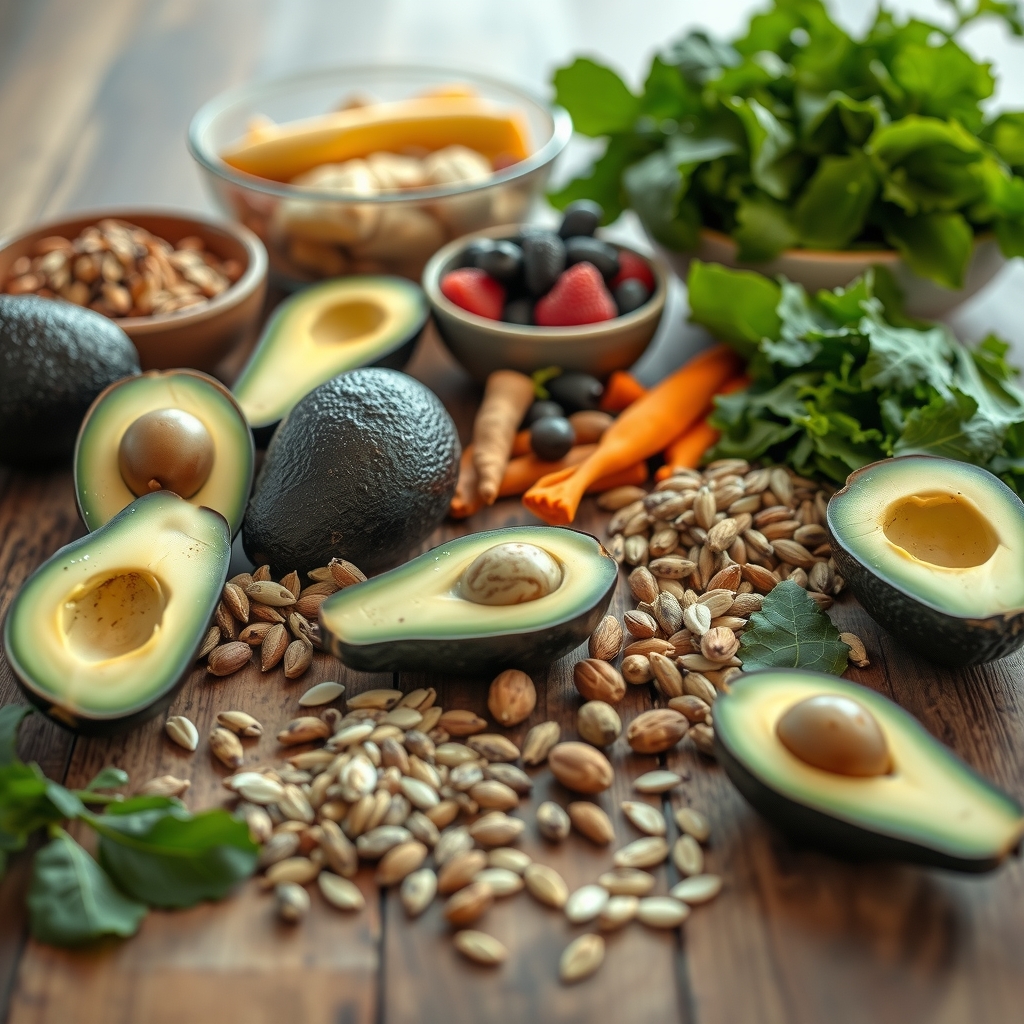
ou’re standing in the grocery store, staring at the produce section, and your brain is screaming: *"How do I eat this raw forever?"* Don’t worry—you don’t have to master every exotic fruit or seed overnight. Start with these beginner-friendly raw vegan foods that are easy to find, versatile, and packed with nutrients.
Think of this as your "raw vegan pantry starter kit." These foods are gentle on digestion, simple to prepare, and will keep you full and energized without feeling like you’re missing out on comfort.
Fruits: The sweet (and satisfying) foundation
Fruits are the backbone of a raw vegan diet—they’re naturally sweet, hydrating, and full of quick energy. Start with these:
- Bananas—high in potassium and easy to blend into smoothies or eat as a snack.
- Apples—great for on-the-go energy; try them with almond butter for protein.
- Mangoes—a tropical favorite that’s rich in vitamin C and beta-carotene.
- Berries (strawberries, blueberries, raspberries)—antioxidant powerhouses that add natural sweetness to desserts.
- Oranges and lemons—for hydration and a vitamin C boost; try lemon water in the morning.
Vegetables: The crunchy, colorful essentials
Vegetables add bulk, fiber, and a satisfying crunch. These are the easiest to start with:
- Leafy greens (spinach, kale, lettuce)—add them to salads, wraps, or blend into green smoothies.
- Cucumbers—hydrating and refreshing; great for raw snacks or in gazpacho.
- Carrots—naturally sweet; try them shredded in salads or juiced.
- Bell peppers—add crunch and vitamin C to raw dishes.
- Celery—low-calorie and hydrating; perfect for raw snacks or in dips.
Nuts and seeds: The protein and fat powerhouses
These are your go-to for healthy fats, protein, and crunch. Just remember: nuts and seeds are calorie-dense, so portion control is key.
- Almonds—easy to snack on or blend into nut butters.
- Chia seeds—soak them in water for a gel-like texture, great for puddings.
- Flaxseeds—add to smoothies or sprinkle on salads for omega-3s.
- Walnuts—brain-boosting fats; great in raw energy balls.
- Pumpkin seeds—high in magnesium; snack on them or add to salads.
Healthy fats: The secret to satiety
Raw vegan diets rely on healthy fats for energy and to keep you full. These are your best bets:
- Avocados—the creamiest raw food; mash into guacamole or add to salads.
- Coconut—use coconut oil for cooking (if you’re open to lightly heated foods) or shredded coconut for crunch.
- Olives—great for snacks or in salads.
Once you’re comfortable, experiment with these nutrient-dense foods:
- Spirulina—a blue-green algae packed with protein and iron; add a pinch to smoothies.
- Macadamia nuts—high in healthy fats and low in carbs.
- Cacao nibs—raw chocolate bits for a mood-boosting snack.
- Seaweed—adds iodine and umami to salads or sushi rolls.
---
How to create a raw vegan meal plan for beginners: Sample menus and tips
You’ve got your grocery list, but now you’re staring at a blank fridge wondering, *"How do I actually eat this way every day?"* Meal planning on a raw vegan diet is all about balance, convenience, and creativity. The good news? Once you master a few staples, you can mix and match endlessly.
Here’s how to start:
- Plan for variety—aim for a mix of fruits, veggies, nuts, seeds, and healthy fats in every meal.
- Batch prep—chop veggies, blend smoothies, and make energy balls in advance to save time.
- Keep it simple—start with 3–4 meals a day if you’re new to this.
- Listen to your body—if you’re hungry between meals, add a snack like fruit or nuts.
Sample raw vegan meal plan for a day
Here’s a beginner-friendly example to get you started:
Meal prep hacks for raw vegan beginners
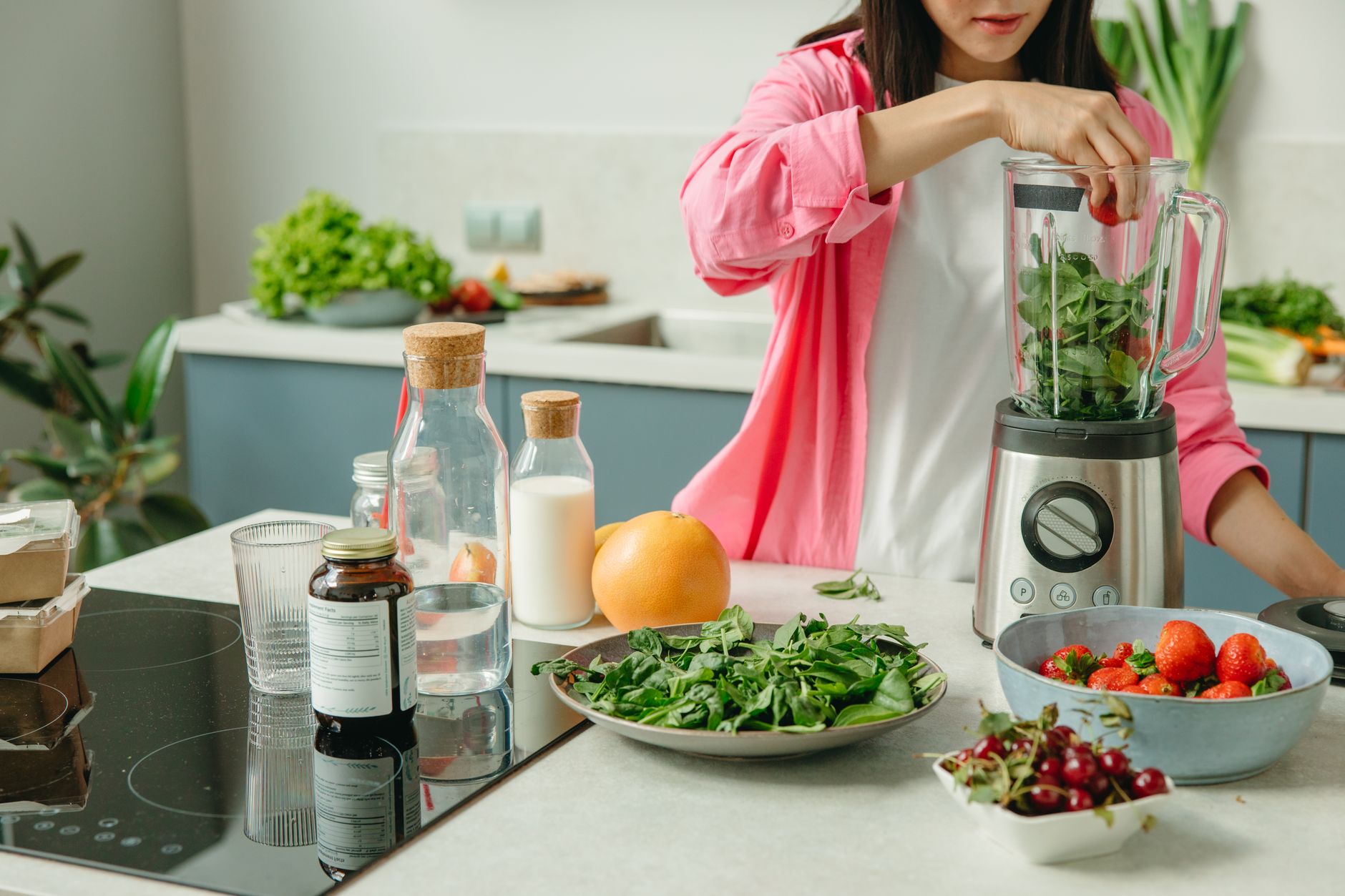
Prepping ahead is your secret weapon. Try these:
- Make overnight oats (raw style)—soak oats in coconut milk with chia seeds and fruit.
- Pre-cut veggies—store in airtight containers for quick salads or snacks.
- Blend smoothie packs—freeze pre-portioned smoothie ingredients in bags.
- Dehydrate snacks—make raw kale chips or seaweed snacks for crunch.
- Keep emergency snacks—nuts, dried fruit, and nut butter packets for on-the-go.
---
Nutrient deficiencies in raw vegan diet for beginners and how to fill them
Here’s the reality check: while raw vegan diets are nutrient-dense, they can be tricky to balance. Some nutrients—like vitamin B12, iron, and omega-3s—are harder to get in adequate amounts without planning. Don’t panic, though. With the right foods and supplements, you can cover your bases.
Here’s what to watch for and how to fix it:
Common nutrient gaps and solutions
How to test for deficiencies
If you’re unsure about your nutrient status, ask your doctor for blood tests, including:
- Vitamin B12
- Ferritin (iron stores)
- Vitamin D
- Omega-3 index
- Complete blood count (CBC)
Pro tip: If you’re transitioning to raw veganism, get blood work before and after to monitor changes.
---
Raw vegan grocery list for beginners 2026: What to buy and how to budget
You’re back in the grocery store, but this time you’re prepared. No more staring blankly at the produce section—you’ve got a plan. Here’s your ultimate raw vegan grocery list, organized by section, plus budgeting tips to make it work without breaking the bank.
Produce (the bulk of your diet)
- Leafy greens: Spinach, kale, Swiss chard (buy organic if possible)
- Cruciferous veggies: Broccoli, cauliflower, Brussels sprouts
- Root veggies: Carrots, beets, sweet potatoes (raw or lightly steamed if needed)
- Cucumbers and bell peppers
- Celery and zucchini
- Fruits: Bananas, apples, berries, mangoes, oranges, lemons
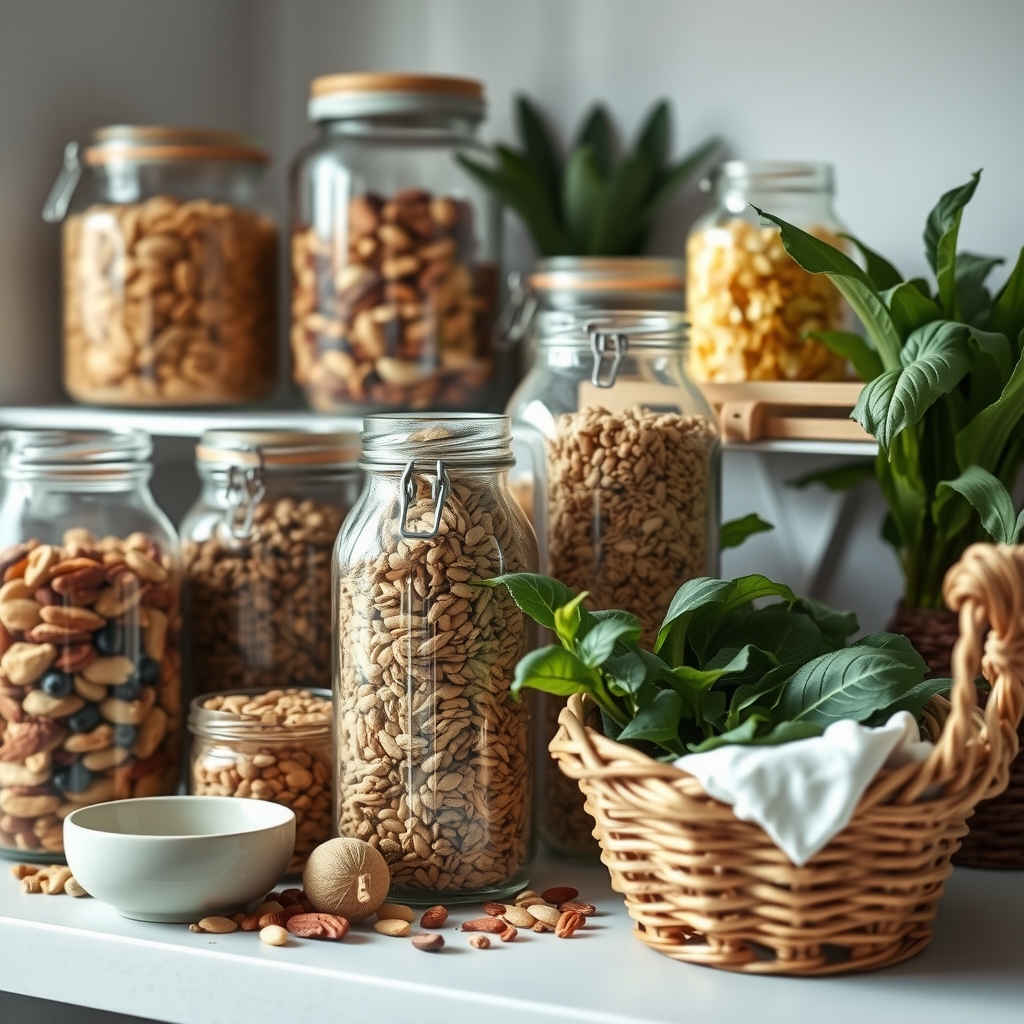
Nuts and seeds (buy in bulk to save money)
- Almonds
- Chia seeds
- Flaxseeds
- Walnuts
- Pumpkin seeds
- Hemp seeds
Healthy fats
- Avocados
- Coconut oil or shredded coconut
- Olive oil
- Olives
Pantry staples
- Nutritional yeast (for cheesy flavor)
- Cacao powder
- Spirulina or chlorella
- Date syrup or maple syrup (for sweetening)
- Seaweed snacks
Budgeting tips
Raw vegan eating can be expensive if you buy organic everything, but you can save money with these tricks:
- Buy in bulk—nuts, seeds, and dried fruits are cheaper in larger quantities.
- Choose seasonal produce—it’s cheaper and fresher.
- Frozen fruits and veggies—just as nutritious and often less expensive.
- Skip pre-packaged snacks—make your own energy balls, nut mixes, and smoothie packs.
- Grow your own—herbs, microgreens, or a small herb garden can cut costs.
For more budget-friendly meal ideas, check out our vegan diet food list for beginners, which includes affordable staples like beans, lentils, and whole grains.
---
Top 10 raw vegan recipes for beginners easy: No-cook meals in 10 minutes
You’re hungry, and you want something fast—but still delicious. No cooking, no fuss. These 10 raw vegan recipes are beginner-friendly, packed with flavor, and take less than 15 minutes to make. Perfect for when you’re craving something hearty, sweet, or just plain satisfying.
1. 5-Minute Green Smoothie
Ingredients: 1 banana, 1 cup spinach, 1 cup almond milk, 1 tbsp flaxseeds, ice.
Instructions: Blend all ingredients until smooth. Enjoy immediately.
2. Avocado Chocolate Mousse
Ingredients: 1 ripe avocado, 2 tbsp cacao powder, 2 tbsp maple syrup, 1 tsp vanilla extract, pinch of salt.
Instructions: Blend all ingredients until creamy. Chill for 30 minutes before serving.
3. Chickpea Salad Wrap
Ingredients: 1 can chickpeas (soaked overnight), ½ avocado, ¼ cup celery, 1 tbsp lemon juice, lettuce leaves.
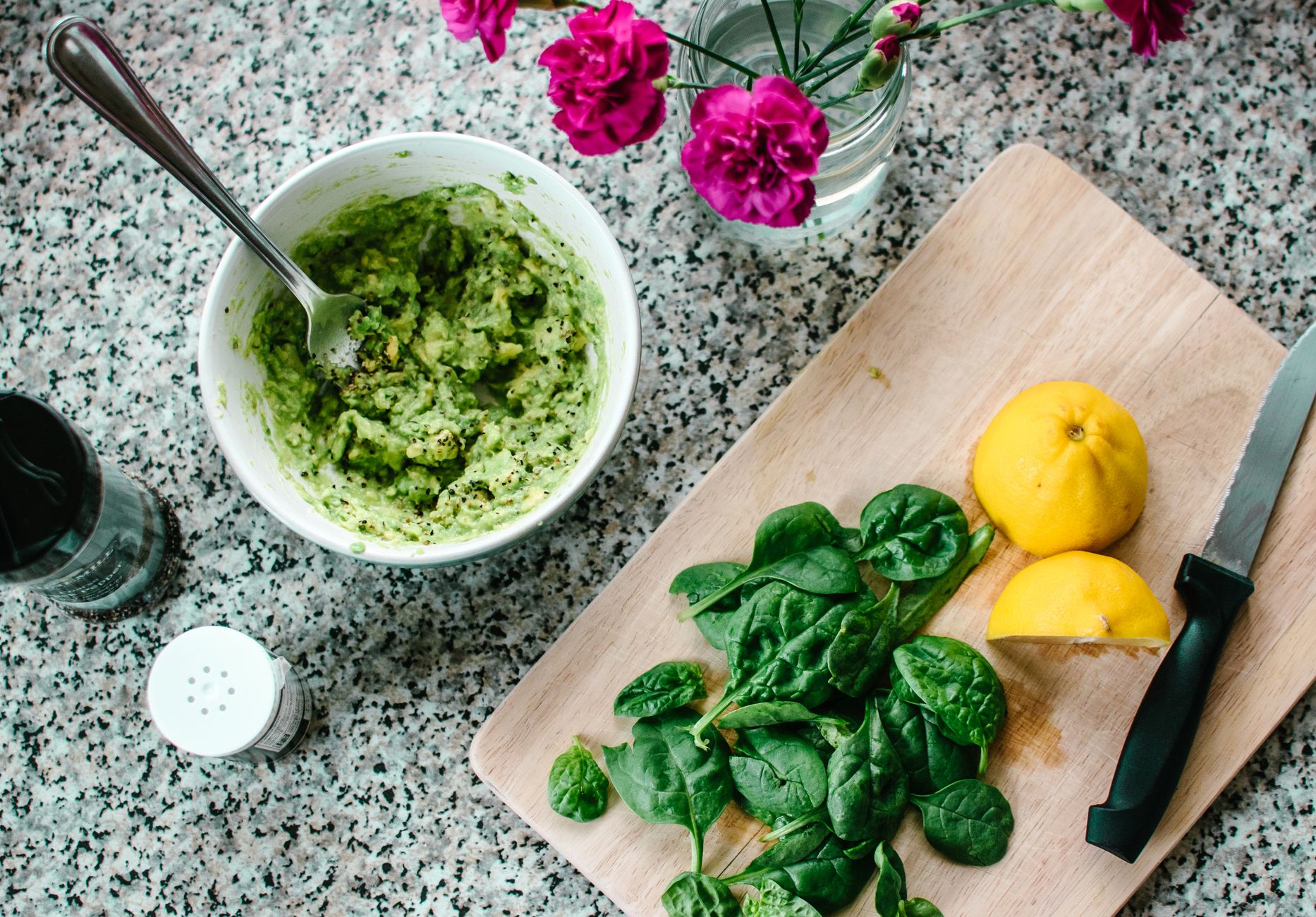
Instructions: Mash chickpeas with avocado, celery, and lemon juice. Spoon into lettuce leaves.
4. Raw Energy Balls
Ingredients: 1 cup dates (soaked), ½ cup almonds, 2 tbsp cocoa powder, 1 tbsp chia seeds, 1 tsp vanilla.
Instructions: Blend dates, almonds, and vanilla. Mix in cocoa powder and chia seeds. Roll into balls and refrigerate.
5. Gazpacho
Ingredients: 2 cups tomatoes, ½ cucumber, ½ bell pepper, 2 cloves garlic, 2 tbsp olive oil, salt to taste.
Instructions: Blend all ingredients until smooth. Chill for 1 hour before serving.
6. Raw Kale Chips
Ingredients: 4 cups kale (stems removed), 1 tbsp olive oil, salt.
Instructions: Toss kale with oil and salt. Spread on a dehydrator tray or baking sheet. Dehydrate at 100°F (38°C) for 2–4 hours until crispy.
7. Coconut Chia Pudding
Ingredients: 3 tbsp chia seeds, 1 cup coconut milk, 1 tbsp maple syrup, ½ tsp vanilla.
Instructions: Whisk all ingredients together. Refrigerate overnight. Top with berries before serving.
8. Raw Taco Salad
Ingredients: 2 cups mixed greens, ½ avocado, ½ cup shredded carrots, ¼ cup pumpkin seeds, 2 tbsp lime juice, salsa.
Instructions: Toss all ingredients together. Serve with lime juice and salsa.
9. Banana "Nice Cream"
Ingredients: 3 frozen bananas, 1 tbsp almond butter, splash of almond milk.
Instructions: Blend frozen bananas with almond butter until creamy. Add almond milk if needed.
10. Raw Hummus
Ingredients: 1 can chickpeas (soaked), 2 tbsp tahini, 1 tbsp lemon juice, 2 cloves garlic, 2 tbsp olive oil.
Instructions: Blend all ingredients until smooth. Serve with raw veggies.
---
Raw vegan diet safety tips for beginners: Avoiding pitfalls and foodborne illness
Raw veganism isn’t just about what you eat—it’s about how you eat it. Without proper food handling, you’re at risk for foodborne illnesses like salmonella or E. coli, especially from raw sprouts, nuts, or underwashed produce. Here’s how to stay safe while enjoying your raw diet.
Food safety rules
- Wash everything—produce, hands, and utensils thoroughly with warm, soapy water.
- Avoid raw sprouts—they’re high-risk for bacteria; opt for cooked sprouts if you’re concerned.
- Store properly—keep raw foods in airtight containers in the fridge (most last 3–5 days).
- Soak nuts and seeds—soaking almonds, cashews, and seeds for at least 4 hours (or overnight) reduces phytic acid and improves digestibility.
- Avoid cross-contamination—use separate cutting boards for raw veggies and cooked foods (if you ever cook).
- Freeze high-risk foods—berries, nuts, and seeds can be frozen to extend shelf life.
Signs you’re not handling food safely
Watch for these red flags:
- Food smells off or has an unusual texture.
- You’ve been eating raw sprouts without cooking them.
- You’re not washing produce properly (use a produce wash or vinegar water).
- You’re storing foods at room temperature for more than 2 hours.
When to see a doctor
If you experience these symptoms after eating raw foods, seek medical advice:
- Stomach cramps or pain
- Nausea or vomiting
- Diarrhea lasting more than 24 hours
- Fever or chills
For more on food safety, check out our dash diet food list, which covers general healthy eating guidelines.
---
Step-by-step guide to transitioning to a raw vegan diet for beginners
You’re ready to make the leap—but how do you actually start? Transitioning to a raw vegan diet doesn’t have to be an all-or-nothing overhaul. Take it slow, one step at a time, and listen to your body. Here’s your step-by-step plan.
Week 1: The "Ease In" Phase
- Audit your current diet—note what you eat daily. Identify 1–2 meals you can swap for raw options.
- Start with smoothies—blend a green smoothie (spinach, banana, almond milk) for breakfast. No cooking required!
- Add one raw snack—try an apple with almond butter or a handful of nuts.
- Experiment with salads—make a simple kale salad with avocado and lemon.
Week 2: The "Expand" Phase
- Replace one cooked meal with a raw one—swap dinner for gazpacho or a raw wrap.
- Try a raw dessert—make chia pudding or avocado mousse.
- Meal prep basics—chop veggies, blend smoothie packs, and soak nuts for the week.
- Read labels—avoid hidden ingredients like honey, dairy, or processed oils.
Week 3: The "Commit" Phase
- Plan your week—create a raw vegan meal plan using the samples from earlier.
- Try a raw fast (optional)—go for 24 hours without cooked foods to see how you feel.
- Assess your energy and digestion—are you feeling more or less energized? Adjust as needed.
- Stock your pantry—buy in bulk and organize your raw vegan staples.
Week 4+: The "Refine" Phase
- Experiment with new recipes—try raw energy balls, raw hummus, or dehydrated snacks.
- Test nutrient levels—get blood work to check for deficiencies (B12, iron, vitamin D).
- Adjust based on feedback—if you’re tired, add more healthy fats or protein.
- Share your journey—join raw vegan communities online for support and ideas.
---
Raw vegan diet for weight loss beginners: How to lose fat without cooking
If you’re looking to shed pounds on a raw vegan diet, you’re in luck—this way of eating is naturally lower in calories and higher in fiber, which helps you feel fuller longer. But weight loss isn’t just about cutting calories; it’s about nutrient density, portion control, and sustainability. Here’s how to make it work for you.
Why raw vegan diets support weight loss
- High in fiber—keeps you full and reduces cravings.
- Low in processed foods—no hidden sugars or unhealthy fats.
- Rich in water-rich foods—cucumbers, celery, and watermelon help with hydration and fullness.
- Encourages mindful eating—raw foods require more chewing, which signals satiety.
Weight loss tips for beginners
- Prioritize protein—nuts, seeds, and soy products (if soaked) help maintain muscle while losing fat.
- Watch portion sizes—nuts and seeds are calorie-dense; measure them out to avoid overeating.
- Stay hydrated—sometimes thirst is mistaken for hunger; drink water or herbal tea.
- Avoid liquid calories—skip sugary smoothies; opt for water, herbal tea, or sparkling water with lemon.
- Move your body—raw vegan diets are nutrient-dense, but exercise helps with fat loss and muscle tone.
Sample weight loss meal plan
This plan focuses on high-volume, low-calorie foods to keep you full and energized.
For more weight-loss-friendly meal ideas, check out our keto diet food list for beginners, which also emphasizes portion control and nutrient density.
---
Raw vegan diet vs cooked vegan diet for beginners: Which is right for you?
You’re torn between raw and cooked veganism. Which one is better? The truth is, there’s no one-size-fits-all answer. Both have pros and cons, and the best choice depends on your goals, lifestyle, and digestion. Here’s a quick comparison to help you



