hen you’re pregnant, your body is already working overtime, and psoriasis flare-ups can feel like an extra challenge. The good news? Some foods are known to trigger inflammation or worsen psoriasis symptoms in many people. While pregnancy can sometimes improve psoriasis (thanks to hormonal changes), it can also make it worse, so being mindful of your diet is key.
Here’s what to limit or avoid if you’re pregnant and dealing with psoriasis flare-ups:
- Processed sugars and refined carbs: White bread, pastries, sugary cereals, and soda can spike blood sugar and trigger inflammation. This isn’t just about weight gain—it’s about how these foods can make psoriasis worse by promoting systemic inflammation.
- Gluten-containing grains: While gluten sensitivity isn’t the same as celiac disease, many people with psoriasis report flare-ups when they eat wheat, barley, or rye. If you suspect gluten is a trigger, you might want to try a gluten-free elimination diet for a few weeks to see if your symptoms improve.
- Dairy: Some studies suggest dairy—especially cow’s milk—can worsen psoriasis due to its inflammatory properties and potential links to insulin-like growth factor (IGF-1). If you’re craving dairy, opt for fermented varieties like kefir or yogurt (if tolerated) or consider an easy dairy-free transition.
- Processed meats and fried foods: Hot dogs, bacon, and fried snacks are high in unhealthy fats and additives that can promote inflammation. These aren’t just empty calories—they’re linked to higher levels of inflammatory markers in the body.
- Alcohol: While moderate alcohol isn’t recommended during pregnancy, if you’re already avoiding it for your baby’s sake, that’s a win for your psoriasis too. Alcohol can dehydrate you and trigger flare-ups in some people.
- High-mercury fish: While fatty fish like salmon are great for omega-3s, some types (like king mackerel, shark, or swordfish) are high in mercury and should be avoided during pregnancy. Stick to low-mercury options like salmon, sardines, or trout.
**Remember**: Every body is different. What triggers your psoriasis might not affect someone else’s. If you’re unsure whether a food is causing flare-ups, try keeping a food diary to track patterns. And always check with your healthcare provider before making major dietary changes during pregnancy.
---
How does a psoriasis-friendly diet reduce inflammation while supporting fetal development?
Psoriasis is an autoimmune condition where the body attacks its own skin cells, leading to red, scaly patches. During pregnancy, hormonal shifts can either calm or worsen symptoms, but diet plays a crucial role in managing inflammation—both for your skin and your baby’s development.
Here’s how certain foods work their magic:
- Omega-3 fatty acids: Found in fatty fish, flaxseeds, and walnuts, these healthy fats help reduce inflammation by lowering levels of inflammatory markers like prostaglandins. They also support your baby’s brain and eye development.
- Antioxidant-rich foods: Berries, leafy greens, and colorful vegetables (like bell peppers and carrots) are packed with vitamins A, C, and E, which help combat oxidative stress and reduce inflammation.
- Probiotics: Fermented foods like sauerkraut, kimchi, and kefir support gut health, which is linked to lower inflammation and a healthier immune system—beneficial for both you and your baby.
- Vitamin D: Many people with psoriasis are deficient in vitamin D, which plays a role in immune function. Sunlight, fatty fish, and fortified foods can help keep levels in check.
- Fiber-rich foods: Whole grains, legumes, and vegetables help regulate blood sugar and support gut health, reducing inflammation over time.
**The catch?** Some of these foods—like fatty fish—need to be chosen carefully during pregnancy. For example, while salmon is excellent for omega-3s, you’ll want to avoid high-mercury varieties. Similarly, probiotics are great, but not all supplements are safe during pregnancy, so stick to food-based sources unless your provider approves otherwise.
**Bottom line**: A diet rich in whole, nutrient-dense foods can help tame psoriasis flare-ups while giving your baby the building blocks for a healthy start. It’s not about restriction—it’s about nourishment.
---
Can omega-3 fatty acids from fish oil help manage psoriasis symptoms safely in pregnancy?
You’ve probably heard that omega-3s are a superhero for inflammation, but what about during pregnancy? The short answer: yes, but with caution. Omega-3s are essential for both your skin and your baby’s development, but you’ll need to choose your sources wisely.
**The science**: Studies show that omega-3 fatty acids (like EPA and DHA) can reduce psoriasis symptoms by lowering inflammatory cytokines. They’re also critical for your baby’s brain and nervous system development. However, not all omega-3 sources are equal during pregnancy.
**Safe sources of omega-3s for pregnancy:**
- Fatty fish (low-mercury): Wild-caught salmon, sardines, anchovies, and trout are excellent choices. Aim for 2–3 servings per week, each about 3–4 ounces.
- Flaxseeds and chia seeds: These plant-based sources provide ALA (alpha-linolenic acid), which your body converts to EPA and DHA. Sprinkle them on yogurt, oatmeal, or smoothies.
- Walnuts: A handful of walnuts daily can boost your omega-3 intake without risk.
- Algal oil (DHA/EPA supplements): If you’re vegetarian or vegan, algal oil is a safe, plant-based source of DHA and EPA. Always check with your provider before taking supplements during pregnancy.
**Avoid**: High-mercury fish (like shark, swordfish, or king mackerel) and overconsuming fish oil supplements unless your provider approves. Some supplements contain vitamin A in forms that aren’t safe for pregnancy.
**Pro tip**: If you’re unsure about your omega-3 levels, ask your provider about a blood test. Many women are deficient, and addressing it early can help with both psoriasis and fetal development.
---
What are the best vegetarian and vegan food options for controlling psoriasis during pregnancy?
If you’re vegetarian or vegan—and dealing with psoriasis—you might worry that you’ll miss out on key nutrients. But the good news? A well-planned plant-based diet can be highly effective for managing psoriasis while providing everything your baby needs. The key is focusing on nutrient-dense foods and smart combinations.
**Top vegetarian/vegan foods for psoriasis control:**
- Leafy greens (kale, spinach, Swiss chard): Packed with vitamins A, C, and K, as well as antioxidants that fight inflammation.
- Nuts and seeds (walnuts, flaxseeds, chia seeds): Rich in omega-3s, healthy fats, and magnesium, which help regulate inflammation.
- Legumes (lentils, chickpeas, black beans): High in fiber and plant-based protein, which help stabilize blood sugar and reduce inflammation.
- Colorful vegetables (bell peppers, carrots, sweet potatoes): These provide beta-carotene and other antioxidants that support skin health.
- Fermented foods (sauerkraut, kimchi, tempeh): Probiotics in these foods support gut health, which is linked to lower psoriasis activity.
- Whole grains (quinoa, brown rice, oats): Fiber-rich grains help regulate blood sugar and reduce systemic inflammation.
**Vitamin D and iron**: Two nutrients to watch. Many plant-based diets are low in vitamin D, so consider spending time in sunlight or taking a prenatal vitamin with D3 (if approved by your provider). Iron is also critical—pair plant-based iron (like from lentils or spinach) with vitamin C (bell peppers, citrus) to boost absorption.
**Supplements to consider (with provider approval):**
- Algal oil (for DHA/EPA)
- Vitamin B12 (commonly deficient in plant-based diets)
- Iron (if your blood work shows deficiency)
**Avoid**: Processed vegan meats and snacks, which often contain inflammatory oils and additives. Stick to whole, minimally processed foods.
---
Does drinking enough water and electrolytes help reduce psoriasis flare-ups while pregnant?
When you’re pregnant, staying hydrated is non-negotiable—your body is working harder than ever to support two lives. But did you know that dehydration can also worsen psoriasis flare-ups? Skin cells need water to stay plump and healthy, and when you’re dehydrated, they can become dry, flaky, and irritated.
**How hydration helps psoriasis:**
- Keeps skin cells hydrated and reduces flaking.
- Flushes out toxins that can trigger inflammation.
- Supports kidney function, which helps manage waste products that might contribute to flare-ups.
**How much water should you drink?**
The general guideline is 8–10 cups (64–80 oz) of water daily, but pregnancy increases your needs slightly. If you’re active or live in a hot climate, you may need even more. Listen to your body—thirst is a late sign of dehydration.
**Electrolytes matter too**: Sodium, potassium, and magnesium help regulate hydration and nerve function. If you’re not a big water drinker, try adding electrolytes through:
- Coconut water (natural source of potassium)
- Herbal teas (like chamomile or peppermint)
- Electrolyte-enhanced water (check labels for sugar-free options)
- Foods like bananas (potassium), avocados (potassium/magnesium), and leafy greens (magnesium)
**Signs you’re dehydrated (and might be worsening psoriasis):**
- Dark yellow urine
- Fatigue or dizziness
- Headaches
- Dry mouth or skin
**Pro tip**: Carry a water bottle with you and set reminders if needed. Herbal teas and infused water (like cucumber-mint) can make hydration more enjoyable.
---
What are the top anti-inflammatory spices and herbs that help with psoriasis without risks?
If you love cooking, you’re in luck: many spices and herbs not only add flavor but also have powerful anti-inflammatory properties that can help manage psoriasis. The best part? Most are safe during pregnancy when used in moderation.
**Safe and effective anti-inflammatory spices/herbs for psoriasis:**
- Turmeric: Contains curcumin, a compound with strong anti-inflammatory effects. How to use: Add a pinch to smoothies, teas, or golden milk (turmeric + warm milk + black pepper for better absorption). Caution: Turmeric is generally safe in food amounts, but avoid high doses or supplements unless approved by your provider.
- Ginger: Helps reduce inflammation and nausea (a bonus for pregnancy!). How to use: Fresh ginger in teas, stir-fries, or grated into smoothies.
- Cinnamon: Stabilizes blood sugar and has anti-inflammatory benefits. How to use: Sprinkle on oatmeal, yogurt, or in baking.
- Cayenne pepper: Contains capsaicin, which can reduce psoriasis plaque buildup. How to use: Add a pinch to sauces or stir-fries (start with small amounts to avoid spice sensitivity).
- Fennel seeds: Aid digestion and have mild anti-inflammatory effects. How to use: Chew a few seeds after meals or steep in hot water for tea.
- Garlic: Contains allicin, which has immune-modulating properties. How to use: Cook with raw garlic or add to soups/stews.
**Herbal teas to try:**
- Chamomile (calming and anti-inflammatory)
- Peppermint (aids digestion and soothes skin)
- Green tea (rich in antioxidants—just limit to 1–2 cups daily due to caffeine)
**Avoid**: High-dose supplements or essential oils unless approved by your provider. Stick to food-based amounts for safety.
---
How can I create a simple 7-day psoriasis-friendly meal plan for pregnancy?
You don’t need to overcomplicate things. A simple, balanced meal plan can help you eat for both your psoriasis and your baby’s health without feeling deprived. Below is a 7-day meal plan packed with anti-inflammatory foods, easy to prepare, and designed to keep your energy up during pregnancy.
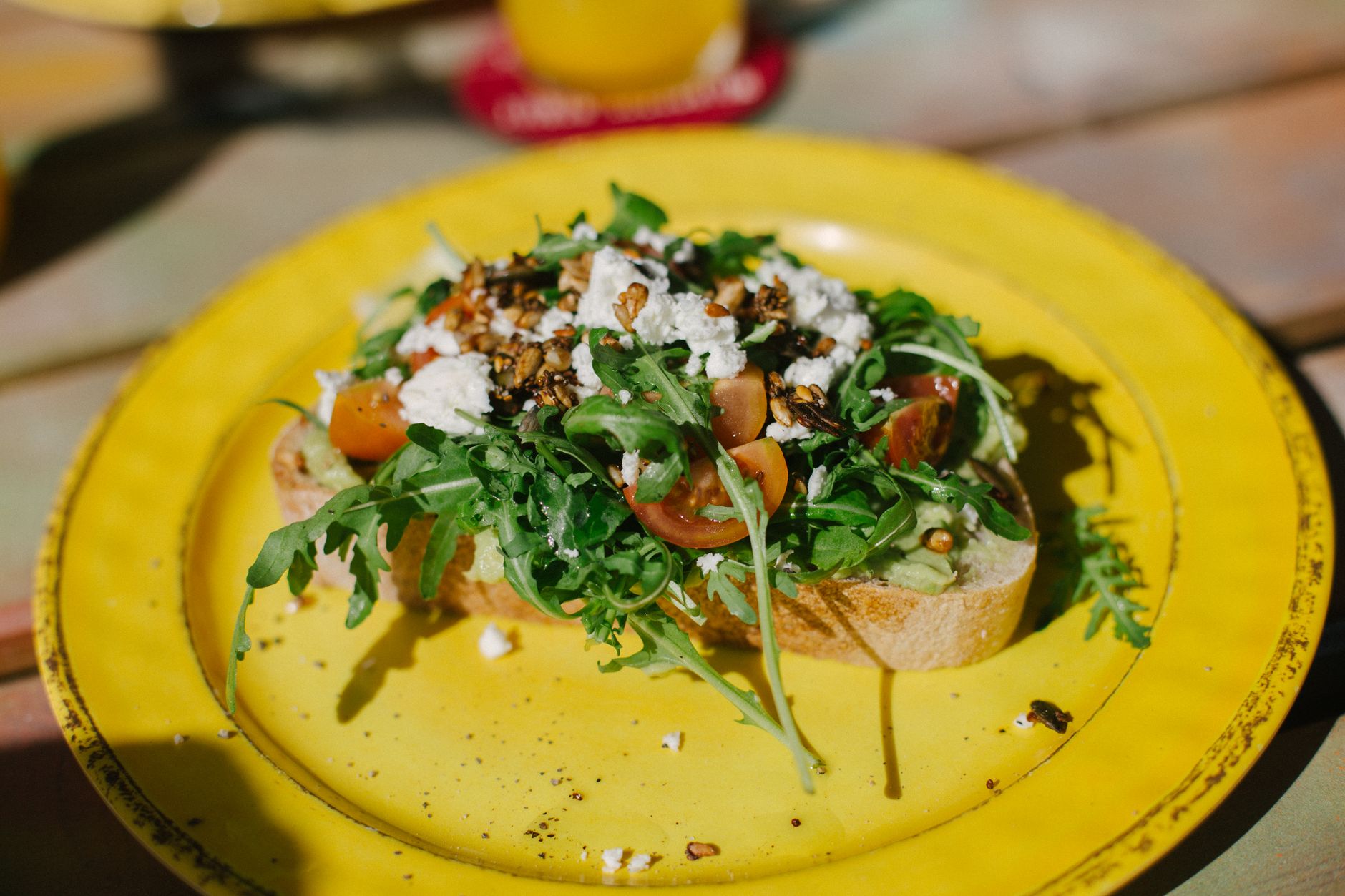
**Day 1**
- Breakfast: Greek yogurt with chia seeds, blueberries, and a drizzle of honey
- Snack: Handful of almonds and an apple
- Lunch: Grilled salmon salad with spinach, cherry tomatoes, cucumber, and olive oil dressing
- Snack: Carrot sticks with hummus
- Dinner: Stir-fried tofu with broccoli, bell peppers, and brown rice
**Day 2**
- Breakfast: Oatmeal with flaxseeds, walnuts, and sliced banana
- Snack: Smoothie with spinach, frozen mango, and almond milk
- Lunch: Lentil soup with a side of whole-grain bread
- Snack: Sliced avocado on whole-grain crackers
- Dinner: Baked chicken with roasted sweet potatoes and steamed green beans
**Day 3**
- Breakfast: Scrambled eggs with sautéed spinach and whole-grain toast
- Snack: Handful of walnuts and an orange
- Lunch: Quinoa bowl with black beans, corn, avocado, and lime dressing
- Snack: Cottage cheese with pineapple
- Dinner: Turkey meatballs with zucchini noodles and marinara sauce
**Day 4**
- Breakfast: Chia pudding with almond milk, topped with sliced strawberries
- Snack: Handful of pumpkin seeds and a pear
- Lunch: Grilled shrimp salad with mixed greens, walnuts, and balsamic vinaigrette
- Snack: Rice cake with almond butter
- Dinner: Baked cod with roasted Brussels sprouts and wild rice
**Day 5**
- Breakfast: Smoothie bowl with frozen berries, spinach, and a sprinkle of granola
- Snack: Sliced bell peppers with guacamole
- Lunch: Chickpea and vegetable curry with brown rice
- Snack: Handful of cashews and an apple
- Dinner: Grilled chicken with quinoa and roasted asparagus
**Day 6**
- Breakfast: Avocado toast on whole-grain bread with a poached egg
- Snack: Greek yogurt with flaxseeds and honey
- Lunch: Spinach and feta stuffed portobello mushrooms with a side salad
- Snack: Sliced cucumber with hummus
- Dinner: Baked salmon with mashed sweet potatoes and steamed broccoli
**Day 7**
- Breakfast: Buckwheat pancakes with maple syrup and fresh berries
- Snack: Handful of mixed nuts and dried apricots
- Lunch: Grilled vegetable and chickpea wrap in a whole-grain tortilla
- Snack: Cottage cheese with sliced peaches
- Dinner: Stuffed bell peppers with ground turkey, quinoa, and tomatoes
**Meal prep tips**:
- Cook grains (quinoa, brown rice) in bulk and store for the week.
- Roast vegetables in advance for easy sides.
- Pre-cut fruits and veggies to grab quickly.
- Keep healthy snacks like nuts, yogurt, and hummus on hand.
---
Are there any specific supplements like probiotics or vitamin D that help psoriasis in pregnancy?
Supplements can be a helpful addition to your diet, but during pregnancy, safety is paramount. Not all supplements are created equal, and some should be avoided entirely. Here’s what the research says—and what your provider might recommend.

**Supplements to consider (with provider approval):**
- Probiotics: Fermented foods like kefir, sauerkraut, and yogurt are the safest way to support gut health. If you’re considering a supplement, look for one with Lactobacillus and Bifidobacterium strains and check with your provider.
- Vitamin D: Many women are deficient, especially in winter or if they avoid sunlight. A prenatal vitamin with D3 (cholecalciferol) is ideal. If you’re deficient, your provider may recommend a higher dose.
- Omega-3s (DHA/EPA): As mentioned earlier, algal oil is a safe plant-based option if you’re vegetarian or vegan. Avoid fish oil supplements unless approved.
- Magnesium: Helps with muscle relaxation and may reduce inflammation. Foods like spinach and pumpkin seeds are great sources, but if you’re deficient, a gentle magnesium supplement (like magnesium glycinate) may help.
- Zinc: Supports immune function. Good food sources include pumpkin seeds, lentils, and oysters (if you eat seafood). Avoid high-dose supplements unless prescribed.
**Supplements to avoid or use cautiously:**
- High-dose vitamin A: Can be harmful in pregnancy. Stick to your prenatal vitamin’s dose.
- Evening primrose oil: May stimulate uterine contractions—avoid unless approved by your provider.
- Unregulated herbal supplements: Some may contain hidden ingredients or interact with medications.
**Pro tip**: Always discuss supplements with your provider before starting. They can help you choose the right type, dose, and timing for your pregnancy.
---
Myth vs. Fact: Psoriasis Diet During Pregnancy
Misinformation can make managing psoriasis during pregnancy even more stressful. Let’s clear up a few common myths:
- Myth: “I have to eliminate all dairy to control psoriasis.”
Fact: While some people with psoriasis do better without dairy, it’s not a universal rule. If you enjoy dairy and tolerate it well, you may not need to avoid it. Focus on fermented options like kefir or yogurt, which are easier on digestion.
- Myth: “A strict gluten-free diet is necessary for psoriasis.”
Fact: Gluten sensitivity isn’t the same as celiac disease, and not everyone with psoriasis needs to avoid gluten. If you suspect gluten is a trigger, try an elimination diet for a few weeks to see if your symptoms improve. If they don’t, you may not need to restrict it.
- Myth: “I can’t eat sugar at all if I have psoriasis.”
Fact: While processed sugars can worsen inflammation, a small piece of dark chocolate or a handful of berries won’t hurt. The key is moderation and choosing whole foods over refined sugars.
- Myth: “Supplements like turmeric or ginger are always safe in pregnancy.”
Fact: While food-based amounts of spices like turmeric and ginger are generally safe, high doses or supplements should only be used under medical supervision. Always check with your provider before adding new supplements.
---
Key Takeaways: Psoriasis Diet for Pregnancy
- Focus on omega-3-rich foods (fatty fish, flaxseeds, walnuts) to reduce inflammation and support fetal brain development.
- Avoid or limit processed sugars, gluten, dairy, and high-mercury fish if they trigger flare-ups.
- Stay hydrated with water, herbal teas, and electrolyte-rich foods to keep skin plump and reduce flaking.
- Incorporate anti-inflammatory spices like turmeric, ginger, and cinnamon into meals for added benefits.
- Consider probiotics, vitamin D, and omega-3 supplements (with provider approval) to support gut and skin health.
- Keep a food diary to track triggers and see what works best for your body.
- Always check with your provider before making major dietary changes or starting supplements.
---
Frequently Asked Questions
Is a psoriasis diet safe to follow during pregnancy?
Yes, but it’s important to personalize it. A diet rich in whole foods, omega-3s, and antioxidants is generally safe and can help manage psoriasis while supporting fetal development. However, avoid extreme diets or supplements without medical supervision. Always consult your provider to ensure your nutritional needs—and your baby’s—are met.
How quickly can a psoriasis diet reduce flare-ups while pregnant?
Some women see improvements in as little as 2–4 weeks if they consistently eat anti-inflammatory foods and avoid triggers. Others may take longer, especially if their flare-ups are severe. Consistency is key—small, sustainable changes work better than drastic overhauls.
Can I still eat dairy if I have psoriasis while pregnant?
It depends on your body’s response. Some women tolerate dairy just fine, while others notice flare-ups when they consume it. If you enjoy dairy, try fermented options like kefir or yogurt, which are easier on digestion. If you suspect dairy is a trigger, consider an elimination diet for a few weeks to see if your symptoms improve.
What are the signs of a psoriasis flare-up during pregnancy?
Common signs include:
- Red, raised patches on the skin
- Thick, silvery scales
- Itching or burning sensation
- Dry, cracked skin
- Scalp flaking (dandruff-like or worse)
If you notice these symptoms worsening, focus on hydration, gentle skincare (like mild moisturizers), and your psoriasis-friendly diet. If flare-ups are severe or painful, contact your provider.
Are there any foods that can worsen psoriasis symptoms in pregnancy?
Yes, foods that promote inflammation or trigger immune responses can worsen psoriasis. These include:
- Processed sugars and refined carbs
- Gluten-heavy grains (if sensitive)
- High-mercury fish
- Processed meats and fried foods
- Excessive alcohol (though alcohol is already avoided in pregnancy)
Keeping a food diary can help you identify personal triggers.
How does a psoriasis diet differ from a general anti-inflammatory diet for pregnancy?
The general anti-inflammatory diet for pregnancy focuses on reducing inflammation to support overall health and fetal development, while a psoriasis-specific diet targets foods that directly impact skin inflammation. Both diets emphasize omega-3s, antioxidants, and fiber, but the psoriasis diet may include additional restrictions (like gluten or dairy) if they’re known triggers. The key difference is personalization—what works for general inflammation may not be enough for psoriasis.
---
When to See a Doctor or Specialist
While diet can help manage psoriasis during pregnancy, some symptoms require medical attention. Call your provider if you experience:
- Severe redness, swelling, or pain in psoriasis patches
- Signs of infection (pus, oozing, increased warmth)
- Widespread rash or skin changes beyond psoriasis
- Extreme fatigue, joint pain, or fever (possible signs of systemic inflammation)
- Nutritional deficiencies (like vitamin D or iron) that don’t improve with diet alone
If you’re struggling with flare-ups or need guidance on supplements, your provider may refer you to a dermatologist or a nutritionist specializing in autoimmune conditions.
---
References
- National Psoriasis Foundation. (2023). *Psoriasis and Diet*. https://www.psoriasis.org/about-psoriasis/treatment/nutrition
- American College of Obstetricians and Gynecologists (ACOG). (2022). *Nutrition During Pregnancy*. https://www.acog.org/womens-health/faqs/nutrition-during-pregnancy
- Mayo Clinic. (2023). *Psoriasis: Symptoms and causes*. https://www.mayoclinic.org/diseases-conditions/psoriasis/symptoms-causes/syc-20354780
- Harvard T.H. Chan School of Public Health. (2023). *Omega-3 Fatty Acids and Health*. https://www.hsph.harvard.edu/nutritionsource/omega-3-fats/
- The Menopause Society (NAMS). (2023). *Diet and Psoriasis*. https://www.menopause.org/for-women/health-and-wellness/diet-and-nutrition
- American Pregnancy Association. (2023). *Nutrition During Pregnancy*. https://americanpregnancy.org/healthy-pregnancy/nutrition/




