soriasis is an autoimmune condition where the body attacks its own skin cells, leading to red, scaly plaques. While diet alone won’t "cure" psoriasis, research from the National Psoriasis Foundation shows that certain foods can reduce inflammation and slow flare-ups. The key? A diet rich in antioxidants, healthy fats, and low-glycemic carbs.
Here’s how it works: Omega-3 fatty acids (found in fish and flaxseeds) help regulate immune responses, while vitamin D (from sunlight or fortified foods) supports skin cell turnover. Meanwhile, gluten and processed sugars can trigger inflammation in some people. The good news? You don’t have to give up flavor—just swap in smarter ingredients.
Pro tip: Many women with psoriasis report their flares worsen during stress or fatigue—so prioritizing protein and fiber at breakfast helps stabilize blood sugar and keeps energy steady. Think of breakfast as your first chance to "reset" your body’s inflammatory response for the day. Additionally, emerging research from the European Journal of Clinical Nutrition suggests that probiotics in fermented foods (like kefir or sauerkraut) may further reduce psoriasis severity by modulating gut health. We’ll cover probiotic-rich breakfasts in the next section.
---
Low-Glycemic Breakfast Options for Psoriasis Flare Prevention
If you’ve ever noticed your psoriasis acting up after a bagel or cereal, you’re not imagining it. The American Diabetes Association explains that high-glycemic foods cause rapid spikes in blood sugar, which can trigger inflammation—including in your skin. For psoriasis, low-glycemic (GI) foods are your best friend.
Low-GI foods break down slowly, keeping energy stable and inflammation in check. Aim for a breakfast where the primary carb source has a GI under 55. Examples include:
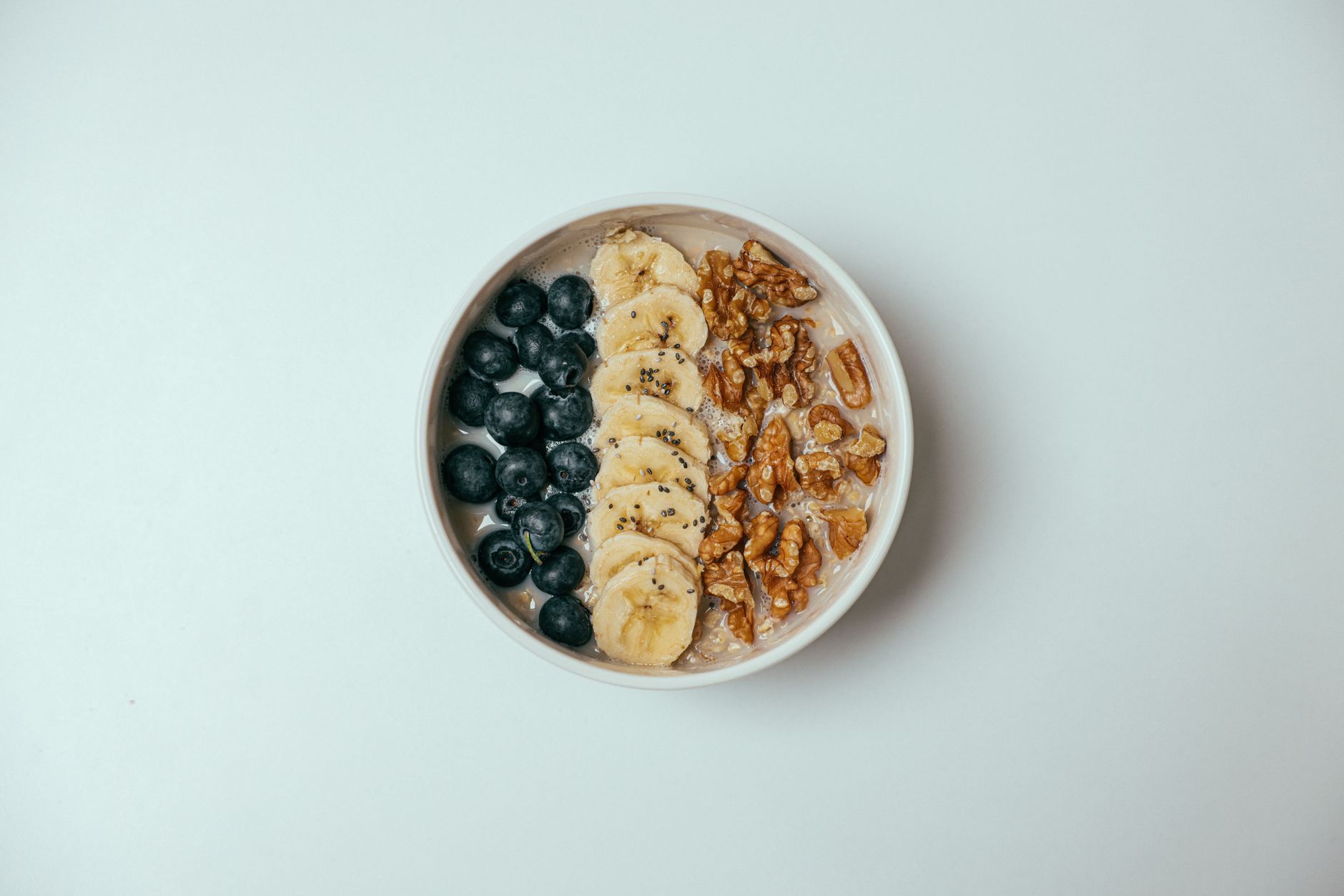
- Oatmeal made with steel-cut oats (GI: ~55) topped with walnuts and cinnamon
- Chia pudding with almond milk and berries (GI: ~30)
- Avocado toast on 100% whole-grain sourdough (GI: ~40–50)
- Scrambled eggs with spinach and mushrooms (GI: ~15)
Watch out for: White bread, pastries, sugary cereals, and even some "healthy" granola bars (check the label—they can spike your blood sugar faster than candy!).
For extra precision, use the Glycemic Index Foundation’s database to compare foods. For example, did you know that quinoa has a GI of 53 (great for breakfasts), while most granola has a GI of 70+ (skip it)?
---
Gluten-Free Breakfast Ideas for Psoriasis Patients
Gluten isn’t a trigger for everyone with psoriasis, but for some, it’s a major culprit. A 2020 study in Journal of Clinical and Experimental Dermatology found that patients with celiac disease (and even those without) often see psoriasis improvements on a gluten-free diet. If you suspect gluten is your trigger, here’s how to start your day without it:
Breakfast swaps:
- Instead of: Wheat toast → Try: Gluten-free almond flour pancakes with maple syrup
- Instead of: Cereal → Try: Buckwheat porridge with coconut yogurt and hemp seeds
- Instead of: Bagels → Try: Chia seed pudding with gluten-free granola
Pro tip: If you’re new to gluten-free eating, introduce one change at a time. Some people tolerate gluten-free oats better than others—so opt for certified gluten-free brands to avoid cross-contamination. Bonus: Many gluten-free grains (like buckwheat and quinoa) are naturally high in magnesium, which supports skin health and reduces muscle tension—a double win for psoriasis sufferers.
For those who explore the autoimmune protocol (AIP), gluten-free is just the beginning—you’d also avoid nightshades, dairy, and eggs. But even without going that far, cutting gluten can help many psoriasis patients. Try this experiment: Swap your usual gluten-containing breakfast for a gluten-free version for 2 weeks and track your flare-ups in a journal.
---
Omega-3 Rich Breakfast Foods for Psoriasis
Omega-3s are like the "cool-down" button for inflammation. They help reduce the production of pro-inflammatory compounds in your body, which can ease psoriasis symptoms. The best sources? Fatty fish, flaxseeds, chia seeds, and walnuts. Here’s how to sneak them into breakfast:
Top omega-3 breakfast ideas:
Why it matters: A 2015 study in Dermatology Research and Practice found that patients with psoriasis who increased their omega-3 intake saw reduced plaque severity. Start with 1–2 servings of omega-3s per day to notice a difference. Pro tip: If you’re vegetarian or vegan, focus on flaxseeds, chia seeds, and walnuts—these are the best plant-based sources of ALA omega-3s, which your body converts to EPA/DHA (though less efficiently than fish).
---
Vitamin D Boosting Breakfast for Psoriasis
Vitamin D isn’t just for bones—it’s a powerful immune modulator. Low vitamin D levels are linked to more severe psoriasis flare-ups, according to the National Psoriasis Foundation. The good news? You can get it from food, especially in winter when sunlight is scarce.
Top vitamin D-rich breakfasts:
- Fortified plant milk smoothie (soy or almond milk) with spinach and hemp seeds
- Eggs cooked in olive oil (egg yolks contain vitamin D)
- Mushroom omelet (UV-exposed mushrooms boost vitamin D)
- Chia pudding with fortified coconut yogurt
- Salmon and avocado toast on whole-grain bread
Pro tip: If you’re deficient, your doctor may recommend a supplement. But always check with them first—too much vitamin D can cause toxicity. For now, focus on food-based sources. Bonus hack: If you’re using fortified plant milks, choose brands with at least 100 IU of vitamin D per serving. For example, unsweetened soy milk often has 150 IU per cup—double-check labels!
---
How to Make a Psoriasis-Friendly Smoothie
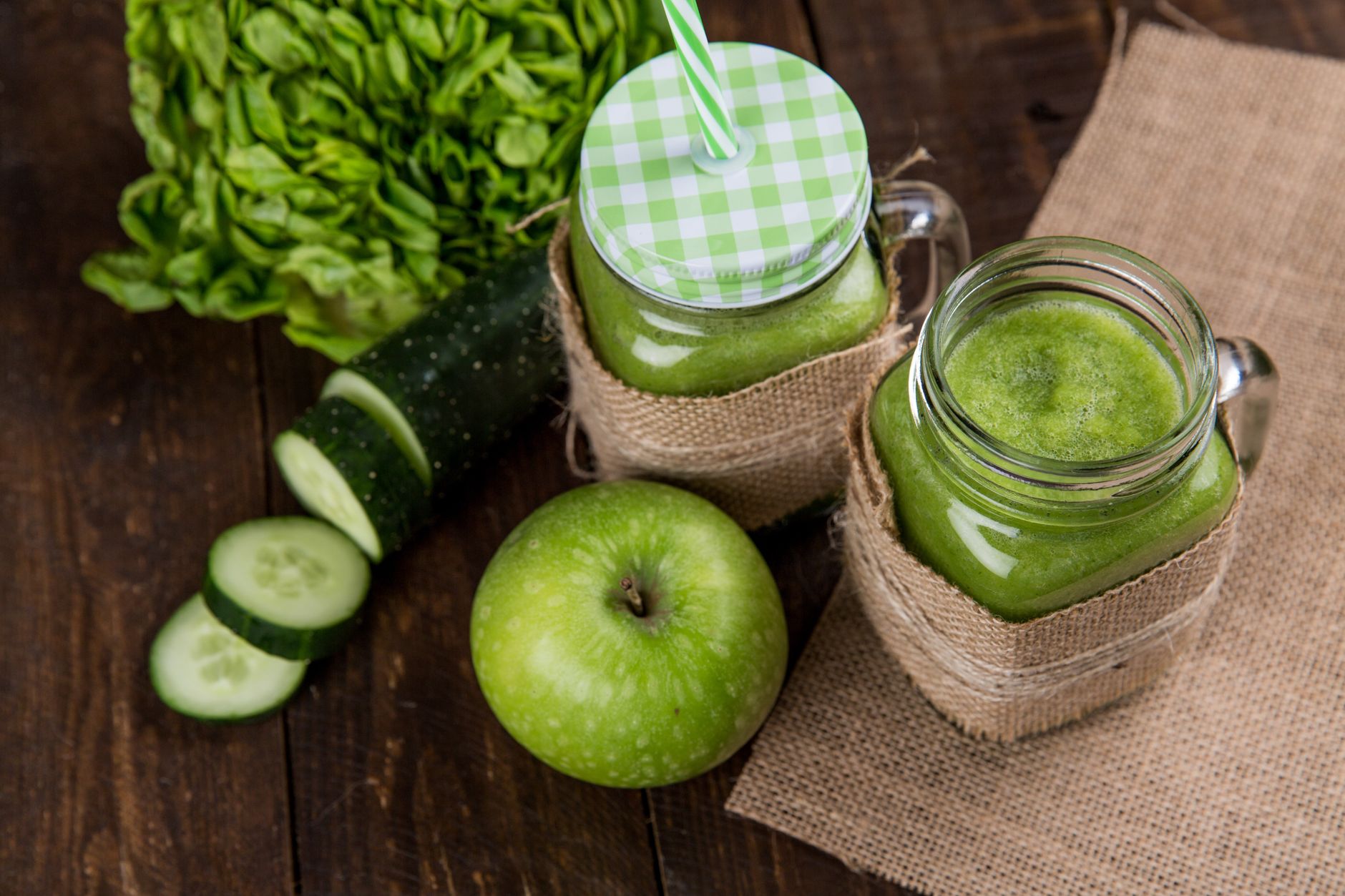
Smoothies are the ultimate psoriasis-friendly breakfast—they’re easy to customize, packed with nutrients, and can be prepped ahead. The key? Balance anti-inflammatory ingredients with fiber and protein to keep you full. Here’s a foolproof recipe to start:
Turmeric-Ginger Psoriasis Smoothie
Ingredients (serves 1):
- 1 cup spinach (for magnesium and antioxidants)
- ½ banana (for natural sweetness)
- 1 tbsp chia seeds (omega-3s + fiber)
- 1 tbsp flaxseed oil (omega-3s)
- ½ cup unsweetened almond milk (fortified with vitamin D)
- ½ tsp turmeric (anti-inflammatory)
- ¼ tsp ginger (digestive aid)
- 1 scoop vanilla protein powder (optional, for stability)
Instructions:
- Add all ingredients to a blender.
- Blend until smooth. If too thick, add a splash of water.
- Pour into a glass and enjoy immediately (or store in the fridge for up to 24 hours).
Variations:
- Add ½ cup Greek yogurt for probiotics.
- Swap banana for frozen mango for a tropical twist.
- For extra protein, blend in 1 tbsp hemp seeds.
- Add ½ tsp cinnamon for blood sugar balance.
Smoothie safety: If you’re pregnant, avoid raw sprouts or undercooked ingredients. Stick to pasteurized dairy or fortified plant milks. Pro tip: Use frozen berries to avoid oxidation—fresh berries lose antioxidants faster when thawed.
---
Psoriasis Diet Breakfast Meal Prep for Busy Moms
Let’s be real: Mornings are chaotic. Between kids, work, and psoriasis flares, the last thing you need is a complicated breakfast routine. The solution? Meal prep. Here’s how to batch-cook psoriasis-friendly breakfasts so you’re never stuck reaching for cereal at 7 AM.
Weekend prep ideas:
- Overnight oats: Mix ½ cup rolled oats, 1 tbsp chia seeds, 1 cup almond milk, and ½ tsp cinnamon. Store in jars and refrigerate. Top with berries and nuts in the morning.
- Hard-boiled eggs: Boil a dozen eggs on Sunday. Store in the fridge for up to 5 days. Scramble with spinach and avocado or slice into salads.
- Smoothie packs: Portion freeze-dried spinach, berries, and chia seeds into bags. Add liquid in the morning for a quick smoothie.
- Turmeric toast: Toast gluten-free bread and spread with avocado + turmeric paste. Store in the fridge for up to 3 days.
- Protein muffins: Bake a batch of egg-white muffins with grated zucchini and flaxseeds. Reheat in the microwave for grab-and-go breakfasts.
Pro tip: Use glass containers with dividers to separate ingredients (like yogurt + granola) so nothing gets soggy. Label everything with dates to avoid waste. Bonus: Keep a "freezer emergency kit" of pre-portioned smoothie ingredients and frozen breakfast burritos (made with turkey sausage and veggies) for days when you’re truly swamped.
For more meal prep inspiration, check out our Atkins breakfast guide—many of those ideas translate well to psoriasis-friendly eating. Remember: If you’re meal prepping for kids, involve them in the process! Let them assemble their own yogurt parfaits or sprinkle nuts on overnight oats—they’re more likely to eat it if they helped make it.
---
Best Breakfast Foods to Reduce Psoriasis Symptoms
Not all breakfast foods are created equal when it comes to psoriasis. While some may help, others can worsen inflammation. Here’s a quick guide to the best (and worst) choices:
Why this matters: Dairy is a common trigger for psoriasis flare-ups, especially in women. If you suspect dairy is your issue, try swapping it for fortified plant-based options like almond milk or coconut yogurt. Pro tip: If you’re sensitive to dairy, fermented dairy like kefir or Greek yogurt may be tolerated better than regular milk due to their probiotic content.
---
Psoriasis Diet Breakfast for Weight Loss
If you’re also trying to lose weight while managing psoriasis, the good news is that many psoriasis-friendly foods are naturally lower in calories and higher in volume. Here’s how to structure a breakfast that supports both skin health and weight goals:
Key principles:
- Prioritize protein and fiber to stay full (e.g., eggs, chia seeds, veggies).
- Avoid liquid calories (sugary coffee drinks, fruit juices).
- Choose healthy fats (avocado, nuts) over refined carbs.
- Portion control matters—even healthy foods can add up.
Sample weight-loss-friendly breakfasts:
- Veggie omelet with spinach, mushrooms, and feta (skip the cheese if dairy is a trigger).
- Chia pudding with almond milk and raspberries (low-calorie, high-fiber).
- Smoked salmon and cucumber wrap in a gluten-free tortilla.
- Greek yogurt (unsweetened) with walnuts and cinnamon.
- Avocado and egg "toast" on lettuce leaves (zero-carb option).
Watch out for: "Healthy" granola bars (often loaded with sugar) and smoothies with added honey or syrups. Stick to whole foods whenever possible. Bonus tip: Use a smaller plate (8–10 inches) to naturally portion control—it tricks your brain into feeling satisfied with less.
---
Psoriasis Diet Breakfast for Pregnant Women
Pregnancy and psoriasis can be a tricky combo—hormonal changes often worsen flare-ups, but diet choices become even more important for both mom and baby. The good news? Many psoriasis-friendly foods are also great for pregnancy.
Safe and supportive breakfasts:
- Spinach and avocado toast on whole-grain bread (folate + healthy fats).
- Scrambled eggs with sautéed kale and a side of berries (protein + vitamin C).
- Oatmeal with flaxseeds, walnuts, and cinnamon (fiber + omega-3s).
- Smoothie with Greek yogurt, spinach, banana, and chia seeds (probiotics + nutrients).
- Hard-boiled eggs with a side of sliced cucumbers and hummus.
Foods to avoid or limit:
- Raw sprouts (risk of listeria).
- Excessive caffeine (can worsen anxiety and inflammation).
- High-mercury fish (like king mackerel or swordfish).
- Unpasteurized dairy or cheese.
- Processed meats (delicatessen meats, hot dogs).
Pro tip: If you’re breastfeeding, omega-3s (like DHA from fish oil) can help reduce postpartum depression and may also ease psoriasis symptoms. Always check with your doctor before starting new supplements. Bonus: Pregnant women with psoriasis often benefit from extra vitamin C (found in citrus fruits, bell peppers, and strawberries) to support collagen production and skin healing.
---
Psoriasis Diet Breakfast for Kids
Getting kids to eat breakfast—let alone a psoriasis-friendly one—can feel like herding cats. But with a little creativity, you can make healthy choices fun and easy. Here are kid-approved ideas:
Simple and sneaky swaps:
- Yogurt parfait: Layer Greek yogurt with gluten-free granola and berries.
- Mini frittatas: Whisk eggs with diced veggies (zucchini, bell peppers) and bake in muffin tins.
- Turmeric toast fingers: Toast gluten-free bread, spread with hummus, and cut into strips.
- Smoothie pops: Blend banana, spinach, and chia seeds, then freeze in popsicle molds.
- Breakfast "pizza": Use a whole-grain English muffin as the base, top with tomato sauce, cheese, and turkey sausage.
Pro tip: Let kids help assemble their breakfast. A 5-year-old can sprinkle nuts on yogurt or add berries to oatmeal—making them part of the process increases the chance they’ll eat it. Bonus: Turn breakfast into a game! Use cookie cutters to shape toast into animals or stars, or let them "decorate" their yogurt with sprinkles.
Watch out for: Sugary cereals, fruit loops, and processed muffins. Even if they’re "fun," they can trigger inflammation. Pro tip for picky eaters: Hide veggies in smoothies or blend them into sauces for omelets—they won’t even notice!
---
Psoriasis-Friendly Breakfast for Night Shift Workers
If you’re one of the millions of women who work night shifts, your breakfast routine is likely different from the rest of the world. But even in the wee hours, you can support your psoriasis with smart choices. The key? Prioritize easy-to-digest, nutrient-dense foods that won’t disrupt your sleep or worsen inflammation.
Night-shift breakfast ideas:
- Greek yogurt parfait: Layer unsweetened Greek yogurt with chia seeds, walnuts, and a handful of blueberries. Top with a drizzle of honey if you need a quick energy boost.
- Microwave egg mug: Whisk eggs with spinach, diced tomatoes, and a sprinkle of feta. Microwave for 1–2 minutes. Add a side of avocado slices.
- Overnight chia pudding: Prep the night before with almond milk, chia seeds, and a pinch of cinnamon. Top with sliced almonds in the morning.
- Smoked salmon roll-ups: Roll smoked salmon around cream cheese and cucumber slices. Wrap in a gluten-free tortilla for a portable option.
- Turmeric latte oatmeal: Cook oats in almond milk with turmeric, ginger, and a dash of black pepper. Top with a sprinkle of pumpkin seeds.
Why it works for night shifts: These meals are low in sugar (to avoid energy crashes) and high in protein and healthy fats (to keep you full). They’re also easy to prepare in 10 minutes or less—perfect for rushed mornings. Pro tip: Keep a stash of pre-portioned smoothie packs in your fridge at work. Blend them with cold water or almond milk for a quick, nutrient-packed breakfast.
---
Psoriasis Diet Breakfast Recipes with Turmeric
Turmeric isn’t just a spice—it’s a powerhouse anti-inflammatory. Curcumin, its active compound, has been shown in studies to reduce psoriasis symptoms by up to 50% when combined with black pepper (which boosts absorption). Here’s how to use it in breakfast:
Turmeric breakfast ideas:
- Golden milk oatmeal: Cook oats in almond milk with turmeric, cinnamon, and a pinch of black pepper. Top with walnuts.
- Turmeric scrambled eggs: Whisk eggs with turmeric, ginger, and a splash of coconut milk. Cook low and slow.
- Turmeric smoothie: Blend banana, spinach, turmeric, ginger, and almond milk. Add a dash of black pepper.
- Turmeric toast: Toast gluten-free bread, spread with avocado, and sprinkle with turmeric and sea salt.
- Turmeric golden milk latte: Blend almond milk with turmeric, cinnamon, ginger, and a pinch of black pepper. Heat and enjoy like a warm drink.
Why it works: Turmeric reduces oxidative stress and modulates immune responses—key for psoriasis. Pair it with black pepper (piperine) to enhance absorption by 2000%. Bonus tip: If you’re sensitive to turmeric’s earthy taste, try adding a small amount of vanilla extract to smoothies or oatmeal to balance the flavor.
---
Common Breakfast Pitfalls to Avoid with Psoriasis
Even the best intentions can backfire. Here are the most common breakfast mistakes that might be worsening your psoriasis—and how to fix them:
- Skipping protein → Leads to blood sugar crashes and inflammation. Fix: Add eggs, Greek yogurt, or nuts to every meal.
- Relying on refined carbs → White toast, cereal, and pastries spike inflammation. Fix: Swap for whole grains like quinoa or buckwheat.
- Ignoring portion sizes → Even healthy foods can cause bloating or flares if overeaten. Fix: Use smaller plates and listen to hunger cues.
- Not drinking enough water → Dehydration worsens dry skin and flares. Fix: Start your day with a glass of water or herbal tea.
- Avoiding all fats → Healthy fats (like olive oil) are essential for skin health. Fix: Drizzle avocado oil on toast or add nuts to smoothies.
- Eating the same thing daily → Variety ensures you’re getting a wide range of nutrients. Fix: Rotate breakfasts to cover different nutrient bases.
- Over-relying on supplements → Whole foods provide a complex mix of nutrients that supplements can’t replicate. Fix: Focus on food first, then consider supplements like vitamin D or omega-3s if needed.
---
How to Customize Breakfast for Individual Psoriasis Triggers
Psoriasis triggers vary from person to person. While omega-3s and vitamin D help most, some women also need to watch their intake of:
- Dairy (try almond milk or coconut yogurt)
- Nightshades (tomatoes, potatoes, peppers—if they worsen your flares)
- Processed sugars (even "natural" honey can spike blood sugar)
- Gluten (if you’re sensitive or have celiac disease)
- Alcohol (dehydrates and can trigger flares)
- Soy (some women report flare-ups with high soy intake)
How to figure out your triggers:
- Keep a food diary for 2–3 weeks, noting flare-ups and what you ate.
- Try an elimination diet (remove one suspect food at a time, like dairy or gluten, for 2–3 weeks).
- Work with a dietitian or dermatologist to interpret results.
Example: If you suspect dairy is a trigger, swap cow’s milk for fortified soy milk in your smoothies and yogurt. Monitor your skin for 2 weeks—if flares improve, you’ve likely found a culprit. Bonus tip: Use a food sensitivity test (like the IgG test) if you’re unsure about hidden triggers. While not foolproof, it can provide clues.
---
Probiotic-Rich Breakfasts for Psoriasis
Your gut and skin are connected through the gut-skin axis. Emerging research suggests that probiotics—live bacteria that support gut health—can reduce psoriasis symptoms by up to 40% in some cases. The best sources? Fermented foods and drinks. Here’s how to add them to your breakfast:
Top probiotic breakfast ideas:
- Greek yogurt parfait: Layer unsweetened Greek yogurt with berries, chia seeds, and a sprinkle of flaxseeds.
- Kefir smoothie: Blend kefir with spinach, banana, and a tbsp of almond butter.
- Sauerkraut eggs: Scramble eggs with a spoonful of sauerkraut (drained) and sautéed mushrooms.
- Kimchi scramble: Mix scrambled eggs with kimchi and avocado on gluten-free toast.
- Fermented milk latte: Blend almond milk with a spoonful of coconut yogurt and cinnamon for a creamy, probiotic-rich drink.
Why probiotics matter: A 2018 study in Journal of Clinical and Experimental Dermatology found that women with psoriasis who consumed probiotics daily saw reduced plaque severity and improved skin hydration. The most effective strains are Lactobacillus and Bifidobacterium, found in yogurt, kefir, and sauerkraut. Pro tip: If you’re new to fermented foods, start with small portions—your gut bacteria need time to adjust!
---
Myth vs. Fact: Psoriasis and Diet
Psoriasis diet myths can be confusing. Let’s clear up the most common ones:
Myth: "You have to give up all carbs to manage psoriasis."
Fact: Not true! The goal is low-glycemic carbs (like oats or quinoa), not no carbs. High-glycemic foods (white bread, sugary cereals) are the real culprits. Fact: Even low-carb diets should include fiber-rich carbs like sweet potatoes or lentils to support gut health.
Myth: "Psoriasis is only about diet—medication isn’t necessary."
Fact: Diet can help reduce flare-ups, but for moderate to severe psoriasis, medication (like topical steroids or biologics) is often needed. Think of diet as a supportive tool, not a cure. Fact: Some women see 50% reduction in flares with diet alone, but others need a combination of diet and medication.
Myth: "All dairy worsens psoriasis."
Fact: It depends! Some people tolerate fermented dairy (like kefir) better



