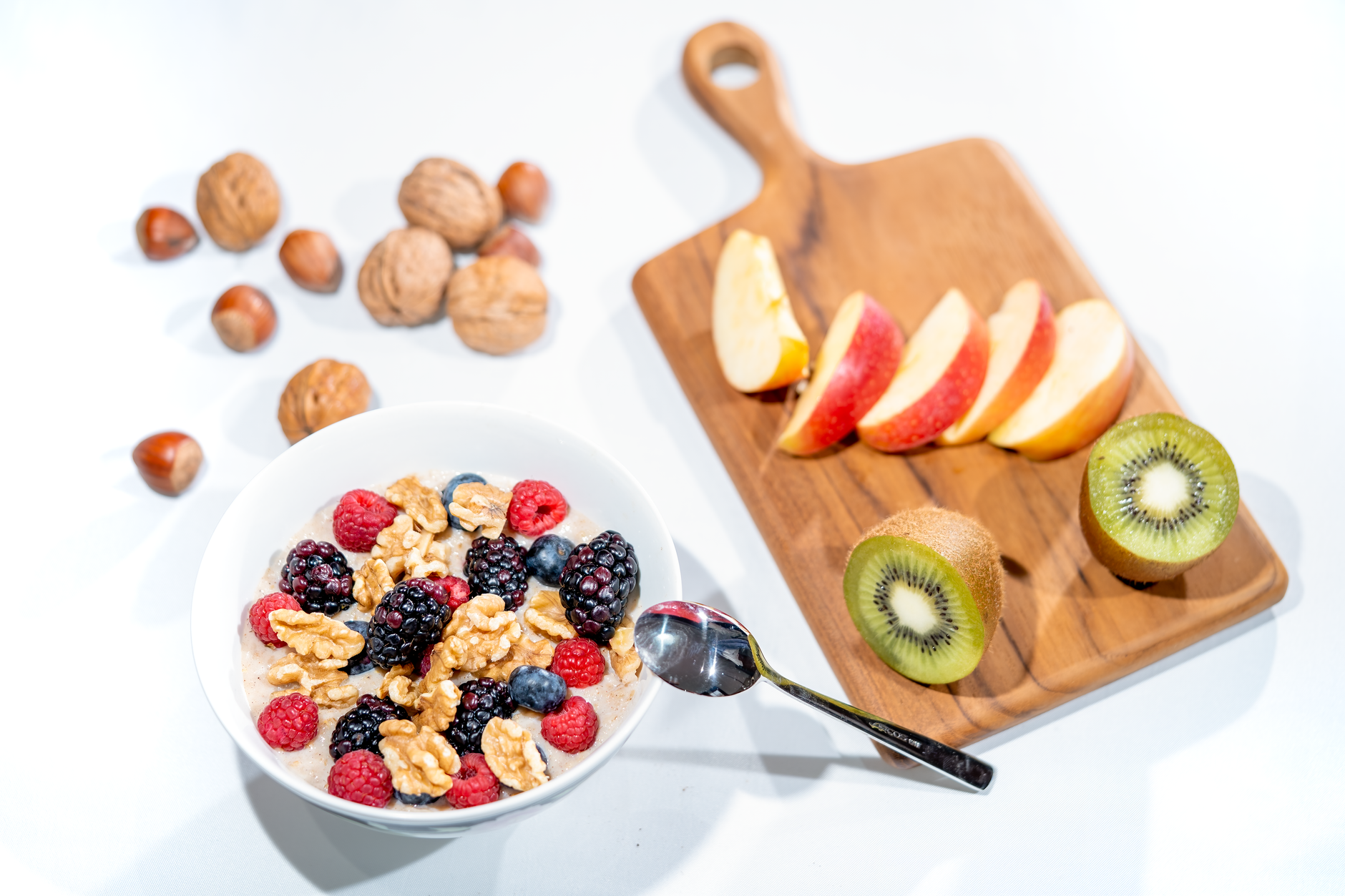
Anti-inflammatory foods like oats, berries, and green smoothies are excellent acne clear skin diet breakfast ideas. They reduce breakouts and promote a radiant
By Shubhra Mishra — a mom of two who turned her own confusion during pregnancy into BumpBites, a global mission to make food choices clear, safe, and stress-free for every expecting mother. 💛
Check whether any food is safe during pregnancy with the BumpBites Food Safety Checker.
Quick take: Kickstarting your day with the right breakfast can significantly impact your skin's clarity, especially if you're battling acne. By focusing on low-glycemic foods, rich in omega-3s, zinc, and antioxidants, you can help reduce inflammation, balance hormones, and prevent breakouts. It’s not about deprivation, but smart, delicious choices that nourish your skin from within.
Waking up to a new breakout can be incredibly frustrating. Whether it’s persistent adult acne, hormonal flare-ups, or simply skin that feels perpetually "off," many women experience the emotional toll that acne takes. You might scrutinize your skincare routine, wondering if a new cleanser is to blame, but often, the answer lies closer to your plate – specifically, your breakfast.
What you choose to eat first thing in the morning sets the stage for your body's inflammation levels, blood sugar balance, and hormonal responses throughout the day. And when it comes to clear skin, these factors are crucial. If you've been searching for practical, science-backed ways to support your skin from the inside out, you're in the right place. This guide will walk you through the best breakfast ideas to help clear your skin, explain why certain nutrients are so powerful, and show you how to build a morning routine that leaves you feeling (and looking) radiant.
What Are the Best Breakfast Foods to Clear Acne Caused by Hormonal Imbalances?
Hormonal imbalances are a leading culprit behind acne, especially for adult women. Fluctuations in hormones like androgens (which can stimulate oil production) and insulin can trigger breakouts. The good news is that your breakfast choices can play a significant role in stabilizing these hormonal swings. Focusing on certain nutrients can help regulate oil production, reduce inflammation, and support overall endocrine health.
One of the most powerful nutrients for hormonal balance and skin health is zinc. Zinc helps regulate androgen metabolism, reduces inflammatory responses, and supports immune function – all vital for clear skin. You can find zinc in breakfast foods like pumpkin seeds, hemp seeds, oats, and fortified cereals (choose low-sugar options). Many women find that a bowl of overnight oats topped with a sprinkle of pumpkin seeds and a handful of berries is a simple yet effective way to start their day.
Another key player is vitamin A, particularly in its natural forms found in food. Vitamin A helps regulate cell turnover, preventing dead skin cells from clogging pores, and it has anti-inflammatory properties. While you might associate vitamin A with carrots, leafy greens like spinach and kale are fantastic sources (often added to smoothies), as are eggs. A breakfast scramble with eggs and spinach can provide a good dose of this skin-loving nutrient.
Lastly, consider foods rich in B vitamins, especially B6, which supports hormone regulation, and B5, which may help reduce oil production. Whole grains, eggs, and avocados are great breakfast sources. By integrating these nutrient-dense foods, you're not just eating breakfast; you're actively working to bring your hormones into balance and calm your skin from within.
Start your day with a vibrant, nutrient-dense bowl of oatmeal packed with skin-loving ingredients.
How Can a Breakfast Diet Rich in Omega-3 Fatty Acids Reduce Acne Breakouts?
Infl
ammation is a core component of acne. When your skin's sebaceous glands become inflamed, it can lead to redness, swelling, and the development of painful cysts and pustules. Omega-3 fatty acids are renowned for their potent anti-inflammatory properties, making them a cornerstone of an acne-clearing diet. These essential fats work by reducing the production of inflammatory compounds in the body, helping to calm irritated skin.
The most beneficial omega-3s are EPA (eicosapentaenoic acid) and DHA (docosahexaenoic acid), primarily found in fatty fish. While fish for breakfast might not be everyone's first choice, there are excellent plant-based sources and ways to incorporate them. Chia seeds, flaxseeds, and walnuts are rich in ALA (alpha-linolenic acid), which your body can convert into EPA and DHA, albeit less efficiently.
To boost your omega-3 intake at breakfast, consider these ideas:
Chia Seed Pudding: Mix chia seeds with unsweetened almond milk, let it sit overnight, and top with berries and walnuts. This offers a substantial dose of ALA.
Flaxseed Meal in Smoothies or Oatmeal: Add a tablespoon or two of ground flaxseed to your morning smoothie or sprinkle it into your oatmeal. Grinding the flaxseeds helps your body absorb the omega-3s more effectively.
Walnuts: A handful of walnuts added to yogurt, oatmeal, or even eaten on their own can contribute to your daily omega-3 needs.
Omega-3 Fortified Eggs: Some eggs are specifically fortified with omega-3s, offering an easy way to get these beneficial fats into your morning scramble or omelet.
Regularly including these omega-3 powerhouses in your breakfast can help soothe existing breakouts, reduce redness, and contribute to a clearer, more balanced complexion over time. It's a simple dietary tweak that yields significant skin benefits.
Does a Low-Glycemic Breakfast Really Help Clear Acne and Prevent New Outbreaks?
Yes, current evidence strongly suggests that a low-glycemic (low-GI) breakfast can significantly help clear acne and prevent new outbreaks. The glycemic index (GI) is a system that ranks carbohydrate-containing foods by how much they raise blood sugar levels after eating. High-GI foods cause a rapid spike in blood sugar, which triggers your pancreas to release insulin.
Why is this a problem for acne? When insulin levels surge, it can lead to a cascade of effects that worsen acne:
Increased Androgen Activity: High insulin levels can stimulate the production of androgens, hormones that increase sebum (oil) production and lead to clogged pores.
Increased Inflammation: Insulin spikes can promote systemic inflammation, which exacerbates acne lesions.
Increased IGF-1: Insulin-like growth factor 1 (IGF-1) is a hormone that, when elevated, can stimulate skin cell growth and sebum production, contributing to acne.
By choosing low-GI breakfast foods, you help maintain stable blood sugar levels, reducing these inflammatory and hormone-disrupting effects. This translates to less oil production, fewer clogged pores, and calmer skin.
Here's a comparison of common breakfast foods and their glycemic impact:
High-Glycemic Breakfast Foods (to limit)
Low-Glycemic Breakfast Foods (to enjoy)
Sugary cereals (e.g., frosted flakes, cornflakes)
Rolled oats or steel-cut oats (unsweetened)
White bread, bagels, muffins, pastries
Whole-grain bread (sourdough, sprouted grain)
Sweetened yogurt with fruit preserves
Plain Greek yogurt with fresh berries and nuts
Fruit juices (especially without pulp)
Whole fruits (berries, apples, pears)
Pancakes, waffles with syrup
Scrambled eggs with vegetables
Instant oatmeal (often highly processed)
Chia seed pudding
Making the switch to a low-GI breakfast often means prioritizing whole, unprocessed foods. Instead of a sugary donut, opt for an omelet with vegetables. Swap your instant oatmeal for steel-cut oats topped with seeds. This fundamental shift can make a noticeable difference in your skin's clarity over time, helping to prevent both new breakouts and the severity of existing ones. For more ideas on how to structure an entire day of eating for clear skin, check out our 1-day meal plan for glowing skin.
Top Anti-Inflammatory Breakfast Meals Proven to Reduce Acne-Prone Skin
An anti-inflammatory diet is a powerful strategy for managing acne, and breakfast is the perfect meal to load up on these skin-soothing ingredients. The goal is to reduce systemic inflammation that can aggravate acne and promote overall skin health. Here are five top breakfast meals that are both delicious and packed with anti-inflammatory power:
Berry & Spinach Smoothie with Chia Seeds:
Ingredients: 1 cup unsweetened almond milk, 1 cup mixed berries (high in antioxidants), 1 handful fresh spinach (Vitamin A, antioxidants), 1 tablespoon chia seeds (omega-3s), 1 scoop plant-based protein powder (optional, for satiety).
Why it works: Berries and spinach are antioxidant powerhouses, fighting free radicals and reducing inflammation. Chia seeds provide anti-inflammatory omega-3s. This is also an excellent option if you're looking for AIP elimination diet breakfast ideas, just ensure all ingredients are compliant.
Why it works: Eggs offer zinc and vitamin A, while avocado provides healthy monounsaturated fats and vitamin E, both known for their anti-inflammatory effects. The vegetables add a burst of antioxidants, and whole-grain toast keeps the glycemic load low.
Overnight Oats with Nuts, Seeds & Berries:
Ingredients: 1/2 cup steel-cut or rolled oats (low-GI fiber), 1 cup unsweetened almond or oat milk, 1/4 cup mixed berries, 1 tablespoon chopped walnuts or almonds (omega-3s, vitamin E), 1 tablespoon pumpkin or sunflower seeds (zinc, antioxidants).
Why it works: Oats are a low-GI complex carbohydrate that provides sustained energy without spiking blood sugar. The nuts and seeds offer healthy fats, zinc, and omega-3s, while berries are rich in antioxidants.
Greek Yogurt Parfait with Flax & Berries:
Ingredients: 1 cup plain, unsweetened Greek yogurt (probiotics, protein), 1/2 cup mixed berries, 1 tablespoon ground flaxseed (omega-3s), a sprinkle of cinnamon (anti-inflammatory properties).
Why it works: Greek yogurt provides probiotics for gut health, which is closely linked to skin health. Berries and flaxseed add antioxidants and omega-3s. Ensure it's unsweetened to keep the GI low.
Sweet Potato Hash with Turmeric & Poached Egg:
Ingredients: 1 small sweet potato (cooked, cubed), 1/2 onion, 1 bell pepper, 1/2 teaspoon turmeric (powerful anti-inflammatory spice), 1 poached or fried egg.
Why it works: Sweet potatoes are a lower-GI carbohydrate than white potatoes and rich in beta-carotene (a precursor to Vitamin A). Turmeric is a potent anti-inflammatory, and eggs offer protein and essential nutrients.
These meals are not only designed to help clear your skin but are also filling and delicious, making it easier to stick to your acne-clearing diet goals. For a more comprehensive approach, explore our Acne-Clearing Diet Grocery List to stock your pantry and fridge.
What Are the Worst Breakfast Foods That Worsen Acne and How to Avoid Them?
Just as certain foods can help clear your skin, others can actively work against it, triggering inflammation and hormonal imbalances that lead to breakouts. Understanding these "worst offenders" is crucial for an effective acne-clearing breakfast diet. The main culprits often fall into categories known to spike blood sugar, promote inflammation, or disrupt gut health.
Sugary Cereals and Processed Grains:
Why they're bad: These are often high in refined carbohydrates and added sugars, leading to rapid blood sugar spikes. As discussed, these spikes increase insulin, androgen activity, and inflammation, all of which fuel acne.
How to avoid: Swap sugary cereals for unsweetened rolled or steel-cut oats. Instead of white bread or pastries, choose whole-grain or sprouted bread. Read labels carefully; "whole grain" isn't always low in sugar.
Dairy Products (especially skim milk):
Why they're bad: Dairy contains hormones and growth factors (like IGF-1) that can mimic human hormones, potentially stimulating oil glands and increasing inflammation. Skim milk, surprisingly, has been linked to acne more consistently in some studies than full-fat dairy, possibly due to higher concentrations of certain hormones or processing methods.
How to avoid: Experiment with dairy-free alternatives like unsweetened almond, oat, or soy milk for cereals and smoothies. Opt for plain, unsweetened coconut or almond-based yogurts. Many women find a significant improvement in their skin when they reduce or eliminate dairy.
Refined Sugars and Artificial Sweeteners:
Why they're bad: Beyond the blood sugar spikes, excessive sugar intake can promote systemic inflammation and disrupt the gut microbiome, both of which are linked to acne. Some artificial sweeteners may also negatively impact gut health.
How to avoid: Limit added sugars in coffee, tea, and baked goods. Use natural, lower-glycemic sweeteners like a touch of maple syrup, honey, or stevia sparingly. Focus on the natural sweetness of fruits.
Processed Breakfast Meats (bacon, sausage):
Why they're bad: These often contain high levels of saturated fats, sodium, and nitrates, which can contribute to inflammation in the body.
How to avoid: Choose lean protein sources like eggs, smoked salmon, or plant-based proteins. If you enjoy meat, opt for organic, grass-fed options in moderation, or lean poultry.
Fruit Juices and Sweetened Coffee Drinks:
Why they're bad: Fruit juice, even 100% juice, removes the fiber from fruit, leading to a rapid sugar absorption and blood sugar spike. Sweetened coffee drinks are often loaded with syrups and artificial ingredients.
How to avoid: Opt for whole fruits instead of juice. Drink water, herbal tea, or black coffee, adding a splash of unsweetened almond milk if desired.
One common mistake people make is relying on processed "health" foods. Many breakfast bars, granolas, and even some yogurts marketed as healthy can be secretly high in sugar and processed ingredients. Always read labels. By consciously avoiding these common breakfast triggers, you'll be giving your skin a much better chance at achieving and maintaining clarity.
How Long Does It Take to See Acne Improvement After Starting a Skin-Clearing Breakfast Diet?
When you embark on an acne-clearing diet, it's natural to wonder when you'll start seeing results. The truth is, everyone's body responds differently, and there's no single timeline that applies to everyone. However, based on anecdotal evidence and scientific understanding of how dietary changes impact the body, you can expect to see initial improvements within a certain window, with more significant changes over a longer period.
Most women report noticing subtle changes in their skin within 2 to 4 weeks of consistently following an acne-clearing diet, including focused breakfast choices. These early improvements might include:
Reduced redness and inflammation in existing breakouts.
Fewer new breakouts occurring.
Less oiliness in the T-zone.
Overall calmer, less irritated skin.
For more significant and lasting improvements, such as a substantial reduction in the frequency and severity of breakouts, a clearer complexion, and an improvement in skin texture, it often takes around 2 to 3 months of consistent dietary adherence. This longer period allows your body to:
Stabilize blood sugar and insulin levels.
Reduce systemic inflammation.
Rebalance gut microbiome.
Adjust hormonal pathways.
It's important to remember that diet is one piece of the puzzle. Other factors like stress, sleep, skincare routine, and genetics also play a role. A representative story many women share is the initial excitement of seeing small improvements, followed by moments of frustration if a new breakout appears. "I remember thinking after two weeks that my skin looked a little less angry," one reader described. "But then I got a stress breakout, and I almost gave up. Sticking with it for three months really made the difference, and now I understand it's a marathon, not a sprint."
Tips for Tracking Progress and Staying Consistent:
Keep a Skin & Food Diary: Note what you eat for breakfast (and other meals), any new products you're using, and the state of your skin. This can help you identify patterns and potential triggers or confirm what's working.
Be Patient and Consistent: Dietary changes require time to manifest internally before they show externally. Don't get discouraged by minor setbacks.
Focus on the Long Term: Think of this as a sustainable lifestyle change rather than a temporary "diet."
Hydration is Key: Don't forget to drink plenty of water throughout the day. Dehydration can affect skin health and the body's ability to detoxify.
If you're making consistent changes and not seeing any improvement after 3-4 months, it might be time to consult with a dermatologist or a registered dietitian who specializes in skin health to explore other potential causes or strategies. For a complete dietary overhaul, our 7-Day Acne-Clearing Diet Plan can provide a structured roadmap.
Embrace a rainbow of fresh, whole foods to nourish your skin from the inside out.
Can a Vegan Breakfast Diet Actually Clear Acne Better Than Traditional Dairy-Based Meals?
For many individuals struggling with acne, particularly those with hormonal or inflammatory acne, transitioning to a vegan breakfast diet (or at least a dairy-free one) can lead to significant improvements in skin clarity. The primary reason for this often lies in the elimination of dairy products.
As mentioned earlier, dairy can be a significant trigger for acne due to its content of hormones, growth factors (like IGF-1), and inflammatory proteins. These components can disrupt hormonal balance, stimulate oil glands, and promote systemic inflammation, all contributing to breakouts. By removing dairy from your breakfast, you're eliminating a common acne aggravator for a substantial portion of the population.
A vegan breakfast diet naturally encourages the consumption of more whole, plant-based foods, which are typically rich in anti-inflammatory compounds, antioxidants, and fiber.
Increased Fiber: Plant-based breakfasts are high in fiber, which supports a healthy gut microbiome. A balanced gut is crucial for reducing inflammation and eliminating toxins, both beneficial for clear skin.
Antioxidants: Fruits, vegetables, nuts, and seeds are packed with antioxidants that protect skin cells from damage and reduce oxidative stress, a factor in acne development.
Reduced Saturated Fat: Vegan diets tend to be lower in saturated fats found in animal products, which can contribute to inflammation.
However, it's important to note that a "vegan" diet isn't automatically healthy or acne-clearing. A vegan breakfast consisting of highly processed vegan pastries, sugary cereals, or fried foods won't likely improve your skin. The key is to focus on a *whole-foods, plant-based* vegan breakfast.
Examples of Acne-Clearing Vegan Breakfasts:
Oatmeal or Quinoa Porridge: Made with unsweetened plant milk, topped with berries, nuts, and seeds.
Tofu Scramble: Seasoned tofu cooked with plenty of vegetables like spinach, bell peppers, and onions.
Smoothie Bowls: Blended fruits and greens with plant milk, topped with granola (check for sugar), nuts, and seeds.
Avocado Toast: On whole-grain bread, topped with "everything bagel" seasoning or red pepper flakes.
While a vegan approach can be highly effective, it's not the only path. Some individuals find success by simply cutting out dairy while still consuming other animal products like eggs or lean meats. The best approach is often personalized. If you suspect dairy is a trigger for your acne, trying a dairy-free breakfast for a few weeks is a simple, non-invasive experiment that could yield clear results. For a broader list of acne-clearing foods, beyond just breakfast, refer to our guide on Best Acne-Clearing Foods.
Myth vs. Fact
There's a lot of information (and misinformation) out there about diet and acne. Let's clear up some common breakfast-related myths.
Myth: Eating greasy breakfast foods like bacon and fried eggs directly causes acne.
Fact: While foods high in unhealthy fats aren't beneficial for overall health and can contribute to inflammation, the direct link between the grease on your plate and the oil on your face is often overstated. The primary issue with processed meats like bacon and sausage is their saturated fat content and additives, which can promote inflammation, rather than the grease itself. Eggs, especially when prepared healthily (like scrambled with veggies), are actually beneficial for acne due to their zinc and vitamin A content. Focus on the quality of fats and the overall inflammatory load of your meal, not just the "greasiness."
Myth: Skipping breakfast can help clear acne by giving your digestive system a break.
Fact: While intermittent fasting has gained popularity for various health benefits, there's no strong evidence to suggest that skipping breakfast specifically helps clear acne. In fact, for some, skipping meals can lead to overeating later in the day, potentially causing blood sugar spikes that could worsen acne. A balanced, nutrient-dense breakfast is crucial for stabilizing blood sugar early in the day and providing essential nutrients. The key isn't to skip, but to choose wisely.
Myth: All carbohydrates are bad for acne, so you should avoid them at breakfast.
Fact: This is an oversimplification. It's not all carbs that are problematic, but specifically *high-glycemic* and *refined* carbohydrates. Complex carbohydrates found in whole grains, oats, fruits, and vegetables are rich in fiber and nutrients. They provide sustained energy, help regulate blood sugar, and support gut health, all of which are beneficial for clear skin. The focus should be on choosing low-glycemic, whole-food carbohydrates rather than eliminating them entirely.
Key Takeaways
Prioritizing low-glycemic breakfast foods helps stabilize blood sugar and reduce insulin spikes, crucial for preventing acne.
Omega-3 fatty acids, found in chia seeds, flaxseeds, and walnuts, are powerful anti-inflammatories that calm acne-prone skin.
Nutrients like zinc (pumpkin seeds, oats) and vitamin A (spinach, eggs) support hormonal balance and healthy skin cell turnover.
Avoid or limit sugary cereals, processed pastries, and excessive dairy, as these can trigger inflammation and hormonal imbalances.
Consistency is key; expect to see initial improvements in 2-4 weeks, with more significant changes over 2-3 months.
Consider plant-based or dairy-free breakfast options, as dairy can be a common acne trigger for many women.
Frequently Asked Questions
What are the most effective breakfast foods for clearing acne caused by dairy consumption?
If dairy is a trigger for your acne, focus on replacing it with nutrient-dense alternatives. Excellent choices include unsweetened plant-based milks (almond, oat, soy) for smoothies or oatmeal, plain coconut or almond-based yogurts, and tofu scrambles instead of dairy-based eggs. These options help you avoid dairy's potential inflammatory and hormonal effects while still providing essential nutrients.
Can a high-protein breakfast actually worsen acne, or does it help?
A high-protein breakfast generally helps with acne, especially if it's from lean, unprocessed sources. Protein helps keep you full, stabilizes blood sugar, and provides amino acids for skin repair. However, some sources suggest that very high intake of certain proteins, particularly whey protein, could potentially worsen acne in some individuals due due to its impact on IGF-1. Focus on diverse protein sources like eggs, nuts, seeds, and plant-based proteins.
How does drinking green tea for breakfast affect acne-prone skin?
Green tea is an excellent choice for acne-prone skin. It's rich in antioxidants, particularly EGCG (epigallocatechin gallate), which has anti-inflammatory, anti-androgenic, and antioxidant properties. Drinking a cup of unsweetened green tea with your breakfast can help reduce inflammation and sebum production, contributing to clearer skin.
Are there any specific breakfast foods that can help with cystic acne?
For cystic acne, which is often deeply inflammatory and hormonally driven, a strong focus on anti-inflammatory and hormone-balancing foods is crucial. This includes omega-3-rich foods (flax, chia, walnuts), zinc-rich foods (pumpkin seeds, oats), and plenty of antioxidants from berries and leafy greens. Eliminating dairy and high-glycemic foods is particularly important for cystic acne.
What are the best breakfast options for acne-prone skin that are also budget-friendly?
Eating for clear skin doesn't have to be expensive. Budget-friendly options include oatmeal (steel-cut or rolled oats) with water or unsweetened plant milk, topped with seasonal berries and affordable seeds like sunflower or pumpkin. Eggs are also a cost-effective protein source; scramble them with frozen mixed vegetables. Lentil or bean-based breakfast bowls are also very nutritious and economical.
Does fasting in the morning help clear acne, or should you eat breakfast immediately?
While some people practice intermittent fasting for various health reasons, there's no direct evidence that skipping breakfast *specifically* clears acne. For many, a balanced, low-glycemic breakfast helps stabilize blood sugar early in the day, which can prevent later cravings and blood sugar spikes that worsen acne. The most important thing is consistency and choosing nutrient-dense foods when you do eat, rather than the timing itself.
When to See a Doctor or Specialist
While dietary changes can be incredibly effective for managing acne, they are often one part of a comprehensive treatment plan. If you've consistently implemented an acne-clearing breakfast diet (and other dietary changes) for several months and are not seeing satisfactory improvement, or if your acne is severe, painful, or leaving scars, it's important to consult with a healthcare professional.
Consider seeing a:
Dermatologist: They can assess the type and severity of your acne, rule out underlying conditions, and discuss medical treatments such as topical creams, oral medications, or procedures.
Endocrinologist: If you suspect your acne is heavily driven by hormonal imbalances (e.g., irregular periods, excessive hair growth), an endocrinologist can help investigate and manage underlying hormonal conditions like PCOS.
Registered Dietitian (RDN): An RDN specializing in skin health can provide personalized dietary guidance, help identify specific food triggers, and ensure you're meeting all your nutritional needs while making dietary changes.
This article is for informational purposes only and does not constitute medical advice. Always seek the advice of a qualified healthcare provider for any questions regarding your medical condition or before making any changes to your diet, medication, or treatment plan.
References
American Academy of Dermatology Association (AAD). "Acne: Who gets and causes."
Academy of Nutrition and Dietetics. "Can Diet Affect Acne?"
Harvard T.H. Chan School of Public Health. "The Nutrition Source: Carbohydrates and Blood Sugar."
Smith, R. N., Mann, N. J., Braue, A., Mäkeläinen, M., & Varigos, G. A. (2007). The effect of a high-protein, low glycemic-load diet versus a conventional, high glycemic-load diet on biochemical parameters associated with acne vulgaris: A randomized, investigator-blinded, controlled trial. Journal of the American Academy of Dermatology, 57(2), 247-256.
Melnik, B. C. (2012). Dietary pulses and acne: A comprehensive review. Journal of the American Academy of Dermatology, 67(6), 1380-1387.
Pappas, A. (2009). The relationship of diet and acne: A review of the evidence. Clinics in Dermatology, 27(2), 127-133.
Not sure about the label on Acne Clear Skin Diet Breakfast Ideas products?
Snap the ingredients list and SafeFilter checks every ingredient for your stage — only 3 free scans this month, then you're locked until reset. Unlimited from $7/mo or $50/yr.
When Shubhra Mishra was expecting her first child in 2016, she was overwhelmed by conflicting food advice — one site said yes, another said never. By the time her second baby arrived in 2019, she realized millions of mothers face the same confusion.
That sparked a five-year journey through clinical nutrition papers, cultural diets, and expert conversations — all leading to BumpBites: a calm, compassionate space where science meets everyday motherhood.
Her long-term vision is to build a global community ensuring safe, supported, and free deliveriesfor every mother — because no woman should face pregnancy alone or uninformed. 🌿
🌍 Stand with mothers, shape safer guidance
Join a small circle of experts who review BumpBites articles so expecting parents everywhere can decide with confidence.