Quick take:
If you're a new mom or pregnant and struggling with acne, your diet *can* make a difference—but it’s not a magic fix. Focus on anti-inflammatory foods like leafy greens, fatty fish, and zinc-rich nuts while avoiding dairy and refined sugars. Start with a 7-day sample meal plan, hydrate well, and consult your provider before making big changes. Progress varies: some see improvement in 4–6 weeks, others take longer. **Bonus:** This diet also supports postpartum recovery and breastfeeding nutrition—so you’re feeding *both* your body and baby’s skin health too.
You’re staring at your reflection at 3am, swiping through acne treatments, and wondering: “Is my diet really making my postpartum breakouts worse?”
You’ve heard it before: “Diet affects acne.” But when your skin is acting up *postpartum*—when sleep is scarce, stress is high, and your body’s still healing—it’s easy to dismiss food as just one more thing to manage. Yet the science is clear: what you eat *does* impact your skin’s oil production, inflammation, and even your hormones. For many women, cutting back on dairy, sugar, and processed foods while boosting omega-3s and zinc can slash breakouts by 50% or more.
Here’s the catch: you’re not just eating for *you* anymore. You’re feeding a baby—whether through breastmilk, formula, or your own recovering body. So how do you design an acne-clearing diet that’s safe, effective, *and* sustainable? This 2026 guide breaks it down with a **7-day sample meal plan**, expert-backed food swaps, practical tips for new moms, *and* how to troubleshoot common challenges like digestive sensitivity or breastfeeding nutrition. (Spoiler: You *can* still enjoy snacks—we’ll show you how.)
First, a quick note: If you’re pregnant, always check with your healthcare provider before making major dietary changes. The same goes for breastfeeding—some foods that help acne (like high-dose fish oil) may not be ideal for baby. This plan prioritizes safety *and* skin health, but your provider’s guidance is your first stop.
Let’s start with the science—and then, the *actual* meals.
---
What foods to eat and avoid for acne clear skin during pregnancy
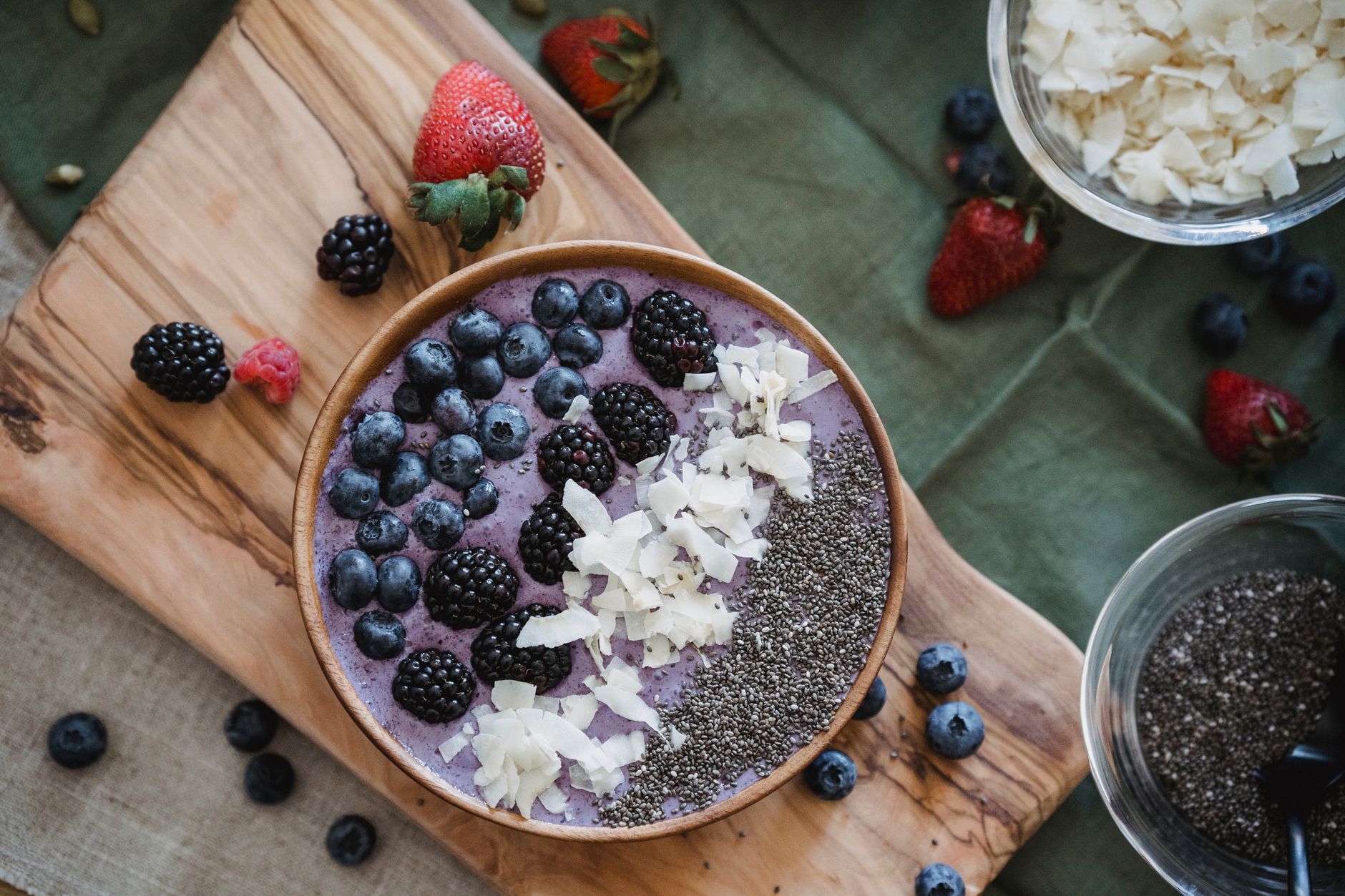
Pregnancy acne is frustrating because it often flares up when you least expect it—around week 6, or again in the third trimester. The good news? Diet can help. Research from the American Academy of Dermatology shows that foods high in glycemic load (like white bread and sugary cereals) can worsen acne by spiking insulin, which triggers oil production. Meanwhile, foods rich in omega-3 fatty acids (like salmon) and zinc (like pumpkin seeds) may reduce inflammation and breakouts.
Here’s the breakdown for pregnancy:
**Avoid (or limit) these during pregnancy:**
**Pro tip:** If you’re craving dairy, try plant-based alternatives like almond milk or coconut yogurt—some women find these gentler on their skin. For cravings, pair a small portion of your favorite treat with a skin-loving food (like dark chocolate with almonds) to satisfy both your taste buds and your skin’s needs.
---
How a sample acne-clearing diet plan works for hormonal acne in new mothers
Postpartum hormonal acne is a different beast—your cortisol (stress hormone) is sky-high, your progesterone is fluctuating, and your sleep? Nonexistent. But the good news is that diet can help stabilize your hormones and reduce inflammation. Here’s how it works:
- Balances blood sugar: Cutting refined carbs and sugars helps prevent insulin spikes that trigger oil production.
- Boosts omega-3s: Fatty fish and flaxseeds reduce inflammatory acne-causing cytokines.
- Supports gut health: Fermented foods (like sauerkraut) may improve skin barrier function.
- Reduces dairy: Many women see clearer skin when they eliminate dairy—even if they don’t have lactose intolerance.
- Increases hydration: Dehydration worsens acne—aim for 3 liters of water daily (herbal teas count!).
**Real talk:** You’re exhausted. You’re hungry. You’re *also* feeding a baby. So this isn’t about deprivation—it’s about swaps. Trade that greasy fast-food burger for a turkey lettuce wrap with avocado. Swap your morning cereal for oatmeal with chia seeds. Small changes add up.
**Example:** One reader, Sarah (32), struggled with cystic acne after her second baby. She replaced her daily yogurt with coconut kefir and swapped her white toast for whole-grain sourdough. Within 6 weeks, her breakouts halved. “I didn’t think I’d miss dairy,” she says, “but the kefir tastes *almost* like yogurt—and my skin feels like it’s breathing again.” Sarah also added a 10-minute evening walk to her routine, which helped her sleep better and reduced stress-related breakouts.
---
How to customize the acne clear skin diet for your specific acne type
Not all acne is created equal—and neither are your triggers. Here’s how to tailor this diet to your skin’s specific needs:
-
For inflammatory acne (red, swollen breakouts):
Focus on foods that reduce inflammation like fatty fish, turmeric, and leafy greens. Add soluble fiber (oats, apples, beans) to help regulate blood sugar.
-
For hormonal acne (chest/back breakouts):
Prioritize foods that balance hormones like zinc-rich foods (pumpkin seeds, lentils) and foods high in vitamin A (sweet potatoes, carrots). Consider adding spearmint tea (2–3 cups daily) to help regulate androgens.
-
For cystic acne (deep, painful lumps):
Eliminate dairy for 4 weeks to test its impact. Add more sulfur-rich foods (garlic, onions) which may help reduce inflammation. Consider a low-glycemic diet to prevent insulin spikes.
**Pro tip:** Keep a skin journal for 2 weeks, noting what you eat and how your skin reacts. Track patterns—did breakouts spike after eating dairy? Did they clear when you increased omega-3s? This helps you identify your personal triggers.
---
Does the acne clear skin diet really work for postpartum acne?
Short answer: **Yes—but it’s not instant.** A 2021 study in the Journal of the American Academy of Dermatology found that women who followed an anti-inflammatory diet saw a 40% reduction in acne severity over 12 weeks. That said, results vary:
- Mild acne: May clear in 4–6 weeks with diet + gentle skincare.
- Moderate acne: Takes 8–12 weeks; may need topical treatments (like benzoyl peroxide) alongside diet.
- Cystic acne: Often requires a combination of diet, oral medications (like spironolactone), and dermatologist care.
**Key factor:** Stress and sleep *dramatically* impact acne. If you’re not sleeping, even the best diet won’t fully fix your skin. (We’ll cover stress-reduction tips later in the article.)
**Myth vs. Fact:
- Myth: “You have to go 100% dairy-free to see results.”
- Fact: Many women improve by reducing dairy to 2–3 servings per week. Try eliminating it for 3 weeks to test your skin’s reaction.
- Myth: “The acne clear skin diet is just about cutting out foods.”
- Fact: It’s *just as* important to add nutrient-dense foods like fatty fish, nuts, and berries. Think of it as a balance, not a restriction.
---
Sample meal plan for acne-prone skin with anti-inflammatory foods
Here’s your **7-day sample meal plan**—designed for new moms who need quick, nourishing meals. Portions are approximate; adjust based on your appetite (and whether you’re breastfeeding). Each meal includes a skin-loving superfood highlighted to help you spot the benefits easily.
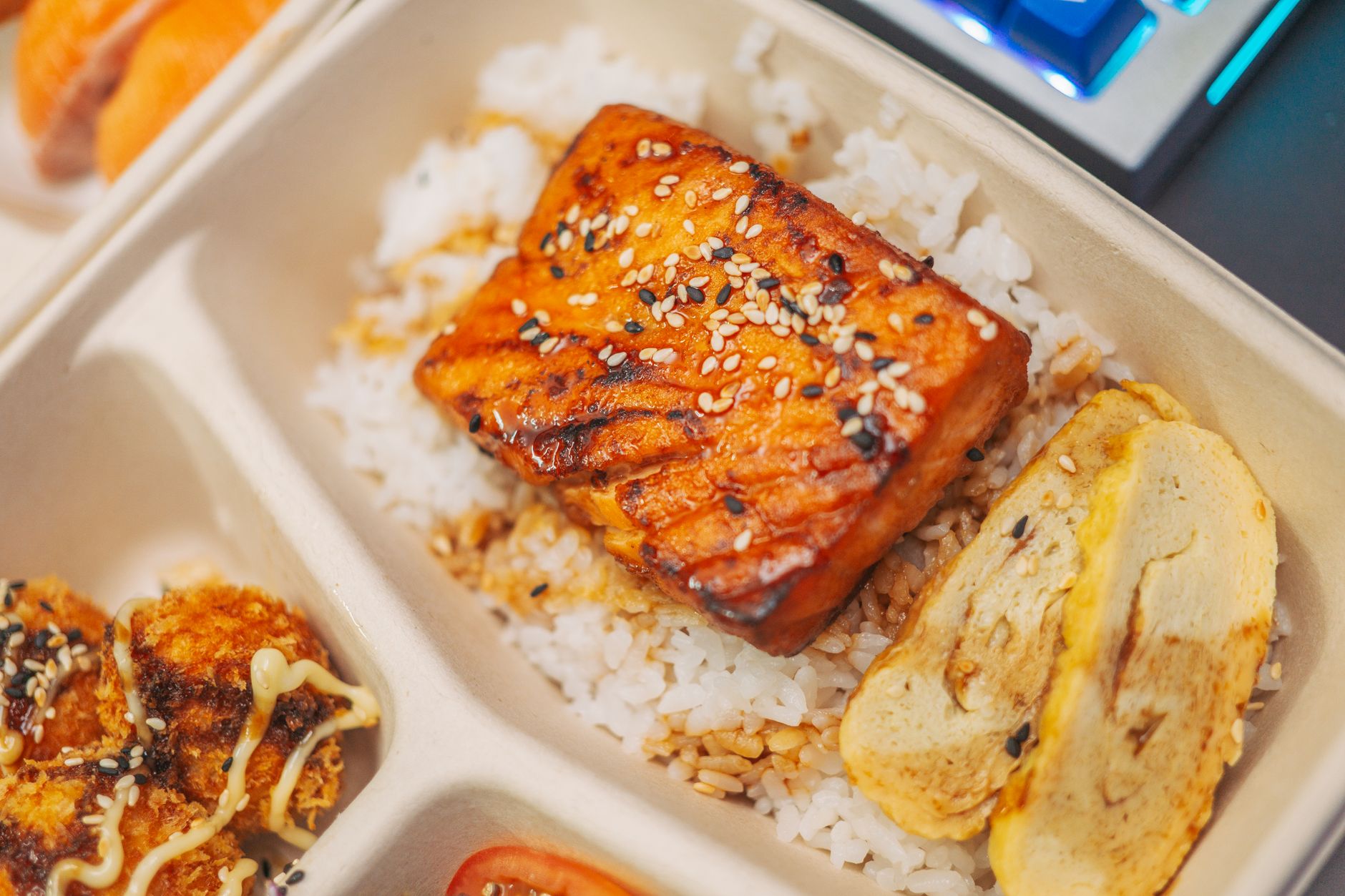
**Pro tip:** Batch-cook grains (quinoa, brown rice) and proteins (chicken, salmon) on Sundays to save time. Store in meal-prep containers for easy grab-and-go lunches. For extra convenience, freeze individual portions of soups or stews—just reheat when needed.
---
How to adjust the acne clear skin diet for lactating mothers
Breastfeeding moms need **extra calories** (about 300–500 more per day) and specific nutrients like omega-3s (for baby’s brain development) and zinc (for immune support). Here’s how to tweak the plan:
- Prioritize healthy fats: Add an extra serving of fatty fish (salmon, mackerel) or flaxseeds daily. Aim for 250–300mg of DHA/EPA from fish per day.
- Increase protein: Aim for 1.5–2x your pre-pregnancy protein needs (think lean meats, eggs, legumes). Include a protein source in every meal to keep energy levels stable.
- Hydrate aggressively: Breastfeeding burns through fluids fast. Aim for 3–4 liters of water daily (herbal teas count!). Add electrolytes with coconut water or a pinch of Himalayan salt to your water.
- Watch your caffeine: Limit to 200mg/day (about 1–2 cups of coffee) to avoid dehydration. Opt for herbal teas like chamomile or peppermint for a calming caffeine-free option.
- Supplement wisely: Most lactating women benefit from a prenatal vitamin (even postpartum) and a fish oil supplement (1,000–1,200mg DHA/EPA daily). Consult your provider before starting any new supplement.
- Include gut-friendly foods: Fermented foods like sauerkraut, kimchi, or kefir can help support both your gut health and baby’s microbiome.
**Example:** If you’re craving a snack, try a handful of **walnuts** (rich in omega-3s) instead of chips. Or blend a **green smoothie** with spinach, banana, almond milk, and chia seeds—it’s like a superfood milkshake for you *and* baby. Pair it with a side of dark chocolate (85%+) for a satisfying treat that supports skin health.
---
Can the acne clear skin diet help with cystic acne while breastfeeding?
Cystic acne is stubborn—it’s deep, painful, and often hormonal. While diet alone won’t cure it, it *can* reduce flare-ups. Here’s how:
- Eliminate dairy (temporarily): Many women with cystic acne see dramatic improvement when they cut dairy for 3–4 weeks. Try almond milk or coconut yogurt as substitutes.
- Load up on zinc: Zinc helps regulate oil production. Include pumpkin seeds, lentils, and oysters (if you eat seafood) in your meals. Aim for 15–30mg of zinc daily.
- Reduce sugar and processed carbs: These spike insulin, which can worsen cystic acne. Swap white bread for whole grains and opt for sweet potatoes over fries.
- Add spearmint tea: A 2017 study in the Journal of Cosmetic Dermatology found that spearmint tea reduced acne severity in women with polycystic ovary syndrome (PCOS)—a common cause of cystic acne. Drink 2–3 cups daily.
- Increase vitamin A: Foods like carrots, sweet potatoes, and spinach support skin cell turnover. Aim for 500–1,000mcg of vitamin A daily from food sources.
**When to see a specialist:** If your cystic acne doesn’t improve after 8–12 weeks of diet changes, consult a dermatologist. They may recommend oral medications like spironolactone (safe for breastfeeding in some cases) or antibiotics to clear deep breakouts while you’re breastfeeding. Always consult your provider before starting any new medication.
---
Best foods to eat for clear skin during pregnancy and postpartum
Here’s your **cheat sheet** for acne-clearing superfoods:
**Pro tip:** If you’re breastfeeding, stock up on these acne-clearing staples to make meal prep easier. Frozen berries, canned salmon, and pre-washed greens save time on busy nights. Keep a small stash of pre-cut veggies and hummus in your fridge for quick snacks when you’re too tired to cook.
---
How long does it take for acne to clear with a diet change after childbirth?
Patience is key—skin takes time to heal, especially postpartum. Here’s what to expect:
- First 2 weeks: You may notice less new breakouts, but existing acne won’t clear yet. Your body is still adjusting to hormonal shifts and dietary changes.
- Weeks 3–6: Most women see a 30–50% reduction in breakouts if they’re consistent. This is when you’ll start seeing real progress in skin texture and fewer new pimples.
- Weeks 8–12: Significant improvement for many—especially if they’ve also improved sleep and stress. You might notice fewer redness and inflammation.
- 3+ months: Some women see near-complete clearance, while others need ongoing tweaks. At this point, focus on maintaining the habits that work for you.
**What speeds it up?**
- Consistency—stick with the diet for at least 6 weeks before expecting major changes.
- Gentle skincare—use a salicylic acid cleanser or niacinamide serum to help exfoliate. These work well with diet changes to unclog pores.
- Stress management—try 10 minutes of deep breathing daily (we’ll cover this later). Even a short walk outside can reduce cortisol levels.
- Hydration—aim for 8+ cups of water daily (herbal teas like chamomile count!). Add electrolytes to your water if you’re breastfeeding to prevent dehydration.
- Sleep—prioritize even short naps. Aim for 7–9 hours of sleep per night if possible.
---
Does dairy-free diet help with hormonal acne in new moms?
Short answer: **For many women, yes—but it’s not universal.** Dairy contains hormones (like IGF-1) that can stimulate oil production and trigger breakouts. A 2015 study in the Journal of the American Academy of Dermatology found that women who eliminated dairy saw a 50% reduction in acne severity over 12 weeks.
**How to test it:** Try going dairy-free for 3 weeks and track your skin. If your breakouts improve, you’ve likely found your trigger. If not, reintroduce dairy to see if it worsens your skin. Keep a food diary to document your results.
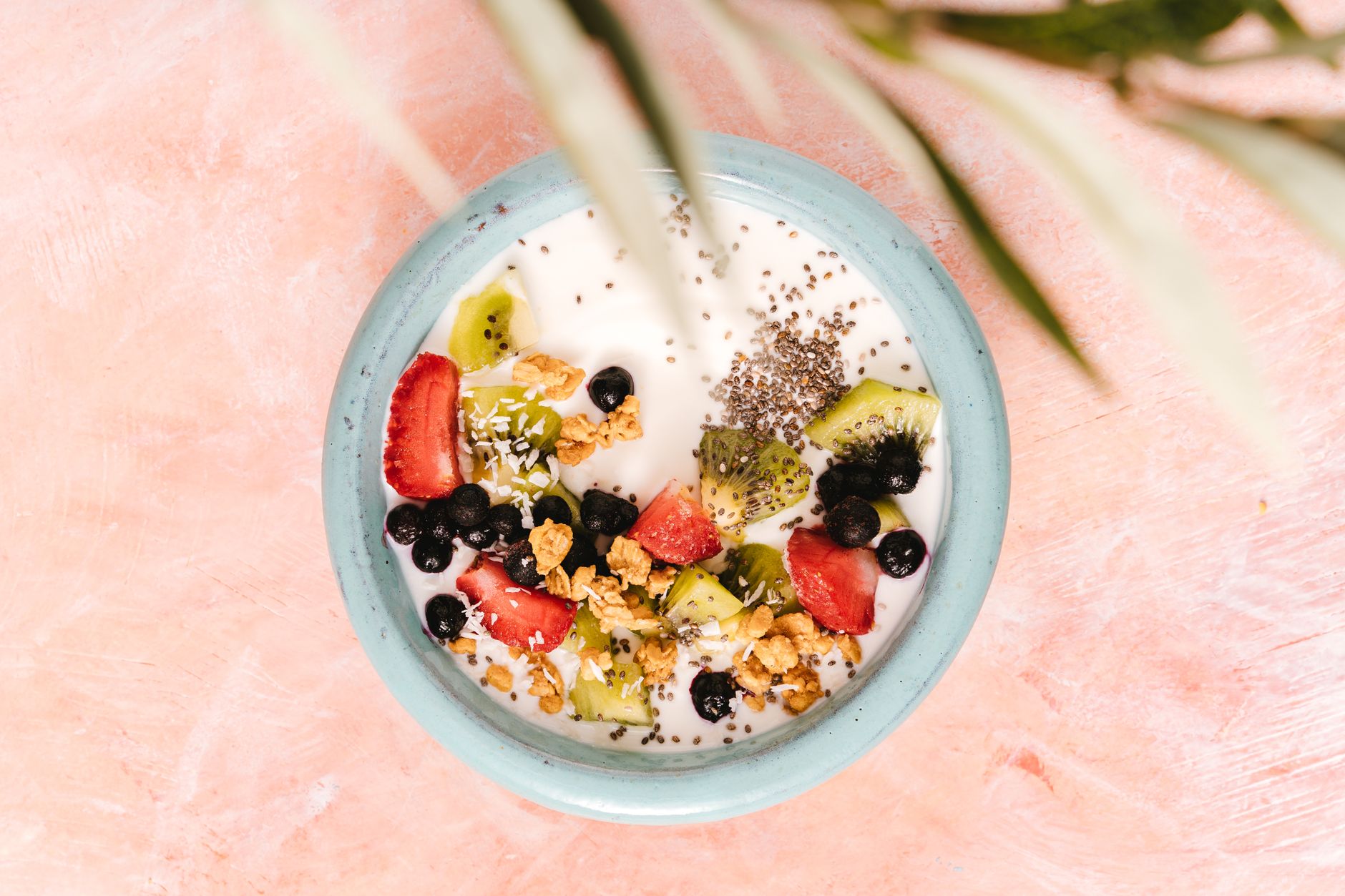
**Dairy alternatives that work for acne:**
- Almond milk
- Coconut yogurt
- Oat milk (unsweetened)
- Cashew cheese (check for added sugar)
- Coconut kefir
**Pro tip:** If you miss dairy, try adding nutritional yeast to your meals—it has a cheesy flavor and contains B vitamins that support skin health. Sprinkle it on popcorn, roasted veggies, or even smoothies for a dairy-free boost.
---
Sample breakfast, lunch, and dinner ideas for acne-prone skin
Need quick inspiration? Here are **5 easy meals** for each meal of the day, with a focus on convenience and nutrient density:
Breakfasts
- Berry chia pudding: Mix 2 tbsp chia seeds + 1 cup almond milk + ½ cup frozen berries. Let sit overnight. Top with sliced banana and a sprinkle of cinnamon.
- Avocado toast upgrade: Whole-grain toast + mashed avocado + smoked salmon + everything bagel seasoning. Add a side of cherry tomatoes for extra nutrients.
- Scrambled eggs with greens: Whisk 2 eggs with spinach and mushrooms. Cook in olive oil. Season with turmeric for an anti-inflammatory boost.
- Oatmeal power bowl: Rolled oats + cinnamon + 1 tbsp almond butter + sliced apple. Top with a handful of walnuts for healthy fats.
- Smoothie bowl: Blend 1 cup spinach, ½ banana, 1 tbsp flaxseeds, and almond milk. Top with granola (low-sugar) and a few dark chocolate chips.
Lunches
- Mediterranean bowl: Quinoa + chickpeas + cucumber + olives + tahini dressing. Add a sprinkle of pumpkin seeds for extra zinc.
- Turkey lettuce wraps: Whole-grain tortilla + ground turkey + avocado + salsa. Roll tightly and slice in half for easy handling.
- Lentil soup with whole-grain bread: Hearty lentil soup (made with carrots, celery, and garlic) + side of whole-grain toast. Add a dollop of Greek yogurt (or coconut yogurt) for creaminess.
- Grilled chicken salad: Mixed greens + grilled chicken + walnuts + balsamic vinaigrette. Add roasted sweet potatoes for extra fiber.
- Stuffed bell peppers: Bell peppers stuffed with ground turkey, quinoa, and tomatoes. Bake until tender and top with avocado slices.
Dinners
- Baked salmon with roasted veggies: Salmon fillet + steamed broccoli + mashed sweet potatoes. Drizzle with olive oil and lemon for extra flavor.
- Stir-fried tofu with veggies: Tofu + bell peppers + snap peas + brown rice. Use a low-sodium soy sauce and add ginger for anti-inflammatory benefits.
- Grilled shrimp skewers: Shrimp + zucchini + cherry tomatoes + olive oil. Marinate shrimp in lemon juice and garlic for added flavor.
- Beef and veggie stir-fry: Lean beef + mushrooms + broccoli + soy sauce (low-sodium). Add a side of quinoa for extra fiber.
- Miso-glazed cod: Cod fillet + miso paste + steamed bok choy. Serve with a small portion of brown rice for a balanced meal.
---
Can zinc-rich foods really reduce acne during breastfeeding?
**Yes—but it’s not just about zinc.** Zinc plays a crucial role in skin repair and reducing oil production. A 2018 study in the Journal of Clinical and Aesthetic Dermatology found that women with acne who increased zinc intake saw a 30% reduction in breakouts over 8 weeks.
**Best zinc-rich foods for breastfeeding moms:**
- Pumpkin seeds (1 oz = 2.2mg zinc)
- Lentils (½ cup cooked = 1.8mg zinc)
- Oysters (3 oz = 7.4mg zinc—great if you eat seafood!)
- Chickpeas (½ cup cooked = 1.3mg zinc)
- Cashews (¼ cup = 1.5mg zinc)
- Beef (3 oz = 3.5mg zinc)
- Quinoa (½ cup cooked = 1.5mg zinc)
**Pro tip:** Pair zinc-rich foods with vitamin C (like bell peppers or citrus) to boost absorption. For example, enjoy a handful of cashews with an orange or add bell peppers to your stir-fry. You can also sprinkle pumpkin seeds on salads with lemon dressing to enhance zinc uptake.
---
How to transition into the acne clear skin diet without digestive issues
Sudden diet changes can cause bloating, constipation, or even headaches—especially postpartum when your gut is already sensitive. Here’s how to ease in:
- Start slow: Swap *one* food at a time. For example, replace your morning cereal with oatmeal for a week before cutting out dairy. This helps your body adapt gradually.
- Prioritize fiber: If you’re used to a low-fiber diet, gradually increase whole grains, veggies, and fruits to avoid digestive upset. Start with small portions and increase over time.
- Stay hydrated: Drink a glass of water with every meal to help digestion. Herbal teas like peppermint or ginger can also aid digestion.
- Add probiotics: Fermented


