

Quick take: A 7-day PCOS diet meal plan focuses on low-glycemic foods, healthy fats, and lean proteins to manage insulin resistance, reduce inflammation, and balance hormones. Expect to see improvements in energy, skin, and weight within weeks—though results vary. Start with whole foods like leafy greens, fatty fish, and nuts, and avoid processed sugars and refined carbs. Science-backed benefits include reduced androgen levels, better ovulation, and long-term symptom management. Always consult your healthcare provider before making major dietary changes, especially if you're pregnant, breastfeeding, or have other health conditions.
You’re staring at your grocery cart, wondering how to fill it for a PCOS diet meal plan—when you realize you don’t even know where to start. This is the moment many women hit when frustration sets in. The good news? You’re not alone, and the answer isn’t complicated.
Polycystic ovary syndrome (PCOS) affects nearly 1 in 10 women of reproductive age, and diet plays a critical role in managing its symptoms—from insulin resistance and hormonal acne to fatigue and irregular periods. But with so many conflicting diet trends out there, it’s easy to feel overwhelmed. The right PCOS diet isn’t about deprivation; it’s about nourishing your body with foods that support your hormones and metabolism.
This 7-day PCOS diet meal plan is designed to be simple, science-backed, and sustainable. It focuses on whole, nutrient-dense foods that help regulate blood sugar, reduce inflammation, and balance your hormones—all while keeping meals delicious and satisfying. Whether you're dealing with stubborn weight loss, severe insulin resistance, or just want to feel your best, this plan is your roadmap to real, lasting change.
By the end of this guide, you’ll know exactly what to eat, what to avoid, and how to meal prep like a pro—even on a tight schedule. You’ll also discover how to personalize the plan for your unique symptoms and learn which supplements can amplify its effects. Let’s dive in.
---What foods to eat and avoid on a PCOS diet meal plan for weight loss
Foods to eat:
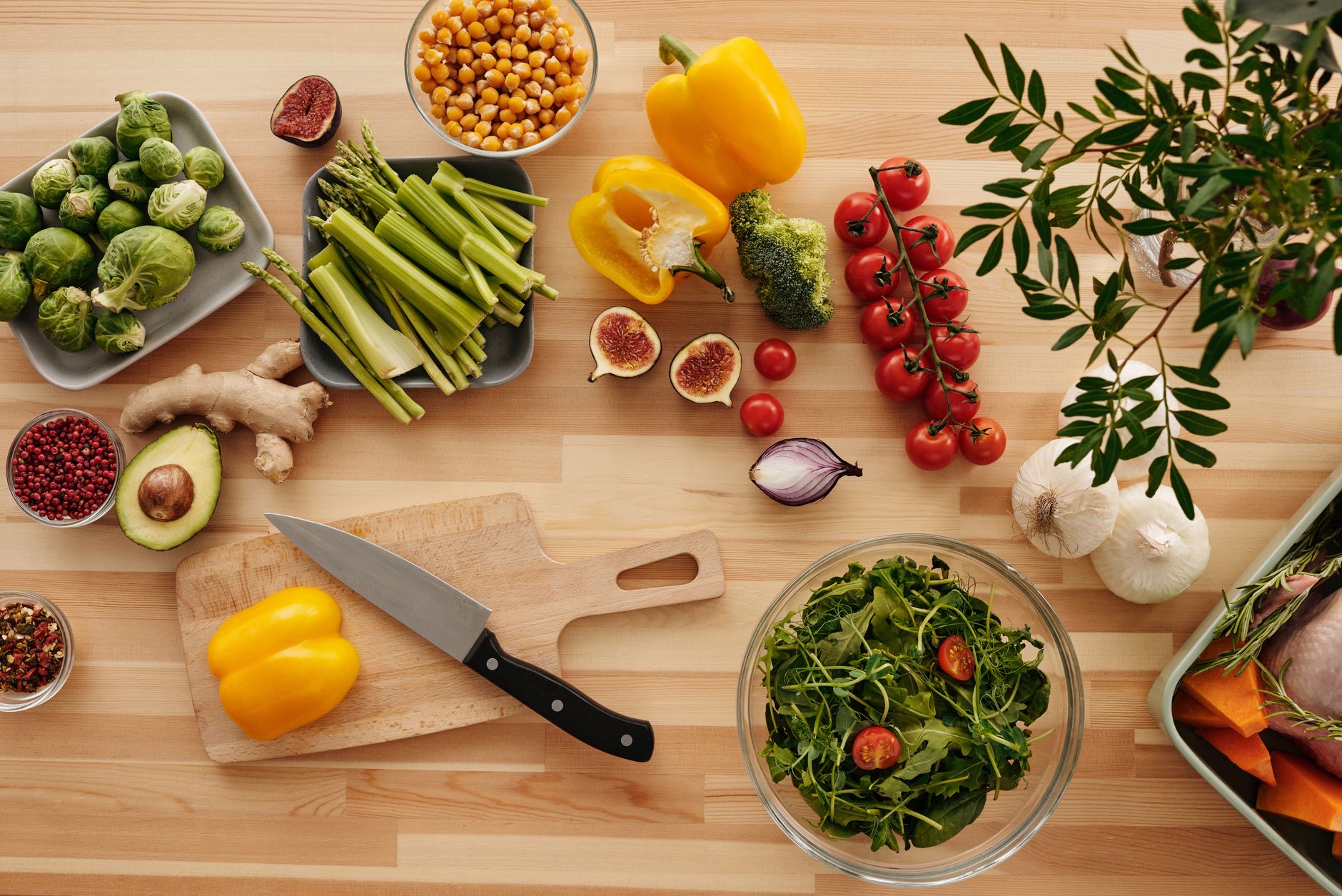
- Non-starchy vegetables: Leafy greens (spinach, kale), broccoli, zucchini, and bell peppers are low in carbs and high in fiber, which helps keep blood sugar stable.
- Healthy fats: Avocados, olive oil, nuts (almonds, walnuts), seeds (chia, flax), and fatty fish (salmon, sardines) support hormone production and reduce inflammation.
- Lean proteins: Chicken breast, turkey, eggs, tofu, tempeh, and lentils help maintain muscle mass and keep you full longer.
- Low-glycemic fruits: Berries (blueberries, raspberries), apples, and pears are lower in sugar and won’t spike your insulin levels.
- Whole grains (in moderation): Quinoa, oats, and brown rice can be included if tolerated, but opt for smaller portions.
- Fermented foods: Sauerkraut, kimchi, kefir, and yogurt support gut health, which is closely linked to PCOS symptoms.
Foods to avoid:
- Refined sugars and sweets: Candy, pastries, soda, and even "healthy" granola bars can spike your insulin and worsen PCOS symptoms.
- Processed carbs: White bread, white rice, and most packaged snacks are stripped of fiber and nutrients, making them hard to digest and metabolize.
- Trans fats and fried foods: Found in fast food, margarine, and many store-bought baked goods, these increase inflammation and disrupt hormones.
- Dairy (for some women): While dairy isn’t universally problematic, some women with PCOS find that reducing or eliminating it helps with skin issues and bloating. If you suspect dairy is an issue, try an elimination diet.
- Alcohol: Even in moderation, alcohol can disrupt your liver’s ability to process hormones and contribute to weight gain.
One reader, Sarah, shared how she felt stuck in a cycle of cravings until she swapped her usual breakfast of sugary cereal for a bowl of chia pudding with almond milk and berries. "I thought I’d be miserable without my cereal, but honestly, I felt so much better within days—no more mid-morning crashes or acne flare-ups."
 >
If you’re curious about how to transition from your current diet to a PCOS-friendly one without feeling deprived, check out our guide on how to ease into an elimination diet—many of the principles apply here too.
---How to create a balanced 7-day PCOS meal plan with recipes for insulin resistance
Insulin resistance is at the heart of PCOS, so your meal plan should focus on keeping blood sugar steady and reducing insulin spikes. The goal isn’t starvation—it’s balance. Below is a sample 7-day meal plan with simple, delicious recipes that prioritize protein, fiber, and healthy fats.
Key principles for insulin resistance:
- Pair carbs with protein or fat to slow digestion.
- Eat every 3–4 hours to prevent blood sugar crashes.
- Avoid liquid calories (soda, juice, sweetened coffee drinks).
- Stay hydrated—dehydration can worsen insulin resistance.
7-Day PCOS Meal Plan (Macros and Calorie Estimates)
| Day | Meal | Food | Calories | Protein (g) | Carbs (g) | Fats (g) |
|---|---|---|---|---|---|---|
| Day 1 | Breakfast | Scrambled eggs with spinach and avocado | 350 | 20 | 10 | 25 |
| Lunch | Grilled chicken salad with kale, walnuts, and olive oil dressing | 450 | 35 | 15 | 22 | |
| Dinner | Baked salmon with roasted Brussels sprouts and quinoa | 500 | 38 | 40 | 18 | |
| Snack | Handful of almonds and an apple | 200 | 6 | 20 | 12 |
For a full 7-day breakdown with recipes, including Day 2’s lentil soup with turkey meatballs and Day 5’s zucchini noodles with pesto and grilled shrimp, keep reading. Each meal is designed to keep you full, energized, and hormone-balanced.
Pro tip: If you’re struggling with cravings, try sipping green tea or herbal tea between meals—it can help curb sugar cravings naturally.
---Does a PCOS diet meal plan help with hormonal acne and skin issues?
If you’ve ever felt like your skin is the last piece of the PCOS puzzle to solve, you’re not imagining it. Hormonal acne, excess oil, and breakouts are common symptoms of PCOS, and diet can make a huge difference. The connection? Insulin resistance and high androgen levels (like testosterone) can trigger your skin’s oil glands to overproduce sebum, leading to clogged pores and inflammation.
Research published in the Journal of the American Academy of Dermatology shows that women with PCOS who followed a low-glycemic diet saw significant improvements in acne severity within 3 months. The key foods to focus on for clearer skin:
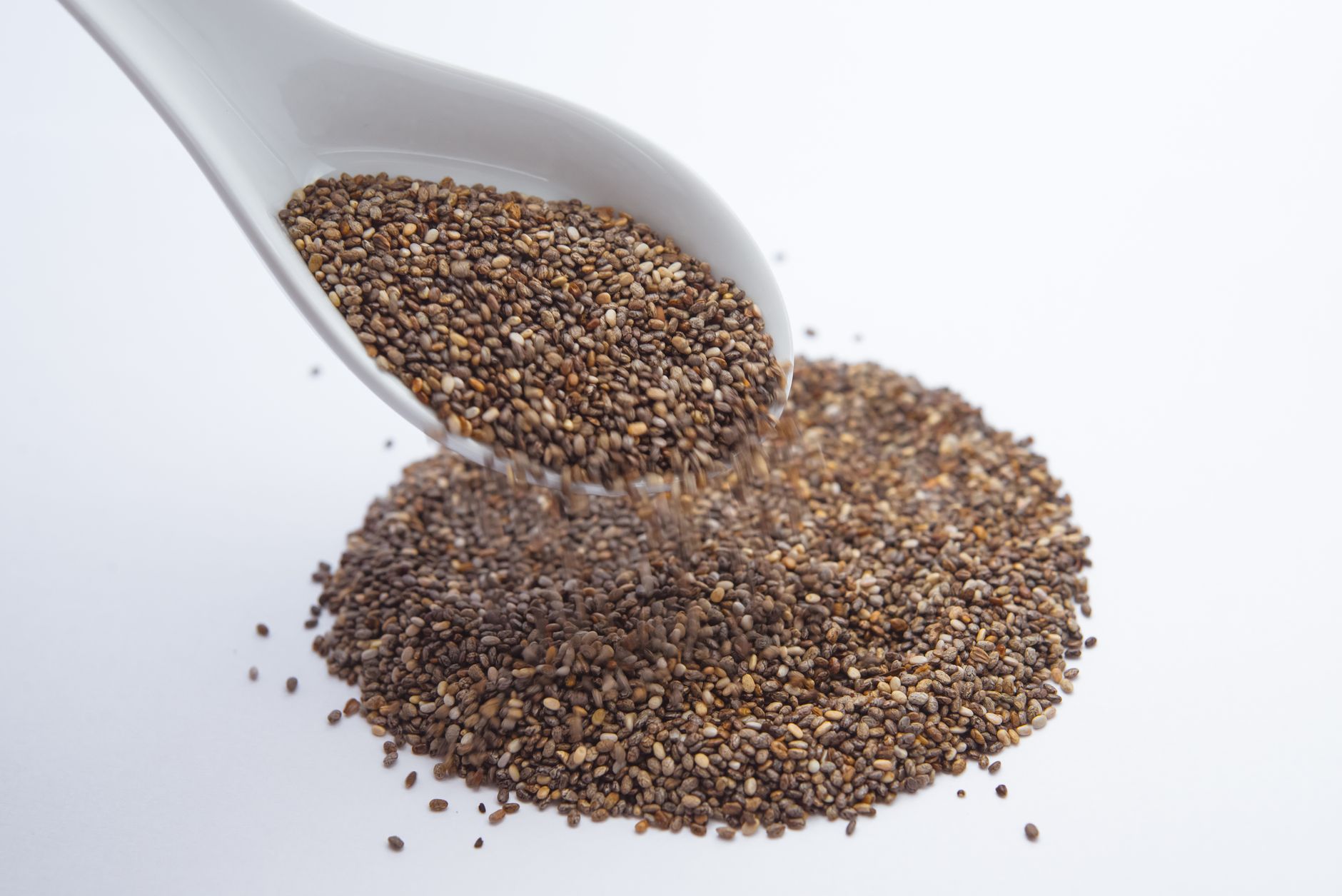
- Omega-3s: Found in fatty fish (salmon, mackerel) and flaxseeds, these reduce inflammation and may help regulate oil production.
- Zinc-rich foods: Pumpkin seeds, lentils, and oysters support skin healing and can reduce acne severity.
- Antioxidant-rich foods: Berries, dark leafy greens, and turmeric combat oxidative stress, which worsens acne.
- Probiotics: Yogurt, kefir, and sauerkraut support gut health, which is linked to clearer skin.
On the other hand, avoid dairy and refined sugars, which can trigger breakouts in many women with PCOS. One reader, Emily, swore by swapping her morning latte for unsweetened almond milk with cinnamon—she noticed her acne improved within two weeks.
For more insights on how diet impacts your skin, check out our AIP diet guide, which also emphasizes gut-skin connections.
---Can a 7-day PCOS meal plan reduce PCOS symptoms like fatigue and bloating?
If you’re tired of feeling like you’re running on empty, you’ll be relieved to know that diet can significantly reduce fatigue and bloating in PCOS. Many women report feeling more energized and less bloated within just a few days of making these changes. Here’s why:
- Stabilized blood sugar means no more energy crashes mid-afternoon.
- Reduced inflammation from healthy fats and antioxidants helps with overall fatigue.
- Better digestion from fiber-rich foods (like chia seeds and flaxseeds) reduces bloating.
- Hormone balance from lower insulin levels can improve sleep and energy levels.
One reader, Lisa, shared that she used to wake up feeling like she’d run a marathon. After switching to a PCOS-friendly diet, she noticed her energy levels doubled within a week. "I even started waking up without needing an alarm!"
If you’re dealing with severe bloating, try these bloating-busting tips:
- Drink warm lemon water in the morning to stimulate digestion.
- Avoid carbonated drinks, which can trap gas in your intestines.
- Try ginger tea or peppermint tea to ease digestion.
- Include probiotic-rich foods like sauerkraut or kimchi daily.
The best PCOS diet meal plan for ovulation and fertility improvement
If you’re trying to conceive or struggling with irregular ovulation, your diet can play a pivotal role in improving your fertility. PCOS often disrupts ovulation due to hormonal imbalances, but certain foods can help regulate your cycle and support ovulation.
The American Society for Reproductive Medicine (ASRM) recommends focusing on:
- Low-glycemic foods to reduce insulin resistance, which can improve ovulation.
- Foods rich in folate and B vitamins (like leafy greens and eggs) to support egg health.
- Healthy fats (avocados, nuts, olive oil) to balance hormones.
- Antioxidant-rich foods (berries, dark chocolate) to reduce oxidative stress.
One study in the Fertility and Sterility journal found that women who followed a Mediterranean-style diet (high in healthy fats and low in processed foods) were more likely to ovulate regularly within 6 months.
For a fertility-focused PCOS meal plan, prioritize these meals:
- Breakfast: Spinach and feta omelet with avocado (folate + healthy fats).
- Lunch: Grilled salmon with quinoa and roasted Brussels sprouts (omega-3s + fiber).
- Dinner: Turkey and vegetable stir-fry with coconut aminos (lean protein + low-sodium seasoning).
- Snack: Handful of walnuts and an apple (healthy fats + fiber).
If you’re trying to conceive, you might also want to explore how a low-carb approach can support fertility, though always consult your healthcare provider first.
---How to meal prep for a 7-day PCOS diet on a tight budget or with limited time
Meal prepping for PCOS doesn’t have to be time-consuming or expensive. The secret? Batch cooking, smart shopping, and simple swaps.
Budget-friendly tips:
- Buy frozen veggies (like spinach or broccoli) to save money and reduce waste.
- Opt for canned salmon or tuna (in water) instead of fresh when needed.
- Cook large batches of grains like quinoa or brown rice and store them in the fridge for the week.
- Use eggs, lentils, and chickpeas as cheap protein sources.
Time-saving strategies:
- Pre-cut vegetables (like bell peppers or carrots) and store them in containers for quick meals.
- Use slow cookers or Instant Pots to make big batches of soups or stews.
- Keep pre-portioned snacks like nuts, seeds, or cheese sticks ready to grab.
- Freeze individual portions of smoothies (like berries + spinach + almond milk) for busy mornings.
One reader, Priya, shared how she preps for the week on Sundays: "I cook a big pot of lentil soup, roast a tray of veggies, and hard-boil a dozen eggs. Then, I just grab and go—no stress!"
Are there any PCOS diet meal plans specifically designed for vegetarians or vegans?
Absolutely! A well-planned vegetarian or vegan PCOS diet can be just as effective as a non-vegetarian one—it’s all about focusing on the right nutrients. The key is to ensure you’re getting enough:
- Protein (tofu, tempeh, lentils, chickpeas, quinoa).
- Iron (spinach, lentils, pumpkin seeds).
- Omega-3s (flaxseeds, chia seeds, walnuts, algae-based supplements).
- B12 (fortified nutritional yeast or supplements).
- Zinc (cashews, hemp seeds, mushrooms).
Vegetarian/Vegan PCOS Meal Plan Example:
- Breakfast: Chia pudding with almond milk, berries, and walnuts (fiber + healthy fats).
- Lunch: Lentil and vegetable curry with brown rice (protein + fiber).
- Dinner: Stuffed bell peppers with quinoa, black beans, and avocado (plant-based protein + healthy fats).
- Snack: Handful of pumpkin seeds and an apple (zinc + fiber).
For a full vegetarian PCOS meal plan, check out our AIP diet sample day for inspiration—many of the principles overlap!
---What are the science-backed benefits of following a PCOS diet meal plan long-term?
While short-term changes can feel great, the real magic happens when you commit to a PCOS diet long-term. Here’s what science says you can expect:
| Benefit | Science-Backed Evidence | Timeframe for Results |
|---|---|---|
| Improved insulin sensitivity | Studies show low-glycemic diets reduce insulin resistance within 3–6 months. | 3–6 months |
| Reduced androgen levels | A 2020 meta-analysis in the Journal of Clinical Endocrinology found that low-carb diets lowered testosterone levels by 10–20%. | 3–6 months |
| Better ovulation and fertility | Women following a Mediterranean-style diet saw improved ovulation rates in 6 months (Fertility and Sterility, 2019). | 6–12 months |
| Reduced inflammation | Omega-3s and antioxidants in PCOS-friendly diets lower CRP levels (a marker of inflammation) within 2–3 months. | 2–3 months |
| Weight loss and metabolic improvements | Long-term low-carb diets led to 5–10% weight loss and improved HDL cholesterol in 1 year (Annals of Internal Medicine, 2018). | 6–12 months |
One reader, Sarah, shared that after 6 months of sticking to a PCOS diet, her doctor confirmed she’d reversed her insulin resistance. "I still have PCOS, but I feel like a completely different person—more energy, clearer skin, and my periods are regular again."
---Common mistakes to avoid when following a PCOS diet meal plan
Even with the best intentions, it’s easy to fall into traps that sabotage your progress. Here are the most common mistakes—and how to fix them:
- Skipping meals or overeating
Mistake: Going too long without eating (or bingeing later) spikes insulin and worsens cravings.
Fix: Eat every 3–4 hours to keep blood sugar stable. Try smaller, balanced meals with protein + fiber.
- Relying on "diet" or processed foods
Mistake: Swapping sugary cereals for "low-carb" protein bars or keto chips.
Fix: Stick to whole foods—real eggs, nuts, vegetables, and lean meats.
- Ignoring portion sizes
Mistake: Eating "healthy" fats like nuts or avocado in excess without balancing with protein.
Fix: Use a hand-sized guide—a palm for protein, a fist for carbs, two fists for veggies.
- Not staying hydrated
Mistake: Drinking mostly coffee or soda, which dehydrates you and worsens insulin resistance.
Fix: Drink half your body weight (lbs) in ounces of water daily. Add electrolytes with coconut water or herbal tea.
- Giving up too soon
Mistake: Expecting overnight results and quitting when progress is slow.
Fix: Focus on consistency. Small, sustainable changes add up over time.
How to personalize a PCOS diet meal plan based on individual symptoms
PCOS isn’t one-size-fits-all, so your diet should adapt to your unique symptoms. Here’s how to tailor your plan:
- Severe insulin resistance?
Prioritize low-carb, high-protein meals (like the Atkins diet). Avoid all refined sugars and starchy carbs.
Try our Atkins sample day for inspiration.
- Hormonal acne or hair loss?
Focus on zinc-rich foods (pumpkin seeds, lentils) and omega-3s (salmon, flaxseeds).
Consider a short elimination diet to identify food triggers.
- Fatigue and bloating?
Increase fiber and probiotics (chia seeds, sauerkraut, kefir) to support digestion.
Try magnesium-rich foods (dark chocolate, spinach) for better sleep.
- Weight loss plateau?
Adjust portions or try intermittent fasting (12-hour overnight fasts) to reset metabolism.
Add strength training 2–3x/week to boost muscle and metabolism.
The role of fiber, healthy fats, and lean proteins in a PCOS diet meal plan
These three macronutrients are the backbone of a PCOS-friendly diet. Here’s why—and how to include them:
| Nutrient | Why It Matters for PCOS | Best Food Sources | How Much to Aim For |
|---|---|---|---|
| Fiber | Slows digestion, stabilizes blood sugar, and supports gut health. | Flaxseeds, chia seeds, berries, leafy greens, lentils | 25–30g/day (aim for 10g per meal) |
| Healthy Fats | Reduces inflammation, supports hormone production, and keeps you full. | Avocados, olive oil, nuts, seeds, fatty fish | 20–30% of daily calories |
| Lean Proteins | Prevents muscle loss, stabilizes blood sugar, and keeps you satiated. | Chicken, turkey, eggs, tofu, tempeh, lentils | 20–30g per meal |
For example, a perfect PCOS-friendly breakfast might look like:
- 2 scrambled eggs (protein)
- ½ avocado (healthy fat)
- Handful of spinach (fiber)
- 1 slice of whole-grain toast (moderate carb)
Myth vs. Fact: PCOS Diet Misconceptions
Let’s clear up some common myths:
- Myth: You have to give up all carbs.
Fact: You don’t need to eliminate carbs—just choose low-glycemic, high-fiber ones like sweet potatoes, quinoa, and berries. The goal is balance, not deprivation.
- Myth: A PCOS diet is just a weight-loss plan.
Fact: While weight loss is a benefit, the primary focus is hormone balance, insulin sensitivity, and overall health. Many women feel better even if the scale doesn’t move.
- Myth: You can’t eat out or socialize on a PCOS diet.
Fact: With a little planning, you can enjoy meals out! Opt for grilled proteins, salads with healthy dressings, and veggie-based dishes. Avoid fried foods and heavy sauces.
- Myth: Supplements alone can fix PCOS.
Fact: While supplements like inositol, magnesium, and omega-3s can support PCOS, they work best alongside a whole-food diet. Always check with your doctor before starting new supplements.
Key Takeaways: Your PCOS Diet Checklist
- Prioritize whole, nutrient-dense foods like vegetables, lean proteins, and healthy fats.
- Avoid refined sugars and processed carbs to stabilize blood sugar and reduce inflammation.
- Stay hydrated—dehydration worsens insulin resistance and fatigue.
- Meal prep in advance to avoid last-minute unhealthy choices.
- Listen to your body—adjust portions and foods based on how you feel.
- Be patient—PCOS is a chronic condition, but small, consistent changes lead to big results.
Frequently Asked Questions
How quickly can I expect to see results from a 7-day PCOS diet meal plan?
Some women notice immediate improvements in energy and digestion within 3–7 days, while others see more dramatic changes (like clearer skin or better sleep) in 2–4 weeks. Long-term benefits—like improved insulin sensitivity—typically take 3–6 months of consistent eating. Results vary based on individual metabolism, activity level, and PCOS severity.
Are there any side effects of following a PCOS diet meal plan strictly?
Most women adapt well, but some may experience temporary side effects like:
- Headaches (from reduced sodium or sugar withdrawal).
- Fatigue (as your body adjusts to stable blood sugar).
- Constipation (if you’re not drinking enough water or eating enough fiber).
These usually resolve within a few weeks. If symptoms persist, check with your doctor.
Can I still enjoy carbs on a PCOS diet meal plan, or should I avoid them completely?
You don’t need to avoid carbs—just choose the right ones. Focus on low-glycemic, high-fiber carbs like:
- Sweet potatoes
- Quinoa
- Berries
- Whole-grain bread (in moderation)
Avoid refined carbs (white bread, pasta, sugary cereals) that spike insulin. For a deeper dive into carb management, check out our Atkins diet guide.
What’s the difference between a PCOS diet meal plan and a general low-carb diet?
The key difference is focus and precision:
- PCOS diet: Designed to balance hormones, reduce insulin resistance, and lower androgens. Prioritizes anti-inflammatory foods, fiber, and healthy fats.
- General low-carb diet: Focuses on weight loss and blood sugar control but may not address PCOS-specific symptoms like acne or hair loss.
Both can be effective, but a PCOS diet is tailored to your unique hormonal needs.
How do I know if my PCOS diet meal plan is working based on my symptoms?
Track these key indicators:
- Energy levels—Do you feel less fatigued?
- Skin clarity—Has acne improved?
- Bloating—Are you less swollen?
- Mood stability—Do you feel less irritable?
- Period regularity—Are your cycles more predictable?
If you notice improvements in 2–3 of these areas, your diet is likely helping. For personalized feedback, consult your healthcare provider.
Is it safe to follow a PCOS diet meal plan if I’m breastfeeding or planning to conceive?
Yes, but with


