Get your complete atkins diet meal plan 7 day. Discover daily menus, snack ideas, and expert tips to kickstart your low-carb weight loss journey effectively.
By Shubhra Mishra — a mom of two who turned her own confusion during pregnancy into BumpBites, a global mission to make food choices clear, safe, and stress-free for every expecting mother. 💛
Check whether any food is safe during pregnancy with the BumpBites Food Safety Checker.
Quick take: The Atkins diet is a popular low-carbohydrate eating plan, with a 7-day meal plan typically focusing on the "Induction" phase, which severely restricts carbs to around 20 net grams per day. This initial phase aims to shift your body into a fat-burning state called ketosis. While effective for rapid weight loss and blood sugar management for many, it requires careful planning and consultation with a healthcare provider, especially if you have underlying health conditions.
If you've ever felt overwhelmed by diet trends, staring at a grocery aisle full of conflicting labels, you're not alone. The idea of a structured meal plan, especially one as well-known as the Atkins diet, can feel like a lifeline. Perhaps you’re looking to kickstart weight loss, gain better control over your blood sugar, or simply explore a different way of eating. A 7-day Atkins meal plan offers a clear roadmap for the initial phase, often called Induction, guiding you through low-carb choices to help your body shift its fuel source.
This complete guide to the Atkins diet 7-day meal plan for 2026 will walk you through the core principles, provide practical meal ideas, and offer strategies for busy schedules and even families. We'll explore the potential benefits, from weight loss to improved metabolic health, while also highlighting important considerations and who might need to approach this diet with caution. Our goal is to equip you with clear, trustworthy information so you can decide if the Atkins diet is a suitable path for your health journey, always in consultation with your healthcare team.
Understanding the Atkins Diet: Phases and Principles
The Atkins diet is a well-established low-carbohydrate eating plan that has evolved over decades. At its heart, Atkins is about controlling carbohydrate intake to encourage your body to burn fat for energy, rather than relying primarily on glucose from carbs. This metabolic state is known as ketosis. Unlike some other low-carb diets, Atkins is structured into four distinct phases, each with increasing carbohydrate allowances. A 7-day meal plan typically focuses on the most restrictive initial phase, designed to jumpstart the process.
The four phases of the Atkins diet are:
Induction (Phase 1): This is the most restrictive phase, usually lasting at least two weeks, where you limit net carbohydrates to 20 grams per day. The goal is to quickly shift your metabolism into ketosis. During this phase, you primarily eat protein, healthy fats, and a small amount of specific low-carb vegetables.
Ongoing Weight Loss (OWL) (Phase 2): As you get closer to your target weight (usually within 10-15 pounds), you gradually increase your daily net carb intake by 5 grams each week, adding more variety like nuts, seeds, berries, and dairy. You continue to monitor your weight loss and adjust carb intake to maintain a steady, healthy pace.
Pre-Maintenance (Phase 3): Once you're within 5-10 pounds of your goal weight, you further increase your carb intake by 10 grams per week, reintroducing a wider range of foods such as starchy vegetables and some whole grains. The aim is to find your "Critical Carbohydrate Level" – the amount of carbs you can eat daily without gaining weight.
Lifetime Maintenance (Phase 4): This is the long-term phase where you continue to eat at your Critical Carbohydrate Level, maintaining your goal weight by following a balanced, controlled-carb eating pattern. It's about sustainable healthy eating habits.
When people talk about an Atkins diet 7-day meal plan, they are almost always referring to the Induction phase. This is where the most significant metabolic shift occurs and where careful adherence to carbohydrate limits is essential. Understanding these phases helps you see where a short-term plan fits into the broader Atkins philosophy, which is designed for long-term dietary change and maintenance.
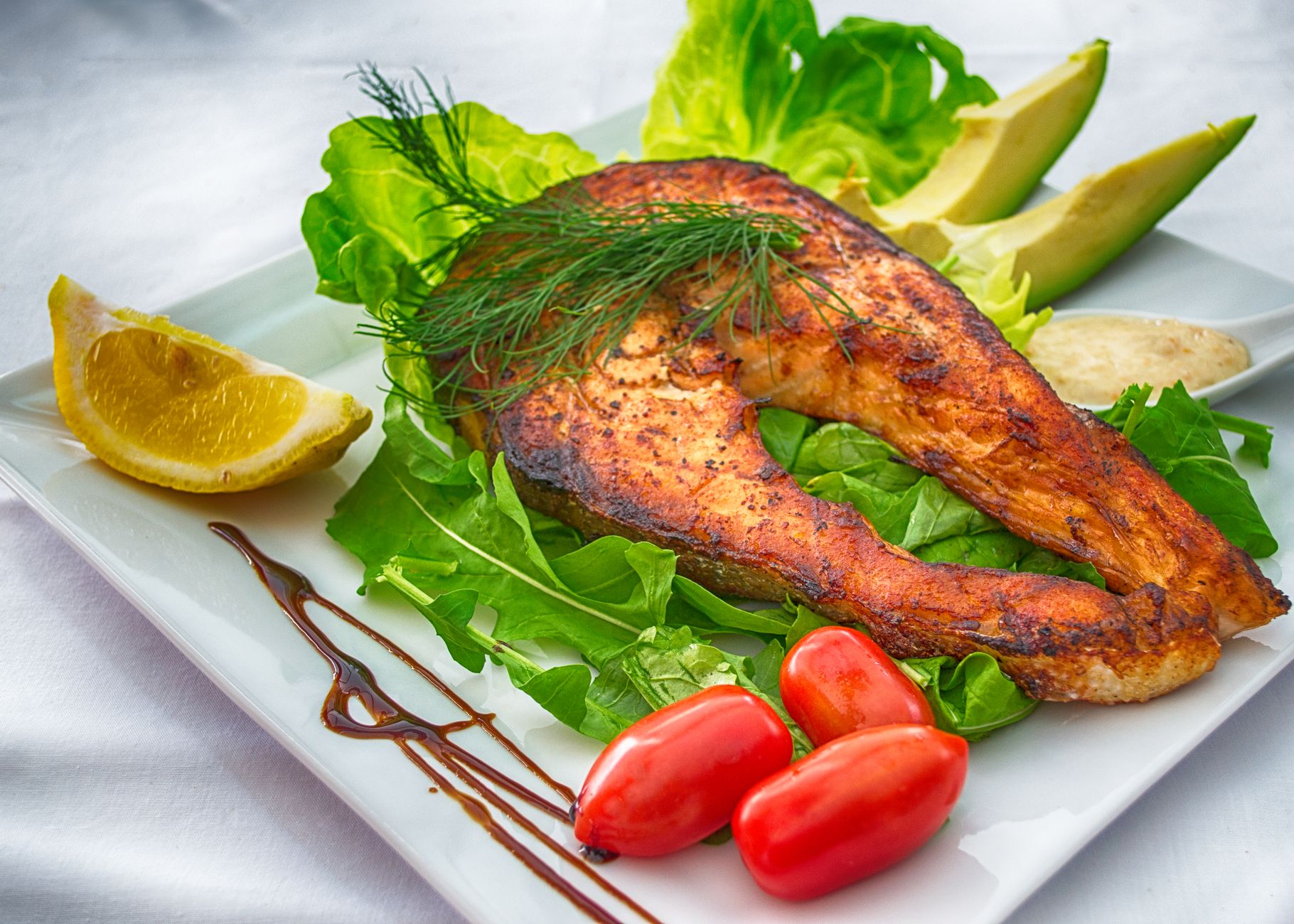
A typical Atkins-friendly meal: protein, healthy fats, and non-starchy vegetables.
Atkins Diet 7-Day Meal Plan for Beginners: Your Induction Week Guide
Emb
arking on a new eating plan can feel like a big step, but a structured Atkins diet 7-day meal plan for beginners can simplify the process significantly. This plan focuses on the Induction phase, keeping net carbohydrate intake very low (typically 20 net grams per day) to encourage your body to enter ketosis. The emphasis is on protein, healthy fats, and a select list of non-starchy vegetables. Remember, "net carbs" are total carbohydrates minus fiber, as fiber doesn't raise blood sugar.
Here’s a sample 7-day meal plan designed to kickstart your Atkins journey, complete with simple recipe ideas. Portions should be adjusted based on your hunger and satiety cues, but ensure adequate protein and fat to feel full.
Day
Breakfast (Net Carbs)
Lunch (Net Carbs)
Dinner (Net Carbs)
Snacks (Optional, Net Carbs)
Daily Net Carb Total (Approx.)
Day 1
Scrambled eggs (2-3) with spinach and cheese (3g)
Large chef salad with grilled chicken, hard-boiled egg, bacon, avocado, olive oil vinaigrette (5g)
Baked salmon with steamed asparagus and butter (4g)
1 oz cheddar cheese (1g)
~13g
Day 2
Bacon (3 slices) and eggs (2) (1g)
Tuna salad (made with mayo, celery) in lettuce cups (3g)
Beef stir-fry (broccoli, bell peppers) with soy sauce (no sugar) (7g)
5-10 olives (1g)
~12g
Day 3
Omelet with mushrooms and Swiss cheese (3g)
Leftover beef stir-fry (7g)
Roasted chicken thigh with steamed green beans (4g)
Half an avocado (2g)
~16g
Day 4
Cottage cheese (full-fat, small portion) with a few berries (4g)
Turkey and cheese roll-ups (no bread) with side salad (4g)
Pork chops with sautéed kale and garlic (5g)
Small handful of almonds (2g)
~15g
Day 5
2 hard-boiled eggs with a slice of bacon (1g)
Grilled shrimp skewers with zucchini noodles (tossed in olive oil) (6g)
Meatloaf (no breadcrumbs, use pork rinds) with cauliflower mash (5g)
Celery sticks with cream cheese (3g)
~15g
Day 6
Breakfast sausage patties (2) with a side of sliced tomatoes (3g)
Chicken salad (made with mayo, onion, celery) (3g)
Steak with a large side salad (mixed greens, cucumber, low-carb dressing) (5g)
Sugar-free gelatin (0g)
~11g
Day 7
Scrambled eggs with smoked salmon and cream cheese (2g)
Leftover steak and salad (5g)
Cheeseburger (no bun, lettuce wrap) with a side of coleslaw (no sugar) (6g)
Hard cheese slice (1g)
~14g
This plan provides a framework, but feel free to swap meals based on your preferences and what you have available. The key is to stay within your net carb limit.
What to Eat: Essential Foods for Your Atkins Week
During the Induction phase, your food choices are centered around nutrient-dense, low-carb options. Focus on these categories:
Low-Carb Vegetables: Spinach, kale, lettuce, broccoli, cauliflower, asparagus, green beans, bell peppers (especially green), mushrooms, zucchini, cucumbers, celery, radishes. Aim for 12-15 net carbs from these vegetables daily.
Cheeses: Full-fat, natural cheeses like cheddar, Swiss, mozzarella, provolone, cream cheese. Be mindful of portion sizes and check labels for added carbs.
Beverages: Water, unsweetened coffee, unsweetened tea, herbal teas, diet soda (in moderation).
What to Limit: Foods to Avoid in Induction
To maintain ketosis, you must strictly avoid or severely limit these foods during the Induction phase:
Sugars: Table sugar, honey, maple syrup, agave nectar, high-fructose corn syrup, fruit juices, most processed sweets.
Most Fruits: Apples, bananas, oranges, grapes – all are too high in sugar. A few berries can be introduced in later phases.
Legumes: Beans, lentils (too high in carbs for Induction).
Processed Foods with Hidden Carbs: Many sauces, dressings, marinades, and cured meats contain added sugars or starches. Always read labels carefully.
Alcohol: Most alcoholic beverages are high in carbs or can stall weight loss.
Sticking to these guidelines for your first 7 days will help you experience the full effect of the Atkins diet's initial phase.
Atkins Diet 7-Day Meal Plan for Weight Loss and Fat Burning: How It Works
One of the primary reasons people turn to the Atkins diet, especially the initial 7-day Induction plan, is for effective weight loss and fat burning. The science behind this effect is rooted in carbohydrate restriction and the metabolic shift it triggers. When you drastically reduce carbohydrate intake, your body no longer has a readily available supply of glucose for energy. Instead, it turns to stored fat.
Here’s how the Atkins diet promotes weight loss and fat burning:
Ketosis: By limiting net carbs to 20 grams or less, your body enters a state of ketosis. In ketosis, your liver converts fat into ketones, which then become your body's primary fuel source. This process directly burns stored body fat.
Reduced Appetite: Many people find that a low-carb, high-protein, high-fat diet significantly reduces their appetite. Protein and fat are very satiating, meaning they keep you feeling full for longer. This naturally leads to consuming fewer calories without feeling deprived, which is key for weight loss.
Stabilized Blood Sugar: Carbohydrates, especially refined ones, cause rapid spikes and drops in blood sugar. The Atkins diet stabilizes blood sugar levels, which can reduce cravings and prevent the "sugar crash" that often leads to overeating. The American Diabetes Association (ADA) notes that low-carb diets can be an effective strategy for managing blood sugar in individuals with type 2 diabetes, though careful monitoring with a healthcare provider is essential.
Increased Fat Oxidation: When your body is in ketosis, it becomes highly efficient at burning fat, not just dietary fat but also stored body fat. This increased fat oxidation contributes directly to fat loss.
Diuretic Effect: In the initial days of Atkins, you might experience rapid weight loss. A significant portion of this is often water weight, as carbohydrates cause your body to retain more water. As you reduce carbs, your body releases this excess water.
While the initial weight loss can be motivating, the long-term success of the Atkins diet for weight management comes from maintaining these healthy eating habits through the later phases. It's not just about the first 7 days, but about establishing a sustainable pattern. If you've tried other diet plans and struggled with constant hunger, the satiating nature of Atkins might be a welcome change. Many women tell us that they appreciate feeling less "hangry" on a low-carb plan compared to traditional low-fat diets.
Tracking Progress and Adjusting Your Plan
To maximize your results and ensure you're on the right track, monitoring your progress is helpful. This isn't just about the number on the scale; it's also about how you feel and how your body is responding.
Weight and Measurements: While daily weighing isn't recommended (as weight fluctuates), checking your weight once a week and taking body measurements (waist, hips, thighs) every few weeks can give a clearer picture of fat loss.
Food Journal: Tracking your food intake, especially your net carbs, is crucial during Induction. Many apps can help you log your meals and calculate macros. This helps you identify hidden carbs and stay within your limits.
Ketone Testing (Optional): Urine strips, breath meters, or blood ketone meters can confirm if you're in ketosis. While not strictly necessary for weight loss, it can be motivating for some.
Energy Levels and Mood: Pay attention to how you feel. Initial days might involve "keto flu" symptoms (fatigue, headache), but these usually pass within a few days. After that, many report increased energy and mental clarity.
Adjusting Portions: The Atkins diet emphasizes eating until satisfied, not stuffed. Listen to your body's hunger and fullness cues. If you're not losing weight, you might be overeating even low-carb foods, or hidden carbs might be creeping into your diet.
The Atkins diet is not a one-size-fits-all approach. Your body's response will be unique, so being mindful and making small adjustments based on your progress is key to success beyond the initial 7-day period.
Atkins Diet 7-Day Meal Plan for Muscle Building and Strength: Protein & Performance
While the Atkins diet is often associated with weight loss, it can also be adapted for individuals focused on muscle building and strength. The key lies in strategic protein intake and understanding how the diet impacts exercise performance. Unlike traditional bodybuilding diets that often emphasize high carbohydrates, Atkins leverages fat as a primary fuel, which can be beneficial for sustained energy during workouts and for preserving muscle mass during fat loss phases.
Protein Intake for Muscle Support
Protein is paramount for muscle repair and growth, and the Atkins diet naturally encourages a higher protein intake, especially in the Induction phase. For muscle building, you'll want to ensure you're consuming adequate protein, typically around 0.7 to 1 gram of protein per pound of lean body mass.
Here’s how to optimize protein on an Atkins plan for muscle building:
Prioritize Lean Proteins: Focus on sources like chicken breast, turkey, fish, lean cuts of beef, and eggs. While fats are encouraged, balancing with lean protein helps manage overall calorie intake if fat loss is also a goal.
Even Distribution: Spread your protein intake throughout the day. Aim for 20-40 grams of protein at each main meal and consider protein-rich snacks like hard-boiled eggs or a small portion of cheese.
Post-Workout Nutrition: While not a traditional "carb refeed," consuming protein immediately after a workout (e.g., a protein shake with water, or a meal with lean meat) is still crucial for muscle recovery.
Combining Atkins with Exercise
Adapting to a low-carb diet for intense exercise requires an adjustment period. Initially, you might feel a dip in performance as your body transitions to burning fat more efficiently. This is often temporary.
Endurance Exercise: Many athletes, particularly those in endurance sports, report improved stamina and sustained energy once they become "fat-adapted." Your body's vast fat stores provide a longer-lasting fuel source than limited glycogen stores.
Strength Training: For high-intensity, short-burst activities like heavy lifting, some individuals may find a slight performance dip without readily available glucose. However, adequate protein intake helps preserve muscle mass, and once fat-adapted, your body becomes more efficient at utilizing ketones and even producing some glucose (gluconeogenesis) from protein and fat.
Electrolyte Balance: When on a low-carb diet, your body excretes more water and electrolytes. This is especially important for active individuals. Ensure you're consuming enough sodium, potassium, and magnesium to prevent fatigue and muscle cramps. Broth, leafy greens, and avocados are good sources.
Listen to Your Body: Pay close attention to how your body responds to exercise on Atkins. If you feel consistently depleted, you might need to slightly adjust your carb intake, perhaps moving into Phase 2 sooner or trying targeted carb-ups if you're a high-intensity athlete (though this deviates from strict Atkins Induction).
The Atkins diet can certainly support muscle building and strength goals, particularly by providing ample protein and promoting fat adaptation for sustained energy. However, it requires a thoughtful approach to nutrition and exercise, especially during the initial phases.
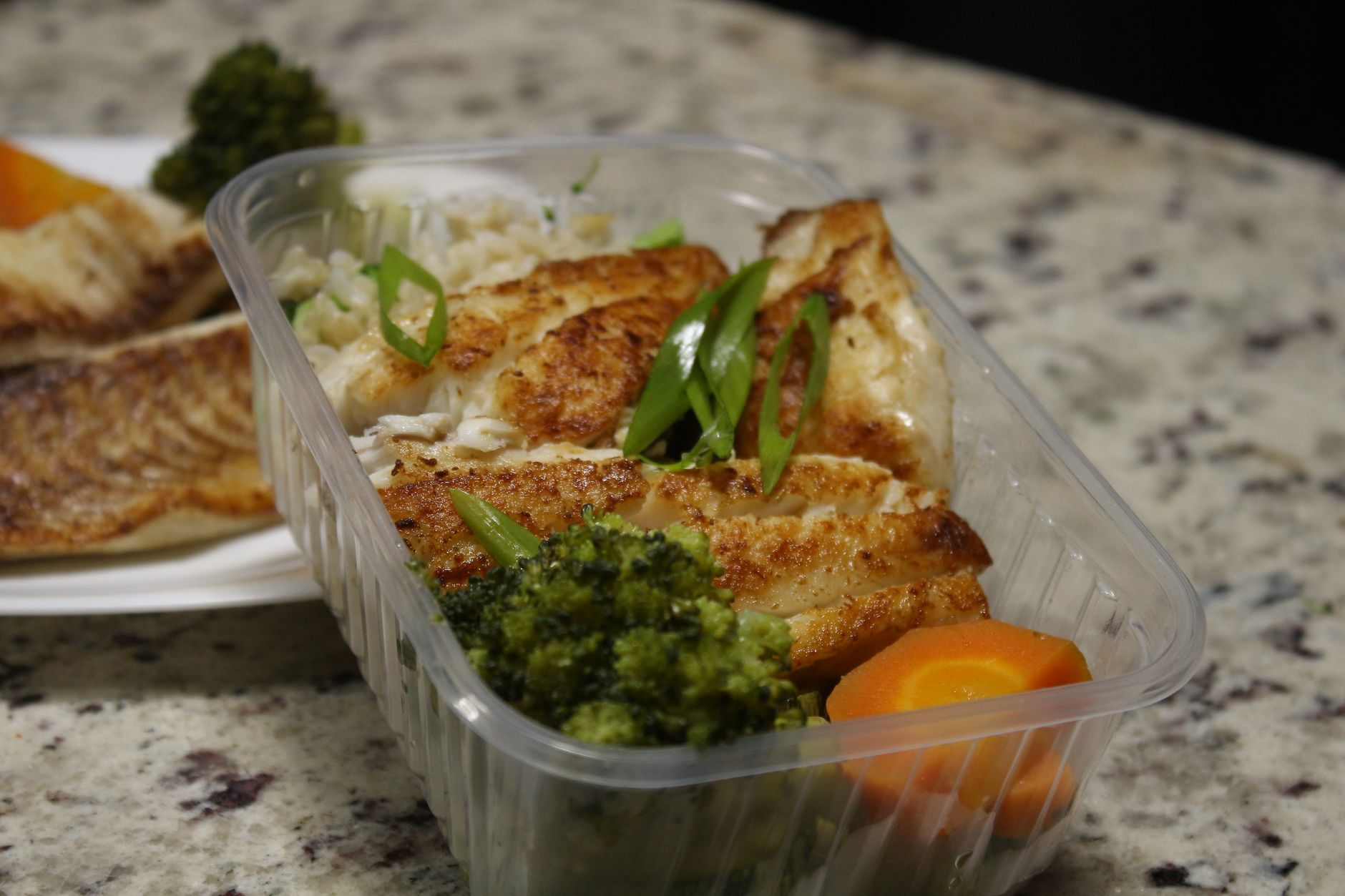
Efficient meal prepping is essential for sticking to your Atkins plan during busy weeks.
Atkins Diet 7-Day Meal Plan for Busy Professionals: Smart Meal Prep Strategies
For busy professionals, the idea of a restrictive diet like Atkins can seem daunting. Who has time to cook elaborate low-carb meals every day? The good news is that with smart meal prep strategies, following an Atkins diet 7-day meal plan is not only achievable but can actually save you time and reduce stress during the week. The key is planning and preparing ingredients in advance.
Smart Meal Prep Strategies
Dedicate a few hours one day a week (often Sunday) to prepare components of your meals.
Cook Proteins in Bulk: Grill or bake a large batch of chicken breasts, cook a pot of ground beef or turkey, or hard-boil a dozen eggs. These can be used in various meals throughout the week.
Wash and Chop Vegetables: Wash and chop non-starchy vegetables like broccoli, cauliflower, bell peppers, celery, and leafy greens. Store them in airtight containers, ready to be quickly steamed, sautéed, or added to salads.
Prepare Salad Dressings: Make a large batch of your favorite low-carb, olive oil-based dressing. This avoids last-minute scrambling and ensures you're not using high-carb store-bought options.
Assemble Snack Packs: Portion out nuts, cheese sticks, olives, or pre-cut vegetables into small containers or bags for grab-and-go snacks.
Cook Full Meals: For some dinners, you can cook larger portions and pack leftovers for lunch the next day. Think chili (no beans), large stir-fries, or roasted chicken with vegetables.
Invest in Good Containers: Quality airtight containers will keep your food fresh longer and make portioning easy.
Time-Saving Tips for Busy Schedules
Beyond meal prepping, there are other strategies to streamline your Atkins diet week:
Simplify Breakfasts: Stick to quick options like scrambled eggs, omelets, or bacon and eggs. These are fast to prepare and highly satisfying.
Leverage Leftovers: Always cook extra dinner to turn into lunch the next day. A roasted chicken can become chicken salad, a stir-fry, or a topping for a big green salad.
Batch Cook Sauces: Sugar-free tomato sauce or pesto can be made in advance and used with zucchini noodles or as a topping for meat and vegetables.
Use Pre-Washed Greens: Save time by buying pre-washed bags of spinach or mixed greens for quick salads.
Keep Staples Stocked: Always have Atkins-friendly staples like eggs, cheese, canned tuna/salmon, avocados, and frozen low-carb vegetables on hand for quick meals.
Embrace Slow Cooker/Instant Pot: These appliances can be a lifesaver for making large batches of low-carb stews, roasts, or pulled meats with minimal hands-on time.
One reader described how she felt perpetually stressed about food before discovering meal prep. "Now," she said, "I spend two hours on Sunday, and my lunch is packed every morning, my dinner is half-ready, and I don't even think about it during the week. It's truly freed up my mental energy." This approach not only makes Atkins manageable but also helps prevent impulse eating of high-carb options when you're tired and hungry.
Your Atkins 7-Day Meal Plan Grocery List
A well-organized grocery list is your secret weapon for a successful Atkins week. Here’s a comprehensive list of what you’ll typically need for an Induction-phase 7-day meal plan:
Proteins:
Chicken (breasts, thighs)
Beef (ground, steak, roasts)
Pork (chops, bacon, sausage)
Fish (salmon, tuna, cod, sardines)
Eggs (large carton)
Deli meats (turkey, ham - check for sugar)
Fats & Oils:
Olive oil
Avocado oil
Butter
Avocados
Mayonnaise (full-fat, sugar-free)
Dairy:
Cheddar cheese, Swiss, mozzarella, cream cheese
Heavy cream (for coffee/sauces)
Vegetables (Non-Starchy):
Spinach, kale, mixed greens, romaine lettuce
Broccoli, cauliflower
Asparagus, green beans
Bell peppers (green, red, yellow)
Zucchini, cucumber, celery, radishes
Mushrooms, onions, garlic
Tomatoes (in moderation)
Nuts & Seeds (small amounts for later phases or very limited snacks):
When shopping, always read food labels carefully to spot hidden sugars or starches in processed items, even those that seem "healthy." Look for net carb counts, especially on items like salad dressings, sauces, and cured meats.
Atkins Diet 7-Day Meal Plan for Families with Kids: Making it Work for Everyone
Adopting a low-carb eating plan like Atkins when you have a family, especially kids, can present unique challenges. You want to prioritize your health, but you also want to provide nutritious, appealing meals for everyone without becoming a short-order cook. The good news is that with a bit of creativity and strategic planning, you can adapt an Atkins diet 7-day meal plan to suit the whole family. It's about focusing on common meal components and making small adjustments.
Kid-Friendly Low-Carb Options
Many core Atkins-friendly foods are naturally appealing to children. The key is presentation and offering choices.
Protein Powerhouses: Most kids love chicken nuggets (you can make baked, breadcrumb-free versions with almond flour), burgers (served bunless or with lettuce wraps), steak, and scrambled eggs. Offer these frequently.
Hidden Veggies: Incorporate finely chopped low-carb vegetables into dishes like meatloaf (using crushed pork rinds instead of breadcrumbs), casseroles, or stir-fries. Cauliflower mash can often be a surprising hit as a potato substitute.
Cheese, Please: Cheese is a great low-carb snack and meal addition that most kids enjoy. Offer cheese sticks, slices, or grated cheese on their meals.
Healthy Fats: Avocados, olive oil, and butter are crucial. Mashed avocado can be a dip for veggie sticks, and butter can make steamed vegetables more palatable.
Low-Carb "Treats": While strict sugar is out, you can make simple, low-carb desserts using approved sweeteners like erythritol or stevia. Think sugar-free gelatin, or a small bowl of full-fat plain yogurt with a few berries (for older kids in later phases, or very sparingly in Induction).
Making Atkins Work for Everyone
Instead of preparing entirely separate meals, think about how you can create one main meal with simple modifications for different family members.
Deconstructed Meals: Serve components of a meal separately. For example, grilled chicken, steamed broccoli, and a side of cauliflower rice. You can add a baked potato or regular rice for the kids who aren't on the strict low-carb plan.
"Build Your Own" Meals: Taco nights are perfect for this. Offer ground beef or turkey, cheese, lettuce, salsa (check for sugar), avocado, and sour cream. You and your partner can use lettuce wraps, while kids can have small corn tortillas (in moderation, or if not on Atkins). Similarly, burger night can be bunless for you, with a bun for them.
Smart Side Swaps: If you're having steak and roasted asparagus, you can easily add a small portion of sweet potato or corn for the kids. If you're enjoying zucchini noodles with a meat sauce, serve the same sauce over regular pasta for children.
Involve Kids in Cooking: When children help prepare meals, they're often more likely to eat them. Let them wash vegetables or stir ingredients.
Education, Not Restriction: Talk to older children about healthy eating principles without making them feel deprived. Explain why certain foods are more nutritious and how they fuel their bodies.
Remember, the goal is to create a sustainable and healthy eating environment for the whole family. It might take some trial and error, but focusing on whole, unprocessed foods is a win for everyone, regardless of specific carb goals. For other structured eating plans, you might consider exploring options like a 7-day GAPS diet meal plan or even a 7-day AIP elimination diet meal plan, both of which also emphasize whole foods and careful dietary choices, albeit with different primary goals.
Potential Risks and Who Should Be Cautious on the Atkins Diet
While the Atkins diet can be effective for weight loss and blood sugar management, it's not suitable for everyone, and it's essential to be aware of potential risks and contraindications. Always consult with your doctor or a registered dietitian before starting any new diet, especially one as restrictive as Atkins. They can help determine if it's appropriate for your individual health needs and monitor your progress safely.
Common Mistakes to Avoid on the Atkins Diet
Even with a detailed 7-day meal plan, it's easy to fall into common traps. Being aware of these can help you stay on track and maximize your success:
Not Drinking Enough Water: Low-carb diets are diuretic, meaning you'll excrete more water. This can lead to dehydration and electrolyte imbalances. Drink plenty of water throughout the day.
Neglecting Electrolytes: Along with water, you lose essential electrolytes like sodium, potassium, and magnesium. This often contributes to "keto flu" symptoms. Consume bone broth, leafy greens, avocados, and consider a sugar-free electrolyte supplement if recommended by your doctor.
Not Eating Enough Vegetables: Some people mistakenly think "low-carb" means avoiding all vegetables. You need the fiber, vitamins, and minerals from non-starchy vegetables. Aim for 12-15 net carbs from these daily during Induction.
Hidden Carbs: Sugars and starches are often hidden in processed foods, condiments, and sauces. Always read labels carefully.
Overeating Protein: While protein is important, excessive protein intake can be converted to glucose in a process called gluconeogenesis, potentially knocking you out of ketosis. Focus on moderate protein with ample healthy fats.
Not Eating Enough Fat: Fat is your primary fuel source on Atkins. If you don't eat enough healthy fats, you'll feel hungry, tired, and may struggle to stay in ketosis.
Ignoring Later Phases: Sticking to Induction indefinitely can lead to nutrient deficiencies and be unsustainable. The later phases are crucial for reintroducing a wider variety of healthy foods and finding your long-term carb tolerance.
Who Should Be Cautious or Avoid the Atkins Diet?
Certain individuals should approach the Atkins diet with extreme caution or avoid it entirely:
Pregnant or Breastfeeding Women: The nutritional needs during pregnancy and lactation are very specific and higher in carbohydrates. Restrictive diets are generally not recommended without strict medical supervision.
Individuals with Kidney Disease: High protein intake can put additional strain on the kidneys. If you have kidney issues, a low-carb, high-protein diet may not be safe. The National Kidney Foundation recommends consulting a nephrologist.
People with Liver Disease: The liver plays a crucial role in fat metabolism and ketone production. Impaired liver function can make a ketogenic diet risky.
Those with Gallbladder Issues: A diet high in fat can exacerbate gallbladder problems.
Individuals with Pancreatitis: High-fat diets can trigger or worsen pancreatitis.
People with Eating Disorders: Restrictive diets can be triggering for individuals with a history of disordered eating.
Diabetics on Certain Medications: If you're taking insulin or other blood sugar-lowering medications, a drastic reduction in carbohydrates can lead to hypoglycemia ( dangerously low blood sugar). Close medical supervision and medication adjustments are essential. The American Diabetes Association (ADA) emphasizes that any dietary changes for diabetes should be made with a healthcare provider.
Individuals on Diuretics or Blood Pressure Medication: The diuretic effect of Atkins can impact fluid and electrolyte balance, potentially interfering with these medications.
Anyone with a Metabolic Disorder: Rare metabolic conditions can make a ketogenic diet dangerous.
Before making significant dietary changes, especially to a plan like Atkins, it’s vital to have an open conversation with your healthcare provider. They can assess your individual health status, review your medications, and provide personalized guidance to ensure your safety and well-being.
Myth vs. Fact: Atkins Diet Edition
There are many misconceptions circulating about the Atkins diet. Let's clear up a few common ones.
Myth: The Atkins diet is a "no-carb" diet.
Fact: While the Induction phase is very low in carbohydrates (20 net grams), it's not no-carb. It emphasizes non-starchy vegetables for fiber and nutrients. As you progress through the phases, carbohydrate intake gradually increases, allowing for a wider variety of healthy foods.
Myth: The Atkins diet is unhealthy because it's high in saturated fat and causes heart disease.
Fact: Early iterations of Atkins were criticized for encouraging unlimited saturated fat. However, the modern Atkins diet emphasizes healthy fats like olive oil, avocado oil, and fats from nuts and seeds, while still allowing for natural fats found in meat and dairy in moderation. Research on low-carb diets and heart health is ongoing, but many studies show that well-formulated low-carb diets can improve markers like triglycerides, HDL cholesterol, and blood pressure. The American Heart Association (AHA) recommends a balanced approach to fats, prioritizing unsaturated sources.
Myth: You can't build muscle on the Atkins diet because you need carbs for energy.
Fact: While carbs are a primary fuel source, the body is highly adaptable. On Atkins, once fat-adapted, your body efficiently uses fat and ketones for energy. Adequate protein intake is the most critical factor for muscle building, and Atkins naturally supports high protein consumption. Many individuals successfully build and maintain muscle mass on low-carb diets, especially for endurance and strength training.
Key Takeaways
The Atkins diet 7-day meal plan typically focuses on the Induction phase, limiting net carbs to 20 grams daily to promote ketosis and fat burning.
It emphasizes protein, healthy fats, and non-starchy vegetables, providing a structured approach to low-carb eating.
Atkins can be effective for weight loss, fat burning, and blood sugar management by reducing appetite and stabilizing glucose levels.
Meal prepping and strategic planning are essential for busy individuals and families to successfully adhere to the plan.
While beneficial for many, the Atkins diet is not suitable for everyone, especially pregnant/breastfeeding women, or those with kidney, liver, or gallbladder disease, and requires medical consultation.
The diet progresses through four phases, gradually reintroducing carbohydrates to find a sustainable long-term eating pattern.
Frequently Asked Questions
What is the Atkins diet 7-day meal plan?
The Atkins diet 7-day meal plan is typically an introductory guide to the diet's first phase, called Induction. It involves strictly limiting net carbohydrate intake to around 20 grams per day, while emphasizing protein, healthy fats, and non-starchy vegetables. This initial week aims to shift your body into a fat-burning state known as ketosis, often leading to rapid weight loss.
How many calories are in an Atkins 7-day meal plan?
The Atkins diet doesn't strictly focus on calorie counting, especially in the Induction phase, but rather on carbohydrate restriction. You're encouraged to eat until satisfied with approved foods. However, due to the highly satiating nature of protein and fat, most individuals naturally consume fewer calories than on higher-carb diets, typically ranging from 1,500 to 2,000 calories per day, depending on individual needs and portion sizes.
Can I follow the Atkins diet 7-day meal plan for weight loss?
Yes, the Atkins diet 7-day meal plan (Induction phase) is specifically designed to kickstart weight loss. By significantly reducing carbohydrates, your body begins to burn stored fat for energy, leading to a reduction in body weight and fat. Many people experience noticeable weight loss in the first week, often including water weight, which can be very motivating.
What are the best recipes for an Atkins 7-day meal plan?
Simple and whole-food-based recipes are best. Think scrambled eggs with spinach and cheese for breakfast, large salads with grilled chicken or tuna in lettuce cups for lunch, and baked salmon with asparagus or a bunless cheeseburger with a side salad for dinner. The key is using approved proteins, healthy fats, and non-starchy vegetables, avoiding all high-carb ingredients.
Is the Atkins 7-day meal plan safe for people with diabetes?
The Atkins diet, particularly its low-carb approach, can be very effective for managing blood sugar and improving insulin sensitivity in individuals with type 2 diabetes. However, it's crucial for people with diabetes, especially those on medication like insulin, to consult their doctor or a registered dietitian before starting. Medication dosages may need to be adjusted to prevent hypoglycemia (low blood sugar).
How do I meal prep for the Atkins 7-day plan?
Meal prepping for Atkins involves cooking proteins in bulk (e.g., grilled chicken, ground beef), washing and chopping non-starchy vegetables, and preparing low-carb snacks in advance. Dedicate a few hours one day a week to these tasks. This ensures you have ready-to-eat components for quick meals throughout the week, making it easier to stick to your plan and avoid high-carb temptations when busy.
When to See a Doctor or Specialist
While the Atkins diet can be a powerful tool for health transformation, it's crucial to approach it responsibly and with professional guidance. You should always consult your primary care physician or a registered dietitian before starting any significant dietary change, especially if you have existing health conditions or are taking medications.
**Call your doctor or seek medical attention immediately if you experience any of the following while on the Atkins diet:**
* **Severe or persistent "keto flu" symptoms** that don't improve after a few days, such as extreme fatigue, dizziness, nausea, or muscle cramps, as this could indicate severe electrolyte imbalance or dehydration.
* **New or worsening symptoms** related to pre-existing conditions, such as kidney pain, elevated blood pressure, or significant changes in blood sugar levels (if diabetic).
* **Signs of nutrient deficiency**, such as unusual hair loss, brittle nails, or extreme fatigue that persists beyond the initial adaptation phase.
* **Any concerning or unusual symptoms** that worry you.
This article provides general information and is not a substitute for personalized medical advice. Your healthcare provider can assess your individual health status and help you determine if the Atkins diet is appropriate and safe for your unique needs.
References
Atkins Nutritionals. (n.d.). The Atkins Diet Plan. Retrieved from atkins.com
American Diabetes Association. (n.d.). Low-Carbohydrate Diets. Retrieved from diabetes.org
American Heart Association. (n.d.). Dietary Fats. Retrieved from heart.org
National Kidney Foundation. (n.d.). Protein Intake. Retrieved from kidney.org
Gardner, C. D., et al. (2018). Effect of Low-Fat vs Low-Carbohydrate Diet on 1-Year Weight Loss in Overweight Adults: A Randomized Clinical Trial. JAMA, 319(7), 667–679.
Yancy, W. S. Jr., et al. (2004). A low-carbohydrate, ketogenic diet versus a low-fat diet to treat obesity and hyperlipidemia. A randomized, controlled trial. Annals of Internal Medicine, 140(10), 769–777.
Volek, J. S., & Phinney, S. D. (2012). The Art and Science of Low Carbohydrate Performance. Beyond Obesity LLC.
Not sure about the label on Atkins Diet Meal Plan 7 Day products?
Snap the ingredients list and SafeFilter checks every ingredient for your stage — only 3 free scans this month, then you're locked until reset. Unlimited from $7/mo or $50/yr.
When Shubhra Mishra was expecting her first child in 2016, she was overwhelmed by conflicting food advice — one site said yes, another said never. By the time her second baby arrived in 2019, she realized millions of mothers face the same confusion.
That sparked a five-year journey through clinical nutrition papers, cultural diets, and expert conversations — all leading to BumpBites: a calm, compassionate space where science meets everyday motherhood.
Her long-term vision is to build a global community ensuring safe, supported, and free deliveriesfor every mother — because no woman should face pregnancy alone or uninformed. 🌿
🌍 Stand with mothers, shape safer guidance
Join a small circle of experts who review BumpBites articles so expecting parents everywhere can decide with confidence.