

Quick take: Start with a simple, low-GI, anti-inflammatory diet: focus on leafy greens, lean proteins, healthy fats, and berries. Avoid refined sugars and processed carbs. Your grocery list should include foods like eggs, salmon, quinoa, and almonds—think of it as a "PCOS-friendly pantry." Hydration and mindful eating are just as important as the foods you choose. If you're overwhelmed, begin with one meal swap per week.
You're staring at your fridge at 10pm, wondering if that leftover pizza from last night could somehow be "good" for your PCOS. Here's the truth: it won't. But you can absolutely eat in a way that supports your hormones, energy, and weight—without feeling deprived.
Polycystic ovary syndrome (PCOS) is one of the most common hormonal disorders among women of reproductive age, affecting about 1 in 10 people with periods. While there’s no one-size-fits-all "PCOS diet," research shows that a low-glycemic, anti-inflammatory approach can help manage insulin resistance, balance hormones, and reduce symptoms like weight gain, fatigue, and irregular periods. The good news? You don’t need to overhaul your entire life overnight. Small, sustainable changes—like swapping white bread for whole grains or adding more leafy greens to your plate—can make a big difference.
This guide is for you if you’re just starting your PCOS journey and feeling overwhelmed by conflicting advice. We’ll break down what to eat daily, what to avoid, and how to build a simple meal plan that fits your lifestyle—whether you’re craving quick fixes or long-term habits. We’ll also address common questions like whether keto works for PCOS, how to handle cravings, and what to do if you’re vegetarian or on a budget.
Before we dive in, remember: PCOS is complex, and diet is just one piece of the puzzle. Stress management, sleep, and exercise also play a huge role. But food is one of the most powerful tools you have—so let’s get started with what actually works.
---What foods should PCOS beginners eat daily? Start with these hormone-friendly staples
Proteins: Your PCOS superheroes
Protein helps keep you full, stabilizes blood sugar, and supports muscle health—all of which are critical for managing PCOS symptoms. Aim for 20–30 grams of protein at each meal. Focus on:
- Lean meats: Chicken breast, turkey, and lean cuts of beef (like sirloin). These are easy to cook and pack with B vitamins, which help metabolize carbs.
- Fish: Wild-caught salmon, sardines, and mackerel are rich in omega-3s, which fight inflammation. If you’re not a fan of fish, consider algae-based omega-3 supplements (like those recommended in the AIP diet).
- Eggs: A versatile, nutrient-dense food loaded with choline, which supports liver function and hormone metabolism.
- Plant-based options: Tofu, tempeh, lentils, chickpeas, and edamame are great for vegetarians or those who prefer plant proteins.
Healthy fats: The anti-inflammatory powerhouse
Inflammation is a major player in PCOS, and healthy fats help combat it. These fats also support hormone production and keep you satiated. Stock up on:
- Avocados: Creamy, delicious, and packed with monounsaturated fats. Try them on toast, in salads, or blended into smoothies.
- Nuts and seeds: Almonds, walnuts, chia seeds, and flaxseeds are rich in fiber, magnesium, and omega-3s. A small handful (about ¼ cup) makes a great snack.
- Olive oil and coconut oil: Use these for cooking or drizzling over meals. Extra virgin olive oil is especially high in antioxidants.
- Ghee or clarified butter: If you tolerate dairy, ghee is a great option for cooking—it’s lactose-free and rich in butyrate, which supports gut health.
Complex carbs: The low-GI game-changers
Not all carbs are enemies—it’s all about the type. Low-glycemic index (GI) carbs release sugar slowly, helping to prevent insulin spikes that worsen PCOS symptoms. Opt for:
- Whole grains: Quinoa, brown rice, farro, and steel-cut oats are fiber-rich and help stabilize blood sugar.
- Legumes: Black beans, chickpeas, and lentils are high in fiber and plant-based protein. Try them in soups, salads, or as a side dish.
- Non-starchy vegetables: Spinach, kale, broccoli, and zucchini are low in carbs and high in nutrients. Aim for at least 2 cups a day.
Fruits: The sweet but smart choices
Fruit is often demonized in PCOS diets, but the key is portion control and choosing lower-sugar options. Berries are your best bet—they’re high in antioxidants and fiber but lower in sugar than, say, a banana. Try:
- Blueberries, raspberries, and strawberries (½ cup per serving).
- Apples and pears (with skin) for fiber.
- Avoid fruit juices—they’re stripped of fiber and can spike blood sugar quickly.
Hydration: The often-overlooked PCOS essential
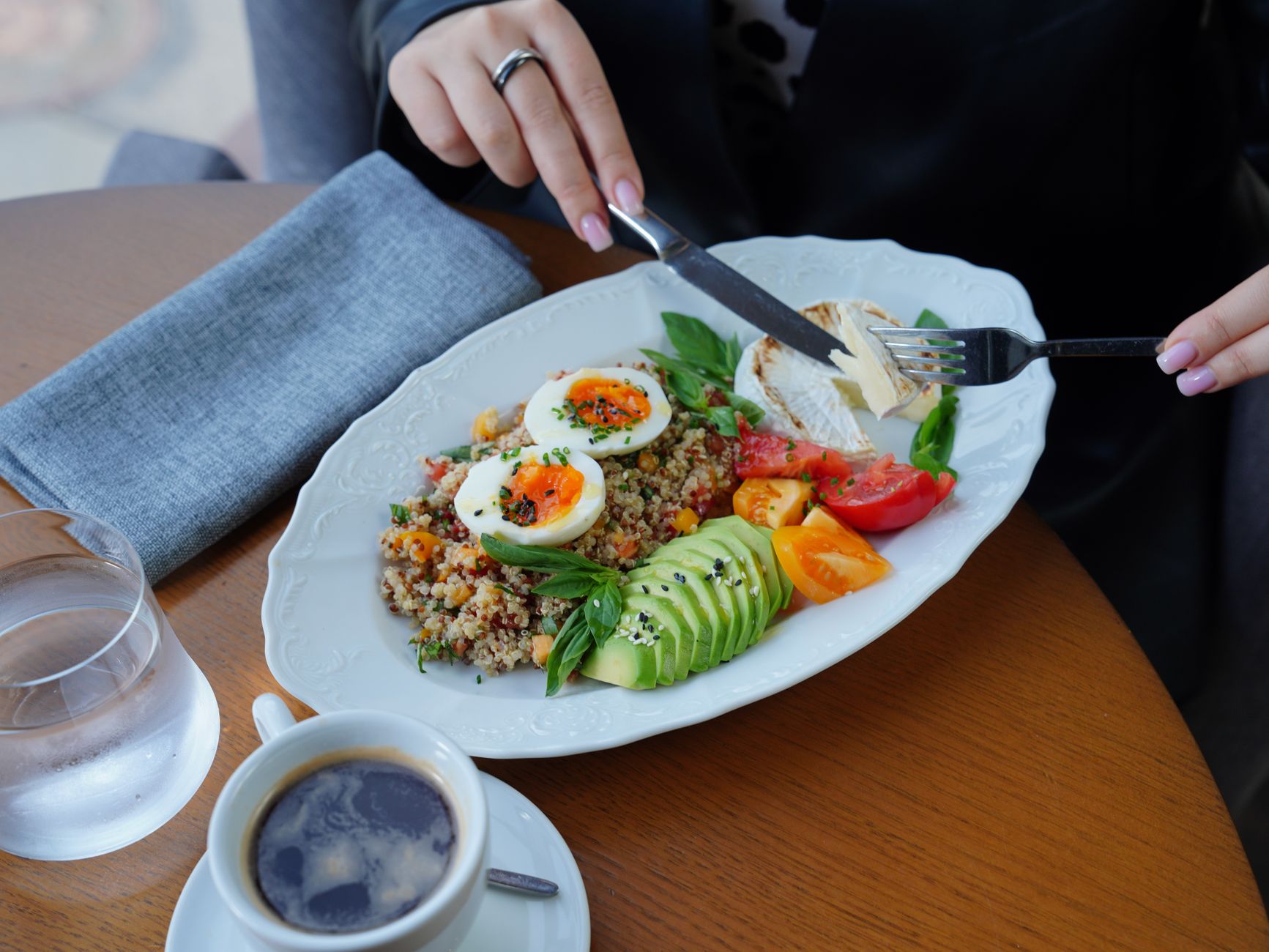
Dehydration can worsen PCOS symptoms like fatigue and bloating. Aim for at least 2 liters (8 cups) of water a day. Herbal teas like peppermint or ginger can also help with digestion and cravings. If you struggle to drink plain water, try infusing it with cucumber, lemon, or mint.
What foods to avoid completely with PCOS for beginners? The hard truths (and how to navigate them)
Let’s address the elephant in the room: there are foods that can make PCOS symptoms worse. The good news? You don’t have to cut them out forever—just learn how to enjoy them in moderation. But for now, focus on eliminating these triggers to see how your body responds:
The big three to limit (or avoid for now)
- Refined sugars: This includes white bread, pastries, candy, and sugary cereals. These foods cause rapid blood sugar spikes and crashes, which can worsen insulin resistance and cravings. Even "natural" sugars like honey and agave can be problematic in excess.
- Processed carbs: Think white rice, pasta, and crackers. These are stripped of fiber and nutrients, making them easy to overeat and hard to digest.
- Trans fats and fried foods: Found in fast food, fried snacks, and many packaged baked goods, these fats promote inflammation and can disrupt hormone balance.
Foods that might need a second look
These aren’t necessarily "bad," but they can trigger symptoms for some people with PCOS. Try eliminating them for 3–4 weeks to see if your energy, skin, or period regularity improves:
- Dairy (especially conventional): Some women with PCOS find that dairy worsens acne or bloating. If you tolerate it, opt for organic or fermented dairy like kefir or Greek yogurt. For a dairy-free approach, check out our easy dairy-free diet guide.
- Gluten-containing grains: While gluten isn’t universally problematic for PCOS, some women experience digestive issues or fatigue when they eat wheat. Try a gluten-free version of whole grains (like quinoa or buckwheat) to see if it helps.
- Alcohol (especially beer and cocktails with sugary mixers): Alcohol can disrupt sleep, lower your tolerance for carbs, and worsen inflammation. If you drink, stick to dry wines or spirits in moderation.
What about caffeine?
Coffee can be a double-edged sword for PCOS. On one hand, it’s a quick energy boost. On the other, it can raise cortisol (your stress hormone) and worsen insulin resistance. If you’re sensitive, try reducing your intake or switching to herbal teas like matcha (which has less caffeine) or chai. For more on caffeine and PCOS, check out our French diet guide, which often includes moderate coffee consumption in a balanced way.
---Easy PCOS meal plan ideas for beginners with insulin resistance: Your 7-day starter plan
Meal planning can feel daunting, but starting with simple, repeatable meals makes it easier. The key is to focus on balance: protein + healthy fat + fiber-rich carbs at each meal. Below is a 7-day starter plan designed to stabilize blood sugar and reduce inflammation. Feel free to swap in your favorite foods or adjust portions based on your hunger cues.
**Pro tip:** Batch-cook proteins and grains on Sundays to save time during the week. For example, roast a big tray of chicken and veggies, or cook a pot of quinoa that you can use all week.
Day 1: The classic PCOS-friendly breakfast
Breakfast: Scrambled eggs with spinach, mushrooms, and avocado on whole-grain toast. Snack: Handful of almonds and an apple. Lunch: Grilled chicken salad with mixed greens, cherry tomatoes, cucumber, olives, and balsamic vinaigrette. Snack: Greek yogurt (or coconut yogurt if dairy is an issue) with chia seeds and berries. Dinner: Baked salmon with roasted Brussels sprouts and quinoa.
Day 2: The vegetarian-friendly option
Breakfast: Chia pudding made with almond milk, chia seeds, and topped with walnuts and blueberries. Snack: Hummus with cucumber and bell pepper slices. Lunch: Lentil soup with a side of mixed greens and olive oil dressing. Snack: Hard-boiled eggs with a sprinkle of sea salt. Dinner: Stuffed bell peppers with ground turkey, quinoa, and tomatoes.
Day 3: The quick and easy option
Breakfast: Smoothie with spinach, almond milk, protein powder (or Greek yogurt), and frozen berries. Snack: Celery sticks with almond butter. Lunch: Turkey lettuce wraps with avocado, shredded carrots, and a drizzle of tahini. Snack: Handful of walnuts. Dinner: Sheet-pan dinner with chicken, sweet potatoes, and broccoli, tossed in olive oil and herbs.
Day 4: The budget-friendly option
Stretch your grocery budget with these affordable staples:
- Breakfast: Oatmeal topped with cinnamon, flaxseeds, and sliced banana. Snack: Popcorn (air-popped, no butter). Lunch: Black bean and cheese (or vegan cheese) quesadilla with salsa and a side of mixed greens. Snack: Carrots and hummus. Dinner: Spaghetti squash with marinara sauce, ground turkey, and a sprinkle of Parmesan (or nutritional yeast for dairy-free).
Best anti-inflammatory foods for PCOS beginners: Your new grocery list
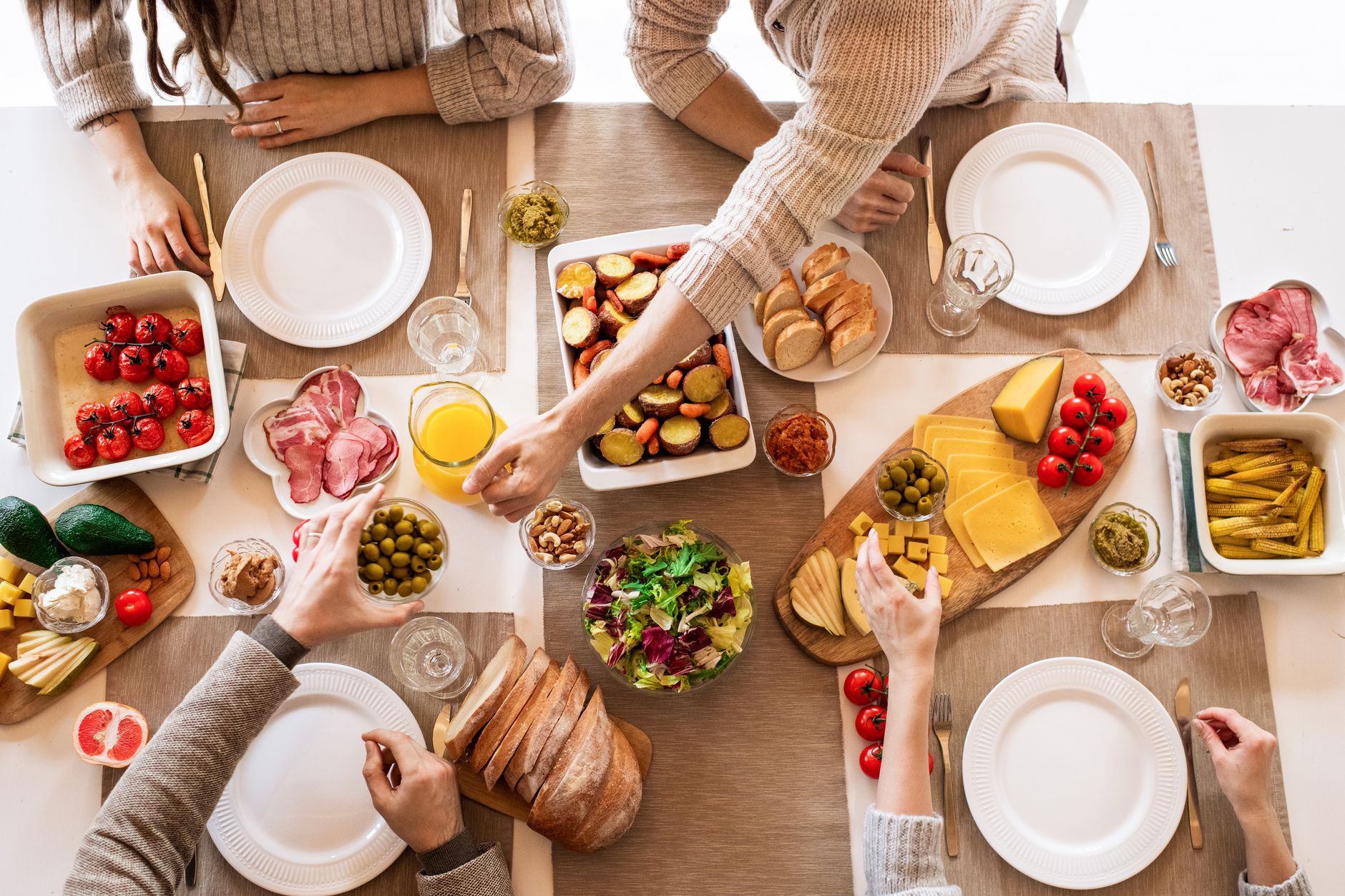
Inflammation is a major driver of PCOS symptoms, from weight gain to acne to fatigue. The foods you eat can either fuel inflammation or help calm it down. Here’s a breakdown of the best anti-inflammatory foods to prioritize:
Leafy greens: The nutrient powerhouses
Spinach, kale, Swiss chard, and arugula are loaded with vitamins A, C, and K, as well as magnesium and folate. These nutrients help regulate blood sugar, reduce inflammation, and support liver function. Aim for at least 2 cups a day—add them to smoothies, salads, or sauté them as a side dish.
Berries: The sweet anti-inflammatory
Blueberries, strawberries, raspberries, and blackberries are packed with antioxidants called anthocyanins, which fight inflammation and oxidative stress. They’re also low in sugar compared to other fruits. Try adding them to yogurt, oatmeal, or even blending them into a smoothie.
Fatty fish: The omega-3 champions
Salmon, mackerel, sardines, and anchovies are rich in omega-3 fatty acids, which reduce inflammation and improve insulin sensitivity. If you don’t like fish, consider algae-based omega-3 supplements or flaxseeds (though flaxseeds contain ALA, not the active form of omega-3s found in fish).
Turmeric and ginger: The spice duo
These two spices are powerhouses for reducing inflammation. Turmeric contains curcumin, which has been shown to improve insulin sensitivity. Ginger helps with digestion and can reduce bloating. Add them to smoothies, teas, or savory dishes like curries or stir-fries.
Dark leafy greens and cruciferous vegetables
Broccoli, Brussels sprouts, cauliflower, and cabbage are all high in fiber and antioxidants. They support liver detoxification, which is crucial for managing hormones. Try roasting them with olive oil and sea salt for a delicious side dish.
Nuts and seeds: The crunchy crunch
Walnuts, almonds, chia seeds, and flaxseeds are rich in healthy fats, fiber, and magnesium. Magnesium is especially important for PCOS, as it helps regulate blood sugar and reduce insulin resistance. Sprinkle them on salads, yogurt, or enjoy them as a snack.
---PCOS-friendly snack ideas for beginners: No more 3pm cravings
Cravings are one of the biggest challenges for women with PCOS, especially when insulin resistance makes blood sugar swings worse. The key is to keep snacks balanced—combining protein, fiber, and healthy fats to keep you full and satisfied. Here are some of our favorite PCOS-friendly snacks:
Protein-packed snacks
- Hard-boiled eggs with a sprinkle of sea salt.
- Greek yogurt (or coconut yogurt) with a handful of walnuts.
- Turkey or chicken roll-ups with avocado.
- Edamame with a dash of sea salt.
Fiber-rich snacks
- Hummus with cucumber and bell pepper slices.
- Apple slices with almond butter.
- Roasted chickpeas (crunchy and satisfying!).
- Celery sticks with guacamole.
Healthy fat snacks
- Handful of almonds or walnuts.
- Avocado slices with a sprinkle of sea salt and pepper.
- Olives (great for salty cravings!).
- Dark chocolate (85% or higher) with a few almonds.
Quick and easy grab-and-go snacks
- Pre-cut veggies with ranch or guacamole.
- Protein bars (look for ones with minimal sugar and no artificial ingredients).
- Smoothie packs (frozen berries, spinach, and protein powder—just add almond milk when you’re ready to drink).
- Trail mix with nuts, seeds, and a few dark chocolate chips.
How to start a PCOS diet for beginners and stick to it: Your step-by-step survival guide
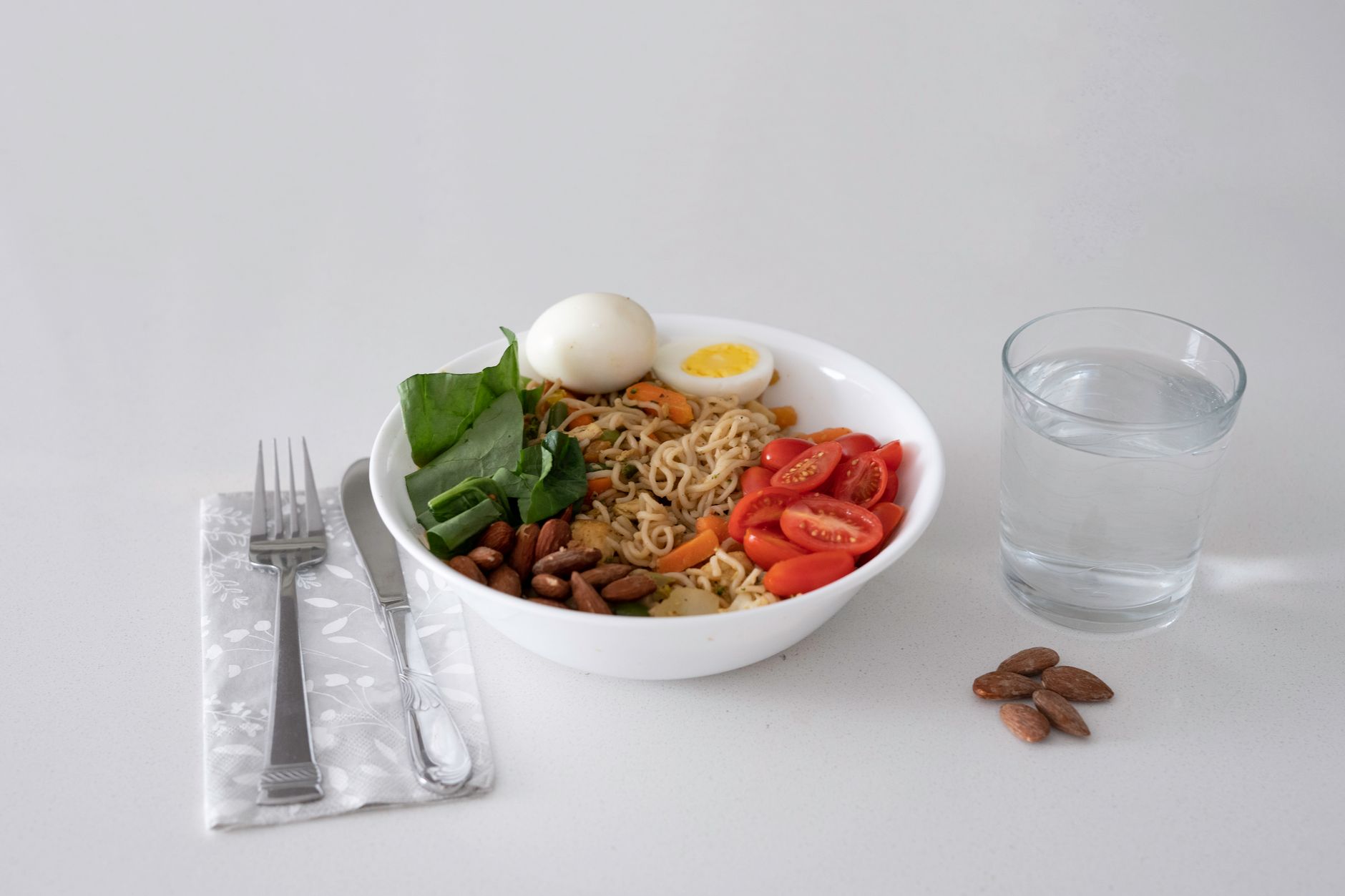
Starting a new diet can feel overwhelming, especially when you’re dealing with PCOS symptoms like fatigue, cravings, and emotional eating. The key is to start small, be patient with yourself, and focus on habits that fit your lifestyle. Here’s how to do it without burning out:
Step 1: Start with one change at a time
Don’t try to overhaul your entire diet overnight. Pick one habit to focus on for a week, then build from there. For example:
- Week 1: Swap white bread for whole-grain toast.
- Week 2: Add a side of veggies to every meal.
- Week 3: Replace sugary snacks with nuts or berries.
Step 2: Meal prep like a pro (even if it’s just for lunches)
Prepping meals in advance takes the guesswork out of eating well. Spend 1–2 hours on Sunday cooking proteins, grains, and roasting veggies. Store them in containers so you can grab and go. Even if you only prep lunches, that’s a great start!
Step 3: Manage cravings with the "5-minute rule"
When a craving hits, wait 5 minutes before giving in. Often, the craving will pass. If it doesn’t, ask yourself: "Is this craving coming from hunger, boredom, or stress?" Sometimes, a glass of water or a short walk can satisfy the urge without food.
Step 4: Plan for social situations
Eating out or attending parties can feel stressful when you’re managing PCOS. The key is to prepare ahead. For example:
- If you’re going to a restaurant, check the menu online beforehand and choose a dish that fits your goals.
- Bring a PCOS-friendly dish to share at gatherings.
- Practice saying no to foods that don’t align with your goals—it’s okay to politely decline!
Step 5: Track your progress (but not your weight)
Instead of focusing on the scale, track how you feel. Notice improvements in energy, skin, sleep, and mood. Keep a journal or use an app to log meals and symptoms. You might also take photos of your skin or energy levels to see non-scale victories.
Step 6: Be kind to yourself
There will be slip-ups—it’s normal! The goal isn’t perfection; it’s progress. If you have a cheat meal, don’t beat yourself up. Just get back on track at the next meal. Remember: consistency matters more than occasional perfection.
---PCOS diet grocery list for beginners on a budget: Save money without sacrificing nutrition
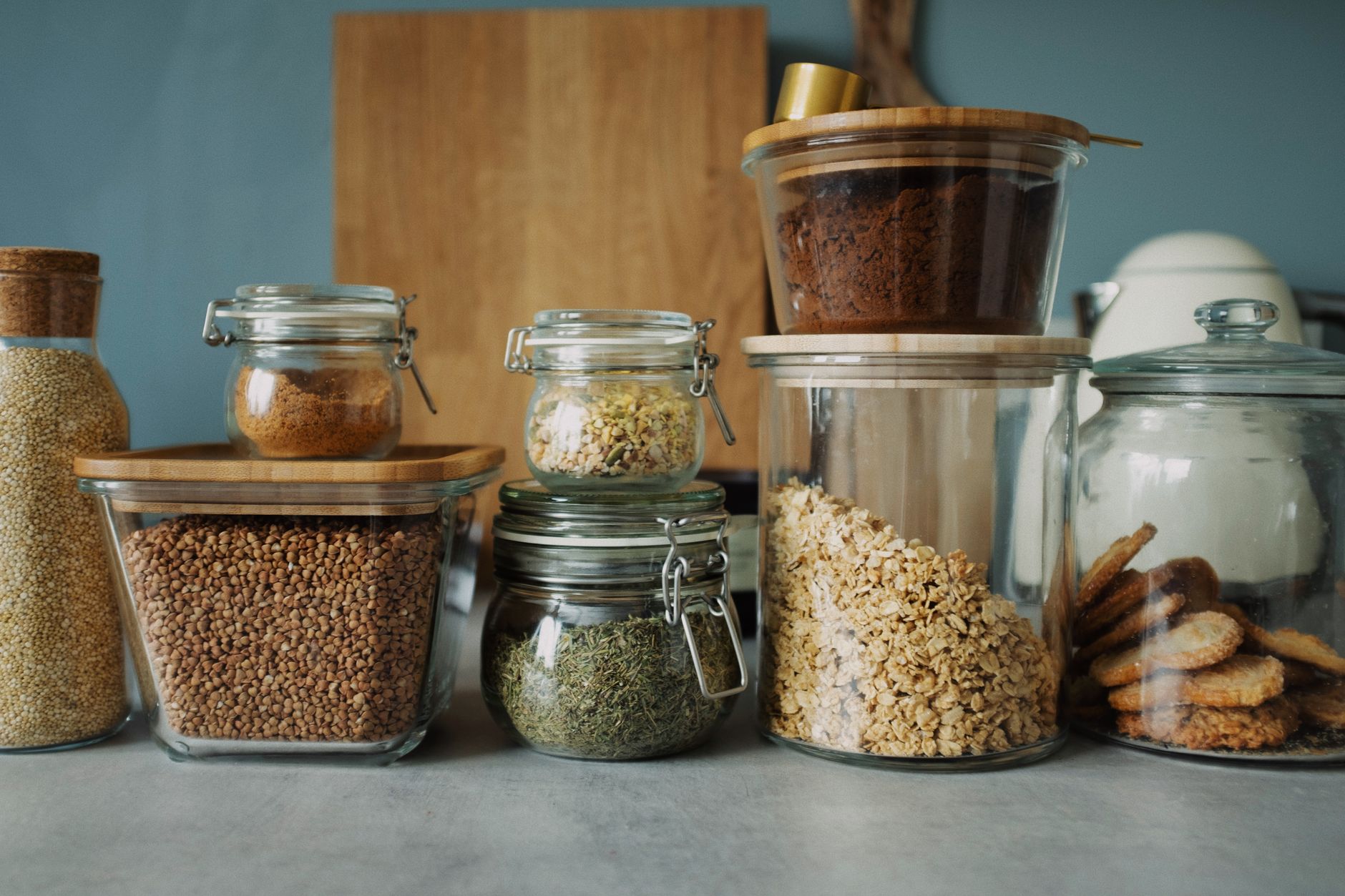
Managing PCOS on a budget is totally doable—you just need to focus on affordable, nutrient-dense foods. Here’s a list of budget-friendly staples to stock your pantry and fridge:
Protein (cheap and filling)
- Eggs
- Canned tuna or salmon (in water, not oil)
- Chicken thighs (cheaper than breasts)
- Lentils and chickpeas (dried or canned)
- Cottage cheese or Greek yogurt (look for store brands)
Carbs (fiber-rich and affordable)
- Oats
- Brown rice
- Sweet potatoes
- Whole-wheat pasta
- Quinoa (buy in bulk)
Vegetables (frozen is your friend!)
- Frozen spinach or mixed greens
- Frozen broccoli or Brussels sprouts
- Carrots and celery (buy in bulk)
- Onions and garlic (cheap and versatile)
- Cabbage (great for stir-fries or coleslaw)
Fruits (seasonal is best)
- Bananas
- Apples
- Oranges
- Frozen berries (cheaper than fresh)
Healthy fats (affordable options)
- Peanut butter (natural, no added sugar)
- Almonds or walnuts (buy in bulk)
- Olive oil (store brands are fine)
- Coconut oil
Pantry staples
- Canned tomatoes
- Spices (turmeric, cinnamon, cumin, garlic powder)
- Nuts and seeds (chia, flax, sunflower)
- Dark chocolate (85% or higher)
PCOS diet benefits for beginners: What to expect in the first 3 months
When you start making dietary changes for PCOS, you might notice improvements within weeks—or it might take a few months. Here’s what to expect:
First 2 weeks
- More stable energy levels (no more 3pm crashes!).
- Reduced bloating and water retention.
- Fewer sugar cravings (as your blood sugar stabilizes).
First month
- Improved skin (less acne, fewer breakouts).
- Better digestion (less constipation or diarrhea).
- More consistent sleep patterns.
3 months in
- Noticeable weight loss (if that’s your goal).
- More regular periods (or less severe PMS symptoms).
- Increased energy and reduced fatigue.
- Improved mood and reduced anxiety.
**Remember:** These benefits can vary depending on your individual body and lifestyle. Some women see dramatic changes, while others experience gradual improvements. The key is to stay consistent and listen to your body.
---PCOS diet plan for weight loss beginners: The science-backed approach
Weight loss is a common goal for women with PCOS, and diet plays a huge role. The key is to focus on reducing insulin resistance and inflammation, not just cutting calories. Here’s how to do it effectively:
Prioritize protein and fiber
Protein and fiber help you feel full longer, reducing the urge to overeat. Aim for at least 25 grams of protein at each meal and fill half your plate with non-starchy vegetables. This keeps you satisfied and supports muscle health.
Choose healthy fats
Healthy fats like avocado, nuts, and olive oil help regulate hormones and reduce cravings. They also slow digestion, keeping you full for hours. Add a source of healthy fat to each meal.
Limit refined carbs and sugars
These foods spike insulin, which worsens PCOS symptoms and makes weight loss harder. Swap white bread, pasta, and sugary snacks for whole grains, legumes, and low-GI fruits.
Stay hydrated
Dehydration can make you mistake thirst for hunger. Drink water throughout the day, and add electrolytes like magnesium or potassium if you’re prone to cravings.
Move your body (but don’t overdo it)
Exercise is important for weight loss, but intensity matters. Focus on strength training and moderate cardio (like walking or cycling) to build muscle and boost metabolism. Avoid excessive cardio, which can increase cortisol and worsen insulin resistance.
Track your progress beyond the scale
Weighing yourself daily can be stressful. Instead, track measurements, energy levels, and how your clothes fit. Take progress photos if it helps you see non-scale victories.
---PCOS diet supplements for beginners: What actually works (and what’s hype)
Supplements can be a helpful addition to your PCOS diet, but not all are created equal. Here’s a breakdown of the most evidence-backed options:
A table of supplements to consider
| Supplement | Typical Dose | Best Time to Take | Food Sources | Known Interactions |
|---|---|---|---|---|
| Magnesium | 300–400 mg/day | Before bed (for sleep) or with meals (for digestion) | Spinach, almonds, pumpkin seeds, dark chocolate | Diuretics, some antibiotics |
| Omega-3s (EPA/DHA) | 1,000–2,000 mg/day | With meals (to improve absorption) | Fatty fish (salmon, mackerel), flaxseeds, walnuts | Blood thinners, warfarin |
| Inositol | 400–2,000 mg/day (split doses) | With meals | Oranges, cantaloupe, beans, grains | None significant, but consult your provider |
| Vitamin D | 1,000–2,000 IU/day (or as prescribed) | With a meal containing fat | Fatty fish, egg yolks, fortified dairy | Steroids, weight loss medications |
| Berberine | 500 mg, 2–3 times/day | With meals | Barberry, goldenseal (rarely consumed directly) | Diabetes medications (can lower blood sugar too much) |
Supplements to approach with caution
While these may be marketed for PCOS, evidence is limited or conflicting:
- Evening primrose oil (for acne—some women see no effect).
- Saw palmetto (for hormone balance—mixed results).
- Chasteberry (for menstrual regularity—limited evidence).
Always check with your healthcare provider before starting any supplement, especially if you’re on medication.
---Is keto diet good for PCOS beginners? The pros, cons, and alternatives
Keto has gained popularity as a PCOS weight-loss tool, but it’s not for everyone. Let’s break down the pros and cons so you can make an informed decision.
The potential benefits of keto for PCOS
- Lowers insulin: By eliminating carbs, keto forces your body to burn fat for fuel, which can improve insulin resistance.
- Reduces cravings: Many women with PCOS report fewer sugar cravings on keto.
- May improve acne: Some women see clearer skin due to reduced inflammation.
The risks and challenges
- Nutrient deficiencies: Keto can be low in fiber, magnesium, and vitamins if not planned carefully.
- Hormonal imbalances: Some women experience irregular periods or worsened fatigue on keto.
- Sustainability issues: The strict nature of keto can lead to burnout or disordered eating.
Alternatives to keto for PCOS
If you’re not ready for keto, consider these more flexible approaches:
- Low-glycemic diet: Focus on whole, unprocessed foods and prioritize low-GI carbs.
- Mediterranean diet: Rich in healthy fats, fiber, and anti-inflammatory foods.
- Flexitarian diet: A plant-focused approach with room for meat and dairy in moderation.
If you’re curious about keto, start with a 30-day trial and monitor how your body responds. Keep track of your energy, periods, and skin. If you notice improvements, you might stick with it long-term. If not, try a more balanced approach like the flexitarian diet.
---PCOS diet for beginners without dairy: The ultimate guide
Dairy can be a tricky food for women with PCOS. Some tolerate it well, while others experience bloating, acne, or hormonal imbalances. If you’re avoiding dairy, don’t worry—there are plenty of delicious alternatives. Here’s how to do it:
Dairy-free protein sources
- Eggs
- Tofu and tempeh
- Chickpeas and lentils
- Seitan (wheat gluten—check for gluten sensitivity if needed)
- Nutritional yeast (for a cheesy flavor)
Dairy-free calcium sources
Calcium is important for bone health, especially as you age. Get it from:
- Leafy greens (kale, collard greens)
- Almonds and tahini
- Fortified plant milks (almond, oat, or soy)
- Canned sardines (with bones)
Dairy-free alternatives for creamy textures
- Coconut yogurt
- Cashew cream
- Avocado (for guacamole or spreads)
- Dairy-free cheese alternatives (look for options made from nuts or coconut)
For more dairy-free meal ideas, check out our easy dairy-free diet guide.
---

