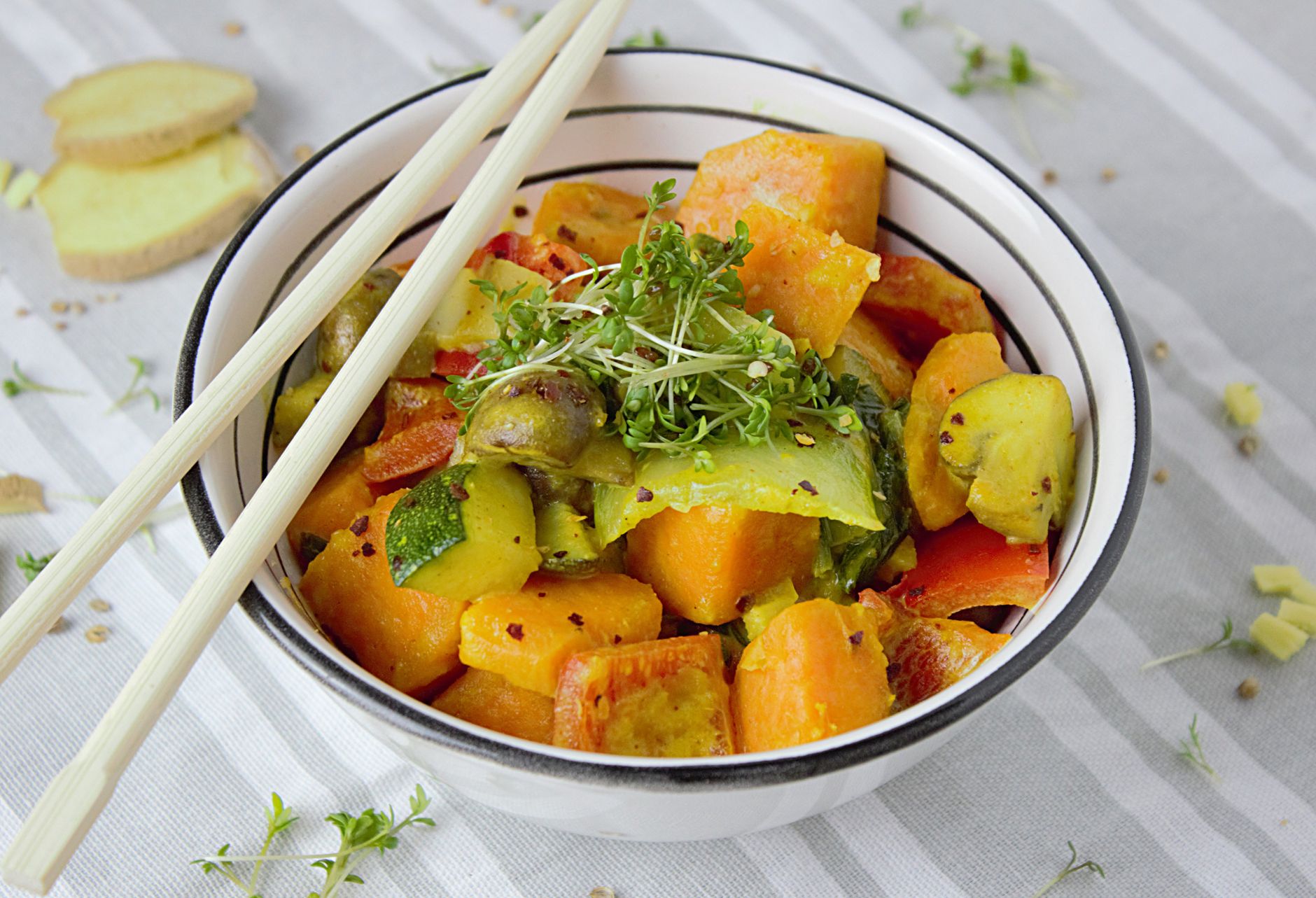
You might be wondering: Is the Okinawan diet just another Mediterranean-style diet? While both emphasize whole foods, fatty fish, and plant-based meals, there are key differences that make the Okinawan approach uniquely beneficial for pregnancy.
Here’s a quick comparison:
**Key takeaway:** The Okinawan diet is higher in bitter greens and turmeric, which are less common in Mediterranean or DASH plans but offer powerful anti-inflammatory and nausea-soothing benefits. If you love the Mediterranean’s simplicity but want extra support for pregnancy symptoms, the Okinawan approach is a fantastic hybrid.
**Pro tip:** If you’re used to keto or other low-carb diets, the Okinawan diet might feel like a shift—sweet potatoes are a staple, and carbs are encouraged (they’re packed with fiber!). But the focus on quality carbs (not refined ones) makes it sustainable and nutrient-dense.
---
What are the best Okinawan snacks for morning sickness relief during pregnancy?
Let’s be real: Morning sickness isn’t just in the morning. For many women, it’s a 24/7 rollercoaster—especially in the first trimester. You’ve tried ginger tea, crackers, and bland toast, but nothing sticks. That’s where Okinawan snacks come in.
Okinawan culture has long used ginger, turmeric, and sweet potatoes to soothe nausea and settle stomachs. Here are five pregnancy-safe Okinawan snacks to try:
-
Turmeric and Ginger Tea
Steep 1 tsp fresh grated ginger and ½ tsp turmeric in hot water for 5 minutes. Add a squeeze of lemon. Sip slowly—this combo is a powerhouse for nausea and digestion.
-
Sweet Potato Chips (Baked, Not Fried)
Slice sweet potatoes thinly, toss with a little olive oil, and bake at 400°F (200°C) for 20 minutes. These are high in folate (critical for neural tube development) and gentle on the stomach.
-
Miso Soup with Tofu
Heat miso paste in broth with cubed tofu and a handful of spinach. The probiotics in miso support gut health, which can ease nausea. Skip raw fish (like sashimi) in the first trimester.
-
Bitter Melon Tea
Steep 1 tsp dried bitter melon in hot water for 10 minutes. It’s bitter but effective for reducing nausea. Start with a small sip to test tolerance.
-
Roasted Seaweed Snacks
Store-bought or homemade roasted seaweed (like nori) is a great low-calorie, high-iodine snack. Iodine supports thyroid function, which can be taxed during pregnancy.
When to avoid: Raw sprouts, undercooked fish, and excessive caffeine (like matcha or black tea). Stick to cooked foods in your first trimester to avoid listeria or salmonella risks.
**Reader story:** "I was losing my morning sickness for the first time in weeks after drinking turmeric tea with honey. I added a pinch of black pepper (which boosts turmeric absorption) and felt like a new woman by lunch!" — Sarah, 28 weeks pregnant
---
How much fish should I eat daily on the Okinawan diet while pregnant?
Fish is the cornerstone of the Okinawan diet, and for good reason: fatty fish like mackerel, salmon, and tuna are loaded with omega-3s, which support your baby’s brain and eye development. But how much is too much during pregnancy?
The American College of Obstetricians and Gynecologists (ACOG) recommends:
- Eat 2–3 servings (8–12 oz total) of low-mercury fish per week.
- Avoid high-mercury fish like shark, swordfish, king mackerel, and tilefish.
- Limit albacore (white) tuna to 6 oz per week.
**Okinawan-specific tips:**
-
Prioritize fatty fish like mackerel, sardines, or salmon (rich in DHA, critical for fetal brain growth).
-
Cook thoroughly—grilling, baking, or steaming is ideal. Avoid raw fish (like sashimi) in the first trimester.
-
Pair with turmeric—a sprinkle of turmeric on your fish can reduce inflammation and support digestion.
-
Rotate types to avoid mercury buildup. Try mackerel one day, sardines the next.
**Sample daily fish intake for pregnancy:**
First trimester: 1 serving (4–6 oz) of cooked salmon or mackerel, 2–3x/week.
Second/third trimester: 2 servings (8–12 oz total) weekly, divided into smaller meals (e.g., 4 oz at lunch, 4 oz at dinner).
**What if I don’t like fish?** No problem! Okinawan culture also emphasizes tofu, tempeh, and edamame as protein sources. Just ensure you’re getting enough omega-3s from flaxseeds or algae-based supplements (with your provider’s approval).
---
Are there any Okinawan foods I should avoid during pregnancy and why?
While the Okinawan diet is incredibly nutrient-dense, some foods require caution during pregnancy due to mercury, listeria, or hormonal concerns. Here’s what to watch out for—and safe alternatives:
**Key rule:** If a food makes you feel off (nauseated, bloated, or sluggish), it’s okay to skip it. Your body knows best. For example, one reader found that bitter melon tea triggered her nausea, so she swapped it for ginger tea—and it worked like a charm.
---
How can I incorporate Okinawan diet principles into my pregnancy meal prep routine?
Let’s face it: Pregnancy meal prep is hard. Between cravings, fatigue, and the occasional "I can’t even" moment, it’s a miracle you’re eating at all. The Okinawan diet can help—if you plan ahead. Here’s how to make it work for your busy schedule:
1. Batch-Cook Sweet Potatoes
Sweet potatoes are the queen of the Okinawan diet for pregnancy, thanks to their folate and fiber. Roast a big tray of sweet potatoes on Sunday and store them in the fridge for up to 5 days. Use them in:
- Breakfast hash with eggs and greens.
- Lunch bowls with tofu and miso dressing.
- Dinner sides with grilled fish.
2. Prep Turmeric Marinade
Make a big batch of turmeric marinade (turmeric + ginger + garlic + olive oil) and use it on fish, tofu, or chicken. Store in a jar for up to 1 week. This not only adds flavor but also reduces inflammation.
3. Freeze Okinawan Snacks
Portion out:
- Roasted seaweed snacks.
- Sweet potato chips.
- Edamame (steamed and salted).
Keep them in your freezer for when you’re craving something quick.
4. Use a Slow Cooker for Miso Soup
Throw in miso paste, tofu, spinach, and mushrooms in the morning. By dinner, you’ve got a ready-to-eat pregnancy-friendly meal. Just reheat gently (don’t boil miso!).
5. Plan for Cravings
If you’re craving something sweet, try:
- Okinawan-style smoothie: Sweet potato + banana + spinach + almond milk.
- Baked sweet potato fries: Toss with cinnamon and a drizzle of honey.
**Pro tip:** Dedicate one afternoon a week to meal prep. Even 30 minutes of chopping veggies, roasting sweet potatoes, or making marinades will save you hours later.
---
What are the nutritional benefits of Okinawan sweet potatoes for pregnant women?
Sweet potatoes are not just a carb—they’re a superfood for pregnancy, packed with nutrients that support both you and your baby. Here’s why they’re a staple in the Okinawan diet:
**How to eat them for maximum benefit:**
- Roast or bake (don’t boil—it reduces vitamin A).
- Pair with healthy fats (like olive oil or avocado) to boost nutrient absorption.
- Add turmeric or ginger to reduce inflammation.
- Aim for 1–2 cups per day (adjust based on your provider’s recommendations for weight gain).
**Fun fact:** Okinawan sweet potatoes are often purple or orange—the deeper the color, the more antioxidants! If you can’t find them, regular sweet potatoes work too.
---
Okinawan diet meal plan for pregnant women with gestational diabetes
If you’ve been diagnosed with gestational diabetes, the Okinawan diet can be a lifesaver—if you make a few key adjustments. The goal is to control blood sugar spikes while still enjoying nutrient-dense foods. Here’s how to adapt:
Key Adjustments
- Prioritize low-glycemic carbs (like sweet potatoes over white rice).
- Space out meals (3 balanced meals + 2 snacks) to avoid blood sugar crashes.
- Limit added sugars—even natural ones like honey or maple syrup.
- Increase fiber (bitter greens, tofu, seaweed) to slow digestion.
- Monitor portion sizes—stick to ½ cup cooked sweet potato per meal unless your provider says otherwise.
Sample Day of Eating
Breakfast: Scrambled tofu with spinach, turmeric, and a slice of whole-grain bread (small portion).
Snack: Roasted seaweed + ½ cup edamame.
Lunch: Grilled salmon (4 oz) with ½ cup sweet potato mash and steamed bitter greens.
Snack: Turmeric-ginger tea with a small handful of almonds.
Dinner: Miso soup with tofu, spinach, and a side of baked sweet potato fries (small portion).
**Pro tip:** If you’re used to elimination diets, the Okinawan approach is gentler but still effective for blood sugar control. Just avoid processed foods and stick to whole, unrefined ingredients.
---
Okinawan diet pregnancy smoothie recipes for energy and nutrition
Smoothies are perfect for pregnancy—they’re easy to digest, packed with nutrients, and can curb cravings. Here are two Okinawan-inspired recipes to keep your energy up:
1. Sweet Potato & Spinach Power Smoothie
Ingredients:
- 1 cup cooked sweet potato (peeled and cooled).
- 1 cup spinach.
- ½ banana (for natural sweetness).
- 1 cup almond milk.
- 1 tsp turmeric.
- ½ tsp ginger.
- 1 tbsp chia seeds (for fiber).
Instructions: Blend all ingredients until smooth. Drink immediately—this smoothie is rich in folate, vitamin A, and antioxidants.
2. Turmeric-Ginger Immune Boost
Ingredients:
- 1 cup coconut water.
- ½ cup frozen mango.
- 1 tsp turmeric.
- ½ tsp grated ginger.
- 1 tbsp flaxseeds (for omega-3s).
- Ice (optional).
Instructions: Blend until creamy. Perfect for morning sickness or afternoon slumps.
**Why these work:**
- Sweet potatoes provide long-lasting energy without a blood sugar crash.
- Turmeric and ginger reduce inflammation and ease nausea.
- Chia and flaxseeds add healthy fats for baby’s brain development.
---
Okinawan diet pregnancy weight gain expectations and tips
Weight gain during pregnancy is normal—but how much is too much? The Okinawan diet can help you gain weight sustainably by focusing on nutrient-dense foods rather than empty calories. Here’s what to expect:
**Okinawan diet tips for healthy weight gain:**
-
Eat more sweet potatoes—they’re calorie-dense but nutrient-packed. Aim for 1–2 cups daily.
-
Add healthy fats like olive oil, avocado, or nuts to meals (e.g., drizzle olive oil on sweet potatoes).
-
Prioritize protein (fish, tofu, edamame) to support muscle and tissue growth.
-
Avoid liquid calories—stick to water, herbal teas, or coconut water instead of sugary drinks.
-
Move gently—walking, swimming, or prenatal yoga can help distribute weight gain evenly.
**When to talk to your provider:** If you’re gaining more than 2 lbs per week in your third trimester or less than 1 lb per week after the first trimester, check in. The Okinawan diet is supportive, but individual needs vary.
---
Okinawan diet meal prep ideas for busy moms-to-be
Let’s be honest: Pregnancy is exhausting. Between morning sickness, fatigue, and the emotional rollercoaster, you don’t have time to chop veggies every night. That’s why meal prep is your new best friend. Here are five Okinawan-inspired meal prep ideas to save you time:
1. Freezer-Friendly Sweet Potato Mash
Roast sweet potatoes, mash with a little olive oil and turmeric, and freeze in portions. Reheat in the microwave—perfect for a quick lunch or dinner side.
2. Miso Paste Mix
Mix miso paste with a little water and store in small jars. Use it as a base for soups, dressings, or marinades. Pro tip: Add a splash of coconut aminos for extra umami.
3. Baked Fish Strips
Cut salmon or mackerel into strips, toss with olive oil and turmeric, and bake at 375°F (190°C) for 12–15 minutes. Store in the fridge for up to 3 days. Great for quick lunches or snacks.
4. Spinach & Tofu Stir-Fry
Cook tofu, stir-fry with spinach, and add a splash of miso dressing. Portion into containers and reheat. Bonus: Add edamame for extra protein.
5. Turmeric-Ginger Marinade
Make a big batch of marinade (turmeric, ginger, garlic, olive oil) and use it on fish, tofu, or chicken. Store in the fridge for up to 1 week.
**Pro tip:** Dedicate one afternoon a month to deep cleaning your freezer and pantry. Toss expired items and reorganize so you can see what you have. A well-stocked kitchen is half the battle!
---
Okinawan diet for pregnancy: does it help with baby's brain development?
One of the most exciting benefits of the Okinawan diet during pregnancy is its support for fetal brain development. Okinawan women have long been known for their longevity and cognitive health—and much of that credit goes to their diet. Here’s how it helps your baby’s brain:
1. Omega-3s from Fatty Fish
Fatty fish like mackerel, salmon, and sardines are loaded with DHA, a type of omega-3 that’s critical for:
- Brain development.
- Eye development.
- Reducing the risk of preterm birth.
How much? Aim for 2–3 servings per week (8–12 oz total) of low-mercury fish.
2. Folate from Sweet Potatoes
Sweet potatoes are one of the best plant-based sources of folate, which:
- Prevents neural tube defects.
- Supports healthy cell division.
- Reduces the risk of preterm labor.
How much? Eat 1–2 cups of sweet potato daily (roasted, mashed, or baked).
3. Antioxidants from Turmeric and Ginger
Turmeric and ginger reduce inflammation in the body, which can:
- Improve blood flow to the placenta.
- Support cognitive function in the fetus.
- Reduce the risk of oxidative stress.
How to use? Add a pinch of turmeric to meals or steep ginger in tea daily.
4. Choline from Tofu and Edamame
Tofu and edamame contain choline, a nutrient that:
- Supports brain development.
- Helps with memory formation.
- Reduces the risk of neural tube defects.
How much? Eat ½ cup of tofu or edamame daily.
**Fun fact:** Studies show that babies born to women who ate a diet rich in omega-3s and folate (like the Okinawan diet) have better cognitive scores in early childhood. It’s never too early to give your baby a head start!
---
Myth vs. Fact: Okinawan Diet and Pregnancy
There are a few common misconceptions about the Okinawan diet during pregnancy. Let’s set the record straight:
Myth: The Okinawan diet is just a low-calorie diet.
Fact: The Okinawan diet is not about restricting calories—it’s about nutrient density. Sweet potatoes, fatty fish, and bitter greens are calorie-dense but packed with vitamins, minerals, and antioxidants. If you’re gaining weight healthily, you’re likely eating enough.
Myth: You can’t eat enough fish during pregnancy because of mercury.
Fact: You can eat fish safely—just choose low-mercury options like salmon, sardines, and mackerel. The benefits of omega-3s far outweigh the risks when you pick the right fish.
Myth: The Okinawan diet is too hard to follow during pregnancy.
Fact: With meal prep and simple swaps, the Okinawan diet is easier than you think. Focus on whole foods and repeat your favorites. Many women find it more satisfying than restrictive diets because it’s so flavorful and filling.
---
Key Takeaways
- Start with small portions in your first trimester, especially with fish and sweet potatoes.
- Prioritize fatty fish (2–3x/week) for omega-3s—but avoid high-mercury types.
- Sweet potatoes are your best friend—eat them daily for folate and fiber.
- Turmeric and ginger are your nausea allies—use them in teas, smoothies, or meals.
<