ost people assume sodium is just the salt we add to food, but it’s hiding in nearly everything — from bread and deli meats to canned soups and even "low-fat" yogurts. The Centers for Disease Control and Prevention (CDC) recommends most adults limit sodium to less than 2,300 mg per day — about one teaspoon of salt. If you have hypertension, heart disease, or kidney issues, the target drops to 1,500 mg or less daily.
Here’s the catch: The average American eats 3,400 mg of sodium per day — more than double the recommended limit. That’s why even small changes can make a big difference. For example, swapping one can of soup (often 800–1,200 mg sodium) for a homemade version can cut your daily intake by nearly half.
**Key sodium sources to watch for:**
- Processed foods (canned soups, frozen meals, chips, deli meats)
- Bread and rolls (a single slice can have 150–200 mg)
- Cheese (even small amounts add up)
- Fast food (a single burger and fries can exceed 2,000 mg)
- Condiments (soy sauce, ketchup, BBQ sauce)
Pro tip: If you’re pregnant and monitoring sodium, check with your provider first. Some women with gestational hypertension may need even stricter limits, but others can manage with general low-sodium principles. Always confirm with your healthcare team.
Ready to dive into meal planning? Next, we’ll break down a 7-day low sodium meal plan tailored for hypertension, pregnancy, weight loss, and beginners — with a focus on protein and flavor.
---
How to read sodium labels: The hidden sodium trap
Reading nutrition labels can feel like decoding a foreign language, but it’s the most powerful tool for controlling sodium intake. The key is to look beyond the sodium content and understand how sodium sneaks into foods you might not expect. Here’s how to become a label detective:
1. **Check the sodium per serving:** Always look at the sodium amount per serving, not just the total sodium in the package. For example, a 20-ounce soda might list 45 mg of sodium per serving, but if it has 3 servings per container, that’s actually 135 mg total.
2. **Watch for "no salt added" vs. "low sodium":** "No salt added" means the manufacturer didn’t add salt during processing, but the food might still contain naturally occurring sodium (like in broths or cheeses). "Low sodium" means 140 mg or less per serving.
3. **Compare similar products:** Two brands of bread might look identical, but one could have 200 mg of sodium per slice while the other has 50 mg. Always compare labels side by side.
4. **Beware of "healthy" foods:** Even foods marketed as healthy can be sodium bombs. For example, a single serving of low-fat cottage cheese might contain 200 mg of sodium, while full-fat versions might have less.
5. **Look at ingredients:** Sodium can hide in unexpected ingredients like monosodium glutamate (MSG), sodium alginate, and sodium benzoate. If you see these, assume the food contains added sodium.
**Pro tip:** Use your phone’s camera to scan barcodes with apps like MyFitnessPal or Cronometer to instantly see sodium content. Many grocery stores now have sodium content labels on produce stickers — take advantage of that!
Common label mistakes to avoid:
- Assuming "low-fat" means low-sodium. Many low-fat foods compensate for lost flavor with extra salt.
- Ignoring the sodium in sauces and dressings. A single tablespoon of soy sauce can contain 800–1,000 mg of sodium.
- Skipping the sodium check on frozen meals. Even "healthy" frozen meals can have 500–800 mg of sodium per serving.
---
Low sodium diet meal plan 7 day for hypertension: Blood pressure-friendly recipes
If you’ve been diagnosed with hypertension or prehypertension, lowering sodium is one of the most effective ways to support your heart health. The DASH diet (Dietary Approaches to Stop Hypertension) is a science-backed plan that pairs low sodium with potassium-rich foods to balance blood pressure. Below is a 7-day hypertension-friendly meal plan with under 1,500 mg sodium per day.
Day 1
- Breakfast: Greek yogurt (unsweetened, 2% fat) with fresh berries and a sprinkle of cinnamon (skip added salt)
- Lunch: Grilled chicken salad with spinach, cucumber, cherry tomatoes, and olive oil dressing (no salt added)
- Dinner: Baked lemon-herb salmon with roasted Brussels sprouts and quinoa
- Snack: Sliced apple with almond butter
Day 2
- Breakfast: Oatmeal cooked in water with sliced banana and chia seeds
- Lunch: Turkey and avocado wrap in a whole-grain tortilla (use no-salt-added tortilla)
- Dinner: Stir-fried tofu with broccoli, bell peppers, and a low-sodium soy sauce alternative (like coconut aminos)
- Snack: Handful of unsalted nuts (almonds or walnuts)
Key adjustments for hypertension:
- Use herbs and spices (garlic, oregano, basil) instead of salt
- Avoid canned beans — opt for dried and soak overnight
- Choose fresh or frozen vegetables without added salt
- Limit dairy to unsalted cheese (like feta or goat cheese) in moderation
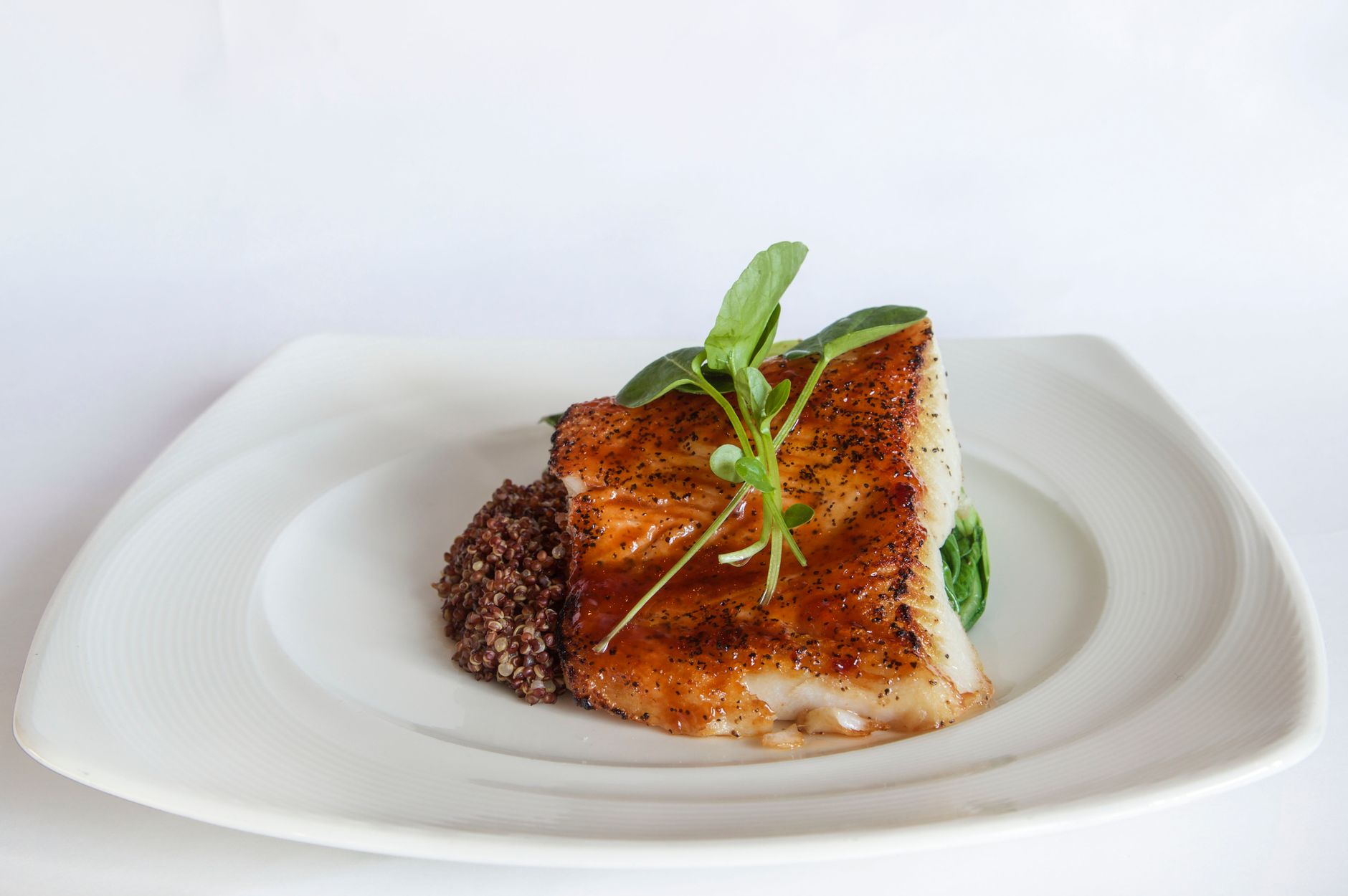
**Why this works:** The meals are rich in potassium (from fruits, veggies, and beans) and magnesium (from nuts and seeds), which help counteract sodium’s effects on blood pressure. For more protein-focused meals, see our low sodium 7-day meal plan with protein section later in this article.
---
Low sodium meal plan 7 day for pregnancy: Safe swaps and nutrient boosts
Pregnancy brings unique challenges — especially when it comes to sodium. While most women don’t need to restrict sodium unless they have gestational hypertension or preeclampsia, balancing fluids and electrolytes is key. The general guideline is to keep sodium under 2,300 mg/day, but listen to your provider’s advice.
One mom-to-be, Emily, struggled with morning sickness and swelling. "I thought I was drinking enough water, but my doctor said my sodium intake might be off. I didn’t want to cut out flavor entirely, so I focused on fresh, whole foods and homemade broths." Here’s how to adapt a low-sodium diet for pregnancy:
Day 1 (Pregnancy-Friendly)
- Breakfast: Scrambled eggs with sautéed spinach (use olive oil, no salt)
- Lunch: Grilled chicken Caesar salad with romaine, Parmesan (use no-salt-added), and a lemon-olive oil dressing
- Dinner: Baked cod with roasted carrots and wild rice
- Snack: Cottage cheese with pineapple (choose low-sodium brands)
Day 2 (Pregnancy-Friendly)
- Breakfast: Smoothie with unsweetened almond milk, frozen mango, and spinach
- Lunch: Lentil soup (homemade, no added salt) with a side of whole-grain bread
- Dinner: Stuffed bell peppers with lean ground turkey and quinoa
- Snack: Sliced bell peppers with hummus (check for low-sodium brands)
Pregnancy-specific tips:
- Choose low-sodium broths or make your own by simmering veggies and herbs
- Avoid processed deli meats (like ham or salami) unless labeled low-sodium
- Snack on fresh fruit (apples, bananas, oranges) instead of salty snacks
- If you’re craving something salty, try roasted chickpeas (unsalted) or air-popped popcorn (no salt added)
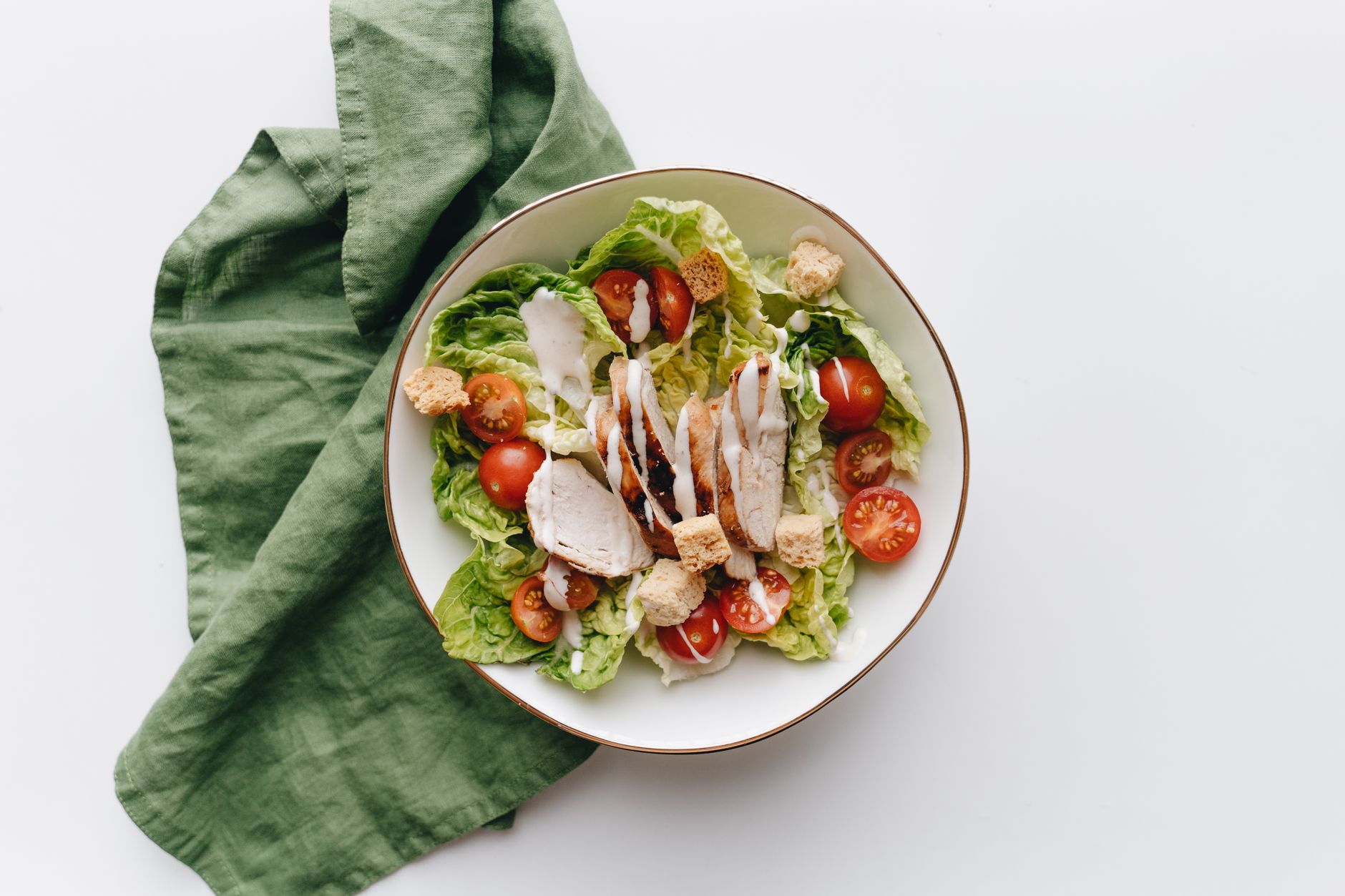
**Important note:** If you’re experiencing swelling or high blood pressure during pregnancy, your provider may recommend a strict low-sodium diet or additional monitoring. Always confirm with them before making changes.
---
Low sodium diet for kidney disease: Specialized meal planning
If you or a loved one is managing kidney disease, sodium restriction becomes even more critical. The kidneys play a key role in filtering excess sodium from the body, and when they’re compromised, sodium can build up, leading to fluid retention, high blood pressure, and further kidney damage. The general guideline for those with kidney disease is to limit sodium to 1,500–2,000 mg per day, but your nephrologist may recommend even stricter limits.
One reader, Lisa, shared her experience: "I was diagnosed with stage 3 kidney disease last year, and my nephrologist emphasized how important it was to cut back on sodium. At first, I felt like I was missing out on flavor, but I quickly learned that herbs, spices, and fresh ingredients could make all the difference. The biggest challenge was avoiding processed foods, but I found that meal prepping made it much easier."
Key adjustments for kidney disease:
- Focus on fresh, unprocessed foods like fruits, vegetables, and lean proteins
- Choose low-sodium canned goods or make your own by simmering veggies in water with herbs
- Limit phosphorus-rich foods like dairy, nuts, and processed meats, as these can also strain the kidneys
- Stay hydrated, but follow your provider’s guidance on fluid intake
- Use herbs and spices like turmeric, cumin, and basil to add flavor without salt
Day 1 (Kidney-Friendly)
- Breakfast: Scrambled tofu with sautéed zucchini and a sprinkle of nutritional yeast
- Lunch: Grilled chicken with a side of steamed carrots and a small portion of quinoa
- Dinner: Baked salmon with roasted asparagus and a side salad with olive oil dressing
- Snack: Fresh berries with a small handful of unsalted almonds
Pro tip:** If you’re on dialysis, your sodium needs may differ, so always follow your healthcare team’s recommendations. Many kidney-friendly recipes can be adapted for dialysis patients by adjusting portion sizes and fluid intake.
---
Low sodium 7 day meal plan grocery list: What to buy (and what to skip)
Shopping for a low-sodium diet can feel overwhelming, especially if you’re used to grabbing convenience foods. The key is to focus on fresh, whole foods and learn to read labels like a pro. Below is a 7-day grocery list organized by category, plus a few pro tips to save time.
Produce (Fresh or Frozen, No Salt Added)
- Leafy greens (spinach, kale, romaine)
- Bell peppers (3–4)
- Broccoli (2 heads or frozen)
- Brussels sprouts (1 lb)
- Carrots (1 lb)
- Zucchini (2)
- Cherry tomatoes (1 pint)
- Cucumber (2)
- Garlic (1 head)
- Ginger (small knob)
- Fresh herbs (basil, oregano, cilantro)
- Citrus fruits (lemons, limes, oranges)
Proteins
- Chicken breast (3 lbs)
- Ground turkey (1 lb, 93% lean)
- Salmon fillets (2)
- Cod or tilapia (2 fillets)
- Eggs (1 dozen)
- Unsalted nuts (almonds, walnuts, cashews)
- Unsalted seeds (chia, flax, pumpkin)
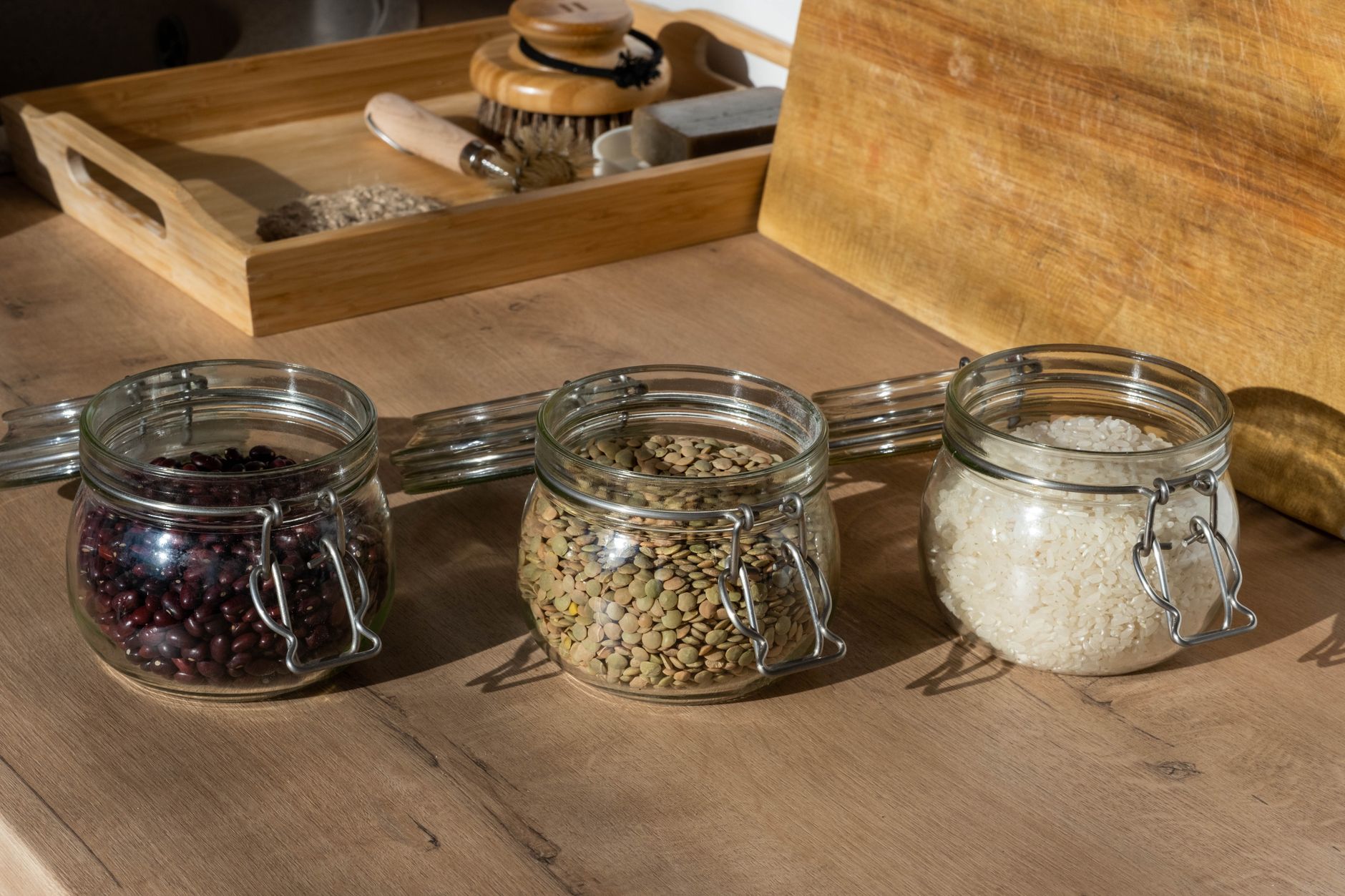
- Dried lentils or chickpeas (no salt added)
Grains & Starches
- Quinoa (1 lb)
- Brown rice (1 lb)
- Whole-grain bread (no-salt-added)
- Whole-grain tortillas (no-salt-added)
- Oats (rolled or steel-cut)
- Couscous or barley (for variety)
Dairy & Alternatives
- Unsalted cheese (feta, goat cheese, or Parmesan)
- Plain Greek yogurt (unsweetened, 2% fat)
- Unsweetened almond milk
- Cottage cheese (low-sodium)
- Unsalted butter or ghee
Pantry Staples
- Olive oil
- Avocado oil
- Coconut aminos (low-sodium soy sauce alternative)
- Balsamic vinegar
- Lemon juice
- Apple cider vinegar
- Dried herbs (Italian seasoning, thyme, rosemary)
- Spices (turmeric, cumin, paprika, black pepper)
Snacks
- Fresh fruit (apples, bananas, berries)
- Unsalted popcorn kernels
- Dark chocolate (85% or higher, no added salt)
- Seaweed snacks (check for no salt added)
- Roasted chickpeas (unsalted)
What to skip (or check labels for):
- Canned soups, beans, and vegetables (opt for fresh or frozen)
- Processed meats (bacon, sausage, deli meats unless labeled low-sodium)
- Salty snacks (chips, pretzels, crackers)
- Bread and rolls (choose no-salt-added or whole-grain)
- Frozen meals (almost always high in sodium)
- Condiments like soy sauce, ketchup, and BBQ sauce (use low-sodium alternatives)
Pro tip: Download a free app like MyFitnessPal or Cronometer to track sodium intake as you shop. Many grocery stores now label sodium content on produce stickers — take advantage of that!
**Need more meal ideas?** Check out our 7-Day GAPS Diet Meal Plan for another low-processed, nutrient-dense approach — though it’s not low-sodium by default, it’s a great starting point for whole foods!
---
Low sodium 7 day meal plan for beginners: Easy swaps to start today
If you’re new to low-sodium eating, the biggest hurdle isn’t the food — it’s the habit of reading labels and cooking from scratch. But don’t worry: You don’t have to give up flavor or convenience entirely. Here’s how to ease into it with simple swaps.
**Beginner’s first steps:**
- Start with one meal a day (e.g., dinner) and gradually expand. For example, swap your usual canned chili for a homemade version with ground turkey, beans, and tomatoes.
- Use herbs and spices liberally. Garlic, paprika, cumin, and black pepper add depth without sodium. Try a low-sodium spice blend (like Italian seasoning without added salt).
- Cook grains and beans from scratch. A pot of rice or lentils made at home is almost always lower in sodium than instant versions.
- Avoid the salt shaker. Even if you’re cooking low-sodium meals, adding salt at the table undoes the effort.
- Rinse canned beans. If you must use them, drain and rinse to remove up to 40% of the sodium.
**Easy beginner-friendly meals:**
- Breakfast: Avocado toast on whole-grain bread with a sprinkle of everything bagel seasoning (check for no-salt-added)
- Lunch: Tuna salad (with olive oil and lemon instead of mayo) on whole-grain crackers
- Dinner: Sheet-pan chicken and veggies with olive oil and rosemary
- Snack: Hard-boiled eggs with a dash of black pepper
**Common beginner mistakes (and how to fix them):**
- Mistake: Assuming "low-fat" means low-sodium. Fix: Check the label — some low-fat cheeses and yogurts have just as much sodium as full-fat versions.
- Mistake: Skipping flavor. Fix: Use citrus zest, fresh herbs, or a splash of vinegar to add brightness.
- Mistake: Relying on salt-free seasonings. Fix: Many "no salt added" products still contain sodium (e.g., some broths or sauces). Opt for homemade versions.
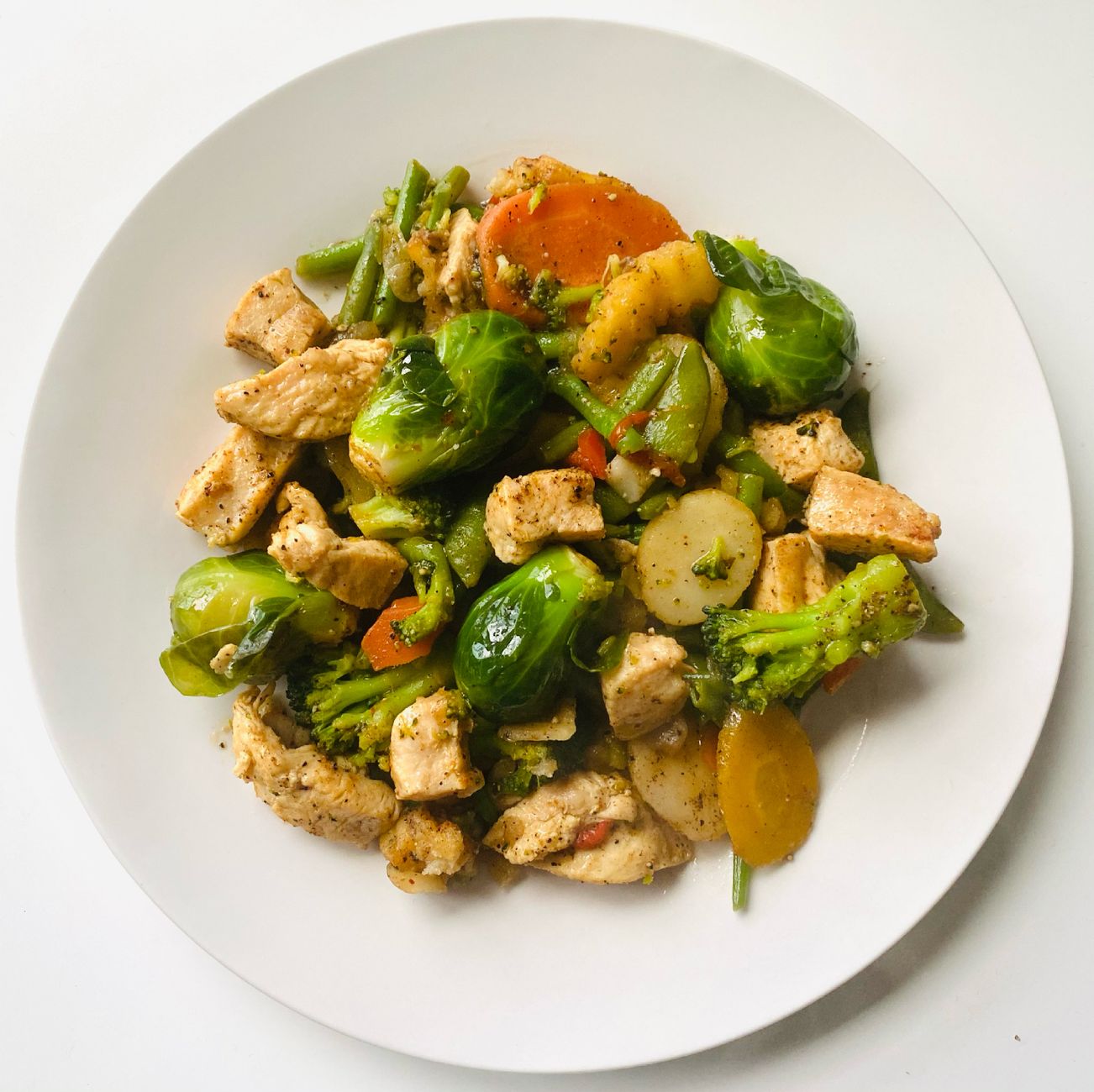
**Need more easy meal ideas?** Our 7-Day Low Carb Diet Meal Plan includes several naturally low-sodium options, like grilled fish and veggie stir-fries.
---
Low sodium 7 day meal plan with protein: Muscle-friendly meals
If you’re active, strength training, or simply trying to maintain muscle mass, protein is non-negotiable — but you can absolutely eat enough protein on a low-sodium diet. The key is choosing lean, unprocessed protein sources and balancing them with fiber-rich carbs and healthy fats. Below is a high-protein, low-sodium meal plan with 20–30g of protein per meal.
Day 1 (High-Protein)
- Breakfast: Scrambled eggs with spinach and feta (unsalted) + 1 slice whole-grain toast
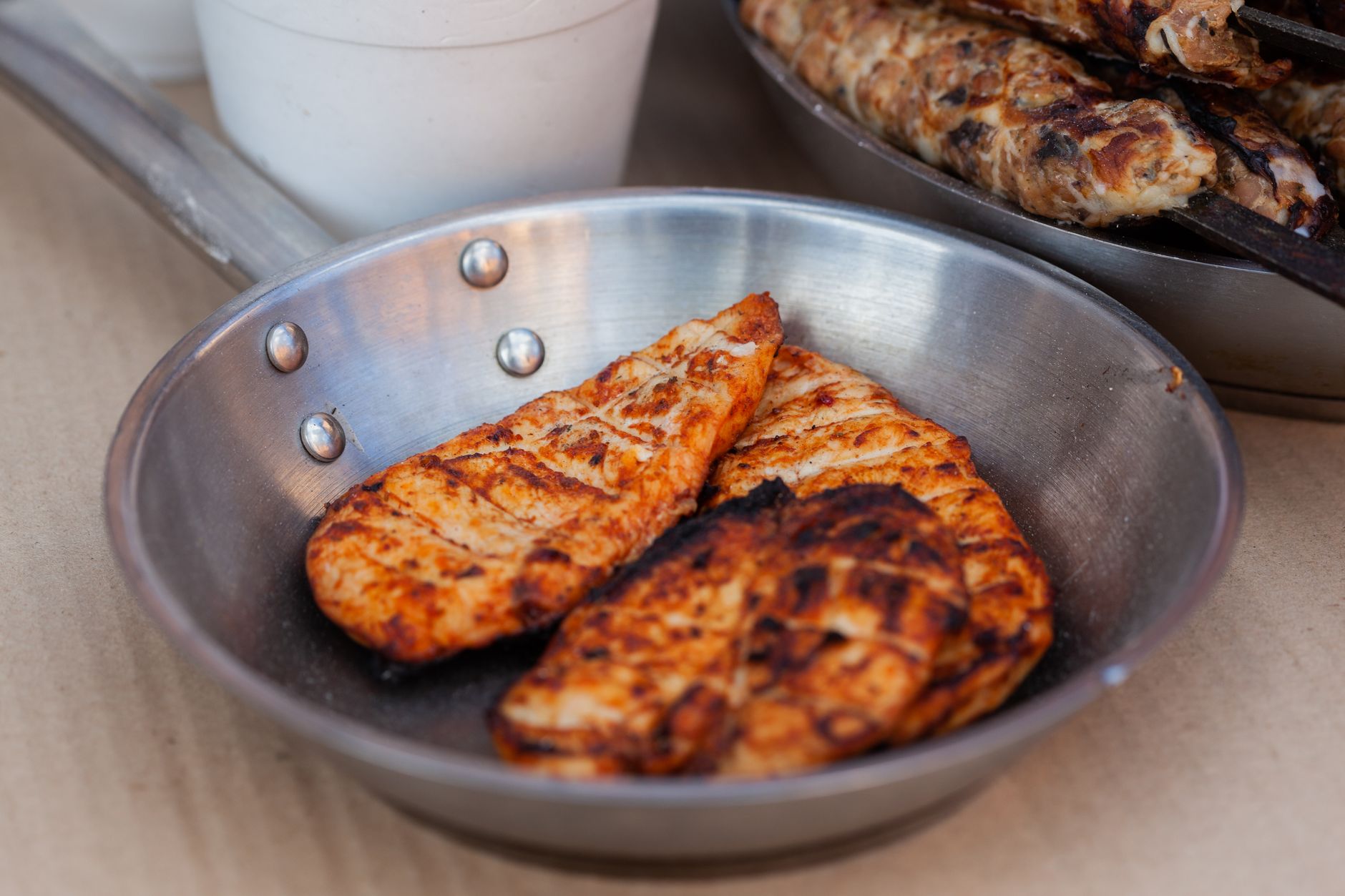
- Lunch: Grilled chicken breast with quinoa and roasted sweet potatoes
- Dinner: Baked salmon with asparagus and wild rice
- Snack: Greek yogurt with walnuts
Day 2 (High-Protein)
- Breakfast: Protein smoothie with unsweetened almond milk, frozen berries, and a scoop of vanilla protein powder (check for no-salt-added)
- Lunch: Turkey and avocado wrap in a whole-grain tortilla (no-salt-added)
- Dinner: Stir-fried tofu with broccoli and brown rice
- Snack: Cottage cheese with pineapple
Best low-sodium protein sources:
- Lean meats: Chicken breast, turkey, lean ground beef (90%+ lean)
- Fish: Salmon, cod, tilapia, shrimp
- Plant-based: Tofu, tempeh, lentils, chickpeas (rinse canned beans)
- Dairy: Greek yogurt (unsweetened), cottage cheese (low-sodium), eggs
- Nuts & seeds: Almonds, walnuts, chia seeds, pumpkin seeds
Protein-packed tips:
- Use herbal seasonings (like smoked paprika or garlic powder) to enhance flavor without salt.
- Opt for homemade protein shakes with unsweetened almond milk and fresh fruit instead of store-bought.
- Choose no-salt-added canned tuna or chicken for quick meals.
- Add beans or lentils to soups and stews for extra protein and fiber.
 ---
Low sodium diet spice guide: Flavor without the salt
One of the biggest challenges of a low-sodium diet is keeping meals flavorful without relying on salt. The good news is that there are countless herbs, spices, and natural flavor boosters that can transform your dishes without adding sodium. Below is a comprehensive guide to the best low-sodium spices and how to use them:
Herbs:
- Fresh basil – Perfect for salads, pesto, and tomato-based dishes
- Fresh cilantro – Brightens up soups, tacos, and Asian-inspired dishes
- Fresh parsley – Adds a fresh, clean flavor to almost any dish
- Fresh dill – Essential for fish, yogurt sauces, and pickles
- Fresh mint – Great for teas, salads, and Middle Eastern dishes
Spices:
- Garlic powder – Use 1/4 teaspoon for every clove of fresh garlic
- Onion powder – Adds depth to soups, stews, and marinades
- Paprika – Sweet or smoked, great for roasted vegetables and meats
- Cumin – Essential for Mexican, Indian, and Middle Eastern dishes
- Turmeric – Anti-inflammatory and perfect for curries and rice dishes
- Cinnamon – Adds warmth to oatmeal, smoothies, and baked goods
- Nutmeg – A little goes a long way in soups, sauces, and desserts
- Black pepper – Always a safe bet for adding a little kick
Natural flavor boosters:
- Citrus zest and juice – Brightens up salads, dressings, and marinades
- Apple cider vinegar – Adds tang to dressings, sauces, and marinades
- Balsamic vinegar – Great for drizzling over salads and roasted vegetables
- Lemon juice – A versatile addition to almost any dish
- Worcestershire sauce (low-sodium) – Use sparingly in marinades and sauces
- Hot sauce – Adds heat without sodium (check labels for added salt)
Pro tip:** Create your own low-sodium spice blends to keep on hand. For example, mix equal parts garlic powder, onion powder, paprika, and cumin for a versatile seasoning blend. Store in an airtight container for up to 3 months.
**Example flavorful low-sodium meals using these spices:**
- Lemon-herb grilled chicken – Marinate chicken in olive oil, lemon juice, fresh herbs, garlic powder, and black pepper
- Turmeric-roasted sweet potatoes – Toss sweet potatoes with olive oil, turmeric, cumin, and a pinch of black pepper before roasting
- Cumin-lime black beans – Cook black beans with cumin, lime juice, and garlic powder for a flavorful side dish
- Garlic-parsley yogurt sauce – Mix Greek yogurt with garlic powder, fresh parsley, lemon juice, and black pepper for a tangy dip
---
Low sodium 7 day meal plan for weight loss: Calorie-conscious swaps
Losing weight on a low-sodium diet is totally doable — and often easier than you think. Many processed "low-fat" or "diet" foods are packed with sodium to compensate for flavor. The good news? Fresh, whole foods are naturally lower in sodium and higher in volume, helping you feel fuller longer. Below is a weight-loss-friendly 7-day plan with under 2,000 calories per day and 1,500 mg sodium or less.
Day 1 (Weight Loss)
- Breakfast: Greek yogurt with berries and a drizzle of honey
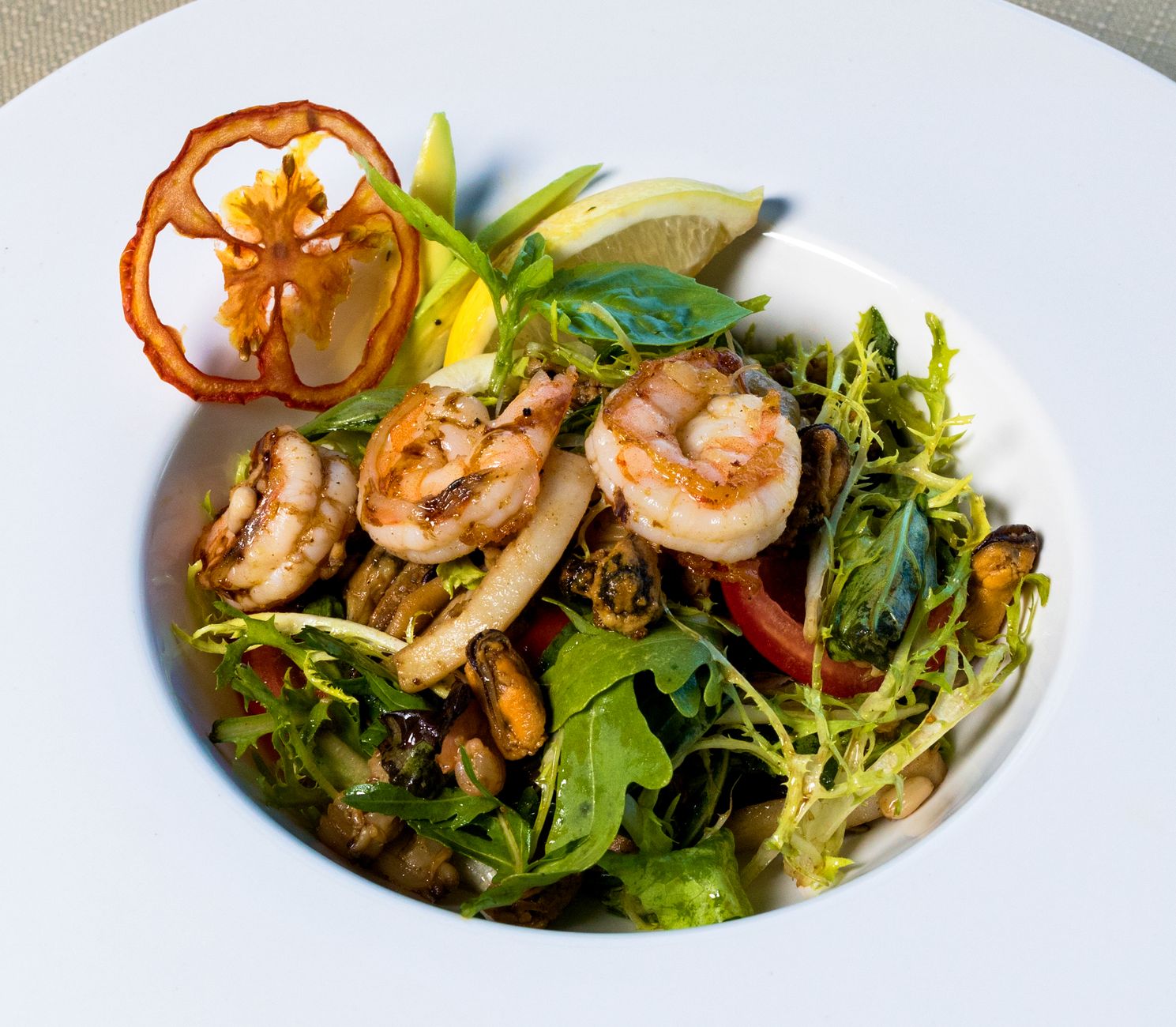
- Lunch: Grilled shrimp salad with mixed greens, cucumber, and lemon-olive oil dressing
- Dinner: Baked chicken with roasted zucchini and cauliflower rice
- Snack: Sliced apple with cinnamon
Day 2 (Weight Loss)
- Breakfast: Scrambled tofu with sautéed spinach and turmeric
- Lunch: Turkey lettuce wraps with avocado and salsa (no salt added)
- Dinner: Grilled cod with asparagus and quinoa
- Snack: Handful of unsalted almonds
Weight loss tips for low-sodium diets:
- Focus on high-volume, low-calorie foods like leafy greens, cucumbers, and zucchini to stay full.
- Avoid low-fat dressings or sauces (they often have more sodium than full-fat versions).
- Use vinegar or citrus juice instead of salt to add tang.
- Portion control is key — even healthy foods can add up in calories.
- Stay hydrated with water, herbal tea, or infused water (add lemon or cucumber).
Common weight-loss pitfalls:
- Mistake: Choosing "low-fat" snacks. Fix: Many low-fat foods (like cheese or yogurt) have added sodium to replace fat. Opt for full-fat unsalted options in moderation.
- Mistake: Skipping meals to "save" calories. Fix: This can lead to overeating later. Focus on balanced meals with protein and fiber.
- Mistake: Relying on diet pills or "detox" teas. Fix: These often contain hidden sodium or diuretics that can backfire.
 ---
Low sodium diet benefits: What you gain beyond blood pressure
Lowering sodium isn’t just about managing hypertension — it can improve digestion, skin health, and even mental clarity. Here’s what science says you might gain:
1. Better blood pressure and heart health




