

Quick take: The low FODMAP diet is a temporary, evidence-backed way to ease bloating, gas, and digestive discomfort — especially during pregnancy, postpartum, or breastfeeding. Start with easy-to-digest foods like green leafy vegetables, carrot sticks, and lactose-free dairy, and avoid high-FODMAP triggers like onions, garlic, and most beans. For new moms, focus on quick-prep meals and snacks that stabilize blood sugar to support both your digestion and milk supply. Always check with your provider before making dietary changes, especially while pregnant or breastfeeding.Low FODMAP Diet Food List for Beginners: The Complete 2026 Guide
It was 2 a.m., and you were curled on the couch with your fourth cup of tea, staring at the clock like it held the secrets of the universe. Your belly felt like a balloon animal that had been inflated one too many times. You had just finished a "healthy" smoothie with banana and spinach, and now you were paying for it with cramps that made you wonder if you’d ever sit down comfortably again. Sound familiar?
If you’re dealing with pregnancy-related bloating, postpartum digestive chaos, or IBS symptoms that feel like they’ve hijacked your life, you’re not alone. The low FODMAP diet isn’t just another fad—it’s a clinically proven strategy to quiet an overactive gut. But with so many conflicting lists online, it’s hard to know where to start. That’s why we’ve created this comprehensive, beginner-friendly guide to the low FODMAP diet, packed with practical food lists, meal prep ideas, and tips to make the transition smooth (and sustainable).
Whether you’re navigating pregnancy bloating, breastfeeding digestion, or postpartum recovery, this article will help you build a gentle, nourishing plan that eases your symptoms without leaving you feeling deprived. Let’s dive in.
--- ## **What Are the Best Low FODMAP Foods to Start With for Pregnancy-Related Bloating?**
Pregnancy hormones can turn your gut into a pressure cooker, and if you’re already managing IBS or sensitive digestion, the combination can feel overwhelming. The good news? The low FODMAP diet is one of the few evidence-backed approaches to reduce bloating and gas during pregnancy. But where do you begin?
Start with low-FODMAP foods that are also nutrient-dense to support both your digestion and your baby’s growth. Here’s a quick starter list:
- Vegetables: Spinach, zucchini, carrots, cucumber, bell peppers, lettuce (romaine, butter), and green beans.
- Fruits: Blueberries, strawberries, oranges, kiwi (in moderation), and watermelon.
- Proteins: Chicken, turkey, fish (salmon, cod), eggs, and tofu.
- Grains: Rice (white or brown), quinoa, oats (certified gluten-free), and gluten-free pasta.
- Dairy Alternatives: Lactose-free milk, lactose-free yogurt, and hard cheeses like cheddar or parmesan.
- Healthy Fats: Olive oil, avocado, and nuts (almonds, cashews, walnuts—in moderation).
**Pro tip:** If you’re dealing with morning sickness and nausea, focus on small, frequent meals of bland but low-FODMAP foods like ginger tea, toast with almond butter, or crackers with lactose-free yogurt. These can help settle your stomach without triggering bloating.
For more gentle meal ideas, check out our DASH diet food list—it shares similar principles for digestive ease.
--- ## **Can I Eat Bananas on a Low FODMAP Diet While Breastfeeding Without Digestive Issues?**
This is one of the most common questions we hear—and the answer is it depends. Bananas are high in FODMAPs, particularly the fructose and sorbitol content, which can trigger bloating or digestive discomfort in sensitive individuals. However, green bananas (unripe) are lower in FODMAPs than ripe ones, making them a slightly better option for some breastfeeding moms.
**Here’s the breakdown:** - Ripe bananas (yellow with brown spots): High in FODMAPs—avoid if you’re sensitive. - Green bananas (unripe): Lower in FODMAPs—safe in small amounts (about ½ cup per serving). - Banana alternatives: Blueberries, strawberries, or papaya (in moderation) are better low-FODMAP choices.
**Why does this matter for breastfeeding moms?** Your digestion affects your milk supply. If bloating or gas is keeping you up at night, it can indirectly impact your energy and milk production. That’s why focusing on gentle, low-FODMAP foods can help you feel more comfortable while supporting your body’s needs.
If you’re curious about other low-FODMAP snacks for gestational diabetes, we’ve got a dedicated section below—plus tips on how to stabilize blood sugar without triggering digestive issues.
--- ## **How Does a Low FODMAP Diet Help with IBS Symptoms During Early Pregnancy?** If you’ve been diagnosed with IBS (or suspect you might have it), early pregnancy can feel like a double whammy—your gut is already sensitive, and hormones are making everything worse. The low FODMAP diet works by eliminating fermentable carbs that feed gut bacteria, which can reduce bloating, gas, and abdominal pain.**Here’s how it helps specifically during pregnancy:** - Reduces gut inflammation caused by high-FODMAP foods like onions, garlic, and apples. - Eases constipation by focusing on hydrating, fiber-rich low-FODMAP foods like prunes (in moderation) and chia seeds. - Stabilizes bowel movements by avoiding foods that trigger diarrhea or cramping.
**What to expect:** - Symptoms should improve within 2–4 weeks of strictly following the diet. - If you don’t see improvement, your provider may recommend testing for other conditions like SIBO (small intestinal bacterial overgrowth) or food intolerances.
**Warning:** If you experience severe constipation or blood in your stool, contact your provider immediately—these could indicate a more serious issue.
For more on managing digestive comfort during pregnancy, check out our Mediterranean diet guide, which shares similar principles for gut health.
--- ##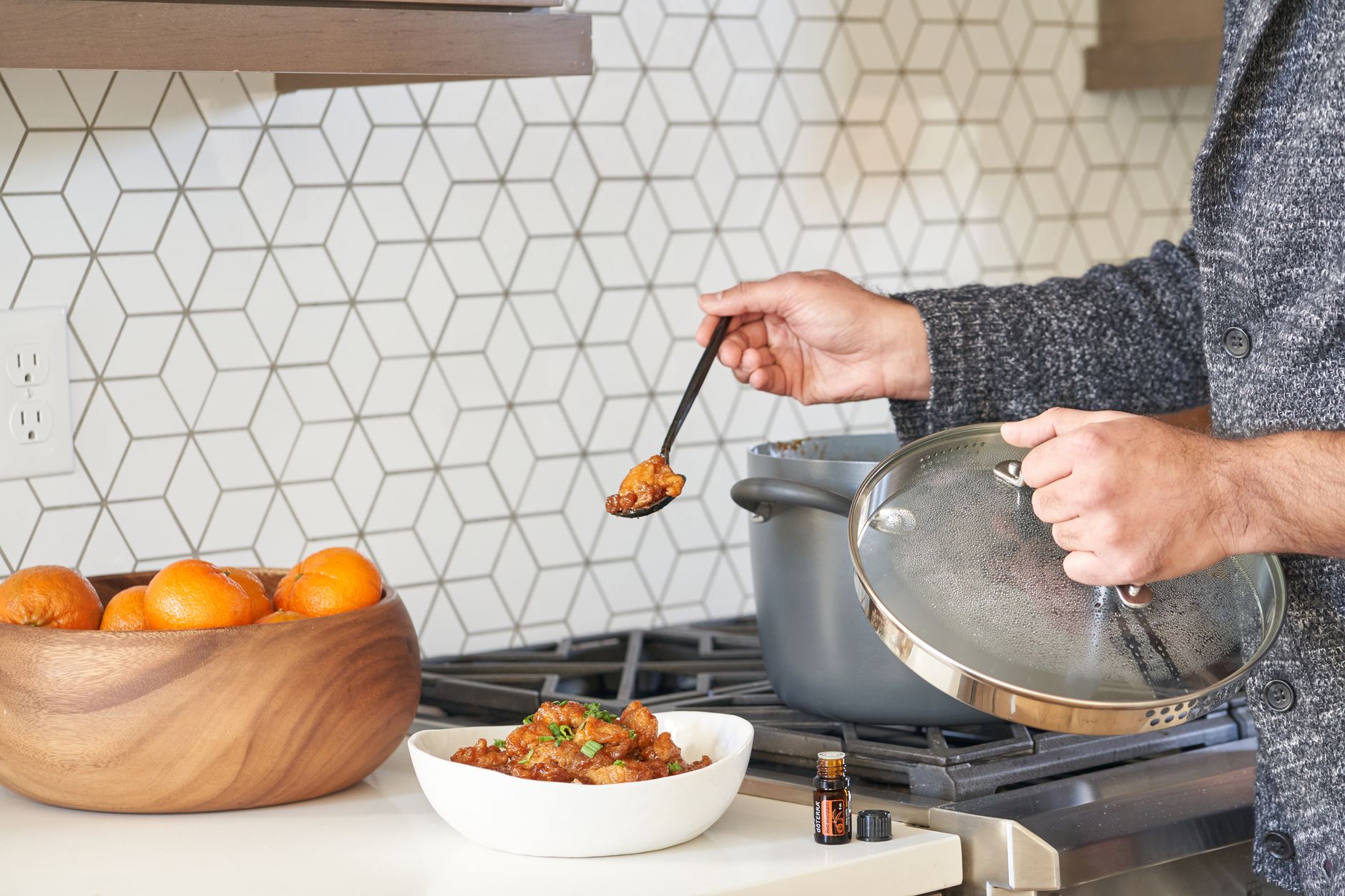 **What Are the Easiest Low FODMAP Meal Prep Ideas for New Moms with Limited Time?**
Let’s be real—new moms don’t have time for elaborate cooking. That’s why we’ve curated five grab-and-go low-FODMAP meal prep ideas that take less than 30 minutes to make and keep well in the fridge:
-
Slow-Cooker Chicken and Rice:
- Use white rice and shredded chicken.
- Add carrots, zucchini, and lactose-free broth for flavor.
- Cook on low for 6–8 hours. Freezes well for up to 3 months.
-
Hard-Boiled Eggs and Avocado Wraps:
- Use gluten-free tortillas (check labels for low-FODMAP certification).
- Fill with mashed avocado, hard-boiled eggs, and lettuce.
- Wrap tightly in foil and store in the fridge for up to 3 days.
-
Baked Salmon with Quinoa:
- Season salmon with olive oil, salt, and lemon juice (use sparingly).
- Bake at 375°F (190°C) for 12–15 minutes.
- Serve with cooked quinoa and steamed green beans.
-
Lactose-Free Yogurt Parfaits:
- Layer lactose-free yogurt, blueberries, and gluten-free granola.
- Store in small containers for a quick snack.
-
Turkey and Cheese Roll-Ups:
- Use sliced turkey breast and lactose-free cheese.
- Roll tightly and secure with toothpicks.
- Wrap in parchment paper for easy grab-and-go.
**Pro tip:** Batch-cook grains like rice and quinoa on Sundays, and store them in the fridge for up to 5 days. This way, you can quickly assemble meals with prepped proteins and veggies.
For more quick and easy meal ideas, our keto food list has similar no-fuss recipes perfect for busy schedules.
--- ## **Are There Any Low FODMAP Snacks That Help with Gestational Diabetes Symptoms?** Gestational diabetes can make blood sugar management a constant juggle, and the wrong snacks can send your levels skyrocketing—or leave you feeling hangry and irritable. The key is low-FODMAP snacks that are also low-glycemic to keep your energy steady.**Here’s a list of the best low-FODMAP snacks for gestational diabetes:** - Hard-boiled eggs (with a sprinkle of salt) - Lactose-free yogurt with walnuts (½ cup max) - Rice cakes with almond butter - Cheese cubes (cheddar or gouda) with cucumber slices - Olives and lactose-free crackers - Carrot sticks with hummus (check for low-FODMAP brands) - Blueberries with a small handful of almonds
**Avoid:** - High-sugar fruits like mangoes, pears, and apples. - Processed snacks with hidden high-FODMAP ingredients (always check labels!).
**Why this matters:** Stabilizing blood sugar helps reduce cravings and keeps your energy up—critical for managing both gestational diabetes and digestive comfort.
--- ## **How to Transition Into a Low FODMAP Diet Without Feeling Deprived or Fatigued** The biggest challenge with the low FODMAP diet is feeling like you’re missing out. The key is to focus on variety, flavor, and nutrition—not restriction. Here’s how to make the transition smoother:- Start slow: Swap one high-FODMAP food for a low-FODMAP alternative each day. For example, replace garlic bread with olive oil and herbs on toast.
- Experiment with spices: Use cumin, ginger, turmeric, and basil to add flavor without triggering digestive issues.
- Prioritize protein and healthy fats: These keep you full and energized. Think salmon, eggs, avocado, and nuts.
- Stay hydrated: Dehydration worsens bloating. Aim for 8–10 cups of water daily, and sip herbal teas like peppermint or ginger.
- Listen to your body: If you feel fatigued, it might be a sign of nutrient deficiencies (like iron or B12). Consider a prenatal vitamin or blood test if symptoms persist.
**Myth:** "I have to give up all my favorite foods forever."
Fact: The low FODMAP diet is temporary. Once you’ve identified your triggers, you can reintroduce foods gradually. Many women find they can tolerate some high-FODMAP foods in moderation after the initial elimination phase.
--- ## **What Are the Worst High-FODMAP Foods to Avoid During Postpartum Recovery?** Postpartum recovery is tough enough without digestive issues making it harder. These are the top high-FODMAP culprits to avoid until your gut feels more stable: Vegetables to limit: - Onions, garlic, leeks, mushrooms, asparagus, artichokes, Brussels sprouts. Fruits to avoid: - Apples, pears, watermelon (ripe), cherries, peaches, plums, mangoes. Proteins to watch: - Most beans (chickpeas, lentils, kidney beans), cashews (in large amounts), and some nuts (macadamias, pistachios). Dairy to avoid (if lactose-sensitive): - Milk, ice cream, soft cheeses (like ricotta or cottage cheese), and yogurt. Grains to limit: - Wheat, rye, barley, and most high-fiber cereals.**Why this matters:** These foods can cause severe bloating, gas, and even diarrhea postpartum, which can disrupt your healing and energy levels. If you’re breastfeeding, digestive discomfort can also affect your milk supply indirectly.
--- ## **How Does a Low FODMAP Diet Impact Lactation and Milk Supply for Breastfeeding Moms?** Here’s the good news: a well-balanced low FODMAP diet doesn’t negatively impact milk supply—as long as you’re still consuming enough calories and nutrients. However, some high-FODMAP foods can contribute to digestive discomfort, which may indirectly affect your energy and milk production.**Key considerations for breastfeeding moms:** - Stay hydrated: Dehydration reduces milk supply. Aim for at least 10 cups of water daily. - Prioritize healthy fats: Avocados, olive oil, and nuts (in moderation) support hormone production and milk fat content. - Monitor your energy levels: If you’re feeling fatigued, it might be a sign you need more protein or iron-rich foods (like spinach or lean meats). - Avoid extreme restriction: Cutting out entire food groups can lead to nutrient deficiencies. Focus on variety within the low-FODMAP guidelines.
**Myth:** "A low FODMAP diet will make my milk taste bad."
Fact: Your milk’s flavor is influenced by your diet, but low-FODMAP foods like rice, quinoa, and chicken still provide all the nutrients your baby needs. Some moms report their milk tastes slightly different, but it’s still safe and nourishing.
--- ## **Low FODMAP Foods List for Pregnancy Bloating and Gas Relief** Here’s a comprehensive, printable-friendly list of low-FODMAP foods to keep your digestion happy during pregnancy: ### **✅ Safe Low-FODMAP Foods** Vegetables: - Spinach, zucchini, carrots, cucumber, bell peppers, lettuce (romaine, butter), green beans, celery, bok choy. Fruits: - Blueberries, strawberries, oranges, kiwi (½ cup max), watermelon (ripe), grapes (1 cup max), pineapple (½ cup max). Proteins: - Chicken, turkey, beef, pork, fish (salmon, cod, tuna), eggs, tofu (firm), tempeh. Grains: - White rice, brown rice, quinoa, gluten-free oats, gluten-free pasta, corn tortillas. Dairy Alternatives: - Lactose-free milk, lactose-free yogurt, hard cheeses (cheddar, gouda, parmesan), lactose-free butter. Healthy Fats: - Olive oil, avocado, almonds (10–12 max), cashews (10–12 max), walnuts (small handful), chia seeds (1 tbsp max). Snacks: - Rice cakes, popcorn (plain), olives, lactose-free crackers, hard-boiled eggs, lactose-free yogurt with berries. ### **⚠️ Low-FODMAP in Moderation** - Bananas (green, ½ cup max) - Mango (½ cup max) - Honey (1 tbsp max) - Walnuts (small handful) ### **❌ High-FODMAP Foods to Avoid** Vegetables: - Onions, garlic, leeks, mushrooms, asparagus, artichokes, Brussels sprouts, cabbage. Fruits: - Apples, pears, watermelon (overripe), cherries, peaches, plums, mangoes, pineapple (large amounts). Proteins: - Beans (chickpeas, lentils, kidney beans), cashews (large amounts), macadamias, pistachios. Dairy: - Regular milk, ice cream, soft cheeses (ricotta, cottage cheese), cream. Grains: - Wheat, rye, barley, most high-fiber cereals. --- ## **Low FODMAP Meal Plan for Breastfeeding Moms with Lactose Intolerance** If you’re breastfeeding and also dealing with lactose intolerance, this 7-day meal plan ensures you’re getting enough nutrients without triggering digestive issues:| Day | Breakfast | Lunch | Dinner | Snacks |
|---|---|---|---|---|
| Monday | Scrambled eggs with spinach and lactose-free cheese | Grilled chicken with quinoa and steamed carrots | Baked salmon with rice and roasted zucchini | Lactose-free yogurt with blueberries, rice cakes with almond butter |
| Tuesday | Oatmeal with lactose-free milk and chia seeds | Turkey and cheese roll-ups with cucumber slices | Stir-fried tofu with brown rice and bok choy | Hard-boiled eggs, olives, popcorn |
| Wednesday | Smoothie with lactose-free yogurt, strawberries, and almond milk | Grilled chicken salad with romaine, avocado, and olive oil | Beef and vegetable stir-fry with quinoa | Cheese cubes with carrot sticks, lactose-free crackers |
| Thursday | Avocado toast on gluten-free bread with a fried egg | Lentil-free chickpea-free soup (made with carrots, celery, and lactose-free broth) with rice | Baked cod with mashed potatoes (made with lactose-free butter) and green beans | Blueberries with walnuts, rice cakes with peanut butter |
| Friday | Greek yogurt (lactose-free) with gluten-free granola and strawberries | Quinoa salad with grilled chicken, cucumber, and olive oil | Turkey meatballs with gluten-free pasta and marinara (low-FODMAP) | Popcorn, lactose-free yogurt with honey (1 tbsp) |
| Saturday | Chia pudding with lactose-free milk and blueberries | Grilled shrimp with rice and steamed bok choy | Stuffed bell peppers with ground turkey and rice | Cheese and crackers, hard-boiled eggs |
| Sunday | Omelet with spinach, mushrooms (in moderation), and lactose-free cheese | Lettuce wraps with ground beef, avocado, and gluten-free tortilla chips | Baked chicken with roasted carrots and quinoa | Rice cakes with almond butter, lactose-free yogurt with walnuts |
Why it works: High in protein, low in FODMAPs, and ready in under 10 minutes.
### **2. Slow-Cooker Chicken and Rice** Ingredients: - 1 lb chicken breast, diced - 1 cup white rice - 2 cups lactose-free chicken broth - 1 cup diced carrots - 1 cup diced zucchini - 1 tbsp olive oil - Salt and pepper to taste Instructions: 1. Add all ingredients to the slow cooker. 2. Cook on low for 6–8 hours or high for 3–4 hours. 3. Shred the chicken and mix gently. 4. Store in the fridge for up to 4 days or freeze for later.Why it works: A one-pot meal that’s gentle on digestion and easy to reheat.
### **3. No-Bake Energy Balls** Ingredients: - 1 cup gluten-free oats - ½ cup almond butter (no added sugar) - ¼ cup honey - 2 tbsp chia seeds - 1 tbsp flaxseeds - 1 tsp vanilla extract - 2 tbsp lactose-free yogurt (optional, for binding) Instructions: 1. Mix all ingredients in a bowl. 2. Roll into 1-inch balls. 3. Chill in the fridge for 1 hour. 4. Store in an airtight container for up to a week.Why it works: A quick, no-bake snack that’s perfect for on-the-go moms.
--- ## **Low FODMAP Foods That Help with Morning Sickness and Nausea** Morning sickness can make eating feel impossible, but low-FODMAP foods that are bland but nourishing can help settle your stomach. Try these:- Ginger tea (sip small amounts throughout the day).
- Toast with almond butter (easy to digest and keeps blood sugar stable).
- Lactose-free crackers (eat before getting out of bed).
- Banana (green, unripe) (½ cup max).
- Carrot sticks with hummus (low-FODMAP brand) (gentle on the stomach).
- Hard-boiled eggs (easy to eat and high in protein).
- Peppermint tea (helps with nausea and bloating).
**Avoid:** Strong-smelling foods (like garlic or onions), spicy foods, and high-fat meals, as they can worsen nausea.
--- ## **Low FODMAP Diet for Postpartum Women with Severe Constipation** If you’re struggling with chronic constipation postpartum, the low FODMAP diet can help—but you’ll need to focus on hydration, fiber (in moderation), and gentle stimulation:- Drink plenty of water: Aim for 8–10 cups daily. Herbal teas like senna (in moderation) can help, but avoid overusing them.
- Eat soluble fiber: Low-FODMAP options include chia seeds (1 tbsp max), flaxseeds, and oats.
- Prioritize movement: Gentle walks after meals can stimulate digestion.
- Avoid high-FODMAP foods: These can worsen constipation by drawing water into the gut.
- Consider a stool softener: If constipation persists, ask your provider about safe options like docusate sodium.
**Myth:** "I have to cut out all fiber to avoid bloating."
Fact: You still need some fiber—just focus on soluble fiber (like oats and chia seeds) rather than insoluble fiber (like whole wheat).
--- ## **Myth vs. Fact: Common Low FODMAP Misconceptions**Myth: "The low FODMAP diet is just another fad diet."
Fact: The low FODMAP diet is clinically proven by Monash University to help manage IBS and digestive issues. It’s not a weight-loss diet but a temporary elimination strategy to identify triggers.
Myth: "I can’t eat any fruits or vegetables on a low FODMAP diet."
Fact: You can eat many safe low-FODMAP veggies and fruits like spinach, carrots, blueberries, and strawberries. The key is portion control and avoiding high-FODMAP triggers.
Myth: "The low FODMAP diet will make my milk taste bad if I’m breastfeeding."
Fact: Your milk’s flavor is influenced by your diet, but low-FODMAP foods like rice, chicken, and avocado still provide all the nutrients your baby needs. Some moms report their milk tastes slightly different, but it’s still safe and nourishing.
Myth: "I have to follow the low FODMAP diet forever."
Fact: The diet is temporary. After 2–8 weeks of elimination, you reintroduce foods one by one to identify your personal triggers. Many people find they can tolerate some high-FODMAP foods in moderation afterward.
--- ## **Key Takeaways: Your Low FODMAP Checklist** Here’s a quick recap of what you need to know:- Start slow: Swap one high-FODMAP food for a low-FODMAP alternative each day to avoid feeling overwhelmed.
- Prioritize hydration: Drink plenty of water and herbal teas to support digestion and milk supply.
- Focus on protein and healthy fats: These keep you full and energized without triggering bloating.
- Meal prep in batches: Cook grains and proteins ahead of time to save energy during busy days.
- Listen to your body: If you feel fatigued or constipated, it might be a sign you need more iron or fiber (in moderation).
- Reintroduce foods gradually: After 2–8 weeks, work with a dietitian to test your tolerance for high-FODMAP foods.


