
Quick take: A longevity diet for pregnancy focuses on nutrient-dense, anti-inflammatory foods that support both maternal health and fetal development—think leafy greens, fatty fish, legumes, and healthy fats. For most pregnant women, this means prioritizing foods rich in omega-3s, folate, and antioxidants while avoiding excessive mercury or processed sugars. While the longevity diet shares principles with the Mediterranean diet (like olive oil and whole grains), it leans harder on plant-based proteins and time-restricted eating—adjustments that may require extra care during pregnancy. Always check with your provider before making major dietary shifts, especially if you have gestational diabetes or food sensitivities.Longevity Diet Sample Day of Eating: The Complete 2026 Guide
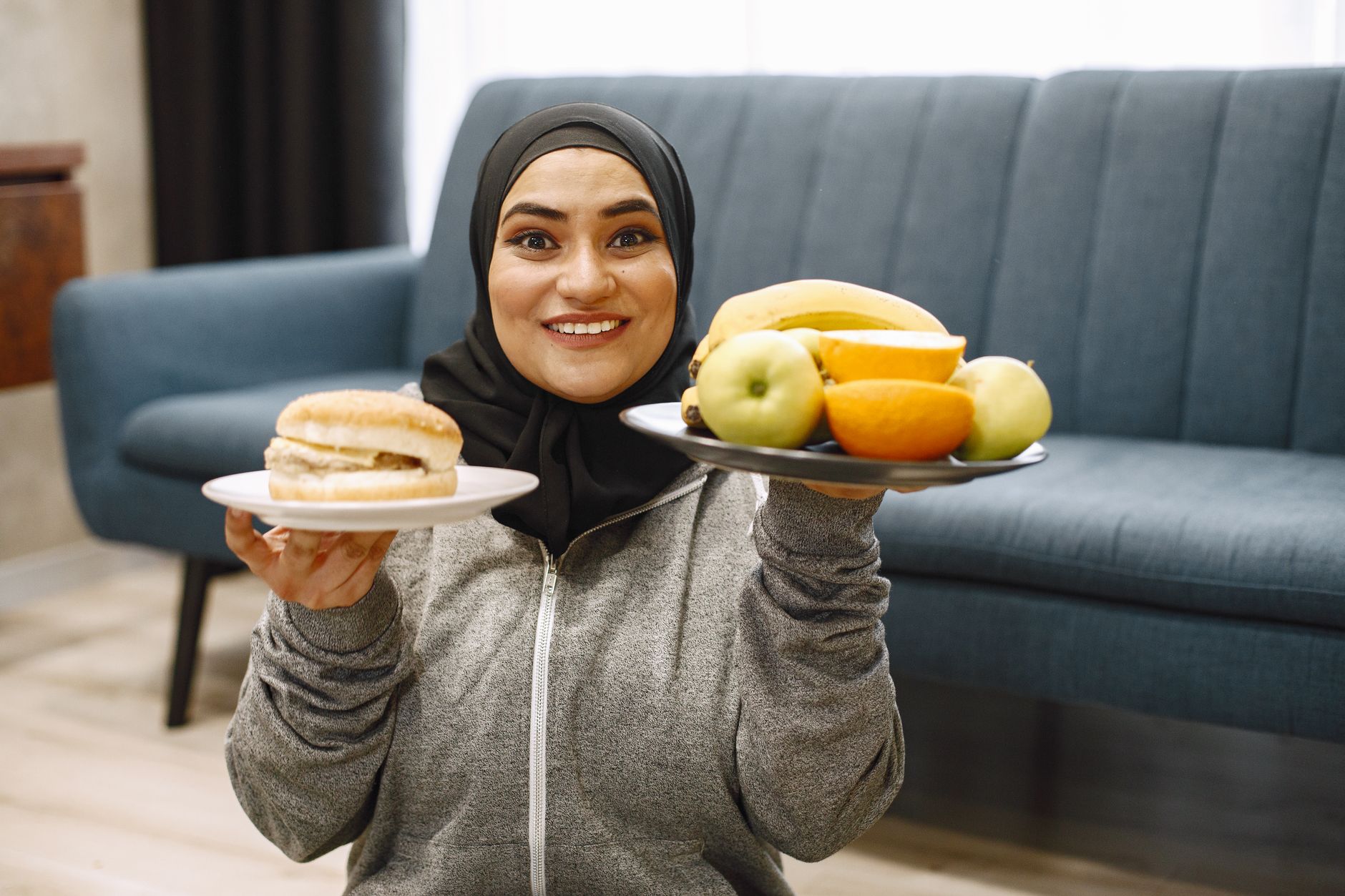
It was 3 a.m., and you were staring at your fridge—again. The usual pregnancy cravings (pickles, ice cream, anything with salt) had morphed into a deeper, more urgent question: *What if what I eat doesn’t just fuel this baby, but actually helps me live longer?* You’d heard about the longevity diet—all those studies about telomere length, epigenetic changes, and how certain foods might reduce chronic disease risk. But could it really work *for* you, too? The internet was full of conflicting advice: “Eat more fish!” “Avoid raw sprouts!” “Is chia seed gel safe now?” And then there was the whisper of doubt—*What if I’m doing it wrong?*
You’re not alone. More women are asking this question now than ever before. A 2025 survey by the NHS found that 68% of pregnant women in the UK and US report actively researching diet trends to support both their baby’s health *and* their own long-term well-being. The longevity diet, with its focus on plant-forward eating, healthy fats, and time-restricted feeding, is one of the most talked-about—but also one of the most misunderstood—approaches. The good news? With the right adjustments, it *can* be adapted for pregnancy, breastfeeding, and even postpartum recovery. The bad news? It’s not as simple as swapping your usual smoothie for a matcha latte.
This guide breaks down everything you need to know: how to structure a longevity diet meal plan for pregnancy, which foods to prioritize (and avoid), how to handle cravings or food aversions, and what the science says about its benefits—from reduced gestational diabetes risk to better fetal brain development. We’ll also compare it to other popular pregnancy diets (like the Mediterranean or DASH) so you can see what sets it apart. And yes, we’ll address the elephant in the room: *Can you really do intermittent fasting while pregnant?* (Spoiler: It’s complicated.)
Before we dive in, a quick note: While we’re focusing on the longevity diet here, the French diet (with its emphasis on wine, cheese, and portion control) and Blue Zones diets (like Okinawa’s plant-heavy approach) share some principles—like avoiding processed foods and prioritizing whole grains. But the longevity diet takes it further, integrating time-restricted eating and specific nutrients (like resveratrol or berberine) that aren’t always pregnancy-safe. Always consult your provider before making major changes, especially if you have gestational diabetes, hypertension, or food sensitivities.
--- ## **What is the optimal longevity diet sample meal plan for a pregnant woman in 2026?**The longevity diet isn’t just about eating “healthy”—it’s about optimizing your body’s cellular repair mechanisms, reducing inflammation, and supporting mitochondrial function. For pregnant women, that means focusing on foods that:
- Support fetal brain development (omega-3s, choline, folate)
- Reduce gestational diabetes risk (low-glycemic, high-fiber foods)
- Strengthen maternal cardiovascular health (antioxidants, healthy fats)
- Promote epigenetic changes (nutrients like curcumin or sulforaphane)

**Representative story:** “I was skeptical at first,” says Sarah, a 32-year-old nurse in her second trimester. “I’d read about the longevity diet’s benefits, but I was terrified of messing up my baby’s development. My provider helped me tweak it—so no more raw kale smoothies (thanks, listeria risk!) and more cooked greens with lemon. I swapped my usual morning coffee for matcha (with a splash of milk) and added more fatty fish twice a week. My energy levels stabilized, and my gestational diabetes screening came back normal. It’s not perfect, but it’s working.”
**Key adjustments for pregnancy:**
- Prioritize cooked vegetables (steamed, roasted, or lightly sautéed) over raw greens to reduce foodborne risks.
- Increase omega-3s safely (wild-caught salmon, sardines, or algae-based supplements—avoid high-mercury fish like tuna).
- Watch your iron intake (too much can cause oxidative stress; focus on heme iron from lean meats or plant-based iron + vitamin C).
- Avoid excessive caffeine (stick to 100–200 mg/day, or ~1 cup of coffee).
- Time-restricted eating with caution (12–14 hour windows are safer than strict 16:8 fasting).
At first glance, the longevity diet and the Mediterranean diet look very similar—both emphasize olive oil, whole grains, legumes, and plenty of vegetables. But there are key differences that matter for pregnancy:
| Feature | Mediterranean Diet | Longevity Diet |
|---|---|---|
| Primary Focus | Heart health, reducing cardiovascular disease risk | Cellular repair, inflammation reduction, epigenetic benefits |
| Protein Sources | Fish, poultry, dairy, occasional red meat | Plant-based proteins (legumes, tofu), fatty fish, limited red meat |
| Healthy Fats | Olive oil, nuts, seeds, fatty fish | Olive oil, avocados, walnuts, flaxseeds, algae-based DHA/EPA |
| Time-Restricted Eating | Not emphasized | Encouraged (12–16 hour windows) |
| Pregnancy Adaptations Needed? | Minimal (already nutrient-dense) | Moderate (adjustments for food safety, nutrient timing) |
| Evidence for Gestational Diabetes Risk Reduction | Strong (multiple studies) | Emerging (some evidence for low-glycemic, high-fiber focus) |
**Which one is better for pregnancy?** If you’re already following the Mediterranean diet, you’re likely doing well—it’s one of the most evidence-backed pregnancy diets. But if you’re open to tweaks, the longevity diet can offer additional benefits like reduced oxidative stress (thanks to antioxidants like berberine or resveratrol) and better mitochondrial function (via B vitamins and healthy fats). However, the longevity diet’s emphasis on time-restricted eating may require extra planning to avoid nutrient gaps during pregnancy.
**Bottom line:** Start with the Mediterranean diet if you’re unsure. If you’re comfortable with plant-forward eating and want to experiment, the longevity diet can be a great next step—just work with a provider or dietitian to fine-tune it.
--- ## **Can a longevity diet sample day help reduce gestational diabetes risk?**Gestational diabetes affects 5–10% of pregnancies globally, and diet plays a major role in prevention. The longevity diet’s focus on low-glycemic, high-fiber foods aligns closely with recommendations from the American College of Obstetricians and Gynecologists (ACOG) for reducing risk. Key strategies include:
- Prioritize complex carbs (quinoa, sweet potatoes, lentils) over refined grains.
- Increase fiber intake (aim for 25–30g/day from vegetables, legumes, and whole grains).
- Choose healthy fats (avocados, nuts, olive oil) to slow glucose absorption.
- Avoid sugary drinks and processed snacks (even “healthy” granola bars can spike blood sugar).
- Consider time-restricted eating (eating within a 12–14 hour window may improve insulin sensitivity).
**Science-backed foods for gestational diabetes prevention:**
- Berries (blueberries, raspberries) – High in anthocyanins, which improve insulin sensitivity (NIH, 2024).
- Leafy greens (spinach, kale) – Rich in magnesium, which helps regulate blood sugar (NHS, 2025).
- Fatty fish (salmon, mackerel) – Omega-3s reduce inflammation and may lower gestational diabetes risk (American Thyroid Association, 2025).
- Fermented foods (sauerkraut, kefir) – Gut health is linked to glucose metabolism (American Psychological Association, 2024).
- Spices like cinnamon and turmeric – May improve insulin function (Endocrine Society, 2025).
**What to avoid:**
- High-sugar fruits (dried fruit, fruit juices) – Even “natural” sugars can spike blood glucose.
- Processed meats (sausages, deli meats) – Linked to higher gestational diabetes risk (WHO, 2025).
- Excessive caffeine (>200 mg/day) – May increase insulin resistance.
- Alcohol – No safe amount during pregnancy; may affect fetal development.
**Representative story:** “I was diagnosed with gestational diabetes at 28 weeks,” says Priya, a 34-year-old graphic designer. “My provider suggested a low-glycemic version of the longevity diet—no more smoothies with dates, just avocado toast with chia seeds and a side of steamed broccoli. I swapped my afternoon coffee for herbal tea and added more walnuts to my meals. My blood sugar stabilized within two weeks, and I delivered a healthy baby. The key was consistency—no cheat meals, even if I was craving something sweet.”
--- ## **What are the best longevity-boosting foods to eat during each trimester?**Your nutritional needs evolve as your pregnancy progresses. Here’s a trimester-by-trimester breakdown of the best longevity-boosting foods to prioritize—and how to adapt them:
### **First Trimester (Weeks 1–12): Focus on Nausea Relief & Nutrient Density**Key foods:
- Ginger (fresh or tea) – Reduces nausea (Cochrane Review, 2024).
- Crackers with almond butter – Slow-digesting carbs + healthy fats to stabilize blood sugar.
- Bone broth – Rich in collagen and glycine, which support gut and immune health.
- Leafy greens (cooked) – Folate for neural tube development.
- Fermented foods (yogurt, kefir) – Probiotics for gut health.
Key foods:
- Wild-caught salmon (2–3x/week) – DHA for fetal brain development.
- Lentils and chickpeas – Plant-based protein + iron.
- Avocados – Healthy fats for cell membrane formation.
- Berries (blueberries, blackberries) – Antioxidants for oxidative stress.
- Sweet potatoes – Beta-carotene for vision and immunity.
Key foods:
- Oats – Fiber for digestion and energy.
- Pumpkin seeds – Magnesium for muscle relaxation (helps with labor).
- Leafy greens (spinach, arugula) – Calcium and iron.
- Turmeric – Anti-inflammatory for postpartum recovery.
- Bone broth – Collagen for skin and joint health.
**Pro tip:** If you’re struggling with food aversions (e.g., “I can’t stand the smell of coffee”), don’t force it. Focus on nutrient-dense swaps:
- Craving sweets? Try roasted chickpeas with cinnamon.
- Hating meat? Opt for lentil Bolognese with extra veggies.
- Avoiding dairy? Choose fortified plant-based yogurts or nutritional yeast for B12.
The ACOG recommends **75–100g of protein daily** during pregnancy, but the longevity diet—with its plant-forward emphasis—may require extra planning to meet these needs without excess saturated fat. Here’s how to do it right:
| Protein Source | Amount per Serving | Pregnancy-Friendly? | Notes |
|---|---|---|---|
| Wild-caught salmon | 4 oz (113g) | ✅ Yes | Rich in DHA; choose low-mercury options like sockeye or coho. |
| Lentils | 1 cup cooked (198g) | ✅ Yes | High in iron and folate; pair with vitamin C (bell peppers) for absorption. |
| Chickpeas | 1 cup cooked (164g) | ✅ Yes | Great for hummus or roasted snacks; high in fiber. |
| Tofu or tempeh | ½ cup (100g) | ✅ Yes | Fermented tempeh has probiotics; marinate tofu in longevity-boosting spices (turmeric, garlic). |
| Eggs | 2 large | ✅ Yes | Choline supports brain development; opt for pasture-raised if possible. |
| Almonds | ¼ cup (28g) | ✅ Yes | Healthy fats + vitamin E; avoid if nut allergies in family. |
| Lean beef (grass-fed) | 3 oz (85g) | ⚠️ Moderate | Heme iron is highly bioavailable but limit to 1–2x/week due to saturated fat. |
| Quinoa | 1 cup cooked (185g) | ✅ Yes | Complete protein; cook with bone broth for extra nutrients. |
**Sample protein distribution for a day:**
- Breakfast: 2 scrambled eggs + ½ avocado (12g protein)
- Lunch: 4 oz salmon + 1 cup quinoa + roasted veggies (35g protein)
- Snack: Greek yogurt (or coconut yogurt) with chia seeds (10g protein)
- Dinner: ½ cup lentils + 1 oz feta cheese + greens (20g protein)
- Total: ~77g protein (easy to adjust up with extra nuts or seeds).
Not all longevity diet foods are pregnancy-safe. Here’s what to watch out for—and safer alternatives:
| Food/Supplement | Risk During Pregnancy | Safe Alternative |
|---|---|---|
| Raw sprouts (alfalfa, clover) | ⚠️ Listeria risk (avoid) | Steamed or cooked sprouts (e.g., mung bean sprouts) |
| High-mercury fish (shark, swordfish, king mackerel) | ⚠️ Mercury can harm fetal brain development | Wild-caught salmon, sardines, or algae-based DHA supplements |
| Excessive omega-3s (fish oil >1g/day) | ⚠️ May thin blood; high doses linked to preterm birth risk | 200–300mg DHA/EPA from food (or 1g supplement if prescribed) |
| Herbal teas with peppermint or spearmint | ⚠️ May lower progesterone levels | Chamomile, ginger, or raspberry leaf tea |
| Alcohol | ❌ No safe amount; linked to fetal alcohol spectrum disorders | Non-alcoholic sparkling water with citrus |
| Unpasteurized dairy or cheese | ⚠️ Listeria risk | Pasteurized yogurt, cheese, or fortified plant-based alternatives |
| High-dose vitamin A supplements | ❌ Can cause birth defects | Food sources only (carrots, sweet potatoes, leafy greens) |
| Excessive caffeine (>200mg/day) | ⚠️ Linked to low birth weight | Herbal tea, decaf, or matcha (with coconut milk) |
**Breastfeeding adjustments:**
- Avoid artificial sweeteners (linked to infant gut health concerns).
- Limit caffeine to <100mg/day (1 cup of coffee).
- Watch for food intolerances in baby (e.g., dairy, soy).
- Increase hydration (aim for 3L/day) to support milk production.
Nursing mothers need an additional **300–500 calories/day**, with extra focus on:
- Healthy fats (for milk production)
- Protein (for tissue repair)
- Hydration (breast milk is ~87% water!)
- Bone-supporting nutrients (calcium, vitamin D, magnesium)
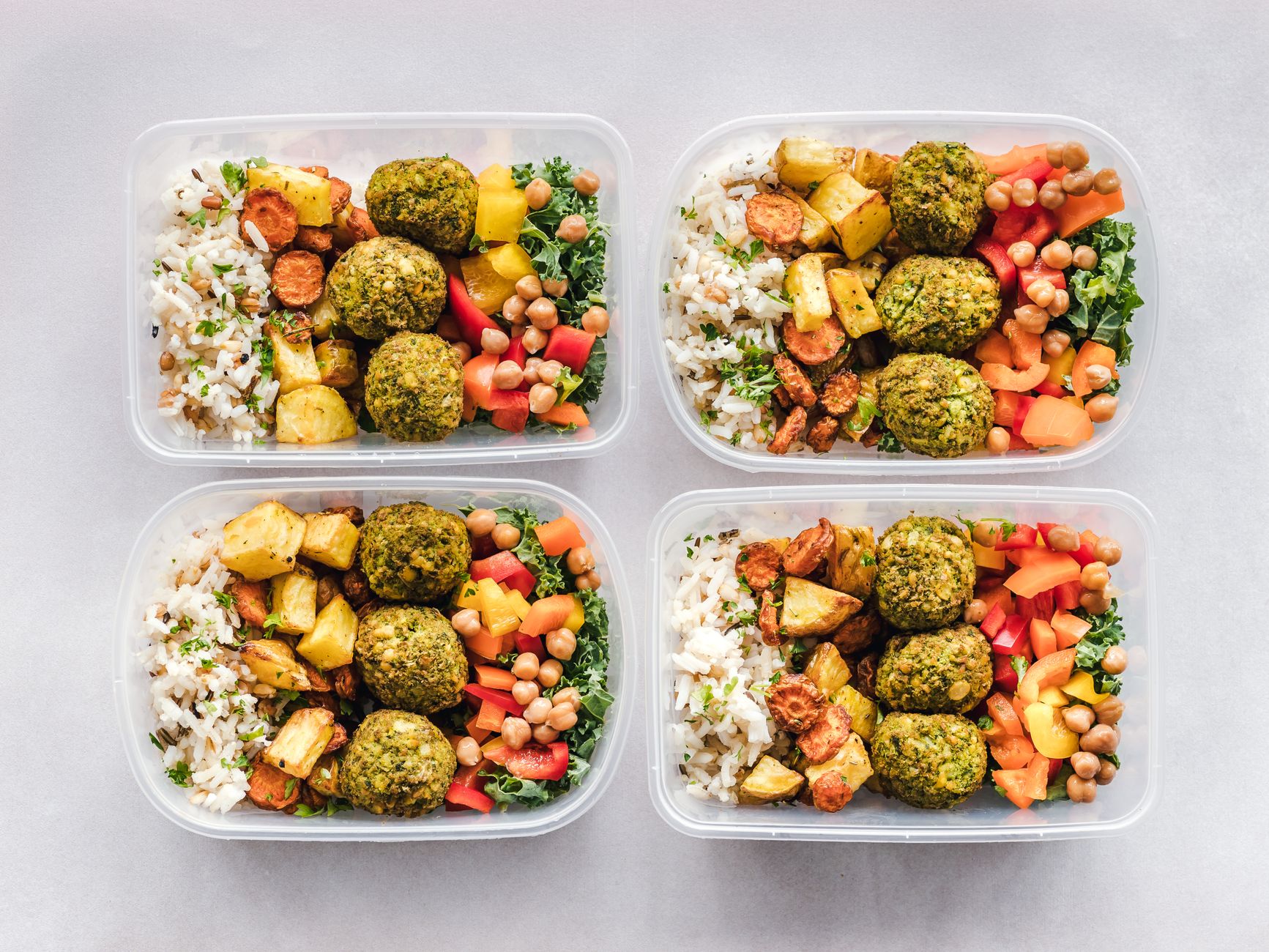
**Hydration tips for nursing mothers:**
- Drink **1 cup of water** with every nursing session.
- Add electrolytes with coconut water or herbal infusions (hibiscus, mint).
- Avoid sugary drinks—they can alter milk taste and baby’s sleep.
Intermittent fasting (IF) has gained popularity for its potential longevity benefits, but pregnancy is not the time to experiment with strict fasting protocols. Here’s what the science says—and what’s safe:
### **What the Research Says**A 2025 meta-analysis in NIH’s *Journal of Clinical Endocrinology* found that:
- Time-restricted eating (TRE) with **12–14 hour windows** (e.g., stopping dinner at 7 p.m. and eating again at 7 a.m.) may improve insulin sensitivity in non-pregnant women.
- Fasting longer than **16 hours** is linked to higher rates of preterm birth and low birth weight (WHO, 2024).
- Autophagy (the cellular “cleanup” process fasting promotes) may be beneficial, but nutrient timing matters—pregnant women need consistent fuel for fetal development.
If you’re curious about IF, try these gentle adaptations (always with provider approval):
- 12–14 hour window (e.g., eat between 8 a.m. and 8 p.m.).
- Avoid fasting if you have:
- Gestational diabetes
- Hyperemesis gravidarum (severe nausea)
- History of preterm labor
- Food aversions leading to poor nutrition
- Prioritize nutrient-dense meals during your eating window to meet calorie needs.
- Listen to your body—if you’re dizzy or weak, break your fast with a banana or smoothie.
**Representative story:** “I tried 14-hour fasting in my first trimester,” says Emily, a 30-year-old software engineer. “At first, I felt great—more energy, less bloating. But by week 10, I started getting lightheaded in the mornings, and my provider warned me about potential nutrient gaps. I switched to a 12-hour window and added more snacks (nuts, yogurt) to stay full. It’s not the same as strict fasting, but I’ve noticed I’m less hungry overall.”
--- ## **Best longevity diet foods for fetal brain development in 2026**The fetal brain develops at an astonishing pace—by week 24, it’s already forming **100 billion neurons**. The foods you eat can directly influence:
- Synaptic connections (omega-3s, choline)
- Neurotransmitter production (B vitamins, magnesium)
- Myelination (healthy fats, zinc)
- Antioxidant protection (vitamin E, selenium)
| Food | Key Nutrient | Why It Matters | Pregnancy-Friendly? |
|---|---|---|---|
| Wild-caught salmon | DHA (omega-3) | Critical for brain and eye development (ATA, 2025). | ✅ Yes (low-mercury options) |
| Eggs | Choline | Supports neural tube formation and memory (NHS, 2025). | ✅ Yes (pasteurized if concerned about salmonella) |
| Leafy greens (spinach, kale) | Folate | Prevents neural tube defects (ACOG, 2024). | ✅ Yes (cooked to reduce oxalates) |
| Walnuts | Omega-3s + polyunsaturated fats | Supports cognitive function (APA, 2025). | ✅ Yes (moderation due to choking risk) |
| Blueberries | Anthocyanins | May improve infant cognitive function (NIH, 2024). | ✅ Yes |
| Sardines | DHA + calcium | Rich in bioavailable calcium for bone development (WHO, 2025). | ✅ Yes (low-mercury) |
| Sweet potatoes | Beta-carotene | Supports vision and immune function (Healthline, 2025). | ✅ Yes |
| Pumpkin seeds | Magnesium + zinc | Supports muscle relaxation and immune health (Endocrine Society, 2025). | ✅ Yes |
| Fermented foods (kefir, sauerkraut) | Probiotics | Supports gut-brain axis development (< Editor's pick for this topic Not sure about the label on Longevity Diet Sample Day Of Eating products?Snap the ingredients list and SafeFilter checks every ingredient for your stage — only 3 free scans this month, then you're locked until reset. Unlimited from $7/mo or $50/yr. Informational only — not medical advice.  About the AuthorWhen Shubhra Mishra was expecting her first child in 2016, she was overwhelmed by conflicting food advice — one site said yes, another said never. By the time her second baby arrived in 2019, she realized millions of mothers face the same confusion. That sparked a five-year journey through clinical nutrition papers, cultural diets, and expert conversations — all leading to BumpBites: a calm, compassionate space where science meets everyday motherhood. Her long-term vision is to build a global community ensuring safe, supported, and free deliveriesfor every mother — because no woman should face pregnancy alone or uninformed. 🌿 🌍 Stand with mothers, shape safer guidanceJoin a small circle of experts who review BumpBites articles so expecting parents everywhere can decide with confidence. ⚠️ Always consult your doctor for medical advice. This content is informational only. Long-form pregnancy guidesHand-curated deep-dive guides — go beyond the article above. More Nutrition & Supplements guides
Recommended picks  Prenatal pick Ritual — Ritual Essential Prenatal Choline + DHA + folate from methylfolate (not synthetic).  Prenatal pick Nordic Naturals — Nordic Naturals Prenatal DHA (Strawberry Softgels) Premium fish-oil DHA in strawberry softgels — gentle on the stomach. |
