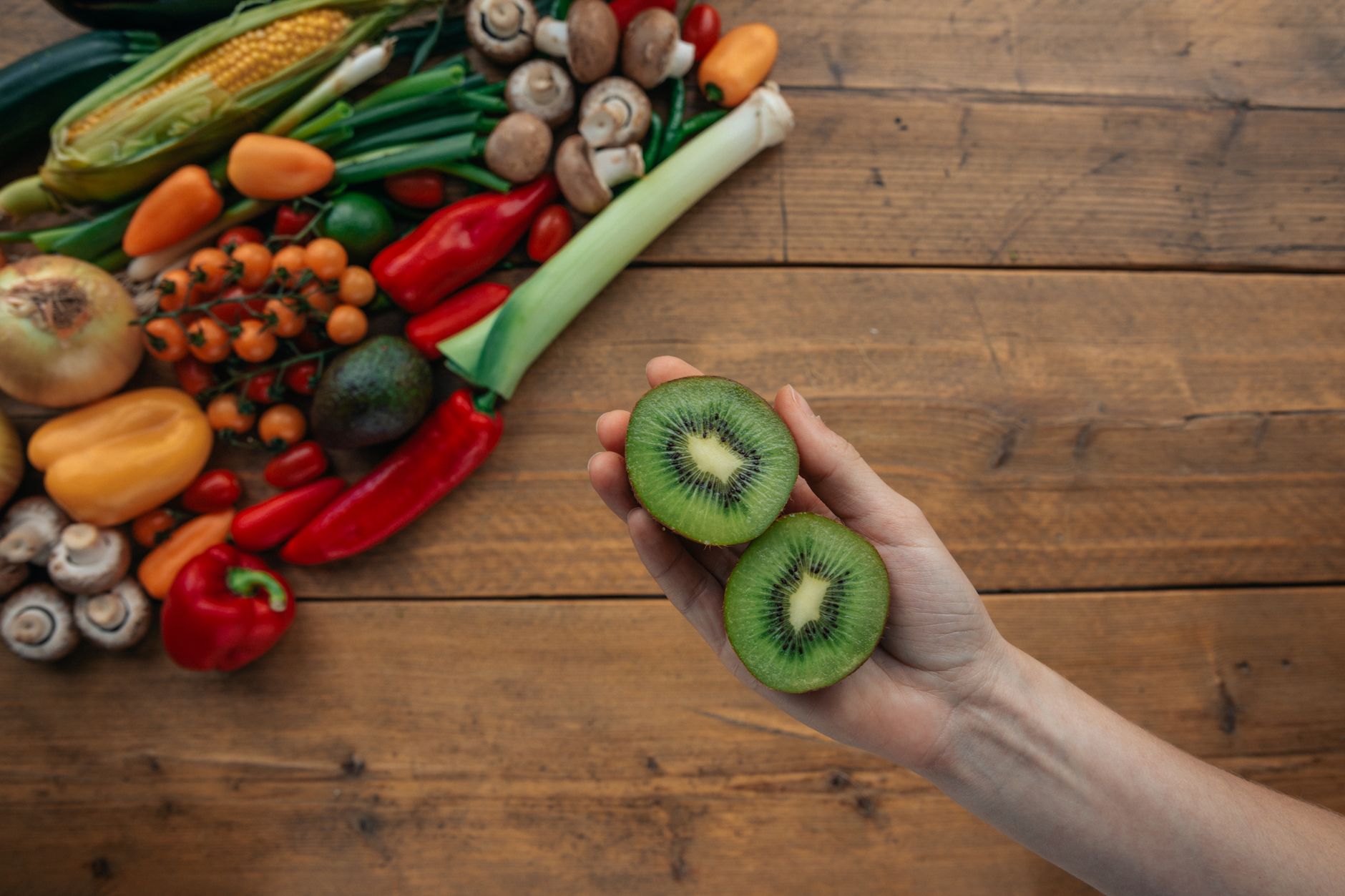
Just as important as knowing what to eat is understanding what to limit or avoid on the longevity diet. These restrictions are generally aimed at reducing inflammation, minimizing the intake of unhealthy fats and sugars, and moderating factors that can over-activate growth pathways in the body, which Dr. Longo suggests may accelerate aging.
For beginners, this section can feel like the most challenging, but remember it's about making healthier choices most of the time, not striving for perfection every single day. Start by gradually reducing your intake of these items.
-
Red and Processed Meats:
This is a significant area of reduction. Red meat (beef, pork, lamb) and especially processed meats (bacon, sausage, deli meats) are strongly discouraged due to their links to increased risk of chronic diseases and their impact on growth-promoting pathways. If you do consume animal protein, it should be very limited and primarily from low-mercury fish.
-
Dairy Products:
The longevity diet generally advises against most dairy products (milk, cheese, yogurt). Dairy contains IGF-1, a growth hormone that the diet aims to keep at lower levels. Many people also experience digestive issues with dairy. If you're exploring alternative diets, you might find similarities to a dairy-free diet food list for beginners in this regard.
-
High Sugar Foods and Drinks:
This includes sugary beverages (soda, fruit juices with added sugar), candies, pastries, desserts, and even many seemingly healthy items with hidden sugars. High sugar intake contributes to inflammation, weight gain, and can negatively impact metabolic health, all of which are counter to longevity principles. Focus on natural sweetness from whole fruits.
-
Refined Grains:
White bread, white pasta, white rice, and most commercial baked goods made with refined flour are stripped of their beneficial fiber and nutrients. They cause rapid spikes in blood sugar, which can lead to energy crashes and contribute to insulin resistance over time. Opt for whole grains instead.
-
Processed Foods:
This is a broad category that includes anything highly processed, packaged, and often containing long lists of ingredients you don't recognize. These foods are typically high in unhealthy fats (trans fats, refined vegetable oils), added sugars, sodium, and artificial additives. They offer little nutritional value and often contribute to inflammation and chronic disease. Think fast food, most frozen dinners, and packaged snacks.
-
High Mercury Fish:
While some fish is allowed, large predatory fish like swordfish, shark, king mackerel, and tilefish should be avoided due to their high mercury content, which can be harmful to neurological health, particularly for pregnant women and young children.
-
Excessive Protein:
Beyond specific food types, the longevity diet also suggests moderating overall protein intake, especially from animal sources. The idea is to avoid over-activating growth pathways. For most adults on this diet, protein intake is typically around 0.7-0.8 grams per kilogram of body weight per day.
One reader shared, "Cutting out daily cheese was harder than I thought, but once I found delicious plant-based alternatives and focused on the rich flavors of herbs and spices, I didn't miss it as much. My energy levels improved, and that was a huge motivator." This highlights that while challenging, the benefits can be a powerful incentive.
How to Start the Longevity Diet as a Beginner?
Embarking on a new eating pattern can feel overwhelming, but starting the longevity diet doesn't have to be a drastic overnight change. A gradual, mindful approach is often more sustainable and leads to lasting habits. Here's a step-by-step guide for beginners:
1. Begin with Awareness, Not Restriction
Before you change anything, spend a few days simply observing what you currently eat. Keep a food journal (even mental notes are fine) to understand your habits, your go-to snacks, and where processed foods or sugary drinks might be sneaking into your day. This awareness is your foundation.
2. Focus on Adding, Not Just Subtracting
Instead of immediately thinking about what you "can't" have, focus on what you "can" add. Can you add an extra serving of vegetables to your lunch? Swap your morning pastry for a bowl of oatmeal with berries and nuts? This positive framing makes the transition feel less like deprivation.
3. Gradual Swaps and Replacements
- Swap Refined Grains for Whole Grains: Start with one meal. If you usually have white toast for breakfast, try whole-wheat toast. If dinner includes white rice, switch to brown rice or quinoa.
- Increase Legumes: Try adding a can of chickpeas to your salad or making a lentil soup once a week. Legumes are an affordable longevity diet food and incredibly versatile.
- Boost Vegetable Intake: Aim to fill half your plate with vegetables at lunch and dinner. Experiment with different cooking methods – roasting, steaming, stir-frying.
- Embrace Healthy Fats: Drizzle extra virgin olive oil over your salads and cooked vegetables. Snack on a small handful of almonds or walnuts instead of chips.
- Reduce Sugary Drinks: Gradually replace sodas and sugary juices with water, unsweetened tea, or sparkling water with a squeeze of lemon.
4. Plan Your Meals (Even Loosely)
Having a general idea of what you'll eat for the week can significantly reduce stress and impulse choices. This doesn't mean rigid meal prepping every Sunday, but perhaps knowing you'll make a big batch of bean chili for lunches or having ingredients on hand for easy longevity diet breakfast ideas like overnight oats.
5. Hydration is Key
Drink plenty of water throughout the day. Often, what we perceive as hunger is actually thirst. Water is essential for every bodily function and helps support the cleansing processes promoted by the longevity diet.
6. Understand Intermittent Fasting (Optional for Beginners)
The longevity diet often incorporates periods of intermittent fasting, typically a 12-hour eating window followed by a 12-hour fast, or even a longer "fasting-mimicking diet" (FMD) a few times a year. For beginners, focus on the food list first. Once you're comfortable with the dietary changes, you can explore extending your overnight fast (e.g., stopping eating by 7 PM and not eating again until 7 AM). Always discuss any fasting regimen with your healthcare provider.
7. Read Food Labels
As you transition, make it a habit to check ingredient lists. Look for foods with short ingredient lists and avoid those with added sugars, refined oils, and artificial additives. This is a crucial skill for minimizing processed foods.
Whether it's a friend, family member, or online group, having someone to share your journey with can be incredibly motivating. You can swap recipes, share challenges, and celebrate successes together.
9. Be Patient and Kind to Yourself
Changing long-standing eating habits takes time. There will be days when you slip up, and that's perfectly normal. Don't let one less-than-perfect meal derail your entire effort. Get back on track with your next meal, and remember that progress, not perfection, is the goal. This is a lifestyle change, not a temporary diet.
Longevity Diet Meal Plan and Recipes for Beginners
Getting started with the longevity diet doesn't mean sacrificing flavor or spending hours in the kitchen. The focus is on simple, wholesome ingredients that can be combined in delicious ways. Here's a sample 7-day meal plan designed for beginners, along with easy recipe ideas and tips for longevity diet snacks on the go.
Sample 7-Day Longevity Diet Meal Plan for Beginners
Easy Longevity Diet Breakfast Ideas
- Overnight Oats: Combine rolled oats, chia seeds, unsweetened plant milk (almond, soy), and your favorite berries. Let it sit in the fridge overnight for a grab-and-go breakfast.
- Avocado Toast: Whole-wheat toast topped with mashed avocado, a sprinkle of red pepper flakes, or everything bagel seasoning.
- Green Smoothie: Blend spinach, banana, a handful of berries, chia seeds, and unsweetened plant milk for a nutrient-packed start.
- Tofu Scramble: Crumbled firm tofu seasoned with turmeric, nutritional yeast, and black salt (for an eggy flavor) sautéed with your favorite vegetables like spinach and bell peppers.
Simple Longevity Diet Recipes
-
Quick Lentil Soup: Sauté diced carrots, celery, and onion in olive oil. Add vegetable broth, red lentils, diced tomatoes, and your favorite herbs (thyme, bay leaf). Simmer until lentils are tender. Season with salt and pepper.
-
Sheet Pan Roasted Vegetables & Chickpeas: Toss broccoli florets, sliced bell peppers, zucchini, and canned chickpeas (rinsed and drained) with olive oil, garlic powder, and Italian seasoning. Roast at 400°F (200°C) for 20-25 minutes until tender and slightly crispy.
-
Quinoa Salad: Cook quinoa according to package directions. Once cooled, mix with chopped cucumber, cherry tomatoes, parsley, a can of rinsed black beans, and a dressing of olive oil, lemon juice, and a pinch of cumin.
-
Bean Burrito Bowls: Layer cooked brown rice with black beans, corn, salsa, diced avocado, and a squeeze of lime juice. Add some sautéed bell peppers and onions for extra veggies.
Longevity Diet Snacks on the Go
- A piece of whole fruit (apple, pear, orange)
- A small handful of mixed nuts (almonds, walnuts)
- Vegetable sticks (carrots, celery, cucumber) with a small portion of hummus
- A small container of berries
- Edamame (steamed)
- Homemade trail mix (nuts, seeds, unsweetened dried fruit)
The beauty of this diet for beginners is its flexibility within the core principles. Don't be afraid to experiment with different spices and vegetables to keep meals exciting and prevent palate fatigue.
Is the Longevity Diet Safe During Pregnancy or Breastfeeding?
This is a crucial question, and the answer requires careful consideration and, most importantly, **a direct consultation with your healthcare provider.** While the principles of eating whole, unprocessed, nutrient-dense foods are generally beneficial, the longevity diet's specific recommendations, particularly around calorie restriction and fasting, may not be appropriate or safe during pregnancy or breastfeeding.
General Nutritional Needs During Pregnancy and Breastfeeding:
Pregnancy and breastfeeding are periods of increased nutritional demand. Your body requires additional calories, protein, vitamins, and minerals to support the growth and development of your baby and to maintain your own health. Restricting calories or engaging in prolonged fasting during these times could potentially lead to:
- Insufficient nutrient intake: Critical nutrients like iron, folate, calcium, and omega-3 fatty acids are vital for fetal development and milk production. Restrictive diets might make it harder to meet these needs.
- Inadequate weight gain: Healthy weight gain is essential during pregnancy for a positive outcome.
- Reduced milk supply: For breastfeeding mothers, insufficient caloric intake can impact milk production.
- Fatigue and low energy: The demands of pregnancy and new motherhood are immense; adequate fuel is necessary.
Specific Considerations for the Longevity Diet
-
Calorie Restriction: The longevity diet, especially its fasting-mimicking diet (FMD) component, involves significant calorie restriction. This is generally contraindicated during pregnancy and breastfeeding, as consistent energy intake is paramount.
-
Protein Intake: While the longevity diet emphasizes lower overall protein from animal sources, protein needs increase during pregnancy and lactation. Ensuring adequate high-quality protein (from plant sources like legumes, nuts, seeds, and limited fish) is important.
-
Nutrient Density vs. Restriction: The core idea of eating nutrient-dense, plant-rich foods is excellent. However, a pregnant or breastfeeding woman should focus on *maximizing* nutrient intake rather than *restricting* food groups or calories unless advised by a doctor for specific medical reasons.
-
Fish Consumption: While low-mercury fish is allowed, the specific recommendations for types and frequency should be reviewed with your doctor, as mercury exposure is a concern during pregnancy. The American College of Obstetricians and Gynecologists (ACOG) and the FDA provide guidance on safe fish consumption for pregnant women.
Longevity Diet for Fertility:
For women trying to conceive, a nutrient-dense, anti-inflammatory, largely plant-based diet can be beneficial for overall reproductive health. Reducing processed foods, sugar, and unhealthy fats can support hormonal balance and improve egg quality. However, extreme calorie restriction or fasting methods should still be discussed with a fertility specialist or OB/GYN, as adequate energy balance is important for ovulation and implantation.
Longevity Diet for Postpartum Recovery:
After giving birth, your body needs significant nourishment to heal, restore nutrient stores, and cope with the demands of caring for a newborn. A diet rich in whole grains, legumes, fruits, and vegetables can provide essential vitamins, minerals, and fiber to support recovery and energy levels. However, again, any form of calorie restriction or fasting should be avoided, especially if breastfeeding. Focus on nourishing your body generously with healthy foods.
Our Recommendation:
If you are pregnant, breastfeeding, or trying to conceive, **do not attempt the restrictive or fasting components of the longevity diet without explicit guidance from your OB/GYN or a registered dietitian specialized in maternal health.** You can certainly adopt the *principles* of eating more whole, unprocessed, plant-based foods, and reducing sugar and unhealthy fats, but ensure your overall caloric and nutrient intake is sufficient to support your unique needs during these critical life stages. Your priority should be adequate nourishment for yourself and your baby, not calorie restriction.
Benefits of Following a Longevity Diet for Women's Health
While the ultimate goal of the longevity diet is to extend "healthspan" – the number of years lived in good health – its emphasis on whole, plant-based foods offers a cascade of benefits particularly relevant to women at every stage of life. From heart health to gut health, these advantages contribute to overall well-being and may help mitigate common health concerns.
1. Supports Heart Health
Cardiovascular disease remains a leading cause of death for women. The longevity diet's focus on plant-based foods, healthy fats (like olive oil), and fiber can significantly contribute to heart health. It naturally lowers the intake of saturated and trans fats, cholesterol, and sodium, while increasing beneficial compounds. This can help:
- Lower "bad" LDL cholesterol levels.
- Reduce blood pressure.
- Decrease inflammation, a key driver of heart disease.
- Improve arterial flexibility.
Many of these principles align with other heart-healthy eating plans, such as the DASH diet food list for beginners.
2. Aids in Healthy Weight Management
The diet's high fiber content from fruits, vegetables, whole grains, and legumes promotes satiety, helping you feel full and satisfied on fewer calories. This can naturally lead to healthy weight management without feeling deprived. Maintaining a healthy weight is crucial for reducing the risk of numerous conditions, including type 2 diabetes, certain cancers, and joint problems, all of which can impact women disproportionately.
3. Enhances Gut Health
The vast amount of dietary fiber in the longevity diet acts as a prebiotic, feeding the beneficial bacteria in your gut. A diverse and healthy gut microbiome is increasingly recognized as fundamental to overall health, impacting everything from digestion and immunity to mood and hormone regulation. Many women struggle with gut issues, and a fiber-rich diet can alleviate common complaints like constipation and support a balanced gut environment.
4. Reduces Inflammation
Chronic inflammation is a silent contributor to many age-related diseases, including heart disease, arthritis, and some cancers. The longevity diet is inherently anti-inflammatory, rich in antioxidants and phytochemicals from fruits, vegetables, herbs, and spices. By reducing inflammatory triggers (like processed foods, refined sugars, and excessive red meat), it helps calm systemic inflammation in the body.
5. May Support Hormonal Balance
While not a direct hormonal therapy, the principles of the longevity diet can indirectly support hormonal balance in women. A diet rich in fiber helps with estrogen metabolism and elimination, potentially reducing the risk of estrogen-dominant conditions. Healthy fats are essential for hormone production, and stable blood sugar levels (promoted by whole grains and fiber) can prevent insulin spikes that disrupt other hormones.
6. Contributes to Blood Sugar Regulation
With its emphasis on complex carbohydrates, fiber, and minimal added sugars, the longevity diet helps stabilize blood sugar levels. This is vital for preventing insulin resistance and reducing the risk of type 2 diabetes, a condition that can have significant implications for women's health, including during pregnancy (gestational diabetes) and in later life.
7. Supports Bone Health
While dairy is limited, the diet can still provide bone-supporting nutrients. Many plant-based foods are excellent sources of calcium (leafy greens, fortified plant milks, tofu), magnesium (nuts, seeds, whole grains), and vitamin K (leafy greens), all of which are crucial for maintaining strong bones, especially as women approach and pass menopause, when bone density naturally declines.
By adopting the longevity diet, you're not just aiming for a longer life, but a life lived with greater vitality, energy, and resilience, which is a truly empowering outcome for women at every age.
Starting a new diet can sometimes feel like you need a whole new kitchen. But with the longevity diet, it's more about stocking up on foundational, whole foods that can be mixed and matched. Here's a practical shopping list to help you get started, broken down by category, focusing on affordable and accessible options.
Pantry Staples (Shelf-Stable)
- Legumes:
- Dried or canned (BPA-free cans, rinsed) black beans, kidney beans, pinto beans, cannellini beans
- Dried red, green, or brown lentils
- Canned chickpeas
- Whole Grains:
- Rolled oats (for oatmeal, overnight oats)
- Quinoa
- Brown rice (long-grain or short-grain)
- Whole wheat pasta (in moderation)
- Whole grain crackers (check ingredients for added sugars/oils)
- Nuts & Seeds:
- Almonds (raw or dry roasted, unsalted)
- Walnuts
- Chia seeds
- Flax seeds (ground for better absorption)
- Pumpkin seeds, sunflower seeds
- Nut butter (almond, peanut – check for no added sugar/oils)
- Oils & Vinegars:
- Extra virgin olive oil (for cooking and dressings)
- Apple cider vinegar, balsamic vinegar
- Canned Goods:
- Diced tomatoes, crushed tomatoes, tomato paste (BPA-free)
- Vegetable broth (low sodium)
- Light coconut milk (for curries)
- Herbs & Spices:
- Garlic powder, onion powder
- Cumin, chili powder, turmeric, ginger powder
- Dried oregano, basil, thyme, rosemary
- Salt (sea salt or Himalayan), black pepper
- Other:
- Herbal teas
- Coffee (in moderation, unsweetened)
- Dark chocolate (70%+ cocoa, in small amounts)
Produce Section (Fresh)
- Leafy Greens: Spinach, kale, mixed greens, collard greens
- Cruciferous Vegetables: Broccoli, cauliflower, Brussels sprouts, cabbage
- Root Vegetables: Sweet potatoes, carrots, onions, garlic
- Other Vegetables: Bell peppers (various colors), zucchini, mushrooms, celery, cucumbers, tomatoes
- Fruits:
- Berries (strawberries, blueberries, raspberries)
- Apples, pears, oranges, bananas
- Avocados
- Herbs: Fresh parsley, cilantro, basil
Refrigerated/Frozen Section
- Plant Milks: Unsweetened almond milk, soy milk, oat milk (check ingredients for added sugars/oils)
- Frozen Fruits: Mixed berries, mango chunks (great for smoothies)
- Frozen Vegetables: Broccoli florets, mixed stir-fry vegetables, spinach (convenient for quick meals)
- Fish (if consumed): Wild-caught salmon, sardines (canned in water or olive oil)
- Tofu/Tempeh (optional): For plant-based protein.
- Buy in bulk: Dried beans, lentils, oats, and grains are often cheaper when bought in larger quantities.
- Shop seasonally: Fresh produce is more affordable and flavorful when it's in season.
- Utilize frozen: Frozen fruits and vegetables are just as nutritious as fresh, often cheaper, and reduce waste.
- Plan meals: A meal plan helps you buy only what you need, preventing impulse purchases and food waste.
- Compare prices: Don't be afraid to check different brands or stores for the best deals on staples.
This longevity diet shopping list provides a solid foundation. As you get more comfortable, you'll discover your own favorite ingredients and adjust it to your taste and local availability. Remember, the goal is to make healthy eating accessible and enjoyable.
Longevity Diet vs. Plant-Based Diet: What's the Difference?
You might be reading about the longevity diet and thinking, "This sounds a lot like a plant-based diet!" You're right to notice the similarities, as the longevity diet is indeed largely plant-based. However, there are some key distinctions that set it apart, primarily due to its specific focus on cellular aging mechanisms and the inclusion of periodic fasting.
Let's break down the nuances:
Plant-Based Diet (General Definition)
A plant-based diet is a broad term that emphasizes foods derived from plants, with minimal or no animal products. It can range from:
- Flexitarian: Mostly plant-based, with occasional meat, dairy, or eggs.
- Vegetarian: Excludes meat, poultry, and fish, but may include dairy and eggs.
- Vegan: Excludes all animal products, including meat, poultry, fish, dairy, eggs, and often honey.
The core principle is to prioritize fruits, vegetables, whole grains, legumes, nuts, and seeds. A plant-based diet can be incredibly healthy, but it doesn't automatically guarantee "longevity-promoting" benefits. For example, a vegan diet that relies heavily on highly processed vegan junk food (like many meat substitutes, sugary vegan desserts, or refined grains) would technically be plant-based but wouldn't align with longevity principles.
Longevity Diet (Dr. Valter Longo's Approach)
The longevity diet, as developed by Dr. Valter Longo, is a more specific and prescriptive approach. It's not just about *what* you eat, but also *how much* and *when* you eat it. Its principles are derived from extensive research into the genetics and biochemistry of aging.
Here are the key differentiating factors:
The Overlap and Key Takeaway
The longevity diet *is* a type of plant-based diet, but it's a very specific, optimized version with additional rules around protein intake, dairy, and structured fasting. While both approaches can offer significant health benefits, the longevity diet aims to leverage specific biological mechanisms to slow aging and prevent disease through a more precise nutritional strategy.
For beginners, understanding this distinction is important. If you're simply aiming to eat more plants for general health, a broad plant-based approach is a great start. If your goal is specifically to follow Dr. Longo's research-backed principles for longevity, then adhering to the more detailed guidelines, including the fasting components, will be necessary (always under medical supervision for fasting).
Many individuals find success by starting with a general plant-based diet and then gradually incorporating the more specific longevity principles as they become comfortable. This gradual approach can make the transition more sustainable.
Myth vs. Fact
When a new diet gains popularity, misconceptions often follow. Let's clear up some common myths about the longevity diet to help you approach it with accurate information.
-
Myth: The longevity diet is just another name for a vegan diet.
Fact: While the longevity diet is largely plant-based, it's not strictly vegan. It allows for very limited amounts of low-mercury fish (2-3 times per week) and is more restrictive than a typical vegan diet in its avoidance of dairy and its emphasis on specific protein moderation and fasting periods. A vegan diet, for example, might still include highly processed vegan junk foods or refined grains, which are generally avoided on the longevity diet.
-
Myth: You'll constantly feel hungry on the longevity diet because it's so restrictive.
Fact: The longevity diet emphasizes high-fiber, nutrient-dense whole foods like legumes, whole grains, fruits, and vegetables. Fiber and complex carbohydrates promote satiety, helping you feel full for longer. While initial adjustments to reducing processed foods and sugars might cause temporary cravings, most people find that once their bodies adapt, they feel satisfied and energized. The periodic fasting-mimicking diet (FMD) is a short-term, structured calorie restriction, not a continuous state of hunger.
-
Myth: The longevity diet is only for older people.
Fact: While the diet is designed to promote healthy aging, its principles are beneficial for adults of all ages. Establishing these eating patterns earlier in life can help reduce the risk of chronic diseases that often develop in middle age and beyond. It supports cellular health, reduces inflammation, and promotes metabolic wellness, which are advantageous at any adult life stage. However, as discussed, it needs modification or avoidance during specific periods like pregnancy or breastfeeding.
Key Takeaways
- The longevity diet, based on Dr. Valter Longo's research, is a largely plant-based eating pattern focused on promoting cellular regeneration and healthy aging.
- It emphasizes whole, unprocessed foods like legumes, whole grains, nuts, seeds, vegetables, and fruits, with very limited low-mercury fish.
- Foods to avoid include red and processed meats, dairy, high sugar foods, refined grains, and highly processed items.
- Beginners should transition gradually, focusing on adding beneficial foods and making slow, sustainable swaps.
- The diet often incorporates daily intermittent fasting (e.g., a 12-hour eating window) and periodic fasting-mimicking diet cycles (always consult a doctor).
- For pregnant, breastfeeding, or trying-to-conceive individuals, strict calorie restriction and fasting components are generally unsafe and should be discussed with a healthcare provider.
- Benefits for women's health include improved heart health, weight management, gut health, reduced inflammation, and better blood sugar regulation.
Frequently Asked Questions
What foods are on the longevity diet?
The longevity diet primarily includes a wide array of plant-based foods such as legumes (beans, lentils, chickpeas), whole grains (oats, quinoa, brown rice), nuts, seeds, a diverse range of vegetables (leafy greens, cruciferous, root vegetables), and fruits (especially berries). Extra virgin olive oil is the main fat source, and very limited amounts of low-mercury fish like salmon or sardines are allowed a few times per week.
What foods should you avoid for longevity?
To promote longevity according to this diet, you should avoid or severely limit red and processed meats, poultry, dairy products, high-sugar foods and drinks, refined grains (white bread, white pasta, white rice), and highly processed foods containing unhealthy fats or artificial additives. High-mercury fish are also excluded.
What is the best diet for longevity?
While various healthy eating patterns are linked to longevity, the "longevity diet" specifically refers to Dr. Valter Longo's research-backed approach. It's characterized by a largely plant-based, nutrient-dense, low-protein diet, with specific periods of fasting or calorie restriction (Fasting-Mimicking Diet) designed to optimize cellular pathways associated with aging and disease prevention.
Is the longevity diet healthy?
Yes, the longevity diet is considered very healthy for most non-pregnant, non-breastfeeding adults. Its emphasis on whole, unprocessed, plant-based foods rich in fiber, vitamins, and antioxidants supports cardiovascular health, gut health, stable blood sugar, and reduced inflammation. The periodic fasting components, when done safely and under guidance, are also thought to promote cellular repair and regeneration.
What are the 5 pillars of longevity?
Dr. Valter Longo's work identifies five key dietary pillars for longevity: 1) a largely plant-based diet, 2) low but sufficient protein intake (from plant sources and limited fish), 3) low sugar and refined carbohydrate intake, 4) high intake of healthy fats (especially olive oil and nuts), and 5) periodic fasting or fasting-mimicking cycles.
Can you eat meat on the longevity diet?
No, red and processed meats are generally avoided on the longevity diet. Poultry is also largely excluded. The only animal protein allowed in very limited quantities (2-3 times per week) is low-mercury fish, rich in omega-3 fatty acids, such as salmon, sardines, or anchovies. The diet emphasizes keeping overall animal protein intake low to avoid stimulating growth pathways associated with accelerated aging.
When to See a Doctor / Specialist
Adopting any new dietary pattern, especially one with specific restrictions or fasting protocols, should ideally involve professional guidance. While the longevity diet focuses on whole, healthy foods, certain aspects might not be suitable for everyone.
You should consult your doctor, a registered dietitian, or a qualified nutritionist before starting the longevity diet if:
- You are pregnant, breastfeeding, or trying to conceive.
- You have any pre-existing medical conditions, such as diabetes, heart disease, kidney disease, or an eating disorder.
- You are taking any prescription medications, as dietary changes can sometimes affect medication efficacy or side effects.
- You are underweight or have a history of significant weight loss.
- You are an older adult (over 70) and concerned about protein intake or bone density.
- You experience any concerning symptoms after starting the diet, such as extreme fatigue, dizziness, or persistent digestive issues.
- You are considering implementing the fasting-mimicking diet (FMD) cycles. These require careful planning and medical supervision.
A healthcare professional can help you tailor the diet to your individual needs, ensure you're meeting all your nutritional requirements, and monitor your health to ensure the diet is safe and beneficial for you. This article is for informational purposes only and is not a substitute for professional medical advice, diagnosis, or treatment.
References
- Longo, V. D., & Anderson, R. M. (2022). Nutrition, longevity and disease: From molecular mechanisms to interventions. Cell, 185(9), 1455-1470.
- Longo, V. D., & Fontana, L. (2016). Fasting versus dietary restriction in cellular protection and cancer treatment. Annual Review of Nutrition, 36, 335-360.
- American Heart Association. (2023). Diet and Lifestyle Recommendations. Retrieved from heart.org
- Academy of Nutrition and Dietetics. (2023). Position of the Academy of Nutrition and Dietetics: Vegetarian Diets. Retrieved from eatright.org
- Harvard T.H. Chan School of Public Health. (2023). The Nutrition Source: Healthy Eating Plate. Retrieved from hsph.harvard.edu/nutritionsource
- Centers for Disease Control and Prevention (CDC). (2023). Healthy Eating for a Healthy Weight. Retrieved from cdc.gov
- American College of Obstetricians and Gynecologists (ACOG). (2023). Nutrition During Pregnancy. Retrieved from acog.org