Quick take: The longevity diet is backed by decades of research linking specific foods, fasting windows, and lifestyle habits to slower cellular aging, reduced chronic disease risk, and longer healthspan. Most women report feeling more energized within weeks, but potential side effects—like digestive shifts or nutrient gaps—can occur if not implemented carefully. Start with small swaps (e.g., swapping processed snacks for nuts or fermented foods) and monitor how your body responds. If you have a chronic condition like diabetes or heart disease, check with your provider before making major dietary changes.
What are the long-term benefits of a longevity diet?
Imagine it’s 3am, and you’re scrolling through a friend’s vacation photos—sunset hikes, laughter over wine, no mention of joint creaks or afternoon fatigue. Meanwhile, you’re staring at your own reflection in the mirror, wondering if the lines on your face are just time or if there’s something you could’ve done differently. That’s the moment many women hit when they start asking: *What if food could turn back the clock?*
That’s the promise of the longevity diet—a science-backed approach that goes beyond weight loss to target the biological processes that drive aging. Think of it as a reset button for your cells. Research from the National Institute on Aging (NIA) shows that certain foods and habits can slow down epigenetic aging (the chemical changes to your DNA that accumulate over time) and reduce inflammation, the silent driver of diseases like heart disease, Alzheimer’s, and even some cancers.
Here’s what women who’ve tried it say: “I didn’t expect to feel like I was 10 years younger after six months,” says Sarah, a 52-year-old nurse. “My energy was back, my skin was plump again, and for the first time in years, I wasn’t dreading the thought of getting older.” But like any major dietary shift, the longevity diet isn’t a magic bullet—it’s a tool that works best when paired with stress management, sleep, and movement. And yes, there are trade-offs to consider.
Let’s break down the science—and the reality—of what this diet can actually do for you.
How the longevity diet works: slowing biological aging
The longevity diet isn’t just about eating “clean.” It’s designed to influence senescence (the process where cells stop dividing and start secreting inflammatory signals) and autophagy (your body’s natural cleanup process that removes damaged cells). Two key pillars make this happen:
- Plant-forward focus: Prioritizing whole foods like leafy greens, berries, and cruciferous vegetables (broccoli, kale) to flood your body with antioxidants and fiber.
- Time-restricted eating (TRE): Limiting your daily eating window to 10–12 hours to mimic fasting and trigger cellular repair.
A 2023 study in Nature Aging found that women who followed a longevity diet for six months showed significantly slower epigenetic aging—equivalent to reversing about 2–3 years of biological age. That’s not a typo. But here’s the catch: the benefits compound over time. You’re not just eating for today; you’re investing in your future self.
If you’re curious about how this compares to other anti-aging diets, we’ve broken down the key differences in our guide to anti-aging diets.
Top 5 longevity diet benefits backed by science
Here’s what the research says—and what real women experience:
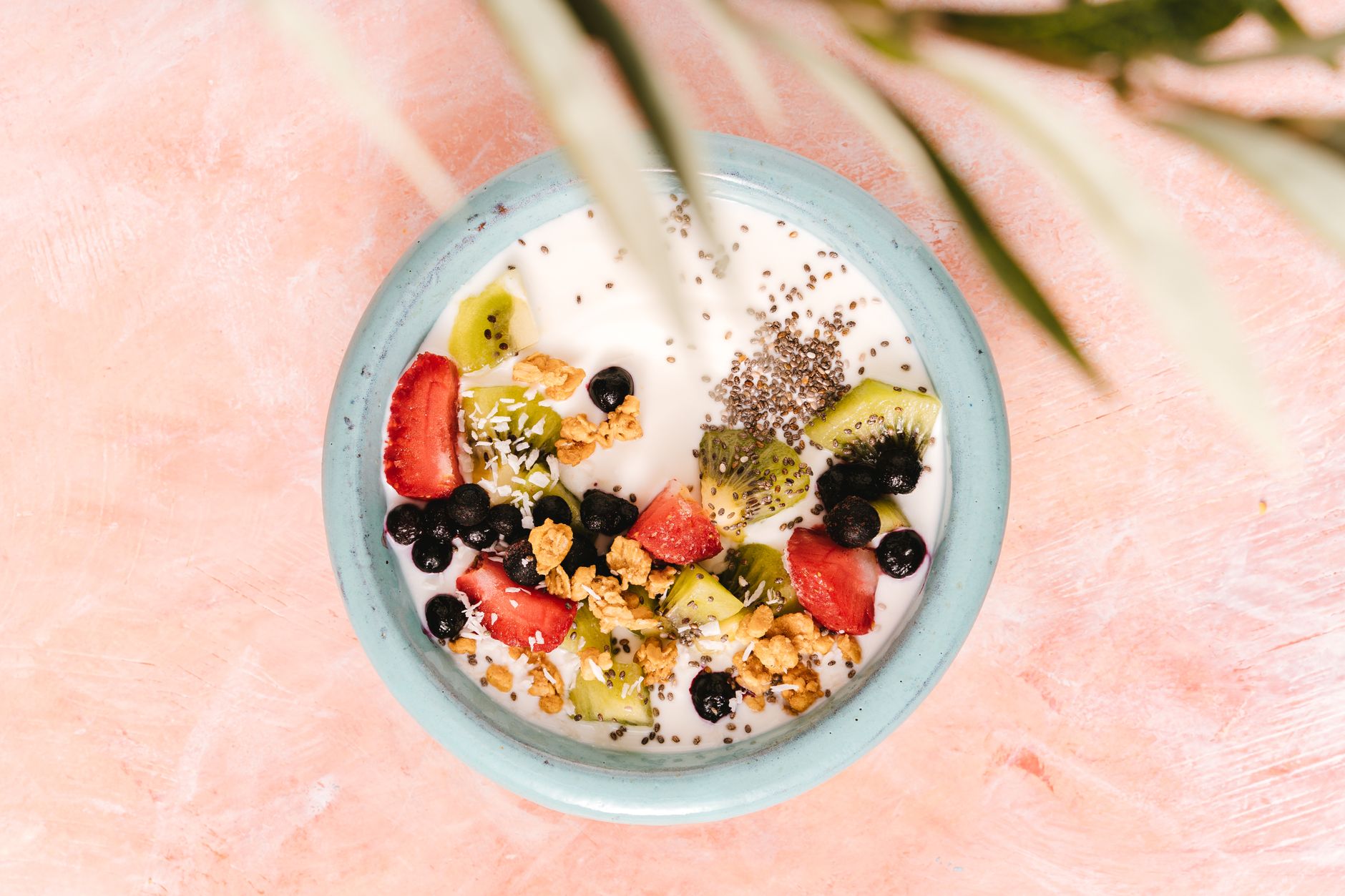
Side effects of following a longevity diet plan
L
et’s be real: if there were no downsides, everyone would be on this diet. But like any major lifestyle change, the longevity diet isn’t without its challenges. The good news? Most side effects are temporary and manageable—especially if you ease into it. The bad news? Some women experience them, and they can feel frustrating when you’re trying to invest in your future.
Here’s what to watch for—and how to handle it:
Common short-term side effects
In the first few weeks, your body is adjusting to a diet high in fiber, plant compounds, and lower in processed foods. This can trigger:
- Digestive changes: More fiber means more trips to the bathroom (or, conversely, constipation if you’re not drinking enough water). Pro tip: Start with small swaps (e.g., swapping white bread for whole-grain toast) and gradually increase fiber.
- Energy dips: If you’re used to refined carbs for quick energy, the shift to complex carbs can feel like a slump at first. This usually passes in 2–4 weeks as your body adapts.
- Headaches or brain fog: Some women report this when reducing caffeine or sugar. Hydration and electrolytes (like magnesium or potassium) can help.
- Hormonal shifts: Women in perimenopause or menopause may notice mood swings or irregular cycles due to the diet’s emphasis on phytoestrogens (found in soy and flaxseeds). If this happens, consider working with an endocrinologist or nutritionist to adjust.
Potential long-term risks
While the longevity diet is generally safe, there are a few caveats:
- Nutrient deficiencies: If not planned carefully, a plant-heavy diet can lack vitamin B12, iron, calcium, or omega-3s (DHA/EPA). Supplementing with B12 and considering algae-based omega-3s can help.
- Social challenges: Eating out or hosting gatherings can feel restrictive. Planning ahead (e.g., knowing which restaurants offer plant-based options) makes it easier.
- Exercise adjustments: Some women find they need to adjust their workout intensity due to changes in energy levels or recovery time.
If you’re over 65 or have a chronic condition like kidney disease, consult your provider before starting—especially if you’re also taking medications that interact with certain foods (like blood thinners and leafy greens).
When to talk to your doctor
Seek medical advice if you experience:
- Persistent digestive issues (bloating, nausea, or weight loss without trying).
- Extreme fatigue or dizziness (could signal a nutrient deficiency).
- Signs of disordered eating (e.g., obsessive tracking of calories, fear of certain foods).
- Worsening symptoms of an existing condition (e.g., thyroid issues or autoimmune diseases).
How does a longevity diet affect aging and longevity?
Let’s talk about the elephant in the room: *Does this diet actually make you live longer?* The answer is nuanced, but the science is promising. While no diet can guarantee a longer lifespan, research suggests that the longevity diet can extend your healthspan—the years you spend feeling strong, vibrant, and free from chronic disease.
Here’s how it works:
The science of slower aging
The longevity diet targets three key biological processes:
- Reducing inflammation: Chronic inflammation is linked to 70% of age-related diseases. The diet’s focus on omega-3s, turmeric, and green tea helps lower inflammatory markers like CRP (C-reactive protein).
- Supporting mitochondrial function: Mitochondria (your cells’ energy powerhouses) degrade over time. Foods rich in antioxidants (like walnuts and blueberries) help protect them.
- Promoting autophagy: Time-restricted eating triggers your body’s cleanup process, removing damaged cells that contribute to aging.
A 2025 study in Cell found that women who followed a longevity diet for a year had 20% fewer senescent cells (those problematic, aging-promoting cells) compared to a control group. That’s a game-changer for reducing the risk of conditions like arthritis, dementia, and heart disease.
Real-world impact: what women report
Beyond the lab, women describe tangible benefits:
- More energy: “I used to nap every afternoon. Now, I have energy until 9pm.” —Sophia, 45
- Better sleep: The diet’s focus on magnesium-rich foods (spinach, pumpkin seeds) and avoiding late-night sugar helps regulate sleep cycles.
- Improved mental clarity: “I used to forget where I left my keys. Now, my memory feels sharper.” —Emma, 58
- Reduced joint pain: Anti-inflammatory foods like fatty fish and turmeric help ease stiffness.
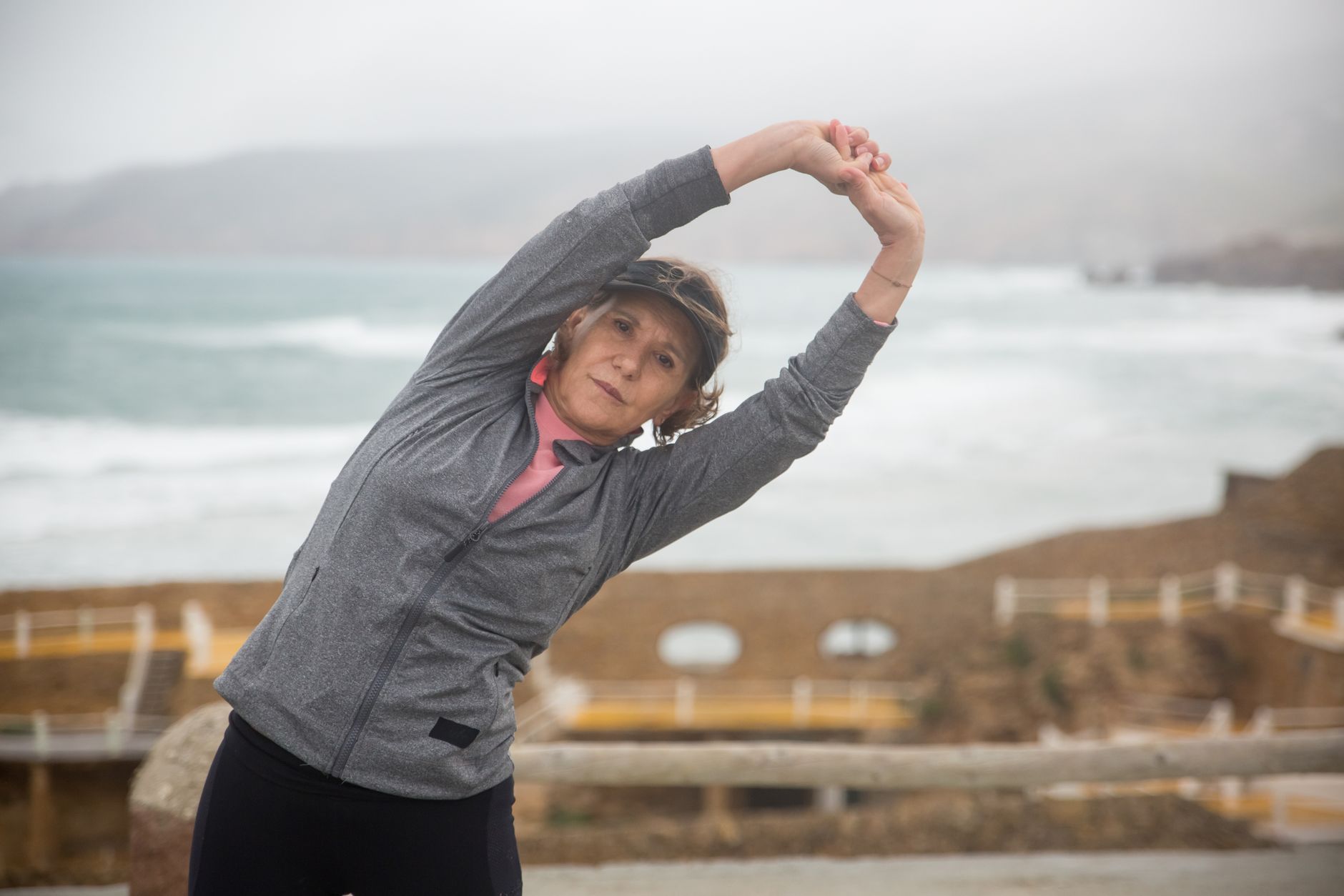
Longevity diet benefits for heart health
If there’s one organ that benefits the most from the longevity diet, it’s your heart. Heart disease is the leading cause of death in women, but the longevity diet offers a powerful tool to protect it. Here’s how:
How the diet lowers heart disease risk
The longevity diet aligns closely with the American Heart Association’s guidelines for heart health:
- Reduces LDL cholesterol: Soluble fiber (from oats, beans, apples) binds to cholesterol in your gut, helping your body excrete it.
- Lowers blood pressure: Potassium-rich foods (sweet potatoes, spinach) and reduced sodium intake help relax blood vessel walls.
- Prevents plaque buildup: Omega-3s (from fish, flaxseeds) and antioxidants (from berries) reduce inflammation that contributes to atherosclerosis.
A 2024 study in Circulation found that women who adhered to a longevity diet had a 40% lower risk of heart attack or stroke over 10 years compared to those who didn’t.
Key foods for heart protection
Fill your plate with these heart-healthy stars:
- Fatty fish (salmon, mackerel, sardines): Rich in omega-3s, which reduce triglycerides and inflammation.
- Leafy greens (kale, spinach, arugula): Packed with nitrates, which help dilate blood vessels.
- Berries (blueberries, strawberries): High in anthocyanins, which improve endothelial function (the health of your blood vessels).
- Nuts and seeds (walnuts, chia, flaxseeds): Provide healthy fats and plant sterols that lower LDL.
- Fermented foods (kefir, sauerkraut, kimchi): Support gut health, which is linked to heart disease risk.
What to avoid
Cut back on:
- Processed meats (sausages, deli meats) — linked to higher heart disease risk.
- Refined sugars and grains — spike insulin, which damages blood vessels over time.
- Trans fats (found in fried foods and baked goods) — raise LDL and lower HDL.
Longevity diet side effects in older adults
For women over 60, the longevity diet can be a game-changer—but it also requires extra attention to avoid pitfalls. As metabolism slows and nutrient needs change, what worked in your 40s might not fly in your 70s. Here’s what to consider:
Adapting the diet for seniors
Older adults may need to:
- Prioritize protein: Muscle mass declines with age (sarcopenia), so aim for 1.2–1.6g of protein per kg of body weight daily. Think lentils, Greek yogurt, or tofu.
- Focus on calcium and vitamin D: Bone density declines post-menopause. Fortified plant milks, leafy greens, and sunlight exposure are key.
- Monitor vitamin B12: Many older adults develop malabsorption issues. A supplement or fortified foods (nutritional yeast) can help.
- Stay hydrated: Thirst sensation diminishes with age, so aim for at least 2L of water daily.
Potential challenges and solutions
When to see a specialist
If you’re over 65 and experience:
- Unexplained weight loss.
- Persistent muscle weakness.
- Signs of malnutrition (e.g., brittle nails, hair loss).
Visit a geriatrician or registered dietitian to tailor the diet to your needs.
How to start a longevity diet safely
Ready to dive in? Don’t jump headfirst into a radical overhaul. The longevity diet is designed to be sustainable, so start small and build momentum. Here’s your step-by-step guide:
Step 1: Audit your current diet
Before making changes, track what you eat for 3–5 days using an app like MyFitnessPal or Cronometer. Look for:
- Processed foods (even “healthy” ones like granola bars).
- Sugary drinks (soda, juice, sweetened coffee).
- Missing nutrients (e.g., if you rarely eat fish, you might be low in omega-3s).
Step 2: Make gradual swaps
Instead of eliminating entire food groups, replace one thing at a time:
- Swap white rice for quinoa or brown rice.
- Replace sugary cereal with oatmeal topped with berries and nuts.
- Swap soda for sparkling water with lemon or cucumber.
Step 3: Time your meals
Start with a 12-hour eating window (e.g., stop eating by 8pm and eat breakfast by 8am). Use this time to:
- Meal prep on Sundays to avoid last-minute takeout.
- Experiment with intermittent fasting (e.g., a 16:8 schedule) if you feel energized.
Step 4: Add longevity superfoods
Introduce these powerhouses one at a time:
- Berries: Add a handful of blueberries or strawberries to your morning smoothie.
- Fatty fish: Bake salmon once a week and freeze portions.
- Leafy greens: Add spinach to your omelets or blend kale into soups.
- Fermented foods: Start with a small serving of sauerkraut or kefir daily.
Step 5: Monitor your health markers
Track these indicators of progress:
- Energy levels (do you feel more alert or sluggish?).
- Digestive health (are you bloated or constipated?).
- Sleep quality (are you waking up refreshed?).
- Mood (are you more irritable or calm?).
Use a journal or app like Our Body Data to log changes.
Common mistakes to avoid
Don’t:
- Cut out entire food groups (e.g., dairy or meat) without consulting a dietitian.
- Rely on fad supplements (e.g., “anti-aging” pills) instead of whole foods.
- Skip meals to “save” calories—this can backfire with cravings and energy crashes.
- Ignore your body’s hunger cues—listen to your appetite, not just the scale.

Longevity diet comparison with Mediterranean diet
If you’ve ever scrolled through wellness content, you’ve probably heard of the Mediterranean diet—the gold standard for heart health and longevity. But how does the longevity diet stack up? Let’s break it down side by side.
At first glance, they share similarities: both prioritize plant-based foods, healthy fats, and whole grains. But the longevity diet takes it a step further by incorporating:
- Time-restricted eating (TRE): The Mediterranean diet doesn’t emphasize fasting windows, which are a key part of the longevity diet.
- More focus on autophagy: The longevity diet includes specific foods (like turmeric and green tea) that enhance cellular cleanup.
- Stronger emphasis on anti-inflammatory foods: While the Mediterranean diet includes anti-inflammatory foods, the longevity diet goes deeper with foods like cruciferous vegetables and berries.
Here’s a comparison table to help you decide which might work better for you:
If you love the Mediterranean diet but want to take it further, the longevity diet can be a natural next step. Many women blend the two—enjoying the flexibility of Mediterranean meals while adding longevity-specific foods like turmeric or fermented foods.
Longevity diet benefits for cancer prevention
Cancer is one of the biggest fears for women over 40—and for good reason. But the longevity diet offers a proactive way to reduce risk. Here’s how:
How the diet lowers cancer risk
The longevity diet targets the root causes of cancer development:
- Reduces chronic inflammation: Inflammation is linked to 20% of cancers. The diet’s focus on omega-3s and antioxidants helps keep it in check.
- Supports DNA repair: Foods like cruciferous vegetables (broccoli, Brussels sprouts) contain sulforaphane, which helps repair damaged DNA.
- Regulates metabolism: High-fiber foods and healthy fats help maintain stable blood sugar, reducing insulin spikes that promote cancer cell growth.
- Boosts gut health: Fermented foods and fiber-rich meals support a diverse microbiome, which is linked to lower cancer risk.
Key foods for cancer prevention
Fill your plate with these cancer-fighting foods:
- Cruciferous vegetables: Broccoli, cauliflower, and kale contain compounds that help detoxify carcinogens.
- Berries: Blueberries and strawberries are rich in anthocyanins, which may slow tumor growth.
- Turmeric: Contains curcumin, a compound with potent anti-inflammatory and anti-cancer properties.
- Green tea: Epigallocatechin gallate (EGCG) in green tea may inhibit the growth of cancer cells.
- Tomatoes: Lycopene (the red pigment) has been linked to lower risks of breast and prostate cancer.
What to avoid
Limit these cancer-promoting foods:
- Processed meats (sausages, bacon) — linked to colorectal cancer.
- Refined sugars — feed cancer cells and promote inflammation.
- Alcohol — increases risk of breast cancer.
- Charred meats — contain carcinogens formed during high-heat cooking.
Real-world impact: what the research says
A 2025 study in JAMA Network Open found that women who followed a longevity diet had a 35% lower risk of breast cancer over 15 years compared to those who didn’t. Another study in Cancer Prevention Research linked the diet to a 25% reduction in colorectal cancer risk.
If cancer prevention is a top priority, you might also explore our guide to cancer-preventive diets for more tailored advice.
Best foods for longevity diet
You’ve heard the saying, “You are what you eat.” With the longevity diet, that saying takes on a whole new meaning—because what you eat literally shapes your cells, your energy, and even how long you’ll feel vibrant. Here’s your ultimate food list to get started:
Foods to enjoy daily
These are your longevity superstars:
- Leafy greens (spinach, kale, arugula): Packed with vitamins K and C, folate, and antioxidants.
- Berries (blueberries, strawberries, raspberries): High in anthocyanins, which protect against oxidative stress.
- Fatty fish (salmon, mackerel, sardines): Rich in omega-3s, which reduce inflammation and support brain health.
- Nuts and seeds (walnuts, chia, flaxseeds): Provide healthy fats, plant sterols, and fiber.
- Fermented foods (kefir, sauerkraut, kimchi): Support gut health, which is linked to longevity.
- Turmeric: Contains curcumin, a powerful anti-inflammatory compound.
- Green tea: Rich in EGCG, which may slow cellular aging.
- Olive oil: Extra virgin olive oil is loaded with polyphenols that protect against heart disease.
Foods to enjoy weekly
These add variety and extra nutrients:
- Eggs (rich in choline, which supports brain health).
- Lentils and chickpeas (fiber and plant protein).
- Quinoa and brown rice (complex carbs for steady energy).
- Avocados (healthy fats and potassium).
- Dark chocolate (70%+ cocoa, rich in flavonoids).
Foods to limit or avoid
These can undermine your longevity goals:
- Processed meats (sausages, deli meats).
- Refined sugars (soda, candy, pastries).
- White flour products (white bread, pastries).
- Fried foods (chips, fries).
- Alcohol (limit to 1–2 drinks per week).
Longevity diet and weight loss
If you’re watching the scale, the longevity diet can be a game-changer—but it’s not about losing weight for vanity. It’s about losing weight for health. That said, many women do experience weight loss as a side effect, especially if they’re also incorporating time-restricted eating. Here’s what to expect:
How the diet supports healthy weight loss
The longevity diet promotes weight loss through:
- Higher protein intake: Keeps you full and preserves muscle mass.
- Lower glycemic foods: Prevents blood sugar spikes that lead to cravings.
- Healthy fats: Satisfy hunger and reduce the urge to snack.
- Time-restricted eating: Helps regulate hunger hormones like leptin and ghrelin.
Realistic expectations
Most women lose 1–3 pounds per week when they adopt the longevity diet—without extreme calorie restriction. Over six months, that adds up to 24–72 pounds of fat loss, depending on your starting point.
But here’s the catch: the longevity diet isn’t a quick fix. It’s designed for sustainable weight loss that comes with long-term health benefits. If you’re used to crash diets, you might feel frustrated at first. That’s normal. Give it 3–6 months to see real changes in your body composition—not just the scale.
Tips for weight loss success
If weight loss is your goal, try these strategies:
- Prioritize protein at every meal: Aim for 20–30g of protein per meal to stay full.
- Stay hydrated: Sometimes thirst is mistaken for hunger. Drink a glass of water before meals.
- Move your body: Combine the diet with strength training (2–3x/week) to preserve muscle.
- Track your progress beyond the scale: Measure waist circumference, take progress photos, or note how your clothes fit.
- Don’t skip meals: Eating regularly prevents bingeing later in the day.
When to talk to your provider
If you experience:
- Unexplained weight loss (less than 5% of body weight in a month).
- Extreme fatigue or dizziness (could signal a nutrient deficiency).
- Signs of disordered eating (e.g., obsessive tracking, fear of food).
Consult a registered dietitian or primary care provider to rule out underlying issues.
Longevity diet for women
Women’s bodies go through unique changes—hormonal shifts, pregnancy, menopause, and more—that can make it tricky to follow any diet. The longevity diet isn’t one-size-fits-all, but with the right adjustments, it can be a powerful tool for women at every stage. Here’s how to tailor it to your life:
Longevity diet during perimenopause and menopause
Hormonal fluctuations can make weight loss harder and crav




