Struggling to find healthy snacks for picky kids on the go? Discover 2026’s best diet-friendly, easy-to-pack options to keep meals fun and nutritious without
By Shubhra Mishra — a mom of two who turned her own confusion during pregnancy into BumpBites, a global mission to make food choices clear, safe, and stress-free for every expecting mother. 💛
Check whether any food is safe during pregnancy with the BumpBites Food Safety Checker.
Quick take: Navigating on-the-go snacks for a picky eater can feel like a constant challenge, but it doesn't have to be. The key is offering nutrient-dense, appealing options that align with your child's preferences while slowly introducing variety. Focus on practical, safe, and balanced choices that make healthy eating achievable, even when you're out and about.
Every parent knows the feeling: you're rushing out the door, or stuck in traffic, and suddenly your child declares they're "starving!" For parents of picky eaters, this moment can bring a wave of anxiety. What can you pack that they'll actually eat? How do you ensure they're getting enough nutrients when their diet feels so limited, especially when you're not at home?
You're not alone in these worries. Many women tell us they feel immense pressure to provide perfect nutrition, only to be met with strong resistance from their little ones. It's easy to feel defeated when your carefully prepared snacks come back untouched. But with the right strategies and a bit of planning, you can equip yourself with a repertoire of easy foods for picky kids that are both nutritious and genuinely appealing, even on the go.
This comprehensive guide will walk you through everything you need to know about preparing and packing healthy, travel-friendly snacks for picky eaters of all ages. We'll cover age-specific recommendations, allergy considerations, tips for managing sensory aversions, and crucial food safety practices, ensuring your child stays well-fed and you stay stress-free.
What Are the Healthiest On-the-Go Snacks for Picky Toddlers Under 2?
When you have a picky toddler under two, every snack choice feels magnified. They're exploring new textures and tastes, and their tiny tummies fill up quickly. The goal for this age group is to offer soft, easy-to-chew, and nutrient-dense options that minimize choking hazards. Think finger foods they can manage independently, promoting self-feeding skills.
For little ones, the best on-the-go snacks are often simple, single-ingredient items or those with minimal processing. Consider soft fruits like banana slices, mashed avocado, small pieces of ripe pear or melon, or quartered grapes (always cut lengthwise to prevent choking). Cooked, soft vegetables, such as steamed carrot sticks, peas, or sweet potato cubes, are also excellent choices, provided they are cut into appropriate, bite-sized shapes.
Dairy can be a great source of calcium and protein. Full-fat plain yogurt (pre-portioned in a squeeze pouch or small container), small cubes of mild cheese, or cottage cheese can be good options. For grains, look for whole-grain crackers (softened slightly with a bit of water if needed), unsweetened O-shaped cereals, or small pieces of whole-wheat toast. Proteins like finely shredded chicken, small pieces of tofu, or mashed beans (black beans, chickpeas) are also fantastic for sustained energy and growth. Always ensure foods are cut into small, manageable pieces, especially for toddlers under two, to prevent choking.
Tips for Introducing New Textures to Toddlers
Introducing new textures can be a slow process for picky toddlers. One effective strategy is to pair a new food with a familiar, well-loved one. For instance, offer a tiny bit of mashed avocado alongside a favorite banana slice. The key is gentle exposure without pressure. Remember, it can take 10-15 exposures for a child to accept a new food, so don't give up after the first try.
Another helpful approach is to let your toddler explore foods with their hands. Messy play with food allows them to get comfortable with its texture, smell, and appearance without the pressure to eat it immediately. You can also offer dips like hummus or plain yogurt, which can make a dry or less appealing food more palatable. The American Academy of Pediatrics (AAP) emphasizes that toddlers thrive on routine and predictability, so offering snacks around the same time each day can also help establish healthy eating habits.
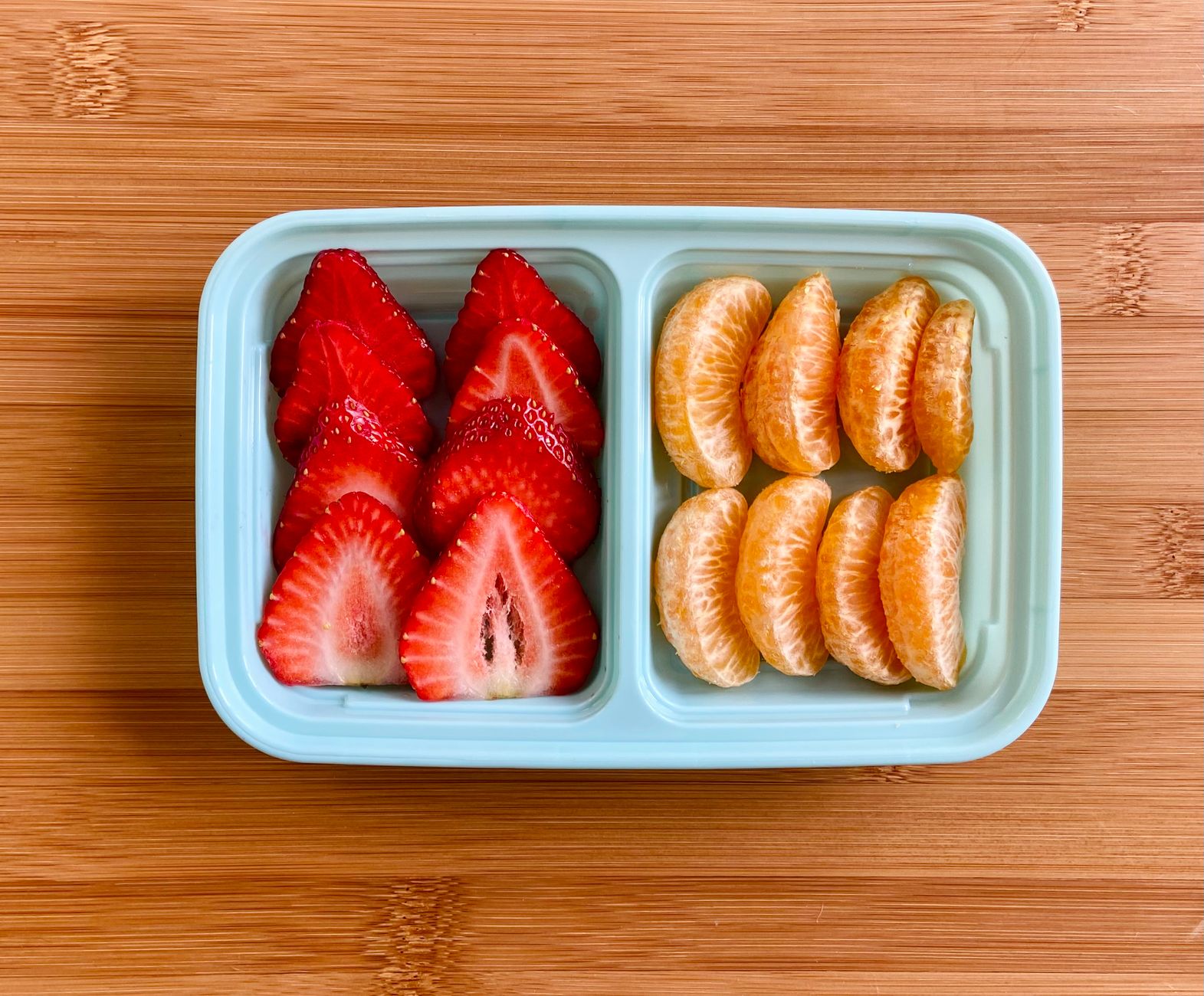
Packing a variety of textures and colors in a bento box can make snack time more appealing for toddlers.
How Do You Pack Nutritious Snacks for Picky 3-5 Year Olds Without Mealtime Battles?
As children grow into the 3-5 year old range, their pickiness can sometimes intensify, or they might develop strong preferences. The challenge shifts from preventing choking hazards to navigating their growing independence and occasional power struggles around food. The goal is to offer nutritious choices in a way that respects their autonomy and makes snack time enjoyable, not a battleground.
For preschoolers, presentation matters. Cut sandwiches into fun shapes with cookie cutters, arrange fruit slices into a "smiley face," or pack a colorful assortment of foods in a bento-style box. This visual appeal can often make a less preferred food seem more exciting. Think about offering a "snack platter" with small portions of 3-4 different items, allowing them to choose what they want from the healthy options you've provided. This gives them a sense of control without sacrificing nutritional quality.
Good snack ideas for this age group include whole-grain mini bagels with cream cheese, apple slices with a small container of nut butter (if no allergies), small muffins (homemade with added veggies like zucchini or carrots), cheese sticks or string cheese, hard-boiled eggs, or whole-grain crackers with hummus. Don't forget about vegetables! Cherry tomatoes, cucumber slices, or bell pepper strips with a dip can be surprisingly popular. Remember to keep portions appropriate for their age – a child's stomach is only about the size of their fist.
Involving Your Child in Snack Prep
One of the most effective ways to reduce mealtime battles is to involve your child in the snack preparation process. Even a 3-year-old can help wash fruits, put crackers into a container, or pick out their favorite color of bell pepper. This involvement fosters a sense of ownership and makes them more likely to eat what they've helped prepare. For instance, you might say, "We need to pack snacks for our trip. Would you like to choose the apples or the oranges today?" or "Can you help me put these carrot sticks into your snack box?"
The "Division of Responsibility" Approach
Many nutrition experts, including Ellyn Satter, advocate for the "Division of Responsibility" in feeding. As the parent, your job is to decide *what* foods are offered, *when* they are offered, and *where* they are eaten. Your child's job is to decide *whether* to eat and *how much* to eat from the foods you provide. This approach takes the pressure off both you and your child, fostering a healthier relationship with food. When it comes to managing a picky eater's diet, this framework can be incredibly liberating. For on-the-go snacks, this means you pack nutritious options, and your child decides if and how much they want to eat from those options, without coercion.
Easy Snack Ideas for Kids Who Only Eat a Few Foods (Plus Protein Boosts)
Dealing with a child who seems to exist on just a handful of preferred foods can be incredibly frustrating. It's common for picky eaters to gravitate towards bland, often carbohydrate-heavy items like plain pasta, bread, or chicken nuggets. The key here is to find creative ways to introduce variety and boost nutrition, especially protein, within their comfort zone, or by subtly modifying their accepted foods.
If your child is stuck on specific items, think about variations. For example, if they love plain crackers, try different shapes or brands, or offer them with a tiny smear of cream cheese or hummus. If they only eat plain chicken, shredded chicken mixed with a little mild sauce (like a low-sugar BBQ sauce or pesto) can be a stepping stone. For children who love mac and cheese, try adding a tablespoon of pureed butternut squash or cauliflower to the sauce, or using whole-wheat pasta.
Protein is essential for growth, satiety, and sustained energy, especially for active kids. Here are some easy protein-packed snack ideas that often appeal to selective eaters:
Cheese sticks or cubes: Portable and familiar.
Hard-boiled eggs: Peel them ahead of time for easy grabbing.
Nut butter packets or small containers (if no allergies): Pair with apple slices, banana, or whole-grain crackers.
Edamame: Cooked and shelled, these are fun to pop and offer good protein and fiber.
Roasted chickpeas: Crunchy and savory, a good alternative to chips.
Yogurt pouches or tubes: Choose plain or low-sugar options.
Tuna or chicken salad mini sandwiches: Use whole-grain bread and cut into small shapes.
Mini meatballs: Homemade with lean ground meat, these can be a hit and are easy to make in bulk.
Sneaking in Nutrients
Sometimes, the most successful strategy for extremely picky eaters is to "sneak" nutrients into foods they already accept. This isn't about deception, but about gentle enhancement. For instance, add a tablespoon of ground flaxseed or chia seeds to yogurt, oatmeal, or even pancake batter. Blend spinach into fruit smoothies (the fruit masks the color and flavor). You can also mix finely grated zucchini or carrots into meatloaf, muffins, or even pasta sauce.
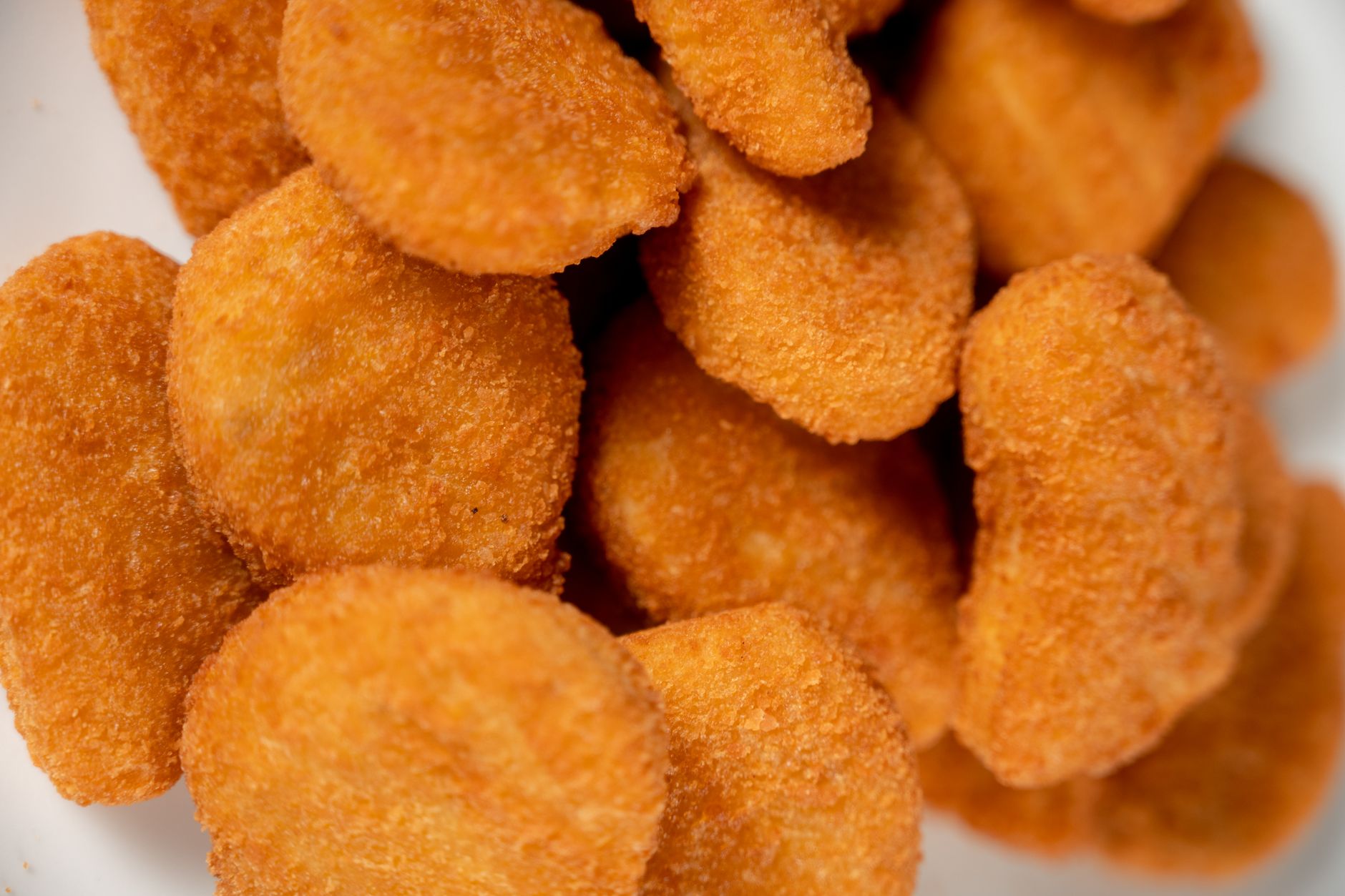
Another approach is to make homemade versions of their favorite processed snacks. For example, a sample day of eating for a picky child might include homemade "fish sticks" made with real fish, or baked "chicken nuggets" using lean chicken breast, which can be healthier and allow you to control ingredients. This provides the familiar taste and texture they love, but with improved nutritional content. Remember to keep the changes subtle at first, gradually increasing the amount as they get used to it.
Homemade versions of favorite snacks can be a great way to boost nutrition and control ingredients.
What Are the Best Travel-Friendly Snacks for Picky Eaters with Food Allergies?
Traveling with a picky eater who also has food allergies adds another layer of complexity to snack planning. Safety is paramount, and cross-contamination is a constant concern. The best travel-friendly snacks for these children are often shelf-stable, individually packaged, and clearly labeled with allergy information. Always double-check labels, even for products you've bought before, as ingredients can change.
For dairy-free needs, consider options like fruit leathers (check for added sugars), dried fruit (raisins, apricots), apple sauce pouches, rice cakes, or dairy-free yogurt alternatives (often found in individual cups). For gluten-free requirements, look for certified gluten-free crackers, popcorn, corn or rice cakes, fruit, and vegetable sticks. Many brands now offer gluten-free pretzels and cookies designed for sensitive diets.
Nut-free snacks are crucial, especially for school or daycare environments where nut allergies are common. Safe options include pretzels, sunflower seed butter packets (often a good alternative to peanut butter), fruit, vegetable sticks, rice crispy treats (check ingredients), and many brands of granola bars that are specifically labeled nut-free. Always choose products explicitly stating "nut-free facility" or "allergy-friendly" if possible.
When packing for travel, separate allergy-safe snacks from other foods to prevent cross-contamination. Use dedicated containers and clearly label them. Wipes are your best friend for cleaning hands and surfaces before and after eating. The Food Allergy Research & Education (FARE) organization provides extensive resources for safe travel with food allergies.
Reading Labels for Allergy Safety
Becoming an expert label reader is essential when managing food allergies. Look for clear statements like "contains milk," "contains wheat," or "may contain nuts." Even if a product doesn't list an allergen, check for advisory statements like "manufactured in a facility that also processes nuts" if your child's allergy is severe. The FDA mandates clear labeling for the top 9 allergens in the US (milk, eggs, peanuts, tree nuts, fish, shellfish, soy, wheat, and sesame), making it easier to identify potential risks.
Allergy Type
Snack Swaps to Consider
What to Watch Out For
Dairy-Free
Fruit pouches, dried fruit, rice cakes, dairy-free yogurt alternatives, hummus with veggie sticks, popcorn.
Whey, casein, lactose, butter, milk powder in crackers, bread, or processed snacks.
How to Transition Picky Eaters from Baby Food to Solid On-the-Go Snacks
The transition from purees and baby foods to more textured solid snacks is a significant developmental step for any child, and it can be particularly challenging for picky eaters. They might resist new textures, gags easily, or simply refuse anything that doesn't feel familiar. The goal is a gradual, positive introduction to a wider variety of solid foods, making them convenient for on-the-go snacking.
Start with foods that are semi-solid or have a soft, easily mashable texture, mimicking some of the qualities of baby food. Think soft cooked sweet potato or squash cut into small cubes, avocado chunks, very ripe banana slices, or small pieces of soft, cooked pasta. These bridge the gap between purees and full solids. You can also offer thicker purees with tiny, soft chunks mixed in to help them get used to a bit of texture.
For on-the-go convenience, pack these soft solids in small, leak-proof containers. Silicone snack cups or small bento boxes work well. Pouches of fruit and vegetable purees can still be a good fallback for very texture-sensitive children, but try to offer a solid alongside it. As they become more comfortable, gradually introduce slightly firmer textures like small pieces of soft cheese, steamed broccoli florets, or tiny pieces of whole-wheat bread. The key is patience and persistence, offering new textures repeatedly without pressure.
Gradual Exposure and Fun Presentations
One effective technique is "food chaining," where you slowly introduce new foods that are similar to accepted ones in terms of flavor, texture, or color. For example, if your child loves plain yogurt, you might introduce a yogurt with very fine fruit puree, then one with tiny soft fruit pieces. If they love crackers, offer a slightly different type, then a cracker with a mild dip. This gradual progression helps them build comfort with new sensory experiences.
Make the transition fun and interactive. Let your child explore the new food with their hands, smell it, or even just touch it to their lips. Use descriptive words about the food (e.g., "crunchy," "smooth," "chewy") to expand their vocabulary and curiosity. Creating a positive environment around new foods, especially for easy dinner recipes for picky eaters, can significantly impact their willingness to try new things. Remember, the goal is exposure and experience, not necessarily immediate consumption.
Snack Ideas for Picky Eaters with Sensory Aversions (Textures, Temperatures, or Smells)
For some picky eaters, food refusal isn't just about taste; it's deeply rooted in sensory sensitivities. Children with sensory aversions might find certain textures unbearable (e.g., slimy, mushy, crunchy), be highly sensitive to specific smells, or prefer foods at very particular temperatures. Addressing these aversions requires a thoughtful approach, focusing on comfort and predictability.
If your child has a strong aversion to certain textures, identify what those are. Do they prefer crunchy foods? Offer roasted chickpeas, dry whole-grain cereals, freeze-dried fruit, or crispy veggie sticks (like carrots or bell peppers). If they prefer smooth textures, applesauce pouches, plain yogurt, smoothies, or hummus can be excellent choices. Avoid mixed textures if that's a trigger – for example, a yogurt with fruit chunks might be rejected, but plain yogurt accepted.
Temperature can also be a factor. Some children prefer all foods at room temperature, while others only eat things hot or cold. Respecting these preferences, especially for on-the-go snacks, can increase acceptance. If they prefer cold, pack chilled fruit, yogurt, or cheese sticks in an insulated bag. If room temperature is key, focus on items like crackers, pretzels, dried fruit, or shelf-stable fruit cups.
Strong smells can also be a deterrent. For children sensitive to odors, choose mild-smelling foods. Avoid pungent cheeses, certain fish, or strong-smelling vegetables like broccoli or cabbage. Opt for bland crackers, plain bread, or fruits with subtle aromas.
Understanding Sensory Preferences
Often, children with autism spectrum disorder (ASD) or other neurodevelopmental differences experience heightened sensory sensitivities, which can manifest as extreme pickiness. For these children, consistency is often key. They might prefer the same brand, shape, or even packaging of a particular food. When planning snacks, prioritize their accepted foods and make small, incremental changes.
When offering a new food to a child with sensory aversions, consider how each sensory aspect might be perceived. Is it the crunch, the sliminess, the sweetness, or the smell that's off-putting? Try to isolate and modify one aspect at a time. For example, if they dislike the texture of cooked carrots, try raw carrot sticks. If they dislike the smell of a certain fruit, try it in a smoothie where the aroma is less direct. Working with an occupational therapist or feeding specialist experienced in sensory feeding issues can be incredibly helpful for personalized strategies.
How to Keep On-the-Go Snacks Fresh and Safe for Up to 4 Hours (Car or Daycare)
Packing snacks for several hours, whether for a car ride, a day at daycare, or a playdate, requires careful attention to food safety. Perishable foods can become unsafe if left at room temperature for too long, potentially leading to foodborne illness. The general rule of thumb from the CDC is that perishable foods should not be left out for more than two hours at room temperature, or one hour if the temperature is above 90°F (32°C).
For snacks that need to stay cool, invest in a good insulated lunch bag or box. These come in various sizes and are designed to keep food at safe temperatures. Pair your insulated bag with several ice packs or a frozen water bottle. Placing ice packs on the top and bottom of the perishable items creates a cooler "sandwich" effect. Freezing items like yogurt tubes or applesauce pouches overnight can also help keep the entire bag cool, and they'll be thawed enough to eat by snack time.
When packing, ensure all containers are leak-proof and airtight. This prevents spills and keeps food fresh. For items that can get soggy (like crackers or sandwiches), pack them separately from wet items like fruit or dips. Consider bento-style boxes with individual compartments, which are great for separating different foods and textures.
Best Containers and Cooling Methods
Choosing the right containers is crucial for both freshness and safety.
Insulated Lunch Bags: Look for ones with good insulation and a durable zipper. Many have separate compartments for ice packs.
Bento Boxes: Excellent for separating different food items, preventing sogginess, and making meals visually appealing. Some even come with small, integrated ice packs.
Reusable Silicone Pouches: Great for yogurt, applesauce, or smoothies. They're often freezer-safe and reduce waste.
Thermos Food Jars: Ideal for keeping foods warm (like leftover pasta) or very cold (like cottage cheese) for several hours. Preheat or pre-chill the thermos with hot or cold water before adding food.
For non-perishable snacks that don't require refrigeration, like whole-grain crackers, pretzels, dried fruit, or fruit leathers, any airtight container or zip-top bag will suffice. These are great for situations where refrigeration isn't an option, and some 7-day picky eater meal plans incorporate them for convenience.
Always wash hands thoroughly before packing and eating snacks. If you're packing for daycare, label all containers and bags clearly with your child's name and the date. Teach your child not to share snacks, especially if allergies are a concern, to prevent accidental cross-contamination.
Snacks for Picky Eaters with Diabetes or Blood Sugar Issues (Low-Glycemic Options)
For picky eaters managing diabetes or blood sugar issues, snack choices are even more critical. The goal is to provide snacks that are low on the glycemic index, meaning they cause a slower, more gradual rise in blood sugar, and that are balanced with protein and fiber to promote satiety and stable energy levels. This requires careful planning and often close collaboration with a healthcare provider or registered dietitian.
When choosing snacks, prioritize whole, unprocessed foods. Fruits and vegetables are generally good choices, but be mindful of portion sizes for fruits, as their natural sugars can still impact blood glucose. Berries, apples, pears, and oranges are generally lower-glycemic fruits compared to bananas or grapes. Pair fruit with a protein or healthy fat to further slow sugar absorption.
Excellent low-glycemic snack options include:
Cheese sticks or cubes: High in protein and fat, minimal carbs.
Hard-boiled eggs: Pure protein, very low carb.
Nuts or seeds (if no allergies): Almonds, walnuts, pumpkin seeds, sunflower seeds are packed with healthy fats and protein.
Greek yogurt (plain, unsweetened): High in protein. Add a few berries for flavor.
Vegetable sticks (cucumber, bell pepper, celery) with hummus or guacamole: Fiber-rich veggies with healthy fats and some protein.
Edamame: Good source of plant-based protein and fiber.
Whole-grain crackers with cheese or nut butter: Choose crackers with higher fiber content and lower net carbs.
Sugar-free gelatin or puddings: Can be a sweet treat without impacting blood sugar significantly.
Always check nutrition labels for total carbohydrates, fiber, and sugar content. The American Diabetes Association (ADA) provides extensive resources for managing diet with diabetes, emphasizing the importance of individualized meal and snack planning.
Balancing Carbohydrates, Protein, and Fat
The key to blood sugar management with snacks is to create a balanced combination. Carbohydrates provide energy but raise blood sugar. Protein and healthy fats help slow down carbohydrate digestion, leading to a more stable blood glucose response. This balance is especially important for picky eaters, who might naturally gravitate towards carb-heavy options.
For example, instead of just offering a handful of grapes (carbohydrate), pair them with a cheese stick (protein and fat). Instead of plain crackers, offer them with sunflower seed butter. This strategy helps keep blood sugar levels more even, preventing sharp spikes and drops, which can lead to mood swings and energy crashes. When planning dietary benefits for picky eaters with specific health conditions, always consult with a pediatric dietitian or endocrinologist.
Low-Glycemic Snack Idea
Key Nutrients
Picky Eater Appeal
Apple slices with cheese cubes
Fiber, protein, healthy fats
Familiar fruit, savory cheese contrast
Plain Greek yogurt with a few berries
High protein, fiber
Smooth texture, slight sweetness
Hard-boiled egg
Pure protein
Simple, familiar, easy to hold
Cucumber slices with hummus
Fiber, healthy fats, plant protein
Crunchy, dippable, mild flavor
Small handful of almonds/walnuts (if age/allergy appropriate)
Healthy fats, protein, fiber
Crunchy, savory, easy to portion
Foods to Enjoy, Limit, and Avoid for Picky Eaters On-the-Go
When planning on-the-go snacks for picky eaters, it's helpful to have a clear understanding of which foods are generally beneficial, which should be consumed sparingly, and which are best avoided altogether. This framework helps parents make quick, informed decisions even when faced with limited options.
Foods to Enjoy
These are the staples that provide excellent nutrition and are often well-tolerated by picky eaters:
Fruits: Fresh berries, apple slices, orange segments, melon cubes, grapes (quartered), bananas, dried fruit (in moderation, check for added sugar). Fruit pouches are also great.
Vegetables: Cucumber slices, carrot sticks, bell pepper strips, cherry tomatoes, steamed broccoli florets (soft), peas, edamame. Offer with dips like hummus or guacamole.
Dairy/Dairy Alternatives: Cheese sticks, cheese cubes, plain yogurt (Greek for more protein), cottage cheese, dairy-free yogurts or milks.
Proteins: Hard-boiled eggs, shredded chicken, turkey slices, lean deli meats (low sodium), roasted chickpeas, sunflower seed butter packets, small pieces of tofu.
Whole Grains: Whole-wheat crackers, whole-grain bread or mini bagels, unsweetened O-shaped cereal, plain popcorn, rice cakes, whole-grain pretzels.
Healthy Fats: Avocado slices or mashed, olives, a small handful of nuts/seeds (if age and allergy appropriate).
Foods to Limit
These foods can be part of a balanced diet but should be offered sparingly due to their lower nutritional value or high content of sugars, unhealthy fats, or sodium:
Processed Grain Products: White bread, sugary cereals, many conventional granola bars (check sugar content), most snack cakes.
Sugary Drinks: Fruit juices (even 100% juice should be limited), sodas, sweetened teas. Offer water or plain milk instead.
Sweetened Dairy: Flavored yogurts with high sugar content, ice cream.
Processed Meats: High-sodium deli meats, hot dogs, chicken nuggets (unless homemade lean versions).
Snack Foods: Potato chips, most cheese puffs, candy, cookies (unless homemade with reduced sugar).
Foods to Avoid
These foods pose choking hazards for young children or offer little to no nutritional benefit and are best avoided, especially for on-the-go snacking where supervision might be less direct:
Choking Hazards (for children under 4): Whole grapes, whole nuts, popcorn, large chunks of meat or cheese, hot dogs, hard candy, sticky candy, large dollops of nut butter, marshmallows. Always cut small, round foods into quarters lengthwise.
Excessively Sugary Items: Candy bars, most packaged pastries, fruit snacks (often just sugar), high-fructose corn syrup-laden treats.
Foods with Artificial Additives: Many brightly colored processed snacks contain artificial dyes and flavors that are best minimized.
Unpasteurized Products: Raw milk or unpasteurized juices, which can carry harmful bacteria.
Common Mistakes When Offering On-the-Go Snacks to Picky Eaters
Even with the best intentions, parents can fall into common traps when trying to feed a picky eater, especially when outside the home. Recognizing these pitfalls can help you adjust your approach and foster a more positive relationship with food for your child.
Mistake 1: Offering Too Many Choices or Too Much Food. While giving choices is good, overwhelming a picky eater with too many options can lead to decision paralysis or rejection of everything. Limit choices to two healthy options. Similarly, giant portions can feel daunting; small, manageable amounts are more inviting. Remember, on-the-go snacks are meant to bridge meals, not replace them. Over-snacking can decrease appetite for main meals.
Mistake 2: Pressuring or Bribing Your Child to Eat. Saying things like, "Just one more bite," or "If you eat this, you can have a cookie," creates negative associations with food. It teaches children to eat for external rewards rather than internal hunger cues and can make them more resistant. The "Division of Responsibility" approach emphasizes that children decide how much they eat.
Mistake 3: Giving Up Too Soon on New Foods. It's easy to get discouraged when a new snack is rejected, but it can take 10-15 (or even more!) exposures before a child accepts a new food. Keep offering small amounts of new items alongside familiar favorites without pressure. Repeated, low-stakes exposure is key.
Mistake 4: Not Modeling Healthy Eating. Children learn by observing. If they consistently see you making healthy choices and enjoying a variety of foods, they are more likely to emulate that behavior over time. Bring healthy snacks for yourself when you're on the go.
Mistake 5: Relying Too Heavily on Packaged "Kid-Friendly" Snacks. Many snacks marketed to children are high in sugar, sodium, and artificial ingredients. While convenient, over-reliance on these can reinforce picky eating habits and displace more nutritious whole foods. Focus on whole foods first, and choose packaged snacks wisely by reading labels carefully.
Mistake 6: Ignoring Hunger Cues. Sometimes, a child refuses a snack because they genuinely aren't hungry, or they're overtired. Forcing food when they're not ready can lead to frustration. Offer at predictable times, but respect their "no" if they're not hungry. Conversely, waiting until they are "hangry" can lead to poor choices and meltdowns.
Myth vs. Fact
Navigating picky eating is full of advice, some helpful, some not. Let's clear up a few common misconceptions.
Myth: If my child doesn't eat enough vegetables, they won't get all the nutrients they need.
Fact: While vegetables are incredibly important, children can obtain many of the same vitamins and minerals from fruits and other food groups. If your child is resistant to vegetables, focus on offering a wide variety of fruits, whole grains, and protein sources. Small, consistent exposure to vegetables is still important, but don't panic if they're not eating large quantities. A balanced diet across all food groups is the goal.
Myth: My picky eater will grow out of it eventually, so I don't need to worry.
Fact: While some mild pickiness is a normal developmental stage that often improves with age, extreme or persistent picky eating (sometimes called "Avoidant/Restrictive Food Intake Disorder" or ARFID) can lead to nutritional deficiencies, impaired growth, and significant family stress. If your child's diet is extremely limited, affecting their growth, or causing severe distress, it's important to seek professional help from a pediatrician or feeding specialist.
Myth: The best way to get a picky eater to try new foods is to hide them.
Fact: While "sneaking" nutrients can be a short-term strategy, especially for very resistant eaters, it doesn't teach children to accept new foods or build trust around food. Transparency is generally better. The goal is for children to become comfortable with new flavors and textures. Instead of hiding, try presenting small amounts of new foods alongside familiar ones, and celebrate any interaction, even just touching or smelling.
Key Takeaways
Choose soft, easy-to-chew, and nutrient-dense snacks for toddlers under 2, focusing on preventing choking hazards.
For 3-5 year olds, involve them in snack prep and use the "Division of Responsibility" to foster positive eating habits.
Boost nutrition, especially protein, in accepted foods for extreme picky eaters through subtle modifications and creative additions.
Prioritize shelf-stable, clearly labeled, and individually packaged snacks for children with food allergies, and prevent cross-contamination.
Transition from baby food to solids gradually, offering semi-solid textures and making new foods fun and interactive.
Respect sensory aversions by offering snacks that align with preferred textures, temperatures, and smells, and seek professional guidance if needed.
Use insulated bags, ice packs, and appropriate containers to keep perishable snacks fresh and safe for up to 4 hours.
For children with diabetes or blood sugar issues, focus on low-glycemic options balanced with protein and fiber.
Avoid pressuring or bribing your child to eat, and model healthy eating habits yourself.
Frequently Asked Questions
What are the best snacks for a picky 2-year-old who only eats goldfish and bananas?
For a 2-year-old who loves goldfish and bananas, gradually introduce similar but more nutritious options. Try whole-grain crackers (similar crunch to goldfish) with a tiny bit of cream cheese or avocado. For bananas, offer other soft fruits like melon cubes or ripe pear slices. You can also try plain whole-milk yogurt, which is smooth like mashed banana and offers protein. Small pieces of cheese or steamed sweet potato cubes are also good options to expand their repertoire.
How can I make sure my picky eater’s snacks are balanced with protein, fiber, and vitamins?
Aim to combine at least two food groups in each snack. For example, pair fruit (fiber, vitamins) with cheese (protein, fat) or whole-grain crackers (fiber) with hummus (protein, fiber). Hard-boiled eggs offer pure protein. Look for whole, unprocessed foods and limit items high in added sugar. This balanced approach helps provide sustained energy and a wider range of essential nutrients.
Are there any snacks for picky eaters that can be made in bulk and frozen for later?
Absolutely! Many homemade picky eater snacks can be made in bulk and frozen. Examples include mini muffins (with hidden veggies like zucchini or carrots), homemade whole-grain chicken nuggets or fish sticks, energy balls (made with oats, nut butter, and flaxseed), or fruit and veggie smoothies frozen into popsicles. Simply thaw them in the fridge or pack frozen in a lunchbox to thaw by snack time.
What should I do if my picky eater refuses all new snacks and only eats the same 2 foods?
If your picky eater is extremely limited, the first step is to ensure they are growing and healthy; consult your pediatrician. Then, focus on very gradual exposure. Offer tiny amounts of a new food alongside their accepted items, without pressure to eat it. Let them touch, smell, and explore. Repeated, non-stressful exposure is key. Consider "food chaining" – introducing new foods that are similar to their accepted foods in color, texture, or flavor.
How do I keep snacks from getting soggy or mushy in a lunchbox or bag?
To prevent sogginess, pack wet and dry ingredients separately. For example, keep crackers in a separate compartment from fruit, or pack dips in small, sealed containers. Use sturdy, airtight containers or bento boxes that have individual compartments. For fruits that brown easily (like apples), a quick dip in a mixture of water and lemon juice can help. Avoid packing very delicate items if they'll be jostled around.
Are there any snacks for picky eaters that are also good for dental health (low sugar)?
Yes, many healthy snacks are also good for dental health. Focus on low-sugar, high-fiber, and protein-rich options. Good choices include cheese (helps neutralize mouth acids), plain yogurt, vegetable sticks (like carrots or celery, which can help clean teeth naturally), hard-boiled eggs, nuts/seeds (if age-appropriate), and whole-grain crackers. Avoid sticky, sugary foods and frequent sipping of sugary drinks, which contribute to cavities.
When to See a Doctor or Specialist
While some degree of picky eating is a normal part of childhood development, there are times when it warrants professional attention. If your child's picky eating is causing significant concern, consult your pediatrician, a pediatric dietitian, or a feeding therapist. Look for these signs:
Poor Growth: Your child is not gaining weight or growing appropriately for their age.
Nutritional Deficiencies: Your pediatrician identifies signs of vitamin or mineral deficiencies.
Extremely Limited Diet: Your child consistently eats fewer than 10-15 different foods, or their diet consists of only one or two food groups.
Severe Distress: Meal or snack times are consistently stressful, leading to meltdowns, crying, or significant anxiety for your child or family.
Choking or Gagging Issues: Persistent gagging, coughing, or choking on certain textures, beyond what's typical for their age.
Sensory Aversions: Extreme sensitivity to textures, smells, or temperatures that severely limits their food choices.
Persistent Reflux or Digestion Issues: Pickiness accompanied by frequent reflux, constipation, or other digestive problems.
Remember, this article is for informational purposes only and is not a substitute for professional medical advice, diagnosis, or treatment. Always seek the advice of your physician or other qualified health provider with any questions you may have regarding a medical condition or your child's health.
References
American Academy of Pediatrics (AAP). "Picky Eaters: Tips for Parents."
Academy of Nutrition and Dietetics. "Picky Eating in Children."
Centers for Disease Control and Prevention (CDC). "Food Safety for Kids."
Ellyn Satter Institute. "Division of Responsibility in Feeding."
Food Allergy Research & Education (FARE). "Managing Food Allergies."
American Diabetes Association (ADA). "Healthy Eating for Children with Diabetes."
Not sure about the label on Kids Picky Eater Diet Snacks For On The Go products?
Snap the ingredients list and SafeFilter checks every ingredient for your stage — only 3 free scans this month, then you're locked until reset. Unlimited from $7/mo or $50/yr.
When Shubhra Mishra was expecting her first child in 2016, she was overwhelmed by conflicting food advice — one site said yes, another said never. By the time her second baby arrived in 2019, she realized millions of mothers face the same confusion.
That sparked a five-year journey through clinical nutrition papers, cultural diets, and expert conversations — all leading to BumpBites: a calm, compassionate space where science meets everyday motherhood.
Her long-term vision is to build a global community ensuring safe, supported, and free deliveriesfor every mother — because no woman should face pregnancy alone or uninformed. 🌿
🌍 Stand with mothers, shape safer guidance
Join a small circle of experts who review BumpBites articles so expecting parents everywhere can decide with confidence.