’re exhausted after a long day, and the last thing you want to do is spend an hour in the kitchen. But dinner doesn’t have to be a chore—especially when you’re working with a picky eater. The secret? **Repetition, simplicity, and sneaky nutrition**. Below is a **7-day dinner plan** that keeps meals easy, familiar, and (mostly) veggie-friendly. Each recipe is designed to be adaptable: swap proteins, hide veggies, or let your child customize their plate.
To make your week even smoother, consider dedicating a bit of time on the weekend for meal prep. This could involve chopping vegetables, batch-cooking a protein like shredded chicken, or preparing sauces in advance. Having these components ready to go can drastically cut down on weeknight cooking stress and help you stick to your goal of offering balanced meals without becoming a short-order cook.
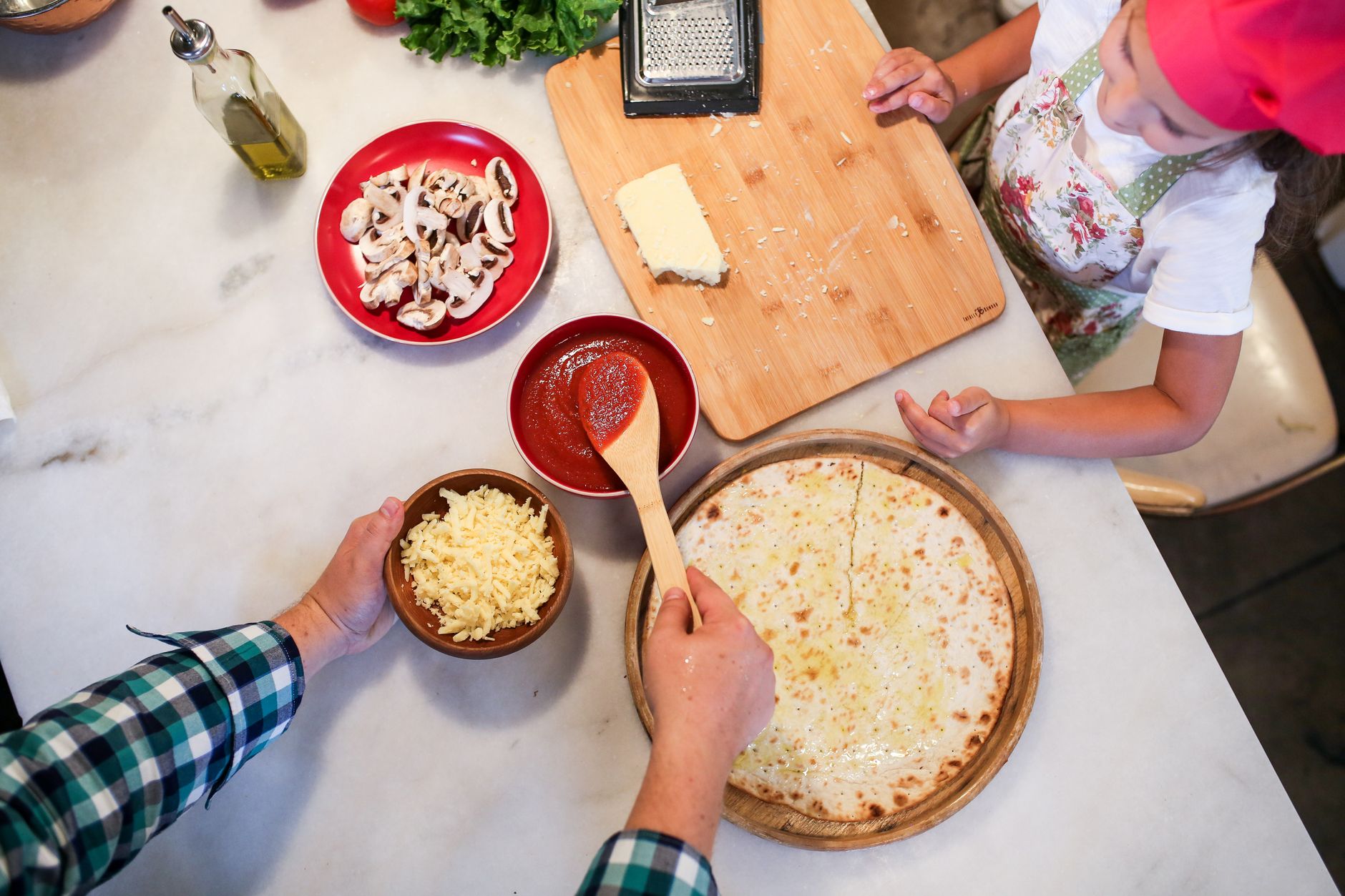
**Pro tip:** Use a slow cooker or one-pan meals to minimize cleanup. And don’t forget to involve your child in the process—even if it’s just stirring or sprinkling cheese. Research shows that kids are more likely to try foods they’ve helped prepare.
---
---
Day 1: Cheesy Hidden-Veggie Mac and Cheese
**Why it works**: Mac and cheese is a picky eater’s dream—creamy, familiar, and easy to customize. This version sneaks in steamed cauliflower or butternut squash for extra nutrients without changing the texture.
Ingredients:
- 1 lb elbow macaroni
- 2 cups shredded cheddar cheese
- 1 cup steamed cauliflower (or butternut squash puree)
- 1/2 cup milk
- 1 tbsp butter
- 1/2 tsp garlic powder
- Salt and pepper to taste
Instructions:
- Cook pasta according to package instructions. Drain and set aside.
- In a saucepan, melt butter over medium heat. Add cauliflower (or squash) and cook for 2 minutes.
- Stir in milk, garlic powder, and half the cheese until smooth. Remove from heat.
- Mix in pasta and remaining cheese until creamy. Season with salt and pepper.
- Serve with a side of applesauce or steamed carrot sticks (cut into fun shapes).
Picky eater hack: Let your child sprinkle their own cheese on top or add a drizzle of hot honey for extra appeal.
Day 2: Slow Cooker Honey Garlic Chicken with Rice
**Why it works**: Chicken is a safe bet for most kids, and the sweet-savory sauce makes it irresistible. Serve with white or brown rice and steamed broccoli (cut into tiny florets to make it less intimidating).
Ingredients:
- 1.5 lbs boneless chicken thighs
- 1/4 cup honey
- 1/4 cup soy sauce
- 3 cloves garlic, minced
- 1 tbsp grated ginger
- 1 cup cooked rice
- 1 cup steamed broccoli (cut small)
Instructions:
- Combine honey, soy sauce, garlic, and ginger in a bowl. Pour over chicken in the slow cooker.
- Cook on low for 6 hours or high for 3 hours.
- Shred chicken and mix with sauce. Serve over rice with broccoli on the side.
Picky eater hack: Serve the chicken in fun shapes (use cookie cutters) or let your child dip the broccoli in a mild ranch dressing.
---
---
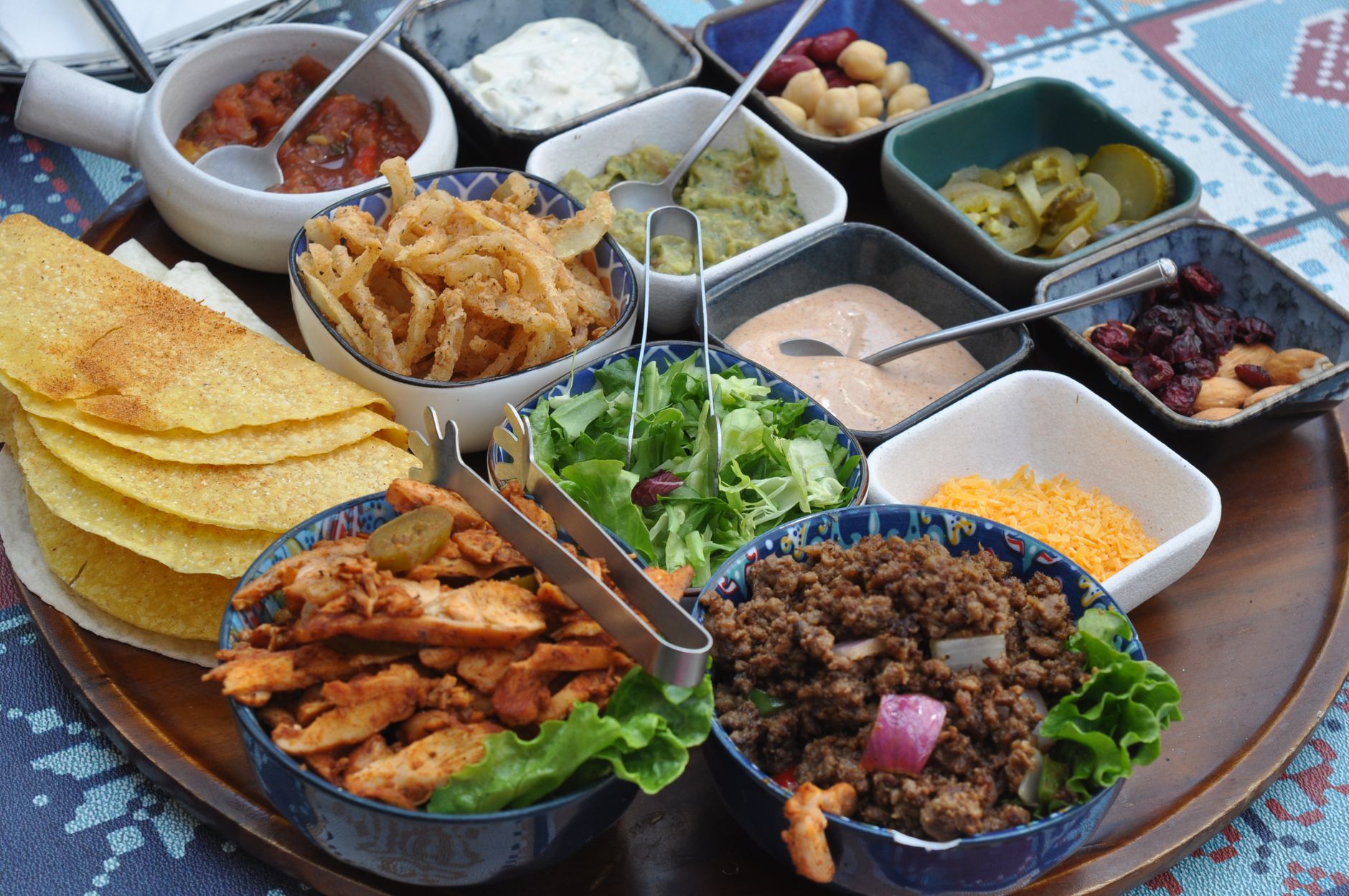
Day 3: Build-Your-Own Taco Bar
**Why it works**: Kids love control, and a taco bar lets them assemble their own meal—no pressure, no forced veggies (unless you hide them!). Use soft tortillas, mild cheeses, and familiar proteins like shredded chicken or ground beef.
Ingredients:
- 1 lb ground beef or shredded chicken
- 1 packet taco seasoning (or homemade: cumin, paprika, garlic powder)
- 8 soft flour tortillas
- 1 cup shredded cheese
- 1/2 cup black beans (mashed into the meat for extra protein)
- Toppings: lettuce (finely chopped), diced tomatoes, mild salsa, sour cream
Instructions:
- Cook ground beef or chicken with taco seasoning. Drain excess fat.
- Mix in mashed black beans (your child won’t notice!).
- Set out toppings and tortillas. Let your child build their own tacos.
- Serve with a side of corn or roasted sweet potato wedges.
Picky eater hack: For kids who refuse lettuce, serve it as a "taco salad" with shredded cheese and beans on the side.
---
---
Day 4: Hidden-Veggie Grilled Cheese with Tomato Soup
**Why it works**: Grilled cheese is a comfort food staple, and this version sneaks in spinach or carrot puree into the pesto. Serve with warm tomato soup (blended smooth) for a cozy meal.
Ingredients:
- 4 slices bread
- 4 slices cheddar cheese
- 2 tbsp pesto (store-bought or homemade with spinach or carrot)
- 1 cup tomato soup (blended)
- 1 tbsp butter
Instructions:
- Spread pesto on one slice of bread per sandwich. Add cheese, then the other slice.
- Cook in a buttered pan over medium heat until golden and crispy.
- Serve with warm tomato soup (let your child stir in a little cheese if they like).
Picky eater hack: Cut sandwiches into fun shapes (hearts, stars) or serve with a side of apple slices.
---
---
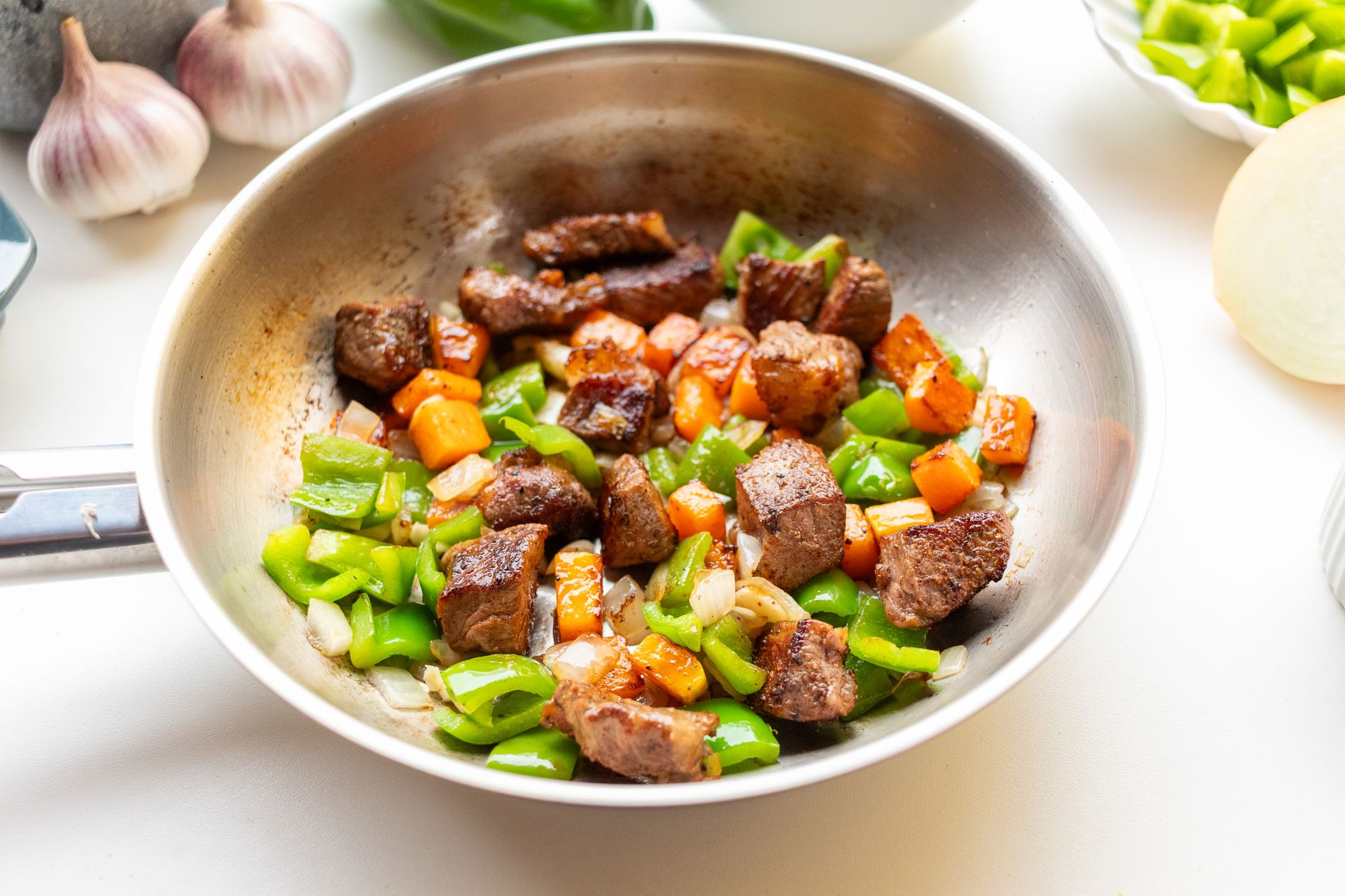
Day 5: Slow Cooker Beef and Veggie Stir-Fry
**Why it works**: Soft-cooked veggies and tender beef make this a great option for kids who dislike crunchy textures. Use a slow cooker to melt flavors together.
Ingredients:
- 1 lb beef strips
- 2 cups sliced bell peppers (soft)
- 1 cup shredded carrots
- 1 cup cooked rice
- 2 tbsp soy sauce
- 1 tbsp honey
- 1 tbsp sesame oil
Instructions:
- Add beef, peppers, and carrots to the slow cooker. Pour soy sauce, honey, and sesame oil over the top.
- Cook on low for 6 hours or high for 3 hours.
- Serve over rice. Let your child customize with extra soy sauce or a drizzle of peanut butter.
Picky eater hack: Serve with a side of edamame (shelled) or steamed broccoli florets for extra protein.
Day 6: Breakfast-for-Dinner Pancakes with Scrambled Eggs
**Why it works**: Breakfast foods are often easier for picky eaters to accept. These pancakes can be made with whole wheat or oat flour for extra fiber, and scrambled eggs are a safe protein.
Ingredients:
- 1 cup pancake mix (or homemade: 1 cup flour, 1 tbsp baking powder, 1 egg, 1 cup milk)
- 2 eggs
- 1/2 cup milk
- 1 tbsp butter
- Salt to taste
Instructions:
- Mix pancake ingredients until smooth. Cook on a buttered griddle.
- Scramble eggs in a separate pan. Serve with pancakes and a side of fruit.
Picky eater hack: Let your child top their pancakes with syrup, peanut butter, or a sprinkle of cinnamon sugar.
Day 7: Deconstructed Pizza Night
**Why it works**: Pizza is universally loved (even if your child refuses the veggie toppings). Deconstruct it into a "build-your-own" meal with sauce, cheese, and safe toppings.
Ingredients:
- 1 pre-made pizza crust
- 1 cup marinara sauce
- 2 cups shredded mozzarella
- Toppings: pepperoni, ham, or chicken (optional: finely chopped mushrooms or spinach for sneaky veggies)
Instructions:
- Bake pizza crust according to package instructions.
- Spread sauce and cheese on the crust. Add toppings.
- Serve with a side of garlic bread or a simple salad (if your child will tolerate it).
Picky eater hack: Let your child assemble their own "pizza bagels" with bagel halves, sauce, and cheese.
---
---
---
Quick Dinner Ideas for Picky Eater Children: Under 30 Minutes
When you’re short on time, quick meals can still be nutritious and appealing. The key is to **minimize prep** and **maximize flexibility**. Below are **five under-30-minute meals** that require little chopping or cooking.
Leveraging convenience foods like pre-cooked chicken, canned beans, or frozen vegetables can be a game-changer for busy weeknights. These items significantly reduce prep time while still allowing you to build a balanced meal. Don't be afraid to think outside the box – even a simple rotisserie chicken can be transformed into multiple kid-friendly meals throughout the week.
**Pro tip:** Use pre-cut veggies, canned beans, or frozen veggies to save time. And don’t forget to involve your child in simple tasks like stirring or adding toppings.
1. 5-Minute Quesadillas with Hidden Black Beans
Ingredients:
- 1 tortilla
- 1/4 cup shredded cheese
- 1/4 cup mashed black beans (mixed into the cheese)
- 1 tbsp salsa (optional)
Instructions: Spread cheese and beans on half the tortilla, fold, and cook in a dry pan for 2–3 minutes per side. Serve with a side of applesauce or yogurt.
2. Microwave Baked Potato Bar
Ingredients:
- 2 baked potatoes (microwaved for 8–10 minutes)
- Toppings: cheese, sour cream, chives, canned chili (for extra protein)
Instructions: Let your child top their own baked potato with their favorite toppings. Serve with a side of steamed carrots or a simple salad.
3. 10-Minute Peanut Butter & Banana Roll-Ups
Ingredients:
- 1 tortilla
- 2 tbsp peanut butter
- 1 banana, sliced
- 1 tbsp honey (optional)
Instructions: Spread peanut butter on the tortilla, add banana slices, drizzle with honey, and roll up. Cut into pinwheels.
4. 15-Minute Chicken Nuggets with Sweet Potato Fries
Ingredients:
- 1 lb frozen chicken nuggets
- 1 sweet potato, cut into fries
- 1 tbsp olive oil
- Salt and pepper to taste
Instructions: Bake nuggets and fries at 400°F for 15–20 minutes. Serve with ketchup or a side of applesauce.
5. 20-Minute Tuna Melts with Hidden Veggies
Ingredients:
- 1 can tuna, drained
- 1/4 cup mayonnaise
- 1 tbsp grated carrot or zucchini (finely chopped)
- 2 slices bread
- 1 slice cheese
Instructions: Mix tuna, mayo, and veggies. Spread on bread, top with cheese, and toast in a pan until melted.
---
Healthy Dinner Recipes for Picky Eater Kids: Hidden Veggies and Smart Swaps
You don’t have to sacrifice nutrition when your child is picky. The trick is to **hide veggies in familiar foods** and use **smart ingredient swaps** to boost nutrition without changing the taste or texture. Below are **five healthy swaps** and **three hidden-veggie recipes** to try.
Even small changes can make a big difference in the overall nutritional profile of your child's meals. These smart swaps are designed to increase fiber, protein, and essential vitamins without triggering their "yuck factor." The goal is to make healthy eating feel effortless and enjoyable, rather than a battle of wills. Remember, consistency over time is what truly impacts their dietary habits.
5 Smart Ingredient Swaps for Picky Eaters
3 Hidden-Veggie Recipes
1. Hidden Spinach Meatballs
Ingredients:
- 1 lb ground beef or turkey
- 1 cup breadcrumbs
- 1 egg
- 1/2 cup finely chopped spinach (or pureed)
- 1/4 cup grated parmesan
- 1 tsp garlic powder
Instructions: Mix all ingredients, form into meatballs, and bake at 375°F for 20 minutes. Serve with marinara sauce and a side of spaghetti (or cauliflower rice).
2. Butternut Squash Mac and Cheese
Ingredients:
- 1 lb macaroni
- 2 cups shredded cheddar
- 1 cup butternut squash puree
- 1/2 cup milk
- 1 tbsp butter
Instructions: Cook pasta, blend squash with milk and butter, mix into cheese sauce, and combine with pasta. Top with extra cheese.
3. Zucchini and Cheese Stuffed Shells
Ingredients:
- 12 jumbo pasta shells
- 1 cup ricotta cheese
- 1/2 cup grated zucchini (finely chopped)
- 1/2 cup marinara sauce
- 1 cup shredded mozzarella
Instructions: Cook shells al dente. Mix ricotta and zucchini, stuff into shells, top with sauce and mozzarella, and bake at 375°F for 20 minutes.
---
How to Make Dinner Appealing to Picky Eater Kids: Psychology and Presentation
Kids aren’t just picky because they don’t like flavors—they’re also sensitive to **texture, temperature, and presentation**. Here’s how to make dinner feel less like a battle and more like an invitation.
Understanding these psychological triggers can empower you to create a more positive mealtime experience. By focusing on how food looks, feels, and is offered, you can bypass some of the common hurdles of picky eating. Remember, you're trying to build a positive association with food, and that often starts with making it seem less threatening and more exciting.
1. Texture Matters
Some kids dislike crunchy foods, while others avoid mushy textures. Here’s how to adapt:
- For crunchy haters: Serve veggies steamed until soft or cut into tiny pieces (e.g., "dinosaur sticks").
- For texture-sensitive kids: Use a food processor to blend veggies into sauces or dips.
- For kids who dislike cold food: Serve soups or sauces warm and let them dip.
2. Presentation is Key
Kids are more likely to try food that looks fun. Try these tricks:
- Use cookie cutters to shape sandwiches or fruit.
- Arrange food in fun patterns (e.g., broccoli "trees" with cheese "snow").
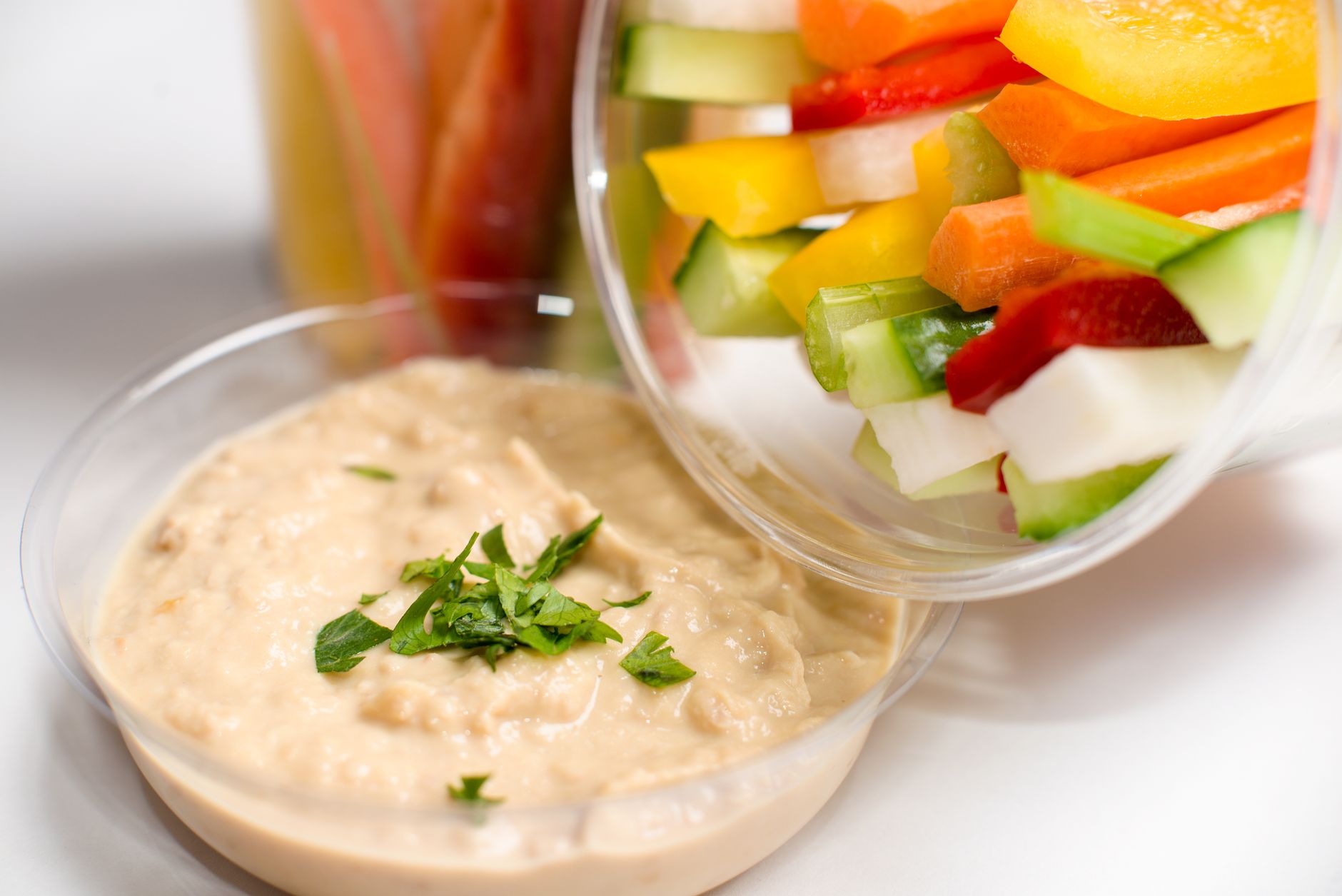
- Serve dips (yogurt, hummus, ketchup) for dipping veggies or fruit.
- Let them "build" their meal (e.g., taco bar, pizza bagels).
3. The "One Bite" Rule
Instead of pressuring your child to finish their plate, try the **"one bite" rule**:
"Try one bite of this new food. If you don’t like it, that’s okay—you’ve earned a sticker!"
This reduces pressure and makes trying new foods feel like a game. Celebrate small wins—even if it’s just one pea! The goal is consistent, low-pressure exposure, which helps build familiarity and reduces anxiety around new foods over time. Avoid making it a punishment if they refuse, and instead, focus on the positive effort.
---
---
4. Involve Them in the Process
Kids are more likely to try food they’ve helped prepare. Try these simple tasks:
- Let them wash veggies or stir ingredients.
- Have them sprinkle cheese or toppings.
- Let them choose between two options (e.g., "Do you want carrots or cucumbers with dip?").
For more ideas, check out our guide to involving kids with sensory sensitivities in cooking.
---
Vegetable-Based Dinner Recipes for Picky Eater Kids: Sneaky and Delicious
You don’t have to force veggies—you can **hide them in sauces, soups, and dips** so they blend into familiar foods. Below are **five vegetable-based recipes** that even the most reluctant eaters might enjoy.
These "sneaky veggie" recipes are a fantastic way to ensure your child is getting essential nutrients without them even realizing it. While the ultimate goal is for children to accept and enjoy visible vegetables, these recipes serve as a valuable bridge, providing crucial vitamins and minerals during the picky eating phase. They help build a foundation of nutrition and gradually introduce the flavors of vegetables in a non-threatening way.
1. Creamy Tomato and Spinach Pasta
Ingredients:
- 1 lb pasta
- 1 cup tomato sauce
- 1 cup fresh spinach
- 1/2 cup grated parmesan
- 1 tbsp butter
- Salt and pepper to taste
Instructions: Cook pasta, blend spinach into the sauce, and toss with pasta. Top with cheese.
2. Butternut Squash and Chicken Soup
Ingredients:
- 1 cup diced butternut squash
- 1 chicken breast, shredded
- 1 cup chicken broth
- 1/2 cup milk
- 1 tbsp butter
- Salt and pepper to taste
Instructions: Simmer squash and chicken in broth for 10 minutes. Blend until smooth, add milk and butter, and serve warm.
3. Hidden-Carrot Pancakes
Ingredients:
- 1 cup pancake mix
- 1/2 cup grated carrot (finely chopped)
- 1 egg
- 1/2 cup milk
- 1 tbsp honey
Instructions: Mix all ingredients, cook pancakes, and serve with syrup or fruit.
4. Cheesy Cauliflower Rice Bake
Ingredients:
- 2 cups cauliflower rice
- 1 cup shredded cheese
- 1/2 cup marinara sauce
- 1 tbsp olive oil
- Salt and pepper to taste
Instructions: Mix cauliflower rice with cheese and sauce, bake at 375°F for 20 minutes.
5. Zucchini and Cheese Quesadillas
Ingredients:
- 1 tortilla
- 1/2 cup shredded cheese
- 1/4 cup grated zucchini
- 1 tbsp butter
Instructions: Spread cheese and zucchini on the tortilla, fold, and cook in a pan until crispy.
---
One-Pan Dinner Recipes for Picky Eater Kids: Minimal Cleanup, Maximum Flexibility
One-pan meals are a lifesaver for busy parents. They’re easy to make, require minimal cleanup, and let you **customize proteins and sides** to fit your child’s preferences. Below are **five one-pan recipes** that are picky-eater approved.
The beauty of one-pan meals lies in their adaptability. You can easily divide the pan before cooking to keep certain ingredients separate for a picky eater, or simply offer a mix-and-match approach at the table. This versatility helps cater to different tastes within the same family, minimizing the need for multiple meals and making dinner a less stressful affair for everyone. Plus, fewer dishes mean more family time!
1. One-Pan Chicken and Veggie Bake
Ingredients:
- 1 lb chicken thighs
- 1 cup diced potatoes
- 1 cup diced carrots
- 1/2 cup chicken broth
- 1 tbsp olive oil
- Salt and pepper to taste
Instructions: Toss everything in a pan, cover, and bake at 400°F for 30 minutes. Serve with a side of applesauce.
2. One-Pan Taco Skillet
Ingredients:
- 1 lb ground beef
- 1 packet taco seasoning
- 1 cup corn
- 1 cup black beans
- 1 cup shredded cheese
- Tortillas (optional)
Instructions: Cook beef with seasoning, add corn and beans, top with cheese, and serve with tortillas.
3. One-Pan Sausage and Veggie Hash
Ingredients:
- 1 lb sausage
- 1 cup diced potatoes
- 1 cup diced bell peppers
- 1 tbsp olive oil
- Salt and pepper to taste
Instructions: Cook sausage, add potatoes and peppers, and crisp everything in the pan.
4. One-Pan Baked Ziti
Ingredients:
- 1 lb ziti pasta
- 1 cup marinara sauce
- 1 cup shredded mozzarella
- 1 cup ricotta cheese
- 1/2 cup grated zucchini (optional)
Instructions: Mix everything in a pan, cover, and bake at 375°F for 25 minutes.
5. One-Pan Honey Mustard Chicken
Ingredients:
- 1 lb chicken tenders
- 1/4 cup honey
- 1/4 cup mustard
- 1 tbsp olive oil
- 1 cup roasted potatoes
Instructions: Toss chicken with honey and mustard, bake with potatoes at 400°F for 25 minutes.
---
Dinner Recipes for Kids Who Refuse Vegetables: No Veggie-Free Zone
If your child refuses all veggies, don’t panic—you can still pack in nutrients without them noticing. The key is to **use sauces, soups, and dips** to hide veggies while keeping meals familiar. Below are **five veggie-free (but veggie-packed) recipes** to try.
It's important to remember that even if your child isn't eating visible vegetables, consistently offering them small portions alongside preferred foods is still crucial for exposure. The goal isn't to trick them forever, but to ensure they're getting vital nutrients during a challenging phase, while also continuing to model healthy eating and offering opportunities for them to explore new foods without pressure. Over time, these exposures can lead to greater acceptance.
1. Creamy Tomato Soup with Hidden Spinach
Ingredients:
- 1 can tomato soup
- 1 cup fresh spinach
- 1/2 cup milk
- 1 tbsp butter
- Salt and pepper to taste
Instructions: Blend spinach into the soup, heat with milk and butter, and serve with a side of grilled cheese.
2. Hidden-Veggie Meatloaf
Ingredients:
- 1 lb ground beef
- 1/2 cup grated carrots
- 1/2 cup breadcrumbs
- 1 egg
- 1 tbsp ketchup
- 1/2 tsp onion powder
- Salt and pepper to taste
Instructions: Mix all ingredients well. Shape into a loaf and place in a baking dish. Bake at 375°F for 45-55 minutes, or until cooked through. Serve with mashed potatoes or a side of macaroni.
3. Sweet Potato & Apple Puree (as a side or sauce)
Ingredients:
- 1 large sweet potato, peeled and cubed
- 1 apple, peeled and cubed
- 1/4 cup water or apple juice
- Pinch of cinnamon
Instructions: Combine sweet potato, apple, and water in a saucepan. Bring to a simmer, cover, and cook until very tender (about 15-20 minutes). Mash or blend until smooth. Add cinnamon. Serve as a dipping sauce for chicken nuggets or as a side dish.
4. Chicken & Cauliflower "Rice" Bowls
Ingredients:
- 1 cup cooked shredded chicken
- 2 cups cauliflower rice (steamed)
- 1/4 cup mild teriyaki sauce or BBQ sauce
- 1 tbsp olive oil
Instructions: Heat olive oil in a pan. Add steamed cauliflower rice and cook for 3-5 minutes until slightly tender. Stir in shredded chicken and sauce, heating through. Serve as a deconstructed bowl or mixed together.
5. Broccoli & Cheddar Muffins
Ingredients:
- 1 cup all-purpose flour
- 1/2 cup finely chopped cooked broccoli (steamed until very soft)
- 1/2 cup shredded cheddar cheese
- 1 egg
- 1/2 cup milk
- 1/4 cup vegetable oil
- 1 tsp baking powder
- Pinch of salt
Instructions: Preheat oven to 375°F (190°C). Grease a muffin tin. In a bowl, whisk together flour, baking powder, and salt. In another bowl, whisk egg, milk, and oil. Add wet ingredients to dry, stirring until just combined. Fold in broccoli and cheese. Spoon batter into muffin cups. Bake for 18-20 minutes, or until golden brown and a toothpick inserted comes out clean. Serve warm.
---
Common Picky Eating Mistakes and How to Avoid Them
Even with the best intentions, parents can sometimes inadvertently reinforce picky eating behaviors. Recognizing these common pitfalls is the first step toward creating a more positive and successful mealtime routine. Avoiding these mistakes can significantly reduce stress for both you and your child, fostering a healthier relationship with food.
One of the biggest challenges is breaking cycles that have become ingrained. Remember, changing habits takes time and patience, especially when dealing with children. Focus on consistency and a gentle approach, rather than expecting immediate results. Every small step forward is a victory.
1. Pressuring or Forcing Bites
- Mistake: "You can't leave the table until you eat three more bites."
- Why it harms: This creates negative associations with food and mealtime, leading to increased anxiety and resistance. Kids learn to dread meals.
- Solution: Adopt a "division of responsibility" approach. You decide *what*, *when*, and *where* food is offered; your child decides *if* and *how much* they eat. The Ellyn Satter Institute strongly advocates for this model.
2. Becoming a Short-Order Cook
- Mistake: Making a separate meal for your child every time they refuse dinner.
- Why it harms: This teaches children that if they refuse the main meal, a preferred alternative will magically appear, reinforcing picky habits.
- Solution: Serve one family meal. Always include at least one "safe" food your child typically enjoys (e.g., plain bread, fruit, a small portion of a favorite side). If they don't eat the main meal, that's okay, but no alternative meal should be offered.
3. Offering Too Many Snacks
- Mistake: Allowing grazing throughout the day, especially close to meal times.
- Why it harms: If a child isn't genuinely hungry at mealtime, they're less likely to try new foods or eat enough of what's offered.
- Solution: Establish a consistent meal and snack schedule (e.g., 3 meals, 2 snacks). Offer water between meals, but limit juice or milk that can fill them up.
4. Making Food a Battleground
- Mistake: Arguing, bribing, or punishing over food.
- Why it harms: Mealtime becomes a power struggle, increasing stress and negative emotions around eating.
- Solution: Keep mealtime calm and positive. Focus on conversation, not consumption. If a child refuses, acknowledge it ("I see you're not hungry for chicken tonight") and move on.
---
Understanding Extreme Picky Eating: When to Seek Professional Support
While many children exhibit some degree of picky eating, sometimes the behaviors can be more severe, impacting a child's growth, development, or overall well-being. It's important for parents to recognize the signs that might indicate a need for professional intervention, rather than simply writing it off as a "phase." Trust your instincts if you feel something is more serious.
Early intervention can make a significant difference in addressing underlying issues and preventing long-term nutritional deficiencies or feeding disorders. Don't hesitate to reach out to your pediatrician, who can guide you to the right specialists, such as a registered dietitian, occupational therapist, or feeding therapist, if needed. They can offer tailored strategies and support that go beyond typical picky eating advice.
Signs That Might Warrant Professional Help
- Limited Food Repertoire: Your child consistently eats fewer than 10-15 different foods.
- Significant Weight Loss or Poor Growth: The child is falling off their growth curve or not gaining weight appropriately.
- Extreme Distress Around Food: Intense tantrums, gagging, or vomiting at the sight or smell of non-preferred foods.
- Avoidance of Entire Food Groups: Refusing all fruits, all vegetables, or all proteins.
- Sensory Sensitivities: Extreme reactions to specific textures, temperatures, or smells that make eating very difficult. This could be a sign of Sensory Processing Disorder.
- Prolonged Meal Times: Meals consistently take longer than 30-45 minutes due to resistance.
- Choking or Gagging History: Frequent issues with food getting stuck or causing distress.
- Social Impact: Picky eating severely impacts family meals, social gatherings, or school lunches.
- Signs of ARFID: Avoidant Restrictive Food Intake Disorder (ARFID) is a diagnosable eating disorder characterized by significant restrictions in the amount or types of food eaten, often due to sensory issues, fear of adverse consequences (like choking), or lack of interest in eating. It's more severe than typical picky eating and often requires specialized treatment.
- Your Pediatrician: Always the first point of contact. They can assess overall health and refer you to specialists.
- Registered Dietitian (RD): Can help assess nutritional intake and provide strategies to ensure adequate nutrition.
- Occupational Therapist (OT) or Speech-Language Pathologist (SLP) specializing in feeding: These professionals often work with children who have sensory-based feeding issues or oral motor challenges.
- Child Psychologist or Behavioral Therapist: If anxiety, trauma, or behavioral issues are contributing to the picky eating.
---
Myth vs. Fact
Myth: Picky eaters will grow out of it eventually.
Fact: While many children do broaden their diets with age, severe picky eating can persist into adulthood if not addressed. Early intervention and consistent strategies are key to helping children develop a healthy relationship with food.
Myth: If my child doesn't eat dinner, they'll just have a big breakfast.
Fact: While some compensatory eating might occur, consistently skipping meals or relying on less nutritious options can lead to nutritional gaps over time. The goal is consistent, balanced intake throughout the day.
Myth: Hiding vegetables is deceptive and teaches kids bad habits.
Fact: Strategically hiding vegetables can be a valuable tool to ensure children receive essential nutrients during a phase of strong food preferences. It's part of a broader strategy that should also include offering visible vegetables and involving kids in meal prep to build positive associations over time.
---
Key Takeaways
- Picky eating is common and often driven by natural neophobia, sensory sensitivities, and a desire for control.
- Focus on consistency, patience, and creating a positive, low-pressure mealtime environment.
- Utilize "sneaky veggie" techniques and smart ingredient swaps to boost nutrition without altering familiar tastes or textures.
- Involve children in meal preparation and offer choices to increase their willingness to try new foods.
- Implement the "one bite" rule and celebrate small victories to reduce pressure and encourage exploration.
- Avoid common mistakes like forcing food, short-order cooking, or offering too many snacks.
- If picky eating is severe, impacts growth, or causes extreme distress, seek professional help from a pediatrician, dietitian, or feeding therapist.
---
Frequently Asked Questions
What foods are best for picky eaters?
The best foods for picky eaters are often familiar, mild-flavored, and easy to eat. Think staples like chicken nuggets, mac and cheese, pasta with butter, plain rice, and soft fruits like applesauce or bananas. The key is to gradually introduce small amounts of new foods alongside these safe options, allowing your child to explore without pressure.
How long does picky eating usually last?
Picky eating behaviors often peak between ages 2 and 6. For most children, these habits naturally decrease as they get older, especially with consistent, positive feeding strategies. However, for some, extreme picky eating can persist longer and may require professional support, especially if it's impacting growth or nutrient intake.
Is picky eating a sign of a deeper problem?
For most children, picky eating is a normal developmental phase. However, if it's severe (e.g., fewer than 10-15 accepted foods), causes extreme distress, impacts growth, or involves strong sensory reactions, it could indicate a more serious issue like Avoidant Restrictive Food Intake Disorder (ARFID) or sensory processing challenges. In these cases, it's important to consult your pediatrician.
Should I make a separate meal for my picky eater?
Generally, no. Becoming a "short-order cook" can reinforce picky eating habits. Instead, aim to serve one family meal that always includes at least one "safe" food your child typically enjoys. This teaches them that there's one meal, but they have control over what they eat from it, and helps them learn to accept a broader range of foods over time.
How can I get my child to eat vegetables?
Start by hiding finely chopped or pureed vegetables in familiar foods like sauces, meatballs, or baked goods. Offer small portions of visible vegetables alongside preferred foods without pressure. Involve your child in cooking and gardening, and make vegetables fun with dips or creative shapes. Consistent, positive exposure is more effective than force.
What is the "division of responsibility" in feeding?
The "division of responsibility" (DOR) is a feeding philosophy developed by Ellyn Satter. It states that parents are responsible for *what*, *when*, and *where* food is offered, while the child is responsible for *if* and *how much* they eat. This approach reduces mealtime power struggles, builds trust, and helps children develop intuitive eating habits.
---
When to See a Doctor or Specialist
While picky eating is common, there are times when it warrants professional medical attention. If you observe any of the following, it's crucial to consult your child's pediatrician:
- Poor growth or weight loss: If your child is not growing adequately or is losing weight.
- Nutritional deficiencies: Signs of anemia, lethargy, or other symptoms of lacking essential nutrients.
- Frequent gagging, choking, or vomiting: Especially if it occurs with a wide range of foods.
- Very limited food repertoire: If your child consistently eats fewer than 10-15 different foods.
- Extreme distress around food: Intense tantrums, crying, or anxiety related to mealtime.
- Avoidance of entire food groups: Such as refusing all fruits, vegetables, or proteins.
- Sensory issues that severely impact eating: Strong aversions to certain textures, smells, or temperatures.
- Prolonged meal times: If meals regularly take over 45 minutes due to resistance.
Your pediatrician can assess your child's overall health and growth, rule out any underlying medical conditions, and provide referrals to specialists such as a **Registered Dietitian (RD)** for nutritional guidance, an **Occupational Therapist (OT)** or **Speech-Language Pathologist (SLP)** specializing in feeding therapy for sensory or oral motor issues, or a **Child Psychologist** for behavioral challenges. This article is for informational purposes only and is not a substitute for professional medical advice, diagnosis, or treatment.
---
References
- American Academy of Pediatrics (AAP). (n.d.). Picky Eaters. Retrieved from HealthyChildren.org.
- Journal of Nutrition Education and Behavior. (n.d.). Studies on repeated exposure to new foods.
- Ellyn Satter Institute. (n.d.). Division of Responsibility in Feeding. Retrieved from EllynSatterInstitute.org.