Quick take: Autism-friendly dinners should focus on whole, unprocessed ingredients—prioritizing omega-3s, fiber, and protein while minimizing additives, artificial colors, and sensory triggers. These meals are designed to support digestion, reduce anxiety, and ease texture sensitivities. Start with simple swaps like baking your own bread or making homemade sauces to take control of ingredients. For non-verbal children or picky eaters, focus on deconstructed meals (e.g., separate protein, veggies, and carbs) and familiar flavors.
Autism-friendly dinner recipes with minimal additives for picky eaters
Imagine it’s 6:30 PM, the dinner table is set, and your child looks at the plate of chicken tenders and roasted carrots with the same expression they’d give you if you asked them to climb a tree in flip-flops. You’ve tried everything—bribes, distractions, even hiding the veggies in smoothies (which, let’s be honest, you’ve only succeeded in achieving once). You’re exhausted, and the last thing you want to hear is that another "autism-friendly" meal requires a PhD in culinary science to assemble.
This is the reality for many parents of autistic children. Sensory sensitivities, picky eating, and the overwhelming task of navigating food preferences can turn mealtime into a minefield. But here’s the good news: you don’t need to become a chef or a nutritionist overnight. The key is simplicity—minimal additives, familiar textures, and meals that feel like a win, not a battle.
Many parents tell us they’ve spent hours online searching for recipes that don’t just *claim* to be autism-friendly but actually work in their home. The goal isn’t perfection; it’s progress. Small steps—like swapping store-bought sauces for homemade versions or offering deconstructed meals—can make a world of difference. Below, we’ll break down easy, additive-free dinner ideas that prioritize whole ingredients and sensory comfort.
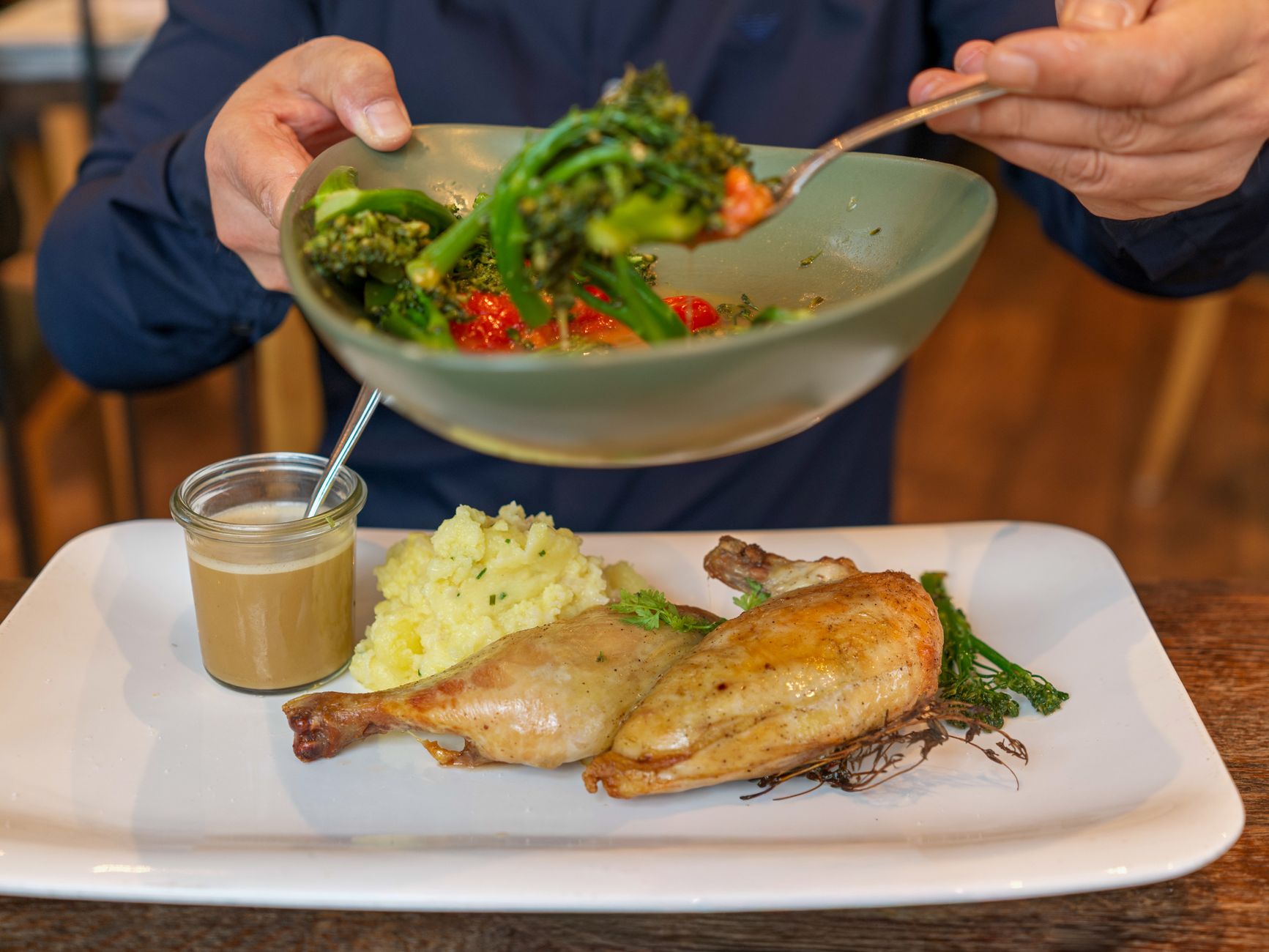
Why minimal additives matter
Artificial colors, preservatives, and excessive sodium can exacerbate sensory sensitivities and digestive issues in autistic children. Even if your child isn’t picky, these additives can contribute to anxiety, hyperactivity, or sleep disruption. The good news? You can avoid them entirely by cooking from scratch. Start by reading labels like a detective—look for ingredients you can’t pronounce or recognize. If a product has a long shelf life, it’s likely packed with preservatives.
5 easy swaps to reduce additives
- Homemade bread: Store-bought bread often contains artificial colors and preservatives. Try a simple whole-grain bread recipe with just flour, water, yeast, and a pinch of salt.
- Fresh sauces: Instead of ketchup or BBQ sauce, blend tomatoes, garlic, and olive oil for a basic marinara. For creamy sauces, use Greek yogurt or avocado instead of mayonnaise.
- Plain protein: Opt for plain grilled chicken, turkey, or fish instead of pre-marinated or breaded options. Season simply with herbs and lemon.
- Frozen veggies: If fresh veggies are a no-go, frozen (no added salt or sauces) can be just as nutritious and easier to prepare.
- Homemade snacks: Instead of store-bought crackers or chips, bake your own with whole grains or make popcorn at home with just kernels and a little oil.
Sample deconstructed meal: "Build-Your-Own" dinner
Deconstructed meals let your child customize their plate—reducing sensory overload and increasing the chance they’ll eat something. Here’s a simple template:
- Protein: Grilled chicken strips or salmon fillets
- Carbs: Quinoa or mashed sweet potatoes
- Veggies: Steamed broccoli or roasted zucchini (serve with a side of dip like hummus or olive oil)
- Fruit: Sliced apples or berries for dessert
Let your child assemble their plate. If they’re resistant to mixing textures, keep components separate. Over time, you can gradually introduce combinations.
---
Easy autism diet meals that reduce sensory overload in children
S
ensory overload at the dinner table can feel like trying to herd cats—especially when your child is already overwhelmed by the colors, smells, or textures of food. The goal isn’t to eliminate all sensory triggers but to create a calm, predictable experience. Many parents we’ve spoken with share how small changes, like softer lighting, quieter prep areas, or even serving meals on a tray instead of a plate, have made a huge difference.
Research suggests that autistic children often experience heightened sensory processing, which can make mealtime stressful. The key is to reduce unnecessary triggers while still providing balanced nutrition. Here’s how:
Sensory-friendly strategies
- Control textures: If your child is sensitive to certain textures, offer alternatives. For example, if they dislike mushy foods, try roasted veggies instead of mashed potatoes. If they prefer crunchy, add nuts or seeds to meals.
- Limit colors: Bright artificial colors can be overwhelming. Stick to natural hues—green from spinach, orange from carrots, or purple from beets.
- Serve familiar foods: If your child loves mac and cheese, make it from scratch with whole-grain pasta and a creamy, additive-free cheese sauce. Familiarity can ease anxiety.
- Use simple, single-ingredient dips: Instead of store-bought ranch, offer olive oil, hummus, or yogurt-based dips. The fewer ingredients, the better.
- Reduce noise: Blenders, food processors, and loud kitchen appliances can be stressful. Prep meals ahead of time or use quieter tools like a hand mixer.
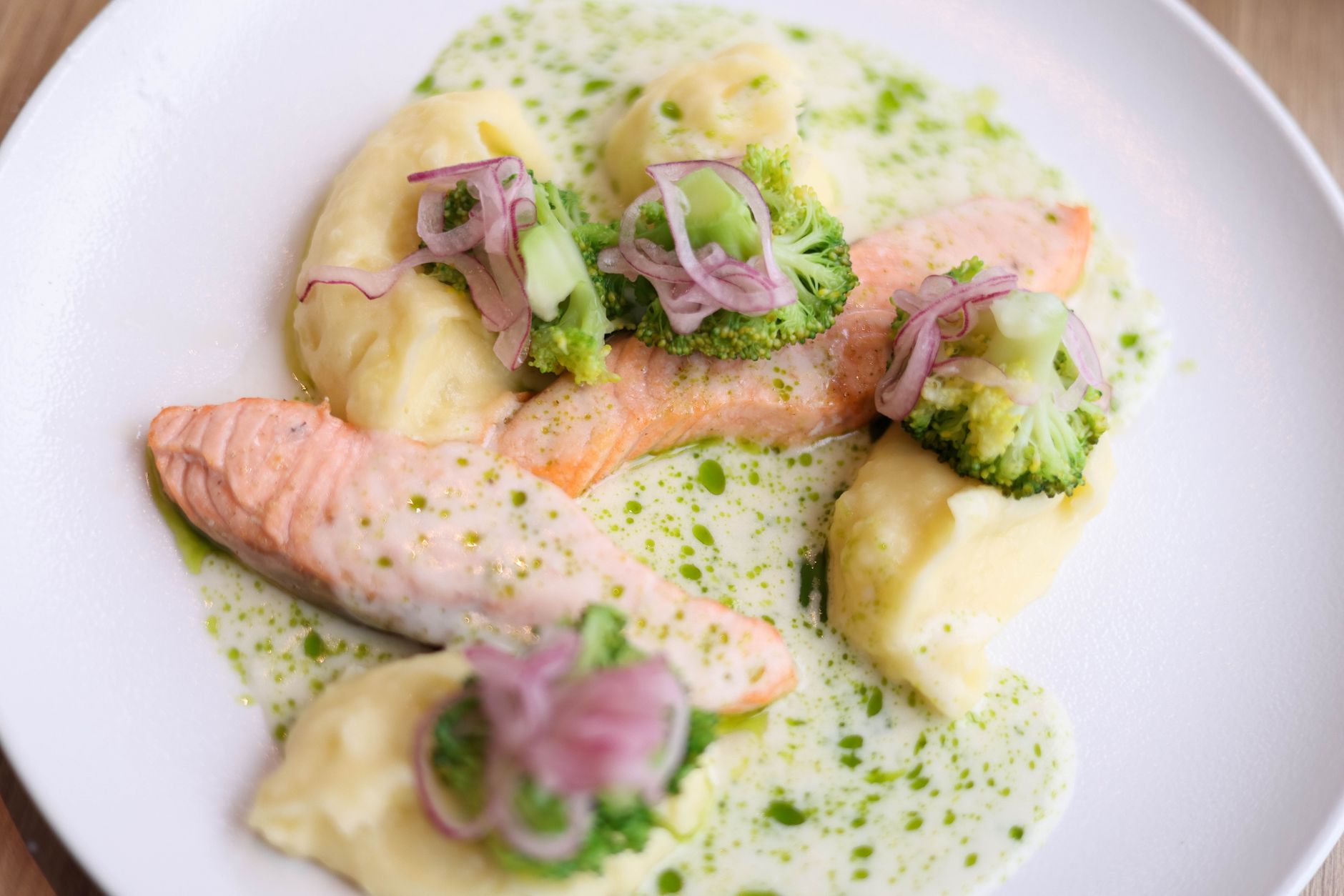
Recipe: Soft & Colorful Baked Salmon with Sweet Potato Mash
This meal is gentle on the senses—soft textures, mild flavors, and a single color palette (orange and pink).
- Ingredients:
- 4 salmon fillets
- 2 sweet potatoes, peeled and cubed
- 1 tbsp olive oil
- 1 tsp garlic powder
- Salt and pepper to taste
- 1 tbsp honey (optional, for sweetness)
- Instructions:
- Preheat oven to 375°F (190°C). Line a baking sheet with parchment paper.
- Place sweet potatoes on the baking sheet, drizzle with olive oil, and roast for 20 minutes.
- While sweet potatoes cook, place salmon fillets on the same baking sheet. Drizzle with olive oil, sprinkle with garlic powder, salt, and pepper. Bake for 12–15 minutes.
- Once salmon is cooked, flake it slightly with a fork and mix with a drizzle of honey if desired.
- Mash the sweet potatoes until smooth, then serve alongside the salmon.
---
Autism diet dinner ideas that are gluten-free and dairy-free
Navigating gluten-free and dairy-free diets can feel like solving a puzzle—especially when you’re also trying to meet the nutritional needs of an autistic child. Many parents find that eliminating gluten and dairy helps reduce inflammation, improve digestion, and even ease sensory sensitivities. However, it’s not just about cutting out wheat and milk; it’s about finding balanced, nutrient-dense alternatives.
If you’re new to gluten-free and dairy-free cooking, don’t worry—it’s not as complicated as it seems. The key is to focus on whole foods like quinoa, sweet potatoes, lean proteins, and plenty of veggies. Below, we’ll share simple, family-friendly recipes that avoid gluten and dairy while still being delicious and nutritious.
Common gluten-free and dairy-free swaps
Recipe: Lemon Garlic Chicken with Quinoa and Roasted Veggies
This meal is simple, flavorful, and packed with protein and fiber—perfect for an autistic diet. The lemon and garlic add a bright, familiar flavor that many kids enjoy.
- Ingredients:
- 4 boneless, skinless chicken breasts
- 1 cup quinoa, rinsed
- 2 cups water or broth
- 2 cups mixed veggies (zucchini, carrots, bell peppers)
- 2 tbsp olive oil
- 3 cloves garlic, minced
- 1 lemon, juiced
- Salt and pepper to taste
- Instructions:
- Preheat oven to 400°F (200°C). Toss veggies with olive oil, salt, and pepper, then spread on a baking sheet. Roast for 20 minutes.
- While veggies cook, cook quinoa according to package instructions (usually 1:2 quinoa-to-water ratio).
- In a bowl, mix olive oil, minced garlic, lemon juice, salt, and pepper. Coat chicken breasts in the mixture.
- Place chicken on the same baking sheet as the veggies (or a separate one) and bake for 20–25 minutes, or until chicken is cooked through.
- Serve chicken, quinoa, and roasted veggies together.
For extra protein, add a side of homemade baked beans made with chickpeas and olive oil instead of sugar or processed meats.
---
Quick autism-friendly dinner recipes under 30 minutes for busy parents
Let’s be real: life with an autistic child is busy. Between therapy appointments, sensory breaks, and just trying to keep up with the laundry, the last thing you need is a dinner that takes hours to prepare. The good news? You don’t have to sacrifice nutrition or sensory comfort for speed. With a few smart strategies, you can have a healthy, autism-friendly dinner on the table in under 30 minutes—even on the busiest nights.
Many parents swear by meal prep and simple swaps to save time. For example, pre-chopping veggies or cooking grains in bulk can cut down on daily cooking time. Below, we’ll share quick, no-fuss recipes that focus on whole ingredients and minimal cleanup.
Time-saving tips
- Use a slow cooker or Instant Pot: Throw in ingredients in the morning, and dinner is ready when you get home. Try slow-cooker chicken and veggies with a simple broth.
- Pre-cut veggies: Buy pre-washed and pre-cut veggies to save time on chopping. Frozen veggies are also a great option—they’re just as nutritious and take less time to prep.
- Batch-cook grains: Cook a big pot of quinoa, brown rice, or couscous at the start of the week. Store in the fridge and reheat as needed.
- Keep frozen proteins on hand: Frozen salmon, chicken, or shrimp can be cooked in minutes. Just thaw overnight in the fridge.
- Use sheet pans: Sheet pan meals (like roasted chicken and veggies) require minimal prep and cleanup. Just toss everything on a tray and bake.
Recipe: 15-Minute Sheet Pan Salmon and Veggies
This meal is quick, easy, and packed with omega-3s—great for brain health and reducing anxiety. The salmon cooks in the same time as the veggies, so cleanup is a breeze.
- Ingredients:
- 4 salmon fillets
- 2 cups mixed veggies (broccoli, asparagus, or green beans)
- 2 tbsp olive oil
- 1 tsp garlic powder
- 1 tsp dried oregano
- Salt and pepper to taste
- Instructions:
- Preheat oven to 400°F (200°C). Line a sheet pan with parchment paper.
- Place salmon and veggies on the sheet pan. Drizzle with olive oil and sprinkle with garlic powder, oregano, salt, and pepper.
- Bake for 12–15 minutes, or until salmon is flaky and veggies are tender.
- Serve with a side of steamed rice or a simple salad.
For a gluten-free option, serve with quinoa instead of rice. If your child is sensitive to strong flavors, skip the oregano and just use salt and pepper.
---
Autism diet dinner meals that improve focus and reduce anxiety in kids
If you’ve ever watched your child struggle with focus or anxiety during dinner—maybe they’re fidgeting, avoiding eye contact, or getting overwhelmed by the noise of the kitchen—you know how hard it can be to create a meal that also supports their emotional well-being. The good news? Certain foods can help. Omega-3 fatty acids, complex carbohydrates, and probiotics are all linked to improved focus, mood regulation, and reduced anxiety.
Many parents report that when they focus on these nutrients, they see a noticeable difference in their child’s behavior and emotional regulation. Below, we’ll share meals that prioritize these brain-boosting ingredients while keeping sensory sensitivities in mind.
Foods that support focus and reduce anxiety
- Omega-3s: Found in fatty fish (salmon, sardines), flaxseeds, chia seeds, and walnuts. Omega-3s are crucial for brain health and can help reduce anxiety.
- Complex carbs: Whole grains like quinoa, brown rice, and oats provide steady energy and help regulate blood sugar, which can improve focus.
- Probiotics: Fermented foods like yogurt (dairy-free if needed), kefir, sauerkraut, and kimchi support gut health, which is closely linked to mood and anxiety.
- Magnesium-rich foods: Spinach, pumpkin seeds, and dark chocolate (in moderation) can help calm the nervous system.
- Turmeric and ginger: These anti-inflammatory spices have been shown to reduce anxiety and improve cognitive function.
Recipe: Turmeric-Ginger Salmon with Quinoa and Steamed Spinach
This meal is packed with omega-3s, complex carbs, and anti-inflammatory spices—perfect for supporting focus and reducing anxiety. The turmeric and ginger add a warm, familiar flavor that many kids enjoy.
- Ingredients:
- 4 salmon fillets
- 1 cup quinoa, rinsed
- 2 cups water or broth
- 2 cups spinach
- 1 tbsp olive oil
- 1 tsp ground turmeric
- 1 tsp grated ginger
- 1 tbsp lemon juice
- Salt and pepper to taste
- Instructions:
- Preheat oven to 375°F (190°C). Cook quinoa according to package instructions.
- In a bowl, mix olive oil, turmeric, ginger, lemon juice, salt, and pepper. Coat salmon fillets in the mixture.
- Place salmon on a baking sheet and bake for 12–15 minutes.
- While salmon cooks, steam spinach until tender.
- Serve salmon, quinoa, and spinach together. If your child dislikes spinach, serve it on the side or mix it into the quinoa.
For extra probiotics, serve with a side of homemade sauerkraut or dairy-free yogurt. If your child is sensitive to strong flavors, reduce the amount of turmeric and ginger.
---
Autism diet dinner recipes that are naturally rich in omega-3 fatty acids
Omega-3 fatty acids are often called "brain food" for a reason. They’re essential for brain development, reduce inflammation, and can help improve focus, mood, and even sleep. For autistic children, who may already face challenges with sensory processing and emotional regulation, omega-3s can be a game-changer. The good news? Adding them to your meals is easier than you think—no supplements required.
Many parents struggle to get enough omega-3s into their child’s diet, especially if they’re picky eaters. The key is to incorporate them in ways that feel familiar and appealing. Below, we’ll share simple, omega-3-rich meals that are also autism-friendly.
Best omega-3 sources for kids
- Fatty fish: Salmon, sardines, and mackerel are excellent sources. If your child dislikes fish, try salmon cakes or flaked salmon in pasta.
- Flaxseeds and chia seeds: These can be sprinkled on yogurt, oatmeal, or blended into smoothies. Start with small amounts to avoid digestive upset.
- Walnuts and almonds: Offer a small handful as a snack or add them to meals like salads or baked goods.
- Avocados: Rich in omega-3s and healthy fats, avocados can be mashed into guacamole or added to sandwiches.
- Olive oil: Use it for cooking or drizzling over meals instead of butter or vegetable oil.
Recipe: Omega-3 Power Bowl
This meal is a one-bowl wonder, packed with omega-3s and easy to customize based on your child’s preferences.
- Ingredients:
- 1 cup cooked quinoa or brown rice
- 1 salmon fillet, cooked and flaked
- 1 avocado, sliced
- 1 tbsp chia seeds
- 1 tbsp olive oil
- 1 tbsp lemon juice
- 1 cup mixed greens or steamed veggies
- Salt and pepper to taste
- Instructions:
- Cook quinoa or rice according to package instructions.
- Cook salmon in olive oil until flaky, then flake it into small pieces.
- In a bowl, combine quinoa, salmon, avocado, chia seeds, lemon juice, salt, and pepper.
- Top with mixed greens or steamed veggies if desired.
- Serve immediately or store in the fridge for up to 2 days.
For a lower-carb option, skip the quinoa and serve the salmon and avocado with a side of roasted veggies. If your child is sensitive to textures, serve the avocado mashed instead of sliced.
---
Autism-friendly dinner recipes that avoid artificial colors and preservatives
Walking down the grocery store aisle can feel like a minefield when you’re trying to avoid artificial colors and preservatives. Those bright pink or blue foods might look fun, but they can trigger sensory sensitivities, digestive issues, or even hyperactivity in some children. The good news? You don’t need processed snacks or mystery ingredients to keep meals interesting. With a few simple swaps, you can create vibrant, natural meals that your child will actually enjoy.
Many parents we’ve spoken with have found that avoiding artificial additives has improved their child’s behavior, digestion, and overall well-being. Below, we’ll share how to create colorful, additive-free meals without resorting to artificial dyes.
Natural ways to add color to meals
- Green: Spinach, broccoli, kiwi, or green apples add natural green hues to smoothies, salads, or sauces.
- Orange/Red: Carrots, sweet potatoes, beets, or tomatoes provide bright natural colors. Roast or blend them into sauces.
- Purple/Blue: Blueberries, purple cabbage, or red cabbage add a pop of color. Try them in smoothies or as a side dish.
- Yellow: Corn, pineapple, or yellow squash can add a cheerful hue to meals.
- Brown/Beige: Sweet potatoes, brown rice, or whole-grain bread provide neutral tones that can balance other colors.
Recipe: Rainbow Veggie Wrap with Turkey
This wrap is a fun, colorful meal that avoids artificial additives while providing a balance of protein, fiber, and healthy fats.
- Ingredients:
- 4 large whole-grain tortillas
- 8 oz turkey breast, sliced
- 1 cup shredded carrots
- 1 cup spinach
- 1 cup sliced bell peppers (red, yellow, or orange)
- 1 cup sliced cucumber
- 1 avocado, sliced
- 1 tbsp olive oil
- 1 tbsp lemon juice
- Salt and pepper to taste
- Instructions:
- Lay out the tortillas and spread a thin layer of olive oil and lemon juice on each.
- Layer turkey, carrots, spinach, bell peppers, cucumber, and avocado on each tortilla.
- Roll up tightly and slice in half. Serve immediately or wrap in parchment paper to keep fresh.
- For a deconstructed option, serve the ingredients separately and let your child assemble their own wrap.
For a grain-free option, wrap the ingredients in lettuce leaves instead of tortillas. If your child is sensitive to strong flavors, skip the lemon juice and just use olive oil.
---
Autism diet dinner meals that help with digestion and gut health
If your autistic child struggles with digestion—whether it’s bloating, constipation, or food sensitivities—you’re not alone. Many autistic children experience gut issues, which can be linked to sensory sensitivities, inflammation, or even dietary intolerances. The good news? A few simple dietary changes can make a big difference. Focus on fiber-rich foods, probiotics, and easy-to-digest proteins to support gut health.
Many parents report that when they prioritize gut-friendly foods, their child’s digestion improves, along with their overall mood and energy levels. Below, we’ll share meals that are gentle on the stomach and packed with nutrients.
Gut-friendly foods for autistic children
- Fiber-rich foods: Oats, apples, pears, flaxseeds, and sweet potatoes help regulate digestion and prevent constipation.
- Probiotics: Fermented foods like sauerkraut, kimchi, or dairy-free yogurt support a healthy gut microbiome.
- Easy-to-digest proteins: Chicken, turkey, salmon, and tofu are gentle on the stomach and provide protein without heavy digestion.
- Healthy fats: Avocados, olive oil, and nuts provide energy and support gut lining health.
- Low-FODMAP options: If your child has IBS or food sensitivities, focus on low-FODMAP foods like carrots, cucumbers, and rice.
Recipe: Gut-Healing Chicken and Rice Soup
This soup is easy to digest, packed with protein, and gentle on the stomach. It’s also customizable—you can add or swap ingredients based on your child’s preferences.
- Ingredients:
- 1 boneless, skinless chicken breast
- 1 cup brown rice
- 4 cups low-sodium chicken broth
- 1 cup shredded carrots
- 1 cup shredded zucchini
- 1 tbsp olive oil
- 1 tsp garlic powder
- Salt and pepper to taste
- 1 tbsp fresh parsley, chopped (optional)
- Instructions:
- In a pot, combine chicken breast, brown rice, chicken broth, carrots, zucchini, olive oil, garlic powder, salt, and pepper.
- Bring to a boil, then reduce heat and simmer for 20–25 minutes, or until chicken is cooked and rice is tender.
- Remove chicken from the pot and shred it with a fork. Return it to the pot.
- Garnish with fresh parsley if desired. Serve warm.
For a lower-carb option, replace the brown rice with cauliflower rice. If your child is sensitive to strong flavors, skip the garlic powder and just use salt and pepper.
---
Myth vs. Fact: Common Misconceptions About Autism-Friendly Diets
There’s a lot of misinformation out there about autism-friendly diets. Let’s clear up a few myths so you can focus on what actually matters for your child’s health.
Myth: Autism-friendly diets are restrictive and boring.
Fact: While some diets (like the gluten-free or dairy-free diet) may require avoiding certain foods, there are still plenty of delicious, colorful, and nutritious options. Focus on whole foods like fruits, veggies, lean proteins, and whole grains to keep meals exciting and balanced. Many parents find that experimenting with flavors and textures can make mealtime more enjoyable for their child.
Myth: You have to eliminate all grains or carbs to help with autism.
Fact: While some children benefit from reducing gluten or dairy, grains and carbs aren’t inherently bad. The key is to choose whole grains like quinoa, brown rice, or oats, which provide fiber and energy. If your child struggles with certain grains, try alternatives like sweet potatoes or cauliflower rice.
Myth: Artificial colors and preservatives won’t affect my child’s behavior.
Fact: Some research suggests that artificial additives can contribute to hyperactivity, anxiety, and digestive issues in sensitive children. While not all kids react the same way, avoiding artificial colors and preservatives is a simple way to reduce potential triggers. Stick to whole, unprocessed foods whenever possible.
---
Key Takeaways for Easy Autism-Friendly Dinners
- Focus on whole, unprocessed ingredients to minimize additives and sensory triggers.
- Deconstruct meals to reduce sensory overload—offer separate components like protein, veggies, and carbs.
- Prioritize omega-3s, fiber, and probiotics to support brain health, digestion, and mood.
- Use simple swaps like homemade sauces, fresh herbs, and whole-grain bread to keep meals additive-free.
- Meal prep and batch cooking can save time and reduce stress on busy nights.
- Listen to your child’s cues—if a food doesn’t sit well, it’s okay to adjust or skip it.
---
Frequently Asked Questions About Autism-Friendly Dinner Recipes
What are the best autism-friendly dinner recipes for a child who refuses to eat vegetables?
If your child is a veggie refuser, the key is to hide them in familiar foods or offer them in small, manageable portions. Try blending steamed carrots or zucchini into smoothies, mixing finely chopped spinach into pasta sauce, or serving roasted veggies as a side with a dip like hummus or olive oil. Another trick is to let your child "help" prepare the veggies—kids are often more likely to eat what they’ve touched. For example, let them wash the lettuce for a salad or stir the sauce. If they’re still resistant, focus on nutrient-dense alternatives like avocados, sweet potatoes, or butternut squash.
How can I modify traditional dinner recipes to fit an autism diet plan?
Modifying traditional recipes is all about swapping ingredients while keeping the familiar flavors your child enjoys. For example:
- Replace regular pasta with gluten-free pasta or chickpea pasta.
- Swap store-bought sauces for homemade versions (e.g., blend tomatoes, garlic, and olive oil for marinara).
- Use coconut oil or olive oil instead of butter.
- Opt for plain chicken or turkey instead of processed deli meats.
- Serve deconstructed meals—separate protein, veggies, and carbs so your child can choose what to eat.
Start with one or two swaps at a time to avoid overwhelming your child or yourself. Over time, you can gradually introduce more modifications.
Are there any autism-friendly dinner recipes that help with hyperactivity in children?
While no diet can "cure" hyperactivity, certain foods can help stabilize blood sugar, reduce inflammation, and support brain function, which may indirectly improve focus and reduce restlessness. Focus on meals rich in:
- Omega-3s (salmon, flaxseeds, waln




