

Quick take: A kidney-friendly 7-day meal plan focuses on low-sodium, low-potassium, and low-phosphorus foods while balancing protein intake based on your CKD stage. Start with easy swaps like fresh veggies (cabbage, zucchini) instead of bananas or spinach, and prioritize lean proteins like eggs or chicken. For stage 3 CKD, you can enjoy slightly more protein than later stages, but always check with your dietitian first. Need a full plan? Below is a detailed 7-day guide with budget-friendly prep tips and flavorful alternatives to salt.Kidney-Friendly Diet Meal Plan 7-Day: The Complete 2026 Guide
You wake up at 3 AM, the clock glows red, and your mind races: "What did I eat yesterday? Did I accidentally have too much spinach? What if my kidneys can’t handle another day of this?" Sound familiar? For millions of women managing chronic kidney disease (CKD), pregnancy-related kidney strain, or even just the quiet worry of high potassium levels, food can feel like a minefield. The internet offers endless advice, but most meal plans either oversimplify or dive too deep into medical jargon. You want to know: exactly what to eat, how much, and how to enjoy it without feeling like you’re eating plain rice for the rest of your life.
Here’s the truth: a kidney-friendly diet doesn’t have to be boring. It’s about smart swaps, creative flavors, and—most importantly—foods that actually help your kidneys work better, not just survive. This 7-day meal plan is designed for women like you: those navigating early-stage CKD, pregnancy-safe options, dialysis adjustments, or even gout and acid reflux. We’ll cover everything from low-phosphorus breakfasts to high-protein dinners that won’t spike your potassium, plus budget-friendly prep tips and flavorful salt substitutes. And yes, we’ll include snacks—because even kidney-friendly women deserve a treat.
Before we dive in, a quick note: this plan is a starting point. Your dietitian or nephrologist may adjust portions based on your lab results (like creatinine or GFR levels). If you’re on dialysis, your needs are different—we’ll cover that too. And if you’re pregnant? Congrats! We’ve included a separate section for you. Let’s get started.
--- ### **Kidney-Friendly Diet Meal Plan 7-Day for Stage 3 Chronic Kidney Disease: What to Eat and Avoid**
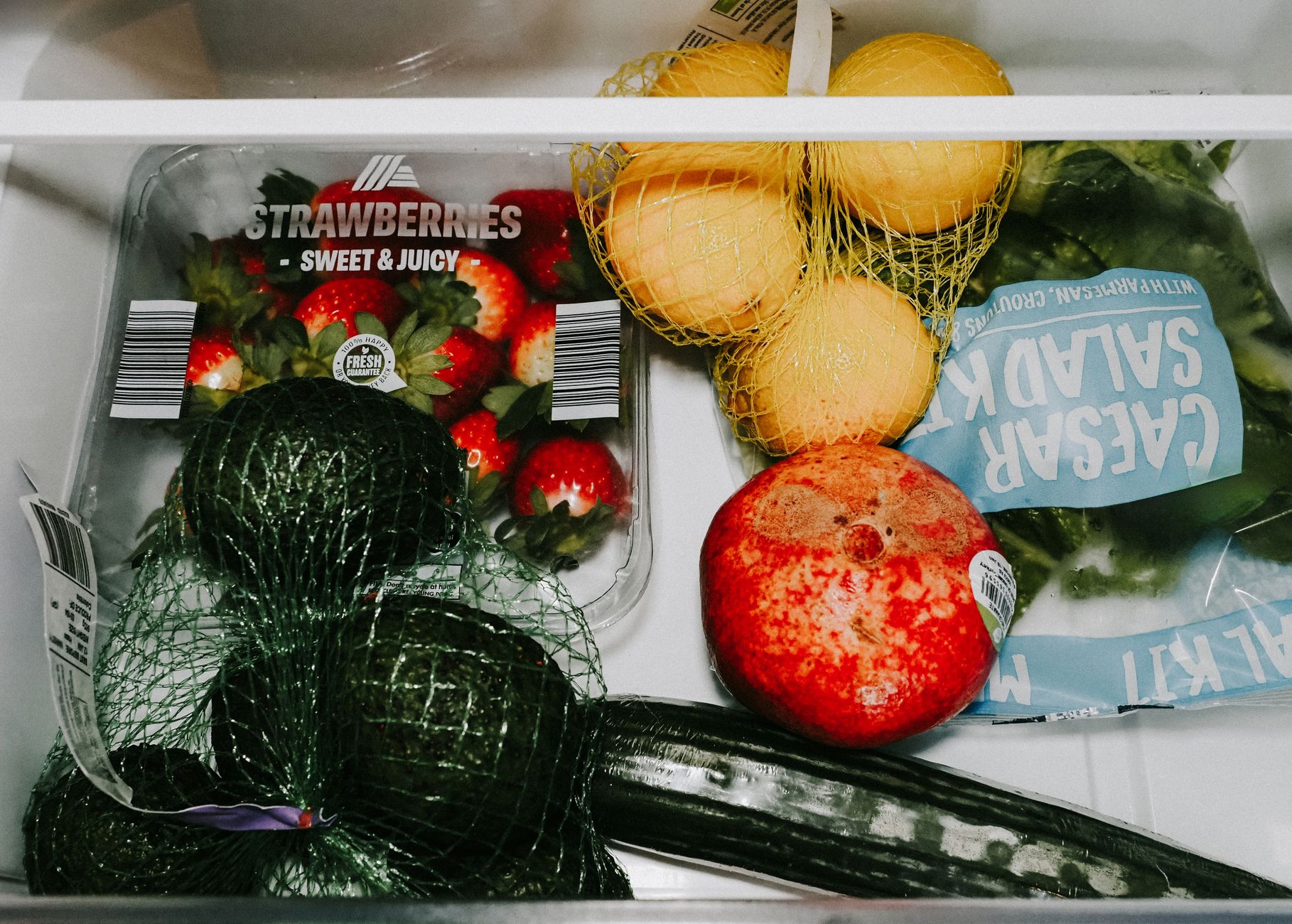
You’ve just gotten your CKD diagnosis, and now the grocery store feels like a foreign language. "Is chicken okay? What about that fancy kale smoothie? Can I still have a glass of orange juice?" If you’re in stage 3 CKD (moderate kidney damage), you can breathe a little easier: your protein and sodium restrictions aren’t as strict as in later stages. But that doesn’t mean you can eat anything. Here’s what to prioritize—and what to steer clear of.
**What to eat:** - Protein: Aim for 0.8 grams of protein per kilogram of body weight (e.g., 56g for a 70kg woman). Lean options like chicken breast, turkey, eggs, and tofu are your friends. Fish like cod or tilapia are also great choices. - Low-potassium veggies: Cabbage, zucchini, cauliflower, and green beans are safe bets. Skip the bananas, oranges, and potatoes—they’re high in potassium. - Low-phosphorus foods: Fresh fruits (apples, strawberries), whole grains (brown rice, quinoa), and dairy alternatives (unsweetened almond milk) help keep phosphorus in check. - Healthy fats: Avocados, olive oil, and nuts (in moderation) support heart health, which is critical for kidney patients. **What to avoid:** - Canned soups (high in sodium) - Processed meats (bacon, hot dogs) - High-potassium fruits (bananas, oranges, dried apricots) - Phosphorus additives (found in many packaged foods—check labels!)
**Real talk:** Many women in stage 3 CKD struggle with fatigue. If you’re feeling unusually tired, it might not just be the diet—it could be anemia (low iron) or fluid retention. The gaps diet meal plan often helps with inflammation, but always check with your doctor first. For now, focus on iron-rich foods like spinach (in moderation) and lean red meat (if approved).
--- ### **How to Create a Kidney-Friendly Meal Plan 7-Day Without Protein Restrictions for Early-Stage CKD**You’ve heard the warnings: "Too much protein hurts your kidneys!" But if you’re in early-stage CKD (stage 1–2), you don’t need to restrict protein—you might need it to protect muscle mass. The key is quality and balance. Here’s how to plan a week without feeling deprived.
**Step 1: Start with a protein baseline.** For stage 1–2 CKD, the Kidney Disease Outcomes Quality Initiative (KDOQI) recommends 0.8–1.0 grams of protein per kg of body weight. If you weigh 70kg, that’s 56–70g of protein daily. Think of it like this: a 3-oz chicken breast has about 26g of protein, so you could have two breasts a day and still be in range.
**Step 2: Build meals around low-potassium, low-phosphorus staples.** - Breakfast: Scrambled eggs with spinach (in moderation) and whole-grain toast. Skip the orange juice—opt for apple cider instead. - Lunch: Grilled chicken salad with cabbage, cucumber, and a lemon-vinegar dressing. No croutons or cheese. - Dinner: Baked cod with quinoa and steamed zucchini. Season with herbs instead of salt. **Step 3: Use flavor without sodium.** - Herbs: Basil, oregano, and thyme add punch without sodium. - Acidic flavors: Lemon juice, vinegar, and apple cider vinegar brighten up dishes. - Spices: Turmeric, cumin, and paprika are kidney-friendly and delicious.
**Pro tip:** Many women in early-stage CKD worry about protein "hurting" their kidneys. The truth? Moderate, high-quality protein can actually slow progression of CKD. The concern arises in later stages when kidneys struggle to filter waste. For now, enjoy your protein—just pair it with plenty of water and low-potassium sides.
--- ### **Kidney-Friendly Diet Meal Plan 7-Day for Pregnancy: Safe Foods and Nutrients to Prioritize**You’re pregnant and your kidneys are working overtime—now what? Pregnancy can put extra strain on your kidneys, especially if you have gestational hypertension or preeclampsia. The good news? A few smart swaps can keep you and your baby safe while still enjoying delicious meals.
**What to eat:** - Protein: Aim for 75–100g per day (more than usual!). Lean options like eggs, chicken, and fish (low-mercury like salmon) are ideal. Tofu is another great plant-based choice. - Low-potassium veggies: Cabbage, cauliflower, and green beans are safe and packed with fiber. - Iron-rich foods: Spinach (in moderation), lentils, and lean beef help prevent anemia. - Calcium and vitamin D: Unsweetened almond milk, fortified cereals, and leafy greens (like kale—again, in moderation) support bone health. **What to avoid:** - High-potassium foods (bananas, oranges, tomatoes) - Excessive salt (can raise blood pressure) - Raw or undercooked fish (risk of listeria) - Unpasteurized cheeses (like feta or brie)
**Sample pregnancy-friendly day:** - Breakfast: Scrambled eggs with sautéed cabbage and a slice of whole-grain toast. - Snack: Apple slices with almond butter (small portion). - Lunch: Grilled chicken salad with cucumber, cabbage, and a lemon-dressing. - Snack: Unsweetened almond milk with a handful of strawberries. - Dinner: Baked salmon with quinoa and steamed zucchini.
**Real story:** One of our readers, Sarah (32), was diagnosed with mild gestational hypertension at 28 weeks. Her doctor recommended a low-sodium, low-potassium diet. She swapped her usual smoothies (high in potassium) for apple-cabbage blends and cut back on processed snacks. By her 32nd week, her blood pressure stabilized, and she delivered a healthy baby girl. "I thought I’d miss flavor, but herbs and lemon juice made all the difference," she says.
--- ### **What Is a Sample Kidney-Friendly Diet Meal Plan 7-Day for Dialysis Patients: Meal Prep Tips**
Dialysis changes everything—including how you eat. If you’re on dialysis, your kidneys can’t filter waste like they used to, so your diet becomes even more critical. The goal? Lower protein, lower potassium, lower phosphorus, and lower sodium. But don’t worry: you can still enjoy flavorful, satisfying meals. Here’s how.
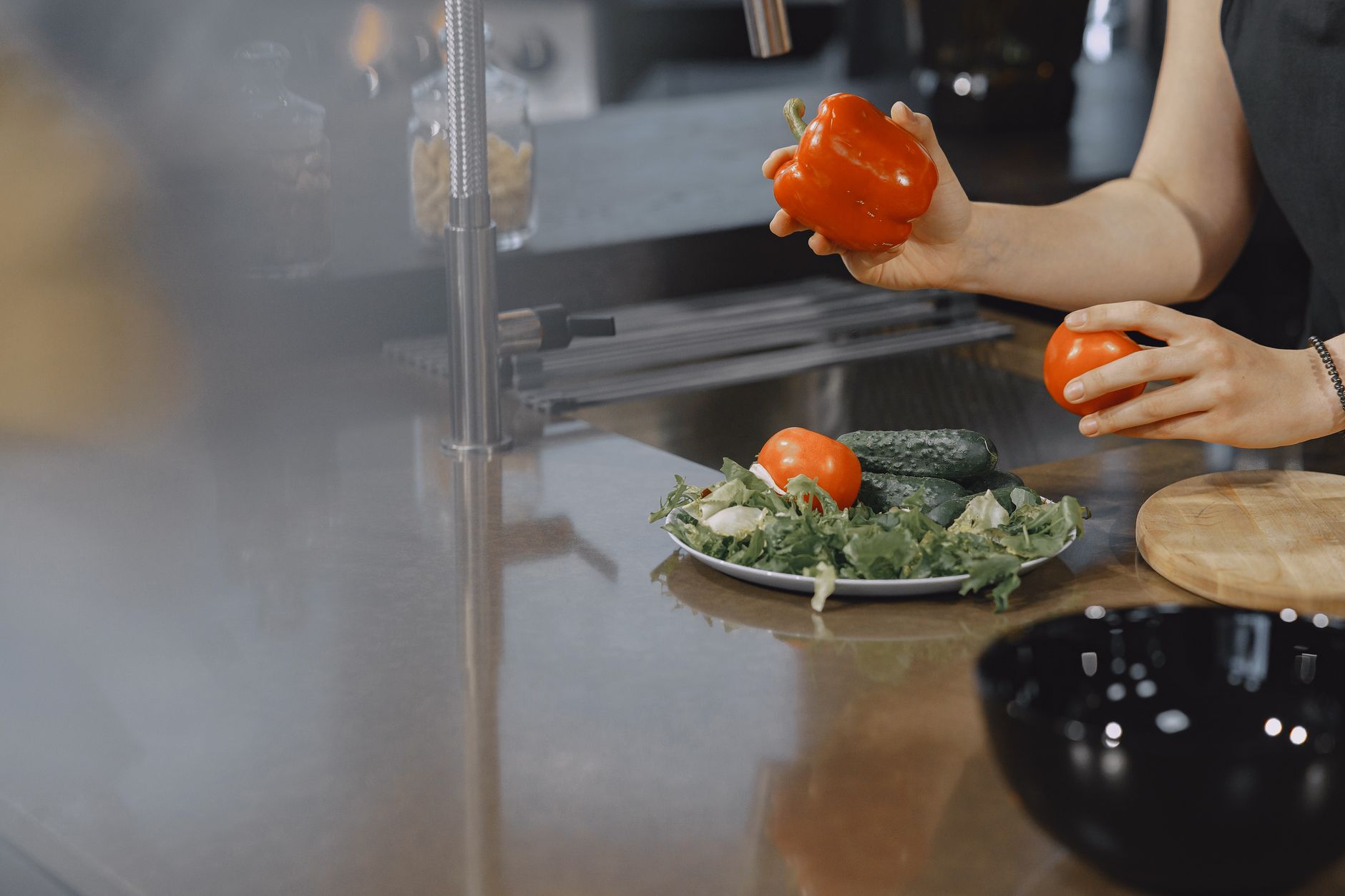
**Key adjustments for dialysis:** - Protein: Reduce to 1.0–1.2 grams per kg of body weight (e.g., 70–84g for a 70kg woman). Focus on high-quality protein like eggs, chicken, and fish. - Potassium: Avoid bananas, oranges, potatoes, and tomatoes. Opt for apples, cabbage, and cauliflower instead. - Phosphorus: Skip processed foods (check labels for "phosphate" additives). Fresh fruits, veggies, and whole grains are safer. - Sodium: Limit to 2,000mg per day (about 1 tsp of salt). Use herbs, vinegar, and lemon juice for flavor. **Sample dialysis-friendly day:** - Breakfast: Scrambled eggs (2 eggs) with sautéed cabbage and a small apple. - Snack: Unsweetened applesauce with a sprinkle of cinnamon. - Lunch: Grilled chicken breast with quinoa and steamed zucchini. - Snack: Rice cakes with almond butter (small portion). - Dinner: Baked cod with mashed cauliflower and a side salad (cabbage, cucumber, lemon dressing). **Meal prep tips:** 1. **Batch cook proteins:** Grill or bake chicken, fish, and tofu in bulk for the week. 2. **Pre-cut veggies:** Wash and chop cabbage, zucchini, and cauliflower ahead of time. 3. **Use frozen low-potassium veggies:** They’re convenient and safe. 4. **Flavor without salt:** Try AIP-friendly spices like turmeric, garlic powder, and basil. 5. **Portion control:** Use smaller plates to avoid overeating.
**Warning sign:** If you’re on dialysis and feeling constantly nauseous, swollen, or fatigued, it could mean you’re retaining too much fluid or waste. Adjust your diet or consult your dietitian immediately.
--- ### **Kidney-Friendly Diet Meal Plan 7-Day for High Potassium Levels: Best Low-Potassium Foods**High potassium can be dangerous for kidney patients—it can cause irregular heartbeats or even heart failure. The good news? You don’t have to give up flavor or variety. Here’s how to lower potassium while keeping meals delicious.
**Low-potassium foods to prioritize:** - **Fruits:** Apples, strawberries, raspberries, peaches, pears - **Veggies:** Cabbage, cauliflower, zucchini, green beans, lettuce - **Proteins:** Eggs, chicken, turkey, fish (cod, tilapia), tofu - **Grains:** Brown rice, quinoa, whole-grain bread (check sodium) - **Dairy:** Unsweetened almond milk, low-fat cottage cheese (in moderation) **High-potassium foods to avoid:** - Bananas, oranges, potatoes, tomatoes - Spinach, Swiss chard, beets - Canned soups, processed meats
**Sample low-potassium day:** - Breakfast: Scrambled eggs with sautéed cabbage and a slice of whole-grain toast. - Snack: Apple slices with a sprinkle of cinnamon. - Lunch: Grilled chicken salad with cabbage, cucumber, and lemon dressing. - Snack: Unsweetened almond milk with a handful of strawberries. - Dinner: Baked cod with quinoa and steamed zucchini. **Flavor boosters (low-potassium):** - Herbs: Basil, oregano, thyme, rosemary - Spices: Turmeric, cumin, paprika, garlic powder - Acids: Lemon juice, apple cider vinegar, lime - Unsalted broths (for cooking)
**Pro tip:** If you love smoothies, swap high-potassium fruits (bananas, oranges) for apples and strawberries. Add a splash of unsweetened almond milk for creaminess.
--- ### **Kidney-Friendly Diet Meal Plan 7-Day for Low Sodium Intake: Flavorful Alternatives to Salt**Cutting sodium can feel like giving up flavor—but it doesn’t have to. The key is layering flavors with herbs, spices, and acids. Here’s how to make every bite exciting without the salt.
**Best low-sodium flavor boosters:** - **Herbs:** Fresh basil, parsley, cilantro, dill, and dried oregano or thyme. - **Spices:** Turmeric, cumin, coriander, paprika, and black pepper. - **Acids:** Lemon juice, lime juice, apple cider vinegar, and balsamic vinegar. - **Aromatics:** Garlic, onion (in moderation), ginger, and fresh chili peppers. - **Umami:** Mushrooms (in moderation), nutritional yeast (for a cheesy flavor). **Sample low-sodium day:** - Breakfast: Scrambled eggs with sautéed mushrooms, spinach (in moderation), and a sprinkle of turmeric. - Snack: Sliced apple with cinnamon and a drizzle of honey (check potassium). - Lunch: Grilled chicken with a cabbage-cucumber salad dressed in lemon juice and olive oil. - Snack: Rice cakes with almond butter and a sprinkle of cinnamon. - Dinner: Baked salmon with quinoa and roasted zucchini tossed in olive oil, garlic, and paprika. **Pro tip:** Many women find that the Atkins diet can help with flavor cravings—fats like olive oil and avocado add richness without sodium. Just be mindful of potassium in avocados. --- ### **Kidney-Friendly Diet Meal Plan 7-Day for Weight Loss: Balancing Calories and Kidney Health**
Losing weight with CKD can feel like walking a tightrope—you don’t want to overdo protein or carbs, but you also need enough energy to stay active. The good news? A kidney-friendly diet can absolutely support weight loss—if you focus on the right foods.
**Key principles for weight loss:** 1. **Prioritize protein:** Helps preserve muscle mass while keeping you full. 2. **Choose low-potassium, low-phosphorus veggies:** Cabbage, zucchini, and cauliflower have fewer calories than potatoes or tomatoes. 3. **Use healthy fats in moderation:** Avocado, olive oil, and nuts (in small amounts) add flavor and satiety. 4. **Stay hydrated:** Sometimes thirst is mistaken for hunger. Aim for 2–3 liters of water daily (unless your doctor advises otherwise). **Sample weight-loss-friendly day (1,500–1,800 calories):** - Breakfast: 2 scrambled eggs with ½ cup sautéed cabbage and 1 slice whole-grain toast. - Snack: 1 small apple with 1 tbsp almond butter. - Lunch: 3 oz grilled chicken breast with ½ cup quinoa and 1 cup steamed zucchini. - Snack: Unsweetened almond milk with a handful of strawberries. - Dinner: 4 oz baked cod with ½ cup mashed cauliflower and 1 cup cabbage salad with lemon dressing. **Common mistakes to avoid:** - Skipping protein: Leads to muscle loss and fatigue. - Overdoing low-calorie but high-potassium foods: Like tomatoes or potatoes. - Relying on diet sodas: Can cause bloating and acid reflux.
**Real story:** Emily (45) was diagnosed with stage 3 CKD and gained 10 pounds in the last year. She swapped her usual high-sodium snacks for rice cakes and unsweetened almond milk, and added a daily walk. In 8 weeks, she lost 8 pounds—without feeling deprived. "I thought I’d miss flavor, but herbs and lemon juice made everything taste fresh," she says.
--- ### **Kidney-Friendly Diet Meal Plan 7-Day for Diabetics: Managing Blood Sugar and Kidney Function**If you have both diabetes and CKD, your diet becomes even more critical. High blood sugar damages kidneys over time, and CKD can make it harder to regulate glucose. The good news? A kidney-friendly, low-glycemic diet can help both conditions.
**Key strategies:** - **Choose low-glycemic foods:** Focus on non-starchy veggies (cabbage, zucchini), lean proteins, and whole grains (quinoa, brown rice). - **Monitor portion sizes:** Even low-glycemic foods can spike blood sugar if overeaten. - **Limit high-potassium foods:** Bananas, oranges, and potatoes can also affect blood sugar. - **Stay hydrated:** Helps flush glucose and reduces kidney strain. **Sample diabetic-friendly day:** - Breakfast: 2 scrambled eggs with ½ cup sautéed cabbage and 1 slice whole-grain toast. - Snack: ½ cup unsweetened applesauce with cinnamon. - Lunch: 3 oz grilled chicken breast with ½ cup quinoa and 1 cup steamed zucchini. - Snack: 1 small apple with 1 tbsp almond butter. - Dinner: 4 oz baked cod with ½ cup mashed cauliflower and a side salad (cabbage, cucumber, lemon dressing). **Foods to avoid:** - High-sugar fruits (mangoes, grapes) - Refined carbs (white bread, pasta) - Processed snacks (chips, crackers) - High-sodium canned foods
**Pro tip:** Pairing protein with fiber (like chicken and cabbage) slows digestion and prevents blood sugar spikes. If you’re using insulin, always check your glucose levels before and after meals.
--- ### **Best Kidney-Friendly Breakfast Ideas for a 7-Day Meal Plan with Low Phosphorus**Breakfast sets the tone for the day—especially when you’re managing CKD. The goal? Low phosphorus, low potassium, and balanced protein. Here are 7 easy, delicious options to start your week right.
1. Scrambled Eggs with Cabbage - 2 eggs scrambled with ½ cup sautéed cabbage. - Season with turmeric and black pepper. - Serve with 1 slice whole-grain toast (check phosphorus). 2. Chia Pudding (Low-Potassium Version) - Mix 2 tbsp chia seeds with ½ cup unsweetened almond milk and ½ tsp vanilla. - Let sit overnight. Top with sliced strawberries (low-potassium fruit). 3. Cottage Cheese with Apples - ½ cup low-fat cottage cheese (moderate phosphorus) with ½ apple, sliced. - Sprinkle with cinnamon. 4. Oatmeal with Almond Butter - ½ cup cooked oats (check phosphorus) with 1 tbsp almond butter and a drizzle of honey. - Top with sliced strawberries. 5. Turkey Sausage and Zucchini - 1 low-sodium turkey sausage (check phosphorus) with ½ cup sautéed zucchini. - Season with garlic powder and herbs. 6. Greek Yogurt Parfait (Low-Potassium) - ½ cup unsweetened Greek yogurt (moderate phosphorus) with ¼ cup strawberries and 1 tbsp almonds (small portion). 7. Smoked Salmon and Cream Cheese (Low-Potassium) - 2 oz smoked salmon with 1 tbsp low-fat cream cheese on whole-grain crackers (check sodium).
**Pro tip:** If you’re watching phosphorus, avoid dairy-heavy breakfasts like cheese omelets. Instead, opt for egg whites or plant-based proteins like tofu.
--- ### **How to Meal Prep a Kidney-Friendly 7-Day Diet Plan on a Budget**Meal prepping on a budget is all about strategic shopping and versatile ingredients. Here’s how to plan a week of kidney-friendly meals without breaking the bank.
**Budget-friendly staples:** - Eggs (cheap protein) - Chicken thighs (less expensive than breasts) - Frozen cauliflower and zucchini (convenient and low-cost) - Brown rice and quinoa (whole grains) - Canned low-sodium beans (in moderation) **Step-by-step prep plan:** 1. **Sunday morning:** - Cook 2 lbs chicken thighs (season with herbs, not salt). - Steam 2 lbs frozen cauliflower and zucchini. - Cook 2 cups brown rice and quinoa separately. - Hard-boil 6 eggs. 2. **Divide and store:** - Portion chicken into meal-sized containers. - Divide veggies into grab-and-go bags. - Store grains in airtight containers. 3. **Build meals:** - **Lunch:** Chicken + rice + steamed veggies + lemon dressing. - **Dinner:** Chicken + quinoa + veggies + herbs. - **Snacks:** Hard-boiled eggs, apple slices, unsweetened almond milk. **Cost-saving tips:** - Buy store-brand canned goods (check sodium). - Use frozen veggies instead of fresh when in season. - Cook in bulk and freeze portions for later.
**Real story:** Jennifer (38) was diagnosed with stage 3 CKD and worried she couldn’t afford a kidney-friendly diet. She started meal prepping on Sundays, focusing on eggs, chicken, and frozen veggies. In a month, she saved $100 and lost 5 pounds. "I thought healthy eating was expensive, but it’s all about smart swaps," she says.
--- ### **Kidney-Friendly 7-Day Meal Plan for Reducing Phosphate Levels Naturally**High phosphate levels can strain your kidneys, leading to itchy skin, fatigue, and even heart problems. The good news? You can lower phosphate naturally with the right diet and lifestyle changes.
**Low-phosphate foods to prioritize:** - **Fruits:** Apples, strawberries, raspberries, peaches - **Veggies:** Cabbage, cauliflower, zucchini, green beans - **Proteins:** Eggs, chicken, turkey, fish, tofu - **Grains:** Brown rice, quinoa, whole-grain bread (check phosphorus) - **Dairy:** Unsweetened almond milk (lower phosphorus than cow’s milk) **High-phosphate foods to avoid:** - Dairy (milk, cheese, yogurt) - Processed meats (bacon, hot dogs) - Canned soups and beans - Dark-colored sodas (often contain phosphate additives)
**Sample low-phosphate day:** - Breakfast: 2 scrambled eggs with ½ cup sautéed cabbage and 1 slice whole-grain toast. - Snack: Apple slices with cinnamon. - Lunch: 3 oz grilled chicken breast with ½ cup quinoa and 1 cup steamed zucchini. - Snack: Unsweetened almond milk with a handful of strawberries. - Dinner: 4 oz baked cod with ½ cup mashed cauliflower and a side salad (cabbage, cucumber, lemon dressing). **Natural phosphate-lowering tips:** 1. **Use phosphate binders (if prescribed):** These help absorb excess phosphate in your gut. 2. **Stay hydrated:** Helps flush phosphate through your kidneys. 3. **Limit processed foods:** Even "healthy" snacks can contain hidden phosphate additives. 4. **Cook with water:** Rinse canned foods before eating to reduce phosphate buildup.
**Pro tip:** If you love smoothies, blend apples, strawberries, and unsweetened almond milk for a low-phosphate drink.
--- ### **What Are the Easiest Kidney-Friendly Dinner Recipes for a 7-Day Meal Plan?**Dinner doesn’t have to be complicated—especially when you’re managing CKD. Here are 7 simple, delicious, and kidney-friendly dinner ideas that take 30 minutes or less.
1. One-Pan Lemon Garlic Chicken and Veggies - Toss 2 chicken breasts with 1 cup chopped cabbage, 1 zucchini, 2 tbsp olive oil, 1 tsp garlic powder, and lemon juice. - Roast at 400°F for 25 minutes. Season with herbs before serving. 2. Baked Cod with Herbed Quinoa - Season 4 oz cod with turmeric, paprika, and lemon juice. Bake at 375°F for 15 minutes. - Serve with ½ cup cooked quinoa topped with fresh parsley. 3. Turkey and Cabbage Stir-Fry - Sauté 3 oz ground turkey with 1 cup chopped cabbage, 1 tsp ginger, and 1 tbsp soy sauce (low-sodium). - Season with garlic and herbs. 4. Eggplant and Chicken Skillet - Brown 3 oz chicken breast, then add ½ cup diced eggplant and ½ cup cauliflower. - Season with cumin and paprika. Serve with a side of quinoa. 5. Shrimp and Zucchini Sauté - Sauté 4 oz shrimp with 1 cup sliced zucchini, 1 tbsp olive oil, and garlic powder. - Finish with lemon juice and herbs. 6. Lentil and Cabbage Soup (Low-Sodium) - Simmer ½ cup dried lentils with 2 cups water, 1 cup chopped cabbage, and herbs. - Season with turmeric and black pepper. 7. Stuffed Bell Peppers (Low-Potassium) - Mix ½ cup cooked quinoa, 2 oz ground turkey, and ½ cup diced zucchini. - Stuff into bell peppers (low-potassium) and bake at 375°F for 25 minutes.
**Pro tip:** Use a slow cooker for hands-off meals. Brown your protein first, then add veggies and herbs for a flavorful, low-effort dinner.
--- ### **Kidney-Friendly 7-Day Meal Plan for Someone with Gout and Kidney Issues**Gout and CKD often go hand-in-hand—both involve poor kidney function and high uric acid levels. The good news? A kidney-friendly diet can also help manage gout by reducing purines (which turn into uric acid).
**Key strategies:** - **Avoid high-purine foods:** Organ meats, anchovies, sardines, and scallops. - **Limit alcohol:** Especially beer (high in purines). - **Stay hydrated:** Helps flush uric acid and waste. - **Choose low-potassium, low-phosphorus foods:** As always. **Sample gout-friendly day:** - Breakfast: 2 scrambled eggs with ½ cup sautéed cabbage and 1 slice whole-grain toast. - Snack: Apple slices with cinnamon. - Lunch: 3 oz grilled chicken breast with ½ cup quinoa and 1 cup steamed zucchini. - Snack: Unsweetened almond milk with a handful of strawberries. - Dinner: 4 oz baked cod with ½ cup mashed cauliflower and a side salad (cabbage, cucumber, lemon dressing). **Gout-friendly foods:** - Low-fat dairy (moderate phosphorus) - Cherries (may help lower uric acid) - Low-potassium fruits (apples, strawberries) - Whole grains (quinoa, brown rice) **Foods to avoid:** - Red meat (high in purines) - Organ meats (liver, kidneys) - Alcohol (especially beer) - High-potassium foods (bananas, tomatoes)
**Pro tip:** If you’re prone to gout flares, keep a food diary to track triggers. Many women find that even small amounts of purine-rich foods (like mushrooms) can cause flare-ups.
--- ### **How to Adjust a Kidney-Friendly 7-Day Meal Plan for Someone with Acid Reflux**Acid reflux and CKD can be a double whammy—high-sodium foods worsen reflux, and low-sodium diets can feel bland. The key? Flavor without acidity and avoiding reflux triggers.
**Acid reflux-friendly swaps:** - **Instead of citrus:** Use apple cider vinegar (diluted) or herbs like basil and mint. - **Instead of spicy foods:** Skip chili peppers; use mild spices like turmeric or cumin. - **Instead of fatty foods:** Use olive oil in moderation (avoid frying). - **Instead of large meals:** Eat smaller, frequent meals to reduce pressure on the stomach. **Sample reflux-friendly day:** - Breakfast: 2 scrambled eggs with ½ cup sautéed cabbage and a small apple. - Snack: Unsweetened almond milk with a handful of strawberries. - Lunch: 3 oz grilled chicken breast with ½ cup quinoa and 1 cup steamed zucchini (seasoned with herbs). - Snack: Rice cakes with almond butter. - Dinner: 4 oz baked cod with ½ cup mashed cauliflower and a side of cabbage salad (dressed with olive oil and herbs). **Acid reflux triggers to avoid:** - Tomatoes, citrus, garlic, onions - Chocolate, peppermint - Coffee, carbonated drinks - Fried or fatty foods
**Pro tip:** Elevate your head while sleeping to reduce nighttime reflux. And if you’re on dialysis, ask your dietitian about AIP-friendly options—they often avoid common reflux triggers.
--- ### **Kidney-Friendly 7-Day Meal Plan for Vegetarians: Plant-Based Protein Sources**Being a vegetarian with CKD means getting creative with protein—but it’s absolutely doable. The key is choosing low-potassium, low-phosphorus plant proteins and balancing your meals with fiber and healthy fats.
**Best vegetarian protein sources:** - **Tofu and tempeh:** Low in phosphorus if firm or extra-firm. - **Lentils and chickpeas:** Moderate phosphorus—rinse canned beans well. - **Eggs:** A great low-potassium protein. - **Nuts and seeds:** Almonds, walnuts, chia seeds (in moderation). - **Quinoa:** A complete protein (but check phosphorus). **Sample vegetarian day:** - Breakfast: Tofu scramble with ½ cup sautéed cabbage and 1 slice whole-grain toast. - Snack: Unsweetened almond milk with ¼ cup strawberries. - Lunch: ½ cup cooked lentils with ½ cup quinoa and 1 cup steamed zucchini. - Snack: 1 small apple with 1 tbsp almond butter. - Dinner: Tempeh stir-fry with 1 cup cabbage, 1 tbsp olive oil, and herbs. **Vegetarian tips:** - **Rinse canned beans:** Reduces sodium and phosphate. - **Choose firm to


