Struggling with a kidney-friendly diet? Discover the best foods to eat as a beginner in 2026—low-potassium, low-sodium, and doctor-approved options for
By Shubhra Mishra — a mom of two who turned her own confusion during pregnancy into BumpBites, a global mission to make food choices clear, safe, and stress-free for every expecting mother. 💛
Check whether any food is safe during pregnancy with the BumpBites Food Safety Checker.
Quick take: A kidney-friendly diet for beginners focuses on managing your intake of sodium, potassium, phosphorus, and protein to support kidney function. It emphasizes whole, unprocessed foods and careful label reading. Always work with your doctor or a registered dietitian to tailor a plan that's right for your specific needs.
Discovering you need to adjust your diet for kidney health can feel overwhelming. You might be standing in the grocery aisle, looking at labels, and wondering where to even begin. Perhaps you've heard conflicting advice or feel anxious about what you "can't" eat. Take a breath — you're not alone in these feelings, and navigating a kidney-friendly diet is a journey many women and families undertake. The good news is that with the right guidance, it's entirely possible to eat delicious, satisfying meals that support your kidney health.
This guide is designed to empower you with a clear, practical approach to a kidney-friendly diet. We'll break down the key nutrients to watch, provide comprehensive food lists, offer a sample meal plan, and share essential tips for reading food labels. Whether you're managing early-stage kidney disease or simply looking to support your long-term kidney health, we're here to help you understand how to nourish your body effectively and confidently.
A kidney-friendly diet isn't about deprivation; it's about making informed choices to protect these vital organs. Your kidneys play a crucial role in filtering waste from your blood, balancing fluids, and producing hormones. When they're not functioning optimally, certain nutrients can build up in your body and cause problems. By adjusting your diet, you can help reduce the workload on your kidneys and potentially slow the progression of kidney disease, as recommended by the National Kidney Foundation (NKF).
What Foods Are Allowed on a Kidney-Friendly Diet for Beginners?
Starting a kidney-friendly diet might seem like a maze of restrictions, but it's more about smart choices and moderation. The core principle is to manage certain nutrients that can be hard on your kidneys when they're not working at full capacity: sodium, potassium, phosphorus, and sometimes protein. For beginners, the best approach is to focus on whole, unprocessed foods and build from there.
Emphasize Whole and Fresh Foods
One of the easiest ways to start is by prioritizing fresh, unprocessed ingredients. These naturally contain less sodium, phosphorus, and unhealthy fats compared to their packaged counterparts. Think about stocking your kitchen with:
Fresh vegetables: Green beans, carrots, cucumber, lettuce, bell peppers, cabbage, kale (in moderation), zucchini, eggplant.
Lean protein sources: Skinless chicken breast, turkey, fresh fish (like cod, salmon, tuna), egg whites.
Healthy fats: Olive oil, canola oil, avocado oil.
Grains: White bread, white rice, pasta (not whole wheat initially, due to phosphorus content), corn and rice cereals.
Many women find that shifting towards a whole-foods approach naturally aligns with other healthy eating patterns, such as those found in a Blue Zones diet food list for beginners, which emphasizes plant-based foods and minimal processing. This general principle can be a great starting point for anyone looking to improve their overall health while also being mindful of kidney function.
Building Balanced Meals
When planning your meals, aim for a plate that includes a lean protein source, a serving of low-potassium vegetables, and a suitable carbohydrate. For example, a meal might consist of baked cod, steamed green beans, and a small serving of white rice. Seasoning with herbs and spices instead of salt is key to keeping sodium levels in check.
Understanding Your Specific Needs
It’s important to remember that a kidney-friendly diet isn't one-size-fits-all. What works for someone with early-stage chronic kidney disease (CKD) might differ from someone on dialysis. Your doctor or a registered dietitian specializing in kidney health will guide you on the specific levels of protein, potassium, and phosphorus you need to aim for. This personalized approach ensures your diet effectively supports your kidney health without unnecessary restrictions.
For individuals with early kidney disease, dietary changes can play a significant role in managing the condition. The goal is often to reduce the burden on your kidneys, helping them to function more efficiently and potentially slowing the progression of the disease. This often means being more mindful of sodium intake, as high sodium can contribute to high blood pressure, a common complication of kidney disease. The American Heart Association (AHA) also emphasizes the importance of sodium reduction for cardiovascular health, which is closely linked to kidney health.
Choosing Low Potassium Foods for a Kidney-Friendly Diet for Beginners
Potassium is a mineral that plays a vital role in nerve and muscle function, including your heart. Healthy kidneys are excellent at balancing potassium levels in your blood. However, when kidney function declines, potassium can build up, leading to serious heart problems. Therefore, managing potassium intake is often a crucial part of a kidney-friendly diet. For beginners, identifying low-potassium foods is a key step.
Why Potassium Matters for Your Kidneys
High potassium levels (hyperkalemia) can be dangerous, potentially causing irregular heartbeats or even heart failure. Your healthcare team will monitor your blood potassium levels and advise you on how strict you need to be with potassium restriction. It’s not about eliminating potassium entirely, as it’s found in many healthy foods, but rather choosing lower-potassium options and managing portion sizes.
Low-Potassium Fruits and Vegetables
Many delicious fruits and vegetables are naturally low in potassium, making them excellent choices for your plate:
Vegetables: Green beans, carrots, corn, cucumber, eggplant, lettuce, onions, peas, bell peppers, radishes, zucchini, yellow squash.
Cooking Methods to Reduce Potassium
Did you know you can reduce the potassium content in some vegetables through preparation? A technique called "leaching" can be effective for higher-potassium vegetables like potatoes, sweet potatoes, and winter squash. Here's how it generally works:
Peel and cut the vegetable into small, thin pieces.
Rinse thoroughly under warm water for a few minutes.
Soak the pieces in a large volume of warm water for at least two hours (or longer, changing the water every few hours). Use 10 parts water to 1 part vegetable.
Rinse again.
Cook the vegetable in a fresh pot of water, using 5 parts water to 1 part vegetable.
While this method doesn't remove all potassium, it can significantly lower the amount, making these vegetables more suitable in moderation. Always check with your dietitian before incorporating higher-potassium vegetables, even after leaching.
High vs. Low Potassium Foods
Category
Lower Potassium Choices (generally < 200 mg per serving)
Higher Potassium Choices (generally > 200 mg per serving)
Whole wheat bread, brown rice, whole grain cereals, bran products
Dairy/Alternatives
Non-dairy creamers (low phosphorus), small amounts of specific dairy if allowed
Milk, yogurt, cheese (often also high in phosphorus)
Protein
Egg whites, lean chicken/turkey, fish (most types)
Beef, pork, beans, lentils, nuts, seeds (often also high in phosphorus)
Remember, portion size is critical. Even a low-potassium food can become high in potassium if you eat a very large serving. Your dietitian will help you understand appropriate portion sizes for your individual needs.
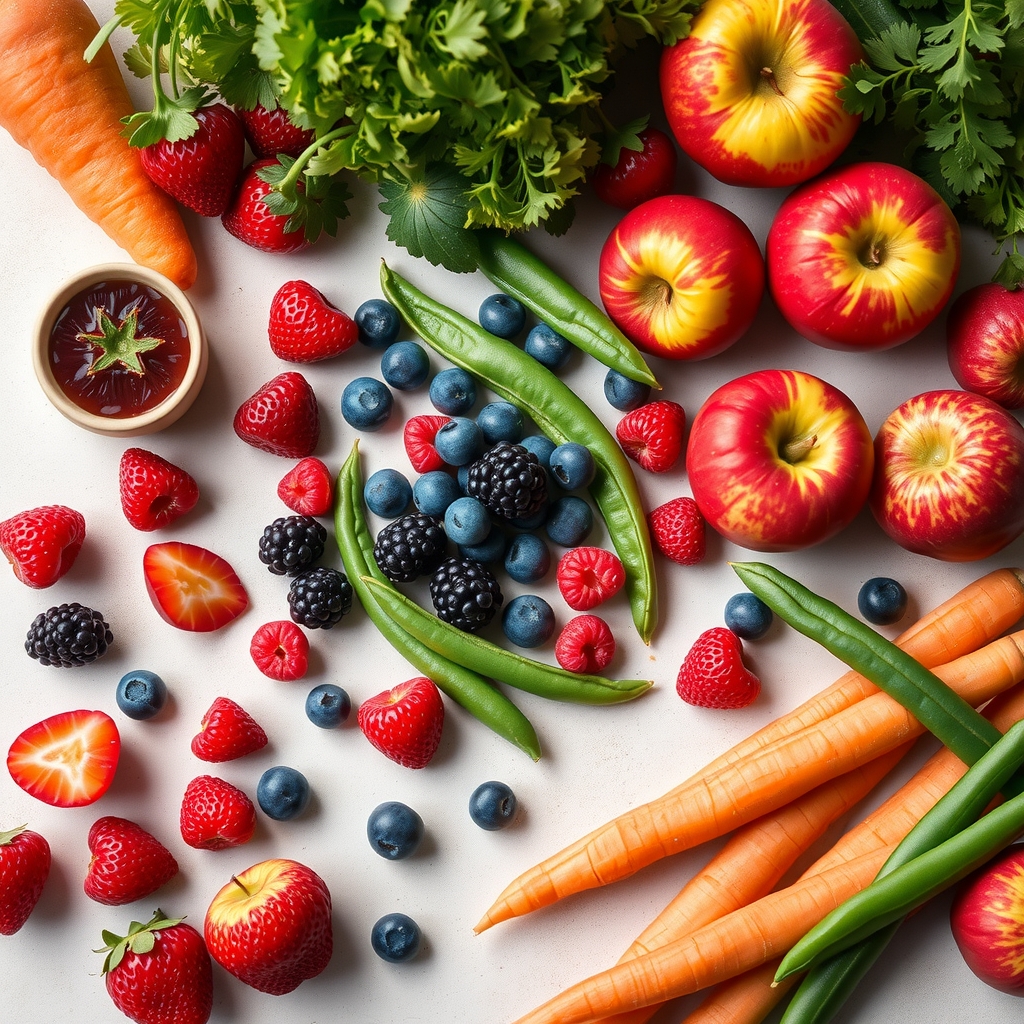
Filling your plate with a rainbow of low-potassium produce can make your meals both nutritious and appealing.
High Protein Options for a Kidney-Friendly Diet for Beginners
Protein is essential for building and repairing tissues, fighting infection, and maintaining muscle mass. However, when kidneys are impaired, they struggle to remove the waste products that result from protein breakdown. This means that while protein is necessary, the *amount* and *type* of protein in a kidney-friendly diet need careful consideration.
Balancing Protein Intake
For many individuals with early-stage kidney disease, a moderate protein diet is recommended. This is often described as "adequate but not excessive." The goal is to provide enough protein to meet your body's needs without overburdening your kidneys. Your doctor or dietitian will provide specific recommendations based on your kidney function tests.
So, how much protein should a beginner on a kidney-friendly diet eat? This is a question best answered by your healthcare provider. General guidelines from the National Kidney Foundation often suggest around 0.6 to 0.8 grams of protein per kilogram of body weight for individuals with non-dialysis CKD. For example, if you weigh 60 kg (about 132 lbs), this would be roughly 36-48 grams of protein per day. This is a significant reduction from the average Western diet, so careful planning is essential. For those on dialysis, protein needs are typically higher.
Lean Protein Sources to Include
When choosing protein, focus on high-quality, lean sources. These are often easier for the body to utilize, producing fewer waste products. Good options include:
Poultry: Skinless chicken breast, turkey breast.
Fish: Fatty fish like salmon, tuna, and mackerel provide beneficial omega-3 fatty acids, but portion control is key. White fish like cod or tilapia are also excellent choices.
Egg whites: These are a pure protein source with very little phosphorus.
Small amounts of lean red meat: If allowed by your dietitian, choose lean cuts and limit portion sizes.
Plant-Based Protein Considerations
Plant-based proteins can be a great addition to any diet, but for kidney-friendly eating, some require careful consideration due to their potassium and phosphorus content. While beans, lentils, nuts, and seeds are healthy, they are often high in these minerals. Your dietitian can help you determine appropriate portion sizes or if they are suitable for your specific stage of kidney disease. Tofu and tempeh can sometimes be included in small portions, again with guidance.
Tips for Managing Protein
Measure portions: Use measuring cups or a food scale to accurately track your protein intake, especially when you're starting out.
Spread protein throughout the day: Distribute your protein allowance across all meals and snacks to help your body utilize it efficiently.
Focus on quality: Prioritize lean animal proteins and discuss plant-based options with your dietitian.
Be mindful of hidden protein: Some processed foods, even those not typically thought of as "protein foods," can contribute to your daily total.
Navigating protein intake can be one of the more challenging aspects of a kidney-friendly diet. It's a delicate balance, and your healthcare team is your best resource for personalized advice. They can help you create a meal plan that meets your protein needs without putting extra strain on your kidneys.
Sodium and Phosphorus: Key Considerations for Your Kidneys
Beyond potassium and protein, sodium and phosphorus are two other critical nutrients that need careful management in a kidney-friendly diet. High levels of these minerals can worsen kidney disease and lead to other health complications.
Understanding Sodium's Impact
Sodium (salt) is a major contributor to high blood pressure, which is both a cause and a common complication of kidney disease. High blood pressure can further damage your kidneys and increase your risk of heart problems. The goal for most people on a kidney-friendly diet is to limit sodium intake to 2,000 mg or less per day, though your doctor might recommend an even lower amount. This is often a significant reduction from the typical Western diet.
Hidden sources of sodium: Most sodium in our diets comes from processed and packaged foods, not just the salt shaker. Be wary of canned soups, frozen meals, deli meats, processed cheeses, fast food, and many condiments.
Seasoning wisely: Opt for herbs, spices, lemon juice, vinegar, and salt-free seasoning blends to add flavor to your meals.
Cooking at home: Preparing meals from scratch gives you full control over the amount of sodium you consume.
For those also managing other health conditions, like diabetes, reducing sodium is often a shared recommendation. In fact, many principles of a kidney-friendly diet overlap with a beginner-friendly diabetic diet food list, particularly the emphasis on whole foods and careful carbohydrate management.
Managing Phosphorus Levels
Phosphorus is another mineral that healthy kidneys remove from your blood. When kidneys don't work well, phosphorus can build up, leading to weak bones, itchy skin, and other serious health issues. The recommended daily phosphorus intake for kidney patients typically ranges from 800 to 1,200 mg, but this will be individualized.
Natural vs. Additive Phosphorus: This is a crucial distinction. Phosphorus found naturally in foods (like whole grains, beans, nuts, dairy, meats) is less readily absorbed by the body than phosphorus added to processed foods as an additive. Look for "phos" on ingredient labels (e.g., phosphoric acid, sodium phosphate).
High phosphorus foods to limit or avoid:
Dairy products: Milk, cheese, yogurt (often high in both potassium and phosphorus).
Whole grains: Brown rice, whole wheat bread, oatmeal (these contain natural phosphorus, which is less absorbable, but still contribute to the total).
Nuts, seeds, and legumes: Peanuts, almonds, beans, lentils.
Processed foods: Colas and other dark sodas, processed meats (hot dogs, deli meat), convenience meals, certain baked goods.
Lower phosphorus choices: White bread, white rice, corn or rice cereals, fresh fruits and vegetables (generally low), egg whites, lean meats (in controlled portions).
Working with a dietitian is essential to understand how to balance your phosphorus intake, especially considering the differences in absorption between natural and additive forms. They can help you identify sources of hidden phosphorus and make suitable substitutions.
How to Read Food Labels for a Kidney-Friendly Diet
Learning to read food labels effectively is one of the most powerful tools you can develop for managing a kidney-friendly diet. It allows you to make informed choices, avoid hidden ingredients, and stay within your dietary limits for sodium, potassium, and phosphorus. This skill will empower you in the grocery store and beyond.
Key Nutrients to Scrutinize
Sodium: This is often the first number to check. Look for foods labeled "low sodium" (140 mg or less per serving) or "very low sodium" (35 mg or less per serving). Pay close attention to serving size, as even a "low sodium" food can become high if you eat multiple servings. Aim for under 2,000 mg per day, or as advised by your doctor.
Potassium: Unfortunately, potassium isn't always listed on standard nutrition labels in the U.S. (though it is becoming more common). When it is, aim for less than 200 mg per serving if you're on a restricted potassium diet. If it's not listed, you'll need to rely on general food lists and your dietitian's guidance.
Phosphorus: Similar to potassium, phosphorus is often not listed on standard labels. This is where checking the ingredient list for "phosphate" additives becomes critical. Look for terms like phosphoric acid, sodium phosphate, dicalcium phosphate, or monocalcium phosphate. These additives are highly absorbable and should generally be avoided.
Protein: Check the protein content per serving. For most individuals with early-stage kidney disease, you'll be aiming for a moderate protein intake, so you'll need to track this carefully. Remember, egg whites are a great protein source with minimal phosphorus.
Serving Size: Always look at the serving size and the number of servings per container. All the nutrient information is based on that specific serving size. It's easy to accidentally consume double or triple the amount of sodium or phosphorus if you eat more than one serving.
Practical Label Reading Tips
Compare brands: Don't assume all similar products are the same. One brand of canned beans might have significantly less sodium than another.
Look for certifications: Some products might carry labels indicating they are "heart-healthy" or "low sodium," which can be a helpful starting point, but always double-check the full nutrition panel.
Ingredient list is your friend: For phosphorus, this is where you'll find those "phos" additives. For sodium, look for "salt" early in the list.
"No salt added" vs. "low sodium": "No salt added" doesn't mean "sodium-free." It simply means no *extra* salt was added during processing, but the food might still contain naturally occurring sodium. Always check the nutrition facts.
Mastering label reading takes practice, but it's a skill that will profoundly impact your ability to successfully manage a kidney-friendly diet. When in doubt, choose fresh, unprocessed foods where you know exactly what's going into your body.
Sample Kidney-Friendly Meal Plan for Beginners
Creating a balanced and delicious kidney-friendly meal plan can seem daunting at first, but with a little planning, it becomes second nature. This 7-day sample plan is designed to be beginner-friendly, focusing on low-sodium, low-potassium, and low-phosphorus options, while providing adequate protein. Remember to adjust portion sizes based on your individual needs and your dietitian's recommendations.
When preparing kidney-friendly diet meals at home, focus on fresh ingredients and flavorings that don't rely on salt. Herbs, spices, lemon juice, and vinegar are your best friends. For example, instead of a pre-made marinade, whisk together olive oil, fresh garlic, rosemary, and a squeeze of lemon juice for chicken or fish. Cooking from scratch not only helps control nutrients but also ensures you're avoiding hidden additives found in many convenience foods.
Day
Breakfast
Lunch
Dinner
Snack
Monday
1 cup cooked cream of wheat (made with water), 1/2 cup blueberries, 1 slice white toast with unsalted jelly
Chicken salad (made with low-sodium mayo, celery, onion) on white bread, small apple slices
Baked cod with steamed green beans and 1/2 cup white rice
1 cup unsalted popcorn
Tuesday
2 egg whites scrambled with bell peppers and onions, 1 slice white toast
Leftover baked cod, green beans, and rice
Lean ground turkey patties (seasoned with herbs, no salt) on a white bun with lettuce and tomato (small slice)
1/2 cup grapes
Wednesday
1 cup white rice cereal (low sodium), 1/2 cup sliced peaches (canned, rinsed)
Tuna salad (canned in water, rinsed, made with low-sodium mayo, celery) on lettuce wraps
Chicken stir-fry with zucchini, carrots, bell peppers, and 1/2 cup white rice (use low-sodium soy sauce or tamari)
Small handful of unsalted pretzels
Thursday
1 cup cooked oatmeal (made with water, not milk), 1/2 cup raspberries
Leftover chicken stir-fry with rice
Baked salmon with a side of asparagus and 1/2 cup pasta (white)
1/2 cup pineapple chunks
Friday
2 egg whites (hard-boiled), 1 small pear
Turkey and lettuce sandwich on white bread (low-sodium turkey)
Lean pork chop (baked or grilled, seasoned with herbs) with 1/2 cup mashed cauliflower (made with unsalted butter, water)
1 cup strawberries
Saturday
1 cup cornflakes (low sodium), 1/2 cup sliced strawberries
Small plate of homemade chicken and vegetable soup (low sodium broth, carrots, celery, green beans)
Homemade pizza on white crust with low-sodium tomato sauce, bell peppers, onions, and a small amount of mozzarella cheese
Small apple
Sunday
1 slice white toast with unsalted butter and jelly, 1/2 cup grapes
Leftover pizza
Roast chicken (skinless) with roasted zucchini and yellow squash, 1/2 cup white rice
1/2 cup blueberries
This plan prioritizes lower-potassium fruits and vegetables, white grains over whole grains (due to phosphorus concerns for some patients), and lean proteins. Always rinse canned vegetables and fruits if you use them, and choose unsalted or low-sodium versions of packaged foods. Your dietitian can help you customize this plan further to fit your tastes and specific dietary needs.
Kidney-Friendly Snacks for Beginners
Snacks are an important part of any diet, and a kidney-friendly plan is no exception. They can help maintain energy levels, manage hunger between meals, and provide essential nutrients. The key is choosing snacks that are low in sodium, potassium, and phosphorus, and being mindful of portion sizes.
Easy and Delicious Snack Ideas
Here’s a list of convenient and kidney-friendly snack options that are perfect for beginners:
Fresh Fruits: Small apple, 1 cup berries (strawberries, blueberries, raspberries), 1/2 cup grapes, a small pear, a few slices of pineapple, 1 cup watermelon. These are generally low in potassium and refreshing.
Vegetables: Carrot sticks, cucumber slices, bell pepper strips. Pair them with a small amount of kidney-friendly dip (like a homemade low-sodium hummus or a yogurt-based dip if dairy is allowed in moderation).
Grains & Crackers: Unsalted rice cakes, plain unsalted crackers (check labels for sodium and phosphorus additives), a small handful of unsalted pretzels.
Egg Whites: Hard-boiled egg whites are a fantastic source of pure protein with virtually no phosphorus or potassium.
Popcorn: Air-popped popcorn, unsalted, is a light and satisfying snack.
Gelatin: Plain or fruit-flavored gelatin (check for artificial colors/sweeteners if you have other dietary concerns).
Plain White Bread Toast: A small slice of white toast with unsalted butter or a thin layer of unsalted jelly.
Portion Control is Key
Even with kidney-friendly snacks, portion control is vital. For example, while grapes are a low-potassium fruit, eating a whole bag could push your potassium intake too high. Always stick to recommended serving sizes, which your dietitian will help you define. A small snack should ideally be around 100-200 calories, depending on your overall daily calorie needs.
For those who might also be exploring other dietary changes, like a AIP elimination diet food list for beginners, finding compliant snacks can be even more challenging. However, the focus on fresh fruits and vegetables as snacks remains a common thread across many healthy eating patterns, making them a safe and versatile choice.
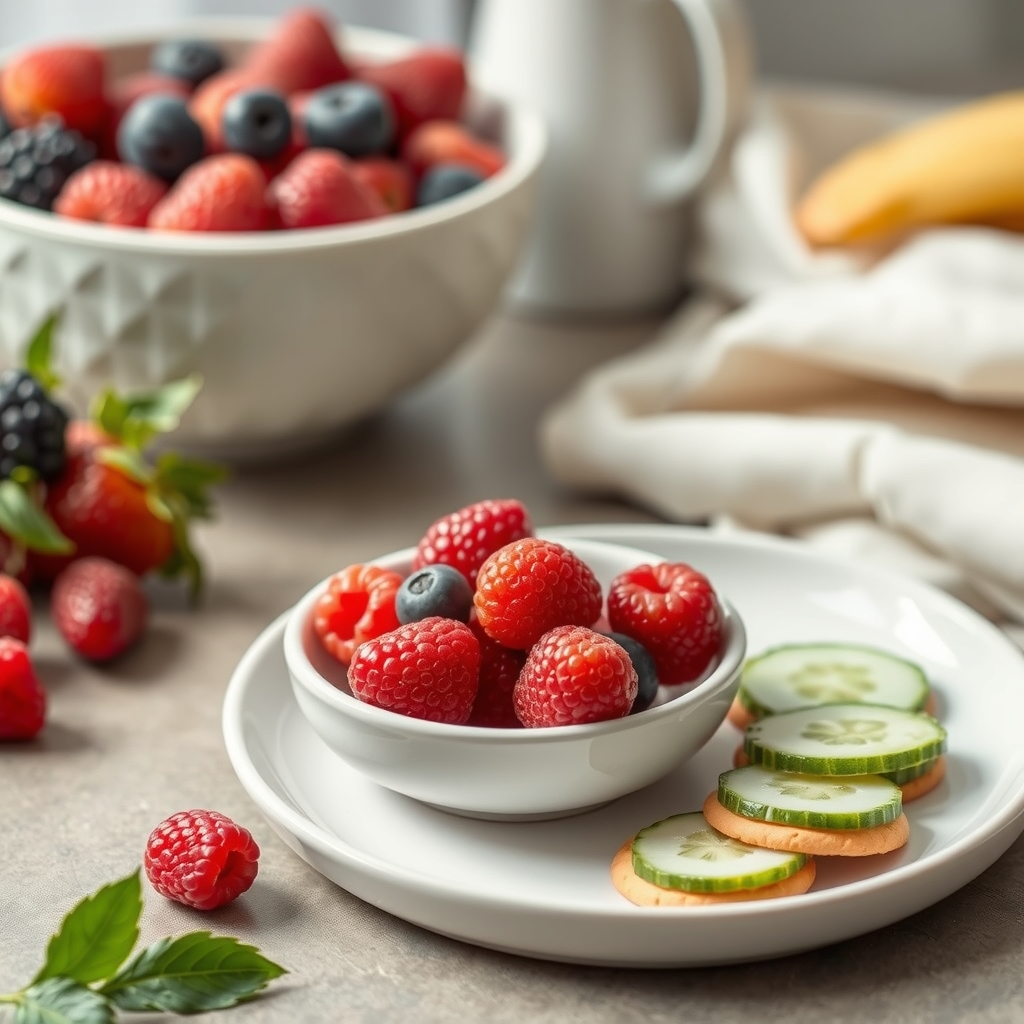
Simple, fresh ingredients make for satisfying and kidney-safe snacks.
Common Mistakes to Avoid on a Kidney-Friendly Diet
Embarking on a new diet, especially one as nuanced as a kidney-friendly plan, can come with its share of pitfalls. Being aware of common mistakes can help you navigate your journey more smoothly and effectively support your kidney health.
Over-Restricting Without Professional Guidance: One of the biggest mistakes is cutting out too many foods or entire food groups without consulting a doctor or a registered dietitian. This can lead to nutritional deficiencies, lack of enjoyment in eating, and make the diet unsustainable. For example, while potassium needs to be managed, completely eliminating all fruits and vegetables would be detrimental to your overall health. Your dietitian will help you find the right balance for *your* specific kidney function.
Ignoring Hidden Sodium and Phosphorus: Many people focus on not adding salt to their food but forget about the massive amounts of sodium and phosphorus hidden in processed foods. Canned soups, deli meats, frozen dinners, fast food, and even some baked goods are major culprits. Always read labels carefully, looking for sodium content and "phosphate" additives in the ingredient list.
Assuming "Healthy" Foods are Always Kidney-Friendly: Foods like whole grains, nuts, seeds, avocados, and certain dairy products are often promoted as healthy, and they are for many people. However, they can be high in potassium and phosphorus, which need to be limited in a kidney-friendly diet. Always check nutrient content and discuss these with your dietitian. For instance, while a dairy-free diet food list for beginners might be useful for some, it doesn't automatically mean all dairy alternatives are kidney-friendly, as some can still contain high phosphorus levels.
Not Monitoring Fluid Intake (If Advised): While not universally required for all stages of kidney disease, some individuals, especially those with advanced kidney disease or on dialysis, may need to restrict fluid intake. Too much fluid can lead to swelling and shortness of breath. Always follow your doctor's specific recommendations regarding fluids.
Relying on "Diet" or "Light" Products Without Scrutiny: Just because a product is labeled "diet," "light," or "sugar-free" doesn't mean it's kidney-friendly. These products can still be high in sodium, potassium, or phosphorus additives. Always check the nutrition label and ingredient list thoroughly.
By being mindful of these common errors, you can stay on track with your kidney-friendly diet, avoid unnecessary stress, and feel confident in your food choices.
Myth vs. Fact
When it comes to a kidney-friendly diet, there's a lot of information floating around, and not all of it is accurate. Let's clear up some common misconceptions.
Myth: All fruits and vegetables are good for your kidneys, so you should eat as many as possible.
Fact: While fruits and vegetables are generally healthy, some are very high in potassium (e.g., bananas, oranges, potatoes, tomatoes, spinach). If your kidney function is impaired and your potassium levels are high, consuming too much of these can be dangerous. A kidney-friendly diet requires selecting lower-potassium options and managing portion sizes, as advised by your dietitian.
Myth: A kidney-friendly diet means you can't eat any protein.
Fact: This is incorrect and potentially harmful. Protein is essential for muscle maintenance, tissue repair, and overall health. However, the *amount* and *type* of protein need to be managed. For most people with chronic kidney disease not on dialysis, a moderate protein intake is recommended to reduce the workload on the kidneys. Those on dialysis often need *more* protein. Your specific protein needs will be determined by your doctor and dietitian.
Myth: If a food is labeled "low sodium," it's automatically safe for a kidney-friendly diet.
Fact: While "low sodium" is a good start, it doesn't tell the whole story. A food might be low in sodium but still high in potassium or phosphorus (especially if it contains phosphate additives). Always check the full nutrition label and ingredient list for all relevant nutrients before assuming a product is kidney-friendly.
Key Takeaways
A kidney-friendly diet focuses on managing sodium, potassium, phosphorus, and protein intake to support kidney function.
Prioritize fresh, unprocessed foods to naturally reduce intake of harmful additives and excessive minerals.
Learn to identify low-potassium fruits (berries, apples, grapes) and vegetables (green beans, carrots, bell peppers) to include regularly.
Choose lean protein sources like skinless poultry, fish, and egg whites, and control portion sizes as advised by your dietitian.
Become a pro at reading food labels, paying close attention to sodium content and looking for "phosphate" additives.
A sample meal plan can guide you, but always customize it with your healthcare team to fit your unique needs.
Avoid common mistakes like over-restricting, ignoring hidden nutrients, and assuming all "healthy" foods are kidney-friendly.
Frequently Asked Questions
What foods are allowed on a kidney friendly diet?
Generally, a kidney-friendly diet allows for a variety of fresh, unprocessed foods. This includes most fresh fruits and vegetables that are lower in potassium (like apples, berries, green beans, carrots), lean protein sources (skinless chicken, fish, egg whites), and grains like white rice and white bread. The key is careful portion control and avoiding high-sodium, high-phosphorus, and high-potassium processed foods.
How many calories should I eat on a kidney friendly diet?
The calorie needs on a kidney-friendly diet are highly individualized and depend on your age, activity level, current weight, and stage of kidney disease. There isn't a universal calorie recommendation. Your doctor or a registered dietitian will assess your specific needs to ensure you're consuming enough calories to maintain a healthy weight without overeating or undereating, which can both be detrimental.
Can I eat dairy on a kidney friendly diet?
Dairy products like milk, yogurt, and cheese are often high in both potassium and phosphorus. For many people on a kidney-friendly diet, dairy intake needs to be limited or carefully portioned, especially if blood phosphorus or potassium levels are elevated. Some individuals may be able to tolerate small amounts, while others may need to avoid it. Always consult your dietitian for personalized guidance on dairy.
What is the difference between a kidney friendly diet and a low potassium diet?
A kidney-friendly diet is a comprehensive approach that manages multiple nutrients, including sodium, phosphorus, and protein, in addition to potassium. A low potassium diet, while often a component of a kidney-friendly diet, specifically focuses on restricting potassium intake. While many kidney patients need to limit potassium, the overall kidney-friendly diet also addresses other crucial dietary factors to support kidney health.
How long does it take to see benefits from a kidney friendly diet?
The time it takes to see benefits from a kidney-friendly diet can vary greatly depending on your individual health, the stage of your kidney disease, and how consistently you follow the diet. Some people may notice improvements in symptoms like swelling or energy levels within weeks, while changes in blood test results (like potassium or phosphorus) might be seen within a few weeks to a few months. Long-term adherence is crucial for sustained benefits.
Are there any side effects of a kidney friendly diet?
When properly managed with professional guidance, a kidney-friendly diet should not have harmful side effects. However, if the diet is too restrictive or not well-balanced, it could potentially lead to nutritional deficiencies, fatigue, or feelings of deprivation. This is why working closely with a registered dietitian specializing in kidney disease is vital to ensure you meet all your nutritional needs while protecting your kidneys.
When to See a Doctor or Specialist
Managing kidney health through diet is a continuous journey that requires professional guidance. If you have been diagnosed with kidney disease or are at risk, it is crucial to work closely with your healthcare team. You should regularly see your primary care physician and, ideally, a nephrologist (a kidney specialist) and a registered dietitian specializing in kidney disease (often called a renal dietitian).
Call your doctor or healthcare provider immediately if you experience:
Sudden or unexplained swelling in your legs, feet, or hands.
Shortness of breath, especially when lying down.
Significant changes in urination frequency or volume.
Persistent fatigue or weakness that interferes with your daily activities.
Muscle cramps, weakness, or irregular heartbeats, which could indicate electrolyte imbalances.
New or worsening nausea, vomiting, or loss of appetite.
These symptoms could indicate a change in your kidney function or an electrolyte imbalance that needs immediate medical attention. Remember, this article provides general information and is not a substitute for personalized medical advice from a qualified healthcare professional. Always consult your doctor or dietitian before making significant changes to your diet or treatment plan.
Regular consultations with a renal dietitian are essential for personalized guidance on your kidney-friendly diet.
References
National Kidney Foundation. Diet & Nutrition. Retrieved from kidney.org
American Heart Association. Sodium and Your Health. Retrieved from heart.org
Centers for Disease Control and Prevention. Chronic Kidney Disease Basics. Retrieved from cdc.gov
Mayo Clinic. Kidney diet: What to eat when you have kidney disease. Retrieved from mayoclinic.org
Cleveland Clinic. Kidney-Friendly Diet. Retrieved from my.clevelandclinic.org
Not sure about the label on Kidney Friendly Diet Food List For Beginners products?
Snap the ingredients list and SafeFilter checks every ingredient for your stage — only 3 free scans this month, then you're locked until reset. Unlimited from $7/mo or $50/yr.
When Shubhra Mishra was expecting her first child in 2016, she was overwhelmed by conflicting food advice — one site said yes, another said never. By the time her second baby arrived in 2019, she realized millions of mothers face the same confusion.
That sparked a five-year journey through clinical nutrition papers, cultural diets, and expert conversations — all leading to BumpBites: a calm, compassionate space where science meets everyday motherhood.
Her long-term vision is to build a global community ensuring safe, supported, and free deliveriesfor every mother — because no woman should face pregnancy alone or uninformed. 🌿
🌍 Stand with mothers, shape safer guidance
Join a small circle of experts who review BumpBites articles so expecting parents everywhere can decide with confidence.