Let’s address the elephant in the room: keto diets are not recommended for pregnancy—at least not the strict, high-fat, ultra-low-carb version most people associate with the term. The American Thyroid Association (ATA) and ACOG caution against extreme dietary restrictions during pregnancy due to potential risks like nutrient deficiencies, low birth weight, or even neural tube defects if key vitamins (like folate) are lacking. That said, individual keto snacks—when carefully selected—can be part of a balanced pregnancy diet, particularly if your provider approves.
**The key risks of keto snacks during pregnancy (if overdone or misselected):**
- Low folate/iron: Many keto snacks are void of whole grains, legumes, or fortified foods—critical sources of folate (which prevents neural tube defects) and iron (to prevent anemia).
- High saturated fat: Excessive processed meats, cheese, or coconut oil can raise LDL cholesterol, which some studies link to increased placental inflammation.
- Ketosis and nausea: Some women report worsened morning sickness when their bodies are in ketosis, as ketones can trigger digestive upset.
- Electrolyte imbalances: Low-carb diets can deplete sodium, potassium, and magnesium—dangerous during pregnancy when dehydration or cramps are already common.
- Mercury in fish: Many keto snack brands include salmon, sardines, or tuna, which are high in omega-3s but also high in mercury if not sourced carefully.
**The good news?** You don’t have to avoid keto snacks entirely. The goal is moderation and mindfulness. Focus on whole-food keto snacks (like nuts, cheese, or avocado) over processed ones (like keto bars with artificial sweeteners), and prioritize snacks that deliver folate, iron, and fiber—nutrients often missing in traditional keto diets.
**What a representative reader told us:** *“I was desperate for something to curb my gestational diabetes cravings, so I turned to keto snacks. My provider warned me about the folate gap, so I started adding pumpkin seeds to my almonds—and within a week, my energy stabilized. The key was treating keto snacks as a supplement, not a meal replacement.”*
---
How many keto snacks can you eat daily while breastfeeding without affecting baby?
Breastfeeding is a whole other dietary beast—your body burns 300–500 extra calories a day, and what you eat directly impacts your milk supply, energy, and even your baby’s taste preferences. The good news? Keto snacks can fit into a breastfeeding diet, but the American Academy of Pediatrics (AAP) emphasizes that fat intake should not exceed 30–35% of total calories (vs. the 70–80% often recommended for non-pregnant keto dieters).
**Safe daily limits for keto snacks while breastfeeding:**
- 2–3 snacks per day max, spaced evenly to avoid blood sugar crashes (which can lower milk supply).
- Prioritize snacks with 10–15g fat (not 20–30g) to balance energy without overloading your system.
- Avoid snacks with artificial sweeteners (like sucralose or aspartame), which may transfer to breast milk in trace amounts and could upset your baby’s gut.
- Stay hydrated: Keto snacks can be dehydrating, and breastfeeding already increases your fluid needs by 700–1,000ml/day.
**What to watch for:** If you notice your baby is gassier, fussier, or has a rash after you eat certain keto snacks (like dairy or nuts), it may be a sensitivity. Dairy is the most common trigger for breastfeeding babies, so opt for lactose-free cheese or coconut yogurt if needed.
**Pro tip:** Pair keto snacks with high-fiber, low-carb foods (like chia seeds or flaxseeds) to slow digestion and prevent milk sugar spikes that could affect your baby’s mood.
---
Best keto-friendly snacks for gestational diabetes control and energy levels
Gestational diabetes affects 1 in 7 pregnancies, and managing blood sugar is a top concern for many moms-to-be. While a keto diet during pregnancy isn’t universally recommended, selective keto snacks can help stabilize glucose levels by reducing carb intake and increasing healthy fats. The American Diabetes Association (ADA) suggests aiming for 30–45g carbs per meal and 10–20g carbs per snack for gestational diabetes—but keto snacks can help you stay under 5g net carbs per snack.
Top keto snacks for gestational diabetes:
- Hard-boiled eggs with olive oil (0g carbs, 5g fat).
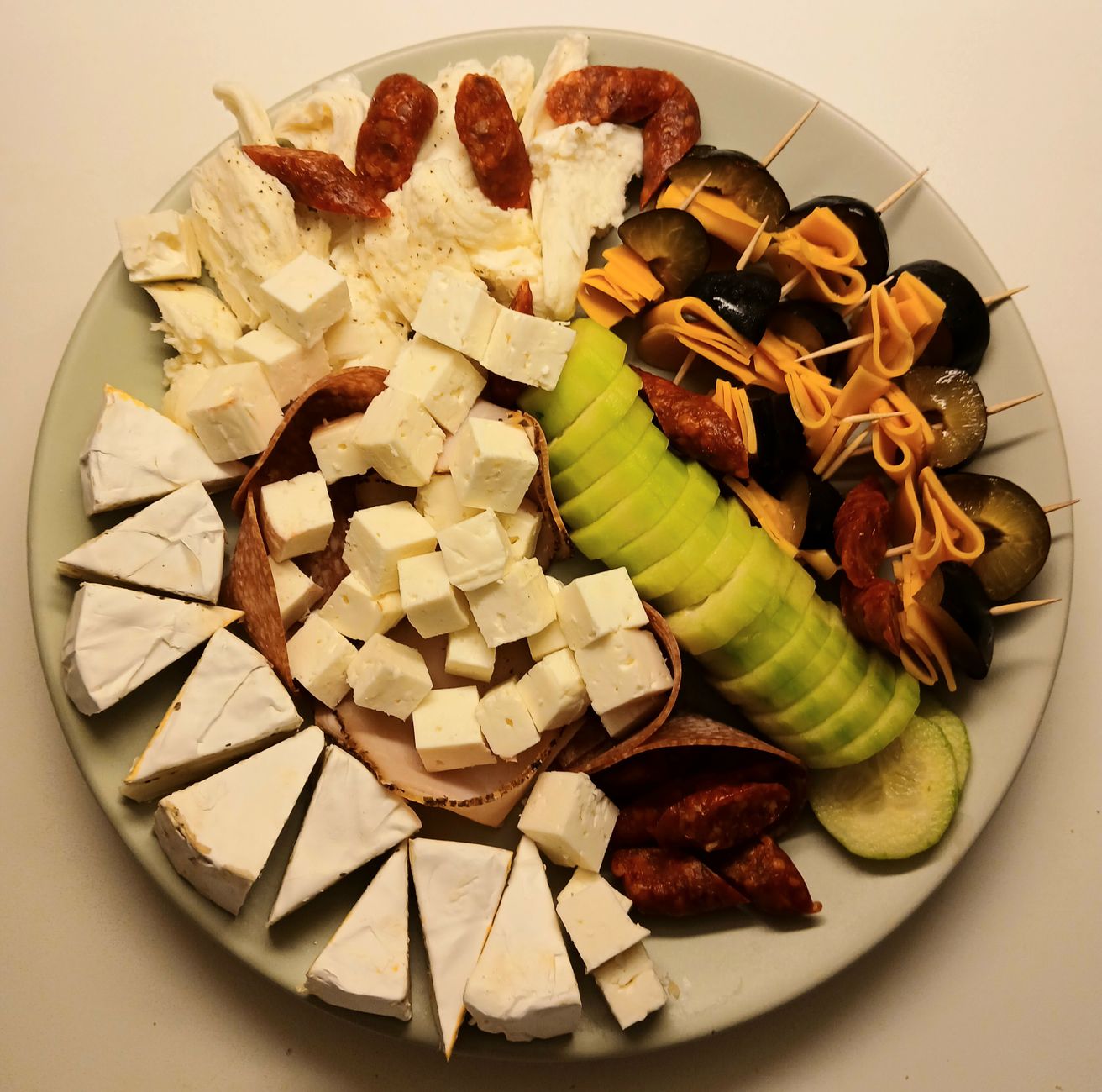
- Cheese cubes (cheddar, gouda, or pepper jack) (1–2g carbs, 7–10g fat).
- Avocado slices with salt and lime (3g carbs, 15g fat).
- Pumpkin seeds (pepitas) (3g carbs, 13g fat—plus folate!).
- Olives (Kalata or green) (0–1g carbs, 10g fat).
- Nuts (almonds, macadamias, or walnuts) (2–4g carbs, 12–18g fat).
- Sardines in olive oil (0g carbs, 10g fat—plus omega-3s).
**Why these work:** These snacks are low-carb, high-fiber, and rich in healthy fats, which help slow glucose absorption and keep you full longer. They also support fetal brain development (thanks to omega-3s in fish and nuts).
What to avoid:
- Store-bought keto bars with artificial sweeteners (can spike blood sugar or trigger nausea).
- Processed meats (salami, pepperoni) (high in sodium and preservatives).
- Coconut chips or crackers (often high in added sugar).
- High-mercury fish (king mackerel, tilefish) (limit to 1–2 servings/week).
**Real-world tip:** Many women with gestational diabetes find that pairing a keto snack with a small handful of berries (like raspberries—4g carbs) helps balance blood sugar without spiking it. The fiber in berries slows digestion, making the snack more stable.
---
What are the signs you’re eating too many keto snacks while pregnant?
Keto snacks aren’t inherently “bad” for pregnancy—but overdoing them can lead to unintended consequences, especially if you’re not monitoring macros or nutrient intake. Here’s how to spot the red flags:
Signs you may be overdoing keto snacks:
- Constant fatigue or dizziness: Too much fat without enough electrolytes (sodium, potassium, magnesium) can cause dehydration or low blood pressure.
- Worsening morning sickness: Ketones can irritate your stomach lining, especially if you’re already prone to nausea.
- Bloating or heartburn: High-fat snacks slow digestion, which can exacerbate pregnancy-related reflux.
- Unexplained weight loss: Losing weight during pregnancy is a red flag—especially if you’re underweight or have a history of gestational diabetes.
- Constipation or irregular bowel movements: Low-carb diets lack fiber, and pregnancy already slows digestion.
- Skin changes (acne, dryness, or stretch marks worsening): Excessive ketones can increase sebum production and stress your skin.
**What to do if you notice these signs:**
- Increase water intake (aim for 8–10 cups/day) and add electrolytes (like LMNT or coconut water).
- Add more fiber to your snacks (e.g., flaxseeds, chia seeds, or avocado).
- Reduce portion sizes of high-fat snacks (e.g., 1 oz of cheese instead of 2).
- Talk to your provider if you’re losing weight or experiencing persistent symptoms.
**Myth vs. Fact:**
Myth: “Eating keto snacks will automatically help with gestational diabetes.”
Fact: While low-carb snacks can help manage blood sugar, they’re not a cure. Monitor your glucose levels regularly and follow your provider’s meal plan.
---
How to pack keto snacks for work or travel without spoiling quickly?
One of the biggest challenges of keto snacks is keeping them fresh on the go. Whether you’re commuting, traveling, or working from home, proper packing prevents spoilage and food waste. Here’s how to do it right:
Step-by-step packing guide:
- Choose the right containers:
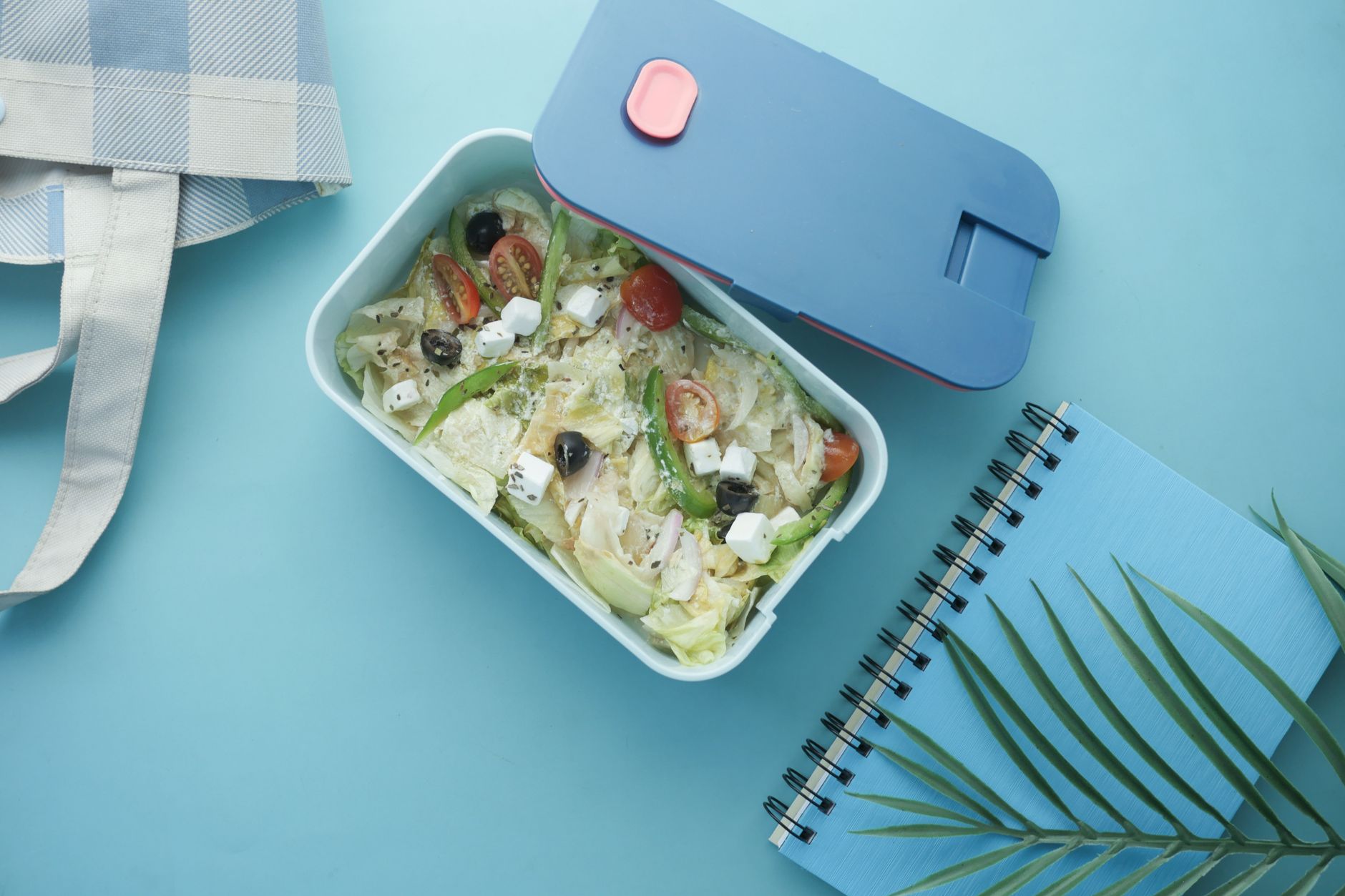
- Insulated lunch bags (with ice packs) for perishable snacks (cheese, meat, avocado).
- Air-tight glass or BPA-free plastic containers for nuts, seeds, and olives.
- Reusable silicone bags for soft snacks (like cheese sticks or hard-boiled eggs).
- Prep snacks the night before:
- Portion nuts into small bags (e.g., 1 oz almonds).
- Wrap cheese cubes in parchment paper to prevent sticking.
- Pack sardines or smoked salmon in a small container with a spoon.
- Use ice packs strategically:
- Place an ice pack in the bottom of your bag before adding snacks.
- For longer trips, use a cooler bag with a thermos of water to keep things cold.
- Avoid cross-contamination:
- Keep raw nuts/seeds separate from dairy or meat to prevent spoilage.
- Use separate containers for snacks you’ll eat immediately vs. later in the day.
- Label your snacks:
- Write the name and carb count on containers (e.g., “Avocado – 3g net carbs”).
- Use a dry-erase marker on containers for easy updates.
No-refrigeration keto snacks for pregnancy (great for travel!):
- Hard-boiled eggs (peeled and packed in a container).
- Nuts and seeds (almonds, macadamias, pumpkin seeds).
- Olives or pickled vegetables (like jalapeños).
- Beef jerky (sugar-free, under 3g net carbs).
- Dark chocolate (85%+ cocoa, 3g carbs per square).
- Keto crackers (like Paleo Thin or Simple Mills—check labels for under 2g net carbs).
**Pro tip:** If you’re flying, declare your snacks at security—some nuts and meats may trigger extra screening, but it’s worth it to avoid delays.
---
Keto snacks for morning sickness: what actually works and what to avoid
Morning sickness isn’t just in the morning—it can strike at any hour, and what you eat (or don’t eat) can make a huge difference. While keto snacks aren’t a cure-all for nausea, some options help stabilize blood sugar and settle your stomach when traditional snacks fail. Here’s what works—and what to steer clear of.
Keto snacks that help with morning sickness:
- Ginger chews or ginger tea (ginger reduces nausea and pairs well with keto-friendly fats like almond butter).
- Crackers with avocado or cheese (the healthy fats slow digestion and prevent blood sugar crashes).
- Electrolyte drinks with coconut water (dehydration worsens nausea, and electrolytes help).
- Peppermint tea with a small handful of macadamia nuts (macadamias are low-carb and high in magnesium, which calms nerves).
- Bone broth (homemade or low-sodium store-bought) (easy to digest, hydrating, and rich in amino acids).
Keto snacks to avoid with morning sickness:
- High-fat processed snacks (like keto chips or pork rinds)—they can worsen nausea due to their greasiness.
- Strong-smelling cheeses (blue cheese, limburger)—the odor can trigger gagging.
- Caffeinated snacks (like keto coffee granola)—caffeine can increase acidity and heartburn.
- Spicy snacks (like jalapeño poppers)—spice can irritate your stomach lining.
**What a reader shared:** *“I thought keto snacks would help my morning sickness, but the first time I ate a keto bar, I threw up immediately. My provider suggested sticking to plain, low-fat options—like cucumber slices with almond butter—and it made a world of difference. The key was keeping it simple and easy to digest.”*
**Bonus tip:** If you’re struggling with nausea, try eating keto snacks cold (like cheese or nuts) rather than warm—many women find cold foods easier to tolerate.
---
Can you eat keto snacks during early pregnancy (first trimester) safely?
The first trimester is a critical window for fetal development, and your body’s needs change rapidly. While keto snacks can be part of a balanced diet in early pregnancy, extreme fat restriction is not recommended—especially if you’re experiencing symptoms like fatigue, nausea, or food aversions. Here’s what to keep in mind:
Keto snacks that are generally safe in the first trimester:
- Eggs (hard-boiled or scrambled with olive oil) (rich in choline for brain development).
- Full-fat Greek yogurt (unsweetened, lactose-free if needed) (probiotics for gut health).
- Avocado with salt and lime (potassium helps with cramps).
- Pumpkin seeds (for folate and magnesium) (supports neural tube health).
- Smoked salmon (low-mercury, under 2 servings/week) (omega-3s for baby’s eyes and brain).
Keto snacks to approach with caution in the first trimester:
- Processed meats (salami, pepperoni)—can contain nitrates and preservatives that may worsen nausea.
- High-mercury fish (shark, swordfish)—avoid entirely in the first trimester.
- Excessive caffeine (keto energy bars or coffee)—can increase miscarriage risk if over 200mg/day.
- Artificial sweeteners (sucralose, aspartame)—limited research on safety in pregnancy; opt for stevia or monk fruit instead.
**What to prioritize in the first trimester:**
- Hydration (dehydration worsens nausea and constipation).
- Folate-rich foods (spinach, lentils, fortified cereals—even if they’re not keto!).
- Small, frequent meals (to avoid blood sugar crashes).
- Gentle movement (walking after eating can reduce nausea).
**Myth vs. Fact:**
Myth: “Keto snacks will help with first-trimester fatigue.”
Fact: While healthy fats can provide steady energy, fatigue in early pregnancy is often due to low iron or B12. Get your levels checked and consider a DASH diet food list for iron-rich options like lentils or spinach.
---
How to transition from regular snacks to keto snacks without cravings
Switching to keto snacks isn’t just about cutting carbs—it’s about rewiring your taste buds and satiety cues. If you’re used to chips, fruit, or granola bars, the transition can feel overwhelming (or trigger cravings). Here’s how to do it smoothly and sustainably:
Step 1: Gradually reduce carbs
- Replace one snack per day with a keto option (e.g., swap a banana for almonds).
- Cut back on added sugars first—even in “healthy” snacks like yogurt or granola.
- If you crave sweetness, add cinnamon or vanilla extract to keto snacks (like cottage cheese or Greek yogurt).
Step 2: Focus on texture and flavor
- If you miss crunchy snacks, try pork rinds or keto crackers (like Simple Mills).
- If you love creamy snacks, guacamole or full-fat cheese can satisfy that craving.
- Add herbs and spices (like everything bagel seasoning or smoked paprika) to make snacks more exciting.
Step 3: Manage cravings with smart swaps
- Craving chips? Try olives or pickles (the salty crunch satisfies).
- Craving fruit? Try berries with whipped coconut cream (raspberries are low-carb).
- Craving sweets? Try dark chocolate (85%+ cocoa) or sugar-free jelly (like Swerve).
Step 4: Listen to your body
- If you’re constipated, increase fiber (flaxseeds, chia seeds, or avocado).
- If you’re exhausted, prioritize snacks with B vitamins (like eggs or nuts).
- If you’re bloating, reduce dairy or opt for lactose-free cheese.
**What to avoid:**
- Skipping meals to “save” carbs for later—this leads to blood sugar crashes.
- Relying on artificial sweeteners to curb cravings—they can worsen sugar cravings long-term.
- Ignoring hunger cues—if you’re starving, your body needs real food, not just snacks.
**Real-world tip:** Many women find that keeping a “keto snack stash” at home and work helps prevent impulsive choices. Pre-portion nuts, cheese, and olives so you’re not tempted to grab a bag of chips when hunger strikes.
---
Easy keto snacks for pregnant women that don’t require refrigeration
Not everyone has access to a fridge at work, in the car, or while traveling—and that’s okay! These no-refrigeration keto snacks are perfect for pregnancy, breastfeeding, or just busy days. They’re nutrient-dense, low-carb, and easy to pack:
Best non-perishable keto snacks:
**Pro tip:** If you’re traveling or flying, declare your snacks at security—some nuts and meats may trigger extra screening, but it’s worth it to avoid delays. Also, check airline policies on liquids and gels.
---
Best keto snacks for pregnancy that help with heartburn and indigestion
Heartburn and indigestion are common in pregnancy, especially in the second and third trimesters, thanks to relaxed esophageal sphincters and hormonal changes. While keto snacks aren’t a cure-all, some options can help soothe symptoms by reducing acidity, increasing fiber, or slowing digestion. Here’s what works:
Keto snacks that help with heartburn:
- Almonds or almond butter (low-acid, high-fiber fats).
- Avocado with salt and lime (fiber slows digestion, lime helps neutralize acid).
- Coconut yogurt (unsweetened) (probiotics support gut health).
- Pumpkin seeds (magnesium helps relax muscles).
- Bone broth (homemade or low-sodium) (easy to digest, hydrating).
- Olives (green or Kalamata) (low-acid, high in healthy fats).
Keto snacks to avoid with heartburn:
- High-fat processed snacks (like keto chips or pork rinds)—they can worsen reflux.
- Spicy snacks (like jalapeño poppers)—spice irritates the esophagus.
- Caffeinated snacks (like keto coffee granola)—caffeine increases stomach acid.
- Tomato-based snacks (like keto salsa chips)—tomatoes are acidic.
**Additional heartburn hacks:**
- Eat smaller, more frequent meals (don’t let your stomach get too full).
- Avoid lying down for 2–3 hours after eating.
- Sleep with your head elevated (use an extra pillow).
- Chew gum after meals (increases saliva, which neutralizes acid).
**What a reader shared:** *“I thought keto snacks would help my heartburn, but the first time I ate a keto bar, I felt like I was on fire. My provider suggested sticking to plain, low-fat options—like cucumber slices with almond butter—and it made a world of difference. The key was keeping it simple and easy to digest.”*
---
How to make homemade keto snacks for pregnancy that are under 5g net carbs
Store-bought keto snacks can be expensive, processed, or hard to find—especially if you’re avoiding artificial sweeteners or high-mercury fish. Homemade keto snacks give you control over ingredients, portion sizes, and nutrient density. Here are 5 easy, pregnancy-safe recipes under 5g net carbs:
1. Cheesy Almond Butter Bites
- Mix ½ cup almond butter with ¼ cup cream cheese until smooth.
- Add 1 tsp vanilla extract and 1 tbsp powdered erythritol (optional).
- Roll into 12 small balls and chill for 30 minutes.
- Net carbs: 2g per bite.
2. Cucumber & Cream Cheese Roll-Ups
- Spread 2 tbsp cream cheese on a cucumber slice.
- Top with a sprinkle of everything bagel seasoning.




