

Quick take: A typical Italian diet sample day balances fresh, seasonal produce, lean proteins, whole grains, and healthy fats—think olive oil, garlic, and herbs—while keeping portions moderate. Expect breakfast with yogurt and fruit, lunch with pasta and vegetables, and dinner with fish or meat paired with a big salad. For weight loss, focus on smaller portions and more vegetables; for pregnancy, prioritize iron-rich foods and folate. Always adjust for dietary needs like gluten-free or vegan options.Italian Diet Sample Day of Eating: The Complete 2026 Guide
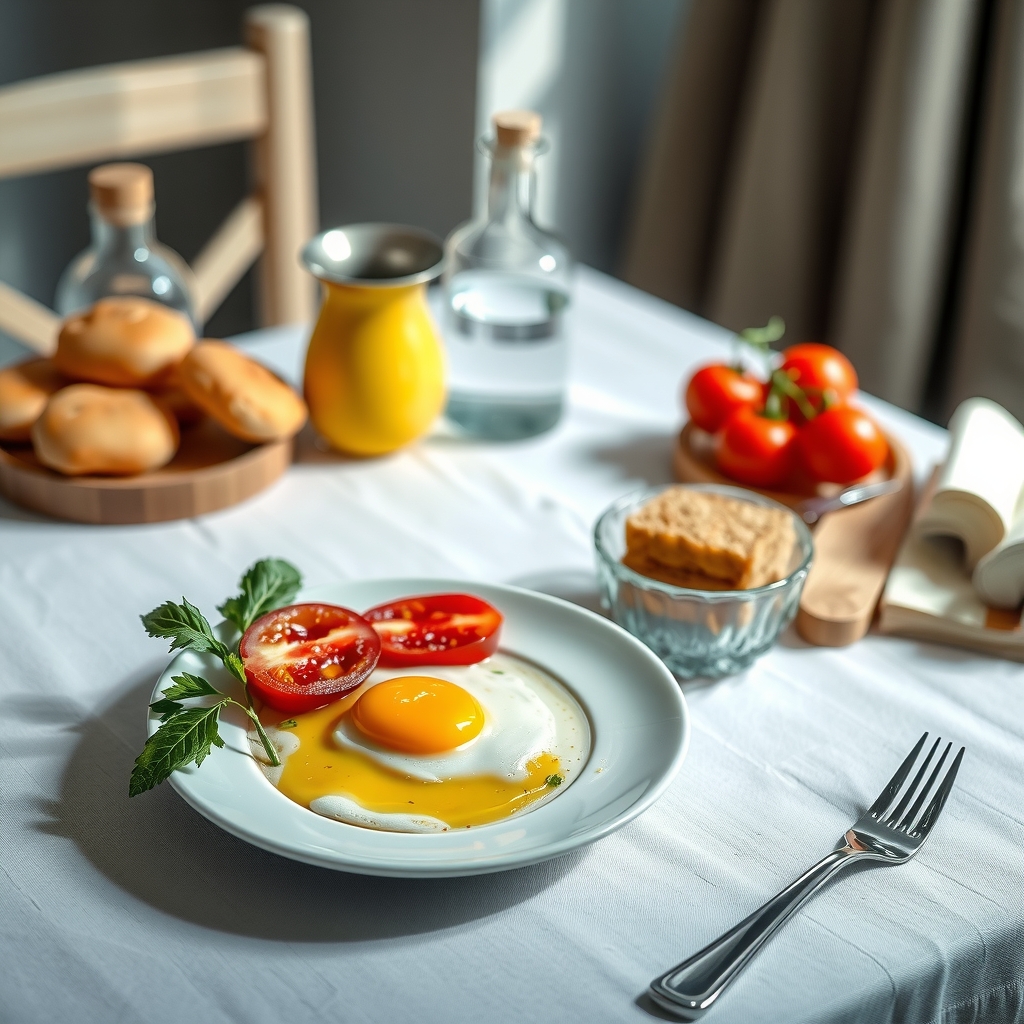
It was 3 a.m., and you’re staring at the fridge again—not because you’re hungry, but because you’re trying to figure out what the heck to eat tomorrow to stay true to that "Italian diet" you’ve been researching. Maybe you’ve seen the headlines: "The Italian diet is the healthiest in the world!" or "Eat like the Italians to lose weight!" But what does that *actually* look like? Is it just pasta and wine every day? And how do you adapt it if you’re pregnant, gluten-free, or trying to build muscle?
Here’s the truth: The Italian diet isn’t about rigid rules or deprivation. It’s about simplicity, seasonality, and pleasure. It’s the grandmother who cooks a big pot of lentils for lunch, the café where everyone sips espresso with a small pastry, and the regional variations that make every meal feel like a celebration. But translating that into a day of eating—especially when you’re juggling modern life, dietary restrictions, or health goals—can feel overwhelming.
This guide breaks it down for you. We’ll cover what a typical Italian diet sample day looks like, how to adapt it for pregnancy, weight loss, or high protein needs, and even how to make it work for gluten-free, vegan, or low-sodium diets. You’ll get a full meal plan with calorie counts, nutrient breakdowns, and tips to shop and prep like a local. And yes, we’ll debunk the myths so you can eat with confidence—without stress.
Let’s start with the basics.
What does a typical Italian diet sample day look like?
The Italian diet isn’t just about food; it’s a way of life. It’s rooted in the Mediterranean diet but with its own flair—think olive oil drizzled over everything, garlic in every dish, and fresh herbs like basil and oregano. Meals are social, slow, and often shared with family. A typical day might look like this:
- Breakfast: Yogurt with honey and fresh fruit, or a slice of whole-grain bread with olive oil and tomato.
- Lunch: A hearty pasta dish with vegetables and a small portion of meat or fish, followed by a big salad.
- Snack: Fresh fruit, nuts, or a small piece of cheese.
- Dinner: A lighter meal, perhaps grilled fish with roasted vegetables or a vegetable-based soup.
Portions are smaller than you might expect—especially compared to American plates. Italians often say "mangia poco, ma bene" ("eat little, but well"), emphasizing quality over quantity. And while wine is part of the culture, it’s usually enjoyed in moderation (one glass with meals) and never on an empty stomach.
One reader, Maria from Milan, shared how she adapted this approach after moving to the U.S.: "At first, I felt like I was starving because my portions were so small. But after a few weeks, I realized I wasn’t hungry anymore—I was full *and* satisfied. The key is to slow down and enjoy each bite."
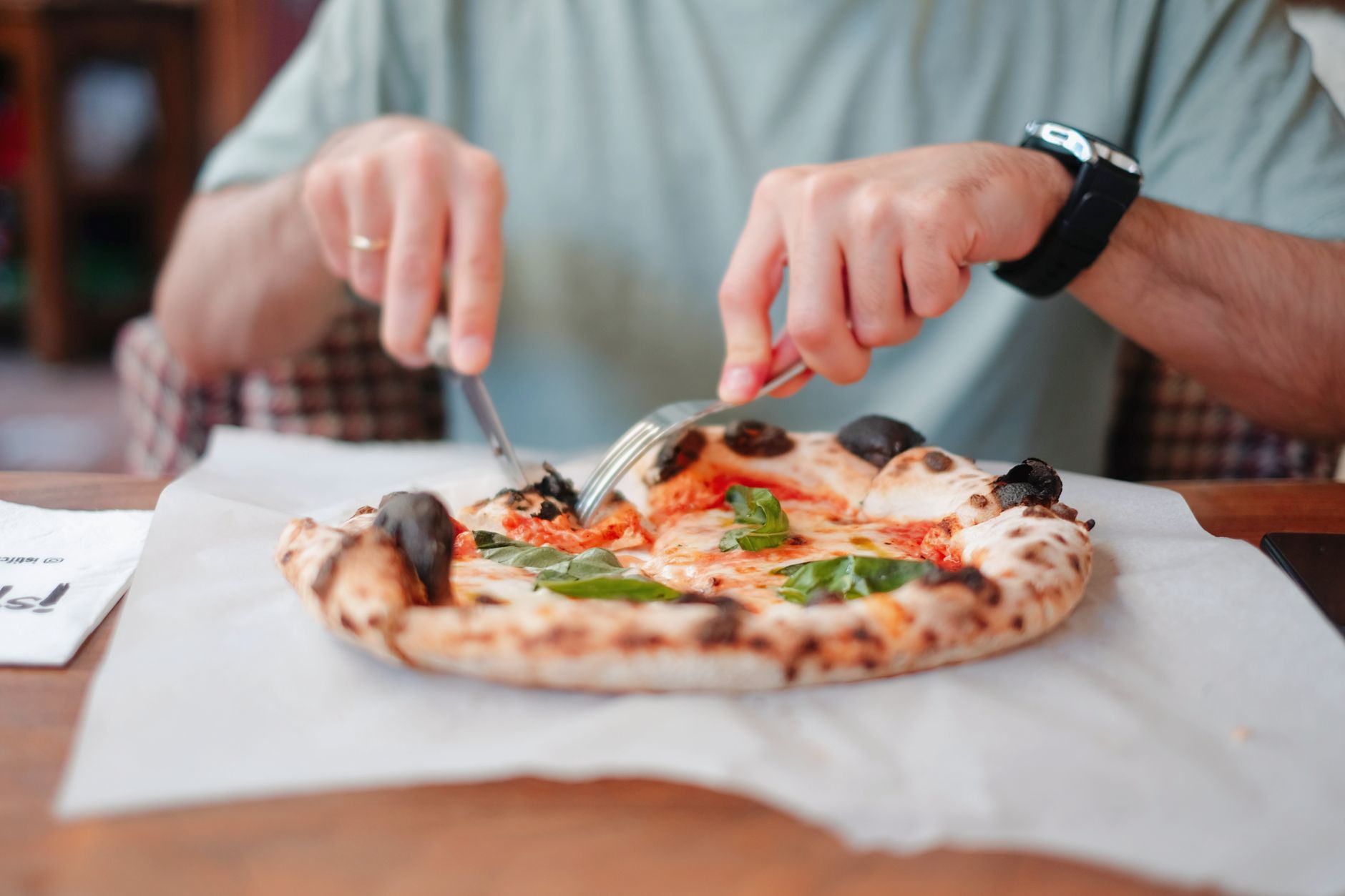
Italian Diet Principles to Remember
The Italian diet thrives on these core principles:
- Fresh, seasonal produce: Locally sourced vegetables and fruits are the stars of the plate.
- Healthy fats: Extra virgin olive oil is the primary fat source, used generously.
- Lean proteins: Fish, poultry, and legumes are prioritized over red meat.
- Whole grains: Whole wheat pasta, bread, and rice are staples.
- Moderation: Even indulgent foods like pasta or tiramisu are enjoyed in small amounts.
- Social eating: Meals are shared and savored—no multitasking!
Regional Variations You Should Know
Italy isn’t one-size-fits-all. Regional cuisines add depth to the Italian diet:
- Northern Italy (e.g., Lombardy, Piedmont): Richer dishes with butter, cream, and polenta. Think risotto alla Milanese or braised beef.
- Central Italy (e.g., Tuscany, Umbria): Hearty, rustic meals with olive oil, beans, and game meats. Pici pasta and wild boar ragù are classics.
- Southern Italy (e.g., Sicily, Calabria): Bright, tomato-based dishes with seafood, citrus, and almonds. Caponata and fried cod are staples.
- Islands (Sardinia, Sicily): Seafood-heavy with fresh herbs and minimal oil. Try bottarga (dried fish roe) or fried anchovies.
Pro tip: If you’re new to Italian cooking, start with a few regional staples—like a simple French-inspired vegetable stew (yes, we’re comparing, but hear us out: both Mediterranean diets share roots!) or a Tuscan lentil soup. These dishes are forgiving and packed with nutrients.
---Italian diet sample day for weight loss
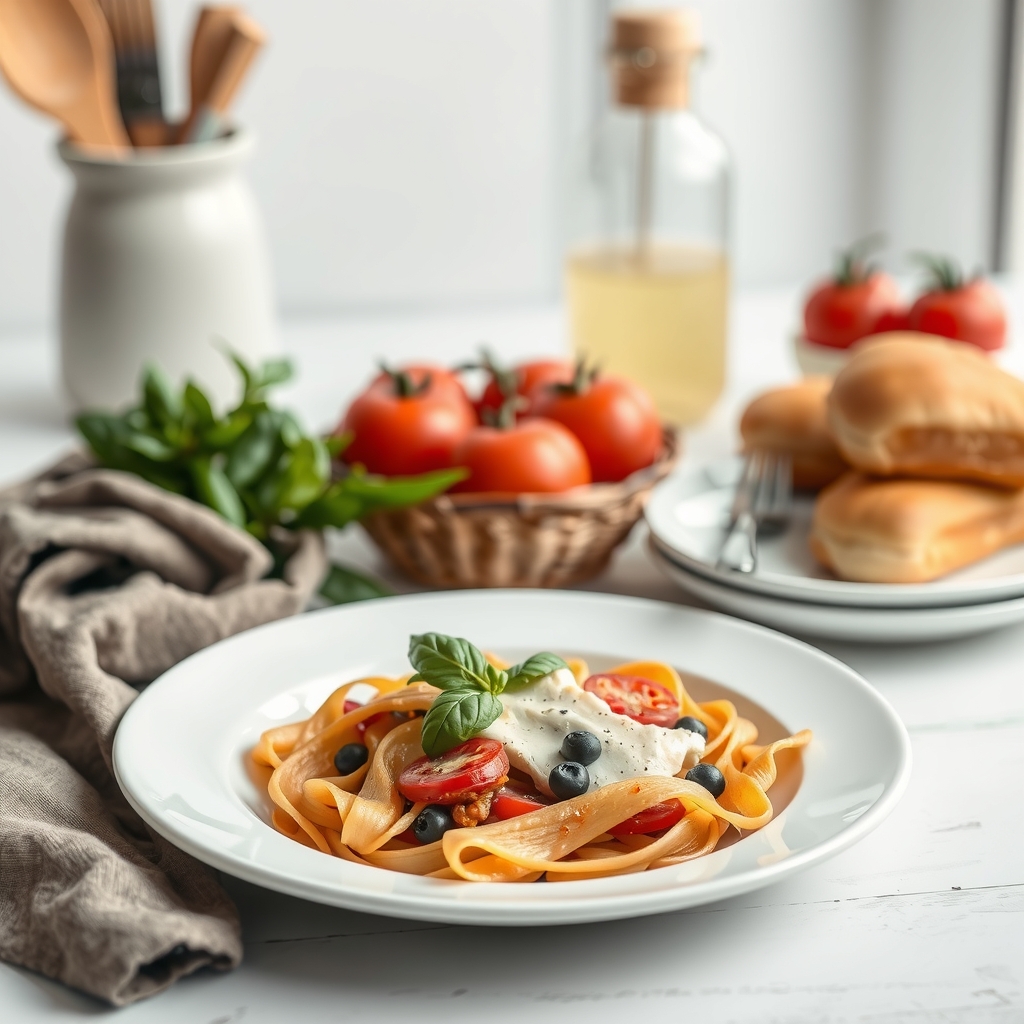
Sample Meal Plan for Weight Loss
| Meal | Food | Calories (approx.) | Macros (G/P/F) |
|---|---|---|---|
| Breakfast | Greek yogurt (plain, 150g) + ½ cup mixed berries + 1 tbsp honey + 10 almonds | 280 | 25g / 12g / 12g |
| Snack | 1 hard-boiled egg + 1 small whole-grain toast with olive oil | 220 | 12g / 10g / 10g |
| Lunch | 100g whole-wheat spaghetti + 100g grilled chicken + 1 cup roasted zucchini + 1 tbsp olive oil + 1 cup arugula salad | 550 | 60g / 30g / 20g |
| Snack | 1 small apple + 1 oz (28g) cheddar cheese | 180 | 12g / 8g / 10g |
| Dinner | 120g baked salmon + 1 cup sautéed spinach with garlic + ½ cup quinoa | 450 | 30g / 30g / 20g |
Weight Loss Tips from the Italian Diet
- Prioritize protein: Start meals with a protein source (fish, chicken, beans) to stay full longer.
- Load up on veggies: Fill half your plate with non-starchy vegetables like zucchini, eggplant, or greens.
- Use olive oil wisely: Drizzle it lightly over meals—it’s calorie-dense but packed with healthy fats.
- Skip second helpings: Italians eat until they’re 80% full. Try pausing after the first bite to check in with your hunger.
- Move like an Italian: Walk after meals, take the stairs, or dance in the kitchen—movement is woven into daily life.
One study published in the National Institutes of Health found that Mediterranean diets (of which the Italian diet is a cornerstone) were linked to a 30% lower risk of weight regain over two years. The secret? Consistency—not extreme calorie restriction.
---Italian diet sample day for pregnancy
Pregnancy is a time when nutrition matters more than ever, and the Italian diet can be a fantastic foundation—if you focus on the right nutrients. You’ll need more folate, iron, calcium, and omega-3s, but the Italian diet naturally includes many of these in whole-food forms. Here’s how to adapt it for you and your baby:
Pregnancy-Friendly Italian Diet Sample Day
| Meal | Food | Why It Matters |
|---|---|---|
| Breakfast | Whole-grain toast with ricotta cheese + 1 tbsp olive oil + 1 kiwi | Calcium (ricotta), fiber (whole grains), vitamin C (kiwi) |
| Snack | 1 cup mixed berries + 1 oz (28g) walnuts | Folate (berries), omega-3s (walnuts) |
| Lunch | 100g whole-wheat pasta + 100g lentils + 1 cup sautéed spinach + 1 tbsp olive oil | Iron (lentils), folate (spinach), healthy fats (olive oil) |
| Snack | 1 small orange + 1 oz (28g) Parmesan cheese | Vitamin C (orange), calcium (Parmesan) |
| Dinner | 120g grilled sardines + 1 cup roasted sweet potatoes + 1 cup steamed broccoli | Omega-3s (sardines), vitamin A (sweet potatoes), fiber (broccoli) |
Pregnancy-Specific Adjustments
- Add folate-rich foods: Lentils, spinach, and citrus fruits are staples. Aim for 400 mcg of folate daily.
- Boost iron intake: Pair lentils or chickpeas with vitamin C (like lemon juice) to enhance absorption.
- Choose fatty fish wisely: Sardines, anchovies, and mackerel are rich in DHA, but limit to 2–3 servings per week due to mercury concerns.
- Avoid raw shellfish and undercooked meat: Pregnancy weakens your immune system, so stick to well-cooked proteins.
- Stay hydrated: Herbal teas like chamomile or hibiscus are safe and soothing.
One expectant mother, Sophia from Rome, shared how she adapted: "I used to eat pasta every day, but now I make sure to add beans or lentils to boost protein. I also drink a glass of orange juice with breakfast to help absorb the iron from my lentil soup at lunch."
When to talk to your provider: If you’re experiencing severe nausea, heartburn, or cravings for non-food items (pica), mention it at your next appointment. These can signal nutrient deficiencies or other concerns.
---Italian diet sample day meal plan 2026
Ready for a full day of Italian-inspired meals? Here’s a balanced, nutrient-dense plan with calorie counts and macros to give you a sense of portion sizes. This plan serves as a template—adjust based on your activity level and goals.
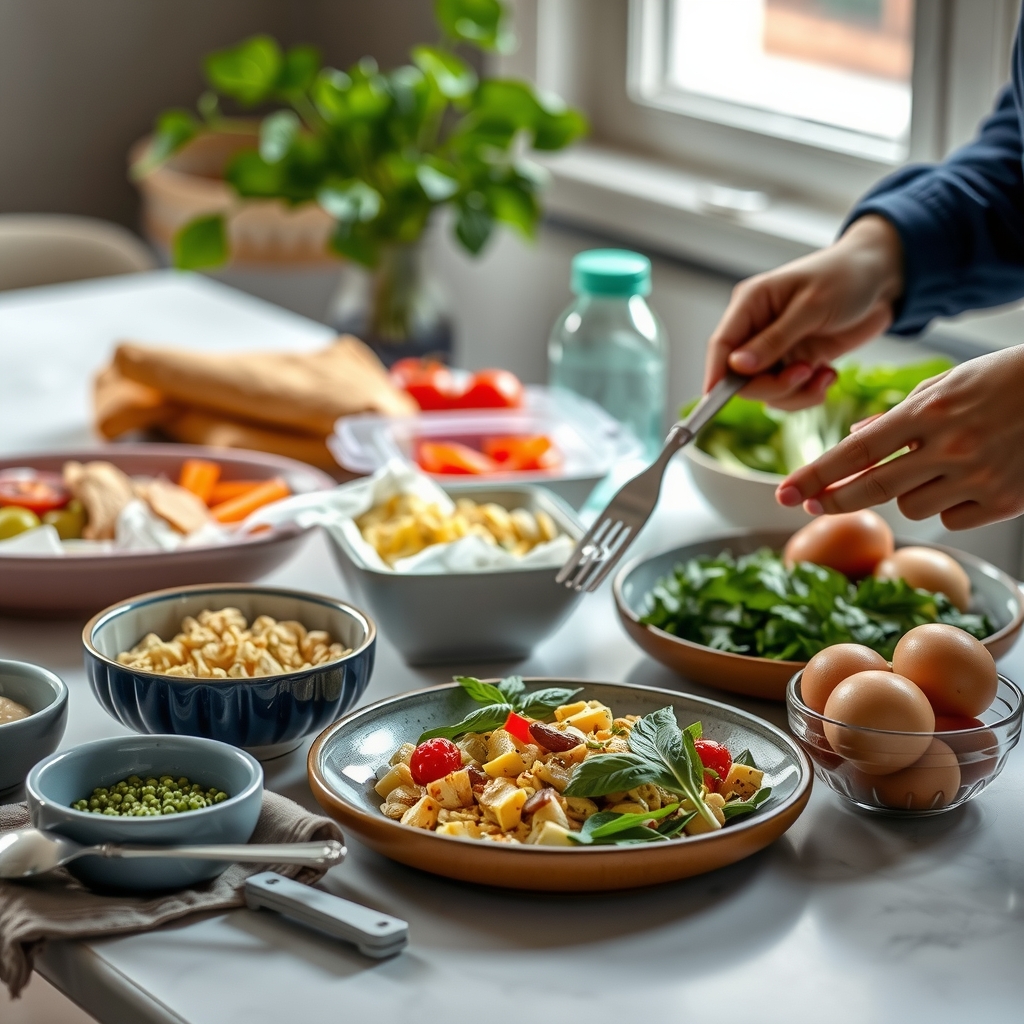
Full-Day Italian Diet Meal Plan
| Meal | Food | Calories | Protein (g) | Carbs (g) | Fats (g) |
|---|---|---|---|---|---|
| Breakfast | 1 cup whole-milk yogurt + ½ cup granola + ½ cup strawberries + 1 tbsp honey | 350 | 12 | 50 | 12 |
| Snack | 1 hard-boiled egg + 1 small whole-grain roll with olive oil | 250 | 10 | 20 | 12 |
| Lunch | 100g whole-wheat penne + 100g grilled shrimp + 1 cup roasted Brussels sprouts + 1 tbsp olive oil + 1 cup mixed greens | 550 | 35 | 60 | 20 |
| Snack | 1 small pear + 1 oz (28g) pecorino cheese | 200 | 8 | 20 | 10 |
| Dinner | 120g baked cod + 1 cup ratatouille (eggplant, zucchini, tomatoes) + ½ cup couscous | 450 | 30 | 40 | 18 |
| Evening | 1 small espresso + 1 square dark chocolate (70%+) | 50 | 1 | 3 | 3 |
| Total | 1,850 | 96 | 196 | 75 |
How to Adjust for Your Goals
- Weight loss: Reduce portions of grains (e.g., 80g pasta instead of 100g) and add more vegetables.
- Muscle gain: Increase protein (e.g., add a side of white beans or a glass of whole milk).
- Low-carb: Swap pasta for zucchini noodles or cauliflower rice.
- High-fiber: Add flaxseeds to yogurt or choose whole-wheat bread over white.
Italian diet sample day with mediterranean foods
The Italian diet and the Mediterranean diet are often used interchangeably, but they have subtle differences—especially in regional flavors and ingredient preferences. Here’s how to blend them seamlessly:
Italian vs. Mediterranean Diet: Key Differences
| Feature | Italian Diet | Mediterranean Diet |
|---|---|---|
| Primary fat | Extra virgin olive oil (used generously) | Extra virgin olive oil (used liberally) |
| Grains | Whole wheat pasta, bread, polenta | Whole grains (bread, pasta, rice, bulgur) |
| Proteins | Fish, poultry, legumes; red meat is occasional | Fish, poultry, legumes, red meat (1–2x/week) |
| Dairy | Cheese (Parmesan, Pecorino), yogurt, ricotta | Cheese (moderate), yogurt, milk |
| Herbs & spices | Basil, oregano, rosemary, garlic | Oregano, thyme, cumin, turmeric |
| Wine | Red wine with meals (1 glass) | Red wine with meals (1 glass) |
Sample Day Blending Both Diets
For example, swap a Tuscan lentil soup (Italian) with a Greek-style chickpea stew (Mediterranean) for variety. Both are packed with fiber and plant-based protein.
One reader, Lena from Florence, loves this hybrid approach: "I’ll make a big salad with olives, feta, and oregano (Mediterranean) but drizzle it with my favorite Italian olive oil. It’s like the best of both worlds!"
Pro tip: If you’re new to Mediterranean flavors, start with Italian staples like herb-infused olive oil (try rosemary or basil) and gradually introduce spices like cumin or za’atar.
---Italian diet sample day for high protein
Want to build muscle or fuel an active lifestyle? The Italian diet can be easily tailored for higher protein—without sacrificing flavor or tradition. Focus on lean meats, fish, legumes, and dairy.
High-Protein Italian Diet Sample Day
| Meal | Food | Protein (g) |
|---|---|---|
| Breakfast | 3-egg omelet with spinach + 1 slice whole-grain toast | 25g |
| Snack | 1 cup cottage cheese + 1 tbsp walnuts | 20g |
| Lunch | 120g grilled chicken + 100g whole-wheat spaghetti + 1 cup roasted broccoli | 40g |
| Snack | 1 scoop (30g) whey protein shake with almond milk | 24g |
| Dinner | 120g baked salmon + 1 cup lentils + 1 tbsp olive oil | 45g |
| Total | 154g |
High-Protein Italian Swaps
- Pasta: Swap white pasta for chickpea or lentil pasta (15g protein per 100g cooked).
- Cheese: Opt for high-protein cheeses like Parmesan (10g protein per oz) or ricotta (12g per 100g).
- Legumes: Add white beans or lentils to soups and salads for an extra 15g protein per cup.
- Fish: Sardines, anchovies, and mackerel are rich in protein *and* omega-3s.
- Snacks: Hard-boiled eggs, nuts, or Greek yogurt are easy protein boosters.
Note: If you’re an athlete, pair high-protein meals with complex carbs (like whole-wheat pasta) to fuel performance. For example, a post-workout meal might include grilled chicken, quinoa, and roasted vegetables.
---Italian diet sample day for low sodium
High sodium can be a concern for those with hypertension or heart conditions, but the Italian diet can still be delicious and heart-healthy. The key is using herbs, citrus, and vinegar instead of salt—and choosing fresh ingredients over processed ones.
Low-Sodium Italian Diet Sample Day
| Meal | Food | Sodium (mg) | Low-Sodium Swap |
|---|---|---|---|
| Breakfast | Yogurt + honey + berries | 50 | Skip added salt; use cinnamon for flavor |
| Snack | Hard-boiled egg + whole-grain toast | 80 | Use lemon juice instead of salt |
| Lunch | 100g whole-wheat pasta + 100g grilled chicken + roasted vegetables | 300 | Use garlic, oregano, and balsamic vinegar for flavor |
| Snack | Fresh fruit + nuts | 10 | None needed |
| Dinner | 120g baked cod + ratatouille (no added salt) | 150 | Season with lemon zest and fresh herbs |
Low-Sodium Italian Tips
- Avoid processed meats: Skip salami, prosciutto, and canned meats. Opt for fresh or homemade cured meats.
- Use herbs and spices: Basil, oregano, rosemary, and thyme add flavor without sodium.
- Citrus is your friend: Lemon juice, orange zest, and vinegar brighten dishes naturally.
- Choose fresh fish over canned: Fresh sardines or anchovies (if available) have less sodium than canned varieties.
- Make your own broths: Homemade vegetable broth is low-sodium and full of flavor.
When to see a specialist: If you’re on a low-sodium diet and experiencing dizziness, fatigue, or muscle cramps, consult a dietitian or your healthcare provider. These could signal electrolyte imbalances.
---Italian diet sample day for beginners
Starting a new diet can feel overwhelming, but the Italian diet is beginner-friendly because it’s intuitive and delicious. Here’s how to ease into it without stress:
Beginner-Friendly Italian Diet Tips
- Start with staples: Stock your pantry with olive oil, whole-wheat pasta, canned tomatoes, garlic, and fresh herbs.
- Cook once, eat twice: Make a big pot of lentil soup or a batch of marinara sauce to use in meals.
- Use pre-cut veggies: Buy pre-washed greens or baby carrots to save time.
- Repurpose leftovers: Turn yesterday’s roasted vegetables into today’s frittata.
- Embrace simplicity: A big salad with olive oil and lemon is a meal. No fancy techniques needed.
Beginner’s 3-Day Meal Plan
| Day | Breakfast | Lunch | Dinner |
|---|---|---|---|
| Day 1 | Yogurt + granola + fruit | Whole-wheat toast with tomato + olive oil | Grilled chicken + roasted vegetables |
| Day 2 | Scrambled eggs + whole-grain toast | Canned tuna salad (with olive oil) on whole-wheat bread | Spaghetti with lentils and spinach |
| Day 3 | Smoothie (spinach, banana, yogurt, almond milk) | Caprese salad (tomato, mozzarella, basil, olive oil) | Baked cod + roasted potatoes |
Pro tip: If cooking feels daunting, start with flexitarian-friendly meals—like a big bowl of pasta with marinara and veggies—that require minimal effort but still align with the Italian diet.
---Italian diet sample day with gluten free options
Gluten-free doesn’t have to mean bland or boring. The Italian diet offers plenty of naturally gluten-free options, and with a few swaps, you can enjoy authentic flavors without gluten.
Gluten-Free Italian Swaps
| Traditional Ingredient | Gluten-Free Swap | Where to Use It |
|---|---|---|
| Whole-wheat pasta | Chickpea or lentil pasta | Any pasta dish |
| White bread | Gluten-free bread (look for 100% buckwheat or sorghum) | Toast, sandwiches |
| Semolina | Buckwheat or quinoa | Pasta, risotto |
| Wheat flour | Almond or coconut flour | Baking, coatings |
| Beer | Sparkling water or gluten-free wine | Drinks |
Gluten-Free Italian Diet Sample Day
| Meal | Food |
|---|---|
| Breakfast | Greek yogurt + almonds + berries |
| Snack | Hard-boiled egg + gluten-free toast with olive oil |
| Lunch | 100g chickpea pasta + 100g grilled shrimp + roasted zucchini |
| Snack | 1 small apple + 1 oz (28g) pecorino cheese |
| Dinner | 120g baked salmon + ratatouille (gluten-free) + quinoa |
Caution: Always check labels for hidden gluten in sauces (like soy sauce) and processed foods. Opt for brands labeled "gluten-free" to avoid cross-contamination.
---Italian diet sample day for athletes
Athletes need fuel that supports performance, recovery, and muscle repair. The Italian diet is perfect for this—it’s rich in complex carbs, lean proteins, and healthy fats. Here’s how to optimize it for training:
Athlete-Friendly Italian Diet Sample Day
| Meal | Food | Purpose |
|---|---|---|
| Pre-Workout (2 hours before) | 1 cup whole-wheat couscous + 100g grilled chicken + 1 tbsp olive oil | Carbs for energy, protein for endurance |
| Post-Workout (within 30 min) | 1 scoop (30g) whey protein + 1 banana + 1 cup almond milk | Fast protein + carbs for recovery |
| Lunch | 120g baked cod + 1 cup roasted sweet potatoes + 1 cup steamed broccoli | Omega-3s + complex carbs |
| Snack | 1 cup mixed berries + 1 oz (28g) walnuts | Antioxidants + healthy fats |
| Dinner | 150g grilled sirloin steak + 1 cup farro (gluten-free if needed) + roasted vegetables | Protein + slow-digesting carbs |
Athlete Tips
- Hydrate like an Italian: Herbal teas (like chamomile) or sparkling water with lemon are great post-workout.
- Prioritize omega-3s: Sardines, anchovies, and walnuts support muscle recovery.
- Time carbs around workouts: Eat carbs before and after training for energy and repair.
- Don’t skip protein: Aim for 20–30g of protein per meal to support muscle growth.
Italian diet sample day for vegan
The Italian diet is naturally plant-forward, making it a great fit for vegans. Focus on legumes, whole grains, vegetables, and plant-based proteins to create a satisfying, nutrient-dense day.
Vegan Italian Diet Sample Day
| Meal | Food |
|---|---|
| Breakfast | Tofu scramble with turmeric + whole-grain toast + avocado |
| Snack | Hummus + carrot and cucumber sticks |
| Lunch | 100g lentil pasta + 1 cup roasted eggplant + 1 tbsp olive oil + arugula salad |
| Snack | Smoothie (spinach, banana, almond butter, flaxseeds, almond milk) |
| Dinner | 120g baked tofu + 1 cup farro + roasted Brussels sprouts |


