hen you’re on the move, the best snacks are the ones that require zero prep, minimal cleanup, and—most importantly—won’t leave you feeling worse than you did before you ate them. Here are the top contenders for insulin-resistant snackers:
- Hard-boiled eggs with a sprinkle of salt and pepper (or paired with avocado slices). Eggs are packed with protein and healthy fats, which help slow digestion and prevent blood sugar spikes.
- Almond butter or peanut butter packets (unsweetened, no added sugar). A single serving (about 1–2 tablespoons) provides healthy fats and protein to keep you full.
- Cheese sticks or cubes (preferably aged cheddar or Gouda). Cheese is rich in fat and protein, making it an ideal snack for stabilizing blood sugar.
- Nuts and seeds (almonds, walnuts, pumpkin seeds, or chia seeds). These are nutrient-dense and low in carbs, but watch your portions—easy to overeat!
- Olives or olive tapenade in a small container. The healthy fats in olives help slow glucose absorption.
- Protein bars or shakes (look for ones with under 5g net carbs and no added sugars). Brands like RXBAR or Quest often fit the bill.
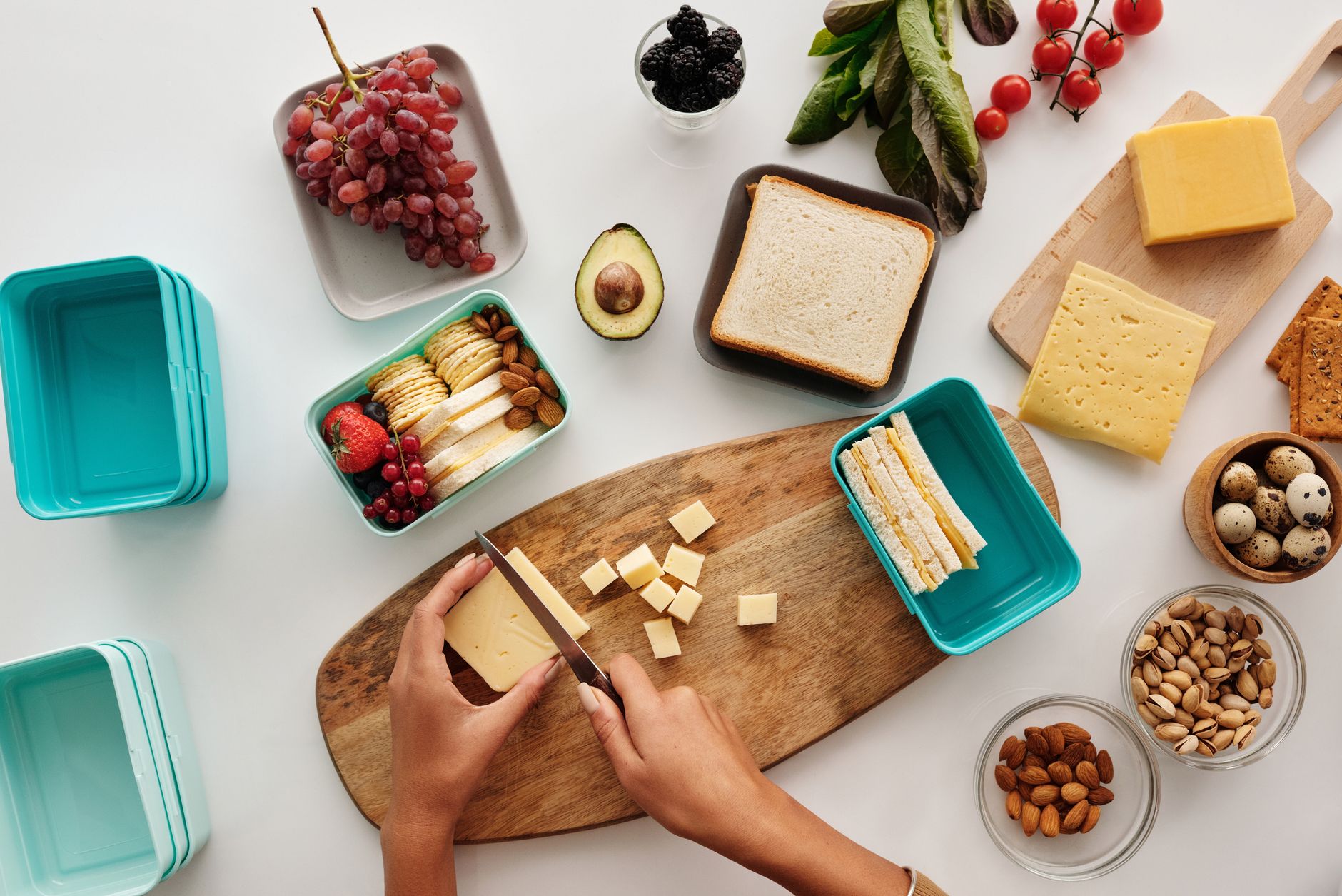
**Pro tip:** If you’re new to this, start by swapping just one of your typical snacks for one of these options. For example, trade your afternoon candy bar for a handful of almonds or a cheese stick. Over time, your body will thank you with more stable energy and fewer cravings.
---
How to Make Insulin Resistance-Friendly Trail Mix
Trail mix is one of the easiest snacks to customize for insulin resistance—but most store-bought versions are loaded with dried fruit, chocolate chips, and other high-sugar add-ins. The good news? You can make your own in under 10 minutes, and it’ll last for weeks.
**Basic Insulin-Friendly Trail Mix Recipe:**
- 1 cup unsalted almonds (or a mix of almonds, walnuts, and pecans)
- ½ cup pumpkin seeds (pepitas)
- ¼ cup chia seeds or flaxseeds
- 2 tablespoons unsweetened coconut flakes
- 1 tablespoon cocoa nibs (for a bit of chocolate flavor, no sugar)
- Optional: 1 teaspoon cinnamon (helps regulate blood sugar)
**Instructions:**
- Combine all ingredients in a bowl.
- Store in an airtight container for up to 3 weeks, or freeze for longer shelf life.
- Portion into small bags or containers for grab-and-go convenience.
**Why this works:** Nuts and seeds provide healthy fats and protein, while the seeds add fiber to slow digestion. Skip the dried fruit—it’s easy to overeat and can spike blood sugar quickly.
**Variations:**
- Add dark chocolate-covered almonds (85% cocoa or higher) for a small indulgence.
- Mix in roasted chickpeas (crunchy and high in fiber).
- Try spiced nuts (toss almonds in olive oil, cinnamon, and a pinch of sea salt, then bake at 350°F for 10–15 minutes).
---
Quick Insulin Resistance Diet Snacks for Work
Workdays are the ultimate test for snacking habits. Between meetings, deadlines, and the allure of the office vending machine, it’s easy to fall back on less-than-ideal choices. The secret? Plan ahead. Here’s how to stock your desk (or bag) with snacks that won’t derail your blood sugar:
- Pre-portioned nuts (single-serve packets or small jars). Almonds, macadamias, and walnuts are all great choices.
- Single-serve nut butters (like Justin’s or Smucker’s individual packets). Pair with celery sticks or rice cakes for crunch.
- Cheese and whole-grain crackers (look for crackers with under 3g net carbs per serving). Try Ryvita or Mary’s Gone Crackers.
- Hard-boiled eggs (pre-peeled and stored in the fridge). Grab one in the morning and eat it cold or warm it up in the microwave.
- Protein shakes or meal replacement shakes (like Premier Protein or Orgain). These are convenient for days when you’re too busy to eat a full meal.
- Avocado slices with sea salt (store in an airtight container with lemon juice to prevent browning).
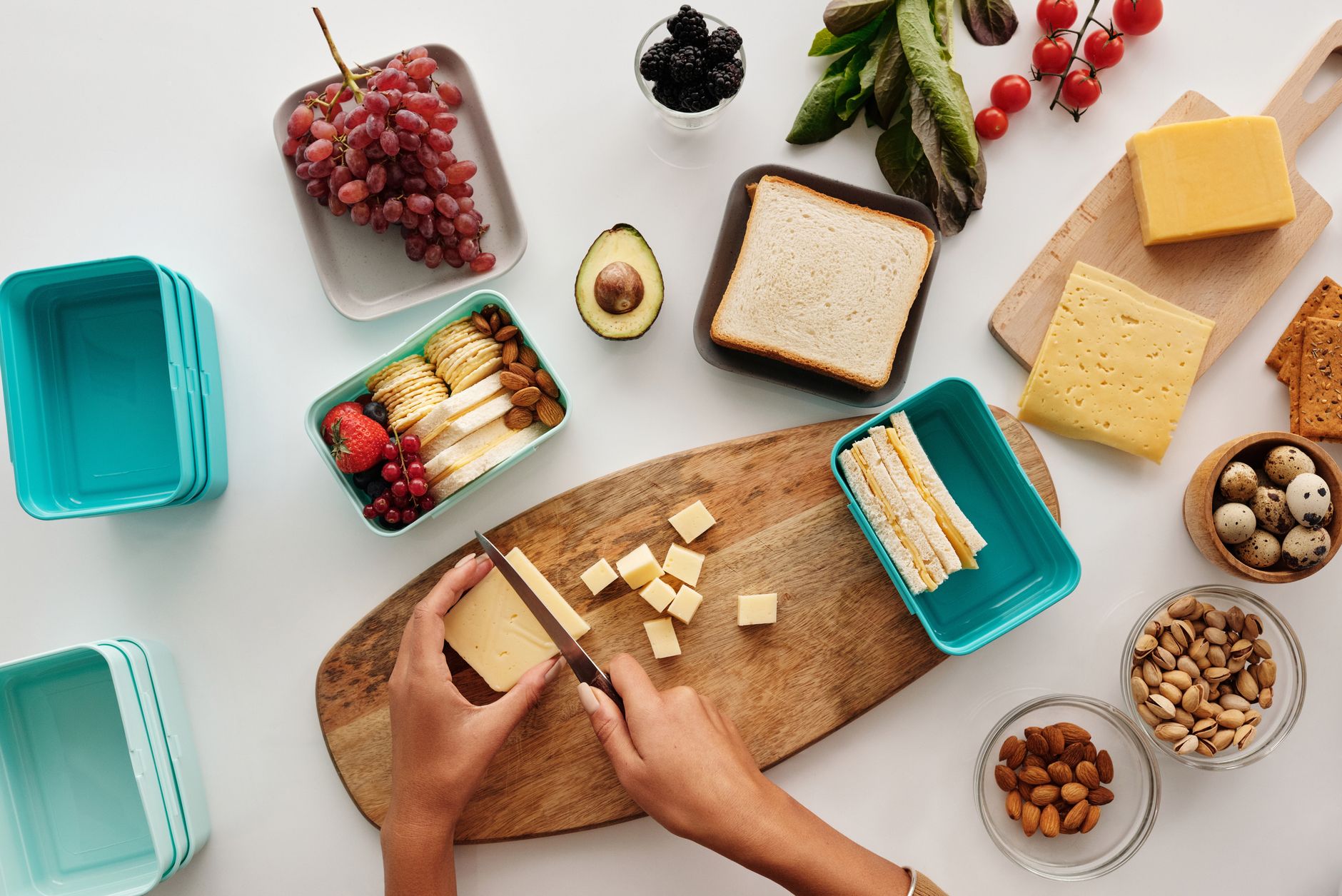
**Work snacking hack:** Keep a small cooler at your desk if you’re in an office with a fridge. Store pre-cut veggies, cheese, and hummus in there for easy access. If you work remotely, invest in a portable cooler or insulated bag.
---
Insulin Resistance Diet Snack Ideas for Busy Moms
Busy moms have a million things on their plates—and snacking is often one of the first things to go. But when your energy crashes mid-afternoon, you’re more likely to reach for whatever’s easiest (read: the leftover cookies from last week’s bake sale). The good news? You can meal-prep snacks in advance so you’re never left scrambling.
**5-Minute Snack Prep for Moms:**
- Overnight chia pudding (mix 2 tablespoons chia seeds with ½ cup unsweetened almond milk and a dash of vanilla. Let sit overnight. Top with walnuts in the morning.)
- Mini frittatas (whisk eggs with spinach, cheese, and turkey sausage. Pour into a muffin tin and bake at 350°F for 15 minutes. Grab one on the go.)
- Antipasto skewers (thread cheese cubes, olives, and cured meats onto small skewers. Store in the fridge for up to 3 days.)
- Apple slices with almond butter (pre-cut apples and store in a container with almond butter packets. The fiber in the apple slows digestion, preventing blood sugar spikes.)
- Deviled eggs (hard-boil a batch of eggs on Sunday. Mix yolks with mayo, mustard, and a pinch of salt. Pipe back into the whites and refrigerate.)
**Representative story:** Sarah, a stay-at-home mom of two, used to survive on coffee and whatever scraps she could find in the fridge. After her doctor mentioned insulin resistance, she started prepping snacks on Sundays. Now, she keeps a cooler in her car with hard-boiled eggs, cheese sticks, and trail mix. “I used to feel like I was running on fumes by 3 PM,” she says. “Now, I have energy to play with my kids without crashing.”
---
Healthy On-the-Go Snacks for Insulin Resistance
Not all snacks need to be pre-made. Sometimes, the best option is a fresh, whole-food grab that requires minimal prep. Here are some of the healthiest, most convenient snacks for insulin resistance:
- Fresh vegetables with dip (carrots, cucumbers, bell peppers, or cherry tomatoes with guacamole or hummus).
- Berries with whipped cream (raspberries or blackberries have a lower glycemic impact than other fruits, and a dollop of unsweetened whipped cream adds healthy fats).
- Sardines or smoked salmon (packed in water, these are high in protein and omega-3s, which help reduce inflammation).
- Dark chocolate (85% cocoa or higher) in small squares. A few pieces can satisfy a sweet craving without spiking blood sugar.
- Cottage cheese with flaxseeds (plain, low-sodium cottage cheese is high in protein and casein, which digests slowly).
- Avocado halves (eat with a sprinkle of sea salt or pair with a slice of turkey for extra protein).
**Why these work:** These snacks are rich in fiber, protein, and healthy fats—all of which help slow digestion and prevent blood sugar spikes. Plus, they’re easy to find at the grocery store or make at home.
---
Low Glycemic Snacks for Insulin Resistance
If you’re managing insulin resistance, your goal is to keep your blood sugar as stable as possible. That means choosing snacks with a low glycemic index (GI)—meaning they raise blood sugar slowly and gently. Here’s how to spot them:
Low-GI Snacks to Try:
**What to avoid:** High-GI snacks like white bread, sugary cereals, fruit juices, and most processed snacks will spike your blood sugar and leave you feeling worse. Even “healthy” snacks like dried fruit or granola can be problematic if they’re high in sugar.
---
Insulin Resistance Snack Recipes That Are Portable
Sometimes, you need a snack that’s not just healthy but also delicious. These portable recipes are easy to make ahead and perfect for on-the-go eating:
1. Savory Cheese & Cracker Roll-Ups
**Ingredients:**
- 1 sheet whole-grain tortilla (low-carb option: almond flour tortilla)
- 2 ounces cream cheese
- 1 ounce turkey or ham (sugar-free)
- Handful of spinach leaves
- Sprinkle of everything bagel seasoning
**Instructions:**
- Spread cream cheese evenly over the tortilla.
- Layer turkey, spinach, and seasoning on top.
- Roll tightly and slice into pinwheels. Wrap in parchment paper and store in the fridge for up to 5 days.
**Why it works:** The combination of protein, healthy fats, and fiber keeps blood sugar stable.
2. No-Bake Protein Bars
**Ingredients:**
- 1 cup rolled oats (certified gluten-free if needed)
- ½ cup almond butter
- ¼ cup chia seeds
- 2 scoops vanilla protein powder (unsweetened)
- 2 tablespoons cocoa powder
- 1 tablespoon honey or maple syrup (optional, for sweetness)
- 1 teaspoon vanilla extract
**Instructions:**
- Mix all ingredients in a bowl until well combined.
- Press firmly into a lined loaf pan or small baking dish.
- Chill in the fridge for at least 2 hours (or overnight).
- Slice into bars and store in an airtight container.
**Why it works:** These bars are high in protein and fiber, with minimal added sugar.
---
Nutritious Snacks for Insulin Resistance That Fit in a Lunchbox
If you’re packing snacks for kids (or just love the nostalgia of a lunchbox), these ideas are perfect for keeping everyone fueled without the sugar crash:
- Mini muffins (whole wheat or almond flour, made with eggs, cheese, and spinach).
- Hard-boiled eggs with a sprinkle of paprika.
- Cheese cubes and whole-grain crackers (pair with turkey slices for extra protein).
- Ants on a log (celery sticks filled with almond butter and topped with raisins—skip the raisins if insulin resistance is a concern; use pumpkin seeds instead).
- Trail mix with nuts and seeds (avoid chocolate chips or dried fruit).
- Yogurt tubes (unsweetened Greek yogurt in a squeeze tube, paired with berries).
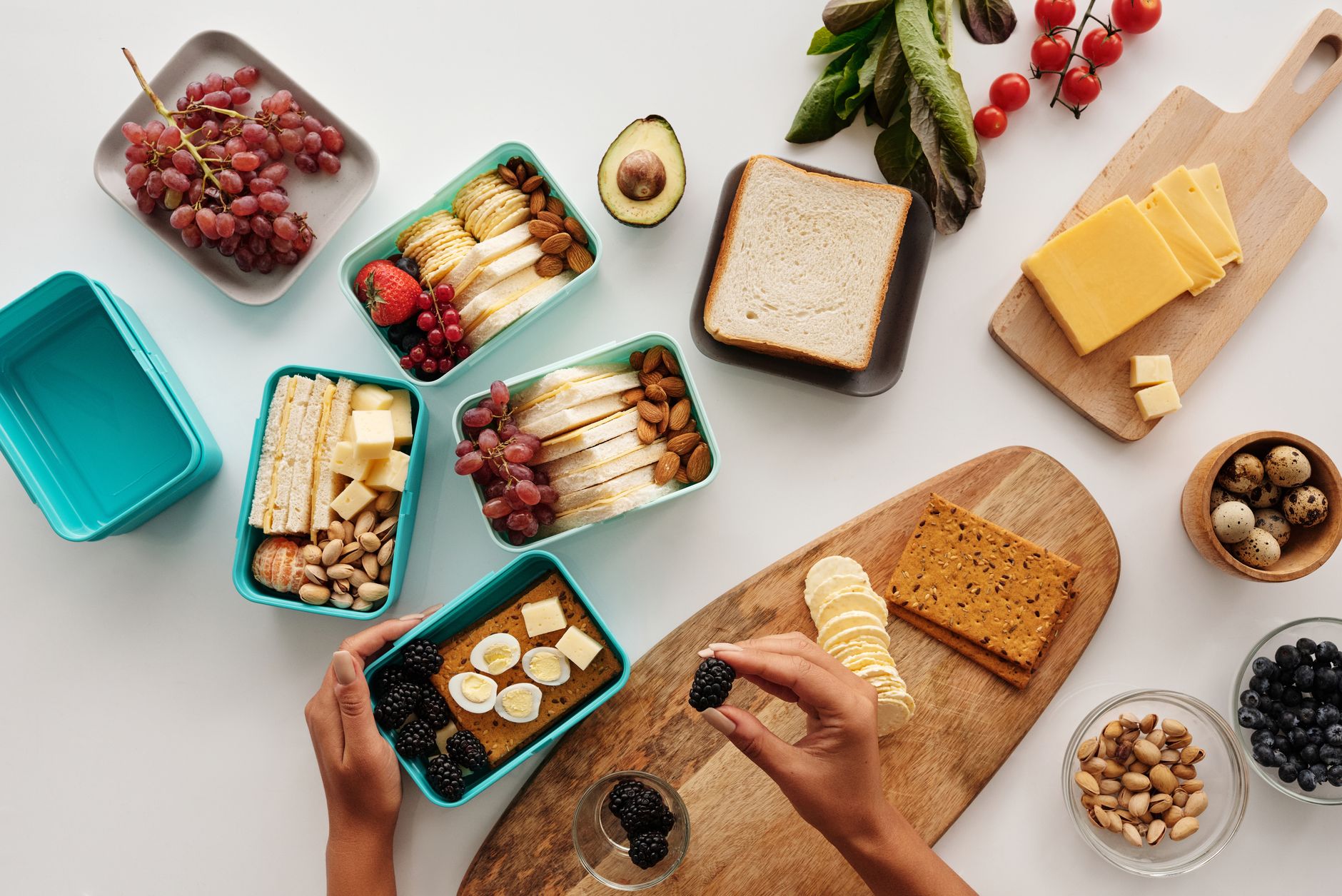
**Lunchbox pro tip:** Use small containers or bento boxes to keep snacks organized and prevent spills. Label containers if you’re packing for kids to avoid confusion.
---
Key Nutrients to Include in On-the-Go Snacks
Not all snacks are created equal when it comes to insulin resistance. The best snacks for you will be rich in:
- Healthy fats (avocado, nuts, seeds, olive oil, fatty fish). These slow digestion and help your body use insulin more efficiently.
- Protein (eggs, cheese, meat, legumes, protein powder). Protein helps stabilize blood sugar and keeps you full longer.
- Fiber (vegetables, fruits with skin, whole grains, chia seeds). Fiber slows digestion and prevents spikes in blood sugar.
- Magnesium and chromium (nuts, seeds, leafy greens, whole grains). These minerals help improve insulin sensitivity.
- Omega-3 fatty acids (salmon, sardines, walnuts, flaxseeds). These reduce inflammation, which is linked to insulin resistance.
**What to watch for:** Avoid snacks high in refined carbs, added sugars, and trans fats. These can worsen insulin resistance over time.
---
Low-Glycemic Snack Recipes
If you’re looking for specific recipes to keep your blood sugar in check, here are a few more ideas:
1. Avocado & Egg Salad Lettuce Wraps
**Ingredients:**
- 1 ripe avocado
- 2 hard-boiled eggs
- 1 tablespoon olive oil
- 1 tablespoon lemon juice
- Handful of baby spinach
- Salt and pepper to taste
**Instructions:**
- Mash avocado and mix with olive oil, lemon juice, salt, and pepper.
- Chop eggs and add to the avocado mixture.
- Fill spinach leaves with the mixture and roll up.
**Why it works:** The healthy fats in avocado and eggs help slow digestion, while the fiber in spinach prevents blood sugar spikes.
2. Cucumber & Hummus Roll-Ups
**Ingredients:**
- 1 large cucumber
- ½ cup hummus (check for no added sugar)
- Handful of cherry tomatoes
- Handful of baby carrots
- Optional: sprinkle of feta cheese
**Instructions:**
- Slice cucumber lengthwise into strips.
- Spread hummus on each strip and roll up.
- Add cherry tomatoes and carrots on the side for dipping.
**Why it works:** The fiber in cucumbers and veggies, combined with the protein in hummus, keeps blood sugar stable.
---
Portion Control and Carb Counting for Insulin Resistance
Even the healthiest snacks can become problematic if you eat too much of them. Portion control is key to managing insulin resistance. Here’s how to keep your portions in check:
- Use measuring cups or scales for nuts, seeds, and nut butters. A single serving of almonds is about ¼ cup, or 23 almonds.
- Pre-portion snacks into single-serve containers or bags. This prevents overeating when you’re hungry.
- Pair carbs with protein and fat. For example, if you’re eating an apple, pair it with a tablespoon of almond butter. This slows digestion and prevents blood sugar spikes.
- Track your carbs if you’re using a carb-counting method. Aim for under 30g net carbs per meal/snack if you’re insulin-resistant.
- Avoid eating straight from the bag. Scoop a portion into a bowl or your hand before eating to prevent mindless snacking.
**Common carb traps to avoid:**
- Dried fruit (even small portions can add up in carbs).
- Granola or muesli (often loaded with sugar).
- Fruit juices or smoothies (liquid carbs spike blood sugar quickly).
- Processed snacks (like crackers or chips, even if they’re “whole grain”).
---
Practical Tips for Preparing Snacks Ahead
Meal prepping isn’t just for dinners—it’s a game-changer for snacks too. Here’s how to get ahead:
- Batch-cook hard-boiled eggs on Sundays. Store them in the fridge for up to a week.
- Pre-cut vegetables and store them in airtight containers with hummus or guacamole.
- Make a big batch of trail mix and portion it into small bags.
- Pre-portion nuts and seeds into single-serve containers.
- Freeze cheese sticks or cubes for quick grab-and-go options.
- Use meal prep containers to store snacks in the fridge or freezer.
**Pro tip:** Keep a cooler in your car or at your desk if you’re out and about. A small cooler can hold hard-boiled eggs, cheese, veggies, and hummus for hours without spoiling.
---
Safe Snack Choices for Pregnancy and Insulin Resistance
If you’re pregnant and dealing with insulin resistance, your snack choices need to support both your baby’s growth and your blood sugar stability. Here’s what to prioritize:
- Protein-rich snacks (eggs, cheese, turkey slices, Greek yogurt). Protein helps stabilize blood sugar and supports fetal development.
- Healthy fats (avocado, nuts, seeds, olive oil). These help with hormone production and brain development.
- Fiber-rich snacks (vegetables, fruits with skin, whole grains). Fiber helps prevent constipation (a common pregnancy issue) and keeps blood sugar steady.
- Avoid high-mercury fish (like shark or swordfish) and limit tuna to 2–3 servings per week.
- Skip raw sprouts, undercooked meats, and unpasteurized dairy to reduce foodborne illness risk.
- Watch added sugars. Even natural sugars like honey can spike blood sugar, so opt for whole foods.
**Safe pregnancy-friendly snack ideas:**
- Hard-boiled eggs with avocado
- Cottage cheese with flaxseeds
- Turkey and cheese roll-ups
- Berries with whipped cream
- Hummus with cucumber slices
- Dark chocolate (85% cocoa or higher) in moderation
**Representative story:** Emily, who was pregnant with her second child, struggled with insulin resistance and morning sickness. Her doctor recommended small, frequent meals and snacks. She started keeping a cooler in her car with hard-boiled eggs, cheese sticks, and trail mix. “I used to feel so tired and shaky,” she says. “Now, I have energy to play with my toddler without crashing.”
---
Common Snack Mistakes to Avoid
Even with the best intentions, it’s easy to make mistakes when snacking for insulin resistance. Here are the most common pitfalls—and how to fix them:
- Skipping protein or fat. Snacks without protein or fat (like fruit or crackers) lead to blood sugar spikes and crashes. Always pair carbs with protein or fat.
- Eating too many carbs at once. Even healthy carbs like fruit or whole grains can spike blood sugar if eaten in large portions. Stick to 1 serving (15g carbs) per snack.
- Choosing snacks with hidden sugars. Check labels for “sugar,” “sucrose,” “high-fructose corn syrup,” and “evaporated cane juice.”
- Ignoring portion sizes. Nuts, seeds, and nut butters are healthy, but they’re calorie-dense. Measure portions to avoid overeating.
- Relying on processed snacks. Even “healthy” snacks like protein bars or granola can be high in sugar or refined carbs. Always read the label.
- Not planning ahead. When you’re hungry and rushed, you’re more likely to reach for the first thing you see. Prep snacks in advance to stay on track.
---
Insulin Resistance Diet Grocery List
Need a quick shopping list to stock up on insulin-resistant-friendly snacks? Here’s what to grab next time you’re at the store:
Protein:
- Eggs
- Cheese (cheddar, Gouda, feta, cottage cheese)
- Turkey or ham (sugar-free)
- Canned sardines or salmon
- Greek yogurt (unsweetened)
- Protein powder (vanilla or unflavored)
Healthy Fats:
- Almonds, walnuts, pecans, macadamias
- Chia seeds, flaxseeds, pumpkin seeds
- Avocados
- Olive oil
- Olives
- Dark chocolate (85% cocoa or higher)
Fiber-Rich Carbs:
- Leafy greens (spinach, kale, arugula)
- Berries (raspberries, blackberries, strawberries)
- Celery, cucumbers, bell peppers
- Whole-grain crackers (low-carb option: almond flour crackers)
- Chia pudding mix
Convenience Staples:
- Pre-cut vegetables
- Hummus or guacamole
- Single-serve nut butters
- Protein bars (low-carb, no added sugar)
- Cheese sticks or cubes
- Hard-boiled eggs (pre-made or a peeler)
**Pro tip:** Stock up on frozen veggies and berries if fresh options are expensive or out of season. Frozen produce retains its nutrients and lasts longer.
---
Insulin Resistance Diet vs. Keto: What’s the Difference?
You’ve probably heard of the keto diet, but is it the same as an insulin resistance diet? Not quite. While both diets focus on reducing carbs, they have different goals and rules:
Insulin Resistance Diet:
- Focuses on balancing blood sugar by reducing refined carbs and sugars.
- Allows moderate carbs from whole foods (vegetables, fruits, whole grains).
- Prioritizes protein and healthy fats to stabilize blood sugar.
- Not as restrictive as keto—more flexible for long-term sustainability.
- Supports general metabolic health, not just weight loss.
Keto Diet:
- Extremely low-carb (typically under 20–50g net carbs per day).
- Focuses on fat adaptation to burn ketones for energy.
- Can be difficult to sustain long-term due to strict carb limits.
- May help with insulin resistance in some people, but it’s not the only solution.
- Not ideal for everyone—some people experience side effects like “keto flu.”
**Which one should you choose?** If you’re managing insulin resistance, an insulin resistance diet is often a better long-term solution because it’s more flexible and sustainable. However, if you’ve tried other diets without success, your doctor might recommend a short-term keto trial to see if it helps. Always consult with a healthcare provider before making major dietary changes.
---
Insulin Resistance Diet for Type 2 Diabetes
If you’ve been diagnosed with type 2 diabetes, managing insulin resistance is key to preventing complications and keeping your blood sugar in check. The insulin resistance diet is a great starting point, but there are a few additional strategies to consider:
- Monitor your blood sugar regularly to track how different foods affect you.
- Focus on whole, unprocessed foods to minimize blood sugar spikes.
- Incorporate regular exercise (even a 10-minute walk after meals can help). Check out our breakfast ideas for more meal inspiration.
- Consider medication if needed. Some people with type 2 diabetes require medication to manage blood sugar, even with diet and exercise.
- Avoid liquid calories (soda, juice, sweetened coffee drinks) as they spike blood sugar quickly.
- Stay hydrated with water or herbal tea to support metabolism.
**Representative story:** Mark, who was diagnosed with prediabetes, started tracking his carbs and swapping snacks for insulin-resistant-friendly options. He replaced his afternoon coffee and donut habit with a handful of almonds and a protein shake. “I feel like a completely different person,” he says. “No more energy crashes, and my doctor says my blood sugar is improving.”
---
Myth vs. Fact: Insulin Resistance Snacks
There are a lot of myths floating around about insulin resistance and snacking. Let’s set the record straight:
Myth: “You can’t eat fruit if you have insulin resistance.”
Fact: You can eat fruit, but you should choose low-glycemic options like berries, apples, and pears in moderation. Pair fruit with protein or fat (like nuts or cheese) to slow digestion and prevent blood sugar




