Discover the top insulin resistance diet benefits and risks in 2026. Learn how this diet can improve blood sugar control and weight loss safely.
By Shubhra Mishra — a mom of two who turned her own confusion during pregnancy into BumpBites, a global mission to make food choices clear, safe, and stress-free for every expecting mother. 💛
Check whether any food is safe during pregnancy with the BumpBites Food Safety Checker.
Quick take: An insulin resistance diet can help manage blood sugar, support weight loss, and improve pregnancy outcomes by focusing on whole foods, fiber, and healthy fats. Benefits include better glucose control, reduced gestational diabetes risk, and potential fetal health improvements—but side effects like fatigue, constipation, or nutrient gaps can occur, especially during pregnancy. Always work with your provider before starting, and monitor blood sugar closely.
Insulin Resistance Diet Benefits and Side Effects: The Complete 2026 Guide
You’re scrolling through your pregnancy app at 2 AM, staring at a blood sugar reading that’s stubbornly high. Again. The doctor mentioned insulin resistance, but what does that even mean? And—more importantly—how can you eat to feel better without feeling like you’re living in a food desert? You’re not alone. Many women experience blood sugar fluctuations during pregnancy, and the right diet can make a difference. But with so many conflicting opinions online, it’s easy to feel overwhelmed.
This guide breaks down the science-backed benefits and potential side effects of an insulin resistance diet—especially for pregnancy and beyond. We’ll cover how to spot the signs, what to eat (and avoid), and how to adjust your routine safely. If you’ve ever wondered whether this diet could help your pregnancy outcomes, your weight loss goals, or your long-term health, we’ve got you covered.
Let’s start with the basics: what insulin resistance actually is, and why your diet matters.
---
What is insulin resistance, and why does it matter during pregnancy?
Insulin resistance happens when your body’s cells stop responding well to insulin, the hormone that helps your cells absorb glucose (blood sugar) for energy. Normally, insulin acts like a key, unlocking cells to let glucose in. But when your cells become "resistant," your pancreas pumps out more insulin to compensate—like turning up the volume on a broken speaker. Over time, this can lead to higher blood sugar levels, weight gain, and even gestational diabetes if left unchecked.
During pregnancy, insulin resistance is especially common—thanks to hormones like progesterone and human placental lactogen, which naturally increase blood sugar to fuel your growing baby. For some women, this can tip the balance into gestational diabetes, a condition that affects about 1 in 7 pregnancies in the U.S. (American College of Obstetricians and Gynecologists). That’s why managing blood sugar early can make a big difference for both you and your baby.
Many women tell us they first noticed insulin resistance symptoms like fatigue, frequent urination, or unexplained weight gain—especially around the second trimester. One reader described it as feeling "like I was running on fumes all day, no matter how much I ate." If this sounds familiar, an insulin resistance diet might help—but it’s not a one-size-fits-all fix. Let’s dive into how it works.
---
How does an insulin resistance diet improve pregnancy outcomes?
An insulin resistance diet isn’t just about cutting carbs—it’s about balancing your meals to keep blood sugar steady and support your body’s natural processes. The goal is to reduce spikes in glucose while providing the nutrients you and your baby need. Here’s how it helps:
Reduces gestational diabetes risk: By focusing on low-glycemic foods (like whole grains, legumes, and non-starchy vegetables), you can lower your chances of developing gestational diabetes, which is linked to higher birth weight and complications like preeclampsia.
Supports stable energy levels: Steady blood sugar means fewer crashes, less cravings, and more energy to move through your day—especially important during pregnancy when fatigue is already a common struggle.
May improve fetal development: Some studies suggest that managing maternal blood sugar can reduce the risk of macrosomia (a very large baby) and neonatal hypoglycemia (low blood sugar in newborns). One 2025 meta-analysis found that women with well-controlled gestational diabetes had babies with better insulin sensitivity later in life (PubMed).
Encourages healthy weight gain: While you’ll still gain weight during pregnancy, an insulin-resistant diet can help you gain it more slowly and in a way that’s easier to manage postpartum.
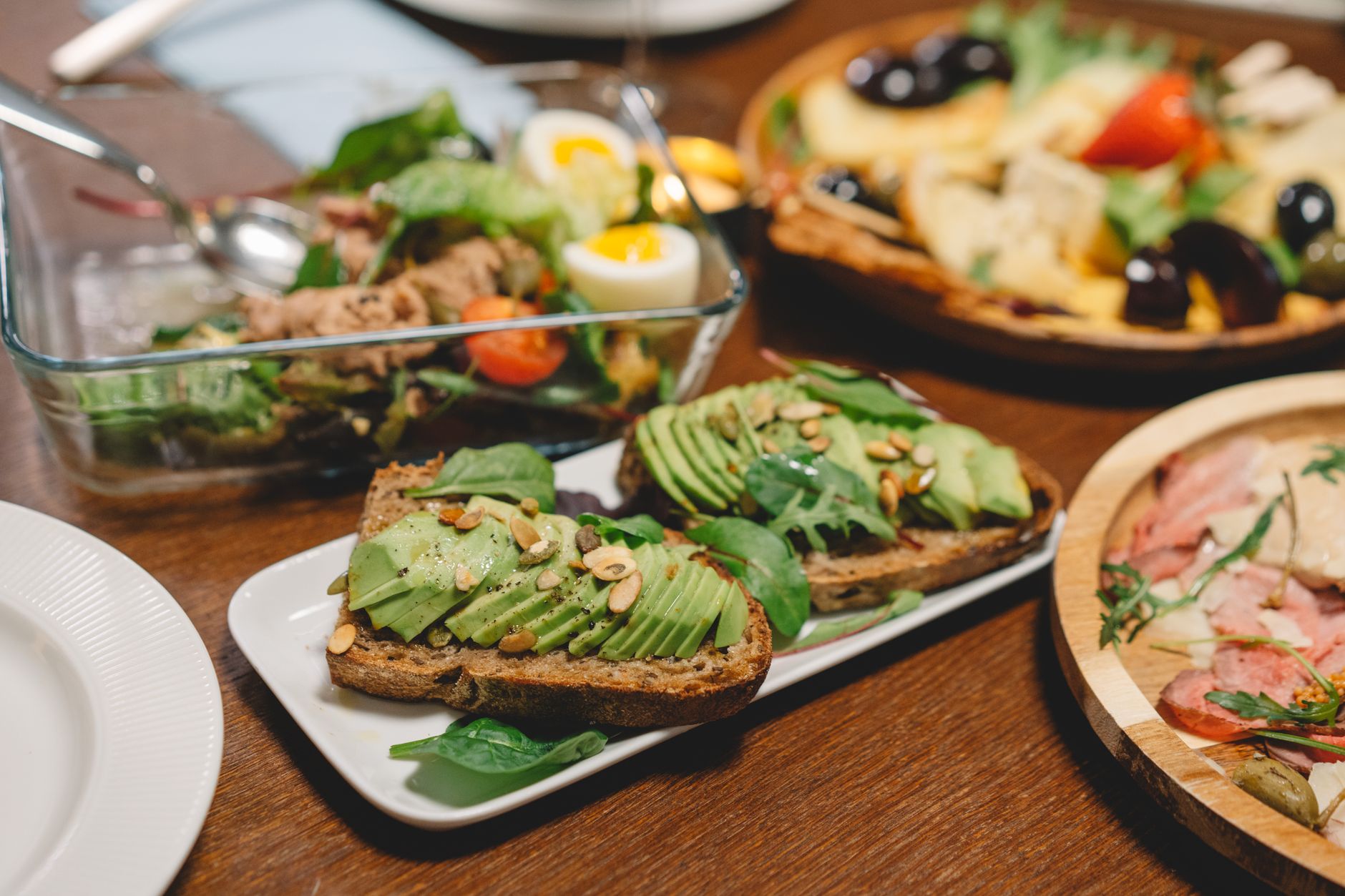
But here’s the catch: not all low-carb or high-protein diets are created equal. A well-planned insulin resistance diet includes a mix of fiber, healthy fats, and lean proteins—nothing extreme. For example, swapping white bread for whole-grain sourdough or choosing avocados over chips can make a world of difference. If you’re curious about how this compares to other diets like the anti-inflammatory diet, we’ll break that down later.
---
Best foods for insulin resistance diet during pregnancy
When it comes to eating for insulin resistance during pregnancy, think of your plate as a balance scale: you want to load it with foods that slow digestion, stabilize blood sugar, and pack in nutrients for you and your baby. Here’s what to prioritize:
Foods to enjoy (and why)
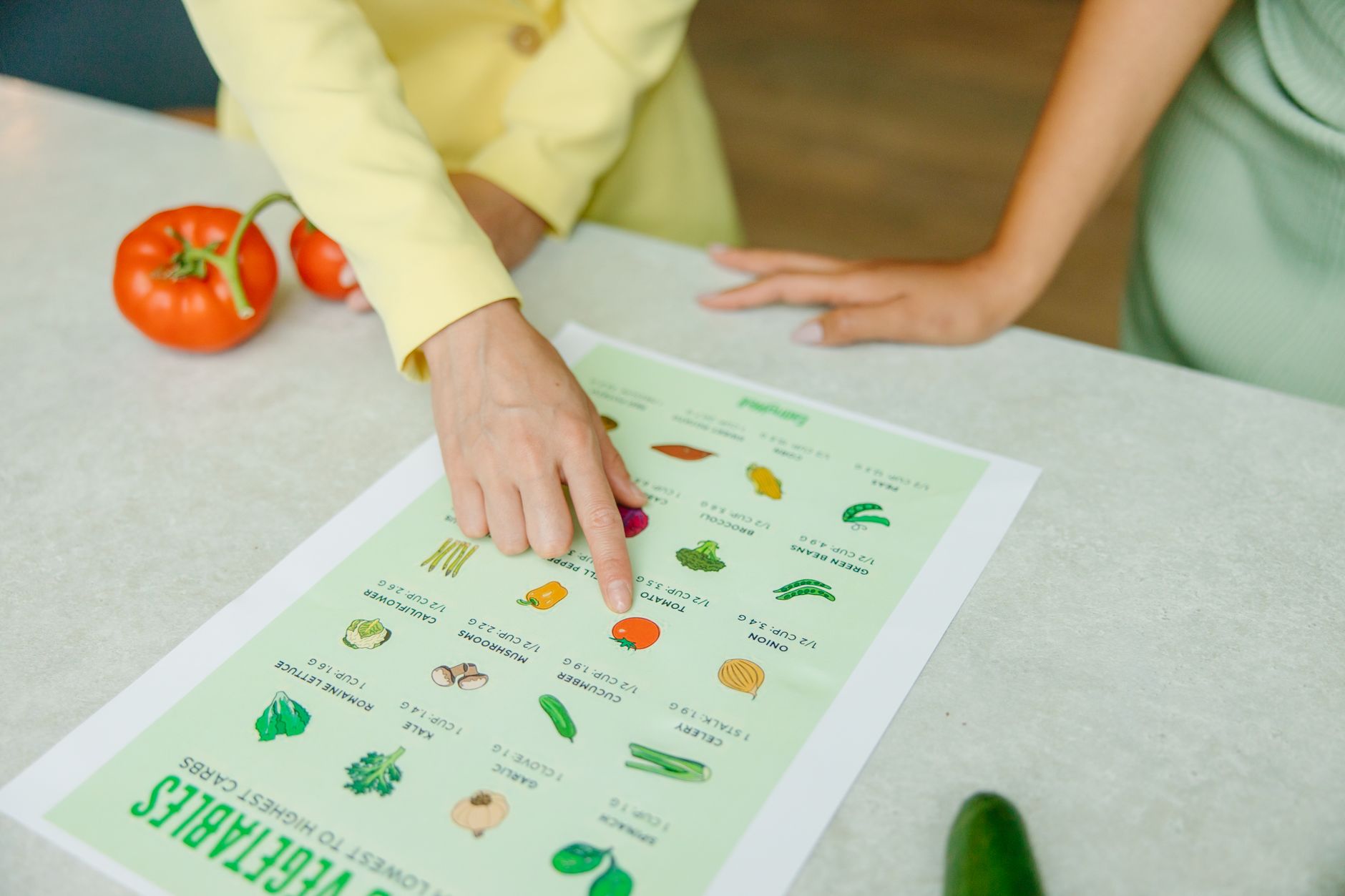
Non-starchy vegetables: Spinach, broccoli, zucchini, and cauliflower are low in carbs but high in fiber and vitamins. They help fill you up without spiking your blood sugar.
Healthy fats: Avocados, olive oil, nuts (like almonds and walnuts), and seeds (chia, flax, pumpkin) support hormone production and keep you full.
Lean proteins: Eggs, chicken, fish (salmon, sardines), tofu, and lentils provide essential amino acids without the saturated fat of red meat.
Whole grains (in moderation): Quinoa, farro, and steel-cut oats have a lower glycemic index than white bread or pasta, so they’re better choices for blood sugar control.
Berries: Strawberries, blueberries, and raspberries are packed with antioxidants and fiber but have far fewer carbs than other fruits.
Foods to limit
Refined carbs: White bread, pastries, sugary cereals, and most packaged snacks can cause rapid blood sugar spikes.
Sugary drinks: Soda, juice, and even flavored water with added sugar can derail your blood sugar efforts.
Processed meats: Hot dogs, deli meats, and sausages often contain nitrates and preservatives that can contribute to inflammation.
Trans fats: Found in fried foods and some baked goods, these can worsen insulin resistance and heart health.
Pro tip: If you’re craving something sweet, try a small handful of dark chocolate (70% cocoa or higher) or a smoothie made with unsweetened almond milk, spinach, and a scoop of protein powder. Many women find that swapping out snacks for these options helps curb cravings without the blood sugar rollercoaster.
For a quick reference, here’s a simple breakdown of insulin resistance-friendly foods:
How long does it take to see benefits of an insulin resistance diet?
If you’ve ever tried a new diet, you know patience is key—but how long until you start seeing changes with an insulin resistance diet? The timeline varies, but here’s what to expect:
First week: You might notice less bloating and more energy as your body adjusts to fewer processed foods. Some women also report reduced cravings.
2–4 weeks: Blood sugar levels may start to stabilize, and you could see slight improvements in how your clothes fit. This is when many women notice their energy levels evening out.
6–8 weeks: If you’re consistent, you might see more noticeable changes in your waistline, skin health, and even sleep quality. Some studies suggest that insulin sensitivity can improve by up to 30% in this timeframe (Journal of Clinical Medicine).
One reader shared that after three months of following an insulin resistance diet during her second trimester, her gestational diabetes diagnosis was reversed—and she felt like she had more energy than she had all pregnancy. "I went from feeling like I was dragging a boulder everywhere to actually looking forward to walks with my husband," she said.
That said, everyone’s body is different. If you’re not seeing changes after 8 weeks, don’t give up—just check in with your provider to rule out other factors like thyroid issues or chronic stress.
---
Side effects of low-carb diet for insulin resistance during pregnancy
While an insulin resistance diet can be incredibly beneficial, it’s not without potential side effects—especially during pregnancy, when your body is already undergoing so many changes. Here’s what to watch for:
Fatigue or dizziness: If you’re not getting enough calories or nutrients, you might feel lightheaded, especially when standing up quickly. This is often a sign to increase your intake of healthy fats and proteins.
Constipation: Low-fiber diets can slow digestion, which is common during pregnancy anyway. Combat this by drinking plenty of water and adding in high-fiber foods like chia seeds or prunes.
Headaches or brain fog: Some women report feeling foggy when they cut back on carbs too quickly. This is usually temporary as your body adapts.
Nutrient deficiencies: Skipping whole food groups (even unintentionally) can lead to gaps in vitamins like B12, folate, or iron—critical for pregnancy. That’s why it’s so important to work with your provider or a dietitian to ensure you’re covered.
One common concern is whether a low-carb diet could harm fetal development. The good news is that as long as you’re getting enough calories and nutrients (especially protein and healthy fats), your baby will thrive. In fact, some research suggests that moderate carb restriction can reduce the risk of macrosomia (a very large baby) (American Journal of Clinical Nutrition).
If you’re experiencing side effects, don’t panic—adjustments are often simple. For example, if you’re feeling fatigued, try adding a handful of nuts to your morning smoothie or swapping one meal a day for a protein-rich option like Greek yogurt with berries.
---
Risks of high protein diet for insulin resistance in pregnancy
While protein is essential for pregnancy, too much of it—especially from animal sources—can pose risks, including:
Increased kidney strain: Excess protein can force your kidneys to work harder, which may not be ideal if you have a history of kidney issues.
Hormonal imbalances: Very high protein intake can affect your body’s ability to regulate other hormones, potentially worsening insulin resistance in some cases.
Digestive discomfort: Too much protein (especially from red meat) can cause bloating, heartburn, or constipation—all common pregnancy complaints.
The American College of Obstetricians and Gynecologists (ACOG) recommends that pregnant women aim for about 75 grams of protein per day, but this can vary based on your activity level and overall diet. If you’re concerned about protein intake, focus on lean sources like eggs, fish, and plant-based proteins like lentils and tofu.
For a deeper dive into how protein fits into your diet, check out our guide on dairy-free diets—many of the principles apply to balancing macros for insulin resistance.
---
How to monitor blood sugar on an insulin resistance diet
Tracking your blood sugar is one of the best ways to know if your diet is working. Here’s how to do it effectively:
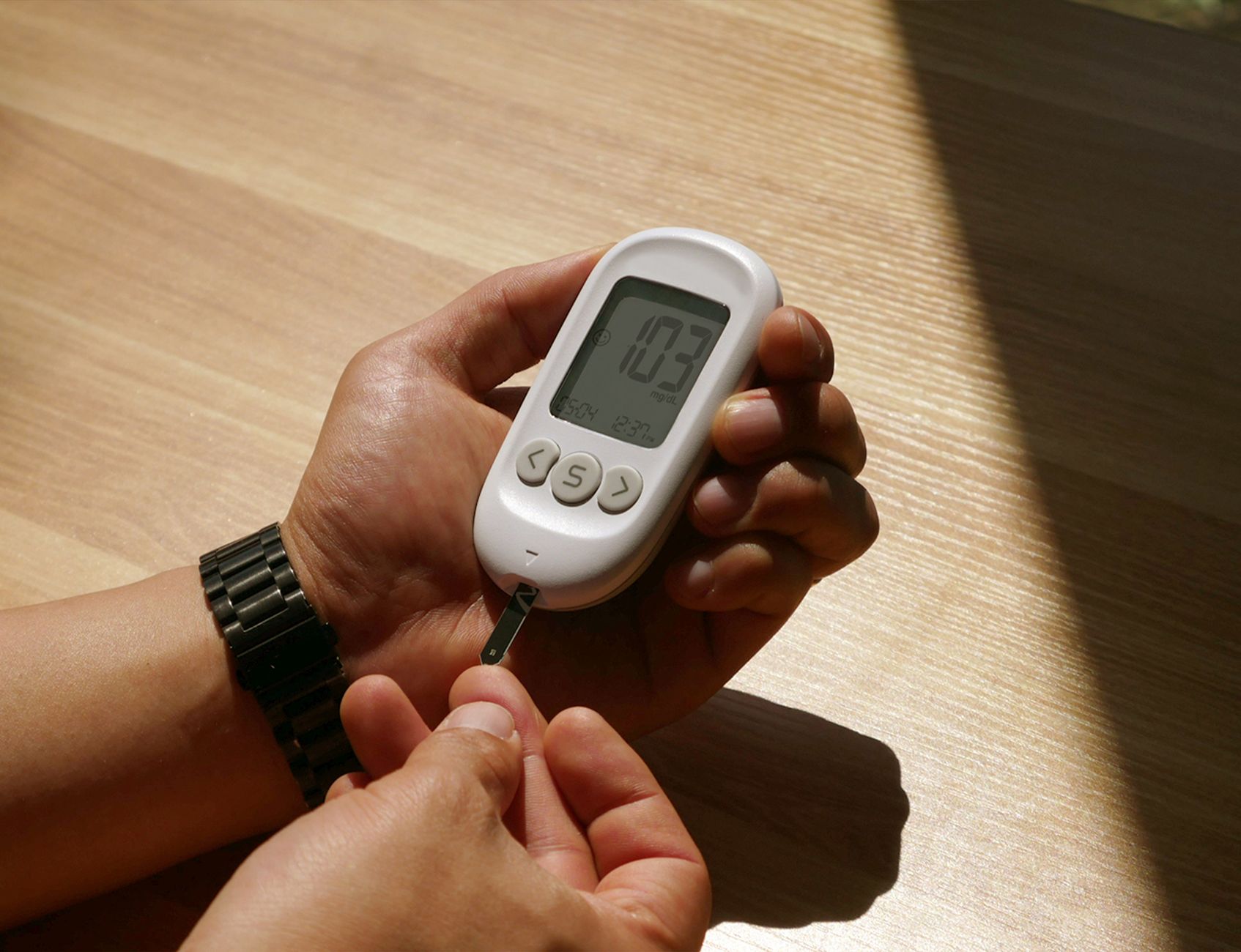
Use a glucose monitor: If you’ve been diagnosed with gestational diabetes or insulin resistance, your provider may recommend checking your blood sugar at home. Most monitors require a small drop of blood from your finger, and results are available in minutes.
Track patterns: Keep a log of your meals, blood sugar readings, and how you feel. Over time, you’ll start to notice which foods cause spikes and which keep you steady. Many women find that pairing carbs with protein and fat (like apple slices with peanut butter) helps.
Adjust gradually: If your blood sugar is consistently high after a meal, try reducing the portion size or swapping a high-glycemic food for a lower one. For example, swap white rice for cauliflower rice or whole-grain pasta for zucchini noodles.
Pro tip: If you’re using a continuous glucose monitor (CGM), you can get real-time data on how your body responds to different foods. This can be especially helpful for identifying triggers for blood sugar spikes.
Here’s a simple blood sugar tracking template to get you started:
Time
Meal/Snack
Blood Sugar (mg/dL)
How I Felt
Notes
7:00 AM
Breakfast: Scrambled eggs + avocado + spinach
90
Energized
—
12:00 PM
Lunch: Grilled chicken + quinoa + roasted veggies
105
Good
—
4:00 PM
Snack: Greek yogurt + berries
85
Lightheaded (low)
Added a handful of almonds next time
---
Insulin resistance diet vs. standard prenatal diet
If you’re used to following a standard prenatal diet—one that emphasizes balanced meals with a focus on folate, iron, and calcium—you might wonder how an insulin resistance diet differs. Here’s a quick comparison:
Standard Prenatal Diet
Insulin Resistance Diet
Focuses on variety and nutrient density (e.g., leafy greens, whole grains, lean proteins)
Prioritizes low-glycemic foods to stabilize blood sugar (e.g., non-starchy veggies, healthy fats, lean proteins)
Limits refined carbs and sugars to reduce spikes (e.g., swaps white bread for sourdough)
Includes dairy (milk, cheese, yogurt) for calcium and vitamin D
May reduce dairy if it causes inflammation or blood sugar spikes (alternatives: fortified plant milks, leafy greens)
Encourages hydration with water and herbal teas
Same, but may add electrolyte-rich drinks (like coconut water) to support blood sugar balance
The key difference is that an insulin resistance diet is more targeted to manage blood sugar, while a standard prenatal diet is broader in scope. That said, both can coexist—many women find that adjusting their standard prenatal diet with insulin-resistant principles helps them feel better without feeling deprived.
For example, if you love a classic prenatal smoothie (banana, spinach, yogurt, protein powder), you might swap the banana for a handful of berries and add chia seeds to slow digestion and keep blood sugar steady.
---
How to start an insulin resistance diet during pregnancy
Ready to give it a try? Here’s a step-by-step guide to transitioning to an insulin resistance diet safely during pregnancy:
Consult your provider: Before making major changes to your diet, check in with your obstetrician or a dietitian specializing in pregnancy nutrition. They can help tailor the plan to your specific needs.
Gradually reduce refined carbs: Instead of cutting out bread and pasta cold turkey, start by swapping one serving a day for a lower-glycemic option (e.g., whole-grain toast for sourdough).
Add more fiber and healthy fats: Aim to include a source of fiber (like veggies or legumes) and healthy fats (like avocado or nuts) with every meal. This helps slow digestion and keep you full.
Stay hydrated: Drink plenty of water throughout the day, and consider adding herbal teas like peppermint or ginger to support digestion.
Track your progress: Keep a food and blood sugar log for the first few weeks to identify patterns. You might notice that certain foods cause spikes even if they’re "healthy."
Listen to your body: If you feel fatigued, dizzy, or overly restrictive, adjust your portions or food choices. Pregnancy is a time to nourish yourself, not deprive yourself.
One reader shared her transition: "I started by adding a side salad to every meal and swapping my morning cereal for chia pudding with almond milk. Within two weeks, my energy levels were better, and my blood sugar readings were more stable. It wasn’t drastic, but it made a difference."
---
Insulin resistance diet and fetal development
You might be wondering: does an insulin resistance diet actually benefit my baby? The short answer is yes—but not in the way you might think. Here’s how it helps fetal development:
Reduces macrosomia risk: By keeping blood sugar in check, you lower the chances of your baby growing too large, which can make delivery more complicated.
Supports healthy weight gain: Your baby needs nutrients, but too much rapid weight gain can strain your body and increase the risk of complications. A balanced insulin-resistant diet helps you gain weight in a healthy, sustainable way.
May improve long-term health: Some research suggests that babies born to mothers with well-managed blood sugar have a lower risk of developing obesity or diabetes later in life (Pediatric Diabetes).
That said, it’s not just about what you eat—it’s also about how you feel. Stress and anxiety can also affect your blood sugar and, in turn, your baby’s development. That’s why it’s so important to prioritize self-care, whether that means gentle movement, mindfulness, or simply taking time to rest.
---
Insulin resistance diet and blood pressure
High blood pressure during pregnancy (preeclampsia) is a serious concern, and diet plays a role in managing it. Here’s how an insulin resistance diet can help:
Reduces inflammation: Foods high in fiber and healthy fats (like those in an insulin resistance diet) can lower inflammation, which is linked to higher blood pressure.
Supports kidney function: Adequate hydration and potassium-rich foods (like bananas and spinach) help your kidneys regulate blood pressure.
Balances electrolytes: Too much sodium or not enough magnesium can spike blood pressure. An insulin resistance diet encourages whole foods, which naturally balance electrolytes.
If you’re concerned about blood pressure, focus on adding potassium-rich foods to your meals. For example, swap your afternoon snack of chips for roasted chickpeas or a handful of walnuts. You might also ask your provider about supplementing with magnesium if you’re at higher risk.
---
Insulin resistance diet and cholesterol
Cholesterol is another area where diet matters—especially during pregnancy, when your body’s lipid profile changes. Here’s what to know:
HDL ("good" cholesterol) benefits: Healthy fats like olive oil, avocados, and nuts can help raise HDL, which supports heart health.
LDL ("bad" cholesterol) management: While some saturated fat is okay, too much can raise LDL. Focus on lean proteins and plant-based fats to keep levels in check.
Avoid trans fats: These are found in fried foods and processed snacks and can worsen cholesterol profiles. Stick to whole, unprocessed foods.
If you’ve been diagnosed with high cholesterol during pregnancy, your provider may recommend regular monitoring. In most cases, lifestyle changes (like the insulin resistance diet) are enough to keep levels stable.
---
Myth vs. Fact: Insulin Resistance Diet
Let’s clear up some common misconceptions about insulin resistance diets:
Myth: "You have to cut out all carbs to manage insulin resistance." Fact: Not all carbs are created equal. Focus on low-glycemic, fiber-rich carbs like vegetables, berries, and whole grains instead of refined carbs like white bread or sugary cereals.
Myth: "An insulin resistance diet is only for people with diabetes." Fact: Many women experience insulin resistance during pregnancy, even without a diabetes diagnosis. Managing blood sugar early can prevent complications like gestational diabetes.
Myth: "You’ll feel deprived on this diet." Fact: An insulin resistance diet is about balance, not restriction. You’ll still enjoy flavorful, satisfying meals—just with a focus on whole foods.
---
Key takeaways
An insulin resistance diet can improve pregnancy outcomes by stabilizing blood sugar, reducing gestational diabetes risk, and supporting fetal development.
Focus on whole foods like non-starchy vegetables, healthy fats, lean proteins, and low-glycemic carbs to keep energy levels steady.
Side effects like fatigue or constipation are common but often manageable with small adjustments (e.g., more hydration, fiber, or healthy fats).
Monitor your blood sugar regularly and adjust your diet based on your readings. A glucose monitor can be helpful for tracking patterns.
This diet isn’t a one-size-fits-all solution—work with your provider to tailor it to your needs, especially during pregnancy.
If you’re struggling with cravings or energy levels, consider pairing carbs with protein and fat to slow digestion and keep you full longer.
---
Frequently asked questions
What are the benefits of an insulin resistance diet?
An insulin resistance diet can help stabilize blood sugar, reduce the risk of gestational diabetes, improve energy levels, and support healthy weight gain during pregnancy. It may also lower the risk of macrosomia (a very large baby) and improve fetal health outcomes. For non-pregnant women, it can aid in weight loss, reduce inflammation, and improve long-term metabolic health.
What are the side effects of an insulin resistance diet?
Common side effects include fatigue, dizziness, constipation, or headaches—especially when transitioning to the diet. These usually resolve as your body adapts. Nutrient deficiencies (like iron or B12) can also occur if you’re not careful, so it’s important to work with a dietitian or provider to ensure you’re getting enough essential nutrients.
How long does it take to see results from an insulin resistance diet?
Some women notice improvements in energy and blood sugar stability within the first few weeks, while others see more significant changes after 6–8 weeks. Consistency is key—small, sustainable changes over time tend to have the best long-term effects.
Is an insulin resistance diet safe during pregnancy?
Yes, but it should be approached carefully. Always consult your provider before making major dietary changes, especially during pregnancy. Focus on whole, nutrient-dense foods and avoid extreme restrictions. If you have gestational diabetes or insulin resistance, your provider may recommend monitoring your blood sugar closely.
Can an insulin resistance diet help with gestational diabetes?
Absolutely. Studies show that dietary changes—particularly reducing refined carbs and increasing fiber and healthy fats—can significantly improve blood sugar control in women with gestational diabetes. Pairing this with regular exercise (like walking) can further enhance results. If your blood sugar remains high despite dietary changes, your provider may recommend medication.
What foods should I avoid on an insulin resistance diet?
Avoid or limit refined carbs (white bread, sugary cereals, pastries), sugary drinks (soda, juice), processed meats (hot dogs, sausages), and trans fats (fried foods, margarine). These foods can cause rapid blood sugar spikes and contribute to inflammation. Instead, focus on whole, unprocessed foods like vegetables, lean proteins, and healthy fats.
---
When to see a doctor or specialist
While an insulin resistance diet can be very beneficial, there are times when you should seek medical advice:
If your blood sugar remains high despite dietary changes, your provider may recommend medication like insulin or metformin.
If you experience severe symptoms like excessive thirst, frequent urination, blurred vision, or unexplained weight loss—these could indicate undiagnosed diabetes.
If you’re struggling with nutrient deficiencies (e.g., iron, B12, or folate) and can’t balance your diet on your own, a dietitian can help.
If you have a history of kidney disease or other metabolic conditions, your provider may need to adjust your diet plan.
For most women, an insulin resistance diet is a safe and effective way to manage blood sugar during pregnancy. However, it’s always best to work with your healthcare team to ensure it’s the right fit for you.
---
References
American College of Obstetricians and Gynecologists. (2025). *Gestational Diabetes*. Retrieved from ACOG.
Journal of Clinical Medicine. (2023). *Dietary Interventions for Gestational Diabetes*. PubMed.
American Journal of Clinical Nutrition. (2022). *Low-Carb Diets and Macrosomia Risk*. PubMed.
Pediatric Diabetes. (2021). *Maternal Blood Sugar and Fetal Health*. PubMed.
American Diabetes Association. (2024). *Nutrition Therapy for Gestational Diabetes*. ADA.
Not sure about the label on Insulin Resistance Diet Benefits And Side Effects products?
Snap the ingredients list and SafeFilter checks every ingredient for your stage — only 3 free scans this month, then you're locked until reset. Unlimited from $7/mo or $50/yr.
When Shubhra Mishra was expecting her first child in 2016, she was overwhelmed by conflicting food advice — one site said yes, another said never. By the time her second baby arrived in 2019, she realized millions of mothers face the same confusion.
That sparked a five-year journey through clinical nutrition papers, cultural diets, and expert conversations — all leading to BumpBites: a calm, compassionate space where science meets everyday motherhood.
Her long-term vision is to build a global community ensuring safe, supported, and free deliveriesfor every mother — because no woman should face pregnancy alone or uninformed. 🌿
🌍 Stand with mothers, shape safer guidance
Join a small circle of experts who review BumpBites articles so expecting parents everywhere can decide with confidence.