your goal is weight loss, the insulin resistance diet works by reducing inflammation and helping your body burn fat more efficiently. The key is to focus on volume eating: filling up on low-calorie, high-volume foods like veggies and lean proteins. This approach helps you feel satisfied without overconsuming calories, promoting a sustainable deficit. Here’s a sample day that fits the bill, with macros and calorie estimates to help you track progress.
Note: These numbers are averages. Adjust portions based on your activity level, goals, and how your body responds. For weight loss, most women do well with 1,200–1,600 calories/day, but always consult your provider before making drastic changes. A registered dietitian can provide personalized calorie and macro targets to ensure your diet is both effective and safe.
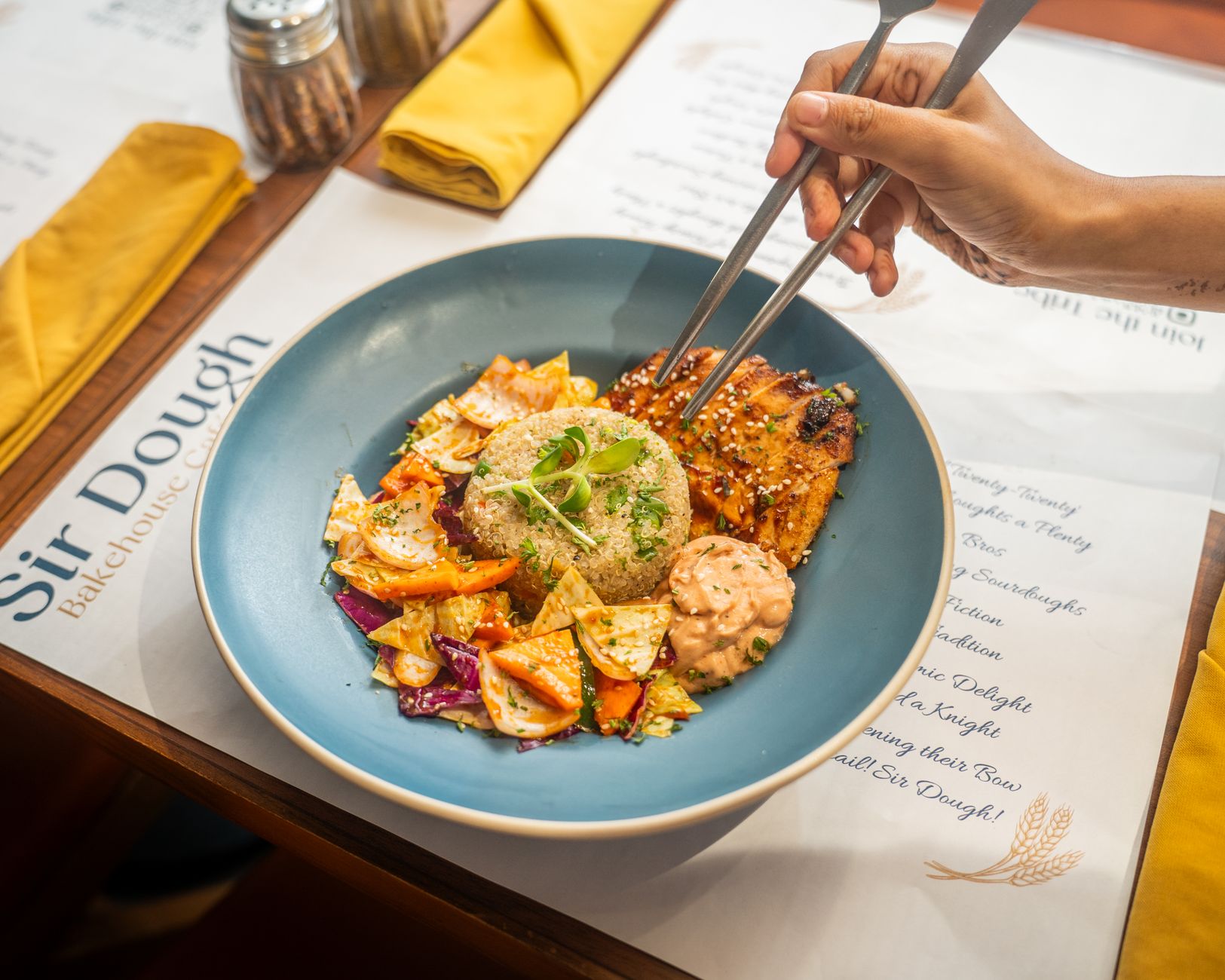
This meal plan totals around **1,500 calories**, with **80g protein**, **50g net carbs**, and **60g healthy fats**. If you’re more active or larger-framed, add an extra serving of protein or healthy fats. If you’re less active, reduce portions slightly or swap in lower-calorie veggies. Remember, sustainability is key for long-term weight loss, so find an eating pattern you can stick with.
Pro tip: The DASH diet shares similar principles, and its sample day can be a great comparison if you want to explore other balanced eating styles.
---
How to adjust an insulin resistance diet for pregnancy
If you’re pregnant or trying to conceive, an insulin resistance diet can still be a powerful tool — but with some key adjustments. The goal shifts from strict blood sugar control to supporting both your metabolism and your baby’s development. Maintaining stable blood sugar during pregnancy is crucial for preventing complications like gestational diabetes, preeclampsia, and macrosomia (an oversized baby), as recommended by the American College of Obstetricians and Gynecologists (ACOG).
- Increase calories gradually. Pregnancy requires extra energy, but don’t overeat. Aim for an additional **300–500 calories/day** in the second trimester and **500 calories/day** in the third, focusing on nutrient-dense foods like whole grains, lean proteins, and healthy fats. These additional calories should come from wholesome, unprocessed sources.
- Prioritize folate and iron. Foods like leafy greens, lentils, and fortified whole grains become even more important. Pair iron-rich foods (like spinach or beef) with vitamin C (bell peppers, citrus) to boost absorption, which is vital for preventing anemia in pregnancy.
- Choose low-glycemic carbs. Opt for complex carbs like oats, sweet potatoes, or quinoa over white bread or sugary cereals. These provide steady energy without spiking your blood sugar, which is particularly important for managing insulin sensitivity during pregnancy.
- Stay hydrated. Pregnancy increases your fluid needs. Drink water, herbal teas, or infused water with cucumber and mint to stay hydrated without added sugars. Adequate hydration also helps prevent common pregnancy discomforts like constipation.
- Avoid processed foods and added sugars. These can contribute to gestational diabetes, which affects up to 9% of pregnancies. Stick to whole foods and natural sweeteners like berries, and be mindful of hidden sugars in packaged goods.
One reader described her experience: "I was terrified of gaining too much weight during pregnancy, but my provider reassured me that focusing on nutrient-dense foods would help me feel fuller and more energized. I swapped my morning bagel for eggs and avocado, and my afternoon snack for Greek yogurt with berries. My energy levels stabilized, and I felt confident in my choices."
Important: Always consult your provider before making major dietary changes during pregnancy. Gestational diabetes is common, and monitoring your blood sugar regularly is key. If you’re diagnosed, your provider may recommend a diabetic diet meal plan for additional guidance and close monitoring by a specialist.
Is an insulin resistance diet safe during pregnancy? Yes, but with caution. The focus on whole foods and balanced macros is generally safe, but avoid extreme calorie restriction or very low-carb diets without medical supervision, as these could potentially impact fetal development. Your provider may recommend additional monitoring if you have a history of gestational diabetes or other risk factors.
---
Best breakfast ideas for an insulin resistance diet
Breakfast is your chance to set the tone for the day’s blood sugar control. The best insulin resistance breakfasts combine protein, fiber, and healthy fats to keep you full and stable. These components work synergistically to slow digestion, prevent rapid glucose spikes, and maintain steady energy levels throughout your morning. Here are five easy, science-backed ideas:
-
Avocado and Egg Toast
- 1 slice whole-grain toast
- ½ mashed avocado
- 2 scrambled eggs
- Handful of spinach
- Sprinkle of turmeric
Why it works: The fiber in whole grains and avocado, plus the high-quality protein from eggs, creates a slow-digesting meal that prevents morning spikes. Turmeric also offers anti-inflammatory benefits.
-
Greek Yogurt Bowl
- ¾ cup plain Greek yogurt (unsweetened)
- ¼ cup mixed berries
- 1 tbsp chia seeds
- 1 tbsp almond butter
- Dash of cinnamon
Why it works: The probiotics in yogurt support gut health, while berries provide antioxidants and chia seeds add fiber to slow digestion. Cinnamon has also been linked to improved insulin sensitivity.
-
Smoked Salmon and Cream Cheese
- 2 oz smoked salmon
- 1 tbsp light cream cheese
- ½ cup cucumber slices
- Handful of arugula
- 1 slice whole-grain rye
Why it works: Omega-3s from salmon reduce inflammation, and the cream cheese adds healthy fats to balance the meal, making it both delicious and blood-sugar-friendly.
-
Chia Pudding
- 2 tbsp chia seeds
- 1 cup unsweetened almond milk
- ½ tsp vanilla extract
- Topped with walnuts and cinnamon
Why it works: Chia seeds absorb liquid and form a gel-like texture, slowing digestion and keeping you full for hours. Walnuts provide additional healthy fats and fiber.
-
Sweet Potato Hash
- ½ cup diced sweet potato
- 1 egg
- ½ cup sautéed bell peppers and onions
- 1 tbsp olive oil
- Handful of kale
Why it works: Sweet potatoes are a lower-glycemic carb compared to white potatoes, and the egg adds protein to balance the meal, providing sustained energy.
Pro tip: If you’re short on time, batch-cook overnight oats or chia pudding the night before. You can also pre-chop veggies for the sweet potato hash. Variety is also important; don’t be afraid to experiment with different protein sources and low-carb vegetables to keep your breakfasts exciting. The French diet also emphasizes simple, high-protein breakfasts — like eggs and cheese — that keep energy levels steady all morning.
---
Lunch and dinner ideas for an insulin resistance diet sample day
Lunch and dinner are where many people struggle with insulin resistance diets — either because they’re too busy for cooking or they default to takeout. But with a little planning, you can create meals that are both satisfying and blood-sugar-friendly. The key is to focus on lean proteins, abundant non-starchy vegetables, and healthy fats to ensure satiety and stable glucose levels. Here are three lunch and three dinner ideas to rotate through your week.
Lunch Ideas
-
Grilled Chicken and Quinoa Bowl
- 4 oz grilled chicken
- ½ cup cooked quinoa
- 1 cup roasted Brussels sprouts
- ¼ cup chickpeas
- Dressing: 1 tbsp tahini + lemon juice
Why it works: Quinoa is a complete protein, and chickpeas add fiber to slow digestion. The tahini dressing adds healthy fats, making it a well-rounded and filling meal.
-
Turkey and Avocado Wrap
- 1 whole-grain tortilla
- 3 oz turkey breast
- ½ avocado, mashed
- Handful of spinach
- 1 slice Swiss cheese
Why it works: The whole-grain tortilla provides fiber, while the turkey and avocado keep carbs in check and add healthy fats for satiety.
-
Sardine Salad
- 1 can sardines in olive oil
- 2 cups mixed greens
- ½ cup cherry tomatoes
- ¼ cup red onion, thinly sliced
- Dressing: 1 tbsp olive oil + apple cider vinegar
Why it works: Sardines are rich in omega-3s, and the vinegar dressing helps regulate blood sugar. This is a quick, nutrient-dense option for busy days.
Dinner Ideas
-
Baked Lemon Herb Salmon
- 6 oz salmon
- 1 cup roasted asparagus
- ½ cup mashed cauliflower
- 1 tbsp olive oil
- Lemon and herbs for seasoning
Why it works: Salmon is high in protein and omega-3s, while cauliflower provides a low-carb, fiber-rich side. This meal is both delicious and anti-inflammatory.
-
Stir-Fried Tofu with Veggies
- ½ block firm tofu, cubed
- 1 cup mixed stir-fry veggies (bell peppers, broccoli, snap peas)
- 1 tbsp sesame oil
- 1 tsp ginger
- 1 tbsp low-sodium soy sauce
Why it works: Tofu is a great plant-based protein, and the veggies add volume without spiking blood sugar. Use plenty of fresh ginger and garlic for flavor and their health benefits.
-
Beef and Broccoli Skillet
- 4 oz lean beef
- 2 cups broccoli florets
- 1 tbsp coconut aminos (low-sodium soy alternative)
- 1 tsp sesame seeds
- 1 clove garlic, minced
Why it works: Beef provides iron and protein, while broccoli adds fiber and vitamins. This hearty meal is satisfying and helps maintain stable blood glucose levels.
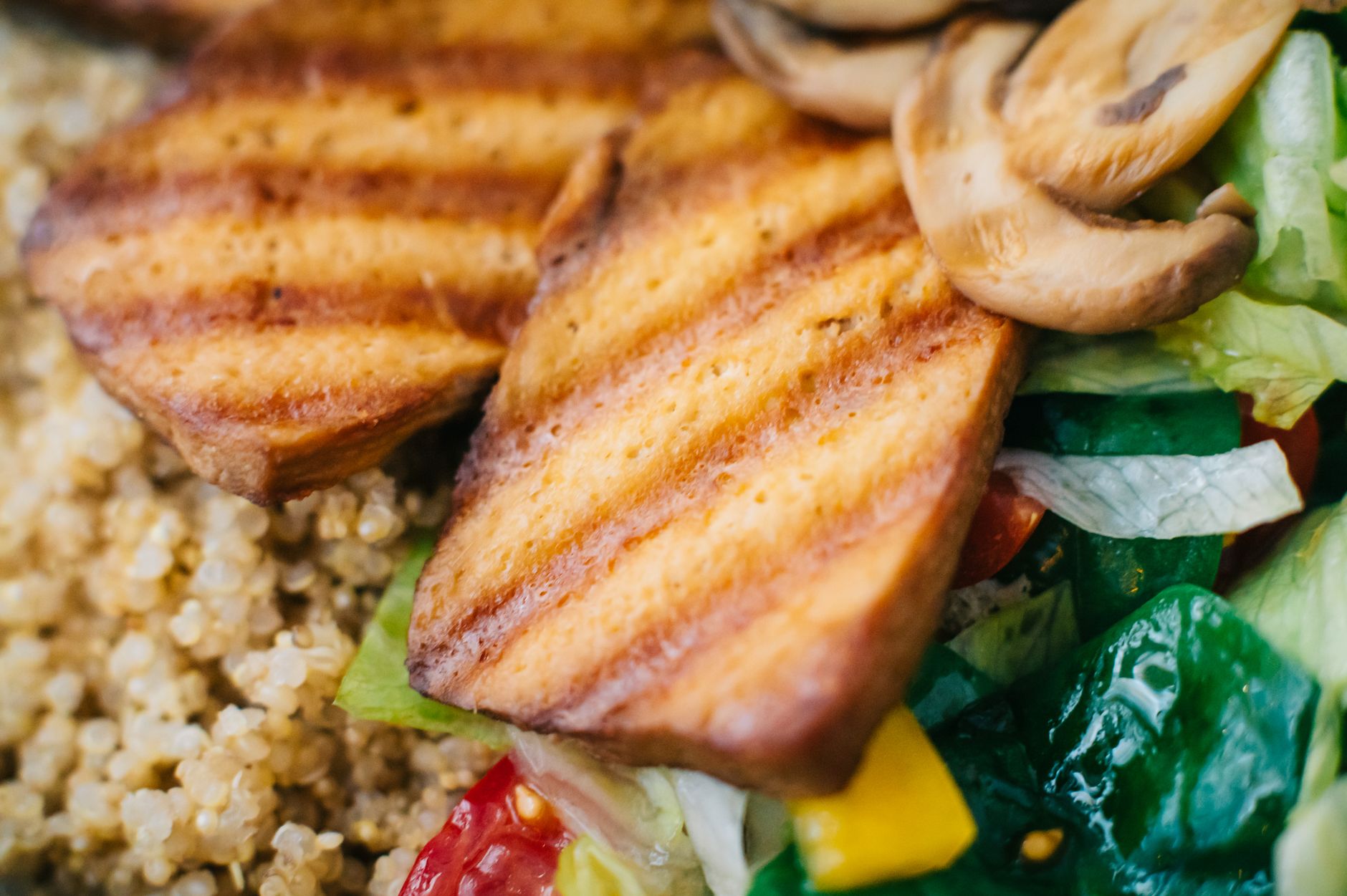
For meal prep, cook proteins and grains in bulk on Sundays. Store them in airtight containers and assemble meals throughout the week. This saves time and ensures you’re always reaching for the right ingredients, reducing the temptation for less healthy options. When eating out, look for grilled proteins and ask for extra non-starchy vegetables instead of fries or sugary sauces.
---
Snack options that fit an insulin resistance diet
Snacks are where many people derail their insulin resistance efforts — either by reaching for sugary bars or processed crackers. But the right snacks can stabilize blood sugar, curb cravings, and keep you full between meals. The goal is to choose options that are high in protein, fiber, and healthy fats to prevent blood sugar spikes and provide sustained energy. Here are 10 blood-sugar-friendly options:
Pro tip: If you’re craving something sweet, pair a small portion of dark chocolate with a handful of nuts. The fat in the nuts slows the absorption of sugar, preventing a sharp blood sugar spike and helping you feel more satisfied. Listen to your body’s hunger cues and snack only when genuinely hungry, rather than out of habit or boredom.
---
Best foods for insulin resistance
Not all carbs are created equal — and neither are fats or proteins. The best foods for insulin resistance are those that are nutrient-dense and actively support your body’s ability to manage blood sugar and reduce inflammation. Focusing on these foods helps your cells become more responsive to insulin, improving overall metabolic health.
Here’s a breakdown of the top foods to focus on:
Proteins
- Eggs (especially the yolks, which contain choline for liver health and essential fatty acids)
- Fatty fish (salmon, mackerel, sardines — rich in omega-3s, known for their anti-inflammatory effects)
- Lean meats (chicken, turkey, grass-fed beef, which often has a better omega-3 to omega-6 ratio)
- Plant-based proteins (tofu, tempeh, lentils, chickpeas, which also provide ample fiber)
- Greek yogurt and cottage cheese (excellent sources of protein and often contain probiotics that support gut health)
Carbs
- Non-starchy veggies (spinach, kale, broccoli, zucchini, bell peppers, which are low in calories and high in fiber and micronutrients)
- Low-glycemic fruits (berries, apples, pears, cherries, which offer antioxidants and fiber without causing rapid sugar spikes)
- Whole grains (quinoa, farro, steel-cut oats, brown rice, which retain their bran and germ, providing more fiber and nutrients than refined grains)
- Sweet potatoes (a complex carbohydrate higher in fiber and vitamins than white potatoes, offering a more gradual glucose release)
Fats
- Avocados (packed with healthy monounsaturated fats that improve heart health and satiety)
- Nuts and seeds (almonds, walnuts, chia, flaxseeds, rich in fiber, protein, and healthy fats, contributing to stable blood sugar)
- Olive oil and coconut oil (healthy fats with anti-inflammatory properties, ideal for cooking and dressings)
- Fatty fish (as mentioned above, their omega-3 content is crucial for reducing systemic inflammation)
Avoid or Limit
- Refined sugars (soda, candy, pastries, which lead to rapid blood sugar spikes and insulin surges)
- White flour products (white bread, crackers, pizza crust, which are quickly digested and act like sugar in the body)
- Processed meats (sausages, deli meats, often high in sodium, unhealthy fats, and preservatives that can promote inflammation)
- Trans fats (fried foods, margarine, which are highly inflammatory and detrimental to cardiovascular health)
One reader shared: "I was shocked by how much better I felt when I swapped my morning cereal for chia pudding. My energy crashes disappeared, and I even noticed my skin cleared up. It’s not about deprivation — it’s about choosing foods that work with your body, not against it." This shift in perspective is often the most powerful tool for long-term success.
---
Insulin resistance diet grocery list
Meal planning starts with a solid grocery list. Having the right ingredients on hand makes it much easier to stick to your diet and avoid impulse buys of less healthy options. Below is a comprehensive list of foods to stock your pantry, fridge, and freezer with for an insulin resistance diet. Organize your list by category to save time at the store and ensure you don't miss any essentials.
Proteins
- Eggs
- Chicken breast and thighs
- Turkey breast
- Grass-fed beef (ground and cuts)
- Salmon, mackerel, sardines (fresh or frozen)
- Tofu and tempeh
- Lentils and chickpeas (dry or canned, no added salt)
- Greek yogurt (unsweetened)
- Cottage cheese
- Feta, cheddar, and Swiss cheese
Non-Starchy Veggies
- Spinach, kale, arugula
- Broccoli, Brussels sprouts, cauliflower
- Zucchini, bell peppers, mushrooms
- Asparagus, green beans, snap peas
- Carrots, cucumbers, celery
- Cherry tomatoes
Low-Glycemic Fruits
- Berries (blueberries, strawberries, raspberries)
- Apples, pears, cherries
- Avocados
Whole Grains
- Quinoa
- Farro
- Steel-cut oats
- Brown rice
- Whole-grain bread and tortillas (check labels for 100% whole grain)
- Whole-grain pasta (look for 100% whole wheat)
Healthy Fats
- Avocados
- Almonds, walnuts, pecans
- Chia seeds, flaxseeds, pumpkin seeds
- Olive oil and coconut oil
- Tahini
Pantry Staples
- Cinnamon
- Turmeric
- Ginger
- Apple cider vinegar
- Low-sodium soy sauce or coconut aminos
- Dark chocolate (85%+ cocoa)
- Herbs and spices (oregano, basil, black pepper, garlic powder, etc.)
Frozen Foods
- Mixed berries
- Salmon or shrimp
- Steamed veggie mixes
- Cauliflower rice
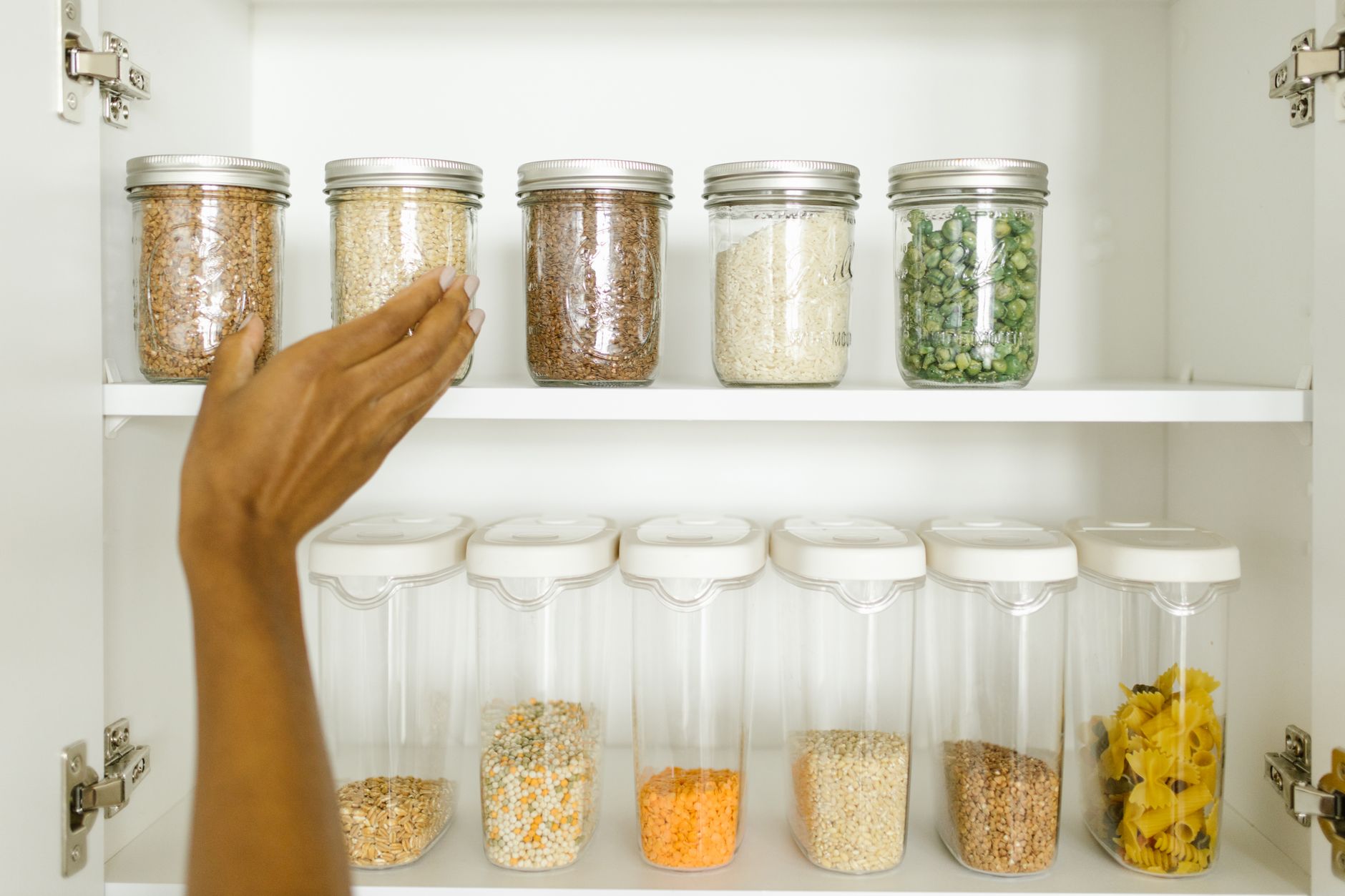
Pro tip: Buy frozen veggies and berries to extend their shelf life. They’re just as nutritious and prevent waste. Also, consider pre-cut veggies for easy snacking — just pair them with hummus or guacamole for a quick, blood-sugar-friendly bite. When reading food labels, always check the "added sugars" line and look for products with "whole grain" as the first ingredient to ensure you're making the best choices.
---
How many calories should I eat on an insulin resistance diet?
Calorie needs vary widely based on age, activity level, metabolism, and goals. But for most women with insulin resistance, a starting point is **1,200–1,600 calories/day for weight loss**, **1,600–2,000 calories/day for maintenance**, and **1,800–2,200 calories/day for muscle gain or pregnancy**. However, these are averages — your provider can help you determine the right number for you. It's crucial to remember that these are general guidelines, and individual metabolic rates and dietary responses can differ significantly.
Here’s a general guide to adjust based on your activity level:
Pro tip: Track your calories and macros for a week using an app like MyFitnessPal or Cronometer. This helps you identify patterns and adjust portions as needed. But remember: calories aren’t everything. Focus on whole foods, fiber, and protein to keep you full and satisfied, as nutrient quality profoundly impacts insulin sensitivity. Working with a registered dietitian can provide personalized guidance and support to optimize your calorie and macro intake for your specific health goals.
If you’re struggling to lose weight, consider the flexitarian diet for inspiration. It’s flexible, plant-focused, and often easier to sustain long-term.
---
Insulin resistance diet meal prep ideas
Meal prepping is your secret weapon for sticking to an insulin resistance diet. It saves time, reduces temptation, and ensures you’re always reaching for the right foods, even on your busiest days. By dedicating a few hours once or twice a week, you can set yourself up for consistent, blood-sugar-friendly eating. Here are five easy meal prep ideas to try this week:
-
Protein-Packed Bowls
- Cook a large batch of grilled chicken or tofu.
- Roast a mix of veggies (broccoli, Brussels sprouts, zucchini).
- Cook quinoa or brown rice.
- Store in separate containers and assemble bowls as needed. Add dressing when eating. This allows for flexible meal combinations throughout the week.
-
Hard-Boiled Eggs and Veggies
- Boil a dozen eggs for the week.
- Wash and chop veggies like cucumbers, bell peppers, and carrots.
- Store in the fridge for quick snacks or salads. These are perfect for grab-and-go options when hunger strikes.
-
Salmon and Sweet Potato Mash
- Bake a large sheet of salmon.
- Roast sweet potatoes and mash with a little olive oil and cinnamon.
- Portion into individual containers for easy reheating. This makes a comforting and balanced dinner or lunch.
-
Overnight Chia Pudding
- Combine chia seeds, unsweetened almond milk, and a dash of vanilla extract in jars.
- Refrigerate overnight.
- In the morning, top with berries and nuts for a quick, fiber-rich breakfast.
-
Homemade Hummus and Veggie Sticks
- Blend chickpeas, tahini, lemon juice, and olive oil for fresh hummus.
- Chop a variety of non-starchy vegetables like celery, carrots, bell peppers, and radishes.
- Store separately for a satisfying and healthy snack throughout the week.
Consistency is key when managing insulin resistance, and meal prepping significantly boosts your chances of success. By having healthy options readily available, you reduce decision fatigue and the likelihood of reaching for ultra-processed foods.
---
Beyond Food: Lifestyle Factors for Insulin Resistance
While diet is a cornerstone of managing insulin resistance, it's part of a larger picture. Lifestyle factors play an equally critical role in improving your body's sensitivity to insulin and overall metabolic health. Neglecting these areas can undermine even the most diligent dietary efforts.
Regular Physical Activity
Regular exercise, especially a combination of aerobic and strength training, significantly improves insulin sensitivity. When you exercise, your muscles use glucose for energy, reducing blood sugar levels. This effect can last for hours after your workout. Aim for at least 150 minutes of moderate-intensity aerobic activity (like brisk walking or cycling) and two days of strength training per week, as recommended by the American Heart Association (AHA). Even short bursts of activity, like a 10-minute walk after meals, can make a difference.
Prioritize Sleep
Lack of adequate sleep can negatively impact insulin sensitivity and increase cortisol levels, a stress hormone that can raise blood sugar. Aim for 7-9 hours of quality sleep each night. Creating a consistent sleep schedule, making your bedroom dark and cool, and avoiding screens before bed can significantly improve sleep quality. Many women find that improving sleep has a noticeable positive effect on their energy levels and ability to manage cravings.
Manage Stress
Chronic stress leads to elevated levels of cortisol, which can increase blood sugar and contribute to insulin resistance. Finding effective ways to manage stress is vital. This could include practices like mindfulness meditation, yoga, deep breathing exercises, spending time in nature, or engaging in hobbies you enjoy. Even just 15-20 minutes of daily stress reduction can have a profound impact on your metabolic health.
---
Decoding Food Labels: Hidden Sugars and Whole Grains
Navigating the grocery store can feel like a minefield when you're trying to eat for insulin resistance, especially with so many products marketing themselves as "healthy." Learning to read food labels effectively is a crucial skill to ensure you're truly making choices that support your metabolic health.
Spotting Hidden Sugars
Manufacturers often use many different names for sugar to make their products appear healthier or to spread out the sugar content on the ingredient list. Look out for ingredients ending in "-ose" (dextrose, fructose, glucose, maltose, sucrose), syrups (corn syrup, high-fructose corn syrup, rice syrup, malt syrup), cane juice, fruit juice concentrate, molasses, honey, and agave nectar. The higher up on the ingredient list sugar appears, the more of it the product contains. The FDA now requires "Added Sugars" to be listed separately on nutrition labels, which is a helpful tool. Aim for products with minimal to no added sugars.
Identifying True Whole Grains
The term "whole grain" can be misleading. Many products labeled "multigrain" or "wheat" are still made with refined grains. To ensure you're getting a true whole grain, check the ingredient list for the word "whole" before the grain (e.g., "whole wheat flour," "whole oats," "whole rye"). The first ingredient should ideally be a whole grain. Also, look for products with at least 3 grams of fiber per serving, as this indicates a higher fiber content that will help slow glucose absorption and improve satiety.
---
Myth vs. fact
Misinformation about insulin resistance diets is common. Let’s clear up some myths:
- Myth: You have to completely cut out all carbs to reverse insulin resistance.
- Fact: While limiting refined carbs is crucial, complex carbohydrates like whole grains, fruits, and starchy vegetables are important for fiber and nutrients. The key is choosing low-glycemic carbs and pairing them with protein and healthy fats.
- Myth: All fat is bad for insulin resistance.
- Fact: Healthy fats (from avocados, nuts, seeds, olive oil, fatty fish) are beneficial. They slow digestion, increase satiety, and are crucial for hormone production. Saturated and trans fats, however, should be limited.
- Myth: You'll be hungry all the time on an insulin resistance diet.
- Fact: Because this diet emphasizes protein, fiber, and healthy fats, many people report feeling more satisfied and having fewer cravings than on their previous eating patterns. The goal is to nourish your body, not deprive it.
---
Key takeaways
- An insulin resistance diet prioritizes whole, unprocessed foods like lean proteins, non-starchy vegetables, low-glycemic fruits, and healthy fats.
- Focus on balanced meals that combine protein, fiber, and healthy fats to stabilize blood sugar and prevent spikes.
- Meal prepping is a powerful tool to ensure consistency and make healthy eating easier throughout the week.
- Calorie needs vary, but focus on nutrient density over strict restriction; consult a professional for personalized targets.
- Lifestyle factors like exercise, adequate sleep, and stress management are as crucial as diet for improving insulin sensitivity.
- Learning to read food labels for hidden sugars and true whole grains is essential for making informed choices.
---
Frequently asked questions
What is insulin resistance?
Insulin resistance is a condition where your body's cells don't respond well to insulin, a hormone produced by your pancreas. Insulin's job is to help glucose (sugar) from your food enter your cells for energy. When you're insulin resistant, your pancreas has to produce more and more insulin to try and get the glucose into your cells, leading to high levels of both glucose and insulin in your blood. This can lead to various health issues, including type 2 diabetes.
Can an insulin resistance diet help with PCOS?
Absolutely. Polycystic Ovary Syndrome (PCOS) is often closely linked with insulin resistance, with studies suggesting that up to 70% of women with PCOS also have insulin resistance. Adopting an insulin resistance diet can significantly help manage PCOS symptoms by improving insulin sensitivity, which in turn can help regulate hormones, reduce androgen levels, improve menstrual cycles, and aid in weight management. It's a common and effective dietary approach for PCOS.
How long does it take to see results on an insulin resistance diet?
The timeline for seeing results can vary, but many women report feeling more energized, having fewer cravings, and experiencing more stable blood sugar levels within 4–8 weeks of consistently following an insulin resistance diet. Weight loss, if that's a goal, tends to be gradual. Long-term commitment yields the best results in terms of sustained health improvements and reversal of insulin resistance markers. Regular monitoring with your healthcare provider can help track your progress.
Can I drink coffee on an insulin resistance diet?
Yes, you generally can, but with some caveats. Black coffee or coffee with a splash of unsweetened almond milk is usually fine. The concern comes with added sugars, syrups, and large amounts of cream, which can negate the benefits of the diet by causing blood sugar spikes. Some studies suggest that caffeine can temporarily affect blood sugar levels in some individuals, so pay attention to how your body responds. Always choose unsweetened options.
Is an insulin resistance diet the same as a diabetic diet?
While there are many similarities, they are not exactly the same. An insulin resistance diet is designed to improve your body's response to insulin and prevent the progression to type 2 diabetes. A diabetic diet is prescribed for individuals already diagnosed with diabetes to manage their condition and prevent complications. Both focus on whole, low-glycemic foods, but a diabetic diet often has stricter carbohydrate counting and may be more closely monitored by a healthcare professional.
Can I still enjoy occasional treats on an insulin resistance diet?
Yes, absolutely. An insulin resistance diet is about sustainable lifestyle changes, not rigid deprivation. The goal is to make healthy eating your norm, but occasional treats in moderation are part of a balanced life. When you do indulge, try to pair it with protein or healthy fats (e.g., a small piece of dark chocolate with almonds) to minimize blood sugar impact. The key is "occasional" and "moderation," and then getting right back on track with your healthy eating.
---
When to see a doctor / specialist
While dietary changes are powerful, they are not a substitute for professional medical advice. You should see your doctor or an endocrinologist if:
- You suspect you have insulin resistance (symptoms like unexplained weight gain, fatigue, increased thirst, frequent urination, dark skin patches).
- You have been diagnosed with prediabetes or gestational diabetes.
- You are struggling to manage your blood sugar levels despite dietary changes.
- You are experiencing persistent symptoms that concern you.
- You are pregnant or planning to conceive and want to manage your diet for insulin resistance.
This article is for informational purposes only and does not provide medical advice. Always consult with a qualified healthcare professional, such as your OB/GYN, endocrinologist, or a registered dietitian, before making any significant changes to your diet or health regimen.
---
References
- American College of Obstetricians and Gynecologists (ACOG). Gestational Diabetes.
- American Heart Association (AHA). American Heart Association Recommendations for Physical Activity in Adults.
- Centers for Disease Control and Prevention (CDC). Insulin Resistance and Prediabetes.
- Harvard T.H. Chan School of Public Health. The Nutrition Source: Carbohydrates.
- Mayo Clinic. Insulin resistance.
- National Institute of Diabetes and Digestive and Kidney Diseases (NIDDK). Insulin Resistance & Prediabetes.
- World Health Organization (WHO). Healthy diet.




