

Quick take: An IBS-friendly day of eating centers on low-FODMAP foods—think oatmeal for breakfast, grilled chicken with quinoa for lunch, and baked salmon with roasted carrots for dinner—while avoiding high-FODMAP triggers like onions, garlic, and dairy. Hydration, portion control, and gradual reintroduction of tolerated foods are key. Compare with other dietary plans to see how IBS-specific strategies differ. Pro tip: Pair your meal plan with gentle movement—like a 10-minute walk after meals—to support digestion and reduce stress, which can worsen symptoms.IBS-Friendly Diet Sample Day of Eating: The Complete 2026 Guide
You’re scrolling through your phone at 2am, stomach cramping, wondering if you’ll make it to the bathroom before work. Again. The IBS diagnosis feels like a sentence: no more spontaneous lunches, no more "just a salad" outings, no more trusting your gut—literally. But here’s the truth: you can eat well with IBS. It’s not about deprivation; it’s about decoding your body’s clues and building a routine that works with your digestive system, not against it.
We spoke with Dr. Sarah Chen, a gastroenterologist at the Cleveland Clinic, and Lila Patel, a registered dietitian specializing in gut health, about how to structure a day of eating that minimizes flare-ups while keeping meals satisfying, varied, and—yes—even enjoyable. The key? Low-FODMAP foods (fermentable oligosaccharides, disaccharides, monosaccharides, and polyols) in the right portions, plus hydration and stress management. And no, you won’t be eating plain rice and chicken for life. Many women with IBS tell us they rediscover flavors they forgot they loved—like herbed olive oil on roasted veggies or a perfectly spiced chai latte (dairy-free, of course).
Below is a sample IBS-friendly day of eating that balances nutrition, digestion, and real-life practicality. We’ll break it down meal by meal, share grocery lists, and explain how to tweak it for your specific triggers. Because while IBS is a one-size-fits-none condition, your personalized plan starts with this foundation.
**New insight:** Research from the American Gastroenterological Association (AGA) highlights that 80% of women with IBS report symptom improvement within 4 weeks of adopting a low-FODMAP diet—but only if they also address stress and sleep. We’ll dive into how to integrate stress-reducing habits into your routine later in this guide.
--- ### **Sample IBS-Friendly Diet Plan for a Single Day**This isn’t just a list of foods—it’s a digestive reset. Notice how we prioritize soluble fiber (oats, carrots), lean proteins (chicken, eggs), and hydrating foods (cucumber, herbal tea). Portion sizes are critical; even low-FODMAP foods can trigger bloating if overconsumed.
**Pro tip:** If you’re new to this, keep a food diary for a week to track which foods your body tolerates. Apps like Monash University’s Low FODMAP app (or a simple notebook) help. And remember: reintroduction matters. After 2–6 weeks of low-FODMAP eating, you may test reintroducing small amounts of previously avoided foods (like dairy or beans) to see if you’ve healed enough to tolerate them again.
**New addition:** Meal timing matters. Eating smaller, more frequent meals (every 3–4 hours) can help regulate blood sugar and reduce bloating. Try pairing your meals with 10 minutes of gentle movement—like stretching or a short walk—to support digestion. Dr. Chen notes that post-meal activity improves gut motility for up to 60% of IBS patients.
--- #### **Low-FODMAP Breakfast Ideas for IBS**Breakfast is where many IBS flare-ups start—think coffee on an empty stomach, high-sugar cereals, or a bagel with cream cheese. But with a little planning, you can fuel your morning without triggering symptoms.
**Representative story:** "I used to skip breakfast because I thought it would help my IBS," says Priya, a 34-year-old marketing manager from Chicago. "But then I read that fasting can worsen gut motility. Now I eat a small, low-FODMAP breakfast—like scrambled eggs with spinach—and I notice my digestion is much steadier. No more 9am bathroom emergencies!"
Best low-FODMAP breakfast options:
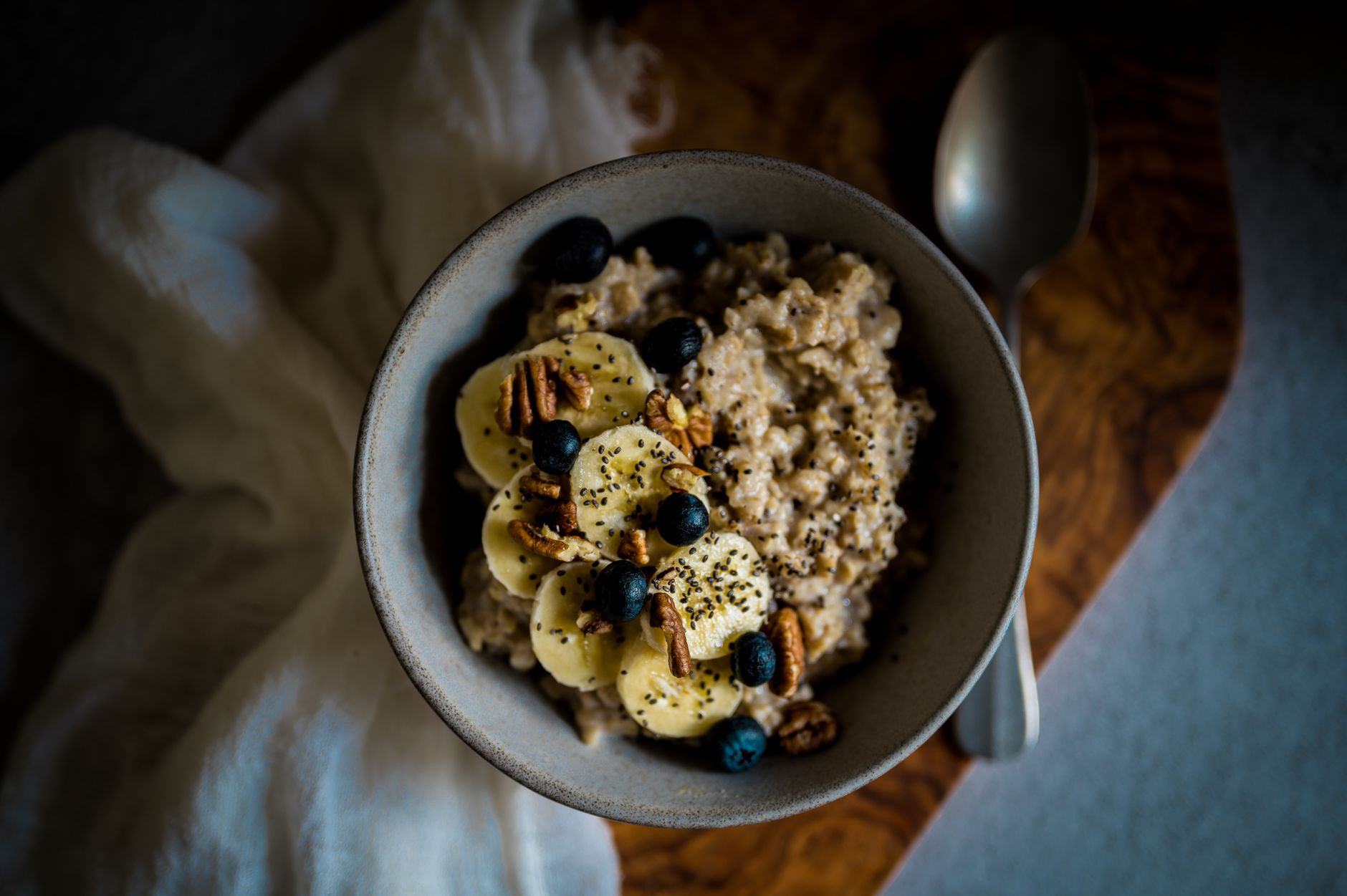
- Oatmeal with chia seeds and blueberries (use certified gluten-free oats if sensitive to FODMAPs). Skip the brown sugar; sweeten with a drizzle of honey (in moderation).
- Scrambled eggs with spinach and olive oil (skip the cheese; use nutritional yeast for a cheesy flavor). Add a side of gluten-free toast with almond butter.
- Greek yogurt (lactose-free) with raspberries and walnuts (raspberries are low-FODMAP in small portions; walnuts are safe in moderation). Pro tip: If regular Greek yogurt causes bloating, try a coconut yogurt alternative.
- Smoothie with lactose-free milk, banana, and pumpkin seeds (avoid applesauce or mango—high-FODMAP fruits).
What to avoid: High-sugar cereals, whole wheat toast with honey, dairy yogurts (unless lactose-free), and fruit juices (opt for diluted apple juice or skip it entirely).
**New insight:** Coffee timing affects digestion. If coffee triggers your symptoms, try drinking it 30–60 minutes after breakfast instead of first thing in the morning. Herbal teas like chamomile or ginger can be a gentler alternative to start your day.
--- #### **Midday Lunch Options on an IBS-Friendly Diet**Lunch is where many IBS sufferers struggle—whether it’s the office cafeteria’s mystery meat or takeout that’s "supposed to be healthy" but packed with hidden garlic or onions. The good news? Grilled or baked proteins with steamed veggies are your best friends.
**Representative story:** "I used to think I had to eat bland food with IBS," says Mira, a 42-year-old nurse from Boston. "But then I discovered herbs and spices like turmeric, cumin, and basil. Now I make a spiced chicken and quinoa bowl that’s flavorful and gentle on my gut."
Sample lunch ideas:
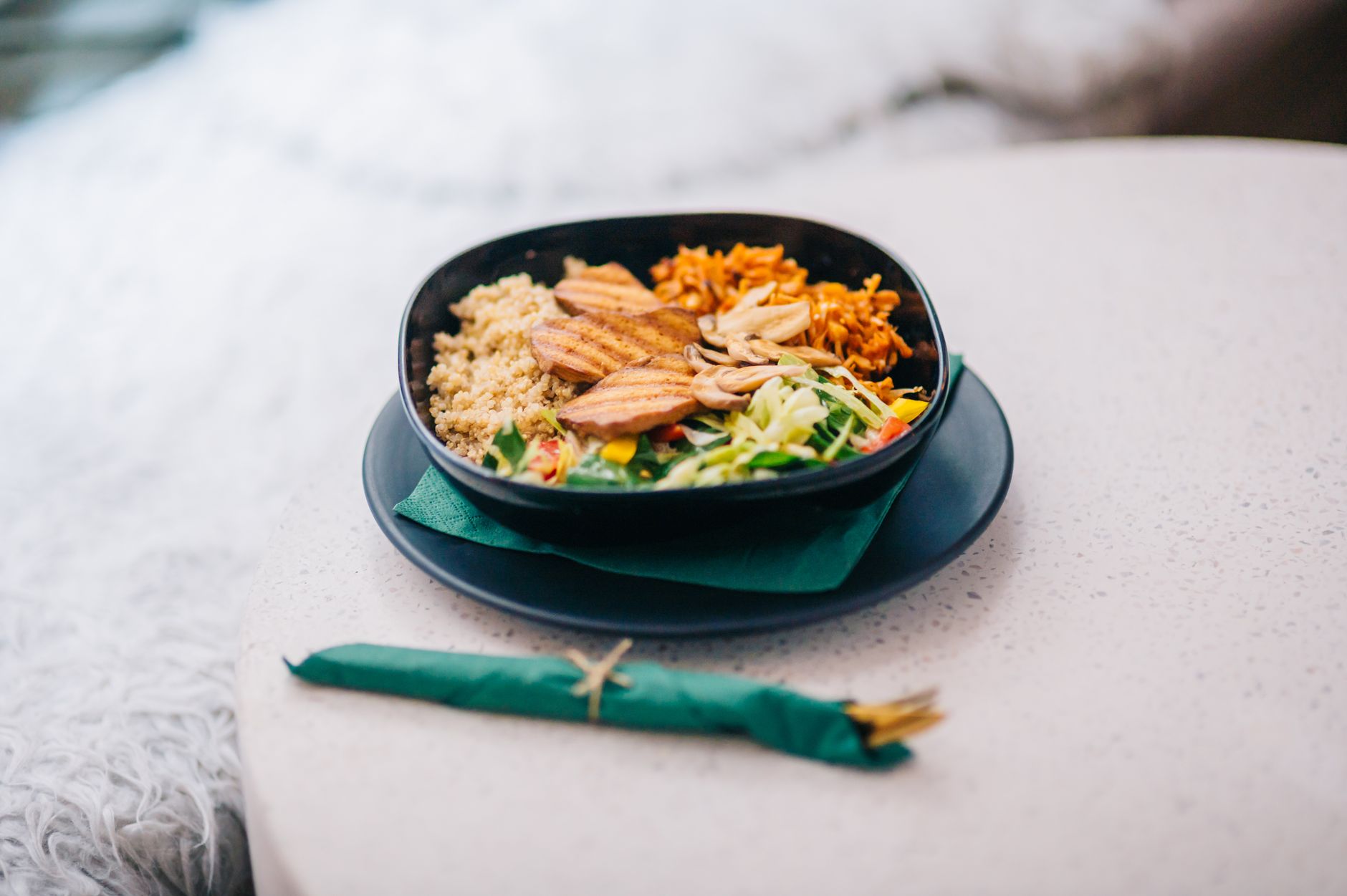
- Grilled chicken with quinoa and roasted carrots (toss carrots in olive oil, salt, and a pinch of cinnamon).
- Baked salmon with mashed potatoes (made with lactose-free milk) and steamed green beans (skip the garlic butter; use olive oil and fresh dill).
- Turkey lettuce wraps with avocado and cucumber (use romaine or butter lettuce; avocado is low-FODMAP in small amounts).
- Lentil soup (made with gluten-free broth and carrots only—no onions or garlic) paired with a side of gluten-free crackers.
Portion control is key: Stick to ½ cup cooked lentils or quinoa per serving. Overloading on fiber-rich foods can cause bloating, even if they’re low-FODMAP.
**New addition:** Prebiotic vs. probiotic confusion. While probiotics (like yogurt with live cultures) can help gut health, prebiotics (found in high-FODMAP foods like onions or garlic) can worsen IBS symptoms. Instead, opt for soluble fiber sources like oats or carrots, which feed beneficial gut bacteria without triggering bloating.
--- #### **Easy Dinner Recipes That Are IBS-Friendly**Dinner is where many IBS-friendly meals shine—creative, warming, and satisfying. The goal? Easy-to-digest proteins with low-FODMAP sides that won’t leave you feeling sluggish or gassy.
**Representative story:** "I used to dread cooking with IBS," admits Leila, a 38-year-old chef from New York. "But now I make a big batch of baked chicken with rosemary and lemon on Sundays, and I can reheat it all week. It’s simple, flavorful, and never triggers my symptoms."
Quick dinner recipes:
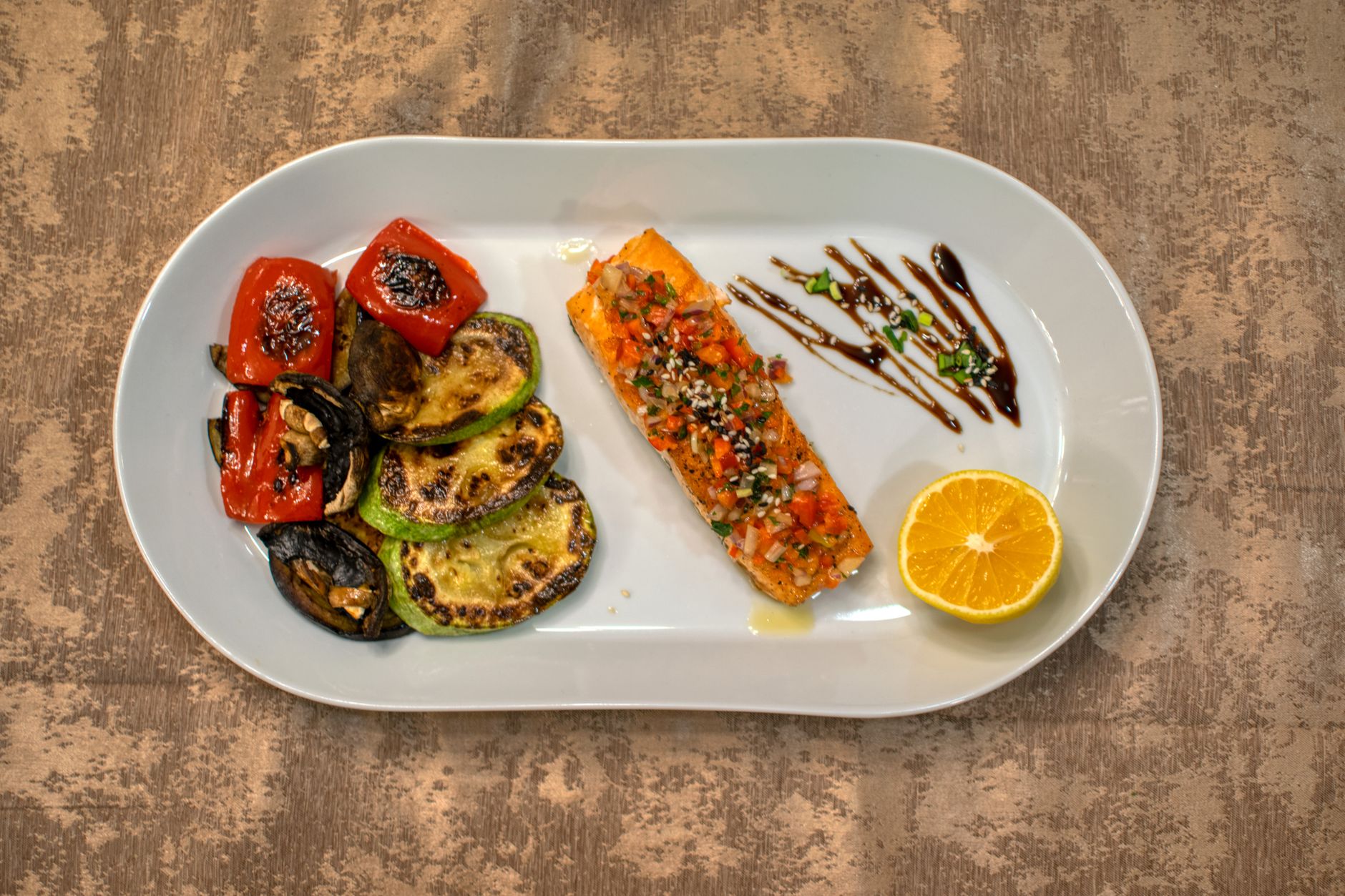
- Baked salmon with roasted zucchini and carrots (toss veggies in olive oil, salt, and thyme).
- Turkey meatballs with gluten-free pasta and marinara (no onion/garlic) (use a low-FODMAP marinara sauce like Passata di Pomodoro).
- Stir-fried tofu with bell peppers and coconut aminos (skip the soy sauce; coconut aminos are low-FODMAP).
- Stuffed bell peppers with ground turkey and quinoa (use gluten-free stuffing; skip the cheese).
Sauces and seasonings: Stick to olive oil, lemon juice, fresh herbs (basil, parsley, cilantro), and low-FODMAP sauces like tahini or peanut butter (in moderation). Avoid soy sauce, teriyaki, and store-bought dressings (check labels for hidden garlic/onion powder).
**New addition:** Spices that soothe IBS. Research from the Journal of Clinical Gastroenterology shows that ginger and turmeric can reduce nausea and bloating. Add a pinch of ground ginger to your meals or sip ginger tea between meals to support digestion.
--- #### **Snack Ideas for People with IBS**Snacking with IBS can feel like walking a minefield—will this rice cake trigger gas? Will that nut butter send me to the bathroom? The answer? Yes, but strategically. Focus on soluble fiber, healthy fats, and small portions.
**Representative story:** "I used to snack on chips and crackers because they’re easy," says Aisha, a 29-year-old teacher from Los Angeles. "But then I realized those were high-FODMAP and made my symptoms worse. Now I keep rice cakes with almond butter in my desk drawer—it’s a game-changer."
Safe snack options:
- Rice cakes with almond butter (1 tbsp almond butter per rice cake).
- Hard-boiled eggs with sea salt (skip the mayo; try a sprinkle of paprika for flavor).
- Carrot sticks with hummus (low-FODMAP, no garlic/onion) (check labels for hidden FODMAPs).
- Popcorn (plain, air-popped) with a pinch of salt (avoid buttery seasoning).
- Lactose-free yogurt with pumpkin seeds (pumpkin seeds are low-FODMAP in small amounts).
Avoid: Chips, crackers, nuts (in large portions), dried fruits, and store-bought granola bars (often loaded with high-FODMAP ingredients).
**New addition:** Emergency snacks for IBS flare-ups. Keep a stash of low-FODMAP, high-hydration snacks like cucumber slices, rice cakes, or lactose-free yogurt in your bag or car. Dr. Chen recommends pairing these with deep breathing exercises (inhale for 4 counts, exhale for 6) to calm the nervous system during a flare.
--- #### **Hydration Tips for Managing IBS Symptoms**Dehydration worsens IBS symptoms—think constipation, cramping, and even diarrhea. But hydration isn’t just about water. Electrolytes and timing matter too.
**Representative story:** "I used to ignore my thirst," says Priya, "but then I realized my IBS symptoms got worse when I wasn’t drinking enough. Now I keep a water bottle by my bed and sip herbal tea throughout the day."
Hydration strategies:
- Drink 8–10 cups of water daily (start your day with a glass of water before coffee).
- Add electrolytes if you’re constipated: try coconut water (in moderation) or a low-FODMAP electrolyte drink like Pedialyte (check labels for hidden sugars).
- Avoid sugary drinks and caffeine in excess (stick to 1–2 cups of coffee/tea per day).
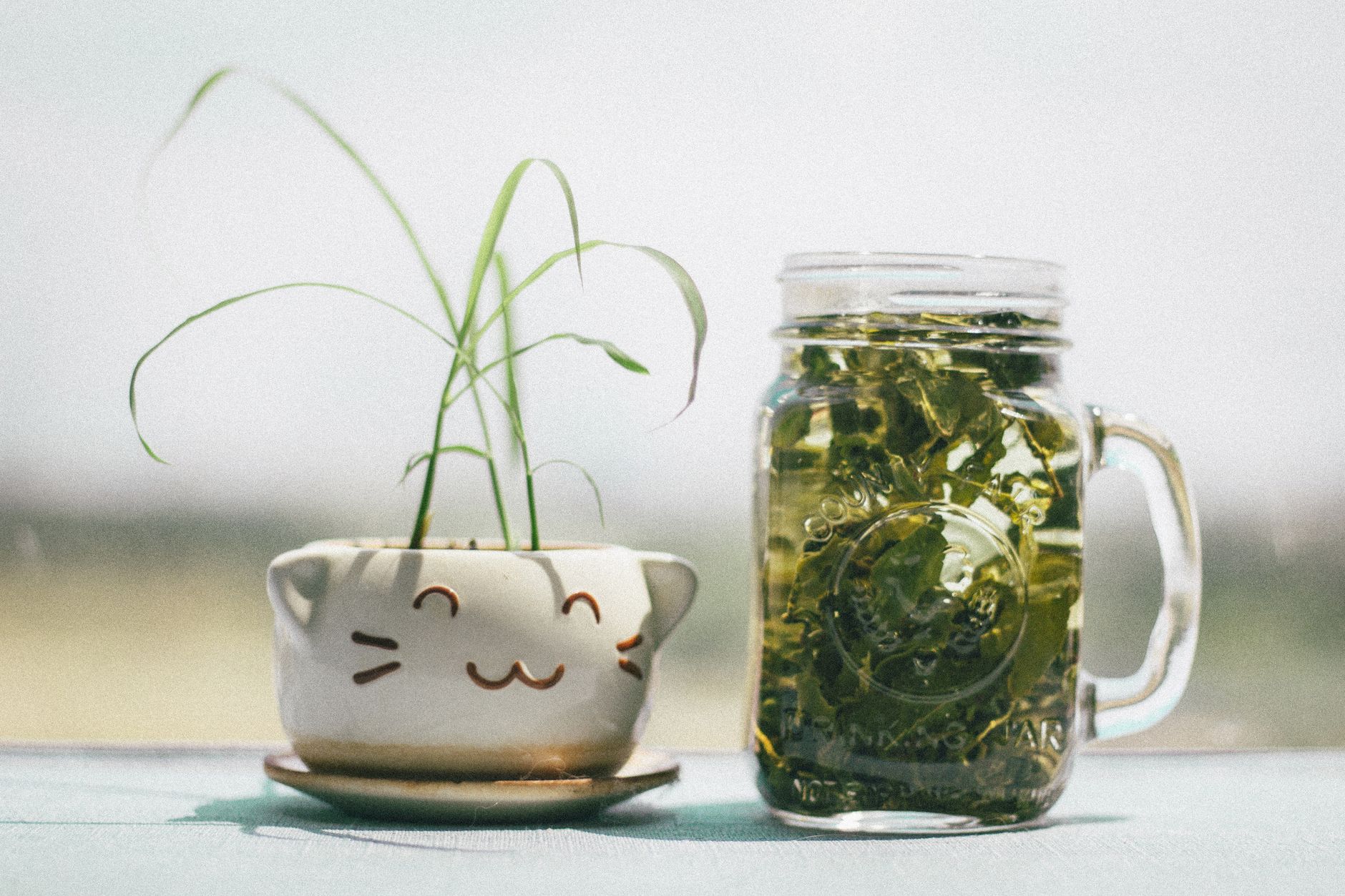
- Sip herbal teas like peppermint or chamomile (peppermint may help relax the gut; chamomile has anti-inflammatory properties).
- Eat hydrating foods like cucumbers, celery, and watermelon (in moderation).
When to see a doctor: If you’re constipated for more than 3 days despite hydration, or if you experience blood in your stool, seek medical advice immediately.
**New addition:** Hydration timing for IBS. Sip water 30 minutes before meals to support digestion, but avoid drinking large amounts during meals, as it can dilute stomach acid and slow digestion. Lila Patel suggests using a 16-8 intermittent fasting window (e.g., eat between 8am–4pm) to regulate hydration and digestion.
--- #### **How to Create a Grocery List for an IBS-Friendly Day**Meal prepping with IBS requires a little extra planning, but it’s worth it. Batch-cook proteins and grains to save time, and always check labels for hidden FODMAPs (like garlic/onion powder in seasonings).
Sample grocery list for one day:
- Proteins: Chicken breast, eggs, salmon fillet, lactose-free Greek yogurt.
- Grains: Gluten-free oats, quinoa, gluten-free pasta, rice cakes.
- Vegetables: Carrots, zucchini, bell peppers, spinach, cucumber.
- Fruits: Blueberries, raspberries, banana (small portions).
- Fats: Olive oil, almond butter, coconut aminos.
- Herbs/spices: Basil, parsley, cinnamon, turmeric.
- Beverages: Herbal tea (peppermint/chamomile), lactose-free milk.
Meal prep tips:
- Cook a big batch of quinoa or rice at the start of the week for easy lunches.
- Pre-portion snacks like rice cakes or nuts in small containers.
- Keep a low-FODMAP emergency snack in your bag (e.g., rice cakes or hard-boiled eggs).
- Use separate utensils for cooking to avoid cross-contamination with high-FODMAP foods.
**New addition:** Labeling your meals. If you live with others, use color-coded containers or labels to avoid accidentally sharing high-FODMAP foods. For example, red lids for IBS-friendly meals and green lids for high-FODMAP meals can prevent mix-ups.
--- #### **Customizing an IBS-Friendly Meal Plan for Individual Triggers**Not all IBS is the same. Some women tolerate dairy but not beans; others react to nightshades but not gluten. The key is testing and tracking.
How to customize:
- Identify your triggers by keeping a food diary (apps like Monash University’s Low FODMAP app help).
- Reintroduce foods gradually after 2–6 weeks of low-FODMAP eating. Start with small portions (e.g., 1 tbsp of beans) and monitor symptoms.
- Work with a dietitian if you’re unsure. Dr. Chen recommends seeing a gastroenterologist or registered dietitian specializing in gut health for personalized guidance.
- Adjust portions based on your tolerance. For example, some women can eat ¼ cup of lentils without issues, while others need to avoid them entirely.
Common triggers to test:
- Dairy (lactose vs. casein)
- Gluten (even if you don’t have celiac)
- Nightshades (tomatoes, potatoes, peppers)
- Beans and legumes
- Artificial sweeteners (sorbitol, xylitol)
**New addition:** Food sensitivity testing. If you’re unsure about your triggers, consider IgG food sensitivity testing (available through labs like Everlywell or Great Plains Laboratory). While not a definitive diagnosis, these tests can identify potential sensitivities beyond just FODMAPs, such as reactions to eggs, corn, or nightshades.
--- #### **Low-FODMAP Food List and Portion Guidelines**Not all low-FODMAP foods are created equal. Portions matter—what’s safe for one person may trigger another. Below is a general guide based on Monash University’s research.
Safe foods (in moderation):
| Food Group | Safe Options | Portion Guidelines |
|---|---|---|
| Proteins | Chicken, turkey, fish (salmon, cod), eggs, tofu, lactose-free dairy | 3–4 oz per serving |
| Grains | Gluten-free oats, quinoa, rice, gluten-free pasta | ½ cup cooked per serving |
| Vegetables | Carrots, zucchini, spinach, cucumber, bell peppers | 1 cup raw or ½ cup cooked per serving |
| Fruits | Blueberries, raspberries, banana (small portions), strawberries | ½ cup per serving |
| Fats | Olive oil, almond butter, coconut oil, tahini | 1 tbsp per serving |
Avoid or limit:
- Onions, garlic, shallots, leeks
- High-sugar fruits (apples, pears, mangoes)
- Beans, lentils, chickpeas
- Dairy (unless lactose-free)
- Artificial sweeteners (sorbitol, xylitol, mannitol)
- Processed foods with hidden FODMAPs (check labels)
**New addition:** Portion control for spices. While herbs like basil and parsley are safe, high-FODMAP spices like garlic powder or onion powder can still trigger symptoms even in small amounts. Always check labels for hidden garlic/onion content in seasoning blends.
--- #### **How Many Calories Should I Eat on an IBS Diet?**Calorie needs vary by activity level, age, and metabolism—but IBS doesn’t require a calorie deficit. In fact, undereating can worsen symptoms by slowing digestion and causing nutrient deficiencies.
General calorie guidelines:
- Sedentary women: 1,600–1,800 calories/day
- Moderately active women: 1,800–2,200 calories/day
- Active women: 2,200–2,500+ calories/day
Focus on:
- Protein (helps with satiety and gut healing): Aim for 20–30g per meal.
- Healthy fats (supports gut lining): Include 1–2 tbsp of olive oil or nuts per day.
- Soluble fiber (gentler on digestion): 10–15g per day (from foods like oats, carrots, or chia seeds).
When to see a doctor: If you’re losing weight unintentionally or experiencing severe fatigue, consult a dietitian or gastroenterologist.
**New addition:** Calorie density for IBS. If you struggle with constipation, prioritize calorie-dense, low-FODMAP foods like avocado (in moderation), olive oil, and nuts (small portions). Dr. Chen notes that a 200-calorie snack of almond butter on rice cakes can provide more energy and fiber than a high-volume, low-calorie salad.
--- #### **How Stress and Sleep Affect IBS Symptoms**You’ve heard it before: stress worsens IBS. But how? And what can you do about it? Research from the American Journal of Gastroenterology shows that 85% of IBS patients report symptom flare-ups during periods of high stress.
**Representative story:** "I thought my IBS was just about food," says Nina, a 36-year-old accountant from Seattle. "But after tracking my symptoms, I realized my worst flare-ups happened after work deadlines or family conflicts. Now I combine my low-FODMAP diet with 10 minutes of deep breathing before bed—and my symptoms are much better."
Stress and sleep strategies for IBS:
- Mindfulness and breathing exercises: Try the 4-7-8 breathing technique (inhale for 4 seconds, hold for 7, exhale for 8) to calm your nervous system. Apps like Headspace or Calm offer guided sessions for IBS.
- Prioritize sleep hygiene: Aim for 7–9 hours of sleep per night. Keep your bedroom cool, dark, and free from screens. Herbal teas like chamomile can help you wind down.
- Gentle movement: Yoga or Tai Chi can reduce stress and improve gut motility. Even a 10-minute walk after meals helps digestion.
- Therapy or counseling: If stress is a major trigger, consider cognitive behavioral therapy (CBT) or gut-directed hypnotherapy, which have been shown to reduce IBS symptoms by up to 50% (per NHS guidelines).
When to see a specialist: If stress or anxiety feels unmanageable, consult a therapist or counselor specializing in gut-brain axis disorders.
--- ### **Low-FODMAP Meal Prep for Busy Women**Let’s face it: life gets busy. Between work, kids, and errands, meal prepping can feel like a luxury. But with a few IBS-friendly hacks, you can save time without sacrificing digestion.
Quick meal prep tips:
- Double your breakfast: Cook a big batch of oatmeal or scrambled eggs on Sunday and store portions in the fridge for the week. Reheat with a splash of lactose-free milk.
- Use a slow cooker: Toss chicken, quinoa, and carrots in the slow cooker with olive oil and herbs for a hands-off lunch.
- Pre-cut veggies: Wash and chop carrots, cucumbers, and bell peppers at the start of the week for easy snacking or stir-fries.
- Freeze portions: Make a big batch of low-FODMAP soup (like lentil or chicken broth-based soup) and freeze in individual servings.
- Keep emergency snacks: Stock your desk, car, and purse with rice cakes, lactose-free yogurt pouches, or hard-boiled eggs.
New addition:** Meal prep for IBS flare-ups. If you know a stressful period is coming (like holiday gatherings), prep extra low-FODMAP meals to have on hand. Dr. Chen recommends keeping a "flare-up kit" with:
This way, you’re not scrambling when symptoms act up.
Misinformation spreads fast—especially online. Here’s what Dr. Chen and Lila Patel want you to know:
Myth: "IBS is just in your head—you can ‘tough it out.’" Fact: IBS is a real, physiological condition affecting the gut-brain axis. While stress worsens symptoms, the digestive system is actively reacting to foods and triggers. Stress management (like mindfulness or therapy) can help, but diet changes are medically proven to reduce flare-ups (per the American College of Gastroenterology). Myth: "You have to give up all flavor—low-FODMAP food is boring." Fact: Herbs, spices, and citrus (like lemon and basil) add flavor without FODMAPs. Many women rediscover global cuisines (e.g., Japanese miso without garlic, Middle Eastern spices) that are naturally low-FODMAP. Myth: "If I eat low-FODMAP for a few weeks, I’ll never need to test foods again." Fact: Reintroduction is key. After 2–6 weeks of low-FODMAP eating, you may test reintroducing small amounts of previously avoided foods (like dairy or beans) to see if your gut has healed enough to tolerate them again. This step is critical for long-term success (per Monash University’s research). Myth: "Probiotics are the cure for IBS." Fact: While probiotics can help some IBS patients, not all strains work for everyone. Dr. Chen recommends choosing strain-specific probiotics (like Lactobacillus plantarum 299v or Bifidobacterium infantis 35624) and consulting your doctor before starting a supplement. Myth: "I can’t eat out with IBS." Fact: With planning, you can eat out! Lila Patel suggests using the Monash University’s Low FODMAP app to check restaurant menus in advance. Many chains offer low-FODMAP modifications, like grilled chicken salads (no croutons or dressing with garlic/onion) or plain rice bowls. --- ### **Key Takeaways for an IBS-Friendly Day of Eating**- Prioritize low-FODMAP foods like oats, chicken, carrots, and blueberries.
- Portion control is everything—even safe foods can trigger symptoms if overconsumed.
- Hydration matters—aim for 8–10 cups of water daily and sip herbal teas.
- Batch-cook proteins and grains to save time and reduce stress.
- Track your triggers with a food diary to customize your plan.
- Reintroduce foods gradually after 2–6 weeks of low-FODMAP eating.
- Consult a dietitian or gastroenterologist if you’re unsure about your triggers.
- Manage stress and sleep—they can make or break your IBS management.
- Meal prep for flare-ups to avoid last-minute stress.
- Use flavorful herbs and spices to keep meals exciting without triggering symptoms.


