If you’re new to managing IBS through diet, the first step is simplicity. The low-FODMAP diet is a temporary elimination plan designed to identify your personal triggers. It removes high-FODMAP foods (fermentable oligosaccharides, disaccharides, monosaccharides, and polyols) that can cause bloating, gas, and pain. Once you’ve identified your triggers, you can reintroduce them one by one to see which ones you tolerate.
Many women tell us they felt overwhelmed by the idea of tracking every bite. Start small. Focus on swapping out obvious triggers—like replacing garlic and onions with asafoetida (hing) or choosing lactose-free dairy alternatives. Over time, you’ll build confidence in identifying safe foods for your body.
Here’s what to prioritize as a beginner:
- Hydration: Drink at least 2 liters of water daily (herbal teas like peppermint or ginger can also help).
- Fiber: Soluble fiber (like oats or white rice) is gentler than insoluble fiber (like whole wheat or nuts).
- Portions: Start with smaller servings and gradually increase as tolerated.
- Meal timing: Eat every 3–4 hours to avoid long gaps that can trigger symptoms.
- Probiotics: Consider a low-FODMAP probiotic supplement (like Lactobacillus rhamnosus GG) to support gut health. The FDA notes that probiotics can be helpful for some IBS symptoms, but always check with your provider first.
If you’re unsure where to begin, our 7-Day GAPS Diet Meal Plan offers another structured approach to healing gut health, though it’s more restrictive. For now, focus on the low-FODMAP principles outlined here.
---
Low FODMAP 7-Day Meal Plan: The Science Behind the Swaps
The low-FODMAP diet isn’t about cutting out all carbs or fats—it’s about avoiding foods high in fermentable sugars and fibers that can irritate your gut. FODMAPs stand for:
- Fermentable
- Oligosaccharides (e.g., wheat, garlic)
- Disaccharides (e.g., lactose in milk)
- Monosaccharides (e.g., fructose in apples)
- Polyols (e.g., sorbitol in mushrooms)
When these foods are digested, they draw water into the intestines and feed gut bacteria, which can lead to bloating, cramping, and diarrhea or constipation. The goal is to eliminate them for 2–6 weeks, then reintroduce them one at a time to identify your personal triggers.
Here’s a quick cheat sheet of low-FODMAP swaps:
For a deeper dive into elimination diets, check out our 7-Day AIP Elimination Diet Meal Plan, which follows a similar principle but excludes additional foods like nightshades and eggs.
---
Vegetarian IBS-Friendly 7-Day Meal Plan: Plant-Based Without the Flare-Ups
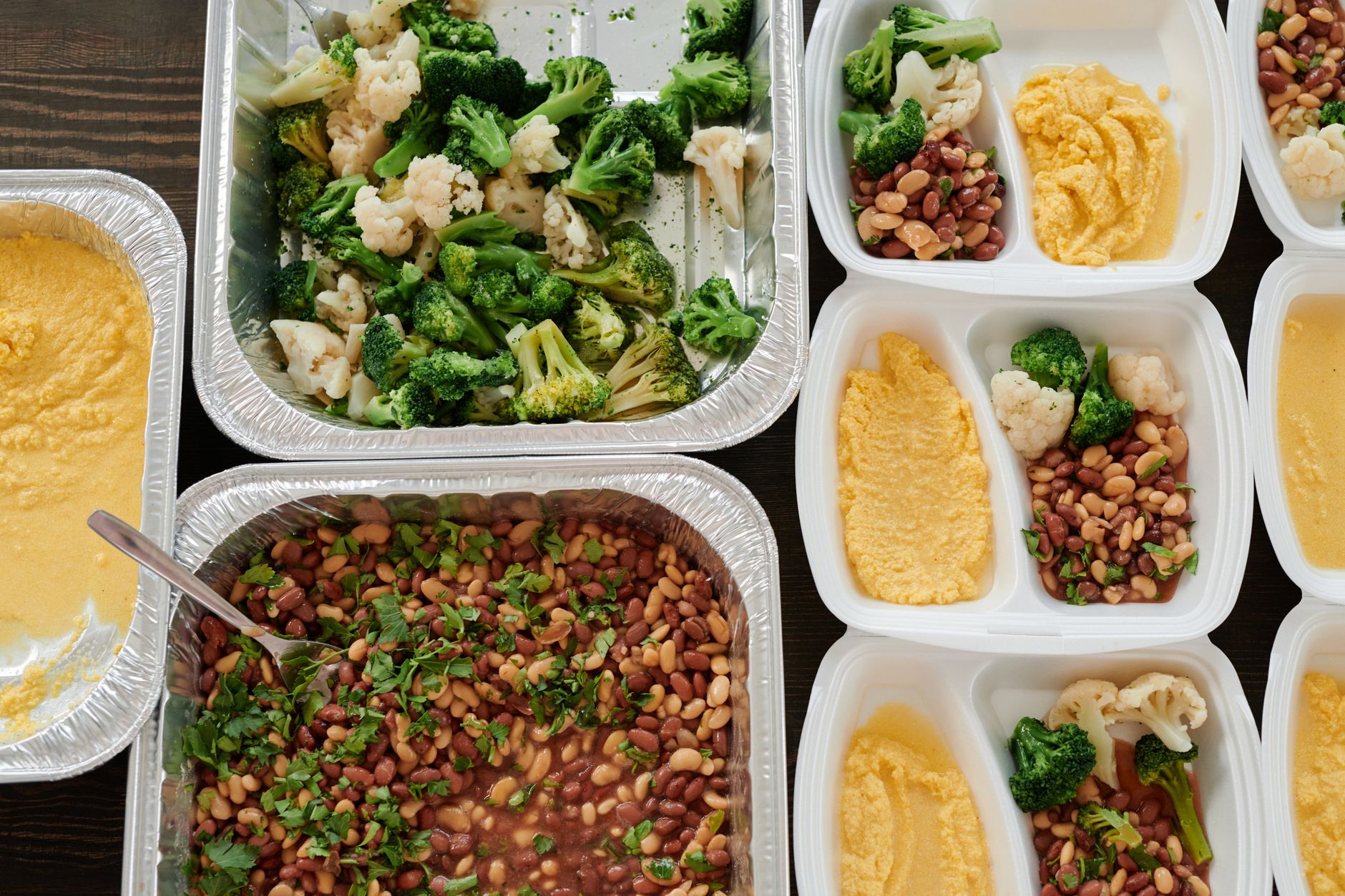
Going vegetarian on a low-FODMAP diet is totally doable—you just need to focus on safe plant-based proteins and avoid high-FODMAP legumes, nuts, and seeds. Here’s how to build a balanced vegetarian plan:
**Protein sources:**
- Tofu (firm or silken)
- Eggs
- Quinoa
- Lentils (in small amounts, if tolerated—max ¼ cup cooked)
- Chickpeas (limited to ¼ cup cooked, drained)
- Edamame (limited to ½ cup, cooked)
**Safe veggies:**
- Zucchini
- Carrots
- Cucumber
- Spinach
- Bell peppers
- Green beans
**Safe grains:**
- White rice
- Quinoa
- Buckwheat
- Certified gluten-free oats
**Sample vegetarian dinner:**
Lemon-Garlic-Free Chickpea-Free Curry (use coconut milk instead of regular milk and skip garlic/onions—replace with asafoetida and ginger):
- 1 cup coconut milk (lactose-free)
- 1 cup cooked quinoa
- ½ cup steamed zucchini
- ½ cup spinach
- 1 tsp asafoetida
- 1 tsp fresh ginger (or ½ tsp ground)
- Salt to taste
- 1 tbsp olive oil
**Pro tip:** For extra flavor without FODMAPs, use low-FODMAP herbs and spices like basil, thyme, oregano, and turmeric. The Monash FODMAP app has a full list of safe options.
For more vegetarian-friendly meal ideas, our AIP sample day includes plant-based options that align with similar principles.
---
Gluten-Free IBS 7-Day Meal Plan: Ditching Wheat Without the Digestive Drama
If you’re already gluten-free or suspect gluten is a trigger, you’re ahead of the game. Gluten-containing grains like wheat, barley, and rye are high in FODMAPs, particularly fructans. The good news? There are plenty of gluten-free, low-FODMAP grains to replace them:
- White rice
- Quinoa
- Buckwheat
- Certified gluten-free oats
- Corn
- Sorghum
**Sample gluten-free breakfast:**
Oatmeal with Almond Butter and Blueberries:
- ½ cup certified gluten-free oats
- 1 cup lactose-free milk or almond milk
- 1 tbsp almond butter (limited to 1 tbsp per day)
- ½ cup blueberries
- 1 tsp chia seeds (limited to ¼ cup per day)
- 1 tsp cinnamon (safe in small amounts)
**Note on oats:** While certified gluten-free oats are safe, regular oats may contain trace amounts of gluten. Always check labels.
For those who also follow the Atkins diet, gluten-free grains like rice and quinoa fit within the plan’s carb limits, making them a great overlap for IBS management.
---
High Protein IBS-Friendly 7-Day Diet: Fueling Your Body Without the Bloat
High-protein diets can be tricky with IBS, but it’s absolutely doable—you just need to focus on lean, low-FODMAP proteins. Aim for 15–25 grams of protein per meal to keep you full and energized without overloading your digestive system.
**Safe high-protein foods:**
- Eggs
- Skinless chicken or turkey
- Fatty fish (salmon, sardines—limited to 100g per serving)
- Tofu or tempeh
- Lentils (in small amounts, if tolerated—max ¼ cup cooked)
- Quinoa
- Pork tenderloin (cooked)
**Sample high-protein lunch:**
Grilled Chicken and Rice Bowl with Carrots:
- 100g grilled chicken breast
- ½ cup cooked white rice
- ½ cup steamed carrots
- 1 tbsp olive oil
- Lemon juice and salt to taste
- 1 tsp dried parsley (safe in small amounts)
**Pro tip:** If you’re struggling to meet protein needs, consider a low-FODMAP protein powder like pea protein or egg white protein. Always check labels for hidden FODMAPs.
If you’re looking for more high-protein meal ideas, our Atkins sample day includes protein-rich meals that align with similar principles, though it’s higher in fat.
---
Quick 7-Day IBS-Friendly Meal Prep: Save Time Without Sacrificing Safety
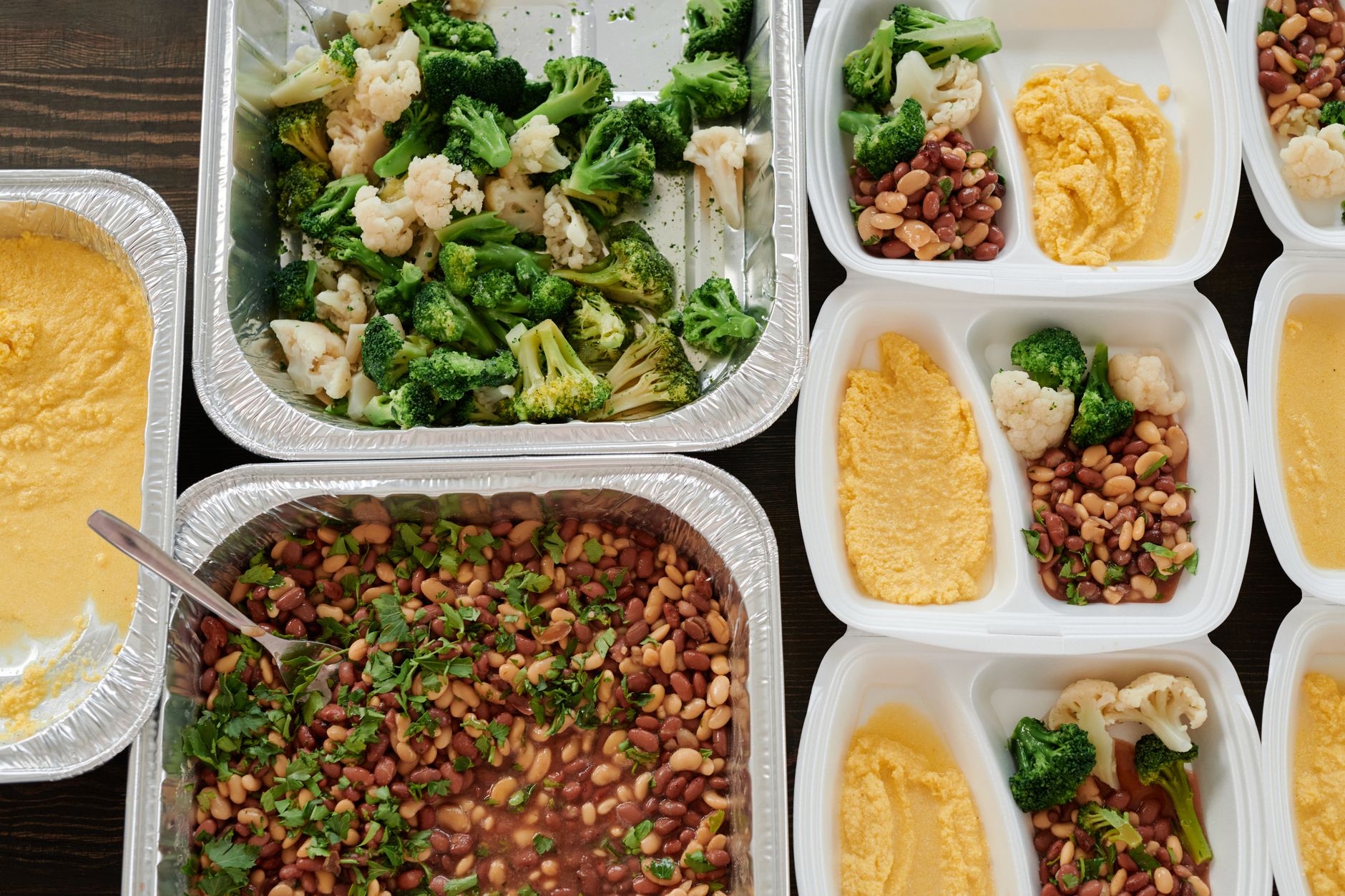
Meal prepping for IBS can feel like a puzzle, but with the right strategies, you can batch-cook safe foods in advance. The key is to focus on low-FODMAP staples that stay fresh and easy to reheat:
- Cook a big batch of white rice or quinoa for the week (store in airtight containers for up to 5 days).
- Roast a tray of safe veggies (carrots, zucchini, bell peppers) with olive oil and salt—freeze half for later.
- Hard-boil eggs for snacks or salads (store in the fridge for up to 1 week).
- Pre-portion lactose-free yogurt or almond milk smoothie ingredients (blueberries, spinach, chia seeds).
- Make a big pot of bone broth (low-FODMAP, rich in collagen) to use in soups or as a drink.
**Sample meal-prep schedule:**
- Sunday: Cook 3 cups white rice and portion into containers. Roast 2 cups zucchini and 2 cups carrots. Store in the fridge.
- Monday: Hard-boil 6 eggs and store in the fridge. Pre-portion smoothie ingredients (blueberries, almond milk, chia seeds) into freezer bags.
- Tuesday: Make a big batch of shredded chicken (cook 500g chicken breast, shred, and freeze half).
- Wednesday: Prepare a big pot of bone broth (store in the fridge or freezer).
- Thursday: Chop all safe veggies for the week and store in airtight containers.
**Pro tip:** Use glass containers for meal prep to avoid BPA (a potential irritant for some with IBS). The EWG’s food grades can help you choose safer packaging.
---
Budget 7-Day IBS-Friendly Diet Plan: Affordable Eating Without the Digestive Cost
Managing IBS on a budget is all about smart shopping and repurposing ingredients. Focus on affordable staples like rice, eggs, potatoes, and safe veggies. Here’s how to stretch your grocery budget:
**Budget-friendly staples:**
- White rice (cheaper than brown)
- Eggs (buy in bulk and freeze)
- Potatoes (baked or mashed)
- Carrots and zucchini (seasonal produce is cheaper)
- Chicken thighs (cheaper than breasts)
- Lentils (in small amounts, if tolerated—max ¼ cup cooked)
- Canned tuna or salmon (in water, no salt added)
- Frozen spinach (cheaper than fresh)
**Sample budget-friendly dinner:**
Potato and Egg Scramble with Spinach:
- 2 medium potatoes, diced and baked
- 2 eggs, scrambled
- ½ cup frozen spinach (thawed and drained)
- 1 tbsp olive oil
- Salt to taste
- 1 tsp dried basil (safe in small amounts)
**Pro tip:** Buy store-brand lactose-free milk or almond milk to save money. Many grocery stores offer affordable dairy alternatives.
For even more budget-friendly meal ideas, our Atkins diet meal plan includes affordable, high-fat, low-carb options that can also fit into an IBS-friendly diet.
---
Best Foods for IBS: The Green Light List
Not all foods are created equal when it comes to IBS. Here’s a breakdown of the safest options to include in your diet:
Safe Fruits (in moderation)
- Blueberries
- Strawberries
- Kiwi (limited to ½ cup)
- Bananas (ripe)
- Cantaloupe (limited to ½ cup)
- Raspberries
Safe Vegetables
- Carrots
- Zucchini
- Cucumber
- Spinach
- Bell peppers
- Green beans
- Celery
Safe Grains
- White rice
- Quinoa
- Certified gluten-free oats
- Corn
- Buckwheat
Safe Proteins
- Eggs
- Skinless chicken or turkey
- Fatty fish (salmon, sardines—limited to 100g per serving)
- Tofu (firm or silken)
- Lentils (in small amounts, if tolerated—max ¼ cup cooked)
- Pork tenderloin
Safe Dairy Alternatives
- Lactose-free milk
- Almond milk
- Lactose-free yogurt
- Coconut yogurt (check for added sugar)
---
What to Avoid on an IBS Diet: The Red Light List
Some foods are universally problematic for IBS, regardless of your personal triggers. Avoid these until you’ve identified your safe foods:
High-FODMAP Foods to Limit
- Garlic and onions (including spring onions)
- Milk (lactose)
- Apples, pears, mangoes
- Mushrooms
- High-sugar fruits (watermelon, cherries, peaches)
- Legumes (beans, lentils—unless tolerated in small amounts)
- Nuts and seeds (almonds, cashews, chia seeds—unless tolerated in small amounts)
- Artificial sweeteners (sorbitol, xylitol, mannitol)
- High-fat foods (fried foods, fatty cuts of meat)
If you’re unsure whether a food is safe, check the Monash University FODMAP app or consult your dietitian. The NHS also provides a helpful guide to IBS-friendly foods.
---
IBS Diet Meal Prep Tips: Pro Strategies for Success
Meal prepping for IBS requires a little extra planning, but these tips can make it easier:
- Portion control: Use small containers to avoid overeating. The FDA’s portion size guidelines can help you gauge appropriate servings.
- Label everything: Write down what’s in each container to avoid cross-contamination. Use a label maker or sticky notes with black marker.
- Keep it simple: Stick to 2–3 proteins and 2–3 veggies per week to reduce decision fatigue. For example, focus on chicken, eggs, and tofu as proteins, and carrots, zucchini, and spinach as veggies.
- Freeze extras: Portion out soups or stews and freeze for quick meals. Thaw overnight in the fridge.
- Avoid cross-contamination: Use separate utensils and cutting boards for safe and unsafe foods. Wash hands thoroughly between tasks.
- Batch-cook broths: Make a big pot of bone broth or vegetable broth (skip onions and garlic) to use in soups, grains, or as a drink.
For more meal-prep inspiration, our AIP meal plan includes detailed prep strategies for elimination diets.
---
IBS-Friendly Recipes for Lunch: Quick and Easy Ideas
Lunch is where many people struggle with IBS, but with a little creativity, you can keep it simple and satisfying. Here are three easy, low-FODMAP lunch ideas:
1. Tuna and White Rice Bowl
- ½ cup cooked white rice
- ½ can tuna in water (drained, no salt added)
- 1 tbsp olive oil
- ½ cup steamed carrots
- Salt and pepper to taste
- 1 tsp dried parsley (safe in small amounts)
2. Grilled Chicken and Quinoa Salad
- 100g grilled chicken breast
- ½ cup cooked quinoa
- ½ cup cucumber, diced
- 1 tbsp olive oil
- Lemon juice to taste
- 1 tsp dried basil (safe in small amounts)
3. Egg and Spinach Scramble with Potatoes
- 2 eggs, scrambled
- ½ cup frozen spinach (thawed and drained)
- 1 tbsp olive oil
- ½ cup diced baked potato
- Salt to taste
**Pro tip:** For extra flavor, use low-FODMAP sauces like olive oil and lemon juice, or a small amount of Monash-approved condiments like mustard or low-FODMAP soy sauce.
---
How to Track IBS Symptoms with Diet: Your Symptom Journal
Tracking your symptoms is key to understanding how your diet affects your IBS. Use a simple journal or app to log:
- What you ate (including brands and ingredients)
- When you ate it (time of day)
- Your symptoms (bloating, pain, diarrhea, constipation, urgency)
- How severe the symptoms were (1–10 scale, with 10 being the worst)
- Any other factors (stress, sleep, medication, exercise)
Over time, you’ll notice patterns—like how certain foods trigger symptoms or when you’re most likely to experience flare-ups. This helps you make informed adjustments to your diet. The NHS recommends tracking for at least 2–4 weeks to identify trends.
**Pro tip:** Use a symptom-tracking app like MySymptoms or an Excel spreadsheet to organize your data. Many apps also allow you to share your logs with your dietitian or doctor.
---
IBS Diet for Pregnant Women: Safe Swaps During Pregnancy
Pregnancy can make IBS symptoms worse due to hormonal changes and increased pressure on the intestines. The good news? A low-FODMAP diet is generally safe during pregnancy, with some adjustments:
- Focus on safe, nutrient-dense foods like eggs, chicken, fish, leafy greens, and white rice to ensure you’re getting enough folate, iron, and fiber.
- Avoid high-FODMAP foods that may trigger symptoms or cause discomfort, such as garlic, onions, and dairy.
- Stay hydrated—dehydration can worsen constipation. Aim for at least 2.5 liters of water daily.
- Consider small, frequent meals (every 3–4 hours) to reduce pressure on your stomach and prevent heartburn.
- Consult your healthcare provider before making major dietary changes during pregnancy. The ACOG recommends working with a dietitian to ensure nutritional needs are met.
**Sample pregnancy-friendly breakfast:**
Scrambled Eggs with Spinach and White Rice Toast:
- 2 eggs, scrambled
- ½ cup spinach
- 1 slice white rice toast (made with white rice flour)
- 1 tbsp olive oil
- Salt to taste
---
How to Make IBS-Friendly Smoothies: Blend Away the Bloat
Smoothies can be a great way to get nutrients without triggering IBS symptoms—if you choose the right ingredients. Here’s a simple, low-FODMAP smoothie recipe:
Blueberry and Almond Milk Smoothie
- ½ cup blueberries
- 1 cup lactose-free almond milk
- ½ banana (ripe)
- 1 tbsp chia seeds (limited to ¼ cup per day)
- Ice (optional)
- 1 tsp cinnamon (safe in small amounts)
Blend until smooth and enjoy! For more smoothie ideas, check out our GAPS diet resources, which include nutrient-packed blends.
**Pro tip:** For a protein boost, add 1 scoop of low-FODMAP protein powder (like pea protein) to your smoothie. Always check the label for hidden FODMAPs.
---
Reintroducing Foods Safely: The Step-by-Step Guide
Once you’ve followed the low-FODMAP diet for 2–6 weeks, it’s time to reintroduce foods to identify your personal triggers. This process is called food challenge testing and should be done systematically. Here’s how to do it:
**Step 1: Choose a food group to test.** Start with a small portion (e.g., ½ cup of cooked lentils or 1 tbsp of garlic).
**Step 2: Wait 24–48 hours.** Monitor your symptoms closely. If no symptoms occur, increase the portion slightly (e.g., 1 cup of lentils).
**Step 3: Record your results.** Note any changes in bloating, pain, diarrhea, or constipation. Use a symptom journal or app.
**Step 4: Repeat for other food groups.** Test one group at a time, spacing them out by at least 3 days. Common groups to test include:
- Fructans (wheat, garlic, onions)
- Lactose (milk, yogurt)
- Fructose (apples, pears, honey)
- Polyols (mushrooms, cashews, watermelon)
The Monash University FODMAP program provides detailed guidelines for food challenge testing. Always work with a dietitian or doctor to ensure you’re doing it safely.
---
Seasonal Adjustments for IBS: Eating Well Year-Round
Seasonal foods can be a great way to keep your meals exciting and nutrient-dense, but they also come with their own set of challenges for IBS. Here’s how to adapt your diet for each season:
Spring
Focus on fresh, leafy greens like spinach and lettuce, but be mindful of high-FODMAP spring foods like asparagus (limited to ½ cup) and rhubarb (limited to ¼ cup). Opt for:
- Carrots
- Cucumber
- Strawberries
- Green beans
Summer
Summer fruits like watermelon and peaches are high-FODMAP, but you can enjoy:
- Blueberries
- Strawberries
- Cantaloupe (limited to ½ cup)
- Bell peppers
**Pro tip:** Stay hydrated with herbal teas like peppermint or ginger, which can help with bloating.
Fall
Fall vegetables like pumpkin and Brussels sprouts are high-FODMAP, but you can enjoy:
- Carrots
- Zucchini
- Sweet potatoes (limited to ½ cup)
- Apples (limited to ½ cup, peeled)
Winter
Winter root vegetables like mushrooms and onions are high-FODMAP, but you can enjoy:
- Carrots
- Potatoes
- Spinach
- Cabbage (limited to ½ cup, cooked)
**Pro tip:** Use seasonal spices like cinnamon, turmeric, and ginger to add flavor without triggering symptoms.
---
Myth vs. Fact: Debunking Common IBS Diet Misconceptions
There’s a lot of misinformation out there about IBS and diet. Let’s set the record straight:
Myth: “You have to give up all carbs on a low-FODMAP diet.”
Fact: You don’t have to avoid carbs entirely. Focus on low-FODMAP carbs like white rice, quinoa, and potatoes. Complex carbs are an important part of a balanced diet. The Harvard Medical School notes that low-FODMAP diets are not meant to be lifelong but should be used as a tool to identify triggers.
Myth: “Once you reintroduce foods, you can eat them in unlimited amounts.”
Fact: Reintroduction is about testing tolerance, not indulgence. Even if a food is safe, portion control is key to managing symptoms. The Mayo Clinic emphasizes that reintroducing foods should be done gradually and carefully.
Myth: “All dairy is bad for IBS.”
Fact: Lactose-free dairy and dairy alternatives like almond milk




