gluten-free diet means eliminating gluten, a protein found in wheat, barley, rye, and their derivatives. For people with celiac disease, gluten triggers an autoimmune response that damages the small intestine, leading to symptoms like bloating, fatigue, and nutrient deficiencies. Non-celiac gluten sensitivity can cause similar symptoms without the intestinal damage, while some people choose to go gluten-free for perceived health benefits, though research on this is mixed.
If you’re considering a gluten-free diet, it’s important to understand that it’s not just about avoiding bread and pasta. Gluten hides in sauces, soups, processed meats, and even some medications. For those with celiac disease or gluten sensitivity, strict adherence is critical to avoid long-term health risks like osteoporosis or infertility. If you’re exploring gluten-free eating for other reasons—like weight loss or improved digestion—you’ll want to focus on nutrient-dense, whole foods rather than processed gluten-free substitutes.
Before you start, consider whether a gluten-free diet aligns with your goals. For example, if you’re focusing on protein and fat (like on a carnivore diet), gluten-free options like meat, fish, and dairy can fit seamlessly. But if you’re looking for plant-based meals, gluten-free grains like quinoa and buckwheat can be great alternatives.
If you’re unsure whether you have celiac disease or gluten sensitivity, consult your healthcare provider. They may recommend a blood test or an endoscopy. If you’re already diagnosed, this meal plan is your roadmap to safe, satisfying eating.
---
Gluten Free Diet Meal Plan 7 Day Breakfast Ideas: Start Your Day Right
Breakfast is often the easiest meal to make gluten-free, but it can also be the trickiest if you’re used to toast or cereal. The good news? There are plenty of delicious, gluten-free options that will keep you full and energized. Here are some ideas to get you started:
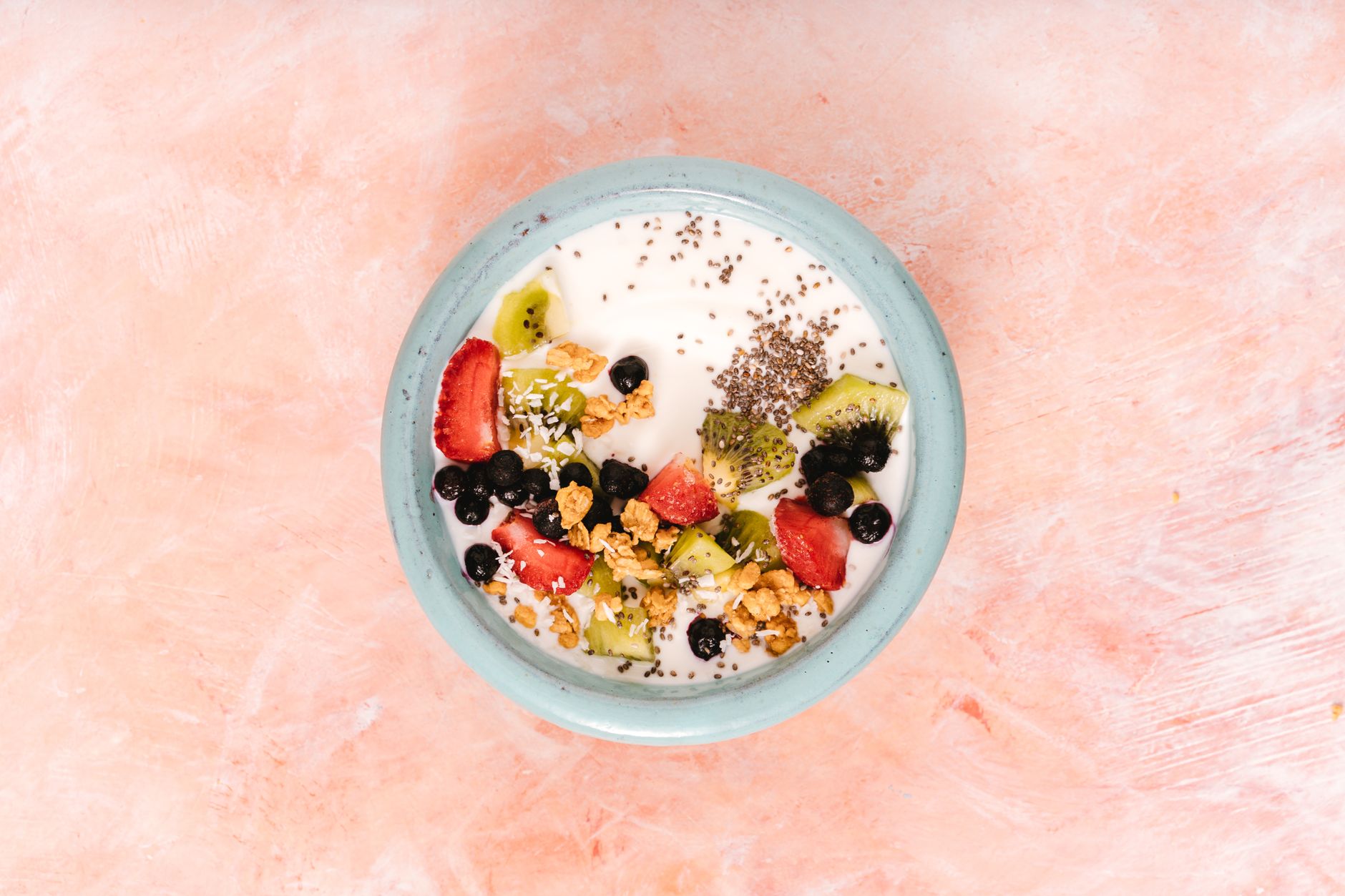
- Greek Yogurt Parfait: Layer gluten-free granola, fresh berries, and a drizzle of honey or maple syrup. Top with chia seeds for extra fiber.
- Scrambled Eggs with Spinach and Feta: Whisk eggs with a handful of spinach, crumbled feta, and a splash of olive oil. Cook on medium heat until fluffy.
- Smoothie Bowl: Blend frozen bananas, spinach, almond milk, and a scoop of gluten-free protein powder. Top with sliced almonds, coconut flakes, and seeds.
- Chia Pudding: Mix chia seeds with coconut milk and a touch of vanilla. Let it sit overnight in the fridge, then top with sliced fruit.
- Avocado Toast (Gluten-Free Bread): Mash avocado on slices of certified gluten-free bread, sprinkle with salt, pepper, and everything bagel seasoning.
For a quick and easy option, try a carnivore-style breakfast like scrambled eggs with bacon or a cheese omelet. Just skip the wheat-based flour in any recipes.
---
Gluten Free Diet Meal Plan 7 Day Lunch Recipes: Midday Meals Made Easy
Lunch is where gluten can sneak in—think breaded chicken nuggets, pasta with hidden wheat flour, or even some store-bought salads with gluten-containing dressings. The key to a successful gluten-free lunch is planning ahead and choosing whole, unprocessed foods. Here are some lunch ideas that are both delicious and easy to prepare:
- Grilled Chicken Salad: Toss mixed greens with grilled chicken, cherry tomatoes, cucumber, avocado, and a lemon-olive oil dressing. Add gluten-free croutons if desired.
- Quinoa Stuffed Peppers: Cook quinoa and mix with black beans, corn, diced tomatoes, and spices. Stuff into bell peppers and bake at 375°F (190°C) for 25 minutes.
- Turkey and Avocado Wrap (Gluten-Free Tortilla): Spread mashed avocado on a gluten-free tortilla, add sliced turkey, spinach, and shredded carrots. Roll up and slice into pinwheels.
- Zucchini Noodles with Pesto: Spiralize zucchini and sauté with gluten-free pesto, cherry tomatoes, and pine nuts. Top with grilled chicken or shrimp.
- Lentil Soup: Sauté onions, garlic, and carrots, then add lentils, vegetable broth, and diced tomatoes. Simmer for 25–30 minutes until lentils are tender. Season with salt, pepper, and herbs.
If you’re looking for a heartier option, try a DASH diet-inspired lunch like a big salad with grilled fish, quinoa, and roasted vegetables. The DASH diet emphasizes whole foods and is naturally gluten-free-friendly.
---
Gluten Free Diet Meal Plan 7 Day Dinner Ideas: Hearty and Satisfying
Dinner is where gluten-free cooking gets creative. You can still enjoy rich, flavorful meals without wheat, barley, or rye. Here are some dinner ideas that will keep you full and happy:
- Baked Salmon with Roasted Vegetables: Season salmon fillets with lemon, garlic, and dill. Roast with asparagus, Brussels sprouts, and sweet potatoes at 400°F (200°C) for 15–20 minutes.
- Beef and Vegetable Stir-Fry: Sauté beef strips with bell peppers, broccoli, and snap peas in tamari (gluten-free soy sauce). Serve over cauliflower rice.
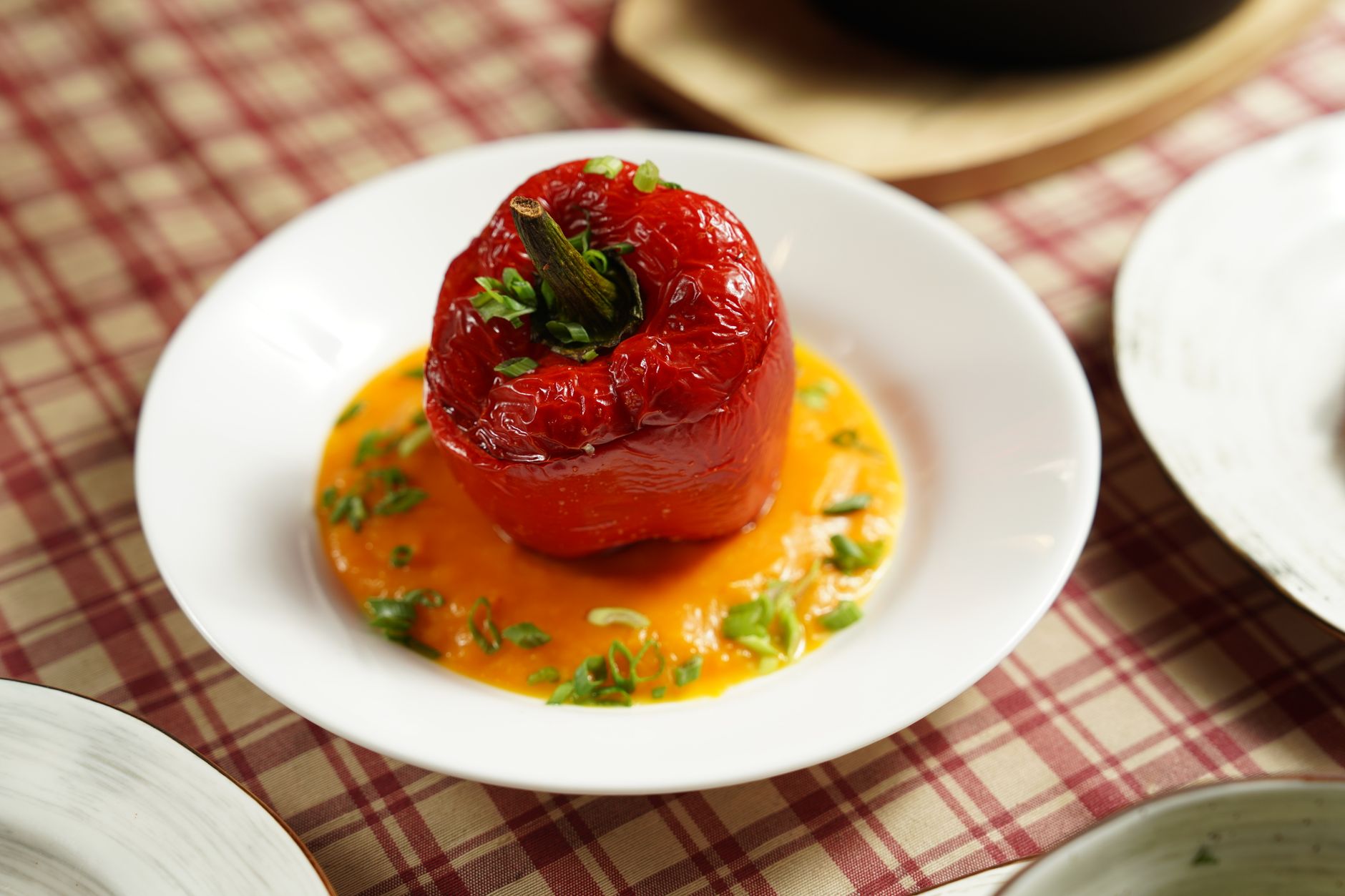
- Stuffed Bell Peppers: Mix ground turkey, quinoa, diced tomatoes, and spices. Stuff into bell peppers and bake at 375°F (190°C) for 25 minutes.
- Grilled Chicken with Sweet Potato Mash: Season chicken breasts with paprika, garlic, and olive oil. Grill and serve with mashed sweet potatoes and steamed green beans.
- Seafood Paella: Cook rice in chicken broth with saffron, then add shrimp, mussels, bell peppers, and peas. Cook until rice is tender and seafood is done.
For a quick weeknight dinner, try a Lion Diet-inspired meal like grilled steak with roasted vegetables. The Lion Diet focuses on nutrient-dense, whole foods—many of which are naturally gluten-free.
---
Gluten Free Diet Meal Plan 7 Day Grocery List: What to Buy (and What to Avoid)
Shopping for gluten-free groceries can feel like a treasure hunt, but with a little preparation, you’ll be stocked up in no time. Here’s a comprehensive gluten-free grocery list to get you started:
Proteins
- Chicken breasts and thighs
- Ground turkey or beef
- Salmon, cod, or shrimp
- Eggs
- Canned tuna or chicken
- Lentils, chickpeas, and black beans
Grains and Starches
- Quinoa
- Brown rice
- Buckwheat
- Certified gluten-free oats
- Gluten-free pasta
- Corn tortillas or gluten-free tortillas
Vegetables
- Leafy greens (spinach, kale, arugula)
- Bell peppers
- Broccoli
- Carrots
- Zucchini
- Sweet potatoes
- Brussels sprouts
Fruits
- Bananas
- Apples
- Berries (strawberries, blueberries, raspberries)
- Oranges
- Avocados
Dairy and Alternatives
- Plain Greek yogurt
- Cheese (cheddar, feta, mozzarella)
- Almond milk or coconut milk
Pantry Staples
- Olive oil
- Coconut oil
- Tamari (gluten-free soy sauce)
- Gluten-free pesto
- Nuts and seeds (almonds, chia, flax, walnuts)
- Dark chocolate (85% or higher)
- Gluten-free flour blend (for baking)
When shopping, always check labels for the "may contain gluten" warning, especially on sauces, broths, and processed foods. Brands like Barilla, Annie’s, and Bob’s Red Mill offer reliable gluten-free options.
---
Gluten Free Diet Meal Plan 7 Day Nutrition Facts: Balancing Your Macros
A gluten-free diet doesn’t have to be low in nutrients—it can actually be a great opportunity to focus on whole, unprocessed foods. However, it’s important to be mindful of potential nutrient gaps, such as fiber, B vitamins, iron, and calcium. Here’s how to ensure your meals are balanced:
Protein
Gluten-free diets can sometimes lack protein, especially if you’re avoiding meat. To balance your macros, include:
- Lean meats (chicken, turkey, fish)
- Eggs
- Legumes (lentils, chickpeas, black beans)
- Dairy (Greek yogurt, cheese)
- Tofu or tempeh (if you’re vegetarian)
Fiber
Gluten-free grains like quinoa and brown rice are excellent sources of fiber. Pair them with vegetables, fruits, and nuts to meet your daily needs.
Healthy Fats
Include sources of healthy fats like avocados, nuts, seeds, and olive oil to keep your meals satisfying and nutrient-rich.
Vitamins and Minerals
Some gluten-free diets may lack B vitamins, iron, and calcium. To avoid deficiencies, consider:
- Fortified gluten-free bread or cereal
- Leafy greens (spinach, kale) for iron and calcium
- Nuts and seeds for magnesium and zinc
- A multivitamin if needed
For a quick reference, here’s a sample macro breakdown for a day of gluten-free eating:
This breakdown is just an example—adjust portion sizes based on your caloric needs. If you’re trying to lose weight or focus on protein, you may want to increase your protein intake further.
---
Gluten Free Diet Meal Plan 7 Day for Pregnancy: Safe and Nutritious
If you’re pregnant and following a gluten-free diet, it’s important to ensure you’re getting all the nutrients you and your baby need. Gluten-free diets can sometimes lack folate, iron, and B vitamins, which are critical during pregnancy. Here’s how to make sure you’re eating safely and nutritiously:
- Folate-Rich Foods: Spinach, lentils, black-eyed peas, and fortified gluten-free cereals are excellent sources of folate.
- Iron-Rich Foods: Lean meats, poultry, fish, and fortified gluten-free grains can help prevent anemia.
- Calcium-Rich Foods: Dairy products, fortified almond milk, and leafy greens support bone health for both you and your baby.
- Avoid Raw or Undercooked Foods: This includes raw fish, meat, and eggs to reduce the risk of foodborne illnesses.
- Consult Your Provider: If you’re newly diagnosed with celiac disease during pregnancy, your healthcare provider may recommend a gluten-free diet immediately to reduce complications.
Here’s a sample gluten-free pregnancy-friendly meal plan:
- Breakfast: Scrambled eggs with spinach and feta, served with gluten-free toast.
- Snack: Greek yogurt with berries and almonds.
- Lunch: Grilled chicken salad with mixed greens, avocado, and olive oil dressing.
- Snack: Hummus with gluten-free crackers and sliced veggies.
- Dinner: Baked salmon with quinoa and steamed broccoli.
- Dessert: Dark chocolate (85% or higher).
If you’re concerned about nutrient deficiencies, consider taking a prenatal vitamin that includes gluten-free supplements. Always check with your healthcare provider before making significant dietary changes during pregnancy.
---
Gluten Free Diet Meal Plan 7 Day for Beginners: Tips to Stay on Track
Starting a gluten-free diet can feel overwhelming, but with a few tips, you’ll be able to stay on track and avoid common mistakes. Here’s what you need to know:
1. Read Labels Carefully
Gluten can hide in unexpected places, like sauces, broths, and even some medications. Always check labels for ingredients like wheat, barley, rye, and malt. Look for the "certified gluten-free" label to ensure safety.
2. Avoid Cross-Contamination
If you cook at home, use separate utensils, cutting boards, and toasters for gluten-free meals. Even a small crumb of gluten can cause issues for those with celiac disease.
3. Focus on Whole Foods
Instead of relying on processed gluten-free substitutes, opt for whole foods like fruits, vegetables, lean meats, and gluten-free grains. This will make your meals more nutritious and satisfying.
4. Meal Prep
Preparing meals in advance can help you stay on track, especially on busy days. Cook large batches of grains, proteins, and roasted vegetables to assemble into quick meals.
5. Learn to Cook Gluten-Free
Many traditional recipes can be adapted to be gluten-free. Experiment with gluten-free flours, tamari instead of soy sauce, and naturally gluten-free grains like quinoa and rice.
Follow gluten-free blogs, join online communities, and attend local support groups. Sharing experiences with others can make the transition easier and more enjoyable.
---
Gluten Free 7 Day Meal Plan PDF: Downloadable Resources
While we can’t provide a direct download link here, you can easily create your own gluten-free meal plan PDF using the recipes and grocery list in this guide. Here’s how:
- Copy the recipes and grocery list into a document.
- Add a weekly schedule with meal ideas for each day.
- Print or save as a PDF for easy reference.
- Use apps like Mealime or Paprika to organize your meals digitally.
For more inspiration, check out other dietary meal plans that focus on whole foods—many of which overlap with gluten-free eating.
---
If you’re an athlete following a gluten-free diet, your meals should focus on high-quality protein, complex carbs, and healthy fats to support recovery and performance. Here’s how to adapt this meal plan for active individuals:
- Protein-Packed Meals: Include lean meats, fish, eggs, and legumes in every meal to support muscle repair.
- Carb Loading: Prioritize gluten-free carbs like quinoa, sweet potatoes, and brown rice to fuel workouts.
- Hydration: Drink plenty of water and consider electrolyte drinks to prevent dehydration.
- Post-Workout Snacks: Opt for quick-digesting carbs like bananas or rice cakes paired with protein (e.g., Greek yogurt or a protein shake).
- Recovery Meals: After intense training, focus on meals rich in protein and anti-inflammatory foods like salmon, berries, and leafy greens.
Sample athlete-friendly gluten-free meals:
- Breakfast: Protein smoothie with almond milk, banana, spinach, and gluten-free protein powder.
- Lunch: Grilled chicken with quinoa and roasted vegetables.
- Dinner: Salmon with sweet potato mash and steamed asparagus.
- Snacks: Hard-boiled eggs, nuts, or gluten-free protein bars.
---
Gluten Free 7 Day Meal Plan for Kids: Easy and Kid-Friendly
Introducing a gluten-free diet to kids can be challenging, but with creative and familiar foods, it’s totally doable. Here are some kid-friendly gluten-free meal ideas:
- Breakfast: Pancakes made with gluten-free flour, topped with maple syrup and berries.
- Lunch: Turkey and cheese roll-ups with gluten-free tortillas and veggie sticks.
- Dinner: Chicken nuggets made with gluten-free breadcrumbs, served with mashed potatoes and steamed carrots.
- Snacks: Popcorn, fruit slices, or gluten-free muffins.
Involve your kids in meal prep to make gluten-free eating more fun. Let them help wash vegetables, stir ingredients, or assemble their own snacks. For more ideas, check out simple, kid-friendly meal plans that can be adapted to gluten-free.
---
Gluten Free 7 Day Meal Plan for Weight Loss: Balanced and Calorie-Conscious
If your goal is weight loss, a gluten-free diet can be a great tool—if you focus on whole, nutrient-dense foods and manage portion sizes. Here’s how to structure your meals for fat loss:
- Prioritize Protein: High-protein meals help keep you full and reduce cravings. Include lean meats, fish, eggs, and legumes.
- Load Up on Veggies: Non-starchy vegetables like spinach, zucchini, and broccoli are low in calories and high in fiber.
- Choose Healthy Fats: Avocados, nuts, seeds, and olive oil add flavor and keep you satisfied.
- Watch Portions: Even healthy gluten-free foods can contribute to weight gain if eaten in excess. Use measuring cups or a food scale if needed.
- Avoid Liquid Calories: Stick to water, herbal tea, or black coffee instead of sugary drinks.
Sample weight-loss-friendly gluten-free meals:
- Breakfast: Scrambled eggs with spinach and avocado.
- Lunch: Grilled chicken salad with mixed greens, olive oil, and lemon dressing.
- Dinner: Baked cod with roasted Brussels sprouts and quinoa.
- Snacks: Hard-boiled eggs, Greek yogurt with berries, or a small handful of almonds.
---
Myth vs. Fact: Gluten-Free Diet Debunked
There are plenty of myths about gluten-free diets. Let’s separate fact from fiction:
Myth: Gluten-free diets are automatically healthier.
Fact: A gluten-free diet can be healthy if it’s based on whole foods, but it’s not inherently healthier. Many processed gluten-free products are high in sugar, salt, and unhealthy fats. Focus on nutrient-dense foods to make the most of your diet.
Myth: You can’t eat out on a gluten-free diet.
Fact: While it can be challenging, many restaurants offer gluten-free options. Always ask about preparation methods to avoid cross-contamination. Apps like Find Me Gluten Free can help you locate safe dining spots.
Myth: Gluten-free diets are only for people with celiac disease.
Fact: While celiac disease is the most common reason for a gluten-free diet, some people experience non-celiac gluten sensitivity or choose to go gluten-free for perceived health benefits. However, the evidence for general health benefits is limited, so it’s best to consult a healthcare provider before making the switch.
---
Key Takeaways: Your Gluten-Free Meal Plan Checklist
Here’s a quick recap of what you need to know to start your gluten-free journey:
- Plan ahead: Meal prep and grocery shopping in advance will save you time and stress.
- Focus on whole foods: Prioritize fruits, vegetables, lean proteins, and gluten-free grains.
- Read labels carefully: Always check for hidden gluten in sauces, broths, and processed foods.
- Avoid cross-contamination: Use separate utensils and cookware for gluten-free meals.
- Stay hydrated: Water and electrolytes are essential, especially if you’re active.
- Consult a professional: If you have celiac disease or gluten sensitivity, work with a dietitian to ensure you’re meeting your nutritional needs.
---
Frequently Asked Questions About Gluten-Free Meal Plans
What is a gluten free diet?
A gluten-free diet means avoiding gluten, a protein found in wheat, barley, rye, and their derivatives. It’s essential for people with celiac disease or gluten sensitivity, but some choose it for perceived health benefits. The diet focuses on whole foods like fruits, vegetables, lean meats, and gluten-free grains.
Can you eat gluten free for 7 days?
Absolutely! Many people try a gluten-free diet for a week to see how they feel or to test for gluten sensitivity. However, if you have celiac disease, even a short period of gluten exposure can cause damage. Always follow your healthcare provider’s advice if you have a diagnosed condition.
What are the benefits of a gluten free diet?
The primary benefit is symptom relief for those with celiac disease or gluten sensitivity. Other potential benefits include improved digestion, reduced inflammation, and better nutrient absorption. However, the benefits for people without these conditions are less clear, and some studies suggest gluten-free diets may not offer significant advantages for the general population.
How to create a gluten free meal plan?
Start by identifying your goals—whether it’s managing celiac disease, improving digestion, or simply exploring a new diet. Focus on whole foods, read labels carefully, and plan meals in advance. Use this guide as a starting point, and don’t hesitate to experiment with new recipes!
What foods are allowed on a gluten free diet?
Naturally gluten-free foods include fruits, vegetables, lean meats, fish, eggs, dairy, legumes, nuts, seeds, and gluten-free grains like quinoa, rice, and buckwheat. Always check labels for hidden gluten in processed foods.
Is a gluten free diet safe for pregnancy?
Yes, a gluten-free diet can be safe and nutritious during pregnancy, especially if you have celiac disease or gluten sensitivity. Focus on folate-rich foods, iron sources, and calcium-rich options to support both you and your baby. Consult your healthcare provider to ensure you’re meeting all your nutritional needs.
---
When to See a Doctor or Specialist
If you suspect you have celiac disease or gluten sensitivity, it’s important to consult a healthcare provider. They may recommend a blood test or an endoscopy to confirm the diagnosis. If you’ve been diagnosed with celiac disease, work with a dietitian to create a personalized gluten-free meal plan that meets your nutritional needs.
If you experience persistent symptoms like bloating, fatigue, or digestive issues despite following a gluten-free diet, seek medical advice to rule out other conditions.
---
References
- American Celiac Disease Alliance. (2023). Gluten-Free Diet Guide. celiadisease.org
- Mayo Clinic. (2023). Celiac Disease. mayoclinic.org
- National Institutes of Health. (2023). Gluten-Free Diet: What You Need to Know. nih.gov
- Academy of Nutrition and Dietetics. (2023). Gluten-Free Diet Tips. eatright.org
- Harvard T.H. Chan School of Public Health. (2023). Nutrition Source: Gluten-Free Diet. hsph.harvard.edu




