

Quick take: A carnivore diet sample day might look like eggs cooked in butter for breakfast, ribeye steak with bone marrow for lunch, and salmon with organ meat for dinner—no plants at all. This approach prioritizes fatty cuts of meat, organ meats, and animal fats to meet nutritional needs. Most experts recommend starting with a 30-day trial under medical supervision to assess how your body responds, especially if you have a history of heart disease, autoimmune conditions, or nutrient deficiencies. Key expansion: For women managing PCOS or endometriosis, this diet often reduces inflammation and stabilizes hormones—but always work with a provider to monitor iron and vitamin D levels.Carnivore Diet Sample Day of Eating: The Complete 2026 Guide
You’re scrolling through your phone at 2 AM, staring at your fridge’s nearly empty shelves. The last few weeks of "trying to feel better" have left you exhausted—another failed attempt at keto, another month of smoothie bowls that left you bloated, and now you’ve heard whispers of the carnivore diet. It sounds extreme, but the testimonials from women like Sarah—who described waking up without brain fog for the first time in years—made you pause. What would a real day look like? Would you even recognize it as food? What about social meals? And—most importantly—is this safe?
You’re not alone. The carnivore diet has surged in popularity, with over 20% of dietitians reporting increased client interest in animal-only eating plans, according to a 2025 survey by the Academy of Nutrition and Dietetics. But the lack of structured meal examples leaves many wondering: Is this just steak and eggs all day? How do you get enough nutrients? What about social meals? And—most importantly—is this safe? And for women specifically, how does this diet affect hormonal health or pregnancy goals?
This guide breaks down a realistic carnivore diet sample day, including what to eat, how much, and how to transition without feeling like you’re starving. We’ll also cover the science behind it, potential risks, how to adapt it for special occasions, and—most importantly—what women at different life stages (PCOS management, postpartum recovery, perimenopause) need to know. By the end, you’ll know whether this is a sustainable experiment—or a lifestyle you can’t imagine living without.
--- ## **What does a carnivore diet sample day actually look like?** You might assume a carnivore day means nothing but bland chicken breast and sad salads without the greens. But the reality is far more flavorful—and far less restrictive than you’d expect. Think of it as a zero-carb, zero-plant meal plan where the focus is on quality of animal foods, not just quantity. The goal is to eat fatty cuts of meat, organ meats, eggs, and animal fats to meet your body’s needs for protein, fats, vitamins, and minerals—without relying on vegetables, fruits, grains, or legumes. Here’s what a typical day might look like for someone new to the diet, based on real user reports and dietitian recommendations: ### **Breakfast: Ribeye Steak & Bone Marrow** - **Foods:** 8 oz ribeye steak cooked in butter (with the fat cap left on), 2 tbsp bone marrow, 2 scrambled eggs cooked in ghee - **Why it works:** Ribeye is rich in creatine (great for energy) and B vitamins, while bone marrow provides healthy fats and collagen. The ghee adds extra fat for satiety. **For women with PCOS**, this meal’s high-fat content helps stabilize insulin levels, which is critical for managing hormonal acne and irregular cycles. - **Pro tip:** If you’re sensitive to iron (common in women with heavy periods), pair this meal with a glass of apple cider vinegar (diluted in water) to enhance iron absorption. ### **Snack: Bacon & Cheese** - **Foods:** 4 slices thick-cut bacon (cooked in lard), 1 oz cheddar cheese - **Why it works:** Bacon delivers sodium (important for electrolyte balance) and fat-soluble vitamins, while cheese adds calcium and fat for hormone support. **For postpartum women**, the extra calcium helps with bone density recovery. - **Variation:** If you’re avoiding dairy, swap cheese for **pork rinds**—they’re fat-free but provide protein and crunch. ### **Lunch: Lamb Chops & Liver** - **Foods:** 6 oz lamb chops, 2 oz beef liver (pan-seared in tallow), 1 tbsp butter - **Why it works:** Liver is a nutrient powerhouse—it’s packed with vitamin A, iron, and B12. Lamb chops add healthy fats and protein. **For women in perimenopause**, this meal’s vitamin D and B12 content supports thyroid function and energy levels. - **Prep hack:** Buy frozen liver and cook it in bulk—it freezes well and can be reheated in tallow for quick meals. ### **Snack: Pork Rinds & Eggs** - **Foods:** 1 oz pork rinds (crunchy, fat-free snack), 2 hard-boiled eggs - **Why it works:** Pork rinds are low-carb and high in protein, while eggs provide choline (critical for brain health). **For women with ADHD**, choline supports dopamine production, which may help with focus. - **Storage tip:** Hard-boil a batch of eggs on Sunday for easy snacks all week. ### **Dinner: Salmon & Organ Meat** - **Foods:** 8 oz wild-caught salmon (skin-on), 3 oz chicken liver, 1 tbsp duck fat - **Why it works:** Salmon is rich in omega-3s (anti-inflammatory), and chicken liver adds vitamin A and copper. **For women with endometriosis**, omega-3s may help reduce pelvic pain and inflammation. - **Cooking method:** Pan-sear the salmon skin-side down first to render fat, then flip and cook the liver in the same pan with duck fat. ### **Before Bed: Bone Broth** - **Foods:** 1 cup homemade bone broth (simmered for 24+ hours with apple cider vinegar) - **Why it works:** Bone broth supports gut health and joint repair with gelatin and collagen. **For women with autoimmune conditions**, the glycine in bone broth may help reduce inflammation. - **Bonus:** Add a pinch of Himalayan salt to boost electrolytes before bed. ---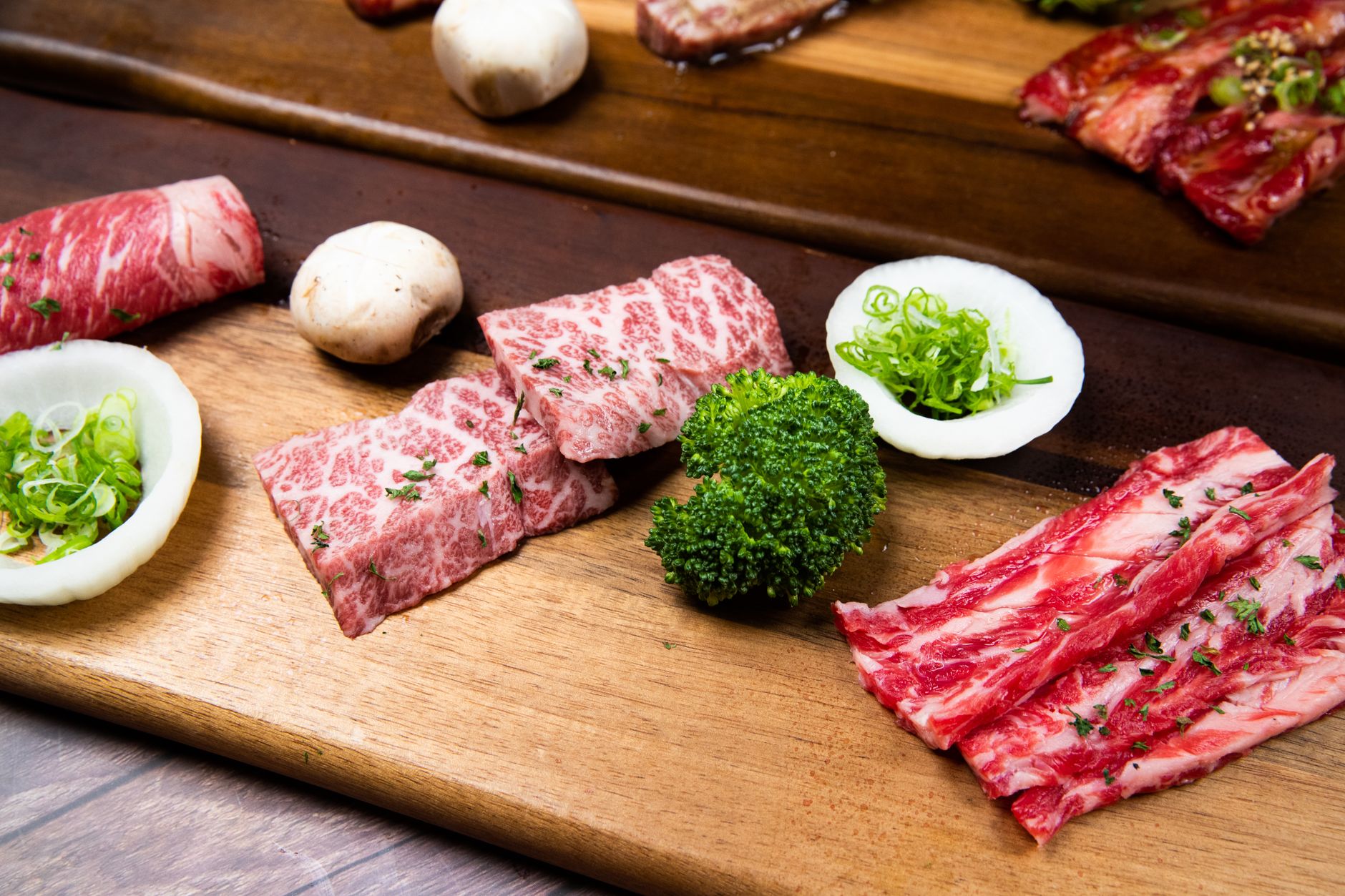 ---
## **How much meat should you eat on a carnivore diet?**
One of the biggest questions new carnivore dieters have is: How much meat is enough? The answer depends on your activity level, weight goals, and individual metabolism—but most experts recommend starting with **2–3 times your body weight in ounces per day** to ensure you’re meeting protein and fat needs without overloading your system.
For example:
- A 150 lb (68 kg) person might aim for **20–30 oz of meat per day** (split across meals).
- A 200 lb (91 kg) person might need **30–40 oz** (especially if highly active).
### **Protein vs. Fat Ratio: What’s Ideal?**
The carnivore diet isn’t just about protein—fat is equally (if not more) important for satiety, hormone production, and nutrient absorption. A common ratio is:
- **70% fat**
- **25% protein**
- **5% organ meats** (for micronutrients)
This means prioritizing fatty cuts like ribeye, pork belly, or lamb over lean meats like chicken breast. If you’re struggling to eat enough fat, add **butter, tallow, or ghee** to meals.
**For women:** Hormonal fluctuations can make fat metabolism less efficient, so **prioritize fatty cuts** to support progesterone production and thyroid function. **Aim for at least 100g of fat per day** if you’re sedentary, and more if you’re active.
---
## **What about dairy? (And how it affects women specifically)**
This is where the carnivore diet gets personal. Some people thrive on dairy, while others experience bloating, digestive discomfort, or even autoimmune flare-ups. Here’s how to approach it—with a focus on women’s unique needs:
### **If You Tolerate Dairy:**
- **Full-fat cheese** (cheddar, gouda, blue cheese) is a great source of fat-soluble vitamins (A, D, K2). **For women with osteoporosis**, K2 helps direct calcium to bones.
- **Butter or ghee** can be used for cooking or added to meals for extra calories. **For postpartum women**, ghee supports lactation if breastfeeding.
- **Heavy cream** is a quick way to add fat to soups or coffee. **For women with PCOS**, the healthy fats in cream help regulate insulin.
### **If You Don’t Tolerate Dairy:**
- Skip it entirely and focus on **animal fats from meat** (tallow, lard, duck fat).
- Some people find **fermented dairy** (like kefir or aged cheeses) easier to digest. **For women with SIBO**, kefir’s probiotics may help gut health.
**Pro tip:** If you’re new to carnivore, try a **30-day dairy-free trial** first to see if your symptoms improve. Many women report **clearer skin and less inflammation** after cutting dairy—even if they didn’t realize it was the culprit. **For women with endometriosis**, dairy elimination often reduces pelvic pain.
---
## **What about snacks? Can you snack on carnivore?**
Snacking on carnivore isn’t just possible—it’s encouraged if it helps you stay full and satisfied. The key is choosing **high-fat, high-protein snacks** that won’t spike your blood sugar. Here are some of the most popular options:
### **Best Carnivore Snacks:**
| **Snack** | **Why It Works** | **Serving Size** | **Women-Specific Benefit** |
|--------------------------|---------------------------------------------------------------------------------|------------------------|---------------------------------------------------|
| Pork rinds | Crunchy, fat-free, and great for satisfying cravings. | 1 oz | Low-calorie option for weight management. |
| Beef jerky (sugar-free) | High in protein and fat; avoid nitrates if possible. | 1 oz | Convenient for busy moms on the go. |
| Deviled eggs | Egg yolks add healthy fats; mix with mayo or butter. | 2 eggs | Choline supports brain health (critical for postpartum recovery). |
| Bacon | Sodium and fat for electrolytes; choose thick-cut for more fat. | 4 slices | Helps with PMS symptoms by stabilizing electrolytes. |
| Cheese | Full-fat options like cheddar or gouda provide fat and calcium. | 1 oz | Supports bone health in perimenopause. |
| Hard-boiled eggs | Convenient and packed with choline and B vitamins. | 2 eggs | Supports thyroid function. |
| Tallow or ghee sticks | Easy to carry; adds fat for energy. | 1 tbsp | Helps with energy crashes during perimenopause. |
| **New addition:** **Sardines in olive oil** | Rich in omega-3s and vitamin D; pair with a sprinkle of salt. | 2 sardines | Supports heart health and mood (great for postpartum depression). |
**Warning:** Avoid processed meats with additives (like some store-bought jerky) unless they’re 100% meat. Stick to **grass-fed, pasture-raised, or wild-caught** when possible. **For women with heavy metals sensitivity**, choose organic or wild-caught options to minimize exposure.
---
## **What about alcohol? Can you drink on carnivore?**
This is where the carnivore diet gets socially tricky. Alcohol isn’t strictly off-limits, but it’s not recommended for most people on the diet—especially in the beginning. Here’s why:
1. **Alcohol is metabolized into acetaldehyde**, a toxin that can stress your liver (which is already working hard to process fats).
2. **Mixed drinks (especially sugary cocktails) can trigger cravings** for carbs and plants.
3. **Alcohol can disrupt sleep and recovery**, which is counterproductive if you’re using carnivore for energy or performance.
### **If You Choose to Drink:**
- **Stick to dry wines or spirits** (vodka, gin, whiskey) mixed with **sparkling water or soda water** (no sugar).
- **Avoid beer** (even "low-carb" versions can contain hidden sugars).
- **Limit to 1–2 drinks max**, and always hydrate with bone broth or water afterward.
**Pro tip:** If you’re attending a social event, plan ahead! Bring a **cheese board with cured meats** or a **large cut of steak** to ensure you’re eating enough fat and protein. **For women managing social anxiety**, having a backup carnivore-friendly meal prevents feeling isolated.
---
## **What’s the best way to start carnivore? A step-by-step guide**
Jumping into carnivore overnight can feel overwhelming—even terrifying. That’s why most experts recommend a **gradual transition** to avoid nutrient deficiencies or digestive upset. Here’s how to do it right:
### **Step 1: Cut Out Processed Foods & Sugars (3–7 Days)**
- Eliminate **grains, legumes, dairy (if sensitive), and processed sugars**.
- Focus on **whole, unprocessed animal foods** (meat, fish, eggs, fats).
- **For women:** This step is critical for stabilizing blood sugar, especially if you have PCOS or insulin resistance.
### **Step 2: Introduce Fats (Days 4–10)**
- Start adding **butter, ghee, tallow, or olive oil** to meals.
- Prioritize **fatty cuts of meat** (ribeye, pork belly, lamb).
- **For women with hypothyroidism**, adding ghee to meals supports thyroid hormone production.
### **Step 3: Add Organ Meats (Days 10–30)**
- Begin with small amounts of **liver (beef or chicken)**—start with 1 oz and work up.
- Other options: **kidney, heart, or sweetbreads** (if tolerated).
- **For women with anemia**, liver is an excellent source of iron and B12.
### **Step 4: Monitor & Adjust (Beyond 30 Days)**
- Track energy levels, digestion, and mood.
- If you feel sluggish or experience headaches, you may need more **sodium and electrolytes** (add bone broth or a pinch of salt to meals).
- **For women in perimenopause**, monitor mood swings—low estrogen can mimic carnivore-related fatigue.
**Pro tip:** Keep a **food diary** for the first month to identify triggers (e.g., certain meats causing bloating). **For women with endometriosis**, tracking symptoms like pelvic pain can help determine if carnivore is helping or worsening inflammation.
---
## **What are the most common mistakes people make on carnivore?**
Even the most enthusiastic carnivore dieters can fall into traps that derail their progress. Here are the biggest pitfalls—and how to avoid them:
### **1. Not Eating Enough Fat**
- **Mistake:** Focusing only on protein (like chicken breast) and skipping fats.
- **Fix:** Aim for **70% of calories from fat**. Add butter, tallow, or olive oil to meals.
- **For women:** Low-fat diets can disrupt hormone production. **Prioritize fatty cuts** to support progesterone and estrogen balance.
### **2. Skipping Electrolytes**
- **Mistake:** Ignoring sodium, potassium, and magnesium—especially in the first week.
- **Fix:** Drink **bone broth** daily and add a pinch of **Himalayan salt** to meals.
- **For women with PMS:** Electrolyte imbalances can worsen cramps. **Add a pinch of magnesium chloride** to your bath for muscle relief.
### **3. Over-Reliance on Lean Meats**
- **Mistake:** Eating too much chicken breast or turkey, which can leave you hungry.
- **Fix:** Choose **fatty cuts** (ribeye, pork chops, salmon) for satiety.
- **For women with PCOS:** Lean meats can spike insulin. **Opt for fatty fish** to stabilize blood sugar.
### **4. Not Planning for Social Situations**
- **Mistake:** Assuming you’ll never eat out again.
- **Fix:** Learn to **order carnivore-friendly meals** (e.g., steak with butter, lobster with drawn butter).
- **For women with social anxiety:** Practice ordering ahead of time to feel more confident.
### **5. Giving Up Too Soon**
- **Mistake:** Expecting instant results without allowing time for adaptation.
- **Fix:** Give it **at least 30 days** before judging its effectiveness.
- **For women in perimenopause:** Hormonal fluctuations can make adaptation slower. **Be patient with energy levels**.
---
## **How do you eat out on carnivore?**
One of the biggest concerns for carnivore dieters is social eating. The good news? With a little planning, you can enjoy meals out without derailing your diet. Here’s how:
### **Restaurant Hacks for Carnivore:**
- **Order steak, ribs, or pork chops** (ask for it cooked in butter or tallow).
- **Skip salads**—instead, ask for the meat with **drawn butter or bacon fat**.
- **Seafood?** Opt for **salmon, sardines, or lobster** (avoid breading or sauces).
- **Burger joints?** Request a **double-patty burger with cheese and no bun**, cooked in oil.
- **New addition:** **Ask for "well-done" meats**—they often have more fat rendered out.
**Pro tip:** If you’re unsure, **call ahead** and ask if they can prepare your meal without cross-contamination (e.g., no shared fryers with veggie oils). **For women with food allergies**, this is especially important to avoid hidden allergens.
---
## **What supplements do you need on carnivore?**
Even on a well-planned carnivore diet, some nutrients can be hard to get enough of. Here’s what to watch for—and whether you need supplements:
### **Nutrients to Monitor:**
| **Nutrient** | **Food Source** | **Supplement Needed?** | **Typical Dose** | **Women-Specific Note** |
|---------------------|-----------------------------------------|------------------------|---------------------------|-------------------------------------------------|
| Vitamin C | Organ meats, bone broth | Rarely | N/A (if eating liver) | Some women need extra vitamin C for collagen production (e.g., postpartum skin healing). |
| Vitamin E | Grass-fed meats, egg yolks | Sometimes | 15–30 mg/day | Supports skin health (great for acne-prone women). |
| Magnesium | Red meat, seafood | Often | 300–400 mg/day (glycinate)| Helps with muscle cramps and PMS symptoms. |
| Omega-3s | Fatty fish (salmon, sardines) | Sometimes | 1,000–2,000 mg DHA/EPA | Critical for brain health (especially postpartum). |
| Electrolytes | Bone broth, salt | Always (first 30 days) | Sodium: 3,000–5,000 mg/day| Prevents headaches and fatigue (common in perimenopause). |
| **New addition:** **Vitamin D** | Fatty fish, egg yolks | Often | 1,000–2,000 IU/day | Low vitamin D is linked to PCOS and endometriosis. |
**Key takeaway:** If you’re eating **organ meats regularly**, you may not need many supplements. But if you’re missing them, consider **magnesium glycinate** and **omega-3s** to fill gaps. **For women with autoimmune conditions**, vitamin D and magnesium are particularly important.
---
## **Is carnivore safe long-term? The science and risks**
The carnivore diet isn’t for everyone—and that’s okay. While anecdotal reports of improved energy, digestion, and mental clarity are common, **long-term safety data is limited**. Here’s what the research says so far:
### **Potential Benefits:**
- **Reduced inflammation** (common in autoimmune conditions like Hashimoto’s).
- **Improved gut health** (for some people, cutting plants reduces bloating).
- **Stable blood sugar** (no carb crashes).
- **Weight loss** (if calorie intake is controlled).
- **For women:** May improve **PCOS symptoms, endometriosis pain, and hormonal acne**.
### **Potential Risks:**
- **Nutrient deficiencies** (if not eating a varied diet of organ meats).
- **Heart health concerns** (if relying on processed meats or excessive saturated fat).
- **Digestive issues** (some people experience constipation or diarrhea when cutting fiber).
- **Social isolation** (difficulty eating out or with friends).
- **For women:** Potential **iron overload** (common in women who eat liver frequently without monitoring).
**Bottom line:** The **American Heart Association (AHA)** and **Harvard T.H. Chan School of Public Health** do not endorse carnivore as a long-term diet due to lack of evidence. However, some experts (like Dr. Shawn Baker) argue it can be safe for short-term trials under medical supervision. **For women with hormonal conditions**, a 30-day trial with bloodwork monitoring is recommended.
---
## **Who should avoid carnivore?**
While some people thrive on carnivore, others should **avoid it entirely**—especially if they have:
- **Heart disease or high cholesterol** (unless under cardiologist supervision).
- **Autoimmune conditions** (unless working with an immunologist).
- **History of eating disorders** (restrictive diets can trigger relapse).
- **Kidney disease** (high protein intake may strain kidneys).
- **Pregnancy or breastfeeding** (nutrient needs are higher; consult an OB/GYN).
- **New addition:** **Heavy metal toxicity** (e.g., mercury in fish; avoid if you have a history of heavy metal sensitivity).
**If you have any of these conditions, talk to your doctor before starting carnivore.**
---
## **Carnivore vs. Other Low-Carb Diets: How It Compares**
If you’re curious about carnivore but want to compare it to other popular low-carb diets, here’s how it stacks up:
| **Diet** | **Carbs** | **Fats** | **Protein** | **Key Differences** | **Women-Specific Considerations** |
|-------------------|-----------------|----------------|-----------------|-----------------------------------------------------------------------------------|-------------------------------------------------------|
| **Keto** | <50g/day | High | Moderate | Includes low-carb veggies (avocado, leafy greens). | Easier to sustain; includes fiber for gut health. |
| **Atkins** | Phased (20g+) | Moderate | High | Allows nuts, dairy, and some fruits in later phases. | More flexible for social eating. |
| **Paleo** | <20g/day | Moderate | High | Includes fruits, nuts, and some tubers (but no grains or dairy). | Better for fiber intake (important for postpartum recovery). |
| **Carnivore** | 0g | Very High | High | No plants at all; focuses solely on animal foods. | Most restrictive; may require supplement monitoring. |
| **Dash Diet** | <2,300mg sodium | Moderate | Moderate | Emphasizes fruits, veggies, and whole grains (not low-carb). | Best for heart health; includes potassium-rich foods. |
**Which one is right for you?** If you’re dealing with **autoimmune symptoms, brain fog, or chronic inflammation**, carnivore might be worth a trial. But if you enjoy variety and want a more flexible approach, **keto or paleo** may be better fits. **For women with PCOS or endometriosis**, carnivore often provides the most dramatic initial improvements.
---
## **Carnivore for Special Life Stages: What Women Need to Know**
### **1. Carnivore and PCOS**
Many women with PCOS report **reduced insulin resistance, clearer skin, and more regular cycles** on carnivore. The diet’s focus on **low-carb, high-fat foods** helps stabilize blood sugar, which is critical for managing hormonal acne and irregular periods. **Key adjustments:**
- **Prioritize fatty fish** (salmon, sardines) for omega-3s.
- **Monitor iron levels**—PCOS can cause anemia, and liver is an excellent source of iron.
- **Consider a 30-day trial** with bloodwork (testosterone, insulin, cortisol) before and after.
### **2. Carnivore and Postpartum Recovery**
For new moms, carnivore can support **energy levels, lactation (if breastfeeding), and gut healing**. However, **iron and vitamin D are critical**—many postpartum women are deficient in both. **Key adjustments:**
- **Include organ meats** (liver, kidney) for iron and B vitamins.
- **Add bone broth** to meals for collagen and gut repair.
- **Monitor calcium intake**—dairy-free women may need to supplement.
### **3. Carnivore and Perimenopause**
During perimenopause, **hormonal fluctuations can make fat metabolism less efficient**. Carnivore may help **stabilize mood swings and reduce hot flashes**, but **electrolytes and magnesium are key**. **Key adjustments:**
- **Prioritize fatty cuts** (ribeye, pork belly) to support progesterone.
- **Add magnesium glycinate** to manage sleep and muscle cramps.
- **Monitor thyroid function**—some women experience hypothyroidism symptoms.
### **4. Carnivore and Endometriosis**
Women with endometriosis often report **reduced pelvic pain and inflammation** on carnivore. The diet’s **anti-inflammatory properties** (from omega-3s and organ meats) may help. **Key adjustments:**
- **Focus on fatty fish** (salmon, mackerel) for omega-3s.
- **Include liver** for vitamin A (supports immune function).
- **Consider a 30-day trial** with symptom tracking (pain levels, cycle regularity).
---
## **Myth vs. Fact: Clearing Up Carnivore Misconceptions**
Let’s debunk some of the most persistent myths about the carnivore diet:
### **Myth: "You’ll never get enough fiber."**
**Fact:** While fiber from plants is different from the fiber in bone broth (gelatin and collagen), your gut microbiome can adapt. Many people report **improved digestion** on carnivore, though some may need probiotics if transitioning from a high-fiber diet. **For women with IBS**, carnivore often reduces bloating and gas.
### **Myth: "Carnivore is just for men."**
**Fact:** Women make up a **significant portion** of carnivore dieters, especially those with **PCOS, endometriosis, or autoimmune conditions**. Hormonal balance can improve on animal-based diets, as seen in studies on **insulin resistance and inflammation**. **For women with ADHD**, carnivore may help stabilize dopamine levels.
### **Myth: "You’ll miss out on antioxidants."**
**Fact:** While plants are the primary source of antioxidants like quercetin, **animal foods provide other antioxidants** (e.g., vitamin E in egg yolks, selenium in organ meats). Some studies suggest **animal-based diets may reduce oxidative stress** in certain populations. **For women with chronic fatigue**, this can be particularly beneficial.
### **Myth: "Carnivore is just another fad diet."**
**Fact:** While not widely studied, **historical and evolutionary evidence** supports the idea that humans thrived on animal-based diets for much of our history. Some researchers (like Dr. Shawn Baker) argue it’s a **return to ancestral eating patterns**. **For women with autoimmune conditions**, this diet aligns with the "paleo autoimmune protocol" (Paleo AIP) in its exclusion of plants.
### **Myth: "You’ll gain weight on carnivore."**
**Fact:** Weight gain depends on **calorie intake**. If you’re eating **too much fat**, you may gain weight—even on carnivore. However, many women lose weight **without tracking calories** because the diet is so satiating. **For women with PCOS**, the initial weight loss is often dramatic due to reduced insulin resistance.
---
## **Key Takeaways: Should You Try Carnivore?**
Here’s what you need to remember before diving in:
1. **Start slow**—eliminate processed foods first, then introduce fats, and finally organ meats.
2. **Prioritize quality**—grass-fed, pasture-raised, and wild-caught are best.
3. **Monitor electrolytes**—sodium, potassium, and magnesium are critical in the first 30 days.
4. **It’s not for everyone**—if you have heart disease, autoimmune conditions, or a history of eating disorders, consult a doctor first.
5. **Social eating is possible**—with planning, you can enjoy meals out without derailing your diet.
6. **Supplements may help**—magnesium, omega-3s, and vitamin D are worth considering if you’re missing organ meats.
7. **For women:** Pay special attention to **iron, vitamin D, and electrolytes**—common deficiencies in women’s health.
---
## **Frequently Asked Questions About the Carnivore Diet**
### **Is carnivore better than keto?**
Not necessarily. While both are low-carb, **keto allows some plant foods** (like avocado and leafy greens), which can provide additional nutrients. Carnivore is more restrictive, which may explain why some people see **faster initial results** (like reduced inflammation). However, keto is often **easier to sustain long-term** because it’s less restrictive. If you’re dealing with **autoimmune symptoms or brain fog**, carnivore might be worth a trial—but if you enjoy variety, keto or paleo could be better fits.
### **Can you eat cheese on carnivore?**
Yes, but it depends on your tolerance. **Full-fat, aged cheeses** (like cheddar or gouda) are generally well-tolerated by most people. However, some experience **bloating or digestive discomfort** from dairy. If you’re sensitive, try cutting it for **30 days** to see if your symptoms improve. Many women report **clearer skin and less inflammation** after eliminating dairy, even if they didn’t realize it was the issue. **For women with lactose intolerance**, aged cheeses like cheddar or gouda are easier to digest.
### **How do you handle cravings on carnivore?**
Cravings can be tricky, but the key is **focusing on high-fat, high-protein foods**. If you’re craving something sweet, try:
- **Hard-boiled eggs with a sprinkle of salt** (satisfies sweet cravings with protein).
- **Cheese or bacon** (salty flavors can curb cravings).
- **Bone broth** (hydration can reduce cravings).
If you’re struggling, consider **intermittent fasting** (e.g., 16:8) to help reset cravings. Many people find that after **2–4 weeks**, cravings for plants disappear entirely. **For women with hormonal cravings**, tracking your cycle can help identify when cravings peak (e.g., luteal phase).
### **Is carnivore safe for weight loss?**
Yes, but **not because of magic—it works because it’s restrictive**. When you eliminate all carbs and plants, you naturally reduce calorie intake, which leads to weight loss. However, **sustainable weight loss depends on portion control**. If you’re eating **too much fat**, you might not lose weight—even on carnivore. Track your intake for the first few weeks to ensure you’re in a **caloric deficit** if weight loss is your goal. **For women with PCOS**, the initial weight loss is often dramatic due to reduced insulin resistance.
### **Can you do carnivore with PCOS?**
Many women with **PCOS report improvements** on carnivore, including **reduced insulin resistance, clearer skin, and more regular cycles**. The diet’s focus on **low-carb, high-fat foods** helps stabilize blood sugar, which is critical for PCOS management. However, **individual results vary**. If you’re trying to conceive or have hormonal imbalances, consider working with a **functional medicine doctor** to monitor hormone levels before and after starting carnivore. **Key adjustments:**
- **Prioritize fatty fish** (salmon, sardines) for omega-3s.
- **Monitor iron levels**—PCOS can cause anemia, and liver is an excellent source of iron.
- **Consider a 30-day trial** with bloodwork (testosterone, insulin, cortisol) before and after.
### **What’s the best way to transition to carnivore?**
The smoothest transition is **gradual**. Start by:
1. **Cutting processed foods and sugars** for 3–7 days.
2. **Adding fats** (butter, ghee, tallow) to meals.
3. **Introducing organ meats** (start with 1 oz of liver, then increase).
4. **Monitoring energy, digestion, and mood** for the first 30 days.
If you experience **headaches, fatigue, or digestive upset**, you may need more **electrolytes (sodium, potassium, magnesium)**. Many people find that **drinking bone broth daily** helps with adaptation. **For women with endometriosis**, tracking symptoms like pelvic pain can help determine if carnivore is helping or worsening inflammation.
### **Can you eat nuts on carnivore?**
No, nuts are **not allowed** on carnivore because they contain **carbohydrates and plant compounds** that some people find irritating. However, if you’re struggling with cravings, **pork rinds** (which are fat-free and protein-rich) can help. Some people also find that **avocado** (if you’re doing a modified carnivore) can satisfy cravings—but traditional carnivore excludes all plants. **For women with nut allergies**, this is a non-issue, but others may miss the crunch.
### **How do you manage social events on carnivore?**
Social events can feel overwhelming, but with planning, you can enjoy them without derailing your diet. Here’s how:
- **Bring your own meal** (e.g., a cheese board with cured meats or a large cut of steak).
- **Ask for modifications** (e.g., steak with butter, lobster with drawn butter).
- **Focus on protein and fat**—even if you eat a little plant food, prioritize your carnivore meal.
- **For women with social anxiety**, practice scripting what you’ll say when asked about your diet (e.g., "I’m trying a zero-carb diet for energy!").
- **New addition:** **Offer to bring a carnivore-friendly dessert** (e.g., chocolate-covered bacon or cheese


